

Plot Summary
The Butcher's Private War
Rory Raven is a Fey who sees the color of souls through touch, though the world itself remains gray to her. At fifteen, she watches her twin sister Cora die in an alley, stabbed by a stranger who calls himself Bane. A Merrow catches Cora’s departing soul in a jar and carries it away. Their mother, Lenora, cannot pull Rory from the scene before the loss remakes her.
Years later, Rory hunts black-souled predators whom she believes will harm others, killing them in a butcher’s warehouse and arranging their bodies on hooks. Each death brings guilt as well as relief. She keeps the work secret from her friends and cares for Lenora, whose Sibyl visions are steadily eroding her mind.
Rory’s violence grows from a specific failure of protection: she saw Cora die and could do nothing. Her later killings convert helpless witnessing into action, but the ritualized bodies show how revenge has become both method and identity. She does not simply punish offenders; she stages their deaths as a public argument about who deserves protection when the law cannot act in time. Yet her guilt complicates any clean heroic reading. The story begins with a woman who has made herself judge and executioner, while still carrying the child’s grief that made such certainty feel necessary.
The Soul Thief's Apartment
At Whiplash, Rory spots Jessie Hines, a man whose black soul marks him as dangerous, and follows him after he leaves with a young woman. She reaches his apartment too late to save the woman, whose body lies in a dumpster. Rory confronts Jessie inside, discovers his assumed identity hides a Merrow, and recognizes him as the soul thief from Cora’s murder.
Under questioning, he says Bane took Cora’s soul, then dies by Rory’s knife. Rory finds shelves of captured souls and releases them before fleeing. Meanwhile, Lenora delivers a fractured prophecy about a golden child and dangerous darkness. Surveillance footage links Rory to Jessie’s apartment. Dume, her Aatxe friend, arrests her as the suspected Butcher, leaving her friends stunned.
The case Rory has pursued for a decade finally gives her a living witness, but the answer she receives is not the reunion she wants. Cora’s soul has not been restored; it has been transferred to a more powerful, still-unknown figure. Rory’s decision to free the other souls is an act of rescue, yet her killing of Jessie also seals her public identity as a serial murderer. The prophecy arrives at the moment her private war becomes a matter of law. Its obscurity mirrors Rory’s own predicament: she can recognize danger by its color, but cannot yet interpret what that danger means.
Five Centuries Below
At the Capital, Rory expects the Scales of Justice to send her to hell. Instead, Adila examines her soul and sentences her to five hundred years in Vincula, the prison realm ruled by the Umbra King. The ruling confirms Rory is morally gray rather than irredeemably wicked, though she cannot understand why. On arrival, she sees Caius and recognizes the face she remembers as Bane.
He calls her the Butcher, assigns her to palace kitchens, and warns that her sentence will outlast everyone she loves. Samyaza, the angelic commander, escorts her to a small room where inmates have no essence and no privacy. Rory enters Vincula determined to find Cora’s soul and kill the king she believes stole it.
Adila’s sentence overturns Rory’s own verdict on herself. She assumes that killing makes her irredeemable, while the Scales judge not only the act but the soul and its motives. Vincula then strips away the abilities that gave Rory her strength and her means of reading others, forcing her into a world where she cannot rely on the old tools of certainty. Her first encounter with Caius turns the prison into an apparent extension of her original trauma. The resemblance is powerful enough to eclipse the differences she has not yet learned to see.
A Prison Made of People
Palace staff punish Rory for her crimes by refusing her food and pelting her with it when she tries to leave the dining hall. Sam quietly brings her a meal, while Bellina, the seamstress, explains that Vincula offers work, shops, friends, and a town beyond the palace. Rory begins to trust Bellina and Asher, then meets Max and other inmates who committed crimes for reasons more complicated than greed or cruelty.
Her mother’s earlier prophecy nags at her, even as she searches the palace. In a hidden upstairs room, Rory discovers a bedroom kept by Caius for his dead sister, complete with a ceiling that recreates Erdikoa’s sky. The sunlight offers her a private refuge and a reason to keep exploring.
Vincula is not the brutal void Rory expected. Its routines and small freedoms make the inmates legible as people rather than as categories of guilt, even while Rory herself is denied that generosity by the staff. Bellina’s welcome and Sam’s food interrupt her expectation that every act of power will be cruel. The hidden sky room gives the emotional argument a physical form: someone built a place to ease another person’s homesickness and has maintained it long after her absence. Rory’s discovery begins to unsettle her belief that Caius can only be a monster.
The King Takes Notice
Rory’s first Plenilune ball should be a night off, but Nina, the hostile head maid, orders her to work and spills wine over her dress. Caius summons Rory to shine his shoes before the watching crowd, turning the chore into a charged contest as she uses the kneeling position to provoke him.
Later, she deliberately draws his attention in the gardens, where he pursues her and uses his shadows to overwhelm her with pleasure, then leaves her shaken and furious at her own response. Caius also makes sure food reaches her when the staff withhold it. Rory remains intent on finding Cora’s soul, but attraction now complicates the hatred she brought with her.
The early romance is built out of mismatched forms of power. Caius can command the palace and its shadows, while Rory’s leverage lies in choosing how she responds to his attention. Their exchanges mix humiliation, desire, and defiance, making neither character’s motives entirely trustworthy to the other. Rory’s seduction begins as a tactic to search for Cora, but the bodily response is real, which unsettles her more than the king’s threats. Caius’s acts of care remain difficult to distinguish from control. The relationship therefore advances through ambiguity rather than reassurance.
Color in the Darkness
After Rory insults Nina, the maid’s admirer Ronny attacks her at the lake and tries to drown her. Lo, the panther Rory had feared in the park, drags Ronny ashore and kills him, then follows Rory safely back to the palace. When Caius sees the bruises on Rory’s neck, his anger exposes a protectiveness he cannot explain.
He tests what she sees and discovers that she can perceive his golden eyes in color, though the rest of the world remains gray. Their touch restores her full color vision, confirming she is his Aeternum, the destined mate of a Royal. Sam also reports that Rory’s old friends have found people she saved, weakening Caius’s belief that her murders were acts of cruelty.
Rory is saved by a creature she had mistaken for a threat, while Caius’s response reveals a bond neither of them has chosen consciously. These reversals unsettle her habit of sorting the world into clear categories: predator and protector, murderer and judge, enemy and beloved. The return of color is not merely a gift of sight. It makes Caius perceptually distinct from everyone else and gives her a bodily reason to question her memory of Bane. Meanwhile, testimony from the people Rory rescued supplies an external counterweight to the frightening spectacle of her crimes.
The Fall Downstairs
Caius moves Rory from kitchen work into a personal assistant job, partly to keep her close and partly to protect her. The arrangement brings more contact but not more peace: Nina continues to make Rory a target, and someone shoves her down a palace staircase. Caius sees the attack through their emerging bond, reaches Rory at the bottom, and carries her to her room as she struggles to breathe.
A doctor treats her internal injuries while Sam fetches healing potions. Rory wakes in Caius’s arms, then learns she must move into Atarah’s hidden sky room because the staff quarters are no longer safe. Caius’s frantic care makes it harder for her to believe he is the heartless killer she imagined.
The attempted murder turns romantic tension into a practical question of safety. Caius’s protection is no longer flirtation or possessive theater; he watches Rory nearly die and responds before he can disguise his fear. Yet protection also threatens Rory’s independence, which has been central to how she survived after Cora’s death. The sky room offers refuge, but it is a refuge shaped by Caius’s authority. Their closeness grows under coercive circumstances, so the story’s emotional challenge is not simply whether they desire one another, but whether care can coexist with Rory’s right to choose.
A Bond Without Consent
Caius allows Rory to attend Asher’s farewell gathering, where the prospect of another friend leaving without remembering her sharpens her grief. Afterward, Rory and Caius finally sleep together. The intimacy strengthens their Aeternum bond, and Caius tells her the next morning that their souls are now permanently connected.
Rory is angered that he did not explain the consequences beforehand, but she asks what a future together would require rather than simply walking away. She insists he court her and earn her love. Their relationship shifts from a dangerous attraction into a negotiated possibility, though neither has yet resolved the old accusation that Caius murdered Cora.
The bond changes the stakes of intimacy by making a private choice carry permanent supernatural consequences. Caius’s failure to explain this beforehand is a genuine breach, even though he did not intend to trap Rory. Her response matters: she does not deny the desire between them, but she demands that destiny not substitute for consent or effort. The farewell to Asher reinforces the cost of life in Vincula, where release means freedom for one person and erasure for those left behind. Rory’s demand for courtship is an attempt to make a relationship shaped by fate answerable to ordinary human standards.
The Face Behind Bane
When Rory sees Nina leaving Caius’s office in a state that suggests an affair, she believes he has betrayed her and lashes out. Caius proves Nina staged the encounter, then explains that his brother Gedeon, the Lux King, is his identical twin. Caius has been imprisoned in Vincula for nearly five centuries, so he could not have killed Cora; Gedeon could have worn his face.
Before they can settle the revelation, Rory finds Bellina beaten and bound, her memory erased by a potion. When Bellina recovers enough to identify Tallent, a trusted friend, as her attacker, he turns on Rory. She fights back and kills him. Caius and Rory now share a clearer target, but Cora’s soul remains missing.
The revelation of an identical twin transforms Rory’s memory from false evidence into a clue. Her sight was not defective; her interpretation was incomplete. That distinction gives her a way to revise her certainty without dismissing the trauma of what she witnessed. The same section ruptures the safety of her new community: Tallent’s betrayal shows that intimacy and shared criminal history do not guarantee loyalty. Rory’s killing of him echoes the old vigilante pattern, but this time her violence answers an immediate attack on herself and Bellina. Caius’s defense of their bond begins to matter because he helps her investigate rather than merely restrain her.
Cora's Soul, Gedeon's Throne
With Tallent dead, the evidence points back to Nina, who used mixed potions to manipulate men into carrying out attacks. Caius sentences Nina to death, and Rory executes her. Soon afterward, Rory and Caius connect Cora’s gray-scale sight to the Aeternum bond and realize Cora was Gedeon’s destined mate.
By capturing her soul, Gedeon could prevent the marriage and children that would eventually require him to surrender the Lux throne. Rory’s mother, meanwhile, grows more disoriented in Erdikoa and tries to escape in search of her daughter. Caius promises to free Cora’s soul and confront Gedeon, while Rory’s desire for revenge gives way to a deeper fear of losing Caius too.
The murder mystery becomes a political crime rooted in the machinery of succession. Cora was not killed because of anything she did; her soul became an obstacle to Gedeon’s continued rule. This makes the stolen soul a person’s fate and a political instrument at once. Rory’s execution of Nina offers a grim mirror of her old methods, but she acts under the authority of the prison’s king, exposing how easily vengeance can acquire institutional legitimacy. At the same time, Lenora’s decline makes Rory’s separation from home an active wound rather than a distant sadness. Her loyalties are no longer organized around revenge alone.
The Contract Exchange
As Caius nears the end of his sentence, Rory’s friends report that Lenora’s condition has become dangerous and that Rory’s absence is driving her frantic search. Caius cannot persuade Adila to bring Lenora to Vincula, so he secretly transfers Rory’s five-hundred-year contract onto himself. Rory discovers the exchange too late: she will leave at once and lose her memories of Caius and Vincula.
Her pleas cannot undo the signed transfer. In the morning, the newly sentenced Lenora arrives in Vincula for attempted bank robbery and accuses Caius of sending Rory into the Lux King’s reach. She identifies Gedeon as the golden child in her prophecy. Rory’s return home is secured, but Caius now knows Gedeon may already be waiting for her.
Caius’s sacrifice is an act of love that also repeats the story’s central danger: deciding for another person in the name of saving them. He cannot bear Rory’s guilt over Lenora, so he gives up the freedom he has awaited for five centuries, even though Rory explicitly wants to remain with him. The contract makes love legible as cost, but not automatically as wisdom. Lenora’s arrival then converts the prophecy from cryptic warning into immediate political threat. Caius succeeds in sending Rory home and may have placed her nearer to the very ruler he hoped to stop.
Epilogue
Rory wakes in a small room in Erdikoa with Cora’s childhood book in her hand and no memory of her life in Vincula. Lauren tells her that, although she expected to return after five hundred years, her sentence ended after three months. Rory is relieved to be home and frightened of what awaits her there.
The color of the room is vivid, but the people she loved and the king who sacrificed his freedom for her are absent from her conscious memory. She has returned to the life she wanted, carrying an object from the past she cannot recall.
The epilogue grants Rory the reunion with Erdikoa that Caius’s sacrifice was meant to secure, but it withholds the emotional knowledge that would make the reunion whole. The book she carries is a material trace of Cora, while the lost memories of Vincula erase the friendships and love Rory built there. Color, once a measure of special connection, now returns without restoring the person who helped her see. The ending therefore treats rescue as an incomplete success: Rory is home, but Caius’s chosen sacrifice has removed him from the story she can consciously tell herself.
Analysis
The novel builds its central conflict around the difference between moral judgment and moral knowledge. Rory sees soul colors and treats that gift as evidence, but her sight cannot identify history, motive, or mistaken identity. Her confidence becomes a form of self-protection after Cora’s murder: if she can classify danger, perhaps she can prevent another helpless loss. The plot repeatedly corrects this certainty without dismissing the harm that produced it. Rory’s victims include people she stops from committing violence, yet her methods remain brutal and legally consequential.
Vincula complicates the usual image of punishment. Its inmates lose their powers and memories, but they also find work, friendship, and ordinary pleasures. The prison does not erase wrongdoing; it makes the people inside harder to reduce to it. Rory encounters others whose crimes arose from loyalty or protest, then must reconsider the categories she used to judge them. The realm’s most lasting punishment is not simply confinement, but the eventual erasure of relationships formed there.
The romance between Rory and Caius is deliberately entangled with power. He is her ruler and warden, while she arrives believing he murdered her sister. Their attraction cannot by itself resolve the imbalance between them, and the Aeternum bond increases the stakes without making emotional consent irrelevant. Rory insists that destiny does not excuse cruelty or earn love automatically. Caius’s final contract transfer is generous, but it also shows how easily protection becomes a decision made on someone else’s behalf.
The book’s ending preserves that contradiction rather than smoothing it away. Rory returns to her mother and her former world, but the memory loss that accompanies release strips away her life in Vincula. Caius remains behind, and Lenora’s warning places Gedeon within reach of the story’s next crisis. Love saves Rory from five centuries of confinement, yet it does not restore the shared past or settle the original crime. The result is a fantasy about justice whose victories remain partial, and about how care can be both a lifeline and a form of control.
Review Summary
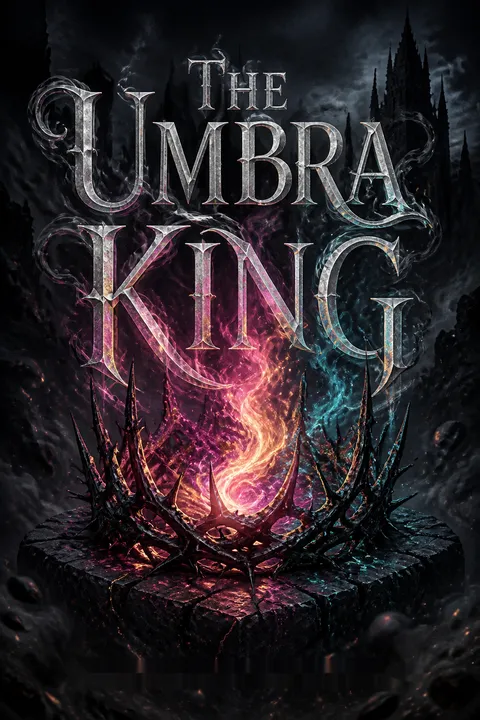
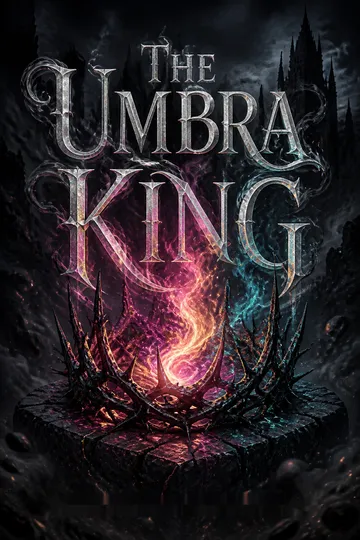
The Umbra King received mixed reviews, with many praising its unique world-building, steamy romance, and engaging characters. Readers enjoyed the enemies-to-lovers trope and the morally grey protagonists. However, some found the writing juvenile and the plot predictable. The book's spicy scenes and shadow magic were highlights for many. Critics noted issues with character development and pacing. Despite divided opinions, many readers expressed excitement for the sequel, especially due to the cliffhanger ending.
People Also Read
Characters
Rory Raven
The soul-seeing vigilanteRory is a Fey with unusual gray-scale sight: skin contact lets her see the colors of other people’s souls, but not the colors of the world around her. Quick, proud, and sharp-tongued, she values self-reliance because grief taught her how little control a person may have when someone they love is in danger. Her fierce moral certainty coexists with guilt and a capacity for tenderness, especially toward her mother and closest friends. Rory is drawn to people who challenge her judgment, but she resists any attempt to define her by her worst choices. Her central psychological tension is whether protection requires control, and whether she can accept care without surrendering her agency.
Caius
The imprisoned shadow kingCaius rules Vincula and commands its shadows, yet his royal authority is constrained by the same prison sentence that binds its inmates. He is controlled, proud, and often cruel in the way he tests people, but he also attends closely to their needs and takes responsibility for the realm’s welfare. His love for his family and his long-standing grievance against injustice shape his decisions, sometimes more strongly than his political caution. Caius struggles to reconcile the role of feared ruler with the vulnerability of someone who has been judged without being heard. Rory unsettles his self-control because she refuses both his intimidation and his easy explanations.
Cora Raven
Rory's beloved twinCora is Rory’s fraternal twin, a lamb Shifter remembered for her warmth, humor, and instinct to protect people who felt alone. She and Rory share a childhood full of private jokes, loyalty, and ordinary sibling friction. Cora’s kindness is not passivity; she acts decisively when someone she loves is hurting, while also respecting Rory’s need for space. Her absence shapes Rory’s sense of justice and her fear of failing others. Cora remains present through Rory’s memories, through the soul Rory longs to recover, and through the stories that reveal how deeply their bond formed Rory’s understanding of love.
Lenora Raven
The fading Sibyl motherLenora is Rory and Cora’s mother, a Sibyl whose ability to perceive possible futures gradually overtakes her ordinary awareness. Before her visions dominate, she is a loving parent who celebrates her children’s successes, cooks for them, and listens carefully when they make mistakes. Her illness leaves Rory both daughter and caregiver, tying love to daily acts of patience and practical responsibility. Lenora’s lucid moments can bring comfort, but also unnerving warnings that Rory cannot readily interpret. She represents the painful limits of caregiving: devotion can ease another person’s isolation, but it cannot restore the life that illness is taking.
Samyaza
The angelic commanderSamyaza, usually called Sam, is an Angel who commands Vincula’s legion and serves as Caius’s oldest friend. His immense presence and formal manner make him intimidating, but he is loyal, practical, and quietly attentive to the people in his care. He often acts as a bridge between Caius’s private fears and the realm’s public responsibilities. Sam is willing to challenge the king when he believes Caius is acting foolishly, even while obeying his office. His humor, bluntness, and occasional lack of social delicacy soften a role that might otherwise feel purely authoritarian.
Dume
Rory's steadfast Aatxe friendDume is an Aatxe and an enforcer, known for his strength, gentle temperament, and steady commitment to Rory and her family. He grew up alongside Rory and Cora, making him less a casual friend than a brother chosen through years of shared life. His professional role requires restraint, and he treats even offenders with more patience than Rory thinks they deserve. After Rory’s arrest, he tries to understand the victims and the people she may have saved, rather than accepting the public story at face value. His loyalty is tested by the conflict between friendship and the law he serves.
Bellina
The seamstress who welcomesBellina is a Visitant and palace seamstress who befriends Rory soon after her arrival in Vincula. Her gift concerns the moods of others, but her warmth is also plainly personal: she offers practical help, companionship, and a place in a new social circle. Bellina has a firm moral center shaped by love for her wife and by the harm she has witnessed in her family. She is humorous without being careless and protective without treating Rory as helpless. Her friendship gives Rory a glimpse of how people in Vincula build meaningful lives despite the prison’s limits.
Lauren
The fierce legion allyLauren is an Angel who works with Sam and the legion, often choosing a less conspicuous form while moving among inmates. She is a formidable fighter with a direct manner and a protective streak that appears when people she values are threatened. Lauren does not indulge Rory’s self-pity, but she recognizes the difference between a dangerous person and a person reduced to her worst act. Her friendship with Sam carries intimacy and mutual respect without a simple label. She can be funny and companionable, yet her competence reminds everyone that Vincula’s peace depends on people willing to confront violence.
Gedeon
The Lux KingGedeon rules Erdikoa as its Lux King and is Caius’s brother. He occupies the realm’s most visible seat of power, a position shaped by dynastic expectation and the public image of royal order. Where Caius is associated with shadow and imprisonment, Gedeon’s authority is linked to light and the capital. He matters to the story as part of the family history that governs the two realms and as a figure whose political choices affect people far beyond the palace. His relationship with Caius is complicated by the demands of royalty and by old family wounds.
Adila
The final judgeAdila is the Scales of Justice, the Royal who judges the accused and determines the punishment suited to their crimes. Her authority is considered final, and her decisions can redirect a life between Erdikoa, Vincula, and hell. She is Caius’s sister and holds a position that demands distance from personal loyalties, though the history of her family complicates that ideal. Adila represents a form of judgment different from Rory’s: she can perceive what a person is, not only what they have done. Her rulings are powerful precisely because others cannot easily appeal them.
Nina
The resentful head maidNina is an Alchemist and head maid in Caius’s palace. Ambitious and socially calculating, she wants proximity to power and treats Rory’s arrival as a threat to her position. She uses her authority over work assignments to make Rory’s days harder, while presenting herself as respectable to those who do not know her well. Nina’s pride makes her especially sensitive to public humiliation and rejection. She is a useful contrast to Bellina: both live and work within the palace, but Nina sees relationships as ways to secure status rather than as obligations of care.
Asher
The departing butcher-shop friendAsher is a former bank robber who works at Vincula’s butcher shop and becomes one of Rory’s first friends in the realm. At fifty-one, he remains in a young body and approaches difficult subjects with jokes, flirtation, and a willingness to ask blunt questions. His humor helps Rory feel included, but it does not conceal his unease about leaving a life he has known for decades. Asher’s ties to Bellina and the other inmates give him a place in a makeshift community. He reminds Rory that prison can become home even when release remains the hope.
Max
The quiet gardenerMax is an older Munin who works as Vincula’s gardener. He was imprisoned after breaking a man’s legs to defend his wife, and he speaks about that act with little self-pity. Max is observant and compassionate, often understanding people before they have explained themselves. His calm gives Rory room to grieve without being forced to perform strength. He misses his wife and looks forward to returning to her, yet he has also become part of the community he will leave behind. His presence offers a model of moral seriousness without self-righteousness.
Keith
The playful Shifter friendKeith is a Shifter, Rory’s friend, and part of the close group that includes Dume and Kordie. He is flirtatious and theatrical, but his good nature shows in the way he worries about Rory and takes her mother’s prophecy seriously. His friendship with Kordie grows through years of teasing and mutual affection. Keith can be irreverent, yet he is capable of recognizing when humor must give way to loyalty. He helps preserve Rory’s connection to her old life after her arrest and supports the search for people who can speak to her actions.
Kordie
The bold alchemist friendKordie is an Alchemist who runs a beauty salon and belongs to Rory’s closest circle in Erdikoa. Cheerful, confident, and inventive, she uses her craft to change appearances and make others feel more at home in their bodies. Her bright personality is not naivety; she is loyal, observant, and willing to help investigate Rory’s victims when the public condemns her. Kordie’s bond with Keith adds a romantic thread to the friend group, while her care for Lenora shows how affection becomes practical work. She is one of the people who refuses to reduce Rory to a headline.
Tallent
The reserved art dealerTallent is a quiet Shifter who works in Vincula’s hobby store after selling stolen art in Erdikoa. He seems measured and dependable beside the more boisterous members of Rory’s new circle. His interest in art suggests a person attentive to beauty and value, while his reserved manner makes him difficult to read. Tallent’s place among the inmates reflects the way Vincula gathers people whose histories are not always visible in their daily work. He becomes part of the fragile community Rory builds after arriving in the prison realm.
Cat
The outspoken bakerCat is a Sylph who works at the Vincula bakery and speaks before tact can catch up with her. She is funny, impulsive, and more serious than her blunt jokes initially suggest. Her short hair is a source of irritation because of a family conflict, and her history shows that her temper can turn into action quickly. Cat joins Rory’s circle without requiring her to disguise her past. Her candor can be abrasive, but it also gives the group permission to discuss difficult things without polishing every feeling first.
Kit
The book-loving librarianKit is a tall Eidolon who works in Vincula’s library and loves history and books. Her knowledge helps the group understand the realms, their rulers, and the traditions that shape royal life. She is direct and intellectually curious, and she often challenges assumptions that others accept without question. Kit’s own crime grew from a defense of books and access to learning, revealing a principled streak beneath her dry manner. She offers Rory a resource beyond friendship: a way to test legends against records and make sense of a confusing world.
Sera
The survivor who speaks outSera is a young woman Rory rescued from an attacker in Erdikoa. She is outspoken, fiercely grateful, and unwilling to let public opinion erase what Rory did for her. Sera pushes for people to hear the accounts of those Rory protected, despite having no personal history with Rory before the rescue. Her small stature contrasts with her forceful presence, and she often challenges Dume and Rory’s other friends when they hesitate. She represents the people whose lives were changed by Rory’s actions but would otherwise remain absent from the official story.
Bruce Stewart
The grateful new inmateBruce is a short-term inmate who deliberately provoked an arrest so he could reach Vincula and thank Rory. His daughter, Sera, survived an assault because Rory intervened. He is a devoted father whose gratitude outweighs his fear of imprisonment and lost memories. Bruce’s arrival gives Rory direct confirmation that someone she saved remembers her as a protector.
Patrick Raven
Rory's devoted fatherPatrick is Rory and Cora’s father and Lenora’s former husband. He leaves the marriage when Lenora’s Sibyl abilities begin to dominate her life, but he continues to care about her and remains part of his daughters’ family history. His love is restrained by Lenora’s wishes and by the difficulty of seeing her illness up close.
Jessie Hines
The disguised MerrowJessie is the name used by a Merrow who hides his identity with a shapeshifting potion. He steals souls and keeps them in jars, treating the lives he captures as a private resource. His role in Rory’s search for Cora makes him a link between a street-level crime and a much larger royal mystery.
Plot Devices
Soul-color sight
A moral sense made visibleRory can see the color of a person’s soul through skin-to-skin contact, and the darkest souls feel suffocating to her. The ability gives her a private way to identify people she believes are dangerous, shaping her vigilante method and her confidence in her own judgments. Its limits matter: Rory cannot see the ordinary world in color, and she initially mistakes a familiar face for the person behind it. The gift works as both investigative tool and psychological burden, because it encourages Rory to treat moral perception as certainty even when she lacks context.
Vincula's sentence contracts
Punishment measured in lifetimesA sentence in Vincula removes an inmate’s essence and suspends aging, while the inmate’s essence powers technology in Erdikoa. Those who leave the prison realm lose their memories of their time there, so release promises freedom at the cost of relationships and lived experience. Contracts record the crime, sentence, and release terms. Their transfer allows the story’s final sacrifice: one person can accept another’s remaining punishment, though doing so cannot restore what the released person will forget.
The Aeternum bond
Destiny with emotional consequencesAn Aeternum is the destined mate of a Royal. A person with gray-scale sight sees their Royal in color, and physical contact confirms the bond. The bond can create visions when one partner is in danger and, once strengthened through intimacy, allows the pair to meet in a shared soulscape. It does not automatically create love or settle questions of consent. Instead, it intensifies attachment and makes separation consequential, forcing Rory and Caius to decide what they will do with a connection that began before either understood it.
Captured souls
A death that can be withheldMerrows can catch a departing soul in a jar and absorb it to heal themselves or prolong their lives. The Crown is meant to bind this ability through a monthly potion, but an unbound Merrow continues stealing souls. Cora’s captured soul gives Rory’s search a tangible object and makes death more complicated than a simple ending. The jars also reveal the scale of the Merrow’s crimes when Rory finds and releases a roomful of them. A soul in a jar can be stolen, used, hidden, and potentially freed, which turns spiritual fate into a physical mystery.
Lenora's prophecy
A warning hidden in riddlesLenora’s Sibyl visions scatter her attention among possible futures, but sometimes she delivers a coherent warning. Her prophecy links two becoming one, a dangerous darkness, and a golden child who can save Rory. Its meaning is not immediately clear, so Rory first connects the darkness to her own secret violence. Later clues make the warning point toward the royal family and the danger surrounding Gedeon. The prophecy functions as both foreshadowing and a test of interpretation: a correct fragment does not guarantee that Rory understands the whole message.
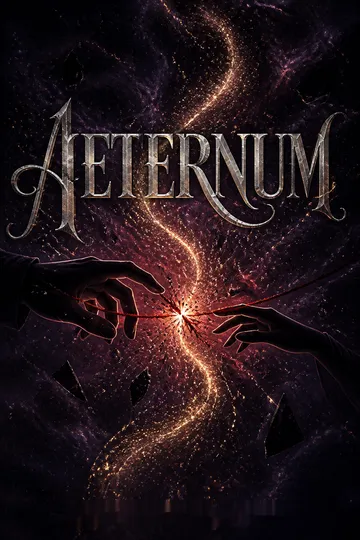
Vincula Realm Series
About the Author
Other books by Jamie Applegate Hunter
Download PDF
Download EPUB
.epub digital book format is ideal for reading ebooks on phones, tablets, and e-readers.








