Plot Summary
Night Run and Capture
Goztan Ryoto, a Lyucu thane, flees her tent in frustration, running through the night to escape the suffocating demands of her consorts and tribal politics. Her impulsive journey brings her to the guarded city-ships, where she is mistaken for a spy by the pékyu's daughter, Vadyu. In a moment of youthful suspicion and ambition, Vadyu knocks Goztan unconscious and drags her to a secret Lyucu expedition, setting in motion a chain of misunderstandings and shifting power. The night's events reveal the tension between personal desire and public duty, and the loneliness of those who must lead. Goztan's capture is not just physical but existential, as she is forced to confront her own nature and the expectations of her people.
Stories Across Cultures
Bound and uncertain of her fate, Goztan listens to a Dara storyteller, Oga, who weaves tales for the Lyucu warriors. The stories—of wolves and dolphins, of gods and mortals—reveal the power of narrative to shape identity and justify action. Goztan and Oga exchange their own myths, each subtly probing the other's worldview. Their exchange is fraught with suspicion, empathy, and the pain of cultural misunderstanding. Goztan is both drawn to and repulsed by Oga's willingness to adapt stories, seeing in him both a potential friend and a dangerous seducer of her people's truths. The night becomes a crucible for the possibility of connection, but also the inevitability of betrayal.
The Turtle Shell's Secret
In a flashback, Goztan recalls her role in the Lyucu's subjugation of the Dara city-ships. She and Oga conspire to create a "miraculous" turtle shell, etched with symbols that the Dara interpret as divine sanction for their rule. The shell becomes a tool of manipulation, a lie that everyone pretends to believe for their own advantage. Yet, in the act of deception, Goztan and Oga find a fleeting moment of solidarity, recognizing their shared status as pawns in larger games. The turtle shell, both artifact and message, encapsulates the tragic impossibility of true understanding between conqueror and conquered, and the way power distorts even the most intimate exchanges.
The Price of Birthright
After the Lyucu victory, Goztan is cast out by her own mother, accused of weakness for bearing a child by a Dara man. Her exile is both punishment and liberation, forcing her to build her own tribe from outcasts and exiles. Through cunning, violence, and alliances, she reclaims her birthright, but at the cost of her innocence and much of her empathy. The scars of her past—her lost child, her father's death, her mother's betrayal—harden her resolve but also haunt her. Goztan's rise is a testament to the brutal logic of survival in a world where power is the only currency, and mercy is a liability.
Wolves and Sheepdogs
Goztan's story is mirrored by the machinations of Volyu Aragoz, an Agon leader who survives by betraying rebels to the Lyucu. Volyu's self-justifications and shifting allegiances expose the moral ambiguities of collaboration and resistance. The Lyucu court is a den of wolves, but also of sheepdogs—those who keep order by turning on their own. The chapter explores the psychology of survival under occupation, the corrosive effects of fear, and the ways in which power rewards cunning over virtue. In the end, even the betrayers are betrayed, as the logic of violence consumes all.
The Whale's Way
Princess Théra and Takval, Agon and Dara, lead a fleet through the Wall of Storms, pursued by a Lyucu city-ship. Their alliance is fragile, tested by cultural differences and the trauma of exile. Ingenious tactics—kites shaped like tusked tigers, shadow plays, and a daring submarine assault—allow them to defeat the Lyucu, but at great cost. The whales of the sea, summoned by song, become both saviors and symbols of the unpredictable forces that shape history. The journey is a crucible for Théra and Takval's relationship, forcing them to confront the limits of trust, the necessity of sacrifice, and the meaning of home.
Shadows and Kites
The Dara fleet's survival depends on misdirection and innovation. Shadow puppetry, musical kites, and the manipulation of enemy expectations become tools of war. The Lyucu, confident in their strength, are undone by their inability to imagine the unfamiliar. The chapter is a meditation on the power of art and illusion—not just to entertain, but to save lives and change the course of battles. Yet, every victory is tinged with loss, as the cost of survival is the erosion of innocence and the deepening of divisions between allies.
The Siege of Kiri Valley
In the secret Agon-Dara base at Kiri Valley, years of preparation for rebellion are undone by a single act of betrayal. Volyu, seeking to save himself, reveals the rebels' plans to the Lyucu. The resulting attack is devastating: the valley is destroyed, families are torn apart, and the survivors are forced into flight. Théra is paralyzed by guilt, Takval by grief, and the children are scattered. The chapter is a harrowing account of the price of hope in a world ruled by suspicion and violence, and the impossibility of clean victories in the struggle for freedom.
The Splendid Urn's Trials
In Ginpen, the Splendid Urn—symbol of community and tradition—comes under attack from the ambitious Tiphan Huto and his new restaurant, the Treasure Chest. Sabotage, curses, and dirty tricks threaten to destroy the Urn's reputation. The staff, led by Mati and Lodan, must rally with the help of the eccentric Blossom Gang and the mysterious Dandelion. The contest becomes a microcosm of the larger struggles in Dara: tradition versus innovation, community versus profit, and the resilience of ordinary people in the face of overwhelming odds.
The Blossom Gang's Gambit
The Blossom Gang—Rati, Widi, Arona, and Mota—bring their unique talents to bear in defense of the Splendid Urn. Mechanical carts, animal servers, and theatrical storytelling transform the restaurant's service and entertainment. Dandelion's insight into the power of narrative helps the Urn not just survive, but triumph. The contest is not just about food or service, but about the stories people tell themselves about who they are. The victory is bittersweet, as it is won through risk, sacrifice, and the exposure of hidden wounds.
The Maze of Loyalties
Kinri, the Lyucu-born "busboy" at the Urn, is drawn ever deeper into the world of Dara. His growing love for Dandelion and his friendships with the Blossom Gang force him to question the stories he was raised on. The revelation of his true parentage—son of Goztan and Oga, brother to Zomi—shatters his sense of self. Torn between loyalty to his mother and his new family, Kinri is paralyzed by the impossibility of choosing sides. The chapter is a meditation on the pain of divided loyalties, the search for belonging, and the cost of truth.
The Fall of Kiri Valley
The survivors of Kiri Valley, led by Théra and Takval, flee into the mountains, pursued by the Lyucu. In a desperate gambit, Toof and Radia, Lyucu defectors, betray the group to save the children, separating them from their parents. The agony of loss, the burden of leadership, and the impossibility of forgiveness haunt the refugees. The chapter is a stark reminder that in war, even the best intentions can lead to tragedy, and that survival often demands impossible choices.
The Ghost City Refuge
The escaped children, led by Sataari and Razutana, find refuge in the salt flats and the ancient, forbidden city of Taten-ryo-alvovo—the City of Ghosts. Marked by blood and ritual, they must survive winter in a place shunned by all. The landscape is both a graveyard and a sanctuary, a place where the past lingers and the future is uncertain. The chapter is a testament to resilience, the power of myth, and the ways in which children inherit the burdens and hopes of their elders.
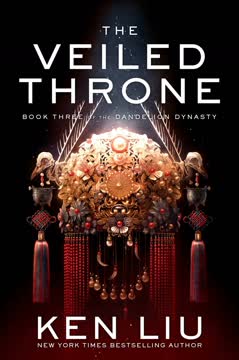
The Veiled Throne
In Pan, Empress Jia rules from behind a veil, maintaining peace through compromise, bureaucracy, and the suppression of uncomfortable truths. The Dandelion Throne is both a symbol of hope and a mask for the unresolved traumas of Dara. Jia's regency is marked by her refusal to yield power, her manipulation of stories, and her willingness to sacrifice individuals for the greater good. The chapter explores the tension between justice and stability, the uses and abuses of history, and the loneliness of those who must bear the weight of the world.
The Contest of Service
The second round of the restaurant contest pits the Splendid Urn's ingenuity against the Treasure Chest's wealth. Rati's self-driving carts, powered by animal "drivers" and rope-maps, allow a skeleton crew to serve a full house. The contest becomes a celebration of invention, collaboration, and the dignity of labor. Yet, the victory is not just technical—it is a triumph of community, love, and the stories that bind people together.
The Truth of Atrocities
In the secret library of Last Bite, Kinri reads the sealed testimonies of refugees and survivors, including Zomi's own account of her mother's death. The truth of Lyucu atrocities, the complicity of collaborators, and the moral ambiguities of resistance and survival are laid bare. Kinri is forced to confront the darkness at the heart of his own identity, the lies he has been told, and the impossibility of clean hands in a world built on violence. The chapter is a reckoning with history, memory, and the limits of forgiveness.
The Last Bite
The Blossom Gang's quest leads them to Last Bite, the Imperial laboratory and archive. There, secrets are uncovered: the truth of Gin Mazoti's trial, the hidden inventions that could change the world, and the tangled web of love and betrayal that binds the characters. Kinri and Dandelion's true identities are revealed, forcing them to choose between love and loyalty, past and future. The chapter is a climax of converging stories, where every choice is both a liberation and a loss.
Family and Exile
In the aftermath, Kinri—now revealed as Savo Ryoto, son of Goztan and Oga, brother to Zomi—cannot choose between his two heritages. Fara, revealed as Princess Fara, cannot persuade him to abandon his mother and homeland. Their love, as deep as it is, is not enough to overcome the weight of history and the demands of family. Zomi, too, must accept that truth and justice are not always aligned, and that sometimes the only answer is exile. The chapter ends with the gods themselves reflecting on the limits of their power, the inevitability of suffering, and the necessity of letting mortals find their own way.
Characters
Goztan Ryoto
Goztan is a Lyucu thane whose life is shaped by exile, ambition, and the scars of betrayal. Cast out by her mother for bearing a child by a Dara man, she builds her own tribe from outcasts, learning to navigate the brutal politics of the Lyucu and Agon. Her relationship with Oga, a Dara slave, is complex—marked by both genuine affection and the power dynamics of conquest. Goztan's love for her son, Kinri, is both her strength and her curse, as she is forced to send him into exile for his own safety. Her journey is one of survival at any cost, but also of longing for connection and redemption.
Kinri (Savo Ryoto)
Born to Goztan and Oga, raised as a Lyucu thane-taasa, Kinri is torn between two worlds. His journey from loyal Lyucu to "busboy" in Ginpen is a quest for belonging, love, and self-understanding. His relationships—with Dandelion (Fara), the Blossom Gang, and his sister Zomi—force him to confront the lies of his upbringing and the atrocities committed by his people. Kinri's inability to choose between his mother and his new family is both his tragedy and his integrity. He embodies the pain of divided loyalties and the impossibility of clean choices in a world built on violence.
Dandelion (Princess Fara)
Fara, the youngest daughter of Kuni Garu, is a free spirit who seeks meaning in art, stories, and love. Her relationship with Kinri is a rare space of honesty and vulnerability, but also a site of heartbreak when the truth of their identities is revealed. Fara's journey is one of self-discovery, as she learns that love cannot erase history, and that the stories we tell about ourselves are both liberating and confining. Her refusal to abandon Kinri, even when he cannot choose her, is a testament to her courage and her capacity for forgiveness.
Zomi Kidosu
Zomi is a brilliant engineer and the Farsight Secretary of Dara, charged with defending the realm against Lyucu espionage. Her life is marked by loss—her mother's death, her lover Théra's exile, her own complicity in the political machinations of the Dandelion Court. The revelation that Kinri is her brother forces her to confront the limits of justice, the cost of truth, and the impossibility of reconciling all debts. Zomi is both a guardian of secrets and a seeker of them, a woman who must choose between loyalty to the state and loyalty to her own heart.
Théra
Théra is the daughter of Kuni Garu, chosen heir to the Dandelion Throne, and the architect of the Agon-Dara alliance. Her journey across the sea, her love for Takval, and her leadership in Kiri Valley are all marked by brilliance and tragedy. The destruction of Kiri Valley, the loss of her children, and her own paralysis in the face of disaster reveal the limits of even the most gifted leaders. Théra's story is one of ambition, guilt, and the search for meaning in the aftermath of failure.
Takval Aragoz
Takval is Théra's husband and the would-be unifier of the Agon. His alliance with Théra is both political and deeply personal, but is tested by betrayal, defeat, and the agony of losing their children. Takval's journey is one of learning to balance sacrifice and hope, to lead without certainty, and to love in the face of overwhelming grief. His relationship with Théra is a rare partnership of equals, but even together they cannot prevent tragedy.
The Blossom Gang (Rati, Widi, Arona, Mota)
The Blossom Gang are a group of misfits whose talents—mechanical, legal, theatrical, and physical—allow them to turn the tide in the contest for the Splendid Urn. Each is marked by loss, exile, or social stigma, but together they form a chosen family. Their refusal to be co-opted by power, their commitment to freedom and curiosity, and their willingness to risk everything for each other make them both heroes and outcasts. Their story is a celebration of the dignity of ordinary people and the power of friendship.
Volyu Aragoz
Volyu is the archetype of the collaborator who survives by betraying others. His self-justifications, shifting allegiances, and ultimate betrayal of the rebels at Kiri Valley expose the moral ambiguities of survival under occupation. Volyu is both pitiable and contemptible, a man who cannot escape the logic of violence he helps perpetuate.
Cutanrovo Aga
Cutanrovo is the embodiment of the Lyucu's most ruthless impulses. Her purification campaigns, mass executions, and destruction of native culture are driven by a belief in obedience and the supremacy of the Lyucu. She is both a product and a perpetuator of trauma, her own losses fueling her cruelty. Cutanrovo is a warning about the dangers of ideology untempered by empathy.
Empress Jia
Jia rules Dara from behind a veil, maintaining peace through compromise, bureaucracy, and the suppression of uncomfortable truths. Her willingness to sacrifice individuals for the greater good, her manipulation of stories, and her refusal to yield power make her both a stabilizing force and a source of unresolved trauma. Jia's loneliness, her love for her children, and her burden of guilt are the hidden costs of her reign.
Plot Devices
Stories as Weapons and Bridges
The novel is structured around the telling and retelling of stories—myths, histories, personal narratives, and propaganda. Stories are used to justify conquest, to resist oppression, to bridge cultural divides, and to manipulate both individuals and masses. The power of narrative is both liberating and confining: it can create empathy, but also entrench hatred. The contest over whose story prevails is the true battleground, and the novel constantly interrogates the reliability, mutability, and consequences of the stories we tell.
Mirrors and Doubles
The novel is filled with pairs and opposites: Goztan and Oga, Kinri and Dandelion, Théra and Takval, Zomi and Kinri, Volyu and Cutanrovo, Jia and Gin Mazoti. These mirrors allow for the exploration of empathy, betrayal, and the impossibility of clean choices. The device of mistaken or hidden identity (Kinri as busboy, Dandelion as kitchen maid, Zomi's resemblance to Kinri) is used to explore the fluidity of self and the pain of divided loyalties.
Mechanical Innovation as Metaphor
The mechanical marvels—self-driving carts, sun stoves, silkmotic engines—are not just plot devices but metaphors for the necessity of adaptation, collaboration, and the dignity of labor. The contest between the Splendid Urn and the Treasure Chest becomes a microcosm of the larger struggles in Dara, where ingenuity and community can triumph over wealth and brute force.
Sealed Truths and Forbidden Archives
The sealed testimonies, secret libraries, and forbidden archives are literal and figurative representations of the way societies suppress, distort, or weaponize the past. The act of breaking seals—whether on scrolls or on personal identities—is fraught with danger, but also necessary for growth and healing. The novel uses these devices to explore the cost of truth, the limits of justice, and the impossibility of reconciling all debts.
Gods as Chorus and Irony
The gods of Dara serve as a kind of Greek chorus, commenting on the action, debating their own impotence, and reflecting the confusion and futility of meddling in mortal affairs. Their presence is both ironic and poignant, highlighting the limits of power—divine or human—and the necessity of letting individuals find their own way.
Analysis
Ken Liu's The Veiled Throne is a sweeping meditation on the power of stories to shape, justify, and challenge the world. At its heart, the novel is about the impossibility of clean choices in a world built on violence, trauma, and competing loyalties. Every character is forced to confront the lies they have been told, the truths they would rather not face, and the pain of loving across boundaries that history has made nearly unbridgeable. The novel's structure—interweaving personal, political, and mythic narratives—mirrors its thematic concerns: that history is always contested, that identity is always in flux, and that the search for belonging is both universal and fraught. The mechanical innovations and contests in Ginpen serve as both literal and metaphorical explorations of adaptation, collaboration, and the dignity of ordinary people. The gods' commentary frames the action with irony and humility, reminding readers that even the most powerful are limited in their ability to shape outcomes. Ultimately, The Veiled Throne is a novel about the necessity of empathy, the cost of survival, and the hope that, even in exile and loss, individuals can find meaning by choosing love, truth, and community—however imperfectly. The lesson is not that stories can save us, but that the stories we choose to live by determine who we become, and that the courage to face the truth, even when it divides us, is the beginning of wisdom.
Last updated:
Review Summary
The Veiled Throne receives an overall 4.14 rating, with readers praising Ken Liu's intelligent storytelling and complex themes exploring war, culture, language, and identity. Most reviewers acknowledge it as the first half of a split final book, resulting in slower pacing and an unconventional climax featuring an extended cooking competition. While some found this section too long, others appreciated its thematic depth. Readers praise Liu's prose, character development, and worldbuilding, though many consider it the weakest installment compared to previous books. The novel explores political intrigue, cultural clashes between Dara and Lyucu peoples, and generational conflicts. Despite pacing issues, fans remain invested and excited for the concluding volume, Speaking Bones.