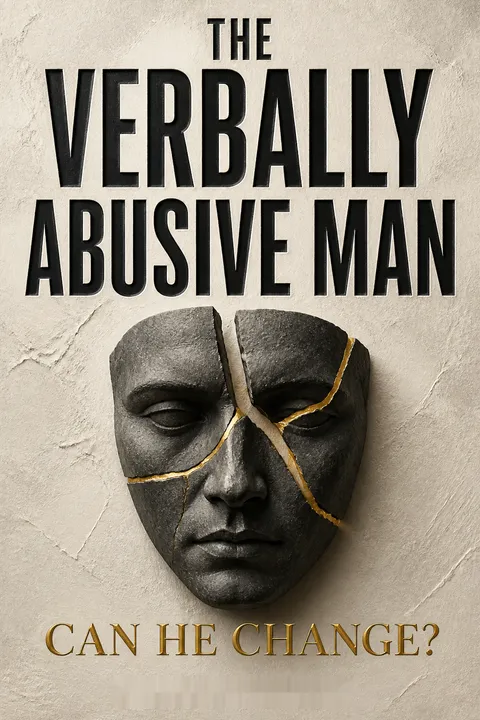


Key Takeaways
Treat repeated reality-denial as abuse, not a communication glitch
Look for the pattern. Evans defines verbal abuse as more than insults. It includes telling a partner what she thinks, feels, intends, or should do, and dismissing her account of what happened. Threats, contemptuous jokes, orders, and silence can also undermine her freedom and sense of reality. The key issue is a recurring pattern that denies her separateness, not one clumsy remark or ordinary disagreement.
The picnic argument shows how. Jill asks Jack whether he has plans. Rather than answer, he accuses her of picking a fight, disputes her intentions, and shifts the discussion until she is defending herself instead of discussing the picnic. Evans uses this scene to show how repeated blame and denial can leave a partner confused about what she actually said.
The picnic scene is persuasive because it makes the pattern legible: the topic keeps changing, while one person is repeatedly assigned motives she has not expressed. That is more informative than judging a relationship by whether it contains swear words. A useful distinction is between disagreement and coercion: partners can challenge each other's accounts, but persistent contempt, intimidation, or refusal to accept correction changes the stakes. The book's broad definition still needs care; not every mistaken assumption is abuse. Frequency, power, consequences, and response to a boundary help distinguish a harmful pattern from a repairable misstep.
When safe, stop defending and bring the conversation back to the question
Do not enter the detour. Evans argues that explaining why an accusation is false can trap a partner in an endless trial, with the abusive person acting as judge. In the picnic scene, Jill keeps explaining that she was not arguing, while Jack avoids answering her original question. The book suggests briefly asking what was said, or calmly repeating the unanswered question, rather than debating an invented motive.
Safety comes first. A short response may help interrupt a confusing exchange, but it cannot make another person listen or behave respectfully. If speaking up could provoke retaliation, the priority is to end the interaction or get support, not to use the right phrase. Evans also advises noticing and documenting recurring statements, though recording can create legal and safety risks and should not be attempted without appropriate guidance.
The method works as a conversational boundary, not as a persuasion trick. Returning to the original question exposes evasion without requiring the targeted person to prove an inner state that only she can know. That can preserve attention and reduce the exhausting urge to rebut every accusation. Its limitation is equally important: a person using intimidation may treat even a neutral prompt as a challenge. No communication technique reliably de-escalates coercion. The decision to answer, disengage, or seek help belongs to the person facing the risk, not to a script.
Use specific examples to make harmful behavior visible
Turn confusion into evidence. Evans's Agreement is a written proposal built around examples of what the partner has actually heard. Instead of arguing over labels such as abusive or controlling, it names behaviors, sets expectations for respectful communication, and gives both people a way to flag and repair a hurtful statement. The partner is invited to prepare it carefully and allow the other person to suggest changes.
It is a first step, not a cure. Evans presents the Agreement as a way to help a man notice that he has been defining his partner's experience. It does not guarantee insight, lasting change, or safety. A refusal, delay, or hostile response is information, but the document is not a test that can predict the future. Mutual wording may make discussion easier; it must not imply that responsibility for one person's abuse is automatically equal.
Specific examples can make a diffuse experience easier to discuss, remember, and assess. That is a practical strength of the Agreement: it replaces an argument about character with observable words and actions. Its mutual format may lower defensiveness, but fairness of format is not the same as equality of harm. A person can agree to the language while evading accountability, or refuse for reasons that need context. The meaningful measure is what follows: whether the behavior stops, whether repair is genuine, and whether the partner's boundaries are respected.
Change requires sustained ownership, not crisis-time promises
Awareness is only the beginning. Evans says change is possible when a man recognizes the harm, accepts responsibility, and commits to the work rather than blaming his partner. Her examples of that work include focused therapy, learning about verbal abuse, journaling, practicing more respectful conversation, and developing empathy. Anger management may help control an outburst, she argues, but by itself may not address the relationship pattern.
Watch what happens under pressure. Evans describes a recurring cycle: a partner considers leaving, the man becomes attentive and remorseful, and old behavior returns when he feels secure again. In her Dream Woman model, this shift reflects a change in how he sees his partner; regardless of explanation, temporary kindness is not proof of durable change. A stronger sign is continued accountability that does not depend on winning her back.
The distinction between remorse and repair is central. A promise made during a breakup can be sincere and still fail to produce new habits; accountability is visible in repeated conduct, especially when the other person sets limits or says no. Evans's emphasis on sustained effort also prevents anger control from becoming a cosmetic fix. One caution: the book gives no reliable timetable or validated prediction rule for who will change. Progress should be judged through observable behavior and independent support, not confidence, grand declarations, or a partner's hope.
Treat Dream Woman as Evans's theory, not an established diagnosis
A model of disconnection. Evans's term Dream Woman describes an imagined partner who embodies feelings and capacities a man has not developed or accepted in himself. She links this to childhood experiences in which boys were discouraged from vulnerability or empathy. In this account, a real partner's independent opinions disrupt the imagined unity, and the man may respond with anger, denial, or control. Evans calls a sudden behavioral shift after engagement, marriage, or another commitment the switch.
The harm matters beyond the explanation. Evans uses stories of partners who saw a charming man become hostile after a major relationship commitment to illustrate how disorienting such a change can be. Her explanation is an interpretive framework, not a demonstrated clinical mechanism. Readers do not need to accept it, diagnose a partner, or identify his childhood history to recognize repeated intimidation, denial, or control.
The model offers a striking way to understand why some controlling behavior can feel both intimate and alienating: the partner is treated less as a separate person than as a screen for someone else's expectations. That image can help a targeted person stop searching for the perfect wording that would make the abuse disappear. But an evocative explanation is not proof of cause. Childhood adversity does not make abuse inevitable, and the book's theory should not substitute for a careful assessment of behavior, risk, and responsibility.
Find support that recognizes abuse without defaulting to equal blame
The wrong frame can deepen confusion. Evans recounts women seeking counseling and being told that both partners contribute equally, or that they should be more loving or pleasing. She argues that this can intensify self-blame when the central problem is one partner's repeated degrading or controlling behavior. She recommends individual support for the affected partner and help from a therapist who understands verbal abuse and trauma.
Ask how sessions handle harm. The book proposes that a counselor interrupt comments that define or belittle a partner, rather than letting them pass as ordinary conflict. This is a useful standard to discuss before joint sessions. Couples counseling is not automatically inappropriate, but where intimidation or coercive control is present, joint discussion may be unsafe or unproductive. Independent advice and safety planning should remain available.
A therapist's neutrality is not helpful if it means treating coercion as a symmetrical communication problem. Naming observable behavior can protect a client from being drawn into proving that she deserves respect. At the same time, a poor counseling experience does not show that all therapists or all joint therapy are ineffective. The practical test is whether the professional can identify harmful conduct, assess safety, and avoid pressuring the targeted person to reconcile. Separate support matters because the partner needs a place to think freely, including about leaving.
Let safety, not a change plan, determine whether you confront him
Some responses carry risk. Evans warns that threats, stalking, physical violence, weapons, or a partner's strong sense of danger call for caution. In such circumstances, presenting an Agreement or directly challenging behavior may increase risk. The book urges the reader to seek help from trusted people, domestic violence services, and legal professionals, and to plan where to go if needed. Threats involving children, money, or retaliation should be taken seriously.
Leaving can require preparation. Evans discusses practical concerns such as housing, finances, employment, documentation, and custody. Her examples underline that separation is not always a simple or immediately available choice. A plan should fit the person's circumstances and be made with qualified local support. The partner does not owe an abuser a final conversation, a written explanation, or an attempt to wake him up before protecting herself.
The most important limit on the book's communication advice is that a person facing danger should not be assigned the job of managing the abuser's insight. Safety planning respects both the possibility of escalation and the practical barriers that can make leaving complicated. The book is strongest when it treats threats and physical coercion as serious rather than as ordinary relationship conflict. Its more confrontational suggestions should be approached cautiously; an advocate familiar with local resources can help tailor decisions to the actual risk.
His recovery does not obligate you to remain in the relationship
Change does not erase impact. Evans says a partner may remain traumatized even if the man begins acting differently. Her examples of promising signs include respecting a refusal, asking about her experience, speaking kindly, apologizing and rephrasing after a harmful remark, and continuing his own work without demanding praise or affection. The partner's trust and emotional safety may take longer to recover, or may not return.
The choice stays with her. A woman can decide to stay, separate for a time, or leave permanently. Evans cautions against staying because she thinks she caused the abuse, must change herself to fix him, or owes him another chance because he promised. Children and practical constraints may shape the decision, but they do not make the abuse her fault. A man's commitment to change is meaningful only if it respects her freedom to choose.
This distinction protects a survivor from becoming the reward system for someone else's recovery. Trust is not restored by a declaration, and forgiveness is not the same as renewed access to a relationship. The book's behavioral signs are useful because they shift attention from emotional performance to respect for boundaries. Even then, the decision is not a verdict on whether the abuser has improved. A relationship requires willingness and safety from both people, and one person's progress cannot create an obligation for the other.
Analysis
Evans's book combines a practical guide to recognizing verbal abuse with a highly specific theory of why some men behave abusively. Its most durable contribution is behavioral: abuse can consist of repeatedly assigning a partner motives, feelings, and meanings, then treating her correction as further proof of wrongdoing. The picnic exchange gives that claim a concrete shape. It shows how a seemingly minor question can become a maze of accusation, evasion, and self-defense. The Agreement attempts to turn that maze into observable language and shared rules.
The book is also attentive to the social costs of disbelief. It describes partners who doubt their perceptions after being blamed by a spouse, friends, or counselors, and argues that counseling can compound harm when it assumes equal responsibility before identifying what is happening. Its emphasis on safety, accountability, and a partner's right to leave is therefore essential, not incidental. The practical recommendations are most useful when treated as options shaped by risk, rather than duties imposed on the person experiencing abuse.
The Dream Woman explanation is the book's most distinctive and least secure element. Evans presents it as a causal account involving childhood suppression, a projected inner self, and a partner experienced as threatening when she asserts independence. The text offers anecdotes and consultation experience, not evidence that establishes this mechanism. It should be read as a metaphor or hypothesis, not as a diagnosis or an excuse. The book also makes sweeping claims about gender, personality disorders, and the likelihood of change that its evidence cannot support. Its strongest use is thus as a behavior-focused guide to naming harm and evaluating accountability, not as a clinical account of every abusive person or a forecast of who can change.
Review Summary
The Verbally Abusive Man, Can He Change? receives mostly positive reviews, with readers praising its insights into abusive relationships and strategies for change. Many find the concept of the "dream woman" helpful in understanding abusive behavior. The book is seen as a valuable resource for those in abusive relationships, therapists, and even those seeking self-improvement. Some readers note its repetitiveness and cultural specificity. While most find it empowering, a few criticize its gendered approach and question the effectiveness of the proposed "Agreement" method.
People Also Read





Glossary
Dream Woman
Projected, undeveloped inner selfEvans's term for an imagined feminine figure representing feelings, experiences, and capacities that she believes a man has not integrated into his conscious self. In her theory, he projects this figure onto his partner and may react angrily when the real partner acts independently. This is the author's interpretive model, not an established clinical diagnosis.
unlived self
Disowned parts of oneselfEvans uses this phrase for emotions, experiences, and personal capacities that a person has suppressed or failed to develop, often because of childhood treatment. In her account, these disowned elements remain outside the person's conscious sense of self and contribute to the Dream Woman construct. The term belongs to her explanatory framework.
the Agreement
Written behavior-change proposalA written proposal Evans recommends using to make repeated verbally abusive statements and behaviors explicit. It uses examples from the relationship, sets mutual expectations for respectful communication, and describes how either person can flag and repair a harmful remark. Evans presents it as a possible wake-up call and starting point, not as a guarantee that abuse will stop.
the switch
Sudden shift to controlling behaviorEvans's name for an abrupt change from a partner's earlier charm or kindness to anger, criticism, or control. She associates the shift with events that make a relationship feel secure, such as engagement, marriage, or having a child. Her explanation connects the switch to the Dream Woman theory, rather than establishing it as a universal or clinically verified process.
Reality One and Reality Two
Control versus mutualityEvans's contrast between a power-over view of relationships and a mutual, two-person exchange. In the first, one partner attempts to define or control the other's experience; in the second, both are treated as separate people who can listen, respond, and disagree. The distinction helps explain why the same interaction may be understood very differently by each partner.
FAQ
What's The Verbally Abusive Man - Can He Change? about?
- Focus on Verbal Abuse: The book delves into the dynamics of verbally abusive relationships, particularly examining if a verbally abusive man can change.
- Perspectives and Insights: It offers insights from both the victim's and the abuser's viewpoints, aiming to foster understanding and healing.
- Practical Guidance: Patricia Evans provides practical tools, including "the Agreement," to help partners of verbally abusive men navigate their relationships and decide whether to stay or go.
Why should I read The Verbally Abusive Man - Can He Change??
- Empowerment Through Knowledge: The book equips readers with knowledge about verbal abuse, helping them recognize unhealthy patterns in their relationships.
- Practical Strategies: It offers actionable strategies for addressing verbal abuse, including how to present the Agreement to the abuser.
- Support for Decision-Making: The book aids readers in making informed decisions about their relationships, whether to seek change or to leave.
What are the key takeaways of The Verbally Abusive Man - Can He Change??
- Understanding Change: Change is possible but requires the abuser to recognize his behavior and be willing to work on it.
- The Agreement Concept: The Agreement is a crucial tool that helps the abuser see the impact of his words and actions on his partner.
- Recognizing Abuse: The book emphasizes the importance of recognizing verbal abuse and understanding its effects on the victim's mental health.
What is "the Agreement" in The Verbally Abusive Man - Can He Change??
- Definition of the Agreement: The Agreement is a structured way for the partner to communicate the impact of the abuser's behavior and to outline expectations for change.
- Motivational Tool: It serves as a wake-up call for the verbally abusive man, helping him understand how he has defined his partner's reality.
- Steps to Create It: The book provides detailed guidance on how to prepare for, write, and present the Agreement effectively.
How can I tell if my partner is verbally abusive according to The Verbally Abusive Man - Can He Change??
- Identifying Defining Statements: Look for statements that define or characterize you negatively, such as "You're too sensitive" or "You always do this."
- Patterns of Control: Notice if your partner frequently tries to control your thoughts, feelings, or actions, which is a hallmark of verbal abuse.
- Emotional Impact: Pay attention to how you feel around your partner; if you often feel confused, belittled, or invalidated, these are signs of verbal abuse.
Can a verbally abusive man change according to The Verbally Abusive Man - Can He Change??
- Possibility of Change: Yes, some men can change if they recognize their behavior and are motivated to seek help.
- Key Indicators: Change is more likely if the abuser shows signs of accountability, remorse, and a willingness to engage in therapy.
- Limitations: However, change is less likely for men with personality disorders or those who are physically violent.
What are the signs that a verbally abusive man is not likely to change according to The Verbally Abusive Man - Can He Change??
- Lack of Accountability: If he consistently blames others for his behavior and refuses to acknowledge his actions, change is unlikely.
- History of Violence: A history of physical violence or threats significantly reduces the chances of meaningful change.
- Resistance to Help: If he shows no interest in seeking help or refuses to engage in discussions about his behavior, he is unlikely to change.
How do I present the Agreement to my partner according to The Verbally Abusive Man - Can He Change??
- Preparation is Key: Before presenting the Agreement, ensure you understand its purpose and how it can help your partner recognize his behavior.
- Choose the Right Moment: Find a calm and private time to discuss the Agreement, ensuring that both of you are in a receptive state of mind.
- Be Clear and Direct: Present the Agreement clearly, emphasizing that it is about fostering understanding and improving the relationship, not about blaming.
What should I do if my partner reacts negatively to the Agreement in The Verbally Abusive Man - Can He Change??
- Stay Calm and Firm: If he reacts negatively, remain calm and reiterate that the Agreement is meant to help both of you understand the relationship better.
- Reinforce Your Intentions: Emphasize that your goal is to improve the relationship and that you are open to discussing his feelings about the Agreement.
- Seek Support: If the conversation escalates or becomes abusive, consider seeking support from a therapist or a support group for further guidance.
What are some common misconceptions about verbal abuse according to The Verbally Abusive Man - Can He Change??
- It’s Just Words: Many believe that verbal abuse is less serious than physical abuse, but it can have profound emotional and psychological effects.
- Only Women Are Victims: While the book focuses on women, men can also be victims of verbal abuse, and the dynamics can be similar.
- Change is Easy: Some think that simply asking an abuser to change will suffice, but real change requires deep self-reflection and commitment to personal growth.
What should I do if I am in a verbally abusive relationship according to The Verbally Abusive Man - Can He Change??
- Seek Support: It’s crucial to reach out for support from friends, family, or professionals who understand verbal abuse. This support can provide validation and guidance on how to navigate the situation.
- Document Abuse: Keeping a record of abusive incidents can be helpful, especially if you decide to seek legal action or counseling. Documentation can provide clarity and evidence of the abuse.
- Consider the Agreement: If safe, consider presenting the "Agreement" to your partner as a way to address the abuse. This can serve as a starting point for discussions about change and mutual respect.
What are the long-term effects of verbal abuse on individuals according to The Verbally Abusive Man - Can He Change??
- Emotional Trauma: Long-term exposure to verbal abuse can lead to significant emotional trauma, including anxiety, depression, and low self-esteem. Victims may struggle with feelings of worthlessness and fear.
- Trust Issues: Individuals may develop trust issues in future relationships, fearing that they will be hurt again. This can hinder their ability to form healthy connections with others.
- Coping Mechanisms: Victims may adopt unhealthy coping mechanisms to deal with the pain, such as substance abuse or isolation. These behaviors can further complicate their recovery and well-being.
About the Author

Download PDF
Download EPUB
.epub digital book format is ideal for reading ebooks on phones, tablets, and e-readers.








