

Key Takeaways
Fame can magnify a woman while shrinking her control over her own life.
A life split in two. Britney Spears traces a sharp divide between being watched and being free. As a child in Louisiana, she sang to quiet the fear and disorder at home. As a young star, she reached audiences around the world. Yet, she recounts, from 2008 to 2021 a court conservatorship gave others control over major parts of her personal and financial life, even as she continued to work and perform.
The story beneath the image. The book is not simply a celebrity career retrospective. It follows Spears's effort to reclaim a voice that had often been used to sell, judge, or manage her. The arc ends not with a promised comeback, but with her trying to live as a person whose choices belong to her.
What's striking is the gap between public visibility and private agency. Celebrity culture can make a person seem exceptionally powerful while leaving them exposed to employers, family members, media, and legal structures they cannot readily challenge. The memoir makes that mismatch tangible through one life rather than treating fame as uncomplicated privilege. Its account is also a first-person testimony, not a neutral legal history: readers can understand the experience she describes while recognizing that contested events and motives are presented through her perspective. That distinction need not weaken the book's central question: who gets to decide what happens to a person whose image belongs to the public?
Singing gave a frightened child a voice before fame gave her a stage.
A private refuge. Spears describes a childhood shaped by parental conflict, her father's drinking, and a family rule against openly disagreeing with adults. Singing became a way to express feelings she could not safely say at home. She remembers hearing a housekeeper sing gospel in the laundry room and feeling transported. Music, in her account, was spiritual as well as practical: it quieted fear and let her imagine another life.
Hide, then perform. As a child, she sometimes disappeared into cabinets, but she also loved dancing and singing before an audience. The two impulses coexisted: she wanted to vanish from view and to be seen on her own terms. Talent contests, theater work, and the Mickey Mouse Club gave her a place to develop that performing self, though she returned to ordinary life in Louisiana when the show ended.
The memoir treats performance as both escape and expression, a distinction worth keeping. A creative refuge can help someone imagine possibilities beyond a difficult environment, but it does not make that environment safe or resolve its underlying harms. Spears's childhood story also complicates the familiar idea that a confident performer must feel confident everywhere. Stage command and private insecurity can occupy the same person. That contrast is useful beyond celebrity: skill in one public setting should not be mistaken for emotional invulnerability in ordinary relationships or at home.
A record-breaking career did not protect a teenage star from sexual scrutiny.
Success came fast. Spears was sixteen when her debut single, '...Baby One More Time,' was released. Its album soon sold more than ten million copies, and she became the first woman to debut with a number-one single and album at the same time. The achievement brought recognition, but it also made her body and image public subjects. She recalls reporters asking whether her breasts were real and critics condemning her clothes after performances.
No acceptable version. When she performed in a revealing outfit, some viewers accused her of setting a bad example for children. At the same time, older men watched her as a sexual fantasy, while critics questioned whether a young woman who looked sexy could also be talented. Spears describes trying to keep the focus on singing and dancing while the press repeatedly made her appearance the story.
The double bind is central: a young woman is rewarded for marketable sexuality, then blamed for displaying it, while her competence is treated as doubtful. Spears's account shows how criticism can masquerade as concern for children while ignoring the adults and institutions shaping a teenager's public image. There is a further imbalance in who gets to define the meaning of a performance. The artist may intend confidence or play; audiences and media may impose danger or moral failure. Naming that gap helps readers distinguish critique of an image from scrutiny that reduces a person to her body.
Do not let a public breakup story become your private verdict.
Love and loss. Spears describes her relationship with Justin Timberlake as intense and formative. She says she became pregnant and agreed to an abortion because he did not feel ready to become a father. They kept it secret, and she recounts enduring the experience at home in severe pain and fear. After the relationship ended, she says she was devastated and struggled to speak about him without crying.
A story takes over. Timberlake's songs and the press coverage that followed presented a version of the breakup in which Spears was the betrayer. She felt unable to answer publicly and says she absorbed some of the blame despite believing the portrayal was false. The episode shows how a private relationship can become a public morality play, with a young woman carrying shame while others control the narrative.
A public story can become psychologically powerful even when the person at its center knows it is incomplete. That is one reason reputation management is not merely a branding issue: repeated accounts can shape how someone understands their own memory and responsibility. Spears's testimony offers a counter-narrative, but it cannot provide an omniscient account of a relationship involving two people. Its value lies in restoring a perspective that popular coverage largely excluded, and in showing how gendered expectations can turn sexual privacy into a weapon rather than a matter of personal choice.
Surveillance can turn a new mother's distress into public evidence against her.
Motherhood under cameras. Spears says she wanted a family and loved her sons, but she was raising two babies in a collapsing marriage while photographers followed her constantly. Images of ordinary moments, including carrying a child or trying to get into a car, became tabloid material. She felt that every choice was judged, while the relentless pursuit itself was rarely treated as a danger to her or the children.
Pain misread as proof. Looking back, Spears identifies symptoms she associates with perinatal depression, including sadness, anxiety, exhaustion, and obsessive worry about the babies' safety. After her marriage broke down, she says she was separated from her sons for weeks. In that grief and public scrutiny, she shaved her head, an act she describes as rejecting the demand that she remain attractive and compliant.
The setting matters: distress does not occur in a vacuum, and intense observation can change the behavior being observed. A person under relentless scrutiny may become more anxious, defensive, or isolated, then have those reactions presented as evidence that scrutiny should increase. Spears's account invites a better question than whether a mother looked composed in photographs: what support, privacy, and reliable care were available? At the same time, a memoir cannot establish every detail of a custody dispute on its own. It can show how easily spectacle crowds out context.
A system cannot call someone incapable while profiting from her labor.
Control alongside work. Spears says a conservatorship began in 2008, after a period of crisis, and lasted thirteen years. Her father controlled decisions about her personal life and finances, while she continued recording, acting, touring, and performing in Las Vegas. She describes limits on driving, spending, food, relationships, and access to her own phone, as well as strict oversight of her schedule and medical care.
The financial contradiction. Spears reports that her Circus Tour grossed more than $130 million, while she had to seek approval for ordinary spending. She says her father received about $16,000 a month and that the management company Tri Star received a percentage of tour revenue. In her telling, the arrangement treated her as unable to direct her life yet capable of generating substantial income for others.
The contradiction raises a basic question about capacity: the ability to make decisions is not a single switch that is either fully on or off. Someone may need help with certain tasks without losing the right to make every personal, medical, or financial choice. Supported decision-making aims to preserve that distinction by adding assistance rather than replacing the person's authority wholesale. Spears's account also underscores why financial incentives deserve scrutiny whenever one party controls another's work and money. The memoir alleges serious conflicts; its claims should be read as testimony, while the structural concern remains clear.
Protect creativity by protecting the right to choose, rest, and refuse.
Work could still feel alive. Before the conservatorship, Spears describes making Blackout amid personal turmoil but with real freedom in the studio. She could respond to new sounds, make quick decisions, and express what she wanted. Later, she says, her Las Vegas shows repeated the same arrangements despite her requests to change songs and choreography. She felt that performing without meaningful choice drained the pleasure from her work.
Small openings mattered. Writing songs with Julia Michaels and Justin Tranter for Glory gave Spears a renewed sense of ability. Her sons helped choose the album's title, and she took pleasure in teaching dance to children. These moments were not grand acts of liberation. They were opportunities to create, connect, and make decisions without having every impulse managed by someone else.
Creativity is often described as talent plus discipline, but this account highlights a third condition: some control over the work. Choice can make effort feel personally meaningful, while relentless repetition under external command can turn even skilled performance into compliance. That does not mean every constraint is hostile; collaboration, schedules, and practice can support creative work. The key distinction is whether structure helps the artist make something or prevents the artist from shaping it. Spears's examples make room for both achievement and ambivalence: a work can succeed publicly while feeling privately alienating.
Collective attention can lend a silenced person leverage.
Fans noticed the silence. While Spears was confined in a treatment facility, she says a nurse showed her clips of fans questioning why she remained under a conservatorship. The #FreeBritney movement brought that concern into public view through online discussion and demonstrations. Spears says seeing supporters speak for her gave her hope at a time when she felt unable to reach the world herself.
Her voice entered the record. In June 2021, Spears addressed the court publicly about her experience and asked for the conservatorship to end. She then secured a new lawyer. Her father was removed as conservator, and the arrangement ended in November 2021. The movement did not replace legal action, but public attention helped make an otherwise obscured situation harder to ignore.
The movement illustrates how dispersed supporters can turn private uncertainty into a visible public question. In that sense, fandom became civic pressure, not simply admiration for a celebrity. The dynamic also has limits: crowds can misread events, amplify speculation, or mistake visibility for resolution. Here, Spears herself describes the support as emotionally sustaining, while legal representation and court proceedings remained essential to the outcome. The broader lesson is not that online attention solves institutional abuse, but that collective attention can help a person challenge a system that has controlled access to their voice.
Freedom begins with ordinary choices, not another public performance.
Rebuilding at her pace. After the conservatorship ended, Spears describes rediscovering small freedoms: choosing food, driving, dressing herself, singing at home, and deciding when to be alone. She did record 'Hold Me Closer' with Elton John; the song reached number one in forty countries. But she does not present a return to nonstop performance as the measure of recovery. She wants time for spiritual reflection and for music that belongs to her.
Not a neat ending. Spears also writes about grief, family estrangement, and the miscarriage of a much-wanted pregnancy. Freedom did not erase those losses or instantly restore trust. Her closing image is not a polished comeback, but a woman trying to inhabit her own life again, accepting that joy, privacy, mistakes, and healing must be pursued on her terms.
Freedom is often narrated as a dramatic escape followed by triumphant success. Spears offers a quieter measure: the ability to choose the speed, shape, and audience of one's own life. That includes the right to create without monetizing every act, and the right not to perform recovery for public reassurance. The distinction matters because visible achievement can conceal continuing grief, while ordinary pleasures may signal a deeper return of agency. The memoir does not claim that autonomy cures trauma. It argues, more modestly, that recovery is harder when someone else controls the conditions under which a life can be lived.
Analysis
The memoir's organizing tension is not simply fame versus privacy. It is the difference between being represented and representing oneself. As a child, Spears uses singing to make an inner life audible in a home where disagreement carries consequences. As a star, her voice becomes a commercial asset, while press coverage turns her sexuality, relationships, body, and motherhood into public property. The conservatorship intensifies that separation: in her account, she is considered incapable of directing her life but remains valuable as a worker and performer. The arc therefore links creative agency to legal, bodily, and financial agency rather than treating artistic expression as a separate career concern.
The book's strongest evidence is experiential and specific. A repeated show, a denied request, a monitored phone, or a moment of being unable to see her children conveys control at the scale where it is lived. Numbers such as the tour's reported gross make the economic stakes visible, but do not independently establish every allegation about who benefited or why. That distinction is important. This is a memoir, shaped by memory, hindsight, and a narrator's effort to make sense of painful events, not a complete evidentiary record of a court case or of other people's motives.
Its account also complicates easy stories of celebrity privilege. Wealth and acclaim coexist with dependence, isolation, and restricted choices. Yet Spears does not portray herself only as a victim: she remembers ambition, humor, desire, mistakes, creative judgment, and the pleasure of ordinary life. That complexity matters because a person can have agency without being blameless, and can need support without deserving total control by others. The book's ending resists the usual comeback plot. Its measure of progress is the recovery of small decisions, private joy, and the right to decide whether public performance still belongs in her future.
Review Summary
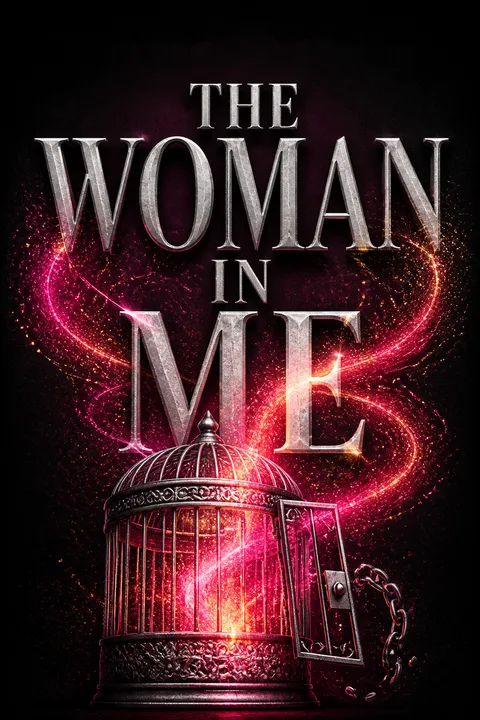
The Woman in Me is a deeply personal memoir that offers insight into Britney Spears' life and struggles. Readers found it emotional, heartbreaking, and inspiring. The book details her rise to fame, abusive relationships, and the controversial conservatorship. Many praise Spears for her honesty and resilience, while some criticize the writing style. The memoir sparked discussions about mental health, autonomy, and celebrity exploitation. Overall, fans appreciate Spears sharing her story and hope it brings her peace and healing.
People Also Read








Glossary
Conservatorship
Court-authorized decision-making controlA legal arrangement in which a court appoints someone to manage specified personal or financial matters for another person. Spears describes being placed under a conservatorship in 2008, with her father holding extensive authority over her daily life and estate. The memoir emphasizes how the arrangement restricted her choices while she continued to work.
Conservatorship of the person
Control over personal decisionsOne part of the arrangement Spears describes, granting a conservator authority over aspects of a person's daily life. She says her father controlled decisions involving where she lived, what she ate, whether she could drive, and what she did. The term distinguishes personal oversight from authority over money and property.
Conservatorship of the estate
Control over financesThe financial component of the conservatorship Spears describes. A conservator manages a person's financial affairs and assets. In Spears's case, her father and a lawyer shared this role, while she says she had limited control over spending and had to rely on an allowance. Her account raises concerns about the incentives and conflicts involved.
#FreeBritney
Fan-led freedom campaignA movement of Spears's supporters who questioned the conservatorship and called for her freedom. The campaign used online discussion, public demonstrations, and the recognizable hashtag to keep attention on her situation. Spears writes that learning about this advocacy while confined gave her hope, although legal representation and court proceedings were also necessary to end the arrangement.
FAQ
What's "The Woman in Me" about?
- Memoir of Britney Spears: "The Woman in Me" is a memoir by Britney Spears, detailing her life from childhood to her rise as a pop icon and the challenges she faced along the way.
- Personal and Professional Journey: The book covers her early life in Louisiana, her career beginnings, and her experiences in the music industry, including her time on the Mickey Mouse Club and her breakthrough as a pop star.
- Struggles and Triumphs: Spears shares her personal struggles, including her highly publicized conservatorship, relationships, and the impact of fame on her mental health.
- Empowerment and Freedom: The memoir is also about reclaiming her voice and autonomy, highlighting her journey towards personal freedom and empowerment.
Why should I read "The Woman in Me"?
- Insight into Britney's Life: The book provides an intimate look into the life of one of the most famous pop stars, offering insights into her personal and professional experiences.
- Understanding Conservatorship: It sheds light on the complexities and challenges of her conservatorship, a topic that has garnered significant public interest and debate.
- Inspiration and Resilience: Readers can find inspiration in Spears' resilience and determination to overcome personal and professional obstacles.
- Cultural Impact: Understanding Spears' story offers a broader perspective on the entertainment industry and its impact on artists, making it a compelling read for those interested in pop culture.
What are the key takeaways of "The Woman in Me"?
- Childhood and Family Dynamics: Spears discusses her upbringing in Louisiana, her family's struggles, and how these experiences shaped her.
- Rise to Fame: The memoir details her journey to becoming a pop icon, including the challenges and pressures of fame at a young age.
- Conservatorship Battle: A significant portion of the book focuses on her conservatorship, highlighting the legal and personal battles she faced.
- Empowerment and Freedom: Spears emphasizes the importance of reclaiming her voice and autonomy, sharing her journey towards personal empowerment and freedom.
How does Britney Spears describe her childhood in "The Woman in Me"?
- Early Life in Louisiana: Spears describes her childhood in Kentwood, Louisiana, where she grew up in a small-town environment with a close-knit community.
- Family Struggles: She shares the challenges within her family, including her father's alcoholism and her parents' tumultuous relationship.
- Love for Performing: From a young age, Spears found solace in singing and performing, which became a significant part of her identity and escape from family issues.
- Influence of Her Surroundings: The memoir highlights how her upbringing and environment influenced her dreams and ambitions, setting the stage for her future career.
What insights does "The Woman in Me" provide about Britney Spears' conservatorship?
- Legal and Personal Challenges: Spears details the legal complexities and personal impact of her conservatorship, which controlled many aspects of her life for over a decade.
- Family Dynamics: The memoir explores the role her family played in the conservatorship, particularly her father's influence and control.
- Struggle for Autonomy: Spears shares her fight to regain control over her life and career, highlighting the emotional and psychological toll it took on her.
- Public and Legal Battle: The book provides insights into the public and legal efforts to end the conservatorship, including the #FreeBritney movement and her eventual freedom.
How does Britney Spears describe her relationship with Justin Timberlake in "The Woman in Me"?
- Young Love: Spears describes her relationship with Timberlake as a deep and passionate young love, marked by a strong connection and shared experiences in the entertainment industry.
- Public Breakup: The memoir details their highly publicized breakup, which was a significant emotional event for Spears and influenced her public image.
- Impact on Her Life: Spears reflects on how the relationship and its end affected her personally and professionally, contributing to her struggles with fame and media scrutiny.
- Lessons Learned: She shares insights into what she learned from the relationship, including the importance of self-worth and the challenges of navigating love in the public eye.
What role does music play in Britney Spears' life according to "The Woman in Me"?
- Source of Joy and Escape: Music has always been a source of joy and escape for Spears, providing a way to express herself and connect with others.
- Career and Identity: Her music career is a central part of her identity, shaping her public persona and personal experiences.
- Creative Outlet: Throughout her struggles, music remained a creative outlet and a means of coping with personal challenges.
- Connection with Fans: Spears emphasizes the importance of her music in connecting with her fans, who have supported her throughout her career and personal battles.
How does "The Woman in Me" address Britney Spears' mental health struggles?
- Impact of Fame: Spears discusses how the pressures of fame and constant media scrutiny contributed to her mental health struggles.
- Personal Challenges: The memoir highlights her experiences with anxiety, depression, and the emotional toll of her conservatorship.
- Seeking Help: Spears shares her journey in seeking help and the challenges she faced in accessing appropriate mental health care.
- Resilience and Recovery: Despite the difficulties, Spears emphasizes her resilience and determination to overcome her mental health challenges and reclaim her life.
What are some of the best quotes from "The Woman in Me" and what do they mean?
- "I was a little girl with big dreams.": This quote reflects Spears' early ambitions and the innocence of her childhood dreams before the complexities of fame.
- "I became a robot.": Spears uses this metaphor to describe how the conservatorship stripped her of autonomy and individuality, reducing her to a controlled entity.
- "You can't fuck with a woman who knows how to pray.": This quote highlights Spears' belief in the power of faith and resilience in overcoming adversity.
- "Freedom means being goofy, silly, and having fun on social media.": Spears emphasizes the importance of personal freedom and self-expression, particularly after years of control.
How does Britney Spears describe her relationship with her family in "The Woman in Me"?
- Complex Family Dynamics: Spears describes a complicated relationship with her family, marked by love, conflict, and control.
- Role in Conservatorship: The memoir explores her family's involvement in the conservatorship, particularly her father's control and her mother's complicity.
- Feelings of Betrayal: Spears expresses feelings of betrayal and disappointment, particularly regarding her family's actions during her most challenging times.
- Path to Healing: Despite the hurt, Spears discusses her journey towards healing and finding peace, even if it means distancing herself from her family.
What does "The Woman in Me" reveal about Britney Spears' views on fame and the entertainment industry?
- Double-Edged Sword: Spears describes fame as both a blessing and a curse, providing opportunities but also leading to intense scrutiny and loss of privacy.
- Industry Pressures: The memoir highlights the pressures of the entertainment industry, including the demands of maintaining a public image and the impact on personal well-being.
- Desire for Authenticity: Spears expresses a desire for authenticity and control over her career, often feeling constrained by industry expectations.
- Lessons Learned: Through her experiences, Spears shares insights into the realities of fame and the importance of staying true to oneself amidst external pressures.
How does "The Woman in Me" conclude, and what message does Britney Spears leave for her readers?
- Journey to Freedom: The memoir concludes with Spears' journey to reclaim her freedom and autonomy, highlighting her resilience and determination.
- Empowerment and Hope: Spears leaves readers with a message of empowerment, emphasizing the importance of self-worth and the power of perseverance.
- Gratitude for Support: She expresses gratitude for her fans and supporters, acknowledging their role in her journey towards freedom.
- Looking Forward: Spears looks to the future with hope, focusing on healing, self-discovery, and living life on her own terms.
Download PDF
Download EPUB
.epub digital book format is ideal for reading ebooks on phones, tablets, and e-readers.








