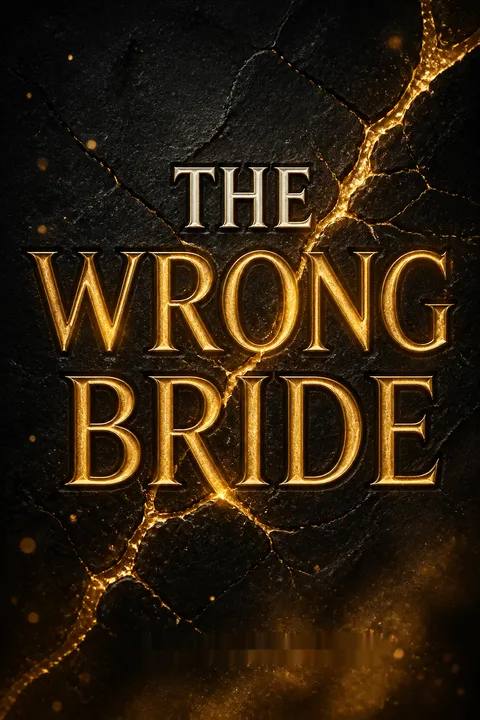


Plot Summary
The Bride They Reassigned
Raven Du Pont is a celebrated model and fashion designer, but at home she remains the daughter overshadowed by her older sister, Hannah. Years earlier, the Du Pont and Windsor families planned for Raven to marry Ares Windsor, a media heir she already loved. At Sierra Windsor's twenty-first birthday party, Raven brought Hannah along.
Ares became captivated by Hannah instead, and the families let the original match dissolve as the sisters' relationship began. Now Hannah and Ares are engaged, and Raven still helps prepare their wedding while hiding her heartbreak. When Ares asks her to help choose Hannah's birthday gift, Raven agrees, accepting another private hurt rather than risk losing the friendship she has treasured since childhood.
The opening establishes romance as a family arrangement before it becomes a personal choice. Raven's loss is not simply that Ares loves Hannah. It is that the family once imagined Raven as his partner, then quietly transferred that future to her sister. Raven's professional success contrasts with her emotional dependence on a household that measures her against Hannah. Her willingness to help with the wedding shows how loyalty can become self-erasure when a person learns that affection is earned by being useful. The birthday party becomes the hinge of the sisters' lives, though Raven has no idea how much of its history remains hidden.
The Night She Reached
At a fashion event, Ares watches Raven command the runway and intervenes when a director propositions her. His possessive concern unsettles him, but he still calls her a friend. After Raven and his sister Sierra drink heavily, Ares brings them to his home. Raven climbs into his lap, admits she loves someone, and tries to seduce him.
Ares stops her because she is drunk and engaged to become his sister-in-law, then tells her he will never want her. The rejection confirms Raven's oldest fear. The next morning, he comforts her embarrassment and asks her to be more careful, while she promises to keep her distance. Neither understands why the night has changed the ground beneath their friendship.
This scene makes restraint emotionally costly. Ares correctly refuses to exploit Raven while she is intoxicated, yet he disguises his own desire as indifference and wounds her in the process. Raven's boldness is not casual flirtation. It is a last attempt to test whether years of careful silence have concealed a mutual feeling. Her retreat afterward protects her from further humiliation, but it also deprives Ares of the honest conversation he needs. The book makes romantic misunderstanding less a puzzle than a consequence of people treating emotional risk as more dangerous than emotional dishonesty.
Hannah Calls It Off
As the wedding approaches, Ares grows frustrated with Hannah's repeated cancellations and reluctance to include herself in his family life. Hannah, an actress at the height of her career, worries that the Windsor marriage rules will limit her work. The couple would have to spend most nights together during their first three years, and she cannot imagine leaving film sets to meet the terms.
A week before the ceremony, she tells Ares she cannot marry him now and returns her ring. He argues that their marriage also secures a merger between the Windsor media empire and the Du Pont production company, but Hannah leaves anyway. Ares is stunned. His family gathers to support him, while the wedding arrangements Raven built remain in place.
Hannah's decision exposes the fault line between a romance and the institution built around it. She loves Ares, but she will not accept the constraints attached to his inheritance and family. Ares, meanwhile, has treated their relationship as both affection and obligation, assuming the wedding would happen because it was expected to happen. The refusal forces him to confront how little future planning they have done together. It also shows how the corporate merger turns private love into a public asset: when Hannah withdraws, the families do not merely lose a wedding, they see the business arrangement begin to fail.
Raven Takes the Aisle
Grandma Anne tells Ares that the wedding will proceed with Raven, the woman she originally chose for him. Raven's parents warn that refusing could cost them the Windsor-backed merger and the future funding of Raven's own company. Raven visits Hannah and urges her to reconsider, but Hannah stays firm, unwilling to surrender her career.
Ares and Raven meet privately and acknowledge that neither wants to be forced into marriage. Raven insists she needs fidelity and the chance of a genuine relationship, not a three-year arrangement that leaves Ares free to return to Hannah. Ares promises to respect their vows and try to make her happy. Raven agrees, though she fears she is stepping into her sister's life rather than her own.
The marriage begins under coercion, but Raven's conditions give her a measure of agency. She cannot control the family economics or the elders' decision, yet she can name what would make the arrangement intolerable: infidelity, humiliation, and permanent status as a substitute. Ares's promise is not a declaration of love. It is an ethical commitment, and the distinction matters because Raven is willing to risk disappointment only if he treats her as a person rather than a convenient solution. The scene shifts the central question from whether they will marry to whether they can make a choice inside a decision imposed on them.
A Wedding in Her Dress
Raven walks down the aisle in the gown she designed for Hannah, while Ares waits uncertain whether his bride will appear. He marries Raven and kisses her with a passion neither planned to show. In the limousine, Grandma Anne lays out the Windsor conditions: they must share a bed, remain together for three years, stay faithful, and sincerely try to make the marriage work.
At home, Ares admits he had hoped to pretend at the relationship, but Raven rejects any plan that would make her a public wife while he pursues Hannah. The next morning Hannah arrives and proposes waiting three years before marrying Ares. He refuses to resume their romance and tells her their relationship is over, leaving Raven unsure whether his boundary will hold.
The borrowed dress makes the marriage's central wound visible: Raven inhabits a role designed for Hannah before she has a chance to define it for herself. The sudden kiss complicates the ceremony, but the rules that follow make clear that attraction alone cannot erase the coercive structure. Ares's first instinct is to manage appearances, while Raven asks for the minimum respect that would make the arrangement livable. Hannah's return tests that boundary immediately. The scene's emotional movement is from public performance to private negotiation, and the couple's survival depends on whether promises made under pressure can become deliberate behavior.
A Home of Their Own
At first, Ares avoids Raven, and she feels like a guest in the condo Hannah decorated. When Raven's mother dismisses her work and later demands that she comfort Hannah, Raven finally says how unwanted she feels. Ares hears her crying in the shower, joins her in bed, and holds her while she explains that work, family, and the marriage have all become sources of failure.
He tells her he wants her there and promises to communicate rather than guess at what she needs. The two begin redesigning the condo together, removing Hannah's choices and making the space theirs. Their everyday closeness grows, but Raven still doubts that Ares wants her for herself rather than from duty.
The home functions as a physical record of whose preferences have been allowed to matter. Raven's distress is not cured by a grand romantic gesture; it eases when Ares listens, acknowledges his part, and changes the shared environment. Her request for honesty turns communication into a practical form of care, not merely an emotional ideal. At the same time, the house's redesign cannot instantly remove the history attached to it. The couple begins to build intimacy through ordinary decisions, while Raven's fear persists because she has spent years interpreting attention as temporary and affection as something she must earn.
Rings Without Her Shadow
Ares's protectiveness shifts into open desire as he joins Raven's work life, takes her to redesign their home, and insists their marriage should not remain secret. Raven sketches new rings for them, replacing the pieces chosen for her marriage to Hannah. At the jeweler, Ares commissions a conspicuous diamond band for Raven and lets her design his feather-engraved ring.
Their growing attraction turns physical, and Ares begins treating her as a partner rather than a duty. He publicly announces that they are married, then attends Hannah's film premiere with Raven. When Hannah needles them with memories of her past with Ares, he removes her from their private viewing and openly reassures Raven that she is his priority.
The rings and remodeled home give the marriage objects that belong to Raven and Ares rather than to the abandoned wedding plan. Their intimacy develops alongside public recognition, so private commitment is no longer hidden behind the family's business arrangement. Ares's possessiveness can be read as romantic reassurance, but it also reflects the pressure of a relationship shaped by fame and ownership. The premiere makes that tension public: Raven wants to support her sister, yet Hannah uses their shared past to provoke her. Ares's intervention matters because he chooses a boundary in front of witnesses, not just a promise in private.
The First Night Reclaimed
As Hannah continues pressing into their marriage, Raven tells Ares the truth about Sierra's twenty-first birthday. Years earlier, Raven entered his room after the party, and she and Ares slept together.
He asked her to marry him, but by breakfast Hannah had taken her place, claiming that she had spent the night with him. Ares had believed her and thought he had lost Raven because he had slept with her sister. He realizes the recurring dream that haunted him was a memory of Raven, not fantasy.
When Raven confronts Hannah, Hannah admits she wanted Ares and the status of becoming a Windsor. The revelation transforms Ares's old rejection into a lie built on Hannah's deception and confirms that Raven's love began long before the forced marriage.
The recovered night changes the story's emotional geometry. Raven was not simply a friend who arrived too late to Ares's romantic life; she had already been chosen by him, then erased from the memory that could have changed their future. Hannah's deception exploited Ares's guilt and Raven's silence at once. The revelation does not make the years of pain disappear, but it gives them a cause beyond Raven's imagined inadequacy. Her experience has been shaped by a false account of what happened, and Ares must now recognize that his supposed moral restraint was partly built on a lie.
Hannah's Pregnancy Claim
Hannah arrives at Ares and Raven's home claiming she is five months pregnant with Ares's child. A doctor confirms the pregnancy but does not establish paternity. Hannah says the pregnancy is high-risk, and Grandma Anne insists she stay in the Windsor compound so the adults can prepare to co-parent. Raven tries to welcome the baby, but Hannah's presence revives every fear that she will reclaim Ares.
Ares proposes adopting the child and raising it with Raven, while Hannah refuses to surrender parental rights. Raven then reveals that their first sexual encounter happened years earlier and that Hannah falsely claimed it as her own. The revelation deepens the conflict just as the pregnancy makes separation seem impossible.
The pregnancy raises the stakes from romantic rivalry to a child's future, making easy solutions ethically inadequate. Raven's willingness to love the baby does not require her to welcome Hannah's control over the household, but family pressure treats those positions as inseparable. Ares initially responds by trying to solve the crisis administratively through adoption, a move that would protect Raven but deny Hannah's stated role. The sequence also places a past deception beside a new claim that has not yet been verified. Trust becomes the scarce resource, and the adults' competing needs threaten to turn an unborn child into leverage.
The Story Goes Public
After Raven refuses to act as Hannah's mediator, the press publishes a distorted account of Ares and Hannah's past, casting Raven as a scheming home wrecker. The coverage spreads online, fans threaten Raven, and people attack her fashion work. Hannah's presence in the house makes the harassment feel inescapable, so Raven packs and leaves for the home of her friends Alanna and Silas.
Ares gives her a week to decide what she wants, then uses Windsor media outlets to correct the false story and publicly defend his wife. Raven's friends and Ares's siblings gather around her, while the temporary distance lets her consider whether love can survive a life in which Hannah remains a constant force.
Public scandal magnifies the family's private pattern: Raven is blamed for choices made by others, and her labor becomes a target once she refuses to remain accommodating. Leaving is not a rejection of Ares so much as a refusal to let crisis dictate her consent. The media response also reveals the limits of Ares's power. He can suppress stories and threaten legal action, but he cannot decide whether Raven feels safe enough to return. By granting her time, he shifts from managing her circumstances to recognizing her right to choose, an important correction to the coercive marriage that began their relationship.
A Week Apart
Raven spends the week with Alanna, Silas, Sierra, and Ares's brothers, who assure her she will remain family whatever she decides. Ares cannot find her directly, but he stops the worst of the online abuse and broadcasts a public account: his marriage to Raven is real, Hannah ended their engagement, and Raven did not steal him.
At the end of the week, he arrives at Silas's building with a small tent and a message asking Raven to decide if she is still his. Raven chooses to return, not because the problems have vanished, but because she wants a life with Ares and trusts him to set boundaries with Hannah. He promises future contact will go through a dedicated team.
The separation tests whether Raven's choice is being made freely or under the pressure of family, money, and public opinion. Ares's public defense matters, but the decisive act is not his declaration; it is Raven's return on her own terms. The support network prevents the marriage from being her only source of belonging, giving her a genuine alternative to staying. That changes the emotional balance between the spouses. Their commitment can now be renewed as a choice, though the practical problem of Hannah's pregnancy and their shared obligations remains unresolved.
The Fatherhood Lie
After Raven returns, Ares arranges for Hannah to live elsewhere and learns through prenatal testing that he is not the baby's father. Hannah's claim had been false. He confronts her with the result and evidence of her affairs, then releases information that ends her career in entertainment. He does so to stop her from using the pregnancy and public sympathy to keep hurting Raven.
Raven also refuses her mother's demand that she rescue Hannah's reputation, finally setting terms for any relationship with her mother. The revelations remove the future co-parenting arrangement that had trapped Raven in daily proximity to Hannah, but they cannot undo the years of favoritism, deception, and heartbreak that made Raven doubt her own worth.
The paternity result reverses the apparent moral burden of the previous crisis. Raven had prepared to help raise a child she believed belonged to Ares, while Hannah used that belief to regain access and pressure the couple. Ares's exposure of Hannah protects Raven, yet it also shows how readily power can become retaliation. Raven's refusal to repair her mother's crisis is a quieter but more lasting act of change: she stops accepting responsibility for the emotional consequences of other people's choices. The resolution begins when she can distinguish compassion from compulsory self-sacrifice.
A Second Proposal
With Hannah's claims disproved and Raven no longer willing to live under her family's demands, Ares takes her to the cabin where their first kiss happened. He proposes again, this time asking for a wedding designed for them rather than for a merger or a family agreement. Raven accepts, telling him that she would choose him even knowing the pain they endured.
They agree to begin again with a ceremony surrounded by people who love them. The proposal does not erase the first wedding or the losses that followed; it gives Raven a chance to claim the relationship as her own. Ares's promise is now tied to a choice she makes freely, not an ultimatum imposed by their families.
The second proposal revisits the story's central question of choice. The first wedding gave Raven a title and a set of obligations, but it did not give her certainty that Ares wanted her. Returning to the place of their first kiss allows them to reinterpret the past without pretending it was harmless. Raven's acceptance is meaningful because she has already left, considered an alternative, and chosen to come back. The romance's resolution therefore depends less on destiny than on a decision made after the characters understand the costs.
Raven's Final Runway
At the epilogue's fashion show, Raven wears a cream gown she designed, the dress she once sketched while watching Ares prepare for Hannah's birthday. She plans to retire from professional modeling after this final walk and focus on her own fashion label. Ares watches from the front row, proud of the career she built and ready to support its next form.
The Windsor family gathers around them. Luca arrives with Valentina and reveals that they have married, though Grandma Anne does not immediately approve the match. The ending leaves that secondary romance unsettled while giving Raven a future that belongs to her: her work, her marriage, and a family that recognizes her as more than Hannah's sister.
The final runway transforms an image from the opening chapters. The gown once existed as a private design Raven worked on while Ares's life seemed destined for Hannah; now it becomes the work that closes Raven's modeling career on her own terms. Her professional identity is not sacrificed to romance but redirected toward a business she created. The family scene also preserves the Windsor pattern of arranged futures through Luca and Valentina, suggesting that each sibling must negotiate tradition differently. Raven's story ends not with perfect harmony but with a clearer claim to authorship over her life.
Epilogue
Raven walks her final professional runway in a cream gown she designed herself, while Ares watches from the front row. She plans to devote her energy to her fashion label rather than continue modeling for other brands.
Their family celebrates the new direction, though Luca's announcement that he and Valentina have married draws a cool response from Grandma Anne, leaving their future unresolved. Raven's work, marriage, and place in the Windsor family now belong to her by choice.
The epilogue gives Raven a public ending that is also a professional beginning. Her last walk is not an exit from ambition but a shift from modeling other people's visions to building her own label. Ares's presence in the audience signals support without taking authorship away from her. Luca and Valentina's sudden marriage echoes the book's concern with family control, but Grandma's refusal to bless it immediately prevents the ending from pretending that one couple's happiness settles every conflict. Raven's story closes with belonging and independence held together.
Analysis
The Wrong Bride builds its romance around a distinction between being chosen and being assigned. Raven and Ares are initially pushed together by corporate inheritance, family history, and a matriarch's rules. Those structures create proximity, but they cannot create trust. Trust arrives through smaller choices: Ares listening when Raven names her hurt, Raven refusing to be a secret, and both learning to speak plainly about fidelity and fear. The novel's most consequential betrayal is not simply Hannah's pursuit of Ares. It is her theft of the memory that could have told Raven and Ares they had already chosen each other. By claiming Raven's place after their first night together, Hannah turns silence into a false history, and Raven spends years interpreting the resulting rejection as proof that she is less lovable.
The family plot examines how care can become a system of unequal obligation. Raven's parents explain their favoritism through Hannah's illness, while the Windsor family treats marriage as a mechanism for protecting wealth and continuity. These motives are understandable within the characters' world, but their effects are not neutral. Raven is repeatedly asked to absorb pain so everyone else can preserve comfort. Her development depends on recognizing that compassion without boundaries becomes permission for others to keep taking. Leaving Ares briefly is therefore not a failure of love. It is the action that makes her return meaningful.
Ares's wealth and media power can defend Raven from public attack, but the story distinguishes rescue from emotional repair. He cannot buy back the years Raven spent believing he would never want her. He can only tell the truth, change his conduct, and let her choose. Their romance becomes credible when devotion is expressed as attention rather than duty. The final proposal reframes the arranged marriage: they do not erase the coercion or the losses, but they choose to continue together after seeing what those costs are. The book's hopeful claim is not that love removes social pressure. It is that love becomes durable when each person can say no, leave, and still be welcomed back by choice.
Review Summary
The Wrong Bride received mixed reviews, with an average rating of 3.87 out of 5. Many readers found it overly dramatic and messy, with weak characters and repetitive plot points. Critics disliked the hero's indecisiveness and the heroine's insecurity. However, some readers enjoyed the angst and drama, praising the emotional rollercoaster and the marriage of convenience trope. The book's spicy scenes and communication between characters were positively noted. Overall, it polarized readers, with some loving the intense drama while others found it frustrating and unrealistic.
People Also Read


Characters
Raven Du Pont
The overlooked designerRaven is a successful model and fashion designer whose professional confidence contrasts with her lifelong uncertainty at home. She loves Ares quietly, yet remains close to her sister Hannah and keeps helping the family even when that loyalty hurts her. Raven's instinct is to preserve harmony by minimizing her own needs; she is especially vulnerable to comparisons that cast Hannah as the more deserving daughter. Her creativity gives her a private language for imagining a life of her own, while friendship with Sierra and Grandma Anne offers the warmth she misses from her parents. Raven is neither passive nor naturally self-sacrificing: she has learned to conceal her anger until she can no longer ignore the cost.
Ares Windsor
The duty-bound heirAres leads Windsor Media and takes family loyalty, marriage, and personal responsibility seriously. He is protective of Raven, attentive to her work, and more emotionally dependent on her than he initially recognizes. His flaw is not a lack of feeling but his habit of mistaking silence for control: he hides difficult truths, avoids conflict, and assumes he knows what others need. Years of a relationship shaped by family expectations have made him slow to question whether duty and love are the same. Raven draws out a less guarded side of him, while his power and possessiveness create a constant need to distinguish genuine care from control.
Hannah Du Pont
The celebrated elder sisterHannah is an internationally known actress and Raven's older sister. Childhood illness left her parents intensely protective, and their attention helped form a woman accustomed to being accommodated. She loves Ares, but she also guards her career and resists the limits attached to the Windsor family. Hannah can be charming and vulnerable, especially when she fears losing someone, yet she often centers her own needs and expects others to absorb the consequences. Her relationship with Raven is tangled with real affection, rivalry, and a long history of unequal attention. She is a person whose public grace can make it difficult for those closest to her to recognize how much she is demanding.
Sierra Windsor
Raven's fierce best friendSierra is Ares's younger sister and Raven's closest friend. A sharp businesswoman who runs Windsor real estate, she is mischievous, forceful, and unusually perceptive about the attraction between Raven and Ares. She refuses to confuse loyalty with politeness and repeatedly pushes Raven to name what she wants. Her humor gives Raven relief, but her confidence can make her impatient with the slower, more painful work of trust. Sierra's role is both familial and chosen: she gives Raven a place in the Windsor household long before marriage makes that connection official.
Grandma Anne
The family matriarchAnne is the respected head of the Windsor family, whose decisions shape marriages, inheritance, and the family's public responsibilities. She is affectionate with Raven and close to her grandchildren, but her warmth coexists with a firm belief that family duty must be enforced. She sees arranged marriage as a tradition that has protected the Windsors, and her confidence in her judgment can make her overlook the personal cost of her plans. Anne's affection is sincere, yet she must learn that loving someone and deciding for them are not the same thing.
Raven's mother
The demanding parentA former actress, Raven's mother takes great pride in Hannah's career and often measures Raven's work against it. She relies on Raven's competence when wedding preparations become difficult, yet dismisses the labor behind Raven's modeling and design career. Guilt about Hannah's childhood illness helps explain her favoritism, but does not erase its effect on Raven. She represents a family love that is present but unevenly expressed, leaving Raven to wonder whether being useful is the closest she can come to being valued.
Arthur Du Pont
Raven's gentler fatherArthur is Raven and Hannah's father, a warm man who tries to soften the distance between Raven and her mother. He comforts Raven and values her, but his dependence on Windsor support makes him part of the pressure that pushes her toward marriage. His kindness cannot fully protect her when business survival and family obligation collide. Arthur embodies the limits of good intentions when a parent sees a child's sacrifice as the price of keeping a company alive.
Lexington Windsor
The teasing brotherLexington, usually called Lex, runs Windsor Motors and is one of Ares's brothers. He is playful, observant, and protective of Raven, whom he treats as part of the family. His teasing often exposes Ares's jealousy before Ares can name it himself. Lex offers practical support without making every conversation solemn, and his own position within the family reflects the pressure each Windsor heir faces to accept a marriage chosen by the matriarch.
Luca Windsor
The guarded brotherLuca manages Windsor asset investments and is one of Ares's brothers. He values control, competence, and privacy, and he depends heavily on his longtime assistant Valentina. His inability to recognize the emotional weight of that dependence makes him vulnerable to losing more than professional help. Luca's subplot echoes the main story's concern with whether family arrangements can create intimacy or merely conceal it.
Valentina
Luca's trusted assistantValentina has worked closely with Luca since they were young adults and knows how to keep his complicated professional life functioning. She is capable, loyal, and closely connected to the Windsor family, yet her years of service leave her with too little space for her own life. Her quiet persistence contrasts with Luca's assumption that practical provision is the same as emotional appreciation.
Zane Windsor
The blunt brotherZane oversees the Windsor hotels and is one of Ares's brothers. He uses blunt humor to puncture family pretenses and is quick to say what others are avoiding. Beneath the teasing, he is attentive to Ares's unhappiness and willing to gather the brothers when support is needed.
Dion Windsor
The distant brotherDion manages Windsor's foreign holdings and lives in London. His sudden visits show how seriously the brothers take Ares's wellbeing, even when their support arrives wrapped in sarcasm. He is also bound by the family's expectations around arranged marriage.
Alanna
Raven's refugeAlanna is Raven's close friend and a source of immediate comfort when Raven leaves the Windsor home. She meets distress with fierce affection and practical support, making room for Raven to speak without being judged. Her own history with complicated family loyalties helps her understand that love does not require someone to endure every injury.
Silas Sinclair
The protective security chiefSilas runs a powerful security firm and is Alanna's husband. Ares hires his team to protect Raven discreetly, and Silas's professional network later helps shield her from danger and media pressure. He is guarded, capable, and difficult to intimidate, though his personal loyalty to Alanna shapes where he draws the line between business and family.
Xavier Kingston
Sierra's business rivalXavier is a billionaire real-estate executive and Sierra's persistent professional rival. Their attempts to outmaneuver each other give the opening a glimpse of Sierra's combative humor and competitive drive. He appears briefly, but his rivalry helps establish the confident, high-stakes business world surrounding the Windsor family.
Plot Devices
The arranged marriage
Duty becomes daily proximityThe Windsor and Du Pont families tie a media merger to a marriage between their heirs. When Hannah refuses the wedding, Raven is pressured into taking her place to preserve the deal. The arrangement supplies the plot's forced proximity, but its real function is to expose the difference between formal consent and emotional choice. Windsor rules require the couple to share a bed, remain faithful, and try for three years, while the inheritance gives those rules economic force. As Raven and Ares begin making their own decisions inside the contract, the marriage shifts from a family instrument toward a relationship they choose to sustain.
The misremembered night
A lie rewrites their historyAres's recurring dream of a night with Raven at Sierra's birthday party first appears as unexplained desire. Raven eventually reveals that they were intimate that night and that Ares asked her to marry him. Hannah then claimed to have been with him, causing Ares to believe he had slept with Raven's sister and lost his chance with Raven. This concealed memory explains both his attraction and Raven's long-lived heartbreak. It also demonstrates how a lie can become a person's accepted history when shame and silence prevent anyone from checking what happened.
The Windsor conditions
Inheritance enforces intimacyGrandma Anne's rules connect the couple's marriage to inheritance and the future of the merged company. Ares and Raven must share a home and bed, stay faithful, remain married for three years, and make an honest attempt at the relationship. The rules create a practical reason for them to live together, but they also give the elders leverage over two adults who would otherwise be free to refuse. Their emotional development is measured against this pressure: the relationship only becomes meaningful when they stop treating compliance as the same thing as commitment.
The public narrative
Fame turns heartbreak into scandalThe characters' celebrity and corporate power make private conflicts vulnerable to gossip coverage. Hannah's account of the past casts Raven as a home wrecker, unleashing online abuse and attacks on her fashion work. Ares uses his media holdings and legal resources to defend Raven, but publicity cannot undo the emotional damage or decide what she wants. The press functions as both antagonist and amplifier, turning family resentment into a public verdict and forcing Raven to consider whether her marriage is worth living under constant scrutiny.
The paternity test
A claim loses its leverageWhen Hannah says she is carrying Ares's child, the claim appears to bind her permanently to Ares and Raven's household. The doctor confirms the pregnancy but not the father's identity, leaving the couple to respond under uncertainty. Ares later obtains a prenatal paternity test, which excludes him. That result removes the supposed co-parenting obligation and exposes how Hannah used the pregnancy to press her way back into their lives. The test resolves the immediate question of fatherhood, while its emotional consequences reveal how little trust remains between the sisters.
FAQ
Synopsis & Basic Details
What is The Wrong Bride about?
- A Fated Substitution: The novel centers on Raven Du Pont, a successful model and designer secretly in love with Ares Windsor, the powerful media mogul engaged to her older sister, Hannah. Their families, long-time business rivals, orchestrated the engagement to merge their empires.
- An Unexpected Altar: When Hannah, prioritizing her acting career, repeatedly postpones and finally abandons the wedding days before the ceremony, Raven is thrust into her place at the altar to save the crucial business merger and her family's financial stability.
- Love Forged in Duty: Forced into an arranged marriage with the man she secretly loves but who seemingly loves her sister, Raven and Ares navigate complex family dynamics, public scrutiny, and their own buried feelings, attempting to build a real connection amidst the fallout of Hannah's choices.
Why should I read The Wrong Bride?
- Deep Emotional Resonance: The story delves into the psychological impact of family favoritism, unrequited love, and the struggle for self-worth, offering a raw and relatable emotional journey through Raven's perspective.
- Intriguing Character Dynamics: Beyond the central romance, the novel explores complex sibling rivalry, the bonds of chosen family (the supportive Windsor siblings), and the destructive nature of manipulation and entitlement, providing rich character analysis.
- High-Stakes Romance: Combining the intensity of an arranged marriage trope with themes of hidden desire, public scandal, and fighting for happiness against overwhelming odds creates a compelling and emotionally charged reading experience.
What is the background of The Wrong Bride?
- Dynastic Business Merger: The core conflict is rooted in a long-planned merger between the Du Ponts' independent movie production company, Dreamessence, and the powerful Windsor Media empire, contingent upon a marriage between the families' heirs.
- Arranged Marriage Tradition: The Windsor family has a history of successful arranged marriages for their heirs, viewing it as a strategic tradition to maintain control and expand their vast business interests across various industries (media, real estate, motors, hotels, asset management, foreign holdings).
- High Society & Media Scrutiny: The characters inhabit a world of immense wealth, fame, and constant media attention, particularly given Hannah's status as an A-list actress and Raven's as a supermodel, making their personal lives fodder for gossip and scandal.
What are the most memorable quotes in The Wrong Bride?
- "You're the sun. You're warmth and happiness, and the centre of all that's good.": Sierra's powerful description of Raven (Ch 18) highlights Raven's inherent worth and contrasts her with Hannah ("like the moon, Raven. Beautiful on a lonely night, but cold and distant"), serving as a crucial moment of validation for Raven's often-diminished self-perception.
- "I'm yours, Raven Windsor. Forever. I promise.": Ares's repeated vow to Raven (Ch 39, 44, 62) signifies his complete shift in loyalty and affection, moving from a marriage of obligation to a chosen, lifelong commitment, directly addressing Raven's deepest fears of being temporary or second-best.
- "I'd rather suffer with you than live a life without you.": Raven's declaration to Ares (Ch 67) encapsulates the central theme of choosing love despite immense obstacles, acknowledging the pain their relationship might entail due to external factors but affirming that their connection is worth fighting for.
What writing style, narrative choices, and literary techniques does Catharina Maura use?
- Dual Perspective Narrative: The story alternates between Raven's and Ares's first-person perspectives, offering intimate access to their thoughts, feelings, and internal conflicts, particularly their hidden desires and struggles with duty and guilt.
- Emotional and Internal Focus: Maura heavily utilizes internal monologue and emotional analysis, allowing readers to deeply understand the characters' psychological states, insecurities, and the unspoken tensions driving their actions and reactions.
- Trope-Driven with Psychological Depth: While employing popular romance tropes like arranged marriage, forced proximity, and love triangles, the narrative adds layers of psychological complexity, exploring themes of self-worth, family trauma, and the impact of past experiences on present relationships.
Hidden Details & Subtle Connections
What are some minor details that add significant meaning?
- Ares's Cupcake Obsession: Ares's consistent use of the nickname "Cupcake" for Raven, stemming from her childhood phase (Ch 6), and his later gift of a custom tablet with an enamel cupcake (Ch 6), subtly highlights his long-standing, deep-seated affection and attention to her unique personality, contrasting with his more formal interactions with Hannah.
- The Windsor Family App: The mention of a family app used for managing household staff and requests (Ch 22) underscores the immense wealth and structured nature of the Windsor world, hinting at the level of control and organization that governs their lives, including their personal relationships and the arranged marriages.
- Raven's Hidden Strength: Raven's seemingly throwaway line about suffering hypothermia for a photoshoot (Ch 3) reveals the intense physical demands of her modeling career, subtly showcasing her resilience and dedication, traits often overlooked by her mother but recognized and later admired by Ares.
What are some subtle foreshadowing and callbacks?
- The Jewelry Store Visit: Ares taking Raven to pick out Hannah's birthday necklace (Ch 2) foreshadows Raven stepping into Hannah's life; Ares's immediate possessiveness towards the store manager looking at Raven hints at his buried protective instincts and attraction, which become central later.
- Ares's Recurring Dream: Ares's vivid, recurring dream about being intimate with Raven on the night of Sierra's 21st birthday (Ch 11, 31) serves as powerful foreshadowing and a callback to the true events of that night, revealing his subconscious desire for Raven long before he consciously acknowledges it.
- The Wedding Ring Exchange: The painful moment Ares places Hannah's chosen ring on Raven's finger (Ch 19) is a callback to the original, unwanted engagement, and foreshadows Raven's later desire for a ring of her own choosing (Ch 31), symbolizing her need to forge her own identity within the marriage, separate from Hannah's legacy.
What are some unexpected character connections?
- Ares's Secret Protection: The revelation that Ares hired Silas Sinclair's elite security team to secretly protect Raven (Ch 5) is unexpected, demonstrating the depth of his concern for her safety even before their marriage and highlighting his willingness to go to extreme lengths for her well-being.
- The Windsor Siblings' Support for Raven: While Ares's brothers are expected to support him, their immediate and fierce loyalty to Raven after the scandal and her leaving (Ch 65, 67) is a powerful, unexpected connection, showing they see her as true family, distinct from Hannah.
- Luca and Valentina's Parallel Journey: The subplot involving Luca and his secretary Valentina (Ch 51, 57, Epilogue) mirrors Ares and Raven's journey of duty vs. hidden feelings and arranged fate vs. chosen love, providing an unexpected parallel that reinforces the novel's themes.
Who are the most significant supporting characters?
- Sierra Windsor: As Raven's best friend and Ares's sister, Sierra is a crucial emotional anchor and confidante for Raven, offering unwavering support, tough love, and often insightful observations about Ares's true feelings, acting as a bridge between Raven and the Windsor family.
- Grandma Anne Windsor: The Windsor matriarch is the architect of the arranged marriage and a formidable figure, but her underlying affection for Raven and eventual willingness to prioritize her happiness over tradition makes her a complex and significant force in shaping the narrative and providing Raven with unexpected validation and support.
- Silas and Alanna: This couple serves as a safe haven and chosen family for Raven during her lowest point, offering unconditional support and practical help (like security and media management), highlighting the theme that true family bonds are not always determined by blood.
Psychological, Emotional, & Relational Analysis
What are some unspoken motivations of the characters?
- Raven's Pursuit of Validation: Beyond love for Ares, Raven's deep-seated motivation is the desperate need for validation and acceptance, particularly from her mother (Ch 3, 28). Her willingness to marry Ares, despite the pain, is partly driven by a subconscious hope that finally being chosen by him and integrated into the powerful Windsor family will fill the void left by years of feeling second-best.
- Ares's Need for Authenticity: Ares, despite his privileged life and successful career, craves genuineness and emotional connection (Ch 4). His growing attraction to Raven stems from her authenticity and warmth, which contrasts sharply with the performative nature of his relationship with Hannah and the superficiality of the entertainment industry he navigates.
- Hannah's Fear of Irrelevance: Hannah's relentless pursuit of her career and later attempts to reclaim Ares are driven by a profound fear of losing relevance and control (Ch 13, 55). Having always been the favored child and a star, the idea of being overlooked or replaced, especially by Raven, is unbearable, fueling her manipulative actions.
What psychological complexities do the characters exhibit?
- Raven's Trauma Response: Raven exhibits classic trauma responses stemming from her childhood illness and her parents' subsequent favoritism towards Hannah (Ch 3, 55). She internalizes blame, struggles with self-worth ("I'm never good enough"), overworks as a coping mechanism, and initially finds it difficult to set boundaries or believe she is truly loved for herself.
- Ares's Emotional Repression: Ares is initially emotionally repressed, particularly regarding his deeper feelings for Raven, due to years of prioritizing duty and maintaining control (Ch 8, 11, 27). His struggle to articulate his desires and his initial awkwardness around Raven after their marriage reveal a man unaccustomed to navigating genuine emotional intimacy outside of prescribed roles.
- Hannah's Narcissistic Tendencies: Hannah displays narcissistic traits, including a sense of entitlement, lack of empathy (especially towards Raven), a need for admiration, and a tendency to manipulate others to maintain control and feel superior (Ch 55, 61, 63). Her inability to see Raven's perspective or acknowledge her own wrongdoing highlights a complex psychological makeup rooted in her upbringing and fame.
What are the major emotional turning points?
- Raven's Drunken Confession: Raven's drunken night with Ares (Ch 8) serves as a pivotal emotional turning point, where her buried feelings and torment surface, leading to a raw, albeit misinterpreted, confession of her love and desire, forcing Ares to see her in a new light and sparking his own internal conflict.
- Ares's Declaration of Love: Ares's confession of love to Raven during the premiere (Ch 47) is a major turning point, shifting their relationship from one based on duty and growing attraction to one explicitly defined by mutual love, providing Raven with the validation she desperately needed and solidifying their bond against external pressures.
- Raven Confronting Her Mother and Hannah: Raven's decision to finally confront her mother about the favoritism (Ch 69) and Hannah about her manipulations (Ch 55, 63) marks a significant emotional turning point in her journey of self-discovery and empowerment, allowing her to set crucial boundaries and reclaim her sense of self-worth, independent of their approval.
How do relationship dynamics evolve?
- Raven and Ares: From Friends to Lovers to Partners: Their relationship evolves from a comfortable, platonic friendship with underlying unspoken tension to a forced marriage of convenience, then to a passionate physical connection, and finally to a deep, trusting partnership built on honesty, mutual support, and declared love, overcoming years of misunderstanding and external obstacles.
- Raven and Hannah: From Strained Sisterhood to Estrangement: The sisters' relationship, always strained by favoritism and rivalry, deteriorates completely under the pressure of the arranged marriage and Hannah's manipulative actions. It moves from passive-aggressive tension to open conflict and accusations, culminating in Raven choosing her own well-being over maintaining a toxic bond, leading to estrangement.
- Raven and Her Parents: From Seeking Approval to Setting Boundaries: Raven's dynamic with her parents shifts from desperately seeking their approval and love, even at her own expense, to recognizing the toxicity of their favoritism and manipulation. She ultimately sets firm boundaries, prioritizing her own happiness and chosen family over their conditional acceptance.
Interpretation & Debate
Which parts of the story remain ambiguous or open-ended?
- The Long-Term Impact of Hannah's Actions: While Hannah is removed from Ares and Raven's immediate lives and her reputation is damaged (Ch 68), the long-term impact of her actions on her own life and potential future interactions with the Windsor family (especially given Luca's marriage in the Epilogue) remains somewhat open-ended.
- The Future of Raven's Relationship with Her Father: Raven sets boundaries with both parents (Ch 69), but her relationship with her father seemed slightly less toxic than with her mother (Ch 3). The extent to which she might reconcile or maintain a limited relationship with him in the future is left open.
- The Full Extent of Ares's Early Feelings: While Ares declares he loved Raven long before their marriage (Ch 50, 62), the exact timeline and his conscious awareness of these feelings during his relationship with Hannah remain somewhat ambiguous, leaving room for interpretation on whether he was truly "blind" or simply in denial.
What are some debatable, controversial scenes or moments in The Wrong Bride?
- Ares's Actions After the Drunken Night: Ares's decision to believe Hannah and start dating her immediately after the night he was intimate with Raven (Ch 11, 62) is highly debatable. Readers might question his judgment, his loyalty, and whether his actions were truly due to being misled or a convenient excuse to pursue the "easier" or expected path with Hannah.
- Raven's Decision to Marry Ares: Raven's choice to go through with the wedding despite knowing Ares seemingly loved Hannah and that she was essentially a replacement (Ch 16, 18) can be controversial. Some might see it as self-sacrificing or seizing an opportunity, while others might view it as enabling the toxic family dynamic or lacking self-respect.
- Hannah's Pregnancy Claim and Ares's Reaction: Hannah's false pregnancy claim (Ch 58) and Ares's initial reaction, including his immediate concern for her well-being despite their conflict (Ch 58, 59), can spark debate. Readers might question his priorities, his handling of the situation, and whether his actions inadvertently gave Hannah more power.
The Wrong Bride Ending Explained: How It Ends & What It Means
- Truth and Reconciliation: The novel concludes with Ares exposing Hannah's lies, including the false pregnancy and her past manipulations (Ch 68). This revelation frees Raven from the guilt and self-doubt Hannah instilled, leading to a full confession and reconciliation between Raven and Ares regarding their shared past and buried feelings (Ch 62).
- Choosing Love and Chosen Family: Raven chooses her own happiness and her relationship with Ares over the toxic dynamics of her birth family (Ch 69). She sets boundaries with her mother and Hannah, finding true family and unconditional support in Ares and his siblings (Ch 65, 67, Epilogue).
- A Second Chance at a Real Wedding: Ares proposes to Raven again, this time for love, not obligation (Ch 70). The Epilogue depicts their second wedding, a joyful celebration of their chosen love and partnership, symbolizing their ability to rewrite their story and build a future free from the shadows of the past, highlighting themes of healing, empowerment, and finding happiness on one's own terms.
The Windsors Series
About the Author


Download PDF
Download EPUB
.epub digital book format is ideal for reading ebooks on phones, tablets, and e-readers.








