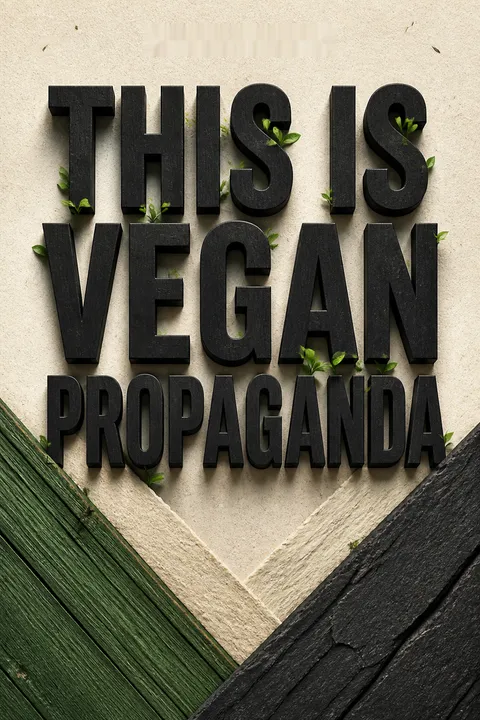


Key Takeaways
Choose moral consistency over inherited food rules and fleeting taste
The moral hinge. Winters describes how, as a young meat-eater, he repeated familiar claims about vegetarians without examining them. A truck crash involving thousands of chickens made their suffering impossible for him to keep abstract. Later, caring for his hamster Rupert helped him recognise that farmed animals, too, have preferences, fear, and pain. He argues that veganism is an ethical position against needless animal exploitation, not merely a diet.
Apply the same standard. The central question is whether convenience or enjoyment justifies harm that could be avoided. The book challenges arguments that legality, tradition, or intelligence make exploitation acceptable. It asks readers to compare their treatment of animals they protect with their treatment of animals raised for food.
The argument works by testing consistency rather than demanding that readers adopt a complete theory of animal rights. Sentience, the capacity for subjective experience, offers a practical starting point: suffering matters even when a being cannot speak or reason like a human. That approach connects moral philosophy to everyday choices. Still, consistency alone does not settle every hard case, and access to food varies across people and places. The book's strongest ethical claim is narrower and more persuasive: where adequate alternatives exist, pleasure and habit are weak reasons to impose serious harm.
Welfare labels soften the story, but they do not end exploitation
A humane appearance. The book argues that small farms and higher-welfare labels do not remove the basic structure of animal agriculture: animals are bred, used, and killed for products people do not need. It traces practices such as castration and separating calves from their mothers back to early farming, while describing modern selective breeding that pushes meat chickens to reach slaughter weight in about six weeks.
Who checks the checkers? Winters questions assurance schemes such as Red Tractor and RSPCA Assured, pointing to industry connections, advance notice of many inspections, and documented abuses at certified farms. A label may indicate standards or legal compliance, but it does not promise an animal a life free of confinement, mutilation, or slaughter. The book calls this reassurance a way of making exploitation easier for consumers to accept.
The distinction between reducing harm and ending exploitation is essential. Welfare rules can improve conditions for animals, so dismissing every incremental reform risks overlooking real differences in suffering. Yet a label can also function as consumer reassurance while leaving the underlying system intact. This is a familiar problem in auditing: the organisation setting standards may depend on the industries it evaluates. The sensible response is neither to treat certification as proof of cruelty nor as proof of humane treatment. Ask what a standard requires, who verifies it, and what happens when it is violated.
Animal foods use 83% of global farmland but provide only 18% of calories
A costly conversion. A large international analysis discussed in the book found that meat and dairy use 83% of global agricultural land while supplying 18% of calories and 37% of protein. The disparity reflects land used both for grazing and for growing animal feed. In the United States, the book notes, beef production uses about half of agricultural land but provides 3% of calories.
Look beyond food miles. The book argues that what is produced matters more than how far it travels: transportation accounts for a small share of many animal products' emissions. It also challenges claims that grass-fed systems solve the problem. Grazing can store some carbon in soil, but cited research estimates this offsets only part of the animals' emissions, and soil carbon storage eventually levels off.
The land-use comparison makes opportunity cost visible: land devoted to feed and grazing cannot simultaneously grow food for people or support intact ecosystems. It also helps explain why local sourcing alone is an incomplete environmental strategy. But land is not interchangeable. Some pasture cannot support crops, and restoring ecosystems requires careful planning, local consent, and long-term funding. The analysis is most useful as a systems-level comparison, not a promise that every spared hectare will become forest or that every plant-based product has the same footprint.
Treat crowded animal farming as a preventable public-health risk
Risks built into the system. The book reports that roughly 75% of emerging infectious diseases in people originate in nonhuman animals. Intensive farms bring many animals into close contact, often in crowded conditions, creating opportunities for pathogens to spread and change. Winters connects animal industries to influenza outbreaks, including swine flu, and describes the high fatality rates of H5N1 and H7N9 in reported human cases, while noting that those viruses have not achieved efficient human-to-human spread.
A wider health chain. The risks extend beyond pandemics. The book links heavy antibiotic use in farming to antimicrobial resistance and describes foodborne bacteria, including Campylobacter in chicken. Its account of BSE shows how feeding rendered animal remains back to cattle helped create a disease that also killed people. The claim is about avoidable risk, not certainty that every farm causes an outbreak.
This is a One Health argument: human health, animal health, and environmental conditions are connected, so prevention cannot focus only on hospitals and individual hygiene. Reducing crowded animal production could remove some opportunities for pathogens to spread, while curbing routine antibiotic use protects medicines relied on by people. The limits matter. A zoonotic origin does not by itself prove that a particular food system caused a specific outbreak, and pandemic emergence has multiple drivers. The book is strongest when it describes a risk-amplifying system, rather than implying that a dietary change guarantees protection from disease.
Build a plant-based diet around whole foods, with a few nutrients planned
Plan, do not panic. The book cites nutrition organisations that consider well-planned vegan diets suitable across life stages. Beans, lentils, soya, wholegrains, nuts, seeds, and vegetables can supply protein; combining particular foods at every meal is unnecessary if the overall diet is varied. Winters stresses that vegan convenience foods can be enjoyed, but a diet centred on minimally processed plants is a stronger foundation.
Know the exceptions. Vitamin B12 requires particular attention, usually through fortified foods or a supplement. Vitamin D may also need supplementation where sunlight is limited. The book recommends plant sources of omega-3, such as ground flaxseed, and discusses calcium and iron sources. It also reviews associations between plant-rich diets and lower risks of conditions such as heart disease and type 2 diabetes, while advising that food choices complement, not replace, medical care.
The nutritional case is more credible when it separates a sound dietary pattern from a guarantee of perfect health. Plant-based diets vary widely, just as omnivorous diets do; replacing meat with highly processed foods is not equivalent to eating beans, vegetables, and wholegrains. The book also correctly treats supplementation as ordinary nutrition planning, not a moral or medical failure. A useful caution is that many disease findings come from observational studies, where lifestyle and income can influence results. Readers with specific health needs should use qualified clinical advice rather than treating a general summary as a prescription.
Expose the mental shortcuts that make familiar cruelty seem normal
Distance dulls responsibility. Cognitive dissonance is the discomfort of holding conflicting beliefs or values. The book applies it to people who oppose animal cruelty but buy products made through animal exploitation. A related idea, the meat paradox, describes the tension between caring about animals and eating them. Winters recounts the public response to Daisy, a cow who escaped a slaughterhouse: many people wanted her saved, even though the same society routinely accepts the slaughter of cattle.
Language shapes perception. The book describes carnism as the largely invisible belief system that treats eating certain animals as normal. Terms such as livestock, processing, and harvesting can make individuals and killing sound like inventory management. Euphemisms, distance from slaughter, and familiar species categories all help people avoid confronting what their purchases support.
These concepts explain why factual information alone may not change behaviour. People protect a valued identity, such as being compassionate, by adjusting how they interpret an uncomfortable choice. Making the individual animal visible can interrupt that process, but emotional stories are not a substitute for reliable evidence. The analysis also points beyond personal hypocrisy: habits, family practices, prices, and institutional routines shape what feels normal. That broader view avoids reducing the issue to individual bad character, while still recognising that consumers can reconsider the actions their routine purchases sustain.
Check who funds the story before trusting food-industry reassurance
Reassurance has sponsors. Winters argues that media coverage often frames veganism as extreme while giving less attention to animal agriculture's environmental and health impacts. He describes a report about threats against a farmer that was later contradicted by the farmer, yet the original narrative continued to circulate. The book also examines industry-linked campaigns, government promotion of dairy, and disputes over labels for plant-based products.
Repetition can persuade. The illusory truth effect is the tendency to find repeated claims more believable, even without new evidence. Repeated messages about happy farm animals, high standards, or animal products being essential to a balanced diet can become familiar enough to feel self-evident. Winters urges readers to check the evidence, funding, and institutional relationships behind claims, including claims that support veganism.
The funding question is a useful habit for evaluating any contested public claim, but it should be applied symmetrically. Industry ties can create conflicts of interest; they do not, on their own, prove that a study is false. The same scrutiny belongs on advocacy sources, whose goals can influence which evidence they select and how they frame uncertainty. Strong evaluation compares methods, relevant expertise, and the wider body of research. The book's account of repetition also shows why correcting misinformation requires more than publishing a fact once: familiar claims gain an advantage through sheer exposure.
Ask questions and listen before turning vegan advocacy into a contest
Keep the door open. Winters says the hardest part of going vegan can be strained relationships, especially with family, because food carries memories, rituals, and belonging. He advises advocates to prepare for common concerns, ask open questions, listen carefully, and show empathy without pretending to agree. Offering to cook a meal or find accessible alternatives can turn abstract nutrition worries into a shared experience.
Make the exchange humane. The goal is not to force a person to adopt a position in one conversation. A calm discussion can help someone examine whether taste, habit, or tradition justifies harm, while a humiliating confrontation can make them focus on defending themselves. The book also acknowledges that a vegan's attempt to avoid participation in a family meal may protect personal integrity while deepening social distance.
This advice aligns with motivational interviewing, a counselling approach that uses open questions and reflective listening to help people explore their own reasons for change. Its advantage is respect for autonomy: a person is less likely to feel coerced when they can articulate the tension themselves. Still, tact should not become a demand that advocates hide their moral convictions to preserve everyone else's comfort. A strong conversation can be both candid about harm and curious about the practical, social, or emotional barriers that make change difficult.
Redirect farm subsidies toward growers, restoration, and safer food systems
Change the incentives. The book argues that farmers should be part of the transition, not treated as its casualties. Public money could support farmers who shift to growing crops for people or restore land as woodland, meadow, or habitat. Winters points to Costa Rica's payments for environmental services, which paid landowners to protect biodiversity and regrow forests after deforestation had expanded.
Build alternatives. The proposal also includes taxing animal products to reflect some of their health and environmental costs, and investing in approaches such as vertical farming and cultivated meat. These are presented as possibilities, not a finished blueprint. The underlying point is that consumer choices operate inside a food system shaped by subsidies, markets, infrastructure, and political influence. Changing those structures could make less harmful options easier to produce and obtain.
This policy focus strengthens the book's case by acknowledging that agricultural systems are livelihoods as well as supply chains. A just transition requires more than asking farmers to absorb the cost of changing production; it needs predictable financing, training, and local participation. Costa Rica illustrates that public incentives can support ecological recovery, though its experience cannot be copied without regard for different land and political conditions. Emerging technologies may help diversify food supply, but their costs, energy use, and public acceptance need evaluation. The durable principle is to stop subsidising harms while supporting viable alternatives.
Analysis
The book's central move is to turn an apparently private meal into a question about moral agency and public systems. Its narrative begins with the author's own inherited assumptions, then uses encounters with individual animals to make industrial practices emotionally legible. That personal arc matters: readers are invited to revise a familiar identity, not simply absorb a catalogue of harms. The argument's strongest ethical foundation is sentience. It avoids requiring animals to display human-like intelligence before their suffering counts, while challenging the inconsistent distinction between companion animals and farmed animals.
The evidence serves several different purposes and should not be treated as one undifferentiated proof. The case against routine exploitation is moral. Environmental comparisons rely on life-cycle and land-use analyses, whose results vary by food and production method. Health claims often describe associations between dietary patterns and disease, while pandemic claims concern increased risk and biological pathways, not certainty about the origin of any single outbreak. Separating these forms of evidence makes the book's case more precise, not weaker.
Its sharpest institutional insight is that reassuring labels, advertising, subsidies, and media coverage shape what consumers experience as normal. Choice is real, but it is structured by prices, access, habit, and cultural belonging. Consequently, the book's own proposed answer is most persuasive when personal dietary change is paired with public investment in farmers, land restoration, and alternatives. One limitation is its tendency to treat veganism as a singular solution, when food systems also require attention to poverty, food security, and regional ecological constraints. Yet its broader challenge remains potent: a society cannot claim to oppose needless suffering while declining to examine the ordinary mechanisms that make it profitable and invisible.
Review Summary
This Is Vegan Propaganda receives mostly positive reviews for its comprehensive, fact-based arguments for veganism. Readers appreciate the up-to-date information on health, environment, and ethics. Many find it eye-opening and persuasive, though some criticize its one-sided approach and aggressive tone. Vegans praise its reinforcement of their beliefs, while non-vegans report reconsidering their choices. Some reviewers note the book's potential to change minds, while others argue its confrontational style may alienate readers.
People Also Read



Glossary
Speciesism
Species-based moral biasA prejudice that favours the interests of one species, especially humans, over those of other species. In the book, the term describes how people may treat a pig's interest in avoiding death as less important than a person's preference for a particular food, while extending greater concern to a dog.
Anthropodenial
Denial of shared animal traitsFrans de Waal's term for denying meaningful similarities between humans and other animals. The book uses it to describe dismissing evidence that nonhuman animals can experience emotions, pain, or complex social behaviour, often because accepting those capacities would make familiar practices harder to justify.
Overton window
Range of publicly acceptable ideasA political concept for the range of policies or ideas that the public considers acceptable at a given time. The book applies it to animal agriculture, arguing that practices can become normal through gradual changes in farming and public expectations, and that campaigning can shift which alternatives people are willing to consider.
Cognitive dissonance
Discomfort from conflicting beliefsThe psychological stress that arises when a person's beliefs, values, or ideas conflict with their actions. In the book, it helps explain how someone can oppose cruelty yet support animal products, and how people may respond either by changing their behaviour or by finding reasons to defend it.
Carnism
Invisible ideology of eating animalsMelanie Joy's term for the largely unexamined belief system that makes eating certain animals seem normal, natural, and necessary. The book uses it to explain why animal-product consumption is often treated as a neutral habit rather than a choice shaped by cultural assumptions and psychological defences.
Meat paradox
Conflict between caring and consumingThe tension between valuing animals and consuming products made from them. The book extends the idea beyond meat to dairy and eggs, arguing that people may manage the conflict by distancing themselves from production, downplaying animals' minds, or treating familiar animal categories differently.
Ag-gag laws
Restrictions on farm investigationsLaws that restrict or penalise filming and documenting conditions in agricultural facilities. The book discusses them as a way of limiting public access to evidence about farms and slaughterhouses, including cases where investigators may face serious consequences for exposing abuse.
Illusory truth effect
Repetition increases perceived truthA psychological effect in which repeated statements can seem more credible through familiarity, even when repetition does not add evidence. The book applies it to recurring marketing messages about happy animals, high welfare, and animal foods as necessary for a balanced diet.
FAQ
What's This Is Vegan Propaganda about?
- Animal Rights Focus: The book argues that veganism is a moral baseline, emphasizing the ethical implications of animal exploitation and challenging the notion of humane animal farming.
- Environmental Impact: Ed Winters discusses how animal agriculture contributes to environmental degradation, including deforestation and greenhouse gas emissions, presenting veganism as a solution.
- Health Considerations: It explores the health benefits of a vegan diet, asserting that it can prevent chronic diseases and improve overall well-being, supported by evidence from various studies.
Why should I read This Is Vegan Propaganda?
- Comprehensive Resource: It serves as a thorough resource for both vegans and non-vegans, providing insights into arguments against veganism and how to advocate for animal rights.
- Challenging Perspectives: The book encourages readers to confront their beliefs about animal consumption and consider the moral implications of their dietary choices.
- Engaging Narrative: Ed Winters combines personal anecdotes with scientific research, making complex ideas accessible and relatable.
What are the key takeaways of This Is Vegan Propaganda?
- Moral Responsibility: Veganism is presented as an ethical stance against needless animal exploitation, urging readers to align their actions with values of kindness and respect.
- Environmental Urgency: Animal agriculture is highlighted as a leading cause of climate change and biodiversity loss, advocating for a shift to plant-based diets.
- Health Benefits: A well-planned vegan diet can provide all necessary nutrients and may help prevent various diseases, supported by authoritative organizations.
What are the best quotes from This Is Vegan Propaganda and what do they mean?
- "There’s no such thing as a happy farm animal." This challenges the romanticized view of animal farming, highlighting inherent cruelty.
- "We have created a form of tyranny over the natural world." Reflects on humanity's dominance over animals and the environment, calling for a compassionate reevaluation.
- "Every time we eat, we have the power to radically transform the world." Emphasizes the impact of individual dietary choices on societal and environmental issues.
How does Ed Winters define veganism in This Is Vegan Propaganda?
- Ethical Stance: Veganism is defined as an ethical stance against needless animal exploitation, not merely a diet but a moral philosophy.
- Social Justice Issue: The book frames veganism as advocating for the autonomy and moral consideration of non-human animals.
- Cognitive Dissonance: Discusses the struggle to reconcile love for animals with consumption of animal products, highlighting psychological barriers.
What psychological barriers does This Is Vegan Propaganda address?
- Cognitive Dissonance: Explores discomfort when actions contradict values, leading to justifications for consuming animal products.
- Social Norms: Discusses societal and cultural constructs influencing dietary choices, encouraging readers to challenge these norms.
- Fear of Judgment: Notes that fear of judgment can deter individuals from exploring veganism, advocating for open conversations.
How does This Is Vegan Propaganda link animal agriculture to pandemics?
- Zoonotic Diseases: Approximately 75% of new infectious diseases in humans originate from non-human animals, particularly through farming practices.
- Historical Context: References past pandemics to illustrate how close contact with farmed animals can lead to deadly viruses.
- Call for Change: Argues that reducing or eliminating animal farming is crucial for preventing future pandemics, highlighting plant-based diets as a preventive measure.
What evidence does This Is Vegan Propaganda provide regarding the environmental impact of animal farming?
- Land Use: Animal agriculture occupies 83% of global agricultural land while providing only 18% of global calories, highlighting inefficiency.
- Greenhouse Gas Emissions: Contributes significantly to emissions, accounting for 14.5% to 18% of total emissions, urging dietary changes.
- Biodiversity Loss: Leading cause of habitat destruction and species extinction, with 41% of global tropical deforestation attributed to cattle farming.
How does Ed Winters suggest we can create a better future in This Is Vegan Propaganda?
- Shift to Plant-Based Diets: Advocates for a global shift to reduce environmental impact and improve animal welfare.
- Rewilding and Restoration: Emphasizes restoring ecosystems by repurposing land used for animal agriculture, enhancing biodiversity.
- Collective Action: Calls for challenging the status quo of animal farming and promoting veganism as a solution to global issues.
What are the health implications of adopting a vegan diet according to This Is Vegan Propaganda?
- Nutritional Adequacy: A well-planned vegan diet can provide all necessary nutrients and may help prevent chronic diseases.
- Personal Health Benefits: Highlights benefits such as increased energy and better digestion from adopting a vegan lifestyle.
- Addressing Nutrient Deficiencies: Emphasizes understanding nutrition and planning meals to ensure a balanced diet.
How does Ed Winters define a balanced diet in This Is Vegan Propaganda?
- Plant-Based Focus: A balanced diet can be achieved through a plant-based approach, emphasizing whole foods like fruits and vegetables.
- Nutrient Awareness: Highlights the importance of being aware of specific nutrients and how to obtain them from plant sources.
- Avoiding Processed Foods: Advises minimizing processed foods for better health outcomes, while enjoying vegan alternatives in moderation.
What psychological barriers to veganism does Ed Winters discuss in This Is Vegan Propaganda?
- Cognitive Dissonance: Occurs when beliefs about animal welfare conflict with dietary choices, leading to rationalizations.
- Social Pressure: Societal norms and peer pressure can discourage adopting a vegan lifestyle, fearing social ostracism.
- Emotional Detachment: Emotional detachment from animal suffering allows continued consumption without guilt, encouraging reflection on values.
Download PDF
Download EPUB
.epub digital book format is ideal for reading ebooks on phones, tablets, and e-readers.








