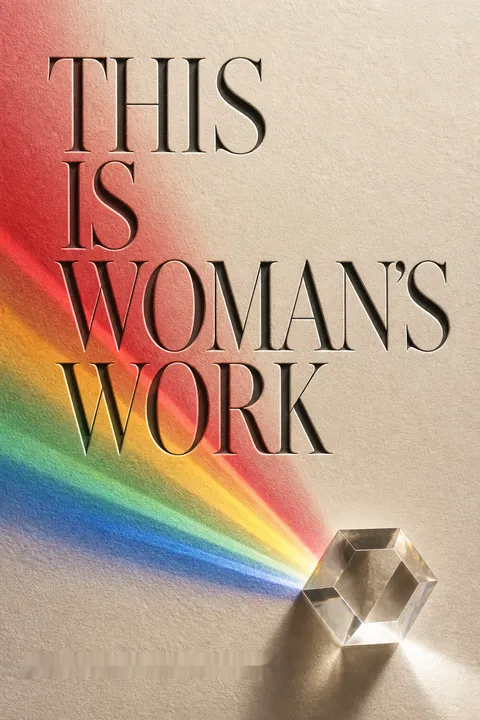


Key Takeaways
Define yourself by the full cast, not one approved role
A self is not one part. Christina uses archetypes as recurring patterns of experience, not fixed personality types. Her inner council includes the Shadow, Ghost, Willing, Rebel, Caregiver, Conjure, Wombed, Journey, Shapeshifter, Warrior, Third Eye, Howling, Violated, Beggar, Bone, Liberator, Woman of Words, Wild, Whisper, and Everywoman. Each can appear in a person at different times and in different combinations. None is the complete definition of a woman.
The work is recognition. Christina first preferred the Rebel and resisted the Willing Woman, whom she associated with weakness. Writing about both unsettled those assumptions. She came to see that rejecting an uncomfortable part can narrow self-understanding as much as accepting an imposed role.
The framework's strength is pluralism: contradictory impulses can belong to the same person without canceling one another. That idea resists the tidy labels often used to make identity legible to institutions, partners, or even the self. The archetypes are most useful as prompts for inquiry, not as a new personality test. Because the set reflects Christina's experience and is explicitly non-exhaustive, readers should be free to revise, rename, or add to it.
Write past your self-protective story to hear what you actually believe
Language shapes the inner picture. Christina treats writing as a way to notice the assumptions hidden in familiar descriptions of oneself. A person who repeatedly calls herself incapable, for example, may be rehearsing a limiting account rather than reporting a fixed truth. Putting thoughts on paper makes their patterns, evasions, and contradictions easier to see.
Use the page as a mirror. The book's exercises invite readers to describe an archetype, write from its perspective, or examine what makes it uncomfortable. Christina says she discovered beliefs she had not known she carried, including judgments about obedience and strength. The point is not polished writing. It is honest attention, including attention to what the writer would rather avoid.
Writing can create useful distance between a person and a thought: a sentence on a page can be inspected rather than obeyed. That makes the method more than self-expression; it becomes a way to test the stories that guide behavior. Yet introspection is not automatically clarifying. A vivid account can still be incomplete or distorted, so reflection works best as an opening for questions, not as proof that every written interpretation is true.
Treat silence as either shelter or a lock, then tell the difference
Not every silence is the same. The Shadow Woman represents hidden or not-yet-developed parts of the self. Christina distinguishes chosen quiet, which can provide rest and room to grow, from silence imposed by fear, shame, or the belief that one's voice is unwelcome. The question is whether withdrawal restores a person or keeps her from living more fully.
Protection can outlast danger. The Whisper Woman is Christina's name for an inner protector formed during frightening experiences. She describes memory gaps and a childhood witness to a fatal accident, while recognizing that this protector may guard against painful recall. The Ghost Woman, by contrast, suggests intense attachment to others alongside disconnection from bodily signals. The book's exercises use grounding and writing to explore these experiences gently.
This distinction honors a crucial fact about coping: a strategy can be protective in one setting and restrictive in another. The Whisper Woman is not framed simply as an enemy to defeat, but as a guardian whose original job deserves recognition. That is a compassionate model of change. Still, memories should not be forced into view. Reflection about trauma can overwhelm, and the author's writing prompts are not a substitute for qualified care when distress is serious.
Choose service and resistance freely, not as inherited scripts
The same action can mean different things. Christina revisits the Willing Woman, who obeys, serves, or yields. Submission may be a freely chosen expression of devotion, she argues, or an accommodation shaped by fear and a belief that no alternative exists. The outward behavior alone cannot tell which is happening. Her test is whether the person experiences meaningful choice.
Resistance needs a purpose. The Rebel Woman stands against a perceived injustice, a stance Christina connects to Black resistance and the refusal to accept racist or sexist limits. But permanent opposition can become exhausting and reactive. A related figure, the Beggar Woman, waits to be rescued; Christina asks whether support strengthens someone's agency or quietly trains dependence. These contrasts make choice, not appearance, the key measure.
This section avoids two easy errors: treating all submission as defeat, and treating all defiance as freedom. Agency depends on available options, perceived options, and the power to refuse without punishment. That makes personal choice inseparable from social context. The useful question is not simply whether a person says yes or no, but what pressures shape that answer and whether the person can change it safely.
Let care, motherhood, travel, and pleasure take forms that fit you
No single feminine script fits. The Woman with Cool Hands finds meaning in caring for others, while the Wombed Woman represents creation and mothering, including the fear, responsibility, and bodily change Christina experienced after having children. She argues that caregiving need not become self-erasure, and that motherhood does not define every woman or exhaust a mother's identity.
Restlessness and pleasure count too. The Journey Woman seeks experience and movement, even when domestic expectations suggest she should settle. The Wild Woman claims sensuality, appetite, and freedom from respectability rules. Christina uses a friend who celebrated her own unruliness to show how another woman's freedom can expose the limits someone has accepted for herself. These archetypes are invitations to examine desire, not instructions to imitate a lifestyle.
By placing nurturance beside wandering and sexual self-direction, the book broadens femininity beyond a single ideal of respectable care. It also identifies a tension: relationships rely on mutual obligations, while self-authorship requires room to choose. Neither caregiving nor pleasure is inherently liberating; either can be shaped by coercion, habit, or genuine desire. The archetypes help readers ask whose expectations are organizing a life.
Use adaptation to survive, but know when the mask is costing you
Changing form can be intelligence. Christina's Shapeshifter Woman adjusts her presentation to read a room and meet its demands. She links this capacity to the survival strategies of enslaved people who outwardly complied while gathering information and preserving room to act. Christina also describes code-switching in white, male-dominated spaces as a way to navigate systems that mark her as an outsider.
A useful mask can become a trap. The same skill can turn into manipulation, or leave someone unsure which presentation feels like her own. Christina asks readers to identify the payoff, the risks, and who benefits from the performance. Adaptation may be necessary under unequal conditions, but it is worth noticing whether a person still has spaces where she can put the performance down.
The Shapeshifter offers a sharper account of authenticity than the simple demand to always be oneself. In unequal settings, strategic self-presentation can protect access and safety; insisting on transparency may serve the powerful more than the person being judged. At the same time, constant monitoring has a cost. A useful standard is not whether a person ever adapts, but whether she retains choice over when, why, and for whom.
Make anger strategic, and aim liberation at real constraints
A warrior chooses the battle. Christina's Warrior Woman is disciplined and deliberate, not merely angry or eager for conflict. Her strength comes from examining fear, judging what is worth defending, and preparing for consequences. When this energy is wounded, anger can lose its target and injure people who are not responsible for the original harm. Christina recalls her grandmother's deep grief expressed as a lasting, sometimes hurtful rancor.
Liberation changes conditions. The Liberator Woman acts against barriers that restrict other people's choices. Christina distinguishes inner freedom from liberty in the external world: a person may know her worth and still face locked doors, unjust laws, or limited opportunities. She honors activists such as Harriet Tubman, whose work helped others escape slavery, while warning that rescuing everyone can consume the rescuer's own life.
The distinction between disciplined resistance and indiscriminate rage is powerful because it treats anger as information, not a complete political strategy. The Liberator also keeps structural barriers in view, avoiding the fantasy that confidence alone can dismantle a prison or an unjust institution. One caution is that inner and external freedom are not cleanly separable: material conditions shape what choices feel possible, while collective action often changes those conditions.
Name violation and grief without mistaking either for your identity
A wound is not a birthright. The Violated Woman represents bodily violation and the social tendency to blame, doubt, or silence those harmed. Christina recalls witnessing abuse in her community and describes how repeated stories of violation can make injustice seem ordinary. Her suggested writing practices focus on reclaiming ownership of the body and imagining a different response to a past event.
Grief deserves a place, not the whole house. The Howling Woman is consumed by sorrow; the Bone Woman keeps the past so close that it crowds out the present. Christina connects her own grief to family histories of enslavement and racism, while distinguishing remembrance from being trapped in old pain. She recommends naming both sources of sadness and sources of joy, and finding ways to let some burdens go.
The book's insistence that trauma does not define the injured person counters a culture that often treats survival as a test of character and suffering as a permanent identity. Its metaphors make emotional states easier to examine without denying their force. But recovery is not a simple act of will, and symbolic writing exercises cannot guarantee safety or healing. A reader can honor memory and seek support without feeling obliged to forgive, forget, or produce a triumphant ending.
Carry stories and intuition as inheritance, not unquestionable proof
Stories keep people present. The Woman of Words carries family and community memory through narrative. Christina recalls storyteller Opalanga Pugh holding a room with tales that helped children connect to their ancestors and understand themselves. Personal stories can pass on knowledge absent from formal records, including histories that families have not been able to tell directly.
Possibility needs discernment. The Conjure Woman represents ritual, spiritual connection, and the power to imagine transformation. The Third Eye Woman is Christina's name for intuitive or visionary knowing. She recounts neighbors who seemed to anticipate events, while acknowledging that others might interpret such experiences differently. Together, these figures honor ways of knowing that conventional frameworks may dismiss, without requiring every feeling, dream, or story to be treated as literal evidence.
Oral history is not merely a storehouse of facts; it also transmits belonging, values, and a sense of what a community has survived. The book's spiritual language similarly makes room for meaning beyond what can be measured. Those strengths benefit from an important distinction: a story can be emotionally or culturally true without establishing every factual claim. Curiosity and respect need not require certainty.
Build a whole life by moving among your selves, not becoming an ideal
The Everywoman is integration, not perfection. She represents a woman able to move among the archetypes rather than being governed by one role. Christina presents her as an image of self-knowledge and presence, but warns against turning her into another standard women must satisfy. The goal is not to copy an ideal woman. It is to recognize one's own range and exercise greater authorship over it.
Creation makes that range visible. In the epilogue, Christina describes writing as a way to become more present in her body, recover a voice, and honor ancestors whose experiences were suppressed. The book's final invitation is to claim one's body and story as one's own. Its emphasis on praise is not a denial of harm, but a way to notice that a life contains more than its injuries.
The Everywoman works best as a direction of travel, not a finished state. People are shaped by relationships, obligations, and history, so self-authorship is never pure independence from others. Christina's account of writing and ancestry makes that clear: the self is individual, but it is also inherited and relational. The framework's lasting value lies in making more choices visible, not in promising a final, conflict-free version of the self.
Analysis
This book is memoir, poetic reflection, and guided self-inquiry at once. Its organizing device is a collection of twenty feminine archetypes, but its deeper structure is a movement from inherited definitions toward deliberate self-authorship. Christina begins with the conviction that women are too often named from outside, then tests her own ideas against archetypes she welcomes and ones she finds difficult. The result is less a taxonomy than an argument for complexity: care can be strength or self-erasure, obedience can be chosen or coerced, and resistance can be principled or reflexive.
The book's most distinctive method is literary rather than clinical. Poems, family memories, cultural history, and writing prompts allow concepts to be felt as well as explained. Its attention to Black experience, slavery, gendered violence, and oral tradition prevents self-definition from becoming a purely private project. The self is formed within history and social power, even as it can resist the meanings imposed by them.
That same method creates limits. The archetypes are evocative but not systematically validated categories, and some stories are offered as personal interpretation rather than evidence. The author's accounts of intuition and spiritual possibility should be understood as elements of her worldview, not universal demonstrations. Likewise, reflective writing can expose useful patterns, but it cannot safely resolve every trauma on its own. These cautions do not diminish the book's central contribution. They clarify how to use it: as a generous set of lenses, not a diagnosis, doctrine, or checklist. The reader's task is to discover which names illuminate experience, which constrict it, and what language might make a fuller life imaginable.
Review Summary
This Is Woman's Work receives mostly positive reviews, praised for its poetic language, exploration of feminine archetypes, and thought-provoking content. Readers appreciate Christina's raw emotion, cultural insights, and empowering message. Some find the book deeply moving and transformative, while others feel it occasionally veers into navel-gazing. The writing exercises are noted as challenging but rewarding. A few readers criticize the repetitive focus on African American heritage and patriarchal society. Overall, it's viewed as a powerful, introspective work that resonates with many women.
People Also Read



Glossary
Inner council
Many selves within one personChristina's image for the many recurring ways a woman can experience and express herself. The council includes strength, vulnerability, care, anger, intuition, grief, and other capacities. It is not a fixed roster or clinical classification. Its purpose is to help readers recognize parts of themselves without reducing identity to a single role.
The Shadow Woman
Hidden or emerging selfThe part of the self that remains concealed, guarded, or not yet fully developed. Christina revises a purely negative reading of the shadow: darkness can also provide shelter and conditions for growth. The key distinction is whether hiddenness is chosen and restorative or imposed by fear and silencing.
The Ghost Woman
Attachment beyond bodily awarenessAn archetype marked by fierce attachment or obligation to other people, sometimes alongside distance from one's own body and its signals. Christina connects it to resilience and an insistence on remaining connected. When unbalanced, it can make a person overlook pain, needs, or relationships that cause harm.
The Willing Woman
Chosen or constrained serviceThe figure of obedience, deference, and service. Christina distinguishes freely chosen surrender or care from compliance shaped by fear, limited options, or old wounds. The archetype asks readers not to infer powerlessness from behavior alone, but to examine whether the person has meaningful agency.
The Rebel Woman
Identity formed through resistanceA woman who understands herself through opposition to unjust or limiting ideas and systems. Christina connects this pattern to resistance against racism and sexism, while noting that constant dissent can become exhausting or automatic. Its healthy form directs energy toward a cause the person has deliberately chosen.
The Woman with Cool Hands
Care offered to othersThe caregiver whose attentiveness, generosity, and practical kindness bring comfort to others. Christina treats caregiving as a meaningful strength, not automatically as weakness or martyrdom. Its imbalance appears when care becomes a demand, when the recipient does not want it, or when the caregiver cannot attend to herself.
The Conjure Woman
Ritual and transformative possibilityA spiritual, creative, or ritual figure connected to nature, ancestors, and practices of transformation. Christina uses conjure broadly for the ability to work with sources of power and imagine change beyond accepted limits. Its distorted form can become grandiosity, zealotry, or the misuse of influence.
The Wombed Woman
Originating and mothering forceThe archetype of creation, motherhood, and the body as a place where life or other possibilities begin. Christina emphasizes that creating a child does not automatically determine how a person mothers afterward. The figure can nurture and protect, but its power can also become controlling or destructive.
The Journey Woman
Seeker through movementA woman driven to explore the world and discover herself through new experiences. Movement may be literal travel or a change in work, identity, or direction. Christina distinguishes purposeful seeking from restless flight, while questioning why exploration is more readily celebrated in men than in women.
The Shapeshifter Woman
Strategic change of presentationA socially perceptive woman who changes how she presents herself in response to a setting or its power structure. Christina links this skill to survival under oppression, including the ability to appear compliant while preserving agency. It can become manipulative or alienating when the performance obscures the self or harms others.
The Warrior Woman
Disciplined, self-directed fighterA strategist who studies fear, chooses a worthy conflict, and prepares for its consequences. Christina distinguishes her from someone merely violent or acting under orders. In balance, she combines discipline with discernment. Out of balance, unresolved hurt may become indiscriminate anger that harms both others and herself.
The Third Eye Woman
Intuitive or visionary awarenessChristina's archetype for a person who experiences insight, intuition, dreams, or a sense of awareness beyond ordinary conscious reasoning. She describes this as a spiritual and personal way of knowing, not as a universal scientific claim. Its difficult side can include self-doubt or feeling overwhelmed by perception.
The Howling Woman
Grief dominating the selfA figure living under intense sorrow, loss, or depression, with grief taking up most of her inner life. Christina recognizes sadness as necessary and meaningful, while warning against allowing it to become an entire identity. Naming grief and sources of joy helps distinguish a feeling from the whole person.
The Violated Woman
Self after bodily violationAn archetype representing the experience of bodily violation and the cultural patterns that blame, doubt, or silence people who are harmed. Christina describes the resulting rupture in trust and bodily ownership. Her emphasis is on reclaiming personhood without treating violation as inevitable or as the victim's identity.
The Beggar Woman
Need expressed as dependenceA woman who experiences herself as unable to meet her needs and waits for another person to rescue her. Christina connects this pattern to social expectations that make women appear helpless and to upbringing that discourages competence. She also recognizes that asking for help is valuable when it builds, rather than replaces, agency.
The Bone Woman
Past held in the presentA person who clings to memories, regrets, or old injuries until they dominate present experience. Christina distinguishes useful remembrance from hoarding the past as a form of control. Letting go does not require denying history; it means deciding which memories can be honored without continuing to govern daily life.
The Liberator Woman
Action against external constraintsAn activist who works to loosen restrictions on other people's lives and choices. Christina distinguishes inward freedom from liberty in material circumstances, such as confinement or unjust barriers. The Liberator is oriented toward practical change, but may neglect her own needs while trying to help others.
The Woman of Words
Keeper and teller of storiesA storyteller who preserves personal, family, and cultural memory through spoken or written narrative. Christina presents stories as sources of identity, connection, instruction, and historical inheritance. In imbalance, storytelling can turn into gossip or projection, spreading accounts that are inaccurate or harmful.
The Wild Woman
Self-directed appetite and pleasureA woman who resists being domesticated by restrictive expectations and claims room for desire, pleasure, movement, and self-expression. Christina especially connects this archetype to women's control over their bodies and sexuality. Its central question is who authors a woman's choices, rather than whether those choices meet conventional standards.
The Whisper Woman
Inner protector and gatekeeperChristina's name for an inner protective response formed during experiences that felt unsafe or overwhelming. The Whisper Woman may filter memory or keep painful material outside awareness. Christina treats her as an adaptive guardian, while recognizing that protection formed in childhood may restrict an adult's access to herself.
The Everywoman
Integrated range of selvesThe image of a woman able to move among the archetypes without being confined to one of them. She represents awareness, presence, and self-authorship, not a perfect state readers must attain. Christina emphasizes that the goal is to become more fully oneself, rather than to imitate an ideal.
FAQ
What's "This Is Woman's Work" about?
- Exploration of Womanhood: The book delves into the multifaceted nature of womanhood, exploring various archetypes that women embody throughout their lives.
- Self-Discovery and Empowerment: It encourages women to define themselves, reclaim their narratives, and embrace their full potential by understanding and integrating different aspects of their identity.
- Archetypal Framework: Dominique Christina uses archetypes like the Shadow Woman, the Rebel Woman, and the Warrior Woman to guide readers through a journey of self-exploration and empowerment.
- Writing Exercises: The book includes writing exercises designed to help women engage with each archetype and discover their own truths and stories.
Why should I read "This Is Woman's Work"?
- Empowerment: The book offers a powerful message of self-empowerment, encouraging women to reclaim their narratives and embrace their full potential.
- Self-Reflection: Through its archetypal framework and writing exercises, it provides tools for deep self-reflection and personal growth.
- Diverse Perspectives: It presents a wide range of female experiences and identities, making it relatable to many readers.
- Inspiration: The book is filled with inspiring stories and insights that can motivate readers to pursue their own journeys of self-discovery.
What are the key takeaways of "This Is Woman's Work"?
- Self-Authorship: Women are encouraged to define themselves and their identities, rather than allowing societal norms to dictate who they should be.
- Archetypal Exploration: Understanding and integrating different archetypes can lead to a more complete and empowered sense of self.
- Writing as a Tool: Writing exercises are used as a means of self-exploration and healing, helping women to uncover and articulate their truths.
- Embracing Complexity: The book highlights the importance of embracing the complexity and multiplicity of women's identities.
How does Dominique Christina use archetypes in "This Is Woman's Work"?
- Archetypal Framework: Christina uses archetypes to represent different aspects of womanhood, such as the Shadow Woman, the Rebel Woman, and the Warrior Woman.
- Guidance for Self-Discovery: Each archetype serves as a guide for readers to explore and understand different facets of their identity.
- Writing Exercises: The book includes exercises for each archetype, encouraging readers to engage with and reflect on these aspects of themselves.
- Integration and Balance: By exploring these archetypes, women can integrate various parts of themselves and achieve a more balanced and empowered identity.
What are some of the archetypes discussed in "This Is Woman's Work"?
- The Shadow Woman: Represents the repressed parts of the self that need to be acknowledged and integrated.
- The Rebel Woman: Embodies resistance and the fight against societal norms and expectations.
- The Warrior Woman: Symbolizes strength, strategy, and the ability to confront challenges head-on.
- The Conjure Woman: Represents magic, intuition, and the ability to transform and create change.
What role do writing exercises play in "This Is Woman's Work"?
- Self-Exploration: Writing exercises are designed to help readers explore and understand different aspects of their identity.
- Healing and Empowerment: They provide a means for women to articulate their truths, heal from past wounds, and empower themselves.
- Engagement with Archetypes: Each exercise is tailored to a specific archetype, encouraging readers to engage with and reflect on these aspects of themselves.
- Creative Expression: Writing is presented as a form of creative expression and meditation, allowing women to connect with their inner selves.
How does "This Is Woman's Work" address the concept of self-authorship?
- Defining Identity: The book emphasizes the importance of women defining their own identities, rather than conforming to societal expectations.
- Reclaiming Narratives: It encourages women to reclaim their narratives and tell their own stories in their own words.
- Empowerment Through Writing: Writing exercises are used as a tool for self-authorship, helping women to articulate their truths and experiences.
- Challenging Norms: The book challenges traditional norms and encourages women to embrace their complexity and multiplicity.
What are some of the best quotes from "This Is Woman's Work" and what do they mean?
- "To author ourselves, to own the expanse of our voices and our stories, is critical for us as women." This quote emphasizes the importance of self-authorship and the power of owning one's narrative.
- "We are the utterance of so many unclaimed hallelujahs rushing suddenly forth to bear witness to the birthing of our names." It speaks to the potential and power within women to define themselves and claim their identities.
- "The only permission you need comes from you." This quote highlights the idea that women do not need external validation to be who they are; self-acceptance is key.
- "Writing holds up a mirror. It shows you your own subconscious." It underscores the role of writing as a tool for self-reflection and discovery.
How does Dominique Christina address the theme of empowerment in "This Is Woman's Work"?
- Self-Definition: Empowerment is achieved through self-definition and the rejection of societal norms that limit women's identities.
- Archetypal Exploration: By exploring different archetypes, women can understand and embrace their full potential and complexity.
- Writing as Empowerment: Writing exercises empower women to articulate their truths and reclaim their narratives.
- Inspiration and Motivation: The book provides inspiring stories and insights that motivate women to pursue their own journeys of self-discovery and empowerment.
What is the significance of the title "This Is Woman's Work"?
- Reclaiming Womanhood: The title suggests a reclaiming of what it means to be a woman and the work involved in defining one's identity.
- Empowerment and Agency: It emphasizes the agency women have in shaping their own lives and narratives.
- Challenging Norms: The title challenges traditional notions of "woman's work" and expands it to include self-discovery and empowerment.
- Celebration of Complexity: It celebrates the complexity and multiplicity of women's identities and experiences.
How does "This Is Woman's Work" challenge traditional gender norms?
- Redefining Womanhood: The book encourages women to redefine womanhood on their own terms, rather than conforming to societal expectations.
- Archetypal Exploration: By exploring diverse archetypes, it challenges the idea that women must fit into narrow roles or identities.
- Empowerment Through Self-Authorship: It emphasizes the importance of self-authorship and the power of women to tell their own stories.
- Rejecting Limiting Beliefs: The book challenges limiting beliefs and encourages women to embrace their full potential and complexity.
What impact does "This Is Woman's Work" aim to have on its readers?
- Empowerment and Self-Discovery: The book aims to empower women to embark on journeys of self-discovery and embrace their full potential.
- Challenging Norms: It seeks to challenge traditional gender norms and encourage women to define themselves on their own terms.
- Inspiration and Motivation: Through its stories and insights, the book aims to inspire and motivate women to pursue their own paths of empowerment.
- Community and Connection: It fosters a sense of community and connection among women by highlighting shared experiences and diverse identities.
Download PDF
Download EPUB
.epub digital book format is ideal for reading ebooks on phones, tablets, and e-readers.








