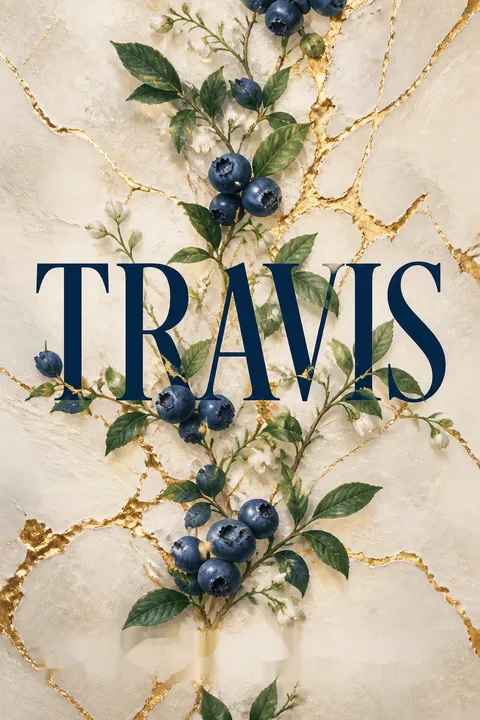


Plot Summary
Prologue
At seven, Travis Hale finds his mother crying at the kitchen table. She tells him his father has left with Travis’s half-brother, Archer, and Archer’s mother, leaving Travis to believe he was the less-loved child.
His father had been the steady parent, so the news turns the boy’s wish to make him proud into a private vow to prove his worth. Travis does not yet know that his mother’s account will shape his adult choices long after the family has changed.
The prologue makes a child’s misunderstanding the emotional engine of the adult story. Travis does not simply lose his father. He receives an explanation that converts absence into a judgment about his value, and he builds an identity around correcting that imagined deficiency. The contrast between his mother’s volatility and his father’s apparent steadiness sharpens the wound: the child trusts one parent, but must depend on the other to explain what happened. This framing makes later ambition, jealousy, and retaliation legible as defenses against a fear that began before Travis could test the story for himself.
Flowers Meet Betrayal
Years later, Travis is Pelion’s chief of police and imagines building a lakeside home with Phoebe, the girlfriend he has dated for ten months. When he arrives at her condo with flowers, he finds her purse spilled in the entry and hears cries upstairs. He draws his gun, expecting an intruder, then discovers Phoebe in bed with Easton Torres, a young seasonal worker.
Easton escapes while Travis lowers his weapon and leaves without accepting Phoebe’s apology. Outside, he crushes the bouquet underfoot. The humiliation strikes harder because Travis had recently considered a future with her, and he resolves to retaliate against the stranger who has made him feel discarded again.
The scene turns a private romantic injury into a test of Travis’s oldest defense. His first response is professional, entering with a weapon to protect someone he believes is in danger; the discovery then exposes how quickly that protective impulse becomes humiliation and anger. The flowers make his imagined future concrete, while their destruction shows how abruptly he discards tenderness when he feels rejected. His revenge plan is not yet a response to Easton’s character so much as an attempt to regain control over the story of his own worth. The prologue’s childhood fear has become an adult script.
The Plant-Filled Traffic Stop
Three days after the breakup, Travis nearly gets sideswiped by a battered car whose driver is distracted by plants stacked across its windows. He pulls the driver over and meets Haven Torres, an out-of-town woman trying to save nursery discards from being thrown away. Haven needles him about his authority, while Travis orders her to unload enough pots to restore her view.
He gives her a warning instead of a ticket. At the Calliope club, where Haven works a smoothie counter, they meet again; their teasing continues, and she blends him a drink for his promised revenge. Travis learns she is Easton’s sister only after the two are staying at the same inn. For now, her strange devotion to plants unsettles his certainty about people.
Haven enters through a traffic violation, but the encounter immediately complicates Travis’s habitual categories. He is accustomed to using authority and charm to control a conversation; Haven answers both with irreverence and an earnest concern for living things. Her plants are not decorative eccentricity. Her willingness to risk a traffic stop rather than abandon them hints at a personal ethic of rescue that Travis does not yet understand. His warning instead of a ticket is a small choice, but it marks the first time he relaxes the role of the formidable chief and becomes curious about someone who refuses to be impressed by it.
The Yellow Trellis
A pipe bursts in Travis’s rental, flooding the upstairs and ruining his bed just as a blueberry festival fills Pelion’s lodging. With no room elsewhere, he books the last room at the Yellow Trellis Inn, run by the eccentric Betty. There he finds Haven and Easton, who are traveling together, and learns the man from Phoebe’s bedroom is Haven’s brother.
Travis tells Haven what happened; she is mortified but refuses responsibility for Easton’s choices. The inn’s other guests include Cricket, a former prisoner; Burt, a blind bird enthusiast; and Clarice, a fortune-teller. Their noisy social hour gives Travis company when he expected only isolation, while Easton’s presence keeps his desire for revenge close at hand.
The burst pipe works as forced proximity without making the characters’ choices feel arbitrary: Travis is stranded by the festival, and Haven is already lodged at the inn. His discovery that the woman who interests him is related to the man he resents creates an ethical complication, not merely a romantic one. The inn’s residents also begin to counter his self-image. Their eccentricities are visible, but each carries a history that cannot be reduced to a first impression. Travis arrives thinking of himself as an outsider among his own town; the inn gives him a temporary community whose members make room for one another before they know the whole story.
Possums and First Kisses
Travis invites Haven to a Buchanan charity party, where she hopes to impress Gage Buchanan, a handsome club member she admires. To tease her, Travis falsely tells her that Gage is devoted to possums; Haven researches the animals and earnestly explains their virtues to him. When she finds Travis afterward, she accuses him of making her look ridiculous.
Her anger breaks into laughter as she recalls the gulf between the mansion and her own childhood, and Travis reaches for her hands to steady her. Haven kisses him. He responds with equal intensity, but they separate without deciding what the kiss means. Back at the inn, both retreat to their rooms, aware that their easy friendship has become harder to keep uncomplicated.
The prank reveals Travis’s tendency to use wit as a form of control, but Haven’s reaction disrupts the usual payoff. Her laughter is not simply forgiveness; it exposes how sharply she experiences class difference and how easily she turns embarrassment inward. Travis sees that her performance for Gage is entangled with a fear of not belonging, while she sees a gentleness beneath his self-satisfied teasing. Their kiss arrives inside an unresolved conflict, making attraction feel less like a clean romantic answer than a breach in the boundaries both have just tried to establish. Humor opens the door, but vulnerability keeps it open.
Blueberries and Old Wounds
At Pelion’s blueberry festival, Haven meets Travis’s half-brother Archer, Archer’s wife Bree, and their young children. She quickly bonds with the boys over insects, while Travis watches his family’s warmth with a mixture of affection and regret. He admits that jealousy once made him cruel to Archer, who grew up with a damaged voice and endured Travis’s taunts.
Haven, meanwhile, tells Travis how a Korean couple once introduced her to gardening after she tried to steal a cantaloupe. The story explains why she cares for plants, and why a stable community moves her so deeply. Gage asks her to dinner, and Travis helps make the invitation happen even as he feels jealous. Clarice’s reading leaves him with a troubling prediction of loss.
The festival lets Haven experience the town as a lived community rather than the picturesque setting she has only admired from the roadside. Her ease with the children offers Travis a glimpse of what care looks like when it is unforced, and his account of his treatment of Archer begins to replace polished charm with moral self-knowledge. Haven’s cantaloupe story links nourishment, kindness, and gardening to the scarcity of her childhood. Gage’s invitation tests Travis’s generosity: he supports Haven’s stated wish even while discovering that he wants something different. The fortune-teller’s warning gives his vague unease a shape, but not an explanation.
The Lake's Shallow Edge
After the festival, Travis asks Haven to swim in the lake. She admits she cannot swim, so he keeps her close and guides her into deeper water, promising she will not be left alone. The quiet turns their attraction into touch: they kiss, and Travis brings Haven to orgasm with his hand.
Afterward, she says the encounter has complicated the friendship she values, especially the days spent with their inn companions. Travis accepts her uncertainty rather than demanding more, though neither can pretend the moment was casual.
Haven has spent much of her life avoiding situations where another person could leave her helpless. Trusting Travis in the water, even briefly, makes the physical intimacy feel safer and more consequential than either expected.
The lake makes trust physical. Haven cannot rely on skill or control in water she does not know, so Travis’s promise has immediate stakes; his care is measured by whether she can remain present without panic. Their erotic contact grows out of that dependence, but Haven’s hesitation afterward shows that desire does not erase the risks she has learned to anticipate. Travis’s restraint matters because he allows her to define the boundary, even as he wants to cross it. The scene also exposes a paradox: intimacy feels safe precisely because it is temporary, yet the experience begins to make that temporary arrangement emotionally costly.
Tori's Old Papers
Travis’s mother, Tori, summons him to inspect a supposed leak in her apartment, then gives him old family papers and original documents that could challenge Archer’s ownership of Pelion. The papers also include photographs and belongings of Travis’s father, making them difficult to refuse.
Travis rejects Tori’s argument that he should reclaim the town, but keeps the documents. Later, on the inn’s porch, he tells Haven that his father left with Archer and that he once mocked Archer’s isolation out of jealousy.
Haven listens without excusing him, then speaks about the damage love can leave behind. Their honesty draws Travis toward her room, where they have sex for the first time. The papers now stand beside a more intimate question: what kind of man will he choose to be?
Tori’s documents offer Travis more than a legal advantage. They promise a return to the status and certainty he associates with childhood, when he expected to inherit Pelion and believed his father’s attention was the measure of his value. His refusal to act immediately shows a developing separation between what he can claim and what he believes is right. The porch conversation gives that dilemma a relational counterweight: Haven does not absolve him, but she recognizes the pain beneath his behavior. Their first full sexual encounter follows emotional disclosure, making physical closeness an extension of honesty rather than a substitute for it.
The Donkey Thimble
The morning after their first night together, Burt tells Travis that Betty’s detailed descriptions help him imagine the world after blindness, while his command of words helps her through the language difficulties left by a head injury.
Their mutual care gives Travis a new way to think about loss. At the antique fair, Haven buys an old photograph because she cannot bear the thought of forgotten lives being left without anyone to remember them. She gives Travis an ugly donkey thimble as a joke.
Holding it, he suddenly pictures Haven on his lakeside land, in the home he once imagined sharing with Phoebe. The vision frightens him because Haven plans to leave and still hopes to date Gage. He hides his reaction, but the future has become difficult to dismiss.
Burt and Betty embody a form of reciprocity that challenges Travis’s assumption that people must heal alone. Betty lends him a vocabulary for understanding her injury, while her storytelling gives Burt a way to inhabit scenes he cannot see. At the fair, Haven’s attention to abandoned photographs echoes her plant rescues: she responds to the possibility of being forgotten by preserving traces of lives. The thimble becomes an accidental anchor for Travis’s future vision, linking an absurd object to a serious realization. He sees not possession but a shared life, yet his instinct is still to conceal vulnerability rather than risk hearing that Haven does not want it.
Phoebe's Last Visit
Phoebe returns to the Yellow Trellis and admits that Easton made her feel adored, something she had not felt in her relationship with Travis. Travis recognizes that he had accepted her devotion without asking what she wanted, and he forgives her rather than trying to restore the relationship.
That evening, Haven still goes to dinner with Gage, despite the intimacy she and Travis have shared. Travis takes the old papers to Archer’s bonfire, considers using them to regain wealth and standing, then burns the amendment that could threaten his brother’s ownership.
When Haven returns, she says she intends to leave and insists their arrangement was never a relationship. Travis offers her a chance, but she refuses, afraid of trusting his feelings and of building a future she may have to lose.
Phoebe’s return clarifies that the old relationship was not simply destroyed by one act of infidelity. Travis recognizes his own passivity: he enjoyed being admired while leaving Phoebe’s ambitions and needs unexamined. Haven’s date with Gage then forces Travis to face the difference between wanting someone and being entitled to their choice. Burning the amendment is a real moral decision, but it does not resolve his emotional fear. Haven still interprets intimacy through the safety of an exit plan, while Travis has only just begun to imagine a future in which he might be chosen without maneuvering for it.
Easton's Burning Past
After Haven rejects a relationship and plans to leave, Travis sits alone at the inn until Easton returns drunk from the firehouse. Easton apologizes for sleeping with Phoebe, then explains why he and Haven have spent two years traveling: their mother died of an overdose, and a fire destroyed their home.
Haven had tried to rescue the plants she had kept from the Korean couple’s garden, while Easton dragged her from the flames. Travis understands that her habit of leaving before she can be left is tied to repeated loss, not indifference.
He abandons plans to delay her departure or manipulate her into staying and leaves the inn. The next morning, Easton tells Haven he wants to stop traveling and build a life in Pelion, giving her a choice she has never allowed herself to make.
Easton’s confession recasts the siblings’ road trip as a survival strategy rather than a carefree adventure. Haven has been protecting her brother, but Easton also recognizes that her movement has kept both of them from confronting grief. Travis’s decision not to interfere is the first clear refusal of his old habit of manipulating circumstances to avoid helplessness. He accepts that love cannot be made safe by controlling another person. Easton’s request that Haven stay then shifts agency back to her: the choice is no longer between being abandoned and abandoning others, but between continuing to flee and risking a life she actually wants.
Pelion's Cruel Bulletin
Haven and Easton attend a town meeting hoping to join the community, but Spencer’s newly formed community relations group distributes a bulletin labeling the siblings unwanted. It lists Easton’s past misconduct and Haven’s alleged complicity, using social media and gossip to make the case against them.
Travis had asked Spencer to investigate Easton as part of his revenge, though he never approved the bulletin’s publication. The public exposure devastates the siblings, especially because Haven has just begun to consider staying.
Travis takes responsibility, but Haven cannot hear his explanation over the old wounds the notice reopens. She and Easton leave the meeting while the town watches. The place that had offered Haven peace now feels like another community rejecting them before they can belong.
The bulletin converts private shame into civic procedure. Its official format lends rumor the authority of a public safety measure, revealing how easily a community can confuse surveillance with care. Travis did not write the notice, but his earlier request created the conditions for it; the distinction between intent and consequence offers little comfort to Haven, who experiences the public judgment as another abandonment. The timing intensifies the harm: she and Easton arrive prepared to stay, so the humiliation strikes at the exact moment they risk asking for acceptance. Pelion’s idealized warmth is not false, but it proves conditional and fallible.
A Father's Hidden Letter
In the aftermath, Travis drives to his land and opens the albums Tori gave him. A letter from his father, written for seven-year-old Travis, explains that he was leaving temporarily and intended to return; he had not chosen to discard his son. Tori had kept the letter from him, preserving the belief that his father had left for good.
Travis confronts her, refuses her effort to reclaim Pelion, and tells her that withholding the letter cost her his trust. He then turns toward the community rather than hiding from the harm he caused. For years, he has treated his father’s absence as proof that he was unwanted. The letter does not erase the loss, but it changes what that loss means.
The letter is a belated correction to the story that organized Travis’s identity. Its importance lies not in making his childhood painless, but in separating his father’s temporary departure from the permanent rejection Tori taught him to imagine. The discovery also sharpens the ethical contrast between remembrance and manipulation: Tori preserved her grievance by withholding information, while Travis must decide whether he will use the newly recovered truth to excuse himself or to change. His confrontation does not require him to deny his mother’s complexity; it requires him to stop letting her version define his worth.
The Shame Manifesto
At a follow-up town meeting, Travis takes responsibility for the bulletin and admits that his revenge impulse helped create it. He names his love for Haven, but does not ask the crowd to excuse him on that basis.
Instead, he distributes a detailed account of his own past misconduct, including the ways he manipulated and publicly hurt Archer. He offers restitution for damaged property and apologizes directly to his brother. Archer accepts the possibility of a new beginning, and the two embrace.
The disclosures prompt other residents to confess their own deceptions, cruelties, and secrets, including Cricket’s role in her abusive brother-in-law’s death. The meeting becomes disorderly, but its focus shifts from condemning outsiders to recognizing that Pelion’s own citizens have histories too.
Travis reverses the bulletin’s logic by making himself accountable under the same public scrutiny he helped direct at Easton. His confession is not a claim that every offense is harmless; it is an effort to restore proportion and expose the hypocrisy of treating outsiders as uniquely corrupt. The apology to Archer addresses a deeper injury than the town’s property disputes, because Travis names the years of deliberate cruelty that followed their father’s death. The residents’ confessions complicate public judgment without dissolving responsibility. The meeting’s disorder is productive: it reveals a community capable of repair only after it stops pretending that virtue belongs exclusively to its insiders.
Roots Offered Freely
Haven watches a recording of Travis’s town meeting, hearing him accept blame and publicly declare his love for her. Easton has also begun imagining a future in Pelion, and a firehouse gathering has renewed his hope of joining the department.
When Gage arrives with roses and offers a serious relationship, Haven thanks him but refuses; his perfection cannot replace the life she wants with Travis. She finds Travis packing, learns he has arranged for Easton to win the lakeside orchard land in a poker game, and understands the gift as an invitation rather than a demand.
Travis tells her he has also given up any claim to Pelion. Haven admits she loves him and wants to stay. They choose a future together, with her garden center taking shape on the land.
The reunion works because Travis’s public confession precedes Haven’s return; he has acted without knowing whether his honesty will bring her back. His gift of land is meaningful precisely because it does not purchase her choice. He gives up the property that once represented his private claim to identity, making room for Haven’s work and Easton’s future. Haven’s rejection of Gage is not a rejection of stability; it is a refusal to mistake social perfection for emotional fit. Their decision to stay transforms rootedness from an inheritance Travis clings to into a shared practice they can build.
Epilogue
Three years later, Haven’s Gate, the garden center on the old orchard land, has become a thriving business and gathering place. Travis still serves as Pelion’s chief, while Haven prepares for the birth of their son, Ryder. Easton works his way up at the firehouse and helps at the nursery.
Mrs. Kim has returned to visit Haven, and the old inn cat, Clawdia, now keeps Travis company. As Travis watches his nephews try to prank a girl who outmaneuvers them, he recognizes how far his life has moved from the lonely boy who feared he was unwanted. The land is no longer a private proof of worth. It is a place where their family can grow.
The epilogue makes the couple’s resolution visible through work, family, and repeated seasons rather than through a single declaration. Haven’s nursery gives her rescue instinct a durable form: plants are no longer carried from place to place in a crowded car, but rooted in land she can cultivate. Travis’s role in the business and his continuing police work allow him to honor his father without merely imitating him. Easton’s place in the firehouse shows that staying is possible for him too. The returning Mrs. Kim reconnects Haven’s present to the kindness that first taught her to garden. What began as a fear of being left becomes a shared, practical life.
Analysis
Travis is a romance about how inherited stories become habits. Travis’s childhood belief that his father chose Archer over him does not remain a memory; it becomes a method. He seeks admiration, resents his brother’s place in the family, and reaches for retaliation when Phoebe’s infidelity makes him feel disposable. The letter from his father does not magically repair childhood. It interrupts the false certainty that has been guiding Travis’s choices, giving him the chance to act from evidence and values rather than from a wound he mistakes for truth.
Haven’s history creates a different but related survival strategy. She learned to leave before dependence could become another injury, while caring for plants because they offered a form of continuity she could influence. Her journey is not simply about finding a place to settle. It is about recognizing that staying can be an active choice rather than a surrender of control. Travis’s arc asks whether love can survive without possession; Haven’s asks whether attachment can be chosen without a guarantee against loss.
The novel makes those private questions civic through Pelion’s public bulletin. A town proud of its intimacy turns belonging into a system of surveillance, using Easton’s past to define both siblings. Travis’s public accounting counters that move not by declaring all behavior equivalent, but by refusing to let reputation become a weapon wielded only against outsiders. His own record makes accountability reciprocal. The town’s subsequent confessions turn shame from a tool of exclusion into an invitation to repair.
The plant nursery brings the emotional argument into material life. It joins Haven’s remembered garden, Easton’s desire for useful work, Travis’s inherited land, and Pelion’s communal identity. In the epilogue, roots are not proof that nothing will ever be lost. They are commitments renewed through care, work, and the willingness to remain present.
Review Summary
Travis is a redemption story for a formerly disliked character from Archer's Voice. Many readers enjoyed Travis's character development and his romance with Haven, praising the humor and emotional depth. However, some found the plot slow-paced and struggled to connect with Haven. The book received mixed reviews, with ratings ranging from 1 to 5 stars. Readers appreciated the small-town setting and cameos from Archer and Bree. Overall, the book was seen as a satisfying, if not exceptional, addition to the Pelion Lake series.
People Also Read









Characters
Travis Hale
The wounded town chiefPelion’s chief of police, Travis is handsome, socially confident, and skilled at turning discomfort into teasing or flirtation. Beneath that ease is a man shaped by childhood confusion about why his father left and by years of competing with his half-brother Archer for approval. He wants a home and family, yet often protects himself by choosing relationships that ask little of him or by trying to control what he fears losing. His work gives him purpose and a place in the town, but his status has changed since childhood. Haven’s directness unsettles his usual defenses and invites him to examine the difference between being admired and being known.
Haven Torres
The wandering plant rescuerHaven travels with her younger brother, Easton, taking seasonal jobs and rescuing neglected plants wherever she stops. Her warmth and humor can make her seem untroubled, but she has learned to rely on herself after growing up amid poverty, addiction, and unreliable adults. Gardening gives her a way to protect living things and build order where she once had little control. She longs for peace and belonging, yet keeps moving before attachments can expose her to another loss. Travis’s loyalty to Pelion both attracts and frightens her. Her care for people is generous, though she must learn that protecting others does not require erasing her own needs.
Easton Torres
Haven's reckless brotherHaven’s younger brother is charming, impulsive, and accustomed to leaving trouble behind when the siblings move on. He has relied on Haven for protection and stability, even as his romantic recklessness creates consequences for both of them. Beneath his easy grin is a young man carrying grief and the memory of a home lost to fire. His loyalty to Haven is real, but his repeated bad decisions have made it difficult for her to build a life of her own. His interest in firefighting offers a glimpse of the discipline and usefulness he wants to develop.
Archer Hale
Travis's quiet half-brotherArcher is Travis’s older half-brother and the heir to the Hale family’s town. A childhood injury damaged his voice, and the community learned sign language so he could communicate with them. His quiet manner once made him an easy target for Travis’s jealousy, but he is now a capable leader, devoted husband, and attentive father. Archer’s life demonstrates that vulnerability need not prevent intimacy or public responsibility. His relationship with Travis carries a long history of hurt, while his steady generosity gives his brother a model of strength that does not depend on status or dominance.
Bree Hale
Archer's steadfast partnerBree is Archer’s wife and mother to their three children. Practical, affectionate, and clear-eyed, she helps create a home where sign language and family life belong naturally together. She remembers how Travis once hurt Archer and does not offer him instant absolution, yet she can recognize his efforts to change. Her ability to balance tenderness with honest judgment makes her an important bridge between the brothers. Bree also models the kind of everyday loyalty Travis admires and struggles to trust.
Phoebe
Travis's polished girlfriendPhoebe is Travis’s girlfriend at the novel’s opening. Attractive and socially ambitious, she imagines a future that would lift them into greater wealth and influence. She wants to feel adored, but she and Travis have built their relationship around appearances and unspoken assumptions rather than a shared understanding of what each wants. Her presence forces Travis to see how little he has asked of himself or of a partner. She is more than the betrayal that ends their relationship, though her choices expose the emptiness beneath their polished match.
Gage Buchanan
The admired club memberGage is a wealthy, handsome member of the Calliope club and the object of Haven’s initial crush. He is generous, kind, and accustomed to attention, but increasingly aware that admiration is not the same as being understood. His interest in Haven grows from her unusual humor and earnestness, rather than from the social polish he usually encounters. Gage provides a genuine alternative to Travis, not a villain or a prize to be won. His expectations of a serious relationship eventually clarify what Haven herself wants.
Victoria Hale
Travis's ambitious motherKnown as Tori, Victoria is Travis’s mother, a socially ambitious woman who has lost much of the wealth and standing she once enjoyed. She is emotionally volatile and often interprets family events through her own grievances. Her desire to protect Travis is tangled with a need to control his choices and preserve the status she believes he deserves. She remains a complicated figure for him because she was also the parent who stayed during his childhood. Their relationship carries affection, resentment, and a persistent struggle over whose account of the past will prevail.
Travis's father
The remembered police chiefTravis’s father was a respected police chief and the parent Travis remembers as emotionally steady. His love for his sons sits at the center of Travis’s childhood memories, along with the family’s painful divisions. He represents both the work Travis chooses for himself and the approval Travis spends years trying to recover. Though absent from the present-day action, his example shapes the brothers’ understanding of duty, family, and the costs of old conflicts.
Betty
The inn's generous hostBetty runs the Yellow Trellis Inn, a rambling home where she welcomes an unlikely collection of guests. Cheerful and hospitable, she sometimes struggles to find words and recruits others to help complete her thoughts. She pays attention to what people need, often making them feel included before they have earned or asked for it. Her past and her bond with Burt reveal the vulnerability beneath her comic, scatterbrained manner.
Burt
The blind bird listenerBurt is a blind former fisherman whose encounter with a singing bird helped him choose life after despair. He has turned his attention to birdsong and has a remarkable vocabulary, built through years of solving word puzzles. His patience and close friendship with Betty show how people can offer one another complementary forms of help. Burt does not treat his blindness as a simple lesson in optimism; his joy grows from the specific sounds, words, and connections he has learned to value.
Cricket
Betty's blunt sisterBetty’s sister Cricket is a former prisoner with a boisterous manner and a taste for homemade liquor. She speaks plainly, jokes about her prison experience, and has little patience for social niceties. Her fierce attachment to Betty sits beneath her rough humor. Cricket’s presence at the inn helps create its informal, forgiving atmosphere, while her history gives the town’s polite surface a more complicated edge.
Clarice
The unsettling fortune-tellerClarice visits Pelion as a fortune-teller and seller of crystals. She delivers cryptic predictions that leave Travis more troubled than reassured. Whether she possesses real insight or simply knows how to unsettle people is left ambiguous. Her role is less to provide a map of the future than to make Travis confront how much he fears losing.
Spencer
Travis's eager new officerSpencer is a young recruit who admires Travis and wants to prove himself as a police officer. He is earnest, literal, and too eager to help, often mistaking enthusiasm for judgment. His idea for a community relations group begins with good intentions, but he does not recognize how easily public reporting can become gossip and punishment. Spencer is a reminder that authority requires more than loyalty; it requires anticipating the consequences of a policy before it is put into practice.
Maggie
The diner’s watchful regularMaggie works at the Pelion diner with her longtime partner, Norm. She has known Travis since childhood and sees the kindness beneath his swagger, even when he is trying to hide his pain. Her affection is maternal without being sentimental, and she is willing to tease him as well as offer comfort.
Norm
The diner’s gruff cookNorm runs the diner kitchen with Maggie and takes pride in his cooking. His dry humor and stubborn work ethic make him part of the town’s everyday fabric. He is less inclined than Maggie to analyze Travis, but his steady presence helps establish the familiar community Travis both belongs to and sometimes resents.
Connor Hale
One of Travis's lively nephewsConnor is one of Archer and Bree’s twin sons. Curious, mischievous, and eager to impress his uncle, he fills family gatherings with questions and jokes. His easy affection for Travis gives the brothers’ renewed relationship a next generation to protect.
Charlie Hale
Connor's mischievous twinCharlie is Connor’s twin and Archer and Bree’s son. He shares his brother’s energy and comic confidence, often competing for the last word or the biggest claim. His presence makes Travis’s role as an uncle tangible and gives the family scenes their unruly warmth.
Averie Hale
The watchful baby nieceAverie is Archer and Bree’s youngest child. As a baby, she watches Travis with cautious attention, then gradually becomes part of the affectionate family orbit around him. Her small gestures matter to Travis because they offer a form of acceptance he cannot obtain through status or achievement.
Mrs. Kim
Haven's first garden teacherMrs. Kim and her husband once ran a rooftop garden in Haven’s neighborhood. After Haven is caught stealing a cantaloupe, Mrs. Kim gives her a chance to work in the garden rather than simply punish her. Her kindness introduces Haven to plants, nourishment, and a kind of adult attention she has rarely received. She remains an important figure in Haven’s memory and her idea of home.
Clawdia
The three-legged inn catClawdia is a three-legged cat at the Yellow Trellis Inn. She limps through the house and repeatedly seeks Travis’s attention, despite his insistence that he is not a cat person. Her quiet persistence becomes a small measure of how readily he cares for vulnerable creatures.
Plot Devices
The second-best wound
A childhood belief reframedTravis’s mother tells him that his father left with Archer, leading the seven-year-old to believe he was the less-loved son. That belief shapes his adult need to prove himself, his jealousy of Archer, and his impulse to retaliate when Phoebe’s betrayal makes him feel discarded. The later discovery of his father’s letter directly challenges the story Travis has lived by. The device works through delayed reinterpretation: the past does not change, but its meaning does, forcing Travis to distinguish old pain from present evidence.
The rescued plants
Care made visibleHaven’s rescued plants first appear as a traffic hazard, then as a recurring practice that reveals her values. She saves neglected greenery, tends the inn’s plants, and remembers the garden that gave her safety as a child. The plants connect her past to her future: they are evidence of the care she received, the care she gives, and the rooted life she has trouble imagining for herself. Their eventual place in a garden business turns a portable coping practice into a shared community project.
The Yellow Trellis Inn
An accidental chosen familyA burst pipe and festival crowds force Travis into Betty’s inn, where Haven, Easton, Burt, Cricket, and Clarice are also staying. Its social hours and shared spaces place strangers in contact without making them alike. The inn’s guests each carry a visible loss or oddity, yet they offer practical and emotional care to one another. For Travis and Haven, the inn becomes a temporary model of belonging that does not depend on wealth, family pedigree, or a spotless history.
The unwanted bulletin
Revenge becomes public harmSpencer’s community relations group turns an investigation Travis requested into a public bulletin about Haven and Easton. Its official tone gives gossip the appearance of civic protection and makes the siblings’ past a public judgment. The document reverses the novel’s question of who deserves belonging: the town that presents itself as close-knit must confront how easily it can exclude. Travis’s responsibility is indirect but real, since his desire for revenge set the process in motion.
The land and letter
Inheritance tested by truthTori’s documents offer Travis a possible claim to Pelion, linking family property to his old desire for status and security. The letter from his father, hidden among the papers, changes the emotional meaning of the inheritance: Travis learns that his father had not intended to abandon him. The land therefore becomes more than a legal asset. Travis must decide whether to grasp it as compensation for an imagined rejection or relinquish it in favor of his brother and a future built with Haven.
FAQ
Synopsis & Basic Details
What is Travis about?
- Childhood Trauma's Lingering Shadow: The story centers on Travis Hale, a small-town police chief haunted by the abandonment he experienced as a seven-year-old when his father left him and his mother for another family, instilling a deep-seated feeling of being "second best."
- Unexpected Connection Forms: Travis's life takes an unforeseen turn when he meets Haven Torres, a transient woman with a passion for rescuing neglected plants, whose own past is marked by instability and loss, creating an unlikely bond between them.
- Small Town Secrets Surface: Set against the backdrop of Pelion, Maine, a town with its own complex history and close-knit community, Travis and Haven navigate their burgeoning relationship while confronting personal demons and the public exposure of hidden truths.
Why should I read Travis?
- Deep Emotional Resonance: The novel delves into the profound impact of childhood trauma and its impact and the lifelong struggle for self-worth, offering a raw and honest portrayal of healing and vulnerability.
- Compelling Character Arcs: Witness Travis's journey from a man driven by past hurts and a need for control to someone willing to sacrifice everything for love, and Haven's path from running away to finding the courage to plant roots.
- Rich Small-Town Atmosphere: Experience the unique dynamics of a close-knit community, where gossip and judgment coexist with fierce loyalty and the transformative power of collective forgiveness and acceptance.
What is the background of Travis?
- Legacy of Pelion Ownership: The Hale family has historically owned and governed the town of Pelion since its founding in 1724, with ownership traditionally passing to the first-born son, a legacy that significantly impacts Travis's identity and past conflicts.
- Family Tragedy and Division: The story is set years after a violent incident involving Travis's father and uncles, which resulted in death and injury, including Archer Hale losing his voice, creating deep rifts and trauma within the family and the town.
- Contrast with Calliope: Pelion is contrasted with the neighboring, more touristy town of Calliope, highlighting different community values and social dynamics, and serving as the location for the upscale club where Haven and Easton work and where Travis seeks distance from his Pelion identity.
What are the most memorable quotes in Travis?
- "Second best. Second best. You're nothing but second best.": This phrase, delivered by Travis's mother in the prologue, becomes the core wound that defines much of Travis's early life and motivations, driving his fear of inadequacy and need to prove himself.
- "You either lose it all. Or lose it all.": Clarice the fortune teller's cryptic prophecy to Travis foreshadows the difficult choices he will face, suggesting that regardless of the path taken, significant loss is inevitable, forcing him to redefine what "losing it all" truly means.
- "Because of her, I wanted to be the best version of myself. And that, I think, is what love does, if it's really love.": Archer Hale's profound insight into his relationship with Bree provides Travis with a crucial understanding of transformative love, highlighting that true connection inspires growth rather than perpetuating past hurts or seeking control.
What writing style, narrative choices, and literary techniques does Mia Sheridan use?
- Dual First-Person Perspective: The narrative alternates between Travis and Haven's first-person points of view, offering intimate access to their thoughts, feelings, and individual journeys, allowing readers to understand their distinct internal struggles and perspectives on shared events.
- Symbolism and Motif: Sheridan employs recurring symbols like plants/gardens (representing roots, nurturing, stability, and Haven's healing), the lake (representing peace, history, and emotional depth), and the red barn/land (representing legacy, future, and belonging) to add layers of meaning to the characters' experiences.
- Emotional and Psychological Depth: The writing style focuses heavily on the characters' internal emotional states, using introspection and detailed descriptions of feelings to explore themes of trauma, fear, vulnerability, and the complexities of love and sacrifice and forgiveness.
Hidden Details & Subtle Connections
What are some minor details that add significant meaning?
- Clawdia the Three-Legged Cat: Clawdia, initially just a quirky detail of the B&B, becomes a subtle symbol of vulnerability and unexpected connection; Travis, initially indifferent to cats, is repeatedly shown gently caring for her ("scooping the animal up and holding it with one muscled arm"), mirroring his own hidden tenderness and growing capacity for nurturing.
- Betty's Word Loss: The innkeeper Betty's struggle with finding words due to a head injury, contrasted with Burt's vast vocabulary from crosswords, subtly foreshadows and embodies the theme of people having missing pieces that others can help fill, culminating in Burt's poignant observation about how pain carves holes that others are prepared to fill.
- The Donkey Thimble: The seemingly insignificant thimble Travis buys at the antique fair becomes a tangible symbol of his awkward vulnerability and burgeoning feelings for Haven ("The tangible reminder of the nervous breakdown I'd had the moment I realized I wanted this woman in my future"), later serving as a touchstone during his public confession, representing the moment his perspective shifted.
What are some subtle foreshadowing and callbacks?
- Travis's "Revenge" Talk: Travis's early, almost casual mentions of seeking "revenge" against Easton ("I was focused on revenge") subtly foreshadow the later, devastating public humiliation orchestrated by Spencer based on Travis's initial directive, highlighting how unchecked anger and past trauma can have unintended and destructive consequences.
- Haven's Fear of Stopping: Haven's repeated statements about being "just passing through" and her fear of stopping ("What happens if you stop, Haven?" Easton asks) subtly foreshadow the climax where she must confront her deep-seated fear of vulnerability and loss, revealing that her nomadic lifestyle is a defense mechanism against being left behind.
- The "Second Best" Echo: The core wound of "second best" from Travis's childhood prologue is subtly echoed throughout his interactions (his reaction to Phoebe's betrayal, his jealousy of Gage, his mother's manipulation), culminating in his public confession where he confronts this feeling head-on, linking his past trauma to his present actions.
What are some unexpected character connections?
- Travis and Easton's Shared Trauma Response: Despite being rivals, Travis and Easton are subtly connected by how they processed their respective traumas; Easton turned his pain outward through reckless behavior ("I acted in ways that ensured I couldn't stay anywhere"), mirroring Travis's own past tendency to lash out and manipulate, highlighting a shared, albeit differently expressed, wound.
- Haven and Archer's Parallel Journeys: Haven's journey of finding peace and belonging in Pelion after running from her past parallels Archer's earlier journey of leaving Pelion "to find himself" after his own trauma ("Sort of like you, maybe"), suggesting that the town offers a unique environment for healing and finding one's true self.
- The Crew's Interconnected Healing: The seemingly random collection of B&B guests (Betty, Burt, Cricket, Clarice) are subtly revealed to be interconnected through shared experiences of loss, unconventional lives, and finding solace and purpose in each other's company, culminating in their collective support and confessions at the town meeting, demonstrating the power of chosen family.
Who are the most significant supporting characters?
- Archer Hale: Travis's half-brother is significant not just as the rightful owner of Pelion and a figure of past conflict, but as a symbol of forgiveness, stable family life, and profound wisdom gained through suffering ("He made me want to become the man she deserved"), serving as a crucial catalyst for Travis's emotional growth and reconciliation.
- Haven's Brother, Easton Torres: Easton is pivotal as the initial object of Travis's revenge and the immediate cause of the public humiliation, but his character arc reveals his own deep trauma and protective instincts towards Haven ("I knew you needed it and I wasn't going to let you go it alone"), ultimately becoming a key figure in Haven's decision to stay and find stability.
- The Yellow Trellis Inn Crew (Betty, Burt, Cricket, Clarice): This eclectic group collectively represents the themes of acceptance, unconventional wisdom, and finding belonging outside societal norms; their individual stories and interactions with Travis and Haven provide moments of levity, unexpected insight, and ultimately, a powerful demonstration of community support and shared vulnerability.
Psychological, Emotional, & Relational Analysis
What are some unspoken motivations of the characters?
- Travis's Need for Control: Beyond the stated desire for revenge, Travis's actions towards Easton are subtly driven by a deeper, unspoken need to regain a sense of control lost in his childhood ("Grasp. Hold. Attain for myself what no one else would give me, because I wasn't worth the effort") and reassert his dominance after the humiliation of Phoebe's betrayal, which echoed his "second best" wound.
- Haven's Protective Instincts: Haven's constant movement and reluctance to form deep attachments are implicitly motivated by a fierce, almost subconscious need to protect Easton and herself from further pain and loss, stemming from their traumatic past ("I'm trying to protect you too!"), making the decision to stay a profound act of courage against her deepest fears.
- Phoebe's Desire for Status: Phoebe's motivation for being with Travis and her aspirations for his political career are subtly portrayed as being driven by a desire for social status and security ("She said they'd be political royalty by the time they were thirty-five"), rather than genuine love for Travis himself, highlighting the superficiality of their relationship compared to his connection with Haven.
What psychological complexities do the characters exhibit?
- Travis's Trauma Response: Travis exhibits complex trauma responses, including a deep fear of abandonment, a need for external validation (seeking worship from Phoebe), a tendency towards control and manipulation when feeling threatened ("Manipulate. Position myself."), and a struggle to reconcile his past actions with his desire to be a good person.
- Haven's Avoidant Attachment: Haven displays traits of avoidant attachment, stemming from a chaotic and unreliable childhood; she copes by maintaining emotional distance, fearing vulnerability, and preparing for inevitable loss by constantly moving ("Keep leaving before others leave you"), making her eventual decision to stay and trust Travis a significant psychological breakthrough.
- Easton's Self-Destructive Behavior: Easton's recklessness and poor choices are psychologically complex, potentially stemming from unresolved trauma and a feeling of worthlessness; his gambling and risk-taking can be interpreted as a form of self-sabotage or a desperate attempt to feel something, anything, after profound emotional numbness ("I burned bridges so it wouldn't hurt to leave").
What are the major emotional turning points?
- Travis Walking in on Phoebe: This event is a major turning point for Travis, not just due to the betrayal, but because it triggers his core "second best" wound ("damn if I'd willingly be second best to anyone again"), propelling his initial, misguided pursuit of revenge and opening him up to the possibility of a different kind of connection with Haven.
- Haven's Confession to Travis about Her Past: Haven's hesitant sharing of details about her mother's addiction, the fire, and Easton's injury is a crucial emotional turning point, revealing the depth of her trauma and protective nature, and allowing Travis to see beyond her surface-level explanations, fostering deeper empathy and understanding between them.
- Travis's Public Confession: Travis's decision to publicly reveal his own past misdeeds is the most significant emotional turning point for his character; it represents a radical act of vulnerability, self-acceptance, and a rejection of his manipulative tendencies, paving the way for genuine forgiveness from Archer and the community, and demonstrating to Haven the depth of his change and love.
How do relationship dynamics evolve?
- Travis and Haven: From Banter to Vulnerability: Their relationship evolves from playful, sarcastic banter masking deeper issues ("challenging. And interesting.") to a complex dynamic involving physical intimacy ("Slightly complicated isn't . . . isn't as bad as it sounds") and eventually, profound emotional vulnerability and mutual support ("Give us a chance, Haven").
- Travis and Archer: From Estrangement to Brotherhood: The dynamic between the half-brothers shifts from a strained relationship marked by past hurt and resentment ("The way I'd acted when Bree first came to Pelion . . . the things I'd done to my brother all our lives, would forever be between us") to genuine reconciliation and deep brotherhood, symbolized by Archer's forgiveness and their shared vision for the future ("Brothers till the end").
- Haven and Easton: From Protector/Protected to Mutual Support: Their relationship transitions from Haven primarily acting as Easton's caretaker and protector ("I practically raised him. For so long, it's just been him and me") to a more balanced dynamic where Easton recognizes Haven's needs and encourages her to stop running, offering his own support ("You're dragging me with you and I don't want it anymore").
Interpretation & Debate
Which parts of the story remain ambiguous or open-ended?
- The Full Extent of Travis's Past Misdeeds: While Travis lists many "despicable" actions in his manifesto, the specific details of some items (like page fifty-three) are intentionally redacted and left to the reader's imagination and the town's reaction, leaving the precise nature and severity of some past events open to interpretation and debate among readers.
- The Long-Term Impact of the Public Confessions: While the town meeting results in immediate forgiveness and a shift in community dynamics, the long-term effects of such widespread public vulnerability and the potential for old judgments to resurface remain somewhat open-ended, relying on the reader's belief in the permanence of the town's collective healing.
- The Future of Travis's Job as Chief: The story concludes with the town considering a recall petition based on Travis's past actions, leaving his future employment as chief of police uncertain and dependent on the outcome of a future town vote, adding a layer of real-world consequence to his redemption arc.
What are some debatable, controversial scenes or moments in Travis?
- Travis's Initial Revenge Plan: Travis's decision to use his authority to investigate Easton and his intention to make his life difficult ("I wouldn't expect this to be an enjoyable summer if you stay") is debatable, as it shows him misusing his power based on personal vendetta, raising questions about his suitability as a police chief at that point in the story.
- The Public Humiliation Flyer: The distribution of the "Pelion's Most Unwanted" flyer is a highly controversial moment within the narrative itself; while it serves as a catalyst for the town's reckoning, the act of publicly shaming individuals based on past mistakes, even if partially true, is ethically debatable and highlights the potential cruelty of small-town gossip and judgment.
- Cricket's Confession of Murder: Cricket's casual confession to killing Betty's abusive husband and accidentally killing his cat is a shocking and morally complex moment; while presented within the context of protecting a loved one, it introduces a serious crime into the public confession and leaves the reader to grapple with the justification and consequences of her actions.
Travis Ending Explained: How It Ends & What It Means
- Travis's Sacrifice and Confession: The ending sees Travis making profound sacrifices: gifting his inherited land (his symbol of independence and future) to Haven and Easton, and publicly confessing his extensive list of past misdeeds to the entire town. This is triggered by reading his father's letter, which reveals his father didn't abandon him but planned to return, healing Travis's core "second best" wound and allowing him to act from a place of love rather than hurt.
- Haven Chooses Roots and Love: Haven, initially planning to leave after the public humiliation, is deeply moved by Travis's sacrifices and public declaration of love. She confronts her fear of stopping and being left behind, realizing Travis's actions prove his trustworthiness and commitment. She chooses to stay in Pelion with Easton, accepting the land and embracing the possibility of building a stable life and future with Travis.
- Meaning: Redemption Through Vulnerability and Love: The ending signifies that true redemption and belonging are found not in hiding one's flaws or seeking external validation, but in radical vulnerability, honesty, and selfless love. Travis loses material possessions and social standing but gains emotional freedom, reconciliation with his family, and the chance for a future with Haven. Haven stops running from her past and finds a home and family by choosing to trust and risk vulnerability for love. The town, by collectively confessing and offering forgiveness, transforms into a more genuinely accepting community.
About the Author
Other books by Mia Sheridan






Download PDF
Download EPUB
.epub digital book format is ideal for reading ebooks on phones, tablets, and e-readers.








