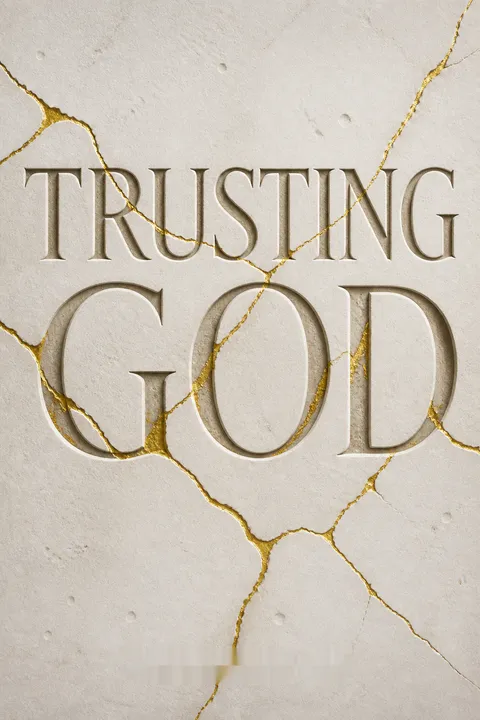


Key Takeaways
Trust God through pain by holding sovereignty, wisdom, and love together.
Three truths belong together. Jerry Bridges begins with suffering that ranges from illness and bereavement to disappointments that rarely make headlines. His own mother died suddenly when he was fourteen, and he remembers feeling alone in grief. The book does not promise an easy explanation for pain. It argues that trust rests on three beliefs: God has power over events, knows what is best, and acts in love toward his people. Remove any one, and trust falters: love without power cannot protect, power without love is frightening, and both without wisdom leave the purpose unclear.
Trust is practiced, not assumed. Bridges writes as a fellow believer still learning, not as someone who has escaped adversity. Trust means relying on God even when relief does not come and the reasons remain hidden. For him, that reliance is grounded in Scripture and a personal relationship with God, rather than in optimism about how events will turn out.
What's distinctive is the book's refusal to make comfort the measure of divine love. Its three-part account gives suffering believers a compact way to name what is at stake: power, intention, and judgment. That can steady people when explanations fail. It also requires care. A theological claim that pain has a purpose is not permission to tell a grieving person what that purpose is. The book is strongest when its framework supports trust without pretending to decode another person's loss.
Treat no setback as random, even when providence stays hidden.
Providence is continuous care. Bridges uses the theological term providence for God's ongoing care of creation and rule over events, not occasional intervention in an otherwise independent universe. He includes the ordinary processes that sustain life, as well as storms, illness, and accidents. The biblical picture, he argues, is not a creator who starts the world and then steps away; even the familiar regularities of nature remain under God's governance.
Ordinary events matter. The book of Esther never names God, yet a king's sleepless night, a record read at the right moment, and a delayed reward for Mordecai combine to avert danger to the Jewish people. Ruth's chance arrival in Boaz's field likewise becomes part of a larger story. These accounts invite readers to see providence in everyday contingencies, even when no visible rescue or happy ending appears.
This view gives ordinary life moral and spiritual weight: the story is not confined to miracles or dramatic turning points. It also offers a useful distinction between an event's visible causes and its ultimate meaning. That distinction can coexist with careful attention to medicine, weather, and human systems. The harder question is how to speak of providence after tragedy. The narrative of Esther supplies a clear reversal; many lives do not. The book's call to trust is more defensible than any claim to know why a particular loss occurred.
Pray and act responsibly without mistaking effort for control.
People remain accountable. Bridges argues that God governs the decisions of individuals and rulers, while people still make real choices and answer morally for them. In Exodus, the Egyptians freely give valuables to the departing Israelites; Ezra describes God moving the Persian king Cyrus to permit the temple's rebuilding. Joseph's brothers act maliciously when they sell him, even though their deed becomes part of a larger providential story. The book does not treat divine rule as an excuse for wrongdoing.
Use the means available. This belief should lead to prayer, not passivity. Nehemiah prays and posts guards while rebuilding Jerusalem's wall. Paul trusts a promise that the passengers will survive a shipwreck, yet also insists that the sailors stay aboard because their skills matter. Bridges advises readers to work diligently, seek wise counsel, and take reasonable steps, while entrusting outcomes to God.
The pairing of providence with responsibility avoids two opposite errors: treating people as puppets, or imagining that human action controls everything. It resembles a familiar distinction in ethics between responsibility for choices and limited control over consequences. The book's account of how divine influence and voluntary action fit together remains a mystery rather than a solved mechanism. That restraint is important. It preserves moral accountability and discourages using fate, or God, to excuse preventable harm.
Stop demanding an explanation; ask what faithfulness requires now.
Wisdom exceeds our view. Bridges says God's wisdom is not merely better information but knowledge beyond the reach of human judgment. Romans 8:28 is often used to promise that everything will turn out comfortably, but Bridges reads the following verse as defining the good: becoming more like Christ. That may involve holiness and maturity rather than immediate happiness or restored circumstances.
Job receives no cause. The biblical book gives readers a view of the spiritual conflict behind Job's suffering, but it does not show God explaining that cause to Job. Instead, Job comes to a deeper recognition of God. Bridges distinguishes a spontaneous cry of pain from a sustained demand that God justify himself. Readers may ask what they can learn, he says, but should not claim to know the hidden purpose of a specific adversity.
This is a call to intellectual humility, not to stop thinking. It separates questions that can be answered, such as what action is needed now, from questions the sufferer cannot settle, such as why this precise loss occurred. The distinction can reduce fruitless self-blame and speculation. Still, the line between lament and accusation is not always simple. Biblical lament gives grief language and allows protest. A compassionate reading of Bridges leaves room for honest anguish while resisting certainty about hidden causes.
Anchor God's love in the Cross, not in comfortable circumstances.
Love has a fixed reference point. When adversity makes God seem absent or uncaring, Bridges directs believers to the Cross: in Christian belief, God gave Christ for people who had not earned that love. The Cross is therefore stronger evidence of God's commitment than a comfortable stretch of life. Bridges also describes believers as united with Christ and adopted into God's family, so their standing does not depend on feeling worthy or interpreting each event correctly.
Presence is not immunity. The book distinguishes God's care from protection against every hardship. It points to Paul's unanswered request for relief from his affliction: the answer was sustaining grace, not removal. Likewise, the promises of God's presence mean that suffering is not faced alone, not that suffering disappears. Bridges encourages readers to draw on Scripture and prayer when emotion tells them they have been abandoned.
The Cross functions here as a stable anchor when circumstances are unreliable. In psychological terms, this is a form of meaning-based coping: a person interprets distress through a larger commitment rather than treating current feeling as the whole truth. That can sustain hope without denying pain. It should not turn into a test of faith in which persistent sadness is treated as spiritual failure. Comfort, clinical care, and practical help remain compatible with a theological belief in God's presence.
Let hardship train character without calling suffering good in itself.
Growth takes participation. Bridges compares adversity to a necessary challenge in development: trials can expose impatience, self-reliance, or resentment that remained hidden in easier times. He identifies several purposes the Bible associates with hardship: pruning misplaced priorities, developing holiness and dependence, building perseverance, preparing people to serve others, and deepening their relationship with God. The benefit is not automatic, and suffering itself is not presented as pleasant.
Learn deliberately. Bridges suggests responding with humility, bringing relevant Scripture to bear, and remembering what a painful experience has taught. He uses the example of Paul, who received comfort in trouble and could then comfort others. The book also emphasizes that adversity may form fellowship among believers who share suffering. The aim is not to hunt for a neat lesson in every tragedy, but to remain open to growth without claiming certainty about God's exact intention.
The account links personal formation with social care: suffering can make someone more attentive to another person's pain, rather than merely more resilient in private. Research discussions of post-traumatic growth make a similar distinction between possible growth after trauma and growth guaranteed by trauma. That nuance matters. Some adversity overwhelms rather than strengthens, and people should not be pressured to describe it as beneficial. Bridges's most useful emphasis is on support, reflection, and faithful action, not on praising pain.
Receive your limits and vocation as material for a purposeful life.
Identity includes limits. Psalm 139 leads Bridges to treat physical, mental, and emotional traits as part of God's creation of each person. He describes his own monocular vision and partial deafness, limitations that affected activities such as baseball and tennis. His claim is that a person's worth does not depend on matching someone else's abilities or appearance, and that strengths as well as weaknesses can be used in service.
Calling unfolds in practice. Bridges studied engineering and once expected to become an overseas missionary, but his work became administration for a missions organization. He came to see that his abilities and temperament fit that role. This trust in vocation is not meant to forbid change: the book allows people to pursue better circumstances when possible. It instead asks readers to find dignity in present work and to make thoughtful choices without believing one mistake can defeat God's entire purpose.
The idea can loosen the grip of comparison: a life need not resemble another person's path to matter. It also offers a constructive account of ordinary work, which is often excluded from heroic stories of calling. The claim that every disability is specifically intended by God is more difficult, especially for people facing preventable barriers or seeking treatment. A careful application distinguishes a person's inherent dignity from any obligation to accept avoidable suffering or inadequate support.
Choose trust before your feelings catch up, then seek help.
Trust begins with a decision. Bridges recounts his first wife's anxiety while waiting for test results after cancer treatment. She returned to a psalm and deliberately chose to place her hope in God, although her feelings did not change at once. The choice was not emotional denial; it was an attempt to act on what she believed while fear remained present.
Choice needs support. Bridges describes trust as depending on knowledge of God's character, prayer, Scripture, and the Holy Spirit's help. He also tells of John Newton, who cared for his wife during her prolonged cancer and chose to receive help from God rather than let grief overwhelm every duty. The lesson is not that sorrow should be hidden. It is that fear need not make the final decision about what to believe or do.
Separating a chosen response from an immediate feeling is useful because emotions often change more slowly than intentions. It resembles cognitive reappraisal, the practice of examining an interpretation rather than obeying the first reaction. But this distinction must remain compassionate. Grief is not misconduct, and emotional numbness is not proof of trust. The strongest version of the advice makes space for support from other people while inviting a person to take one faithful next step.
Practice gratitude in adversity as a declaration of dependence.
Give thanks without praising harm. Bridges reads the command to give thanks in every circumstance as an expression of confidence that God can work through events for good. It does not mean calling disease, injustice, or loss good in itself. The story of ten healed lepers illustrates how easily people ask for help and forget gratitude afterward. Bridges urges readers to notice ordinary provision, too, rather than reserving thanks for dramatic rescues.
Respond with humility. The book connects trust with worship, forgiveness, and prayer for deliverance. Job worships after catastrophe; Jesus asks for suffering to be removed while accepting God's will. When another person causes harm, Bridges says to remember both one's own need for forgiveness and God's larger purpose, without excusing the other person's wrongdoing. These practices express dependence while leaving room to seek change and justice.
Gratitude can redirect attention from what has vanished toward what remains, and it can make dependence visible rather than abstract. Here it is not a technique for manufacturing cheerfulness, but a response to a belief about God's care. That distinction matters in public tragedies and personal injustice. Gratitude should never silence anger at wrongdoing or replace practical aid. Lament, advocacy, and thankfulness can coexist, each answering a different part of the human response to suffering.
Analysis
Trusting God is a pastoral theology of adversity, not a general explanation of why suffering exists. Its central architecture is memorable: trust requires belief in divine sovereignty, wisdom, and love at once. Bridges supports this claim by moving among biblical narratives, doctrinal argument, and familiar hardships, from a stalled car to cancer and bereavement. Stories such as Esther, Ruth, Joseph, and Job show how divine purpose may work through ordinary timing, harmful human choices, and outcomes that are not immediately intelligible.
The book's practical strength is its insistence that trust does not cancel action. Prayer belongs alongside planning, medical care, work, and prudent protection. Human beings remain accountable even when their actions are understood as part of providence. This prevents the doctrine from collapsing into fatalism and gives it an everyday form: act on what is known, and entrust what is not known.
Its most difficult claim is that every adversity falls within God's sovereign purpose and ultimately serves the believer's good. The book defines that good chiefly as formation in Christ, not comfort. This is coherent within its Christian commitments, but it cannot establish why a particular tragedy happened, and its framework is not a neutral proof available to every reader. Its claims about disabilities and suffering can also become painful if translated into demands that people accept preventable harms or stop seeking help. The book itself warns against glib answers and insensitive counsel, an important restraint on its strongest assertions.
Read carefully, its answer to pain is less a causal explanation than a discipline of attention: remember God's character, refuse to claim knowledge of hidden purposes, use available means, seek support, and continue acting faithfully. That is both its force and its limit. It offers a way to endure uncertainty, not a universal resolution of the problem of suffering.
Review Summary
Trusting God by Jerry Bridges receives overwhelmingly positive reviews (4.40/5 stars), with readers praising its biblical exploration of God's sovereignty, wisdom, and love during adversity. Many describe reading it during personal crises—illness, loss, infertility—and finding profound comfort in its message that God controls all circumstances for His glory and believers' good. Reviewers appreciate Bridges' compassionate yet scripturally grounded approach, noting the book's repetitive reinforcement helps internalize difficult truths. Some find it challenging or occasionally tedious, but most consider it essential reading for Christians, particularly valuable during trials, with practical application and study guide included.
People Also Read





Glossary
Providence of God
God's care and ruleThe ongoing action by which God sustains creation, governs events and human actions, and directs them toward his purposes. Bridges uses the term for constant rather than occasional involvement. Providence includes ordinary processes and decisions as well as events that appear extraordinary, and it is understood as serving God's glory and the good of his people.
God's sovereign will
God's governing purposeGod's ultimate rule over events, including actions and outcomes that people may not intend or understand. Bridges distinguishes this from God's revealed moral will, which people can know through Scripture and are responsible to obey. The sovereign will is not a license for wrongdoing or passivity; it names the purpose that, in the book's theology, cannot finally be thwarted.
divine discipline
Formation through adversityThe formative work Bridges believes God carries out through hardship to develop holiness and conformity to Christ. He distinguishes discipline from punishment for a particular sin: adversity does not necessarily indicate specific wrongdoing. Its purpose is transformation, though the sufferer may not know what is being formed or be able to see the benefit at the time.
preactive
Purposeful before eventsBridges's description of God's work in adversity as planned rather than merely reactive. God does not simply respond after a painful event by trying to salvage something useful from it; in this account, God knows how an event will serve his purposes before permitting or initiating it. The term supports the book's claim that suffering is not outside providence.
fellowship of suffering
Shared life through hardshipThe bond among believers who accompany one another through adversity and recognize that suffering is part of their shared life in Christ. Bridges presents it as a form of fellowship that can reduce social distance, invite mutual care, and help sufferers feel less isolated. It includes both sharing in other believers' hardship and experiencing solidarity with Christ.
About the Author

Download PDF
Download EPUB
.epub digital book format is ideal for reading ebooks on phones, tablets, and e-readers.








