Plot Summary
Tidal Hearts Collide
Eleanor Grace, stolen from her life and sold to the enigmatic Sullivan "Sully" Sinclair, finds herself on a lush, isolated island. Sully, a man who rules with cold detachment, views his "goddesses" as commodities, but Eleanor is different—her spirit and defiance unsettle him. Their first encounters are a storm of hate, lust, and confusion, each recognizing a dangerous pull toward the other. Eleanor's heart, like the sea, is tempestuous, and Sully, the shark, circles her with both predatory intent and inexplicable fascination. Their connection is undeniable, but it is also a curse, threatening to destroy them both.
Euphoria's Aftermath
After a harrowing night in Sully's VR fantasy chamber, Euphoria, Eleanor is left physically and emotionally spent. The experience, designed to break and rebuild, leaves her questioning her own desires and boundaries. Sully, equally exhausted, is haunted by the intensity of their connection. Both are left raw—Eleanor, for the first time, feels both used and awakened, while Sully is forced to confront feelings he thought long dead. The aftermath is a fragile truce, each wary of the other and the power they hold.
Boundaries and Betrayals
Sully's rules are clear: goddesses serve, he commands. Yet Eleanor's presence disrupts his carefully constructed world. She is not like the others—her resistance, her questions, her refusal to break. Sully's confidant, Calvin, warns him of the dangers of getting close, reminding him of the past and the reasons he chose animals over humans. Eleanor, meanwhile, struggles with her own betrayal—her body's response to Sully, the man who owns her, and the guilt of betraying her old life and love.
Hunger and Healing
Eleanor's body is battered from Euphoria, but Sully ensures she is cared for—baths, food, medicine. The line between captor and caretaker blurs. Eleanor finds solace in small acts of kindness, even as she resents her dependence. Sully, for all his cruelty, cannot help but watch over her, his obsession growing. Their interactions are charged, every touch and word a battle between hate and longing. The island itself becomes a character—beautiful, dangerous, and inescapable.
Animal Kingdoms
Sully's true heart is revealed not in his dealings with people, but in his devotion to animals. Eleanor discovers his secret sanctuary, Serigala, where he rescues and rehabilitates lab animals. Here, Sully is gentle, compassionate—a stark contrast to the man who imprisons women. Eleanor sees the contradiction and challenges him: how can he show such mercy to animals and such cruelty to humans? The answer lies in Sully's past, a wound that festers beneath his cold exterior.
The Price of Pleasure
The transactional nature of the island is laid bare. Goddesses are bought, sold, and rented. After a night in Euphoria, Eleanor receives a diamond from a guest—a token of love for a fantasy. Sully is both enraged and jealous, his possessiveness flaring. The diamond is a symbol: of value, of loss, of the impossibility of true connection in a world built on ownership. Eleanor is forced to confront her own worth, and Sully, his inability to let her go.
Escape Attempts and Consequences
Eleanor, desperate for agency, plans her escape. She gathers supplies, waits for Sully and Calvin to leave the island, and flees by kayak. The attempt is both brave and doomed—a storm hits, and she is shipwrecked on another of Sully's islands. The escape is a crucible, stripping her to her core. When Sully finds her, the reunion is explosive—anger, relief, and a punishment that is both physical and psychological. Eleanor is caged, forced to confront the reality of her captivity.
Storms and Survival
The storm that nearly kills Eleanor is both literal and metaphorical. Alone, sunburned, and dehydrated, she is forced to rely on her wits and the unexpected companionship of a wild parrot, Skittles. The bird, a sibling to Sully's beloved Pika, chooses Eleanor, a sign of her innate goodness. The ordeal is transformative—Eleanor survives, but she is changed. When Sully rescues her, both are forced to reckon with the depth of their bond and the impossibility of escape.
The Sanctuary of Serigala
On Serigala, Eleanor witnesses Sully's true self—a man haunted by guilt, seeking redemption through the care of broken creatures. The sanctuary is a place of healing, a stark contrast to the cages of his past. Eleanor's empathy deepens, and she begins to see Sully not just as a monster, but as a man shaped by trauma. Their connection grows, but so does the danger—love, in this place, is as much a curse as a blessing.
Cages and Confessions
For her escape, Eleanor is locked in a cage once used for lab animals. The experience is harrowing, a mirror of the suffering Sully seeks to atone for. In the darkness, they confront each other—Eleanor demands answers, Sully reveals his past. The confession is raw: as a child, he unwittingly delivered animals to his mother's lab, believing he was saving them. The betrayal shaped him, teaching him that humans cannot be trusted. The cage becomes a crucible, burning away pretense and leaving only truth.
The Monster's Past
Sully's childhood is a litany of pain—abused by his brother, betrayed by his mother, he learns early that love is dangerous. His compassion for animals is born of guilt, his cruelty to humans a shield. Eleanor, hearing his story, is both horrified and moved. She sees the boy beneath the monster, the wound that never healed. Their shared pain becomes a bridge, but also a warning—love, here, is a double-edged sword.
The Cost of Freedom
The transactional nature of the island comes to a head when a guest, Roy Slater, offers to buy Eleanor outright. Sully, desperate to rid himself of the feelings she stirs, considers the offer. Eleanor, faced with the prospect of being sold again, is forced to confront her own agency. She realizes that freedom, in this world, is an illusion—every choice comes with a cost, every escape leads to another cage.
The Goddess's Choice
Refusing to be a pawn, Eleanor makes a bold decision. She steals a vial of Sully's elixir—the drug that strips away inhibition and control—and doses him. Her gamble is simple: if they are both freed from their defenses, perhaps they can finally confront the truth of their connection. The act is both desperate and brave, a final attempt to seize her own fate. As the elixir takes hold, Sully's carefully constructed world shatters.
The Sale of a Soul
The deal with Roy Slater is finalized—Eleanor is to be sold, her future traded for cash. The moment is devastating for both Sully and Eleanor. For Sully, it is the ultimate act of self-preservation; for Eleanor, the final betrayal. Yet, even as the contract is signed, neither can let go. Their bond is too deep, too dangerous. The sale is a farce, a last-ditch effort to deny the inevitable.
The Elixir's Gamble
With the elixir in his system, Sully is stripped of all control. The chemistry between him and Eleanor explodes—raw, violent, undeniable. The boundaries that kept them apart dissolve, leaving only need. The moment is both terrifying and liberating. For the first time, they are equals—both vulnerable, both exposed. The gamble pays off, but at a cost: there is no going back.
Run, Goddess, Run
As the elixir takes hold, Sully begs Eleanor to run, fearing what he might do. She hesitates, torn between fear and longing, but ultimately flees. The chase is both literal and symbolic—a final test of trust, a crucible for their love. Both are pushed to their limits, forced to confront the truth: they are each other's salvation and destruction.
The Edge of Surrender
The story ends on a precipice—Eleanor and Sully, stripped of all defenses, stand at the edge of surrender. Their love is a force of nature, as dangerous as it is beautiful. Both know that to give in is to risk everything, but to deny it is to die a slow death. The future is uncertain, but one thing is clear: they are bound, for better or worse, by a wish made twice—a wish that may yet destroy or save them both.
Characters
Eleanor Grace (Jinx)
Eleanor is the heart of the story—a young woman stolen from her life and thrust into a world where her body is currency. She is fiercely intelligent, stubborn, and compassionate, refusing to break under Sully's rule. Her journey is one of reclamation—of agency, desire, and self-worth. She is haunted by guilt for her body's betrayal, for the feelings Sully stirs, and for the life she left behind. Yet, she is also brave, risking everything to escape, to love, and ultimately to choose her own fate. Her relationship with Sully is a crucible, burning away pretense and leaving only truth.
Sullivan "Sully" Sinclair
Sully is a man of contradictions—ruthless with people, tender with animals. Scarred by a childhood of betrayal and abuse, he trusts no one, least of all himself. His island is both paradise and prison, a sanctuary for the broken and a marketplace for pleasure. Sully's genius is matched only by his self-loathing; he is haunted by guilt, driven by a need to control, and terrified of love. Eleanor is his undoing—she awakens feelings he thought long dead, forcing him to confront the monster within. His journey is one of reluctant vulnerability, as he is forced to choose between safety and surrender.
Calvin
Calvin is Sully's right hand, the only human he trusts. Practical, sharp, and unflinchingly honest, Calvin is both enabler and conscience. He sees the danger Eleanor poses, warning Sully of the risks of getting close. Yet, he is also compassionate, helping to run the island and care for the goddesses. Calvin's loyalty is unwavering, but he is not blind—he knows Sully's weaknesses and is unafraid to challenge him. His presence is a stabilizing force, grounding the chaos of Sully's world.
Jealousy
Jealousy is the only goddess who befriends Eleanor, offering support and solidarity in a world designed to isolate. She is pragmatic, having accepted her fate, but not broken. Her honesty and warmth provide a lifeline for Eleanor, reminding her that kindness can exist even in darkness. Jealousy's own story is one of survival, and her friendship is a testament to the resilience of the human spirit.
Roy Slater
Roy is a guest on the island, a man seeking to fill the void left by loss. His desire for Eleanor is both genuine and selfish—he offers her a way out, but only on his terms. Roy's proposal to buy and marry Eleanor is both a lifeline and a new cage, forcing her to confront the illusion of freedom. He is a mirror for Sully—a man who wants to possess, not love.
Skittles
Skittles, the wild parrot who chooses Eleanor, is more than a pet—she is a symbol of trust, freedom, and the possibility of connection. Her choice of Eleanor is a sign of the latter's innate goodness, and her presence is a comfort in moments of despair. Skittles is also a catalyst, forcing Sully to confront his own capacity for love and jealousy.
Pika
Pika is Sully's beloved companion, a reminder of his softer side. The bird's affection is unconditional, a stark contrast to the transactional relationships that define the island. Pika's presence is a balm for Sully, grounding him in moments of rage and confusion.
Arbi
Arbi is a member of Sully's staff, responsible for maintaining order in his absence. He is efficient, loyal, and unyielding, a reminder that the island is a machine designed to function regardless of individual suffering. Arbi's presence is a constant threat, a reminder of the consequences of disobedience.
Markus Grammer
Markus is a guest whose obsession with Eleanor triggers Sully's possessiveness. His gift of a diamond is both a token of love and a symbol of the transactional nature of the island. Markus is a reminder that, here, love is always for sale.
Andika
Andika runs the animal sanctuary on Serigala, embodying the compassion and dedication that Sully aspires to. His work is a testament to the possibility of redemption, and his interactions with Eleanor provide a glimpse of a world where kindness is possible.
Plot Devices
Dual Narration and Shifting Perspectives
The story is told through the alternating perspectives of Eleanor and Sully, allowing readers to experience both sides of the emotional battlefield. This structure deepens empathy, revealing the contradictions and vulnerabilities of each character. The shifting perspectives also heighten tension, as misunderstandings and secrets are slowly unraveled.
Virtual Reality as Metaphor
The VR chamber, Euphoria, is both a literal and symbolic device. It allows guests to live out their fantasies, but also serves as a mirror for the characters' inner desires and fears. The technology is a tool of control, stripping away inhibition and agency, but it also becomes a crucible for transformation. The blurred line between fantasy and reality forces both Eleanor and Sully to confront the truth of their connection.
Animal Symbolism and Parallelism
Animals and their treatment are central to the narrative, serving as both literal and metaphorical parallels. Sully's sanctuary is a place of healing, but also a reminder of his guilt. The cages, both for animals and humans, symbolize the cost of captivity—physical, emotional, and spiritual. The presence of Skittles and Pika, the parrots, underscores themes of trust, freedom, and the possibility of redemption.
The Elixir
The elixir is a powerful plot device, forcing characters to confront their true desires. It is both a weapon and a gift, used to control and to liberate. When Eleanor doses Sully, it becomes a catalyst for truth, breaking down the final barriers between them. The elixir's effects are both terrifying and transformative, pushing the story to its emotional climax.
Transaction and Ownership
The recurring motif of buying, selling, and renting underscores the dehumanization at the heart of the island. Diamonds, contracts, and negotiations are not just plot points, but symbols of the cost of pleasure and the illusion of freedom. The sale of Eleanor to Roy Slater is the ultimate expression of this theme, forcing all characters to confront the true price of love and agency.
Foreshadowing and Flashbacks
Sully's flashbacks to his childhood, his confessions of betrayal and guilt, are woven throughout the narrative. These glimpses into the past foreshadow the choices he makes in the present, revealing the roots of his cruelty and his capacity for compassion. The use of foreshadowing heightens suspense, as readers sense the inevitability of tragedy and the possibility of redemption.
Analysis
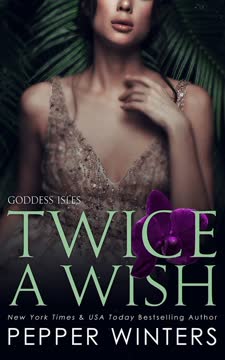
Twice a Wish is a dark, unflinching exploration of power, trauma, and the search for redemption. At its core, the novel interrogates the boundaries between love and ownership, pleasure and pain, freedom and captivity. Through the intertwined journeys of Eleanor and Sully, Pepper Winters crafts a narrative that is both brutal and tender, forcing readers to confront uncomfortable truths about desire, agency, and the human capacity for both cruelty and compassion. The island, with its lush beauty and hidden cages, is a microcosm of a world where bodies are commodified and souls are scarred. Yet, within this darkness, there is hope—the possibility that even the most broken can find healing, that love, when stripped of pretense, can be both a curse and a salvation. The novel's modern resonance lies in its refusal to offer easy answers; instead, it challenges us to question the systems we inhabit, the choices we make, and the price we are willing to pay for connection. Ultimately, Twice a Wish is a story about the cost of survival—and the courage it takes to wish, even when wishing is dangerous.
Last updated:
Review Summary
Twice a Wish received mostly positive reviews, with readers praising its intense chemistry, complex characters, and emotional depth. Many found the story captivating and appreciated the exploration of Sully's past. Some readers noted the focus on animal rights and testing as a unique element. The cliffhanger ending left many eager for the next book. A few readers felt conflicted about the relationship dynamics and pacing. Overall, the book was considered a strong continuation of the Goddess Isles series.