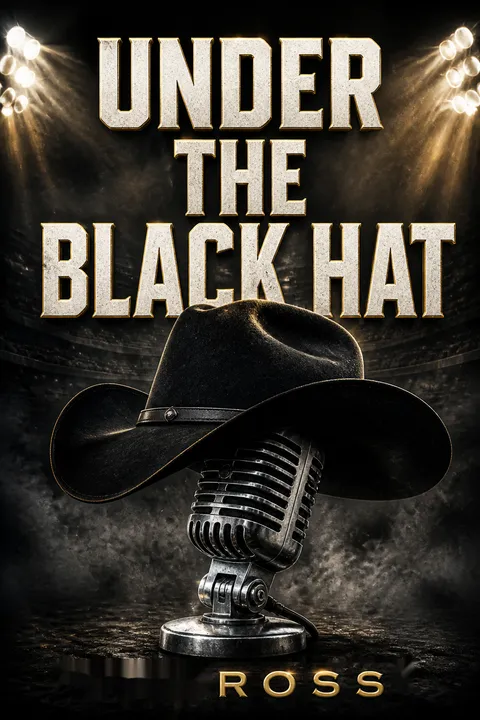


Key Takeaways
Make audiences feel the stakes, not merely follow the action
The voice shapes the story. Ross’s work is more than naming moves. A commentator tells viewers why a match matters, how a character is changing, and when a moment deserves attention. In wrestling, he calls this psychology: using performers’ actions and timing to guide the audience’s emotional response. At WrestleMania XV, as Stone Cold Steve Austin defeated Vince McMahon’s character, Ross framed the conflict as a working-class hero confronting his corporate boss. The real-life owner was delighted, but the broadcast had to make his on-screen defeat feel painful.
Experience under pressure. Ross returned to that event after Bell’s palsy had partly paralyzed his face. He held his cheek while speaking, unsure whether he would keep his position. Austin and The Rock had asked for him, and he found that the audience could still hear his passion even when his face could not show it.
What's striking is that commentary here functions as emotional direction, not decoration. The narrator selects what viewers should notice, but the strongest calls still leave room for the audience to feel for itself. This resembles narrative transportation, the process by which a coherent story draws people into an experience rather than merely conveying facts. Ross’s account also exposes a tension: the commentator’s job is to heighten the spectacle, yet credibility depends on not overselling what the audience can plainly see. His craft rests on judgment as much as volume.
Hire for audience connection, not the body type in an executive's head
Look past the proxy. When Ross championed Chris Jericho, Vince McMahon first focused on Jericho’s height. Ross pushed him to watch a short highlight reel and consider the wrestler’s range, experience, and ability to play either a hero or villain. Jericho eventually became a major star. Ross made a similar case for Eddie Guerrero, whose smaller build initially prompted doubt, while Guerrero’s charisma and skill soon spoke louder than measurements.
Scout the whole person. Ross also valued temperament, adaptability, and locker-room fit. Brock Lesnar and Shelton Benjamin, both recruited from amateur wrestling, joined a class that included John Cena, Batista, and Randy Orton. Their potential still required training and careful management. Athletic gifts alone did not guarantee success, but the right environment could turn raw ability into a career.
The useful distinction is between a trait that is easy to measure and one that predicts performance. Height is visible; charisma, adaptability, and audience response are harder to assess, so hiring systems can overvalue the obvious proxy. This is a familiar problem in organizational selection: convenient indicators can quietly become gatekeepers. Still, the counterpoint matters. Size and presentation can shape casting in a visual business. Ross’s argument is not that physical attributes never matter, but that they should not substitute for evidence of a performer’s ability to connect.
Manage people honestly when the decision itself is not yours
Pay carries meaning. Ross describes talent relations as balancing cash and creative: what performers earn and what they are asked to do. He managed event pay, bonuses, and complaints, knowing that a paycheck could feel like a judgment of a wrestler’s value. His job also meant delivering decisions made by Vince McMahon. When Ross had to release his longtime friend Steve Williams, known as Dr. Death, the wrestler’s injuries and lack of a creative role had left little path forward.
Care is still possible. Ross could not reverse the decision, but he ensured Williams had medical care and financial support. His wife, Jan, helped him see that he could not control the outcome, only how he handled it. The episode captures the emotional cost of being both colleague and messenger in a business where careers can end abruptly.
This is a practical lesson in procedural justice, the idea that people judge a difficult outcome partly by whether the process feels respectful, consistent, and explained. Compassion cannot make a termination painless, and a manager should not pretend to possess authority they do not have. Ross’s care for Williams matters precisely because he could not change the decision. The limit is that humane delivery does not repair a system that leaves workers dependent on unpredictable creative choices. Individual decency helps, but fair procedures and clearer career pathways matter too.
In a live crisis, tell viewers what is real before anything else
The show stopped being a show. During a 1999 pay-per-view, wrestler Owen Hart fell from the arena rafters into the ring. Ross and Jerry Lawler realized something had gone terribly wrong, while the production continued to show a prerecorded segment. The crowd did not know whether the emergency was part of the entertainment. Ross went on air and repeatedly clarified that Hart’s fall was real, not a storyline, while admitting that he did not know exactly what had failed.
Truth before polish. About an hour later, a producer told Ross that Hart had died. Ross then had to deliver the news to viewers. The broadcast continued, but the event had become a tragedy shared by the performers, crew, and audience. Ross’s account shows a broadcaster trying to communicate clearly while grieving a friend in real time.
In emergencies, people need a reliable distinction between known facts and speculation. Ross’s refusal to invent a technical explanation is a form of disciplined crisis communication: state what is confirmed, identify uncertainty, and correct the audience’s interpretation when confusion is dangerous. The moment also shows the cost of live production systems that keep moving when human circumstances have changed. No commentator can solve that institutional problem alone. Still, a calm, honest voice can protect trust when the machinery of entertainment suddenly becomes inadequate to the reality unfolding.
Put agreements in writing before trust meets a deadline
A handshake had limits. Jeff Jarrett’s contract expired just before a pay-per-view where he was booked to lose the Intercontinental Championship to Chyna. Ross believed he had agreed on a new deal with Jarrett’s father, Jerry, through a handshake. On event day, Jeff said he was leaving for rival WCW unless he received money he believed WWE owed him. He asked for $300,000 in cash, creating a crisis minutes before the show.
Tradition met leverage. Wrestling’s old custom was for a champion to lose the title before leaving, protecting the belt and the next champion. But the contract had lapsed, and Jarrett could walk. Vince McMahon negotiated a lower payment, and Jarrett still lost to Chyna. Afterward, Ross changed his department’s procedures so a handshake could not stand in for a signed contract.
Trust and documentation are not opposites. A handshake can build a relationship, but a written agreement clarifies what happens when memories, incentives, or circumstances diverge. In governance, this is a basic way to protect both parties from ambiguity, not a declaration of bad faith. Ross’s regret is telling: he does not conclude that every colleague is untrustworthy, only that informal promises cannot carry the weight of a deadline and a large financial dispute. Clear process makes cooperation more durable because it reduces the need to guess what anyone meant.
Give a star a credible future before frustration becomes an exit
A champion needs direction. Stone Cold Steve Austin helped shape his own character, and Ross initially opposed Austin’s decision to turn from fan favorite to villain. Vince McMahon backed the change because Austin had earned the right to test his instincts. The turn worked at WrestleMania X-Seven, where Austin joined McMahon against The Rock. But the relationship later frayed when Austin felt he had no meaningful opponent or plan.
Creative is part of the job. Austin objected to a match with Scott Hall that seemed to have no purpose, then grew angry when WWE considered using him to give rookie Brock Lesnar a quick win on television. He left rather than negotiate with McMahon. Ross believed Austin had legitimate concerns but handled them destructively. The breakdown was not simply about money. It was a collapse of communication, trust, and confidence in the future.
The account makes creative direction look like a form of job design. People can tolerate demanding work when they understand its purpose and see a path ahead; even a highly paid star can feel disposable when assigned filler. Austin’s autonomy was productive when his instincts were heard, but autonomy without ongoing dialogue can also harden into unilateral action. The lesson applies beyond entertainment: leaders need to explain the purpose of assignments, and high performers need to raise concerns before resentment becomes an exit. Neither side can substitute assumptions for conversation.
Make rivals credible, or your victory has nothing to prove
Competition became a prop. After WWE bought rival WCW, Vince McMahon planned an invasion storyline in which WCW and ECW wrestlers would challenge WWE. The premise offered a rare chance to turn a real business rivalry into a compelling fictional one. Instead, WWE’s representatives repeatedly defeated the invaders. Executives feared that letting WCW talent look strong would imply that the rival company had been better all along.
The audience noticed. Ross believed that wrestling needs opponents who seem dangerous; defeating a credible rival makes a hero’s win matter. The invasion pay-per-view performed strongly, but the storyline weakened as the Alliance was denied meaningful victories and the final match involved mostly WWE wrestlers. The angle that could have used the depth of three companies became a story about one company refusing to let anyone else look good.
This is a case of competitive strategy undermined by status anxiety. A business can own a rival’s assets and still fail to absorb what made the rival attractive. In storytelling, a hero’s credibility depends partly on the opponent’s credibility; in organizations, internal competition can reveal weaknesses and generate better ideas. But Ross’s explanation should not be treated as the only cause of the angle’s failure. The book emphasizes booking choices, while production limits, audience expectations, and the absence of some top WCW stars also shaped the result. The core point remains: dominance without a worthy test feels hollow.
Do not let loyalty to work postpone care for your body
Work became an escape. Ross hid severe stomach pain from his wife and employer, using painkillers, anxiety medication, alcohol, and sleeping pills to keep functioning. He feared that admitting illness would weaken his position after years of Bell’s palsy and humiliating on-air storylines. In 2005, doctors found that diverticulitis had destroyed thirteen inches of his colon. He was told he was less than a month from dying if the damage continued.
A job is not a diagnosis. Jan urged him to go home to Oklahoma and stop treating airtime as the measure of his value. Ross had built his identity around work and loyalty, which made every demotion feel personal and made concealment seem like toughness. His story does not romanticize endurance: the body kept a score that the office could not see, until the emergency became impossible to ignore.
Work can provide purpose, identity, and community, but a single-source identity makes setbacks unusually destabilizing. Psychologists sometimes describe this as identity foreclosure: investing so completely in one role that alternatives become hard to imagine. Ross’s devotion brought real fulfillment, yet it also helped him hide symptoms and accept an unsustainable pace. The responsibility is not only individual. Employers shape whether disclosure feels safe, and workers may need medical care regardless of workplace culture. Loyalty is admirable when it serves a life, not when it requires risking that life.
Carry your craft into new roles instead of waiting for one employer's permission
The work could travel. Ross dreamed of calling football, and WWE’s XFL gave him the chance. He and Jerry Lawler auditioned, called regional games, and briefly moved up to the main broadcast before ratings fell. The league was canceled, but Ross valued the experience because it reconnected him with the football he had watched and studied with his father.
Experience can be repurposed. Ross later found another satisfying role helping NXT develop young wrestlers and announcers. He urged the crew to support rookies rather than deepen their insecurities. His career also moved into podcasting and New Japan commentary after WWE. Across these changes, the through-line was not a title or a company. It was his ability to tell a story, teach the craft, and make performers feel understood.
Career resilience is not simply bouncing back to the previous job. It is recognizing which skills can move into a new setting. Ross’s broadcasting, recruiting, and coaching were portable even when a particular league or role disappeared. This resembles the idea of a portfolio career, where work is assembled across projects rather than secured through one permanent position. Yet flexibility should not become an excuse for employers to offer instability as opportunity. The valuable lesson is to identify transferable skills while still asking for fair terms, support, and room to do meaningful work.
Let community hold you through grief, without asking work to erase it
A loss changes the scale of everything. Jan, Ross’s wife and closest source of support, died after a traffic collision shortly before WrestleMania 33. Ross returned to call the event while still in shock, finding comfort in the wrestling colleagues who had loved Jan and in Undertaker’s quiet company. The work gave him a reason to get dressed and be among people, but it did not undo the loss.
A new chapter was possible. Afterward, Ross continued outside WWE through podcasting and commentary, then returned to wrestling with AEW. Familiar colleagues and performers he had once recruited made the new locker room feel connected to his past without requiring him to live in it. The memoir ends with a choice to keep working and to seek happiness, while acknowledging that grief remains part of his life.
Social support often works through ordinary presence: someone nearby, a familiar ritual, or a shared task. Ross’s wrestling community offered structure at a moment when even daily routines felt impossible. That support should not be confused with a cure or a timetable for grief. Work can provide connection, but it can also become a way to avoid feeling; the distinction depends on whether it helps a person stay engaged with life or demands emotional denial. Ross’s account holds both truths: community carried him, and the loss remained real.
Analysis
Under the Black Hat is a memoir about a man whose profession became both his calling and his main measure of self. Its narrative moves between the exhilarating front of the show and the less visible labor behind it: hiring, payroll, negotiations, crisis management, and the constant uncertainty of employment. The central tension is that Ross loves wrestling enough to accept repeated humiliation, physical risk, and demanding schedules, while that same loyalty makes him vulnerable to a company that can treat him as indispensable one day and expendable the next.
The strongest sections reveal that wrestling is not merely staged combat. It is a collaborative storytelling system in which performers, producers, commentators, and audiences jointly create meaning. Ross understands this as both broadcaster and executive. His advocacy for Jericho and Guerrero shows how narrow assumptions can obscure talent; the failed WCW invasion shows how fear of sharing status can weaken a story. His account of Owen Hart’s death marks the limit of spectacle: when reality intrudes, the storyteller’s first duty is to distinguish it from fiction.
The memoir is also candid about Ross’s own imperfections. He can be prickly, overworked, defensive, and too identified with his job. His account of hiding illness is especially revealing because it unsettles the familiar celebration of grit. Persistence helped him build a remarkable career, but persistence without self-protection nearly cost him his life. Jan’s steady presence repeatedly gives him perspective, while the support of colleagues helps him return to work after loss.
Ross’s loyalty to Vince McMahon and WWE can seem contradictory beside his account of being repeatedly fired, mocked, or sidelined. That contradiction is part of the book’s subject, not a flaw to solve: professional belonging can survive conflict, even when the relationship is unequal. The final movement toward podcasting, New Japan, NXT, and AEW suggests a more durable source of identity. The craft travels. A job can end, but the ability to tell stories, mentor talent, and connect with an audience can be carried elsewhere.
Review Summary
Under the Black Hat offers an inside look at Jim Ross's WWE career, covering his tumultuous relationship with Vince McMahon, behind-the-scenes stories, and personal struggles. Readers appreciate Ross's candid storytelling and emotional depth, particularly regarding his late wife Jan. While some found the book repetitive or lacking in new information, most fans enjoyed the nostalgic journey through wrestling history. Ross's narration of the audiobook version received praise for its authenticity. Overall, the memoir provides valuable insights into the wrestling industry and Ross's experiences as a beloved commentator.
People Also Read


Glossary
psychology
Audience-directed match storytellingIn Ross’s wrestling vocabulary, psychology means using a performer’s movement, timing, and choices to produce a desired audience response. A wrestler might pause, hesitate, or change position to make a moment feel more consequential. The commentator helps explain the stakes, but the physical storytelling must give the audience a reason to react.
cash and creative
Pay and performance directionRoss uses this phrase for the two central questions talent bring to WWE: how much they will be paid and what creative role they will receive. A contract may guarantee a minimum salary, while bonuses and other income depend on bookings and business. Creative determines how a performer is used in stories, which can affect both career prospects and earnings.
The Boys
The wrestling talent rosterIn wrestling, The Boys is a collective term for the performers seen on television, including wrestlers and other on-screen talent. Ross uses it to distinguish talent from the Office, the company’s administrative side. The phrase reflects the close-knit culture of the locker room, but it can also describe a group whose members compete for pay, position, and creative opportunity.
color
Blood in a matchColor is wrestling terminology for blood used as part of a match or storyline. Ross describes performers cutting their foreheads with a blade to create a visible image of violence. The practice was treated as a performance tool, but it involved real physical risk, especially when a more dangerous blade was used.
developmental
Training for future performersDevelopmental refers to WWE’s system for training and preparing new talent before they appear regularly on the main television shows. Trainees learned ring skills, safety, and the practical work of running events. Ross valued the system as a place to develop performers and, later, to mentor newer commentators and help create a supportive environment.
FAQ
What's Under the Black Hat about?
- Jim Ross's Journey: The book details Jim Ross's life and career in professional wrestling, focusing on his role as a WWE commentator and his personal experiences.
- Behind-the-Scenes Insights: It offers a look into the wrestling industry, including major events like WrestleMania and the dynamics of the business.
- Personal Reflections: Ross shares his personal struggles, triumphs, and the influence of his late wife, Jan, on his life and career.
Why should I read Under the Black Hat?
- Authentic Voice: Jim Ross's engaging storytelling provides a unique perspective on the wrestling industry, making it a compelling read for fans.
- Historical Context: The book offers insights into the evolution of wrestling, including key figures like Vince McMahon and Stone Cold Steve Austin.
- Life Lessons: Readers can learn about perseverance, loyalty, and following one's passion, making it relatable beyond wrestling fans.
What are the key takeaways of Under the Black Hat?
- Resilience in Adversity: Ross emphasizes resilience, sharing his battles with Bell's palsy and personal loss, and how these shaped his character.
- Evolution of Wrestling: The book discusses wrestling's transformation from a regional spectacle to a global phenomenon, highlighting key events and figures.
- Importance of Relationships: Ross underscores the significance of professional and personal relationships in achieving success and happiness.
What are the best quotes from Under the Black Hat and what do they mean?
- “Whatever happens from here, we’ll figure it out.”: Reflects the support of Ross's late wife, Jan, highlighting partnership in facing challenges.
- “You’re hot, then you’re not, then you’re out.”: Captures the unpredictable nature of the wrestling business and the fleeting nature of success.
- “I wanted to show Steve, Vince, and the whole damn company that I was willing to do whatever it took.”: Demonstrates Ross's dedication and willingness to sacrifice for the wrestling narrative.
How does Jim Ross describe his relationship with Vince McMahon in Under the Black Hat?
- Complex Dynamics: Ross portrays a relationship marked by mutual respect and occasional tension, acknowledging Vince's vision and leadership.
- Professional Loyalty: Despite challenges, Ross shows loyalty to Vince and WWE, often prioritizing the company's needs over his own.
- Creative Differences: The book reveals creative conflicts, particularly in talent management and storytelling, offering insights into the industry's workings.
What challenges did Jim Ross face during his career in wrestling?
- Health Issues: Ross discusses his battles with Bell's palsy, which affected his commentary ability and self-esteem, and how he overcame them.
- Personal Loss: The loss of his wife, Jan, deeply affected him, and he reflects on her support in navigating wrestling's tumultuous world.
- Industry Changes: Ross adapted to the changing wrestling landscape, including new talent and audience preferences, evolving his commentary style.
How did Jim Ross contribute to the success of WWE?
- Voice of WWE: Ross's commentary resonated with fans, enhancing their viewing experience and elevating matches and storylines.
- Talent Relations: As head of talent relations, he played a crucial role in scouting and signing new talent, shaping WWE's future.
- Storytelling Expertise: His understanding of storytelling helped craft compelling narratives, contributing to WWE's overall success.
What was the significance of the Austin vs. McMahon rivalry in Under the Black Hat?
- Cultural Impact: The rivalry symbolized the struggle between the working class and corporate America, resonating with fans and becoming a cultural phenomenon.
- Character Development: It helped shape the iconic characters of Austin and McMahon, creating compelling storylines that captivated audiences.
- Business Success: The rivalry drove ratings and merchandise sales, playing a significant role in WWE's financial success during the Attitude Era.
How does Under the Black Hat address the evolution of wrestling as an entertainment medium?
- From Regional to Global: Ross discusses wrestling's transformation into a global entertainment powerhouse, highlighting key figures and events.
- Changing Audience Expectations: The book explores how WWE adapted to fans' demands for sophisticated storytelling and character development.
- Integration of Media: Ross emphasizes leveraging various media platforms, like television and social media, to enhance WWE's brand.
What role did personal relationships play in Jim Ross's career?
- Support System: Ross credits his late wife, Jan, as his greatest supporter, helping him navigate wrestling's challenges.
- Mentorship: He mentored many young talents, helping them develop skills and navigate the industry, with relationships extending beyond professional realms.
- Networking: Personal relationships opened doors and created opportunities, helping Ross build a successful career.
How does Jim Ross reflect on his legacy in Under the Black Hat?
- Pride in Work: Ross expresses pride in his contributions to wrestling and the impact he has had on the industry.
- Lessons Learned: He shares lessons on resilience, loyalty, and hard work, hoping to inspire future generations of wrestlers and commentators.
- Enduring Passion: Ross's passion for wrestling remains evident, and he hopes to continue contributing to the industry he loves.
How does Under the Black Hat explore Jim Ross's personal struggles?
- Health Challenges: Ross candidly discusses his battles with Bell's palsy and its impact on his career and self-image.
- Grief and Loss: The book delves into the loss of his wife, Jan, and its profound effect on his mental and emotional state.
- Finding Resilience: Despite struggles, Ross emphasizes resilience and the support of his wrestling family, showcasing his determination to move forward.
Download PDF
Download EPUB
.epub digital book format is ideal for reading ebooks on phones, tablets, and e-readers.








