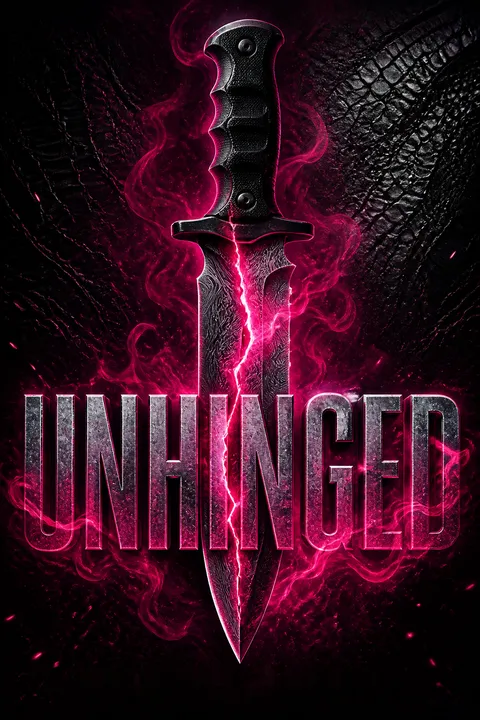


Plot Summary
Prologue
At six, Adam is a neglected, traumatized child with no reliable identity and a frightening gift for imitation. Psychiatrist Thomas Mulvaney removes him from the care system and brings him to a hidden home for boys with similar histories.
Thomas believes they cannot be made ordinary, but their violent instincts can be directed against people who prey on the vulnerable. He intends to raise seven boys as covert killers, teaching them discipline, trust, and how to pass as harmless. Adam becomes the final boy in Thomas’s experiment, though neither man can know yet what the other will make of him.
The prologue establishes the story’s central moral contradiction before its romance begins: Thomas rescues children from a broken system, then makes violence their vocation. His method offers care, structure, and belonging, but only by recasting trauma as a tool. Adam’s childhood is shaped by a lesson that will govern his adult life: he may not feel as others do, yet he can choose where his force is aimed. The prologue also makes the family’s tenderness difficult to separate from its danger. Thomas’s boys are loved, but they are loved as both sons and instruments.
A Gun in the Warehouse
Noah has spent years tracing the boy he glimpsed leaving his father’s murder scene, and a distinctive designer jacket finally leads him to Adam Mulvaney. In an abandoned warehouse, Noah points a gun at the wealthy former model and demands an explanation for Wayne Holt’s death. Adam recognizes the name and offers evidence that Wayne was a serial predator who abused and killed children.
Noah insists on seeing it. The file destroys the version of his father he has protected, and the shock leaves him sick and grieving. Adam lets him leave rather than kill the only witness who can identify him. Noah walks away with a truth he cannot undo, while Adam stays behind, disturbed by how much he cares what happens to him.
The confrontation makes knowledge itself the first act of violence between them. Noah arrives expecting a clean choice between revenge and justice, but Adam gives him evidence that ruptures the emotional story he has relied on to survive. Adam’s restraint is not ordinary compassion. He has the power to end the threat, yet refuses because Noah’s grief has become more important to him than his own safety. The scene also reverses their apparent positions: the armed man is vulnerable to what he learns, while the unarmed killer controls the facts. Their relationship begins in an imbalance neither can dismiss.
The Kiss After Midnight
After the revelation, Noah tries to blunt his memories with pills and alcohol, then returns to the warehouse where he first confronted Adam. Adam finds him disoriented and checks that he is not in immediate danger; Noah, still high, studies him with frank fascination, and their charged closeness ends in a kiss.
Adam leaves when his brother Atticus needs help disposing of a rapist killed in a botched operation, exposing the family’s hidden work. Later, Noah’s brief message that he has made it home draws Adam to his trailer.
Adam enters without permission, finds Noah alive, and stays. Above Noah’s bed, a murder board connects Wayne to other suspected abusers. Noah’s private investigation gives Adam a reason to remain, though it also places them both in danger.
This section binds attraction to caretaking without making either one uncomplicated. Noah’s intoxication blurs his judgment, so Adam’s decision to check on him matters more than the kiss itself: he recognizes a risk and responds with attention instead of using Noah’s vulnerability for sex. Yet Adam’s trespass shows how easily concern becomes control. The murder board supplies a purpose for their growing attachment, turning Noah’s private grief into shared work. Meanwhile, Atticus’s cleanup establishes that Adam’s family does not merely discuss violence as an idea. Its members perform it, organize around it, and rely on each other to conceal it.
A Family of Killers
As Adam questions him about the board, Noah explains that Wayne abused him and that other men were involved. Noah wants to identify them himself, so Adam agrees to help investigate without taking the search out of his hands.
At a diner, Adam explains that Thomas raised him and his siblings to kill people they judge dangerous, and that he does not experience love or remorse as Noah does. Still, Adam publicly calls Noah his boyfriend and refuses to hide their connection.
His brothers object because Noah is Wayne’s son and knows the family secret; Thomas allows the relationship to continue, warning Adam that Noah’s knowledge makes him a risk. Noah stays, drawn to Adam’s fierce protectiveness even as he sees the cost of belonging to his world.
The diner shifts the story from private attraction to a relationship with political consequences. Adam’s confession gives Noah an explanation for his killer’s family, but not a reason to trust its ethics. Their opposing capacities become intimate facts: Noah fears that he cannot be loved in return, while Adam treats loyalty and protection as evidence of attachment. His public claim on Noah offers recognition, but it also risks turning Noah into property. Thomas’s warning frames the romance as a security problem. Noah’s choice to stay is not ignorance of danger; it is a decision to test whether care can coexist with possession.
The Cabin Photograph
Noah and Adam use keys Noah copied from Gary’s stolen backpack to enter Gary’s house. Adam clones a desktop drive, then discovers an encrypted laptop that will take hours to copy. As they search, Noah recognizes a photograph of Gary and Wayne at a cabin he remembers visiting. A car arrives, forcing them to escape through a bedroom window and leave the broken frame behind.
Adam brings Noah to his loft, where the memory has left him shaken. Noah asks for intimacy to quiet his thoughts, and Adam follows his lead rather than treating the request as permission to ignore his limits. Their first sexual encounter deepens the bond, but the photograph has also made clear that investigating Gary will reopen memories Noah has spent years suppressing.
The break-in turns the investigation from an intellectual puzzle into an embodied threat. The photograph does not simply identify a location; it makes Noah’s past physically present, interrupting the careful distance he has maintained from it. Their escape also shows the practical competence Adam brings, but Noah’s need to set the terms of intimacy keeps him from becoming merely a rescued object. The scene’s emotional tension lies in the difference between relief and recovery. Sex offers temporary focus and connection, not a cure. The cabin now stands as both evidence and a place Noah may have to face.
The Locked Room
Calliope, the family’s remote investigator, locates Gary’s cabin, and Noah insists on entering it with Adam. Behind a locked door they find a child’s bedroom equipped with restraints and cameras. The room triggers a violent return of memories. Noah vomits and loses awareness of where he is; Adam brings him outside, cleans the cabin, and takes him home.
The memories continue on the drive, so Adam cancels Noah’s shift and stays beside him through a day of cartoons, candy, pizza, and vodka. Adam asks for help from Thomas and Calliope because he does not know how to comfort Noah. The cabin’s recording system gives the investigation a new source of evidence, while Noah’s recovered memories confirm that Wayne was not his only abuser.
The locked room collapses the distinction between an investigation and a trauma response. Noah’s body reacts before he can organize what he remembers, showing how repression may postpone experience without erasing its effects. Adam’s support is imperfect but meaningful because he seeks guidance instead of assuming his own instincts are enough. Thomas offers clinical advice, while Calliope suggests simple forms of care; Adam turns both into concrete acts. His violence is not what helps Noah here. Staying present does. The cameras add an ethical urgency to the recovery: the room may contain evidence of harm to children beyond Noah.
The Batcave's Guest
Calliope analyzes the cabin footage and identifies men connected to Gary and Wayne, including a detective, a youth-sports official, and a priest who once led Noah’s school. Noah recognizes the detective and priest from his childhood.
At Thomas’s secured meeting room, his brothers test Noah with deliberate hostility, then Thomas explains that he needed to see how Noah handled Adam’s worst impulses. Noah calms Adam before the argument turns violent. Calliope traces the priest to a treatment program and an adult complainant who later died, prompting the family to search for other survivors and suspicious deaths.
Thomas privately tells Noah that joining the family means keeping secrets and learning to defend himself. Noah understands the terms and accepts that he needs both the investigation and the training.
The investigation widens from individual offenders to institutions that lend them authority. A detective, a school leader, and a youth official occupy roles associated with protection, making their suspected involvement especially corrosive. Noah’s memory becomes useful evidence, but the meeting also subjects him to a family test he did not choose. His ability to interrupt Adam’s rage gives the brothers a reason to respect him, though it risks reducing his value to his effect on Adam. Thomas’s offer is both welcome and unsettling: he grants Noah belonging by asking him to enter the same machinery that shaped his sons.
The Key and the Will
While Noah sleeps, Adam secretly sends a hair sample for DNA analysis, hoping to learn whether Wayne was his biological father. Calliope finds a distant family match and uncovers Wayne’s will: he named Gary as Noah’s guardian and arranged for a storage unit to remain paid for after his death. Adam tells Noah both the result and how he obtained it.
Noah is hurt that Adam made the decision without asking, but he does not leave. He insists that Adam cannot decide what truths he can bear. They use the key from Gary’s backpack to open the unit. Instead of a clear answer, they find two boxes, a camera, and a new reason to wonder what Wayne wanted hidden there.
The revelation tests the difference between protection and consent. Adam believes withholding painful information can spare Noah, but his secrecy repeats a familiar pattern in which other people decide what Noah is allowed to know. Noah’s anger is therefore more than a dispute over a DNA test. He insists on agency over his own history, even when the truth may hurt. His willingness to stay with Adam while naming the breach keeps love from becoming absolution. The storage unit shifts the story toward material evidence, but the camera adds another layer of surveillance: even the path to Noah’s past may have been watched.
The New Horizons Files
The boxes contain photographs, financial papers, and albums documenting boys Wayne and Gary knew through a program called New Horizons. Calliope identifies it as a church-run treatment program for juvenile sex offenders, where Wayne, Gary, the detective, and the priest had been placed as adolescents.
Noah recognizes several men from his memories, and the records suggest that the offenders later built a network around access to children. The papers also point to recordings sold beyond the original group.
The archive explains how these men met and why they could threaten one another with exposure, but it does not reveal every victim or buyer. Noah knows Gary’s encrypted files may identify more children, so the incomplete evidence becomes a reason to act quickly.
The archive reframes the perpetrators’ history without excusing them. Their connection began in a program meant to manage harmful behavior, yet the available records suggest that institutional containment failed to prevent later abuse. The documents make the network legible as a system of shared access, secrecy, and leverage rather than a collection of isolated crimes. Noah’s recognition is valuable, but the albums also mark a limit: he can identify some men without needing to examine every image of a harmed child. The evidence now serves two purposes, pursuing accountability for the past and potentially finding children who may still be at risk.
Gary's Loaded Confession
Believing the investigation cannot wait, Noah goes alone to Gary’s house to retrieve the encrypted laptop. Gary has packed to move and catches Noah searching the office, holding him at gunpoint.
When Adam arrives, Gary explains that he and Wayne took Noah from Mexico when he was two, then abused him and later planned to sell access to him. Gary describes the widening operation and admits that children who threatened to expose it were sometimes killed. Noah hears the history of his abduction from the man who helped carry it out.
With Adam now controlling the room, Noah does not simply ask for revenge. He sees that Gary’s contacts can be used to bring the other major players together, giving the family a chance to stop them before they scatter.
Gary’s confession strips away the last protective fiction around Noah’s childhood. The apparent father was not only an abuser but part of the act that severed Noah from his original family. Gary’s account makes the harm transactional: a child becomes something adults claim, trade, and attempt to silence. Noah’s response is important because he turns information into strategy rather than allowing the revelation to leave him helpless. Adam’s arrival restores the physical balance, but Noah determines what happens next. His investigative agency is no longer just a way to understand himself; it is a means of interrupting the network’s continuing reach.
Twenty Names, One Trap
With Gary captured, Noah gathers Adam’s brothers and proposes a plan that avoids pursuing each suspect separately. Gary will summon the network’s leading members to a meeting at an isolated fish hatchery, where the family can contain them together. The brothers question the risks and argue over how much violence the plan requires, but Noah explains that a single coordinated strike will prevent the men from disappearing once the first target is found dead.
Thomas stays back and lets the plan proceed. Noah’s proposal changes his position inside the family: he is no longer only the survivor whose memories guide the case. He is designing the operation, accepting responsibility for its risks, and making the Mulvaneys act on his judgment.
Noah’s plan transforms the family’s expertise into a tool he directs. That shift matters because his earlier role was defined by what had been done to him; now he decides how the group will respond. The plan is not a clean reversal of victimhood, since it relies on the same secrecy and violence that shape the Mulvaneys. Still, Noah’s objective differs from their appetite for killing: he wants to stop the targets from escaping and ensure the evidence can reach the outside world. Thomas’s absence functions as a test of trust. By allowing Noah to lead, he recognizes competence without removing the danger or moral cost.
The Fish Hatchery Burns
The targets arrive at the abandoned hatchery, but a failed lighter disrupts the family’s intended fire trap. August storms inside, and the Mulvaney brothers attack before the men can organize or escape; Noah stays outside as lookout, armed and waiting. The brothers emerge alive and bloodied. They bring Gary to the site, where Noah shoots him after he admits his part in the abuse and trafficking.
The family then sets the building alight, destroying the crime scene and the men’s bodies. Noah has completed the plan, but he refuses to let the dead keep their public reputations. He asks Adam to have Calliope send the evidence to investigators anonymously, so surviving victims may learn the truth and have a chance to be believed.
The failed lighter exposes the fragility beneath the Mulvaneys’ apparent control, forcing them to abandon the planned mechanics and rely on direct violence. Noah remains outside during the mass attack, but his role is not passive: he designed the trap and chooses Gary’s fate. His final demand changes the meaning of the operation. Killing the perpetrators may remove an immediate threat, yet secrecy would preserve the social protection they enjoyed in life. By insisting on disclosure, Noah refuses to let vigilante justice become another private system in which powerful people decide what the public is allowed to know.
Maybe Means Staying
After the killings, Noah and Adam return home. Calliope can send the evidence to law enforcement, giving the victims a path to public recognition even though the murders themselves remain concealed. Adam asks whether Noah meant the message he sent during the break-in, which included a declaration of love.
Noah cannot offer certainty about how love works for either of them, and Adam cannot claim the same emotional experience as other people. They settle instead on a tentative, mutual promise: each may love the other in the only way they understand. Noah remains with Adam by choice, not because Adam has made the choice for him. Their future rests on both the danger of their bond and Noah’s insistence that his voice still matters.
The ending refuses to make emotional certainty the price of intimacy. Noah wants a reciprocal declaration, but Adam cannot honestly promise a feeling he does not recognize in himself. Their hesitant answer preserves that difference instead of smoothing it into a conventional romance. The more important change is behavioral: Adam asks what Noah means, and Noah can stay while still challenging him. The evidence sent beyond the family’s control also gives the story a limited public reckoning, though it cannot undo the crimes or the secret killings. Their relationship is hopeful because it remains negotiated, not because either man has become harmless.
Epilogue
Six months later, Noah has trained with the Mulvaneys and is preparing to leave for further instruction. He has also met the family he was separated from as a child, including his mother, and they keep in cautious contact. The reunion is neither a miraculous restoration nor a replacement for the family he has chosen with Adam.
Before Noah leaves, Adam ties him to the bed and makes their familiar, possessive ritual part of the goodbye. Noah answers Adam’s demand for reassurance with the same uncertain but sincere language they have made their own. Their life together continues, imperfectly, by repeated choice.
The epilogue tests whether chosen family can coexist with biological history. Noah’s meeting with his mother does not erase his attachment to Adam or turn a stranger into an instant parent; contact begins slowly and without a demand for emotional performance. His training likewise converts dependence into greater capacity to protect himself. Adam’s possessiveness remains intense, but Noah can tease him, set limits, and leave for a purpose beyond the relationship. Their repeated maybe-love is not a cure for either man’s past. It is a practical agreement to keep building intimacy while acknowledging that their emotional languages do not match neatly.
Analysis
Unhinged asks whether care can be genuine when it comes from people who do not share ordinary moral or emotional limits. Adam’s family has built a form of justice outside institutions, but its secrecy and certainty reproduce some of the power they claim to oppose. The novel does not resolve this tension by making the Mulvaneys lawful or harmless. Instead, it gives Noah a say in how their violence is used and whether their evidence reaches the public.
Noah’s recovered memories make the body an archive that cannot be searched without consequence. His investigation is not a simple path toward healing: each clue clarifies the past while making it harder to remain separate from it. Adam’s response is strongest when he admits that he does not know what to do and asks others for help. His possessiveness remains troubling, yet Noah’s repeated insistence on choice keeps the relationship from being framed as uncomplicated rescue.
The family’s origin story also complicates nature-versus-nurture thinking. Thomas treats the boys’ diagnoses as capacities to be directed, offering education and belonging while turning them into weapons. The story neither presents this arrangement as a cure nor ignores its appeal to boys abandoned by ordinary systems. Noah’s place in the family tests whether belonging can expand without demanding surrender. The ending’s uncertain declaration of love suits that question: commitment is shown not as perfect feeling, but as attention, negotiation, and the repeated choice to stay.
Review Summary
Unhinged receives mostly positive reviews, with readers praising its dark romance, compelling characters, and steamy scenes. Many appreciate the unique premise of a family of psychopathic vigilantes. Some readers find the instant attraction between Adam and Noah unrealistic, but most enjoy their dynamic. The book's pacing and handling of sensitive topics draw mixed reactions. Overall, reviewers find it an entertaining, if not entirely believable, start to the series, with many excited to read about the other brothers.
People Also Read



Characters
Noah
The stubborn survivorNoah is a young man shaped by foster care, instability, and a childhood he has learned not to examine too closely. He survives through sharp humor, self-reliance, and a willingness to disappear before anyone can reject him. Drugs and casual sex offer temporary distance from feelings he cannot yet name. His attraction to Adam unsettles his familiar defenses because Adam offers intense attention rather than easy escape. Noah is not simply drawn to protection: he wants the right to investigate his own past, set terms, and choose his next steps. His empathy makes him responsive to other victims, but it can also pull him toward danger before he has considered the cost.
Adam Mulvaney
The possessive vigilanteAdam is a wealthy former model whose public charm conceals a life of covert violence. Raised by Thomas among other adopted boys, he has been taught to imitate ordinary emotional behavior and direct his violence toward chosen targets. He describes himself as a psychopath and struggles to recognize the difference between attachment, care, and control. Noah disrupts the detached patterns Adam has relied on: Adam watches over him, seeks advice when Noah is distressed, and becomes fiercely committed to keeping him close. His devotion can be tender and attentive, but it also carries a possessive edge that Noah must challenge. Adam’s growth depends less on becoming conventional than on learning to respect Noah’s agency.
Thomas Mulvaney
The architect of killersThomas is a psychiatrist, philanthropist, and adoptive father who builds a private family around boys the care system has failed. He believes that severe antisocial traits cannot simply be cured, but that they can be directed toward people who harm others. His love for his sons is genuine, yet inseparable from the roles he has designed for them. Thomas is controlled, strategic, and accustomed to deciding what risks others should take. Noah interests him because Noah can affect Adam while also thinking independently. Their relationship exposes Thomas’s blind spot: a family built on protection still needs to make room for consent, emotional vulnerability, and truths its patriarch cannot manage.
Calliope
The unseen investigatorCalliope is the Mulvaneys’ remote researcher, hacker, and information broker. She traces identities, examines digital evidence, and builds connections that the family cannot safely pursue in person. Her humor makes her seem breezy, but her work repeatedly brings her face to face with abuse and exploitation. She cares about the children behind the files, not only the tactical value of what she finds. Calliope becomes a practical source of support for Noah and an important counterweight to Adam’s limited understanding of emotional care.
Atticus Mulvaney
The exacting scientistAtticus is one of Thomas’s adopted sons, a highly accomplished scientist who values competence and order. He is competitive with Adam and frequently criticizes his impulsiveness, while remaining part of the family’s secret work. His intelligence makes him useful when evidence and logistics must be assessed, but his certainty can harden into judgment. Atticus’s family loyalty is real, even when it appears through irritation and control.
August Mulvaney
The clinical enforcerAugust is Adam’s adopted brother, a gifted academic with a chilling ability to separate violence from the rest of his life. He is methodical, technically skilled, and more comfortable with direct action than with emotional discussion. His manner can make him seem detached even within the family, but he follows its rules and understands its risks. August embodies the Mulvaneys’ unsettling blend of scholarship and brutality.
Archer Mulvaney
The reckless older brotherArcher is one of Thomas’s adopted sons, a capable operative whose drinking and gambling make him the family’s most visibly self-destructive member. He tends toward sarcasm and impatience, especially when other people’s choices complicate a plan. Beneath his abrasive manner, he knows the family’s work and takes part in its shared responsibilities. He represents a different form of damage from Adam’s: less controlled, more openly chaotic.
Asa Mulvaney
One half of the twinsAsa is one of Thomas’s adopted twin sons. He shares an unusually close bond with Avi and treats danger with a teasing confidence that can make him seem careless. Asa is deeply loyal to his brothers and accustomed to a family in which affection often arrives disguised as provocation. His comfort with violence contrasts with Noah’s more deliberate reasons for pursuing justice.
Avi Mulvaney
The other twinAvi is Asa’s twin and another of Thomas’s adopted sons. He is sociable and irreverent, but he can turn abruptly serious when the family’s work is at stake. The twins’ closeness gives them a shared rhythm that can leave outsiders feeling excluded. Avi’s ease with violence reveals how thoroughly the Mulvaneys have normalized their private code.
Aiden Mulvaney
The distant brotherAiden is Thomas’s adopted son, more withdrawn from the family than his brothers and difficult to read. He speaks sparingly and keeps a distance that makes his presence feel deliberate. Although he is not as socially woven into the household, he remains connected to its shared history and its work. His reserve offers a quieter variation on the Mulvaneys’ practiced emotional control.
Wayne Holt
The respected teacherWayne is the man Noah believes to be his father, a schoolteacher whose murder links Noah’s life to Adam’s. His public profession gives him access to children and a position of apparent trust. The gap between that respectable role and the questions surrounding his past becomes central to Noah’s investigation. Wayne’s importance lies both in the harm associated with his name and in the memories Noah must reconsider.
Gary
The club ownerGary owns the run-down strip club where Noah works and is connected to Wayne’s past. He presents himself as a rough, familiar presence in Noah’s life, with the authority of an employer and old family friend. His local influence gives him access to people and places that matter to the investigation. Gary’s careless habits and defensive temper make him difficult to read, and Noah must decide how much trust to place in what he says.
Father Patrick O'Hara
The church authorityFather Patrick O’Hara is a priest and school principal whose public authority places him in contact with children and their families. His institutional role connects religious and educational settings in Noah’s investigation. He represents the kind of respected figure whose access can be difficult for outsiders to question. His presence expands the story’s concern beyond individual households to institutions that shape trust.
Paul Anderson
The uniformed detectivePaul Anderson is a police officer whose career gives him a position of public authority. His professional role makes him a particularly unsettling figure in Noah’s memories and in the family’s inquiry. Anderson’s presence raises questions about who is supposed to protect children and what happens when that protection cannot be trusted.
Conan Greevey
The youth-program directorConan Greevey leads the city’s youth-sports programs and moves among influential community figures. His work gives him a respectable public identity and access to children beyond a single school or family. He becomes part of the investigation when Adam and Noah connect him to Gary. Greevey’s civic role makes him a reminder that danger can occupy ordinary, trusted positions.
Dr. Arbor
The uneasy clinicianDr. Arbor is a young physician who encounters Adam in the child-care system. She questions Thomas’s intentions and recognizes that his plan is ethically dangerous, even as she sees how few good options the system offers Adam.
Bailey
Noah's nightlife friendBailey is Noah’s friend and an occasional companion at the club scene. She connects him to the pills and parties he uses to escape his thoughts, while offering a glimpse of the limited social life he has built around himself.
Leslie
The joyful foster motherLeslie is a foster mother Noah remembers fondly. Her love of eighties music, spontaneous outings, and small pleasures gave him a rare experience of warmth and everyday safety during an unsettled childhood.
Plot Devices
Thomas's vigilante code
A private justice systemThomas’s code gives the Mulvaneys a shared justification for killing people they believe the law will fail to stop. It shapes their training, their secrecy, and their family loyalty, while also drawing a line they are expected not to cross. The code supplies Adam with a moral framework, but it does not make him a neutral judge. Noah’s case tests whether the family can use its methods for a survivor’s goals without claiming ownership of his decisions.
Noah's murder board
A map of buried harmThe board above Noah’s bed gathers photographs, records, and suspected connections around Wayne. At first it gives Noah a way to turn grief into a solvable problem. As he recovers memories, it becomes a bridge between private experience and evidence about other perpetrators. Its importance is psychological as well as investigative: Noah can look at pieces of his past without having to absorb them all at once. Adam’s discovery of the board makes Noah’s secret project the basis of their partnership.
The encrypted recordings
Evidence behind the silenceGary’s encrypted computer files and the cabin’s recording system offer a way to identify men and children missing from Noah’s memories. The encryption delays the investigation and forces Adam, Noah, and Calliope to combine physical clues with technical skill. The files also complicate their goal: information can identify offenders, but it may expose victims to further harm if handled carelessly. By the end, the evidence matters not only as leverage against the perpetrators but as a route toward recognition for survivors.
The storage-unit key
A door into Noah's pastThe small key found among Gary’s possessions seems unimportant until Calliope links it to Wayne’s will and an account kept open after his death. It leads Noah and Adam to an archive of photographs and records that explains how the older men knew one another. The key is a physical clue with a double function: it advances the investigation and forces Noah to confront truths about his childhood and origins. The camera inside the unit adds a final warning that someone may still be monitoring the trail.
The New Horizons archive
A network's shared originThe photographs and documents connect Wayne, Gary, and other powerful men to a church-run program for juvenile sex offenders. The archive gives the investigation a historical structure, showing how the men’s paths crossed before they gained adult access to children. It also establishes that the abuse was not confined to Noah or to one household. Because the records include identities and links to a wider market, they turn a personal hunt into a race to locate possible living victims and stop the remaining network.
FAQ
Synopsis & Basic Details
What is Unhinged about?
- A Dark Vigilante Origin: Dr. Thomas Mulvaney, a pediatric psychiatrist, adopts and raises seven boys with psychopathic tendencies, including the protagonist Adam, training them to become highly effective killers who target criminals the justice system fails to punish.
- A Collision of Pasts: Adam, now an adult operating under a charming public persona, is confronted by Noah, a young man seeking revenge for the murder of his father, Wayne Holt, who Adam killed years prior.
- Unraveling a Network: The encounter forces Noah to confront repressed memories of abuse, revealing his father was part of a larger, horrific network of child abusers, leading Adam and Noah to team up with the Mulvaney family to dismantle it.
Why should I read Unhinged?
- Unique Exploration of Morality: The novel delves into the complex moral landscape of using individuals with psychopathic traits as instruments of justice, challenging conventional notions of good and evil.
- Intense Psychological Depth: It offers a deep dive into the minds of characters shaped by extreme trauma and inherent psychological differences, particularly the dynamic between Adam's calculated nature and Noah's emotional vulnerability.
- Compelling Found Family Narrative: Beyond the dark themes, the story presents a powerful portrayal of chosen family and belonging, as Noah finds acceptance and protection within the unconventional and dangerous Mulvaney clan.
What is the background of Unhinged?
- Psychological Experimentation: The core premise is rooted in a controversial psychological experiment by Dr. Thomas Mulvaney, who believes psychopathy isn't a flaw but a trait that can be honed for societal benefit, drawing on real-world research debates about nature vs. nurture in psychopathy.
- Critique of the Justice System: The narrative is built upon the failure of conventional law enforcement and legal systems to adequately punish heinous criminals, providing the justification for the Mulvaney family's vigilante actions.
- Trauma and Repression: Noah's storyline heavily features the psychological impact of severe childhood trauma, specifically the mechanism of repressed memories as a survival coping strategy and the painful process of their resurfacing.
What are the most memorable quotes in Unhinged?
- "They're already monsters. I'm teaching them to kill the ones who made them that way.": This quote from Dr. Mulvaney in the prologue encapsulates the core philosophy behind the Mulvaney family's existence, defining their purpose as a "necessary evil" and setting the stage for the themes of justice and retribution.
- "I don't have to hide who I am from him. He knows I'm a killer. It's just…easy with him.": Adam's internal reflection highlights the profound impact Noah has on him, revealing that despite his inability to feel conventional emotions, Noah offers him a rare sense of authenticity and ease that he doesn't experience with others.
- "I want to stitch my body to yours. Like I want to live inside your skin. Like I would handcuff you to the radiator if you tried to leave me.": Adam's raw, unfiltered declaration to Noah, immediately followed by Noah's wry observation, "You don't have a radiator," perfectly captures the intense, possessive, and darkly humorous nature of their burgeoning relationship, blending Adam's inherent psychological traits with a twisted form of affection.
What writing style, narrative choices, and literary techniques does Onley James use?
- Alternating First-Person POV: The story alternates between Adam's and Noah's first-person perspectives, offering intimate access to their distinct internal worlds, motivations, and emotional (or lack thereof) responses, enhancing the psychological exploration.
- Direct and Unflinching Tone: The prose is often direct and unflinching, particularly when describing violence, trauma, or the characters' darker thoughts, mirroring the stark realities faced by the characters and the brutal nature of their mission.
- Juxtaposition of Dark and Light: James frequently juxtaposes moments of extreme darkness, violence, and psychological intensity with instances of unexpected tenderness, humor, and domesticity between Adam and Noah, highlighting the complex and unconventional nature of their bond and the Mulvaney family dynamic.
Hidden Details & Subtle Connections
What are some minor details that add significant meaning?
- The Storage Unit Camera: The discovery of a small, blinking camera in the storage unit initially seems like a minor detail but later confirms Gary's paranoia and suggests the network was documenting their activities, adding another layer of danger and potential evidence.
- Gary's Backpack Contents: The fact that Gary's stolen backpack contained not just cash and a gun, but also a crumpled piece of paper with a string of letters and numbers, initially dismissed by Noah, turns out to be the crucial encryption key needed to access the hidden hard drive data.
- The Specifics of the Photo Album Covers: The description of the photo albums found in the storage unit having "disgustingly childish album cover[s]" like a "pink and blue pastel patchwork bear" underscores the horrific irony and depravity of the contents within, contrasting innocence with profound evil.
What are some subtle foreshadowing and callbacks?
- Adam's Early Description: The prologue describes young Adam's "stillness Thomas had only ever seen in predatory animals and military trained snipers," subtly foreshadowing his future role as a highly skilled and detached killer.
- The Abandoned Building as a Sanctuary: Adam's use of the hollowed-out building as a place to keep supplies and feel unnoticed ("Adam was nobody") foreshadows its later significance as the site of his initial, pivotal encounter with Noah, a place where his hidden identity is revealed.
- Noah's Craving for Pain: Noah's admission that he "now crave[s] being hurt" due to his trauma subtly foreshadows his later requests for rougher sex with Adam, connecting his psychological coping mechanisms and past abuse to his present desires and relationship dynamics.
What are some unexpected character connections?
- Gary and Wayne Holt's Deep Bond: Beyond being fellow abusers, the revelation that Gary and Wayne Holt were best friends who met at a juvenile rehabilitation program and that Holt left Noah and his possessions to Gary in his will reveals a deeper, twisted bond between them, suggesting a long history of shared depravity.
- Father O'Hara's Multiple Roles: The discovery that Father Patrick O'Hara was not only a participating abuser but also the principal of Holt's school and the program director of the juvenile sex offender rehabilitation program connects multiple threads of the network and highlights his central, manipulative role in perpetuating the cycle of abuse.
- Calliope's Personal Motivation: Calliope's brief, poignant mention of losing someone ("I'm pretty sure she lost somebody a long time ago") hints at a personal tragedy that motivates her deep involvement in the Mulvaney family's dark work, suggesting her connection goes beyond just being a skilled hacker for hire.
Who are the most significant supporting characters?
- Dr. Thomas Mulvaney: As the patriarch and architect of the "necessary evils," Thomas is crucial for providing the philosophical framework, resources, and strategic guidance for the family's operations, and his interactions with Noah reveal a surprising depth and paternal concern.
- Calliope: Though never seen, Calliope is the indispensable technological backbone of the operation, providing vital information, hacking capabilities, and alibis, and her unique, often humorous, personality offers moments of levity and unexpected emotional insight into the Mulvaneys.
- The Mulvaney Brothers (collectively): Adam's six adopted brothers are essential not only as the operational force behind the family's missions but also for providing context to Adam's own psychological makeup and social dynamics, showcasing a complex blend of loyalty, dark humor, and individual quirks within their shared psychopathy.
Psychological, Emotional, & Relational Analysis
What are some unspoken motivations of the characters?
- Adam's Need for Control: Beyond his programmed purpose, Adam's intense possessiveness over Noah and his desire to control Noah's safety and choices ("Noah's mine. I won't give him up.") suggests an unspoken need for control rooted in his own traumatic, chaotic past where he had none.
- Noah's Search for Belonging: While seeking justice, Noah's willingness to embrace the Mulvaney family's dangerous world and his vulnerability around Adam ("Nobody has ever picked me.") reveals an unspoken, deep-seated longing for acceptance and belonging after years in the impersonal foster care system and feeling invisible.
- Thomas Mulvaney's Legacy: Thomas's dedication to his "experiment" and his careful observation of Noah's potential ("I think he wants you to take over his work someday") hints at an unspoken motivation to ensure his controversial work continues after him, seeking validation for his life's purpose through his "creations."
What psychological complexities do the characters exhibit?
- Adam's Functional Psychopathy: Adam exhibits functional psychopathy, characterized by a lack of empathy, guilt, and remorse, yet he is capable of forming intense attachments (to Noah) and loyalty (to his family), demonstrating that the diagnosis doesn't equate to a complete absence of complex internal states or the ability to mimic human connection effectively.
- Noah's Trauma Response: Noah displays complex trauma responses, including repressed memories, dissociation, substance use as a coping mechanism, and a paradoxical craving for control and pain in intimacy, highlighting the profound and often contradictory ways abuse can shape a person's psyche and desires.
- The Mulvaney Brothers' Learned Behavior: The brothers, all diagnosed psychopaths, demonstrate the impact of nurture on inherent traits, having been "trained" by Thomas and Dr. Shepherd to mimic human emotions and social behaviors, showcasing a learned complexity that allows them to function (and kill) within society.
What are the major emotional turning points?
- Noah Witnessing His Father's Video: The moment Adam shows Noah the video evidence of his father's abuse is a major turning point, shattering Noah's idealized image of his father and triggering the painful resurfacing of his repressed memories, fundamentally altering his understanding of his past and driving his quest for justice.
- Adam's Realization of His Feelings for Noah: Adam's internal struggle and confusion over his intense focus on Noah ("I can't stop thinking about you," "I just want to be near him") marks a significant emotional turning point for a character who believes he is incapable of such feelings, suggesting Noah is uniquely impacting his psychological landscape.
- Noah's Acceptance by the Mulvaney Family: Despite initial suspicion and testing, the Mulvaney Brothers' eventual acceptance of Noah and Thomas's willingness to integrate him into their operations ("If Noah is going to be part of this family, he needs to understand what he's signed on for") represents a crucial emotional turning point for Noah, offering him the sense of belonging he has always craved.
How do relationship dynamics evolve?
- Adam and Noah: From Predator/Prey to Possessive Bond: Their dynamic rapidly evolves from a confrontation where Noah holds Adam at gunpoint to an intense, sexually charged, and deeply possessive bond where Adam claims Noah as his own, built on a foundation of shared trauma, dark desires, and mutual understanding despite Adam's psychological limitations.
- Noah and the Mulvaney Brothers: From Suspicion to Acceptance: Initially viewed with suspicion and tested by Adam's brothers, Noah gradually earns their respect and acceptance through his resilience, intelligence, and willingness to participate in their dangerous world, transforming from an outsider into a valued member of their unconventional family unit.
- Adam and Thomas: From Creation/Creator to Peer/Successor: Adam's relationship with his adoptive father, Thomas, shifts from a dynamic of creation and guidance to one of near-peer consultation regarding Noah and the network, culminating in Thomas's implicit consideration of Noah (and potentially Adam) as future leaders of his operation, indicating a significant evolution in trust and perceived capability.
Symbolism
What are the key symbols and motifs in Unhinged?
- Abandoned/Hidden Locations: Places like the abandoned warehouse, slaughterhouse, fish hatchery, and storage unit symbolize the hidden darkness and forgotten victims of society, serving as clandestine spaces for both the abusers' crimes and the Mulvaneys' violent justice.
- Marks and Scars: Physical marks, such as Adam's permanent rope scars, Noah's freckles (called "stars"), Adam's bite marks on Noah, and the brothers' snake tattoos, symbolize the indelible impact of past trauma, identity, ownership, and their shared purpose as agents of death.
- Water: Water appears in moments of emotional intensity or transition, from the oil-slicked puddles in Noah's neighborhood to the cleansing shower after the break-in and the shared bath after the mass killing, symbolizing attempts at purification, emotional release, or washing away the darkness.
How does the setting contribute to the themes?
- The "Forgotten Part of Town": Noah's initial environment, described as dark, dingy, and overlooked by police, starkly contrasts with Adam's privileged world and symbolizes the societal neglect that allows crime and abuse to flourish, highlighting the very failures the Mulvaneys aim to correct.
- The Mulvaney Mansion/Batcave: Thomas's opulent mansion, particularly the hidden "Batcave" meeting room, symbolizes the duality of the Mulvaney family's existence – a facade of wealth and normalcy concealing a brutal, clandestine operation, representing the power and resources that enable their "necessary evils."
- The Cabin in the Woods: The seemingly idyllic cabin setting, revealed to be a site of horrific abuse and documentation, symbolizes the corruption of innocence and the hidden evil that can exist behind a facade of normalcy, serving as a central location for Noah's trauma and the network's activities.
What is the significance of Adam's tattoos?
- The Snake Tattoo: The snake wrapped around Adam's neck, shared by his brothers after their first kill, symbolizes their shared purpose as lethal agents ("be the serpent underneath") and their bond forged in violence under Thomas's direction.
- The Butterfly and Angel Wings: The butterfly with angel wings on Adam's chest, along with a rose and dagger, presents a complex, almost contradictory symbolism – the butterfly representing transformation or perhaps fragility, the angel wings suggesting a twisted sense of divine purpose or protection, and the rose/dagger hinting at beauty intertwined with pain and death, reflecting Adam's multifaceted and inherently contradictory nature.
- Marks of Ownership/Identity: Collectively, Adam's tattoos function as marks of identity and belonging within the Mulvaney family, signifying his role as a killer and a "creation" of Thomas, while also becoming canvases for Noah's touch, symbolizing Noah's growing significance in Adam's life.
Interpretation & Debate
Which parts of the story remain ambiguous or open-ended?
- The Full Extent of the Network: While the major players are eliminated, the story leaves open the possibility of other complicit individuals or victims who were not identified, suggesting the fight against such evil is ongoing and potentially endless.
- Noah's Long-Term Psychological Healing: Despite finding justice and belonging, the story doesn't definitively resolve Noah's deep-seated trauma responses, leaving ambiguous the extent to which he will heal or continue to struggle with his past and coping mechanisms like substance use.
- The Future of the Mulvaney Operation: Thomas's potential plan for Noah (and Adam) to take over his work leaves the future of the "necessary evils" operation open-ended, raising questions about whether the cycle of violence and dark justice will continue under a new generation.
What are some debatable, controversial scenes or moments in Unhinged?
- Thomas Mulvaney's "Necessary Evil" Philosophy: The core premise of raising psychopaths to be vigilante killers is highly debatable, forcing readers to confront whether the ends (eliminating heinous criminals) justify the means (creating and deploying individuals incapable of empathy or remorse).
- Adam and Noah's Relationship Dynamic: The intense, sexually charged relationship between Adam, a diagnosed psychopath with possessive tendencies, and Noah, a trauma survivor with complex psychological needs and a craving for pain/control, is inherently controversial, prompting debate about consent, power dynamics, and the ethics of their bond given their respective psychological states.
- Noah's Decision to Kill Gary: Noah's choice to personally execute Gary, particularly the manner in which he does it, is a controversial moment that challenges his portrayal as a victim and raises questions about whether he has been corrupted by his trauma and association with the Mulvaneys, or if it represents a form of justified retribution.
Unhinged Ending Explained: How It Ends & What It Means
- The Reckoning and Exposure: The Mulvaney family, led by Noah's plan, successfully eliminates the core group of abusers by luring them to the fish hatchery and setting it ablaze. Noah personally kills Gary, finding a sense of relief and closure. Crucially, Noah decides to have Calliope anonymously leak the evidence found (hard drives, photos, records) to law enforcement, ensuring the network's crimes are exposed to the world, not just avenged.
- Found Family and Belonging: The ending solidifies Noah's place within the Mulvaney family. Despite their psychological differences and dark lifestyle, they accept and protect him, offering him the sense of belonging he lacked. Thomas sees potential in Noah, possibly as a successor, indicating Noah's integration is deep and long-term.
- A Darkly Romantic "Maybe Love": Adam and Noah's relationship continues, characterized by intense possessiveness, unconventional intimacy (including BDSM elements tied to Noah's trauma), and a unique form of communication. They acknowledge a mutual feeling they tentatively label "maybe love," accepting their bond despite Adam's inability to feel love conventionally and Noah's complex trauma responses, suggesting their connection is real and enduring on their own terms.
Necessary Evils Series
Download PDF
Download EPUB
.epub digital book format is ideal for reading ebooks on phones, tablets, and e-readers.








