


Plot Summary
The Scan Turns Black
At seventeen, Lexie Delaney already knows the dead can hurt her. After two recent attacks, her guardian, Rory, brings her for scans. The results are worse than she feared: a patch of dead tissue in her cerebellum has grown, and the doctor warns that her movement and basic bodily functions could eventually fail.
Surgery might slow the damage, but nobody knows what caused it or whether the operation will work. Lexie bolts from the appointment rather than discuss a future she cannot bear to picture. At home, she turns to painting a birthday gift for Miles, one of the boys who has become her family. Rory gives her a few days before asking what treatment she wants.
The diagnosis converts a familiar supernatural danger into a bodily deadline. Lexie has spent years treating injury as a cost of helping the dead; the scan shows that cost accumulating inside her even when she is not visibly under attack. Her flight from the clinic is not simple denial. It preserves a small pocket of ordinary life, where she can still make a gift for a friend rather than become a patient making end-of-life plans. Rory’s insistence on a decision, tempered by his willingness to wait, establishes the conflict between care and control that shapes their family bond.
Thirty Souls, One Crossing
The next morning, Lexie takes thirty souls through the Veil, guiding them into the golden doors where their loved ones wait. The crossing has always drained her, but this time she emerges with a pounding head, blood running from her nose and ears, and limbs too heavy to move.
She understands that taking so many souls at once is making her condition worse, yet she cannot simply abandon the dead waiting to pass on. For now, she keeps the scans from the boys. At school, the group remains busy with the small rituals of friendship, while Lexie hides her exhaustion behind jokes and coffee. The more she conceals, the less the people closest to her can judge how urgently she needs help.
The Veil gives Lexie’s private crisis a moral dimension: her gift is also work that other people depend on. Limiting the number she crosses would protect her body but leave desperate souls stranded, so self-preservation feels to her like abandonment. Her secrecy extends that bind into her friendships. She wants the boys to see her as Lexie, not as a prognosis, yet withholding the truth prevents them from sharing responsibility. The scene’s physical aftermath makes denial harder to sustain, while the beauty of the waiting souls’ reunions explains why she keeps returning.
The Party's Cruel Joke
At a crowded graduation party, Lexie’s cousin Tara tries to keep her away from Zeke by threatening to expose her ability to see the dead. Lexie refuses to be bullied, and Zeke makes clear that he has no interest in Tara. Inside the packed house, a drunk boy deliberately bumps Lexie to trigger a flashback to her assault.
Miles gets her out of the crowd, then discovers that the prank was paid for by football players. The night shifts when ghost hunters Keith and Travis show Lexie photographs of a six-year-old girl, Mia, who wakes with scratches and bites. Their video shows a closet opening and a voice threatening the family. Lexie agrees to help, despite the risk that the investigators may reveal her secret.
The party compresses several kinds of threat into one place: Tara’s social blackmail, a prank that exploits Lexie’s trauma, and evidence of a supernatural assault on a child. Her response marks a shift from being protected by the boys to making a difficult choice alongside them. She insists on helping Mia even though exposure could revive the ridicule she has faced before. The confidentiality agreement gives that choice practical boundaries, but not certainty. The scene also shows how trauma can be weaponized by people who call cruelty a joke, making the supernatural danger feel continuous with the ordinary one.
Mia's Midnight Guardians
At Mia’s house, Lexie learns that two spectral girls seem to protect the child from a monster that comes at night. When the girls appear in the hallway, their black eyes and synchronized movements expose them as something that was never human. They merge into a smoke-dark creature, slam Lexie against a wall, and flood her mind with memories of her father’s death, her mother’s abuse, and her assault by Clay Ordin.
Isaac carries her out while Hades drives the creature back. Lexie returns with holy water, black salt, and sage, then treats the house room by room and leaves Cara instructions to strengthen the barrier. The family is safe for the moment, but Lexie’s severe headache and nosebleed suggest the encounter has taken a new toll.
The demon’s disguise turns the child’s idea of protection inside out: the figures Mia trusts are part of the danger, and the thing they keep away is still more frightening. Lexie’s power does not shield her from psychological violation. The demon uses memories that are true, making its attack effective precisely because it cannot be dismissed as illusion. Her return to the house with protective materials is an act of duty, but it also reveals how readily she spends herself to protect others. The lingering symptoms foreshadow that this encounter has consequences beyond the family’s immediate safety.
A Future She Can Draw
Lexie pursues the life she has imagined since childhood by taking her tattoo portfolio to Meghan Bricker, the artist who runs the local shop. Meghan critiques her drawings, then offers her a few hours of work each week and urges her to consider college art classes. Miles promises to help her prepare for the SAT, though Lexie quietly wonders whether she will live long enough to need one.
At home, she reveals to Tara that a dead woman once possessed her and explains that the damage from her abilities may kill her young. The admission softens Tara’s hostility; she admits she has been having nightmares. Lexie offers to make her a sleep sachet, turning a painful disclosure into a small act of care.
The job matters because it gives Lexie a future in practical, modest units: a shift, a portfolio, an exam, a possible class. Her hope does not erase her fear; it makes the fear more specific. Tara’s reaction adds an important counterpoint to Lexie’s chosen family. Once Tara understands the danger behind Lexie’s abilities, envy gives way, briefly, to recognition. Lexie’s offer to help with nightmares shows that she does not use vulnerability as leverage. Even while describing her own limited prospects, she reaches toward her cousin rather than demanding sympathy.
Brothers Under Strain
Asher’s father returns and resumes treating his son as the family’s substitute parent, criticizing his sister Jessica’s grades while ignoring his own absence. Asher finally refuses the football future his father has chosen for him, even after being told he will receive no help paying for college.
The pressure at home leaves him considering emancipation. Meanwhile, Isaac’s insomnia and reckless stunts alarm the group. At the quarry, he jumps from the highest ledge, surviving a fall that terrifies Lexie and Ethan.
Later, Isaac admits that he deliberately gets close to death because he hopes the pain will quiet his guilt over his sister Sophie’s death. Lexie tells him how frightening it was to imagine losing him, and he apologizes, though his deeper wound remains.
Asher and Isaac respond to family pain in opposite ways. Asher tries to claim authorship over his future, even when that costs him financial security; Isaac turns inward and treats danger as a form of punishment. Lexie’s intervention is emotionally direct rather than therapeutic: she makes Isaac confront the effect his risks have on people who love him. His apology opens a door, but does not resolve the guilt that keeps driving him. The section links chosen responsibility with self-destruction, showing that loyalty can sustain a person or become a reason to disappear.
The Edge of Romance
After helping Jake through his breakup with Derrick and refusing to rebuild a friendship with Dylan, whose behavior still triggers her trauma, Lexie turns down brain surgery. She fears an uncertain operation would consume the time she has left without guaranteeing more of it. At a secluded swimming hole, Asher admits he has fallen for her.
Lexie returns his feelings but says that a failed relationship could fracture the tight circle of friends she cannot bear to lose. Asher kisses her anyway, and they share a tender moment before agreeing to step back, partly because he believes she loves Zeke. Their uneasy truce ends when Zeke calls: Miles and Ethan have been hit by a truck and are in the emergency room.
Lexie’s refusal of surgery is not a rejection of life so much as a demand that life remain hers. The same principle governs her response to Asher: she wants intimacy, but fears that romance could endanger the friendships that make her days bearable. The kiss exposes the cost of her protective logic. It gives her a real experience of desire while making the separation sharper. The collision then interrupts this private negotiation with a concrete crisis, forcing Lexie’s fear of loss out of abstraction and into the hospital.
The Hospital's Other Crossing
Miles has a broken arm and a head injury; Ethan is bruised and needs an MRI because the crash may have worsened his damaged back. While waiting, Lexie meets Caroline Peters, a woman on life support who wants her to help her cross into the Veil. Lexie does so, and Caroline’s body dies as a result.
The experience makes Lexie tell Rory that she does not want a ventilator if her own condition advances that far. She also refuses brain surgery, despite Rory’s hope that it might buy time. Soon afterward, Rory takes her to meet her estranged grandfather, Marvin, and search for family records. They find no cure, but Marvin gives Lexie photographs of her father and tentatively agrees to stay in touch.
Caroline’s request places Lexie in a morally painful position: honoring a person’s wishes means taking an action that ends her physical life. The event forces Lexie to clarify what kind of care she does not want for herself, giving Rory a concrete instruction rather than a vague fear. The visit to Marvin offers no magical answer, but it restores pieces of family history that had been withheld from her. The photographs matter because they are a form of inheritance Lexie can hold, even when the records reveal no way to escape her illness.
Isaac's Fight Turns Dark
Isaac withdraws from his friends, sleeps little, and grows increasingly volatile. At his MMA match, he beats his opponent with a ferocity unlike his usual controlled style. When Lexie confronts him afterward, a black shadow covers his face, his eyes turn red, and he shoves her before fleeing. Recognizing the same presence that attacked Mia, Lexie calls Father Francis, who warns that an advanced demon may kill its host.
The group searches until Isaac calls Lexie from a scenic overlook, standing beyond the guardrail above a steep drop. He believes he killed Sophie by smothering her, but Lexie remembers Sophie’s account: Isaac stayed with her after the crash and made her feel loved. The demon has turned his grief into a false confession.
Isaac’s possession succeeds by attaching itself to a wound that was already there. His conviction that he failed Sophie gives the demon a ready-made narrative of guilt, one powerful enough to make death seem deserved. Lexie’s knowledge of Sophie’s own account is crucial because it supplies evidence against the demon’s version, not just reassurance. Yet the overlook makes clear that a true memory cannot instantly undo years of self-punishment. Lexie’s choice to reach Isaac rather than wait for safer help reflects her courage, but also the dangerous habit of placing herself between loved ones and harm.
A Light Inside Isaac
The group sedates Isaac and flies him to the Templars in Boulder, but the demon breaks loose aboard the plane, attacks Lexie, and sends the aircraft into a steep dive. As Zeke restrains Isaac, Lexie reaches for his soul and is pulled into his inner world, a dark landscape of red clay and stone.
She finds him resisting the demon’s voice and teaches him to summon light from his own energy. Her golden light drives the creature back and gives Isaac a brief defense; she also leaves him road flares before being dragged out. At Saint Joseph’s, Father Francis confirms that Isaac’s condition may be possession. The Templars begin an exorcism, but stop when Isaac’s soul starts to fade.
The inner world makes Isaac’s struggle visible as a conflict over who gets to interpret and inhabit his life. Lexie cannot defeat the demon for him, but she can help him understand that his center belongs to him. The light she lends is support, not a substitute for his resistance, and the road flares mark a fragile means of continuing the fight. The failed exorcism imposes a limit on outside authority: ritual alone cannot save Isaac if the process destroys the person it is meant to free. His recovery must involve both intervention and participation.
Hours Against the Demon
Because the first exorcism fails, the Templars ask Isaac’s friends to take turns keeping the demon talking until they can identify its name. It targets Lexie and Ethan with their worst memories, while the others wait outside, frightened and sleep-deprived.
Lexie holds out for more than seven hours by refusing to answer the demon’s provocations. She also crosses groups of stranded souls in the courtyard, despite bloody nose and ears, and realizes her health is deteriorating faster than she admitted.
During a later shift, the demon uses Clay’s voice and describes the abuse Lexie survived. Rather than leave Isaac to face it alone, she enters his inner world again, tells him the truth about Sophie, and finally admits that her own brain lesion is worsening.
The vigil turns friendship into sustained labor: listening, waiting, taking shifts, and staying present when there is no immediate victory. Lexie’s silence deprives the demon of the emotional reaction it wants, but her bodily cost rises as she continues crossing the dead. Her second visit to Isaac’s center also changes the intimacy between them. Instead of hiding her prognosis to spare him, she tells him what is happening, allowing him to meet her as a friend rather than as his rescuer. The revelation comes not in safety but under pressure, where honesty becomes another form of resistance.
Lexie Makes the Trade
When Isaac’s heart monitor slows and blood appears across his body, Lexie enters his inner world again and finds him near death. She drives the demon away with light, then offers it her own body if it will leave Isaac. The demon accepts only long enough to stab her shoulder and pour its darkness into her.
Lexie fights back, refusing to let the bargain decide her fate, but the creature overwhelms her and leaves her pinned in the mud. Isaac, revived enough to act, enters the clearing and attacks the demon with green light. Lexie seals the area with a barrier so it cannot escape. Isaac’s return changes the fight from one person’s sacrifice into a joint struggle, though neither can finish it alone.
Lexie’s bargain is the extreme expression of her belief that her life is expendable beside someone else’s. The demon exploits that belief, accepting her offer while continuing to attack her. Yet the scene does not simply reward self-sacrifice: Lexie breaks the bargain and keeps fighting for her own survival. Isaac’s arrival matters because it reverses the relationship that has defined their crisis. He is no longer only the person she must save. By defending her and striking back, he claims a role in his own rescue and in hers.
The Demon Burns Away
Isaac and Lexie battle the demon across his inner landscape. He uses the light he learned to summon, while she blocks the creature from escaping; both are wounded and close to collapse. As the demon closes in again, a blast of light ignites it and transforms the dark terrain into grass, water, and clear sky.
Evelyn, the pregnant gargoyle sent by Lexie’s ally Zahur, has arrived and destroys the demon, then heals both friends’ injuries, leaving scars. Isaac survives physically, though the guilt and exhaustion will take longer to mend. The group gathers around the two of them, shaken by how close they came to losing both. Hades, who stayed close to Isaac throughout the ordeal, finally settles beside him as the immediate danger ends.
The victory is deliberately shared. Lexie’s knowledge, Isaac’s renewed will, and Evelyn’s intervention each matter, but none is sufficient alone. That structure challenges the idea that love proves itself by one person suffering for another. Lexie and Isaac survive because they fight together and accept help from beyond their friendship. The transformed landscape offers a visible sign of renewed possibility, while the scars keep the cost present. Physical rescue is not emotional repair; Isaac still has to live with grief, and Lexie still has to address the condition that brought her to the edge.
A Ward Against the Dead
Evelyn cannot restore the dead tissue in Lexie’s brain, but she explains that a custom ward can strengthen Lexie’s barriers and prevent further damage from the dead. She also protects Lexie’s damaged throat, stopping it from worsening. Father Francis had earlier offered a ward only if Lexie joined the Templars; Evelyn rejects that coercion and provides a design Lexie can have tattooed.
Once Lexie tells the boys how sick she has been, they are hurt by her silence, then choose to get protective tattoos that also give them the Sight. Lexie’s ward is inked down her spine, and she leaves Boulder with a future no longer measured only by her next injury. The group remains close, though their romantic feelings are unresolved.
The ward changes Lexie’s prospects without pretending to cure everything. It protects her from the specific supernatural harm that has been accelerating her decline, while leaving the dead lesion itself untouched. The contrast between Father Francis’s conditional offer and Evelyn’s freely given help is ethically central: protection should not become leverage over a vulnerable person. The boys’ tattoos are likewise a choice, not a magical solution to Lexie’s burdens. They make a costly commitment to see what she sees and share more of the danger, while the arguments over withheld truths show that closeness still requires difficult communication.
Epilogue
Back home, Lexie confronts Serena for ignoring her calls during Isaac’s possession and ends their lopsided attempt at mentorship. In the closing character scenes, the boys privately face feelings they have long tried to contain. Isaac visits Lexie and tells her he is in love with her; she admits she cares for him but fears hurting the others.
He refuses to pretend their kiss meant nothing, then leaves her with the choice unresolved. Asher and Miles recognize that they, too, want her, while Zeke considers finally speaking honestly. Lexie has gained a future, but the people who love her have not yet agreed on what that future means for them.
The coda replaces the immediate danger of possession with a less solvable problem: how a close-knit group can acknowledge desire without turning affection into competition. Isaac’s confession is a genuine step toward honesty, but it does not settle the question for Lexie or the others. Their private reflections make clear that the agreement not to pursue her has become a way to avoid risk rather than a settled principle. Serena’s rejection gives Lexie a separate kind of closure: she stops waiting for knowledge from someone unwilling to teach her. The ending offers safety and agency, not a romantic resolution, leaving the emotional future open by design.
Analysis
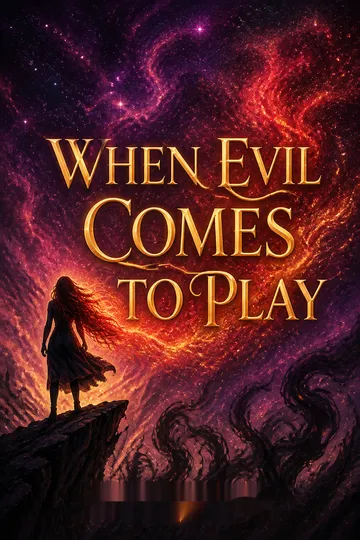
When Evil Comes to Play makes care both the story’s strongest resource and its most dangerous habit. Lexie has learned to meet other people’s needs quickly: she crosses souls, protects Mia, comforts Isaac, and hides her own diagnosis so the group can keep functioning. The impulse is generous, but it also lets her treat her body as expendable. Her refusal of surgery and her decision about a ventilator are attempts to reclaim agency, not evidence that she has stopped valuing life. She wants the time she has to contain art, friendship, and ordinary choices, rather than being organized entirely around medical risk.
The supernatural plot gives psychological pain physical form without reducing it to a metaphor. Isaac’s demon exploits authentic grief and turns an old belief about his sister into a command to die. Lexie’s testimony matters because she has access to Sophie’s own account, but reassurance alone cannot end Isaac’s self-punishment. He must participate in resisting the demon, and later he fights beside Lexie rather than remaining only the person she saves. The story therefore distinguishes love from rescue. Devotion can make a person stay, but recovery also requires the injured person to reclaim some authority over their own life.
The boys’ friendship circle is both shelter and pressure. Their unspoken agreement not to date Lexie is meant to protect the group, yet it encourages silence and makes affection feel like a threat to everyone else. Lexie’s fear of losing them echoes her larger fear of losing time: she tries to prevent pain by refusing choices that might create it. The ending does not resolve that romantic conflict, which keeps the characters’ emotional lives as unfinished as their grief. The clearest change is that Lexie no longer faces the supernatural world alone. The custom ward offers a future, and the boys’ Sight tattoos make their support more active, but the lasting lesson is not that danger disappears. It is that shared care becomes more ethical when it includes honesty, consent, and the freedom to choose.
Review Summary
People Also Read
Characters
Lexie Delaney
The stubborn soul-guideLexie is a seventeen-year-old necromancer who can see the dead and guide souls through the Veil. Sharp-tongued, artistic, and fiercely protective, she often turns fear into action before admitting she is afraid. Her friendships with Rory and the boys give her a sense of home she has rarely had, and she repays their care by concealing how much danger she is in. Lexie’s love of drawing and dream of becoming a tattoo artist express a desire for a future that belongs to her, not merely a list of supernatural duties. Her central struggle is learning that accepting help does not diminish her independence.
Rory
Lexie's steady guardianRory is Lexie’s uncle and legal guardian, a police officer who offers practical care without pretending he can control every danger. He keeps doctors involved, pushes her to consider treatment, and tries to give her room to make decisions about her own body. His grief over the possibility of losing another family member often appears as urgency, but he works to keep that fear from becoming a demand. Rory’s relationship with Lexie is built from everyday acts, meals, a safe home, and the willingness to sit beside her when she cannot yet talk.
Miles Huntington
The observant caretakerMiles is Lexie’s thoughtful, academically gifted friend, known for his careful attention and his habit of noticing what she tries to hide. He researches problems, makes plans, and often becomes the group’s calm center, but his concern can turn into overthinking when feelings are involved. Lexie trusts his quiet presence, and he supports her ambitions as well as her safety. His emotional restraint reflects a fear of disrupting the friendships he values, especially when he suspects his affection may not be returned. Miles is most comfortable helping through concrete acts, even when what he wants is harder to say.
Asher
The dutiful climberAsher is a warm, capable friend and rock-climbing instructor who is used to taking responsibility for other people. His father’s long absences have left him caring for his sister while still being judged as if he were the parent. Asher’s wish to choose a life beyond football challenges the role his family has assigned him. With Lexie, he is attentive and affectionate, but he worries about causing conflict in the group. His instinct to be the dependable one is both a strength and a burden, especially when he must decide whether to protect others or speak openly about what he wants.
Zeke Blackthorn
The guarded protectorZeke is physically imposing, blunt, and fiercely loyal to the small circle he considers family. His difficult past has taught him to treat vulnerability as a risk, so he often communicates care through vigilance, practical help, and staying close. He works to temper his controlling impulses, even when fear makes him want to dictate what Lexie should do. Their bond is marked by trust and wordless comfort, alongside feelings neither has fully addressed. Zeke’s greatest challenge is not learning to protect people, but believing that closeness need not end in harm.
Ethan Turner
The musical optimistEthan is Isaac’s twin brother, a musician with a smooth confidence that hides chronic back pain and a deep fear of losing the people he loves. He cares for Lexie through humor, music, and an ease with touch that helps her feel safe. His ambition is to build a future with his band rather than follow a conventional path. Ethan is emotionally perceptive, but the prospect of his brother’s suffering threatens to overwhelm his usual steadiness. His devotion to family is profound, though it can make it difficult for him to step away when he needs rest.
Isaac Turner
The self-punishing pranksterIsaac is Ethan’s twin, a quick-witted fighter who uses pranks, bright blue hair, and exuberant affection to keep a room lively. Beneath that energy lies guilt connected to his younger sister Sophie’s death. He struggles to distinguish courage from recklessness when he feels he deserves pain. Lexie’s closeness gives him a rare place to be honest, though he sometimes fears that his worst thoughts make him unworthy of her care. Isaac’s humor is real, not a mask alone, but he must learn that being loved does not require him to earn forgiveness through danger.
Hades
The ghost-seeing guardianHades is Lexie’s enormous, affectionate dog. He can see spirits, frightens many of them, and instinctively positions himself between Lexie and danger. His loyalty is physical and uncomplicated: he leans against her when she is shaken, follows her into risky places, and stays near the people he senses need protection. Hades gives Lexie comfort without asking her to explain herself. He also serves as a practical warning system when a supernatural presence is near.
Tara
The jealous cousinTara is Lexie’s cousin, socially ambitious and accustomed to being noticed. Her jealousy makes her intrusive and cruel, especially when she believes Lexie is attracting the boys’ attention. She snoops through Lexie’s belongings and tries to use Lexie’s secret as leverage. Beneath that hostility is fear and a need to understand experiences she cannot explain. When Lexie tells her about the danger behind her abilities, Tara’s assumptions begin to shift.
Marvin
The estranged grandfatherMarvin is Rory’s father and Lexie’s grandfather, a retired architect whose reserve has hardened into estrangement from his son. He values family history but has allowed old grievances to govern his relationships. Lexie’s directness challenges his assumptions about Rory and about his granddaughter. Though he cannot provide the supernatural guidance she hopes to find, he lets her search his records and gives her photographs of her father.
Mia
The haunted childMia is six years old and has been suffering terrifying dreams, sleepwalking, and unexplained injuries. She trusts two figures she believes protect her, while struggling to describe the monster that frightens her. Her age makes it difficult for adults to distinguish imagination from danger, leaving her vulnerable to disbelief. Lexie earns Mia’s confidence by sharing her own secret and listening without dismissing her.
Cara
Mia's determined sisterCara is Mia’s older sister, the first member of her family to take the strange attacks seriously. She gathers evidence, contacts ghost hunters, and seeks help when her parents do not believe her account. Cara is frightened but persistent, driven by the conviction that Mia needs protection more than reassurance. Her trust in Lexie allows the group to investigate the house.
Keith
The cautious investigatorKeith is a ghost hunter who brings Lexie evidence of the activity in Mia’s home. More careful and conciliatory than his partner, he prioritizes getting the child help and accepts the confidentiality rules Lexie’s friends require. His willingness to cooperate makes it possible for the group to intervene.
Travis
The blunt ghost hunterTravis is Keith’s ghost-hunting partner. He is direct and occasionally abrasive, but he has gathered recordings that reveal the danger in Mia’s home. His commitment to finding help for the child outweighs his interest in public proof of the supernatural.
Evelyn
The healing gargoyleEvelyn is a member of a guardian race of gargoyles and a skilled healer. Warm, formidable, and impatient with institutional coercion, she offers Lexie practical protection without demanding that she join the Templars. Evelyn understands that supernatural power creates obligations, but she does not confuse those obligations with ownership of another person’s life.
Atticus
The exacting guardianAtticus is Evelyn’s husband, a centuries-old gargoyle who is formal, observant, and intensely protective of her. His dry manner and insistence on rules contrast with Evelyn’s readiness to challenge authority. He helps enforce the distinction between the Templars’ responsibilities and their claims over people they are meant to protect.
Father Francis
The Templar priestFather Francis is a priest and leader among the Templars, a group that guards against supernatural threats. He initially doubts Lexie’s account, then takes the possession seriously when she proves her ability to perceive the dead. His belief in the Templars’ mission can make him overly willing to treat a young person’s skills as a resource.
Serena
The withholding witchSerena is a witch Lexie hoped would teach her about her abilities. She is knowledgeable but guarded, and she fails to respond when Lexie urgently seeks her help. Her insistence on rules and authority leaves Lexie uncertain whether she is being guided or controlled.
Sophie
Isaac's beloved sisterSophie was Isaac’s younger sister, and her death remains central to his guilt. The memories he carries of her are painful, but they also reveal the tenderness beneath his humor and impulsiveness. Her importance lies in the bond they shared, not in the blame Isaac places on himself.
Jake
Lexie's heartbroken friendJake is Lexie’s close friend, funny and generous but prone to jealousy when he fears losing Derrick. Lexie listens to him and challenges the assumptions that are damaging his relationship. His struggle shows how fear can push someone to create the very separation they dread.
Derrick
Jake's boyfriendDerrick is Jake’s boyfriend and longtime friend. His patience wears thin as Jake repeatedly interprets ordinary interactions as flirting. Their relationship reveals the cost of suspicion that goes unspoken until it becomes a fight.
Dylan
Lexie's former boyfriendDylan is Lexie’s former boyfriend, good-looking and regretful about past behavior. He wants to restore their friendship, but he has difficulty recognizing that an apology does not erase the need to respect her boundaries. His presence reminds Lexie that recovery includes deciding who is safe to keep close.
Jessica
Asher's younger sisterJessica is Asher’s younger sister, living with a largely absent father and depending on Asher more than she acknowledges. She can be hostile toward Lexie and protective of her own relationships, but her situation helps explain why Asher feels responsible for staying home and looking after her.
Riley
Lexie's trusted friendRiley is Lexie’s friend and confidante, who shares her romantic uncertainty and calls her when she needs perspective. Her developing connection with Ryan offers a contrast to Lexie’s more complicated friendships.
Plot Devices
The Veil
The road for soulsThe Veil is the threshold where the dead can move on from the living world. Lexie reaches it by focusing her will into a golden thread that gathers souls and guides them through doors formed for them. The process provides vivid reunions, but crossing large groups drains her and worsens her physical condition. Because the Veil is closed to ordinary passage, her work becomes essential to the dead and increasingly dangerous to her. It also provides the story’s image of transition: a place where loss can become passage, if someone living can bear the cost of opening the way.
Beads and wards
Barriers against the deadLexie uses protective beads, plants, salt, tar water, and sage to keep spirits away from people and homes. These measures are imperfect and require her attention, so they cannot fully protect her from the accumulated danger of her abilities. The custom tattoo Evelyn designs offers a more durable barrier, strengthening Lexie’s defenses so the dead can no longer inflict the same damage. The contrast between temporary household protections and a permanent ward reflects Lexie’s shift from improvising through each threat to accepting a safeguard that supports her long-term life.
The demon's false memories
Grief turned into a weaponThe demon attacks through the memories and fears its victims already carry. It uses Lexie’s experiences of abuse and assault to overwhelm her, then exploits Isaac’s guilt about Sophie to persuade him that he deserves to die. Its claims are effective because they distort real pain rather than inventing a completely unrelated story. Lexie counters the demon by holding onto what Sophie actually told her and by helping Isaac distinguish guilt from responsibility. The device makes emotional knowledge part of the supernatural conflict: memory can be manipulated, but trusted testimony can also resist manipulation.
The inner Center
A soul's private battlegroundA person’s Center is the inner landscape shaped by their energy, memories, and sense of self. Lexie discovers that she can enter Isaac’s Center, where the demon has nearly overwhelmed him. She helps him create light and later joins him in the fight against the creature. The space makes possession more than an external illness: it becomes a contest over whether Isaac can still claim his own identity. Entering another person’s Center is dangerous, however, and Lexie’s repeated journeys cost her physically. The device turns trust into a literal path between two people, while preserving Isaac’s agency in his own recovery.
The Sight tattoos
Friends share her visionThe Templars’ spell tattoos protect against possession and grant the Sight, allowing their bearers to perceive supernatural beings. Evelyn gives Lexie a custom ward design rather than requiring her to join the Templars. Lexie’s friends choose their own tattoos as well, hoping to see the threats she faces and help instead of remaining ordinary bystanders. The tattoos are not merely equipment: they turn concern into commitment, while also exposing the boys to a world they previously experienced only through Lexie’s accounts.
The Veil Diaries Series


About the Author

Download PDF
Download EPUB
.epub digital book format is ideal for reading ebooks on phones, tablets, and e-readers.








