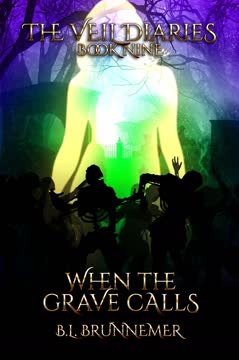
Plot Summary
Therapy, Nightmares, and New Beginnings
Alexis "Lexie" Delaney, still reeling from her abduction and assault, sits in therapy, wrestling with nightmares and the aftershocks of trauma. Her therapist, Dr. Smith, gently encourages her to reclaim independence, suggesting small steps like going out alone and reconnecting with her friends. Lexie's world is tightly woven with her loyal group of friends—Zeke, Miles, Asher, Ethan, and Isaac—who protect her fiercely, sometimes to the point of smothering. Lexie's emotional wounds are raw, but she's determined to heal, even as she feels the weight of her friends' concern and her own need for autonomy. The chapter sets the tone of vulnerability, resilience, and the slow, painful process of reclaiming a sense of normalcy after trauma.
Bonds of Friendship and Family
Lexie finds solace in the chaos of her friends' lives, especially during a lively family gathering at the twins' house. The boys' playful banter and unwavering support offer her a sense of belonging she's longed for. Yet, beneath the laughter, tensions simmer—especially with Zeke, whose protectiveness is both a comfort and a barrier. Lexie's connection to the group is deepened by shared experiences, mutual care, and the unspoken understanding that they are each other's family. The warmth of these bonds is contrasted by the ever-present shadow of Lexie's trauma, reminding her that healing is not a solitary journey but one walked with those who refuse to let her fall.
Sophie's Secret and the Weight of Grief
Lexie's ability to see and communicate with the dead is both a gift and a burden. When Sophie, the twins' deceased sister, appears, she confides in Lexie her readiness to move on. The revelation that Sophie's spirit lingers because of her brothers' unresolved grief adds a new layer of emotional complexity. Lexie is torn between her promise to help Sophie cross over and her fear of shattering the twins with the truth. The chapter is heavy with the ache of loss, the guilt of secrets kept, and the impossible choices that come with loving both the living and the dead.
Facing Fears, Alone and Together
Determined to reclaim her life, Lexie attempts to venture out alone, accompanied only by her loyal dog, Hades. The world outside feels threatening, every sound a potential trigger. Despite her anxiety, she pushes forward, visiting the cemetery to help restless souls and considering a new job. Her friends, especially Zeke, struggle to let go, their own fears mirroring hers. The chapter captures the tension between dependence and autonomy, the courage it takes to face the world after trauma, and the small victories that mark the path to healing.
Parties, Panic, and Flashbacks
Lexie's attempt at normalcy is tested at a lakeside party. Surrounded by friends and the buzz of teenage life, she feels a fleeting sense of freedom—until an unexpected kiss from Ryan, coupled with a triggering scent, plunges her into a flashback of her assault. Her friends rally around her, their support unwavering, but Lexie is left shaken and humiliated. The incident underscores the fragility of recovery, the unpredictable nature of triggers, and the importance of a support system that refuses to let her drown in her pain.
The Veil's Demands
Lexie's role as a necromancer intensifies as more souls demand her help to cross into the Veil. The work is exhausting, both physically and emotionally, and the dead grow increasingly impatient and aggressive. Lexie experiments with her powers, learning to cross multiple souls at once, but the strain is evident. The Veil itself is a living entity, scarred and slowly healing, reflecting Lexie's own journey. The chapter explores the cost of responsibility, the limits of compassion, and the ever-blurring line between the living and the dead.
Ghosts, Shadows, and Unseen Dangers
A ghost-hunting adventure in an abandoned hospital turns dangerous when Lexie and her friends encounter shadowy entities—parasitic, malevolent beings unlike any ghost she's faced. The experience is harrowing, leaving the group shaken and Lexie questioning the limits of her abilities. The incident serves as a stark reminder that not all supernatural encounters can be resolved with compassion or power. The chapter is thick with fear, uncertainty, and the realization that some threats are beyond understanding or control.
Healing, Setbacks, and Small Victories
Lexie's journey is marked by both progress and setbacks. She celebrates small victories—venturing out alone, reconnecting with friends, and even getting a new haircut as a symbol of change. Yet, the weight of her trauma and the demands of the dead are never far behind. Her relationships with her friends deepen, each offering support in their own way, but Lexie is haunted by the fear of being a burden. The chapter is a testament to the nonlinear nature of healing and the importance of celebrating every step forward, no matter how small.
The Burden of Secrets
The secret of Sophie's lingering spirit becomes a ticking time bomb. Lexie, burdened by the knowledge, struggles with when and how to tell the twins. The pressure mounts as the dead grow more demanding and her own health deteriorates from the strain of her powers. The chapter explores the corrosive nature of secrets, the fear of hurting those we love, and the inevitable reckoning that comes when truth can no longer be contained.
Confrontations and Confessions
When the truth about Sophie is finally revealed, the fallout is immediate and devastating. The twins are shattered by the revelation, feeling betrayed by Lexie and the rest of the group. The confrontation is raw, emotions running high as years of grief, guilt, and love collide. Lexie is left to pick up the pieces, questioning her place in the group and the cost of her choices. Yet, in the aftermath, there is also the possibility of forgiveness and the slow rebuilding of trust.
The Breaking Point
Lexie's physical and emotional health reach a breaking point as the demands of the dead and the strain of her relationships take their toll. A near-fatal encounter with a vengeful spirit leaves her battered and forces her friends to confront the reality of her vulnerability. The group rallies around her, their love and concern a lifeline, but the experience is a sobering reminder of the dangers Lexie faces and the limits of even the strongest support.
The Power of Truth
In the wake of crisis, Lexie and her friends come together in a moment of radical honesty. Secrets are laid bare, fears confessed, and the bonds between them are reforged in the crucible of shared pain and love. Lexie learns that vulnerability is not weakness, and that true healing requires letting others in. The chapter is a turning point, marking the transition from isolation to unity, and the realization that they are stronger together than apart.
The Cost of Caring
Lexie grapples with the emotional cost of her role as a necromancer. The dead's demands are relentless, and her compassion is both her greatest strength and her greatest vulnerability. She learns hard lessons about setting boundaries, saying no, and the necessity of self-care. The chapter is a meditation on the dangers of empathy without limits and the importance of protecting one's own heart in the face of endless need.
Letting Go and Moving On
The time comes for Sophie to cross over, and Lexie must help Ethan and Isaac say goodbye. The process is wrenching, filled with grief and love, but ultimately brings a sense of peace and closure. Lexie's own journey mirrors this letting go, as she learns to release guilt, accept help, and trust in the resilience of her chosen family. The chapter is bittersweet, a testament to the healing power of farewell and the necessity of moving forward.
The Ties That Bind
As Lexie's relationships with her friends deepen, so too does the complexity of her feelings. Romantic tensions simmer, old wounds are reopened, and the group navigates the messy, beautiful reality of loving and needing each other. The chapter explores the ways in which trauma can both fracture and forge bonds, and the courage it takes to risk vulnerability in the pursuit of connection.
The Edge of Existence
Lexie faces one of her most harrowing challenges when a soul, broken by a lifetime of abuse, chooses oblivion over crossing. The experience shakes her to the core, forcing her to confront the limits of her power and the reality that not all wounds can be healed. The chapter is a meditation on despair, the sanctity of choice, and the humility required to accept that some battles cannot be won.
All In, All Together
In the aftermath of crisis and confession, Lexie and her friends reaffirm their commitment to each other. The group, battered but unbroken, emerges stronger for their honesty and shared pain. Lexie learns to trust in the love and loyalty of her chosen family, accepting that she is not alone in her struggles. The chapter is a celebration of resilience, unity, and the power of being "all in" together.
Summer Dawns, Shadows Remain
As summer arrives, Lexie and her friends look forward to a season of rest and renewal. The scars of the past remain, and the challenges of necromancy and trauma are far from over, but there is hope in the promise of new beginnings. The group's bonds are stronger than ever, and Lexie faces the future with a sense of possibility and the knowledge that, whatever comes, she will not face it alone.
Characters
Alexis "Lexie" Delaney
Lexie is the emotional and supernatural center of the story—a teenage girl marked by trauma, gifted (or cursed) with the ability to see and help the dead cross over. Her relationships with her friends are her lifeline, but also a source of guilt and fear of being a burden. Lexie's psychological journey is one of reclaiming agency after victimization, learning to set boundaries, and accepting that vulnerability is not weakness. Her compassion is both her greatest strength and her Achilles' heel, as she struggles to balance the needs of the living and the dead. Over the course of the story, Lexie evolves from a girl defined by her trauma to a young woman who, though still scarred, is learning to trust, love, and lead.
Zeke Blackthorn
Zeke is the group's muscle and Lexie's fiercest protector, haunted by guilt over not preventing her abduction. His imposing exterior hides deep sensitivity and a profound sense of responsibility for those he loves. Zeke's struggle is with his own sense of failure and the fear that his presence might trigger Lexie's trauma. His journey is one of learning to let go—of control, of guilt, and of the belief that he must bear everyone's burdens alone. His relationship with Lexie is fraught with tension, tenderness, and the slow, painful work of rebuilding trust.
Miles Huntington
Miles is the group's brain and emotional anchor, offering calm, logic, and unwavering support. His insomnia and perfectionism hint at his own struggles, but he channels his energy into caring for others, especially Lexie. Miles' psychoanalysis reveals a young man who fears losing control but finds purpose in being needed. His development is marked by a growing willingness to be vulnerable himself, to accept help, and to risk deeper emotional connection. His relationship with Lexie is marked by quiet intimacy and mutual respect.
Asher Westfall
Asher is the "boy next door" whose warmth and humor provide comfort to everyone around him. He is Lexie's safe space, always ready with a hug or a joke, but he also carries the weight of family responsibilities and unresolved pain. Asher's psychological arc involves learning to set boundaries, stand up for himself (especially with his sister), and accept that he cannot fix everything for everyone. His love for Lexie is deep and uncomplicated, but he must navigate the complexities of friendship, jealousy, and his own needs.
Ethan Turner
Ethan, one of the twins, is Lexie's confidant and fellow creative spirit. His grief over Sophie's death is a central part of his character, manifesting in insomnia, mood swings, and a desperate need for closure. Ethan's psychoanalysis reveals a young man who uses music and humor to mask pain, but who is capable of profound empathy and loyalty. His development is tied to his ability to let go of the past, accept help, and risk loving again. His relationship with Lexie is marked by shared vulnerability and the slow rekindling of hope.
Isaac Turner
Isaac, Ethan's twin, is the group's wild card—funny, impulsive, and always ready for adventure. Beneath the bravado, however, is a young man deeply scarred by loss and guilt, especially over Sophie's death. Isaac's psychological journey is one of confronting his own pain, learning to ask for help, and accepting that he is worthy of love and forgiveness. His relationship with Lexie is playful but also deeply supportive, and he is often the first to notice when she is struggling.
Sophie Turner
Sophie is the twins' little sister, whose ghost lingers due to her brothers' inability to let go. She is both a symbol of the family's unhealed wounds and a character in her own right—wise beyond her years, compassionate, and ready for peace. Sophie's presence forces the group to confront their grief, guilt, and the necessity of saying goodbye. Her crossing is a pivotal moment of catharsis and healing for everyone involved.
Rory Delaney
Rory is Lexie's uncle and guardian, a figure of stability and tough love. He is practical, unflappable, and deeply protective, but also carries the weight of family history and secrets. Rory's psychoanalysis reveals a man who has learned to survive by keeping his emotions in check, but who is willing to fight for those he loves. His relationship with Lexie is marked by mutual respect, occasional conflict, and a shared understanding of the burdens they carry.
Tara Delaney
Tara is Lexie's cousin, whose jealousy and insecurity often manifest as antagonism. She is a foil to Lexie—popular, confident on the surface, but deeply insecure and desperate for attention. Tara's actions create tension and force Lexie to confront her own boundaries and sense of self-worth. Her development is limited, but she serves as a reminder of the complexities of family and the pain of feeling like an outsider.
Dr. Smith
Dr. Smith is Lexie's therapist, a calm and patient presence who helps her navigate the labyrinth of trauma recovery. She provides practical tools, gentle encouragement, and a safe space for Lexie to process her experiences. Dr. Smith's role is crucial in helping Lexie reclaim agency, set boundaries, and believe in the possibility of healing. Her relationship with Lexie is professional but deeply impactful, offering hope and structure in the midst of chaos.
Plot Devices
Trauma and Recovery
The narrative structure is built around Lexie's journey through trauma recovery, using therapy sessions, flashbacks, and panic attacks to illustrate the ongoing nature of healing. The story employs foreshadowing through Lexie's nightmares and the recurring motif of the Veil, signaling that the past is never truly past. The communal aspect of recovery is emphasized through the group's interventions, shared rituals, and moments of radical honesty. The plot is driven by cycles of crisis and reconciliation, mirroring the nonlinear path of healing.
Supernatural as Metaphor
Lexie's ability to see and help the dead serves as both a literal plot device and a metaphor for the weight of unresolved trauma, grief, and responsibility. The Veil is a living symbol of Lexie's own wounded psyche—scarred, healing, and in need of care. Encounters with ghosts, shadow entities, and the demands of the dead externalize Lexie's internal struggles, making the supernatural both a source of danger and a catalyst for growth.
Found Family and Chosen Bonds
The story's emotional core is the group's bond—a chosen family forged in adversity. The narrative uses group scenes, shared rituals, and moments of crisis to explore the dynamics of loyalty, jealousy, and the fear of being left behind. The "all in, all together" motif is reinforced through repeated tests of trust, culminating in moments of radical honesty and mutual support.
Secrets, Confessions, and Catharsis
The withholding and revelation of secrets drive much of the plot's tension. Lexie's reluctance to share the truth about Sophie, her own struggles, and the dangers she faces creates rifts that are only healed through confession and vulnerability. The narrative structure builds toward moments of catharsis, where honesty becomes the key to healing and unity.
The Limits of Power and Compassion
Lexie's encounters with souls who cannot or will not cross, especially the boy who chooses oblivion, serve as a sobering reminder of the limits of even the greatest compassion and power. The story uses these moments to explore themes of humility, acceptance, and the sanctity of choice, challenging the notion that every problem can be solved or every wound healed.
Analysis
"Whispers From The Dead" is a powerful exploration of trauma, healing, and the complexities of love and responsibility. At its heart, the novel is about the struggle to reclaim agency and hope after profound loss and violation. Lexie's journey is both intensely personal and universally resonant, capturing the messy, nonlinear nature of recovery and the necessity of community in the healing process. The supernatural elements—necromancy, the Veil, restless souls—serve as both literal challenges and rich metaphors for the burdens of grief, guilt, and empathy. The story's greatest strength lies in its depiction of found family: the fierce, flawed, and deeply loyal group that refuses to let Lexie face her demons alone. Through cycles of crisis, confession, and reconciliation, the novel argues that true healing is only possible when we allow ourselves to be seen, known, and loved—scars and all. The lessons are clear: vulnerability is strength, boundaries are necessary, and no one heals in isolation. In a world haunted by both literal and figurative ghosts, "Whispers From The Dead" offers a message of hope, resilience, and the enduring power of chosen family.
Last updated: