

Plot Summary
A Refuge in Wolf Country
Meg Corbyn reaches the Lakeside Courtyard during a blizzard, wearing soaked sneakers and carrying no money. She has escaped a guarded compound where girls are trained to provide prophecies, and she fears the people who controlled her will find her. A sign offers a job as human liaison, so she enters Howling Good Reads and asks Simon Wolfgard, the Wolf who leads the Courtyard, for work.
Simon hires her, gives her an apartment, and warns that human law does not apply on Others’ land. He cannot explain why her presence unsettles him, but he will not send her back into the storm. Meg recognizes Simon from a vision that foretold his presence at her death, yet chooses shelter over the fear of what that vision might mean.
Meg’s first choice outside captivity is not a dramatic act of confidence. It is a practical calculation made under threat: the Courtyard may be deadly, but it offers a boundary her pursuers cannot cross casually. Simon’s hiring decision is likewise both instinctive and political. He needs a liaison to keep deliveries moving, yet his unexplained response to Meg makes the practical choice feel personal before either character understands why. The vision of Simon’s presence at her death supplies a grim counterweight to the room, food, and warmth he gives her. Safety is real, but it is not yet reassuring.
The Liaison’s First Morning
Simon gives Meg a rushed tour of the Market Square, then leaves her to sort a backlog of mail with little instruction. Jester, a Coyote who enjoys testing people, shows her how to open the counter and organize the deliveries.
Meg records each driver’s name and company, and the careful procedure wins their trust. At the same time, Lieutenant Crispin Montgomery arrives in Lakeside, newly transferred after shooting a human criminal to save a Wolf girl. His captain, Douglas Burke, explains that careless human provocation once caused a city to be destroyed by the Others.
Monty meets Simon and then Meg, noticing her fear but receiving no explanation. The abandoned car by the Courtyard fence yields three men’s belongings, a grim reminder that an adult who crosses the boundary uninvited may never return.
The delivery desk becomes the book’s smallest model of its political world. Names, signatures, schedules, and careful handling let frightened humans and dangerous Others complete ordinary transactions without pretending the danger is gone. Meg’s meticulous record keeping is not merely competence. It gives her a way to participate in a world whose habits she has never been allowed to learn. Monty’s arrival adds a second method of survival: he wants repeated contact to soften the likelihood of violence, while Burke insists that the city’s history makes optimism costly. Both understand that a border is maintained through behavior as much as fences.
A Stranger Watches the Window
Asia Crane, an aspiring actress whose intelligence work has brought her to Lakeside, watches the Courtyard and tries to get close to Simon. When Meg takes the liaison job instead, Asia shifts her interest toward the newcomer, hoping Meg can provide a route inside.
Meg makes tentative friends among the Courtyard’s workers, but a man appears outside her apartment and tests the locked entrance. She panics, escapes to the liaison office, and sleeps on a sorting table.
Henry Beargard, a Grizzly who serves as the Courtyard’s spiritual guide, finds her there and arranges watchful protection. Simon learns that Meg had reason to fear the stranger, then moves her from the exposed apartment above the shops into the Green Complex, where he lives nearby and access is more tightly controlled.
Meg’s fear is easy for the Others to mistake for a general human weakness. Henry’s attention begins to reveal its specific cause: she is not simply frightened of predators, she is being hunted by someone from her former life. Her flight from the apartment repeats the logic of escape, but this time she chooses a workplace rather than the wilderness, trusting the Courtyard’s routines enough to sleep there. Asia’s adaptation is a darker mirror of Meg’s. Both women use observation to navigate unfamiliar systems, but Meg seeks a livable place while Asia treats access as leverage.
The Name Behind the Scars
Monty brings Simon a wanted poster showing Meg’s face and accusing her of grand theft, but it gives no name for the supposed thief. Simon confronts Meg with the poster. She tells him that the compound called her cs759, not a person’s name, and shows him the razor she stole when she escaped.
The scars along her arms reveal how her former keepers extracted visions through repeated cuts. Simon recognizes her as a cassandra sangue, a blood prophet whose prophecies are produced through pain and whose skin is valuable to those who exploit her.
Meg expects him to send her away or return her to her Controller. Instead, Simon takes the razor temporarily and declares she will stay. The Courtyard’s Business Association agrees to protect her, even though the police and human authorities now know where she is.
The missing name on the poster changes the moral meaning of the accusation. Simon sees that the state is pursuing a person while refusing to identify her as one. Meg’s scars make the abstraction physical: every mark records a system that turned bodily injury into profitable information. Her confession is also a test of whether protection will become another form of ownership. Simon’s decision is not yet informed consent or perfect understanding, but it is a break with the compound’s claim over her. The Courtyard chooses responsibility before it knows the full cost.
Mail Delivered to Monsters
Meg begins delivering packages herself, including parcels that earlier liaisons left untouched. At the Chambers, the Sanguinati’s guarded territory, she receives permission from the ancient Erebus to deliver a long-delayed package to his door.
She also brings requested books to Winter, an Elemental who skates on a lake in the cold. When Meg gives Winter a green scarf and explains that she chose it for the evergreen branches against snow, Winter accepts the gift instead of unleashing the storm her anger had begun to summon.
Meg’s ordinary gestures create unusual ties: she treats dangerous residents as neighbors with preferences, not as pictures from her training. The ponies who carry mail begin seeking her out for treats, while the Crows watch her work and spread news throughout the Courtyard.
Meg’s kindness matters because it is concrete and attentive. She remembers a package that others ignored, finds books for a reader, and explains the color of a scarf rather than assuming her intention is obvious. These gestures do not erase danger or make the Others human. They establish that attention can create obligations even across radically different kinds of life. The Courtyard’s residents begin responding to Meg not because she has mastered their customs but because she notices what matters to them. The mail route turns her job into a network of mutual recognition.
A Prophet Sees the Storm
Reports from western Courtyards describe people and animals erupting into unnatural aggression, followed by a bloody attack in the farming hamlet of Jerzy. Humans attacked the Crows and police who answered their call for help, and the fighting left many villagers dead. Simon travels west with Wolf and Hawk guards to meet other leaders and investigate the threat.
Before he leaves, Meg has been looking after Sam, Simon’s nephew, who has remained a Wolf pup since seeing his mother killed. A paper cut on Meg’s finger brings a painful vision of armed men in black, a strange motor sound, falling snow, and Sam howling in terror. She writes down the fragments and gives them to Henry, who warns the Courtyard to watch over both Meg and Sam.
The threat expands from one hunted woman to a political crisis in which humans and Others may become mutually lethal. Jerzy shows how quickly fear can turn into collective violence once people stop distinguishing attackers from bystanders. Meg’s vision offers no clean solution. It gives the Courtyard images without a date, location, or explanation, so protection must begin before certainty arrives. Her decision to record the fragments is a new form of agency: she cannot control what she sees, but she can preserve it for people capable of acting on it.
The Wolf Pup Wakes
With Simon away, Meg invents a buddy system for Sam using a harness and leash, explaining it through the climbing and adventure images she remembers. The line gives the frightened pup enough security to leave his cage, explore the Green Complex, and play in the snow. His progress unsettles the Wolves, who fear that a human has restrained one of their own, but Henry and Vlad see that Sam is recovering.
When Simon returns, Sam shifts into a boy and speaks again. Elliot, Simon’s father and Sam’s grandfather, has struck Meg and threatened her for using the harness. Simon confronts Elliot, then apologizes to Meg and tends to her bruised face. Sam’s return to speech and play makes the family’s old grief newly bearable.
The leash is a deliberate misunderstanding with a therapeutic result. To the Wolves, restraint evokes control and danger; to Meg, the safety line is a way to make an unknown outing survivable. She does not force Sam into independence. She builds a reliable connection between them and lets him test the world in manageable increments. Elliot’s violence exposes how protective instinct can reproduce the harm it claims to prevent. Simon’s apology matters because he begins to treat Meg as someone whose experience deserves explanation, not simply as a problem to manage.
The False Delivery
A man arrives at the liaison office in an unmarked van with a package lacking proper shipping details. Meg recognizes the irregularities and refuses to trust him. When he grabs her wrist and tries to take her, Simon lunges from the sorting room and drives him out. The package proves to be a decoy, and the police find no bomb inside, but the attempt confirms that Meg’s pursuers can reach her at work.
Henry catches the intruder, and the Courtyard deals with him as prey. Simon adds a Wolf guard to the office, while Monty investigates the van and warns his captain that the wanted poster may be disguising a trafficking case. Meg’s account of the attack gives Monty a lead, but the person who hired the intruder remains unknown.
Meg’s attention to mundane details becomes a survival skill. The missing company name, unreadable label, and absent identification tell her more than the man’s friendly manner. The attack demonstrates why her new job cannot be separated from the old pursuit: the office that gives her structure also makes her predictable. Simon responds with force, while Monty tries to convert the incident into evidence and prevent a larger conflict. Their methods differ, but both now accept that Meg’s safety is tied to the stability of the whole Courtyard.
A Map and Poisoned Sugar
Asia discovers Meg is a blood prophet and contacts people seeking to reclaim her. While Darrell Adams, a consulate employee she has drawn into her plans, helps her gain temporary access to the Courtyard, Asia enters the liaison office, photographs its map, and contaminates the sugar lumps kept for the ponies. Meg’s skin reacts with a vision of poison, black snakes, and children in danger.
She cuts her leg and asks Tess, rather than a predator, to hear and record the prophecy. Tess identifies the sugar as the threat and has the box sealed for the police. When the police delay testing it, Tess tests the sugar on Darrell, who dies, confirming the poison’s danger. Asia’s seemingly friendly visits have been cover for a planned assault.
Asia and Meg both read situations closely, but their forms of intelligence point in opposite directions. Meg’s attention is directed toward preventing harm; Asia turns information into access and access into profit. The prophecy gives Meg a warning, not a complete account of the plot, and Tess’s role as listener makes the warning usable. The police delay leaves a question about whose safety institutions prioritize. Tess’s test bypasses that delay but imposes its own brutal logic. Protection is never neutral in this world. It depends on who is willing to act and what costs they accept.
The Courtyard’s Warning
Asia’s contacts use eggs, firecrackers, and small fires to provoke the Courtyard and study how its residents respond. Monty notices the incidents are too coordinated to be ordinary mischief, but the city’s police laboratory postpones analysis of the sugar.
Simon and the others strengthen watches around vulnerable entrances. As a severe snowstorm closes Lakeside, Meg insists on returning to her apartment with Sam rather than staying in the exposed rooms above the shops. Asia, meanwhile, uses a stolen BOW and the photographed map to prepare for the retrieval crew.
The nuisance attacks have served their purpose: they reveal which forces rush toward trouble, which routes remain open, and how human authorities respond. The Courtyard is bracing for weather, unaware that a second assault is already underway.
The pranks function as reconnaissance because the attackers exploit a social habit: people tend to treat each disturbance as a separate nuisance. Meg and Monty sense a pattern, but neither has enough authority or evidence to stop the operation. The delayed poison test reinforces this weakness. Meanwhile, the storm narrows the characters’ options and turns ordinary travel into a strategic problem. Asia’s access to the map converts the Courtyard’s tentative trust into vulnerability. The coming attack is therefore not simply a clash of strength. It is the consequence of information gathered while the defenders are asked to dismiss warning signs.
The Pony Barn Burns
Armed intruders strike the Utilities Complex and the western side of the Courtyard while another team sets fire to the Pony Barn. The attacks force the Wolves, Hawks, and Sanguinati to divide their defenses. At the barn, Hurricane, an old mail pony, is shot as he escapes the flames. The ponies reveal their true nature as Elemental steeds and charge into the storm to pursue the attackers.
Ferus is shot at the Utilities Complex, and a Hawk is killed. Simon orders Nathan to guard Meg, then races toward the fighting. When Asia enters Simon’s apartment and admits that the attackers are coming for Meg while she wants Sam as leverage, Meg refuses to surrender the pup. She escapes with him in a BOW as the intruders close in.
The attackers aim to make the Courtyard choose between defending its people and protecting the person they came to seize. The deaths at the barn and Utilities Complex make that choice emotionally costly before Meg even faces her pursuers. Hurricane’s death is especially consequential because the ponies are not equipment but companions, and the violence against them releases powers the attackers cannot anticipate. Asia’s confession completes her transformation from social climber to active collaborator. Meg’s escape is not a bid to save herself alone. She moves because Sam is the leverage the enemy wants.
The Ice Gives Way
Meg drives through the Courtyard with the attackers behind her and takes Sam to Erebus, asking the Sanguinati elder to hide him. Erebus opens the Chambers to both of them, but Meg leaves Sam there so the hunters will follow her instead. She heads toward the lake, hoping the Elementals will see her and intervene.
Her BOW runs out of charge near the creek, forcing her to continue on foot. When the men fire at her, Meg tries to cross the ice toward Winter, forgetting Spring’s warning that the thaw has weakened it. She calls for Winter and reaches for the retaining wall, but the ice breaks beneath her. Meg disappears into the freezing water as the pursuers close on the bank.
Meg’s decision to separate from Sam is both a tactical act and an assertion that he is not property to be traded. She gives him to Erebus because she trusts the elder’s protection, then makes herself the visible target. Her body has been treated as an instrument by the Controller, yet here she chooses what risk it will take and for whom. Spring’s warning gives the ice a precise, tragic meaning: seasonal change can make familiar ground treacherous. Meg’s fall is not a failure of courage. It is the cost of a choice made under impossible pressure.
The Storm Collects Its Debt
Simon, Blair, Vlad, Winter, and the other Elementals reach the creek. Simon and Blair pull Meg from the water while Vlad keeps her near the surface; Winter and Air carry her by sleigh toward the hospital. The Elementals unleash a storm that overwhelms Lakeside and blocks the attackers’ escape.
Their steeds and the terra indigene kill or capture the invading crews. Erebus protects Sam in the Chambers, while Tess confronts Asia in the Courtyard and leaves her unable to escape the storm.
Meg survives but remains dangerously cold, and Simon’s uncontrolled anger frightens the hospital staff until Monty persuades them to treat her. The city’s mayor and regional governor die during the storm, while ordinary residents suffer casualties and destruction. The weather stops only after Simon assures Winter that Meg will recover.
The climax makes the power imbalance between humans and Others impossible to ignore. The Elementals can turn weather into judgment, but their response does not distinguish cleanly between the armed attackers and the city around them. Meg’s rescue therefore carries a moral cost far beyond her own body. Monty’s intervention matters because he translates the emergency into terms the hospital staff can act on, while Simon must accept help from the human institution he distrusts. The storm ends not with military victory but with a promise about Meg, showing how thoroughly her survival has become bound to the Courtyard’s future.
A Den, Not a Cage
Meg wakes in the hospital and asks to leave, but Simon, Vlad, and Dr. Lorenzo keep her there until her breathing improves. Sam is safe with Erebus, and Monty’s officers take shifts guarding the room. After the storm, the city remains cut off and badly damaged.
The mayor and governor are dead, and the acting mayor promises a more careful relationship with the Others. The Courtyard removes its water tax from the police station and hospital, gives stranded human workers shelter, and considers a medical office for Dr. Lorenzo.
Meg returns to her liaison desk, where Simon resumes teasing her with a hat and she sets limits by threatening to withhold his cookies. Simon suspects the aggression spreading west may be connected to cassandra sangue blood, but keeps that theory private. Her Controller remains at large.
The ending resolves Meg’s immediate question of whether she can live outside the compound, not the larger danger surrounding her. She returns to work with friends, a home, and the authority to refuse even small intrusions. Her cookie bargain is a modest but meaningful boundary: affection does not require surrendering control. The Courtyard’s shelter for humans and its medical proposal suggest that contact can deepen after catastrophe, though the political cost remains visible in the city’s destruction. Simon’s suspicion about the western violence leaves a dangerous question open. The community has chosen to protect Meg, but it has not yet understood everything her existence may mean.
Analysis
Written in Red makes the border between human and nonhuman life both political and bodily. Humans control cities and institutions, yet the terra indigene control the land, water, and resources that make those institutions possible. The Courtyard’s shops and liaison office create a fragile middle ground, but the book refuses to confuse repeated contact with equality or safety. The Others still see humans as potential prey, and human authorities still tolerate systems that classify vulnerable people as property.
Meg’s captivity gives this political structure its most intimate form. Her former keepers deny her a name, limit her knowledge, and turn her skin into a source of profit. Freedom therefore means more than escaping a locked compound. It means learning how to make decisions without being treated as a tool. Meg’s curiosity, record keeping, and care for Sam are practical acts of self-creation. The buddy line that helps Sam leave his cage also captures the book’s preferred model of trust: connection can support movement without erasing independence.
The Courtyard’s response to Meg is not simple moral redemption. Simon, Vlad, and the others remain predators, and their protection can be possessive, frightening, and flawed. Their growth lies in changing the terms of their attention. They begin to accommodate Meg’s limits, recognize her work, and accept that a human can be more than useful meat. Monty’s efforts toward diplomacy offer a parallel human response, though the city’s political leaders repeatedly undermine him.
The storm exposes the cost of failing to recognize interdependence. The attackers’ plan treats the Courtyard as territory to penetrate and Meg and Sam as property to seize. The Elementals answer with overwhelming force, but their punishment reaches far beyond the guilty. The novel leaves its central peace unresolved: survival depends on cooperation, yet neither species can pretend that power is evenly shared. Its most hopeful possibility is narrower and more credible. A person can be recognized, protected, and welcomed without the danger around them disappearing.
Review Summary
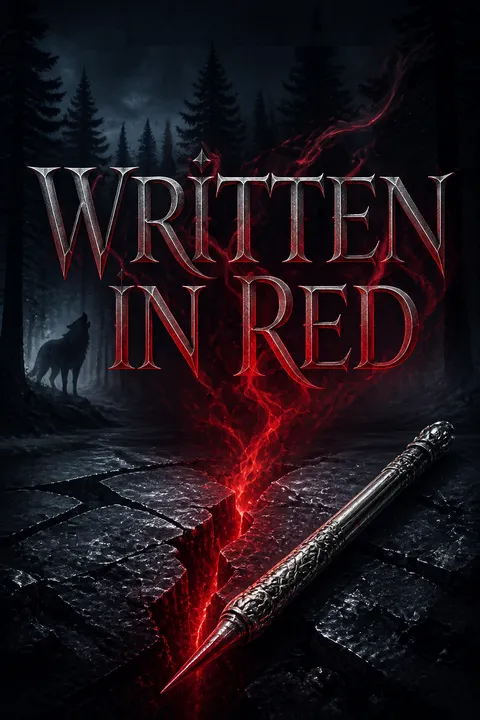
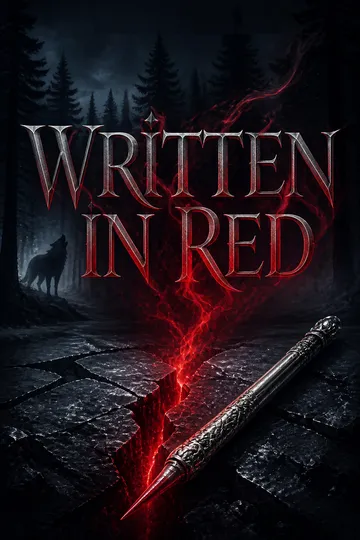
Written in Red is a widely praised urban fantasy novel featuring a unique world where supernatural creatures called the Others rule over humans. The story follows Meg, a blood prophet who escapes captivity and finds refuge with the Others. Readers love the compelling characters, dark atmosphere, and fresh take on supernatural beings. Many appreciate the lack of romance and focus on world-building. While some find the pacing slow and details excessive, most reviewers consider it an addictive and original series starter.
People Also Read




Characters
Meg Corbyn
The runaway prophetMeg is a cassandra sangue, a human whose visions are connected to cuts in her skin. The compound that raised her treated her as a source of information rather than a person, leaving her with a head full of images but little practical experience. She is observant, earnest, and often uncertain about ordinary customs, yet her attention to small details helps her read danger before others do. Meg wants the freedom to make choices about her own body and life. Her instinct to care for the ponies, Sam, and the people around her gradually turns a job into a community, while her fear of captivity remains a persistent pressure.
Simon Wolfgard
The Courtyard’s Wolf leaderSimon is the dominant Wolf of the Lakeside Courtyard and runs Howling Good Reads with the Sanguinati Vladimir. He is blunt, territorial, and often confused by human behavior, but he has chosen to experiment with limited contact between humans and Others. His leadership is rooted in a fierce duty to protect his people, sharpened by the loss of his sister and the responsibility of caring for her son. Meg unsettles his instincts because she is human but does not register as ordinary prey. As he learns her habits, his concern shifts from useful employment toward a more personal form of loyalty.
Sam
A frightened Wolf pupSam is Simon’s young nephew and the son of Daphne Wolfgard. After a traumatic event, he becomes withdrawn and fearful, remaining in Wolf form and relying on a cage for safety. His curiosity and playfulness are still present beneath that fear. Meg’s patient use of a harness, routine, and shared games gives him a way to test the outside world without being pushed beyond what he can bear. Sam’s recovery shows how safety can be built through companionship rather than force, even when those offering care do not share the same instincts.
Crispin James Montgomery
The peace-seeking lieutenantMonty, as he is commonly called, is a police lieutenant transferred to Lakeside after an earlier case put him at odds with the authorities. He is thoughtful, courteous, and alert to the costs of institutional decisions. His estrangement from his partner Elayne and daughter Lizzy gives his new post a private ache, while his experience with the Others makes him wary of easy answers. Monty believes repeated, respectful contact might prevent human foolishness from becoming another catastrophe. He cannot control the city’s politics, but he works to translate between police procedure and the Courtyard’s hard boundaries.
Asia Crane
The ambitious investigatorAsia is a persuasive, adaptable woman who has built a career around performance and intelligence gathering. She can read what other people want to see and shape her manners accordingly. Her ambitions are large: she wants money, status, and a future as a screen star, and she is willing to treat relationships as routes toward those goals. Asia’s confidence is genuine, but it is tied to a belief that she can manage every risk by staying one step ahead. Her talent for observation makes her dangerous in a place where information about the Others is both scarce and valuable.
Tess
The perilous coffee-shop ownerTess runs A Little Bite and has earned a place in the Courtyard despite remaining a mystery to its other residents. Her hair shifts with her emotions, giving the people around her a warning they have learned to respect. She is capable of tenderness, practical assistance, and terrifying anger, often within the same day. Tess notices that Meg needs companionship and helps her build ordinary routines, from shopping to cleaning the liaison office. Her protectiveness is not sentimental. It comes from a deep understanding of what is at stake when the vulnerable are left alone.
Henry Beargard
The Courtyard’s spirit guideHenry is a Grizzly shifter, wood sculptor, and spiritual guide for the Lakeside Courtyard. His strength is matched by patience; he often lets others struggle long enough to discover what they need, then steps in when danger becomes real. He helps Meg after recognizing the depth of her fear and is one of the first to treat her as a person whose choices deserve respect. Henry is also a keeper of difficult knowledge, attentive to what his community does not yet understand. His quiet judgment often moderates the more immediate instincts of Simon and the other predators.
Vladimir Sanguinati
The courteous vampire managerVlad is a Sanguinati, a blood-drinking terra indigene who manages the bookstore alongside Simon. His polished courtesy does not conceal his predatory nature, and his humor can turn menacing without warning. He observes human habits closely and is willing to adjust his behavior when doing so serves the Courtyard. Vlad becomes a steady presence around Meg and Sam, offering protection and practical help while respecting the authority of his elder, Erebus. His perspective often clarifies the political stakes that Simon would rather settle through direct action.
Elliot Wolfgard
The Courtyard’s human diplomatElliot is Simon’s sire and the Courtyard’s public representative to Lakeside officials. He is more comfortable with negotiations and social appearances than Simon, though his polished manner does not make him less dangerous. His protectiveness toward Sam is entangled with grief and pack custom, sometimes leading him to mistake unfamiliar care for a threat. Elliot represents the pressure of maintaining authority both within the Wolfgard and in dealings with human government.
Jester
The watchful CoyoteJester is a Coyote who looks after the Courtyard’s ponies and often helps Meg understand her work. He is playful, sly, and alert to hidden motives, enjoying a joke without losing sight of danger. His warnings help Meg navigate the liaison office, and his knowledge of the ponies becomes essential when the Courtyard is attacked. Jester’s loyalty is rooted in affection for the community he serves, especially the animals placed in his care.
Winter
The winter ElementalWinter is an Elemental associated with the cold season and the weather that shapes the Courtyard. She can be frighteningly volatile, but she is also capable of responding to kindness and remembering a thoughtful gift. Her relationship with Meg develops through small acts rather than formal negotiation. Winter represents a power that cannot be managed like a human institution; it must be approached with respect, patience, and an understanding that nature’s generosity and violence can share the same source.
Spring
The thawing ElementalSpring is an Elemental who briefly wakes as winter begins to loosen its hold. She delights in books, new growth, and meeting Meg, but her warnings about thawing ice carry the seriousness of someone who knows the land’s hidden dangers. Spring’s presence links seasonal change to the story’s shifting possibilities: warmth brings life, but it can also weaken what seemed secure.
Erebus Sanguinati
The ancient Sanguinati elderErebus is the elderly patriarch of the Sanguinati who live in the Chambers. He enjoys old movies and values Meg’s careful deliveries, treating her with a courtesy rarely extended to outsiders. His permission carries weight even with other Courtyard leaders. Erebus is patient, observant, and difficult to read, but his interest in Meg and his affection for the pup reveal a capacity for attachment beneath his ancient authority.
Blair Wolfgard
The Courtyard’s enforcerBlair is a Wolf who oversees the Courtyard’s interior, including hunting, utilities, and security. He prefers limited contact with humans and can be blunt about the risks they create. Yet he recognizes the value of Meg’s work and the positive effect she has on Sam. Blair’s combination of skepticism and practical judgment makes him a stabilizing force when instinct threatens to outrun deliberation.
Nathan Wolfgard
The liaison’s watch WolfNathan is a Wolf enforcer assigned to guard Meg at the liaison office. He takes his duty seriously, even when Meg’s requests confuse him, and gradually becomes comfortable sharing the space with her. His guard role makes human deliveries unnerving, but his growing ease around Meg and the Crows gives the office a more communal rhythm.
Karl Kowalski
Monty’s careful partnerKowalski is Monty’s police partner and driver, a lifelong Lakeside resident who understands the local rules around the Courtyard. He is practical, loyal, and frank about the risks of working near the Others. His relationship with his fiancée Ruthie gives him personal reasons to value the fragile peace, while his respect for Monty helps the new lieutenant learn the city without pretending it is safe.
Merri Lee
Meg’s first human friendMerri Lee works at A Little Bite and is one of the longest-serving human employees in the Courtyard. Warm and capable, she explains practical matters that others overlook, from laundry to the Courtyard’s credit system. She offers Meg friendship without demanding that Meg perform normality, helping make daily life feel possible.
Douglas Burke
The wary police captainBurke commands the Chestnut Street police station and assigns Monty to work with the Courtyard. He knows the history of human provocation and understands that an ordinary police response can become a disaster when it ignores the Others’ power. His warnings are blunt, but he gives Monty room to pursue a less confrontational approach when it may preserve lives.
Darrell Adams
The compromised consulate clerkDarrell works for the Courtyard consulate and is drawn into Asia’s orbit. He wants advancement and access, but he underestimates the consequences of breaking the trust that allows humans to work inside the Courtyard. His ordinary ambitions make him susceptible to manipulation.
Jean
Meg’s defiant fellow prophetJean is an older girl from the compound who resists the system’s use of numbers instead of names. Her warnings and memories give Meg a language for recognizing captivity and imagining escape. Jean’s defiance becomes one of the few forms of education the compound cannot fully control.
The Controller
The owner of the compoundThe Controller manages the compound where cassandra sangue girls are held and sold for their prophecies. He treats their abilities as assets and uses discipline to maintain his authority. His power depends on a network of clients and keepers who benefit from the girls’ confinement.
Ferus
The hostile Wolf enforcerFerus is a Wolf who regards humans as prey and reacts angrily to the sight of Sam in a harness. His instinctive hostility makes him a reminder that the Courtyard’s tolerance is neither universal nor unconditional.
Hurricane
The retired mail ponyHurricane is an older pony who still wants to feel useful as a carrier. His pride in returning to work reflects the dignity and affection Meg recognizes in the Courtyard’s animals.
Ruthie
Kowalski’s Courtyard visitorRuthie is Kowalski’s fiancée and a human who shops and exercises in the Courtyard. Her confidence around its residents offers Monty evidence that careful contact can build familiarity without erasing danger.
Daphne Wolfgard
Sam’s motherDaphne is Simon’s sister and Sam’s mother. Her importance to the story is felt through the grief Simon and Sam carry and through the protective habits that shape their lives.
Plot Devices
The Courtyard agreements
A dangerous shared boundaryThe Courtyards are tracts of land where the terra indigene live inside human cities, governed by agreements that limit human access and define what the Others will tolerate. The arrangement supports trade, deliveries, and a narrow form of coexistence, but it never makes the two peoples equal. The Others control essential resources such as water and fuel, and human law does not apply on their land. In Lakeside, the liaison office and limited public shops give humans a controlled point of contact. The agreements create the story’s central tension: cooperation is possible, but a breach can turn a local dispute into a threat to an entire city.
Cassandra sangue visions
Pain becomes forewarningCassandra sangue, or blood prophets, receive visions through cuts to their skin. The visions can arrive as disconnected images, sounds, or scenes, and the person who receives them must interpret their meaning. In Meg’s former compound, the visions are exploited for profit, and the girls are trained to associate cutting with both pain and euphoria. Outside that system, Meg begins to experience instinctive warnings as well as deliberate prophecies. These visions give the Courtyard advance notice of danger, including threats to Sam and the ponies, but never a complete explanation. The device makes knowledge costly and leaves Meg responsible for deciding when to expose herself to that cost.
The liaison desk
Routine makes contact possibleThe human liaison receives mail and parcels that the Others do not want delivered directly by human couriers. The job keeps commerce moving while giving both sides a reason to practice limited cooperation. Meg expands the role by sorting the backlog, learning delivery schedules, and taking packages to residents who have been ignored by previous liaisons. The office becomes a neutral threshold where humans can approach the Courtyard without entering private territory. Its paperwork also supplies clues: missing labels expose a suspicious visitor, while the map and stored sugar become targets in the later plot. Routine is not a break from danger. It is how the story makes danger visible.
Shifting bodies and scents
Predators read the unseenThe terra indigene can move between human and animal forms, and their senses remain far sharper than those of ordinary people. Wolves, Crows, Hawks, Bears, and Sanguinati use scent, sound, and movement to identify threats that human characters may miss. Meg’s unusual scent confuses the Others because she does not register as ordinary prey. The different forms are not costumes laid over a human personality; they express the species’ instincts and needs. Shifting therefore shapes both action and intimacy, from Simon’s need to run as a Wolf to Sam’s gradual return to human form. It also makes human confidence in appearance unreliable.
The Elemental steeds
Weather becomes a weaponThe Courtyard’s mail ponies are connected to the Elementals, powerful beings associated with earth, air, fire, water, and the seasons. The ponies can reveal greater forms and abilities when they are threatened, while the Elementals can reshape snow, fog, rain, and ice. Their power is introduced through Winter’s response to Meg’s scarf and through the steeds’ unusual control of snow on the roads. When attackers kill Hurricane and threaten the Courtyard, that latent power becomes decisive. Weather can protect the land, rescue Meg, and punish an invading force, but it can also devastate the human city beyond the boundary.
FAQ
Synopsis & Basic Details
What is Written in Red about?
- Fugitive Seeks Sanctuary: Meg Corbyn, a young woman with a dangerous secret, escapes a life of captivity and stumbles upon the Lakeside Courtyard, a territory ruled by the Others, powerful beings who view humans primarily as prey.
- A Job as a Lifeline: Desperate for shelter and safety from her pursuers, Meg applies for the vacant Human Liaison position at the Courtyard, a role that involves managing deliveries and interactions between humans and the Others.
- Navigating a Perilous World: As Meg integrates into the Courtyard, she must hide her identity as a cassandra sangue (blood prophet) while learning the Others' strict rules and navigating the complex, often terrifying, dynamics of living among beings who are both her protectors and potential predators.
Why should I read Written in Red?
- Unique World-Building: Experience a fantasy world where humans are not the dominant species but coexist precariously with powerful, non-human entities who control the land and resources, offering a fresh perspective on familiar fantasy tropes.
- Compelling Character Dynamics: Witness the fascinating and often tense relationships that develop between Meg, a vulnerable human with hidden strength, and the Others, particularly Simon Wolfgard, the wary but increasingly protective leader of the Courtyard.
- Intriguing Mystery and Suspense: Unravel the secrets of Meg's past, the nature of her abilities, and the identity of those hunting her, all while navigating the constant threat of violence and the unpredictable nature of the terra indigene.
What is the background of Written in Red?
- Alternate History Setting: The story takes place on the continent of Thaisia in a world called Namid, where humans arrived centuries ago but failed to conquer the land, instead being confined to limited territories and cities under the watchful, often brutal, rule of the terra indigene (earth natives).
- Human-Other Relations: A fragile peace exists based on agreements that allow humans limited use of land and resources in exchange for manufactured goods, enforced by the Others who reside in fenced Courtyards within human cities, where human law does not apply.
- Dominant Predator Races: The terra indigene include various powerful races like the Wolfgard (shape-shifting Wolves), Sanguinati (blood-drinkers), Hawkgard (shape-shifting Hawks), Owlgard (shape-shifting Owls), Crowgard (shape-shifting Crows), Beargard (shape-shifting Grizzlies), and Elementals (beings connected to natural forces like weather and earth).
What are the most memorable quotes in Written in Red?
- "Human Law Does Not Apply.": This phrase, seen on a sign at the Lakeside Courtyard entrance, starkly defines the fundamental power dynamic and sets the stage for Meg's perilous sanctuary.
- "We don't let humans live in our part of the world because we like you. We let you live here because you can be useful... If it wasn't for that, you'd all be nothing but meat.": Simon Wolfgard's brutal honesty to Meg underscores the Others' perspective and the constant underlying threat humans face.
- "Meg is ours now—and we protect our own.": Simon's declaration to Lieutenant Montgomery signifies a pivotal shift in Meg's status within the Courtyard, moving from tolerated human to protected member, highlighting the theme of found family and fierce loyalty among the Others.
What writing style, narrative choices, and literary techniques does Anne Bishop use?
- Multiple Points of View: The narrative shifts between various characters, including Meg, Simon, and supporting Others and humans, providing a panoramic view of events and revealing differing perspectives on the same situations and characters.
- Stark and Sensory Prose: Bishop employs a direct, often stark writing style, focusing on sensory details, particularly scents and sounds, to emphasize the Others' animalistic nature and their perception of the world, creating a visceral reading experience.
- Juxtaposition of Human and Other: The narrative constantly contrasts human emotions, societal norms, and vulnerabilities with the Others' primal instincts, predatory nature, and unique forms of logic and communication, highlighting the vast cultural and biological divide.
Hidden Details & Subtle Connections
What are some minor details that add significant meaning?
- The Specific Signs on Doors: The bluntness of signs like "Human Law Does Not Apply" and "PAY FOR THE BOOKS BEFORE ENTERING A LITTLE BITE, OR WE'LL TAKE A BITE OUT OF YOU" are not just quirky details but reinforce the absolute authority and predatory nature of the Others, setting the tone for human interactions within the Courtyard.
- The Contents of the Cairn: The collection of wallets, keys, and cash left at the cairn near the Courtyard fence after intruders are killed serves as a chilling, practical marker of death, emphasizing the finality of crossing the Others and providing a stark contrast to human legal processes for missing persons.
- The Ponies' Names and Abilities: The seemingly simple names of the ponies (Thunder, Lightning, Tornado, etc.) and later revelations about their connection to the Elementals and their ability to control weather phenomena like snow funnels and localized storms subtly foreshadow the immense, raw power of the Elementals and their deep connection to Namid, revealing the true nature of these "steeds."
What are some subtle foreshadowing and callbacks?
- The Scarred Old Woman's Prophecy: The brief mention of an old woman who gave Simon a prophecy years ago ("a life you save will, in turn, save someone dear to you") subtly foreshadows Meg's eventual role in helping Sam, Simon's nephew, recover from his trauma, linking Simon's decision to hire Meg to a long-destined event.
- Meg's Vision of Her Death: Meg's initial vision of a white room, a narrow bed, and Simon pacing foreshadows her eventual injury and hospitalization, but the context shifts dramatically from a feared death to a place of healing and protection, highlighting the fluid nature of prophecy and interpretation.
- The Drowned City Story: Captain Burke's detailed account of the Drowned City, caused by Elementals in retaliation for poisoned water, serves as a powerful callback to the consequences of human arrogance and aggression against the Others, foreshadowing the potential scale of destruction if the current tensions escalate.
What are some unexpected character connections?
- Meg's Connection to Sam's Recovery: Meg's seemingly simple actions, like introducing the "buddy system" with a harness and leash and offering cookies, unexpectedly break through Sam's trauma-induced inability to shift to human form and his fear of being outside, revealing a profound, instinctual connection between the prophet and the pup that transcends species.
- Meg's Relationship with the Elementals: Meg's interactions with Winter and Spring, the Elementals of the lake and season, evolve from wary curiosity to genuine friendship and mutual protection, demonstrating that her unique nature allows her to form bonds with even the most powerful and aloof of the terra indigene, highlighting her role as a bridge between worlds.
- Erebus Sanguinati's Protection of Meg: The ancient and powerful vampire patriarch, Erebus, develops a fondness for Meg due to her courtesy and diligence in delivering his packages, leading him to declare her under Sanguinati protection, an unexpected alliance that provides Meg with a formidable layer of safety within the Courtyard.
Who are the most significant supporting characters?
- Henry Beargard: As the Courtyard's spirit guide and a powerful Grizzly, Henry provides wisdom, stability, and protection, acting as a confidante for Simon and a watchful, gentle presence for Meg, embodying the protective nature of the older terra indigene.
- Tess: Mysterious and possessing unknown, terrifying power, Tess serves as a crucial ally for Meg, offering practical help, emotional support, and a unique understanding of the prophet's nature, while her unpredictable shifts in demeanor and hair color act as vital warning signs for the other Others.
- Vlad Sanguinati: Charming, intellectual, and lethal, Vlad is Simon's co-manager and a key member of the Business Association, providing a different perspective on human interactions and acting as a vital link to the Sanguinati community, including the influential Erebus.
Psychological, Emotional, & Relational Analysis
What are some unspoken motivations of the characters?
- Simon's Need for Control: Beyond managing the Courtyard, Simon is driven by a deep-seated need for control, stemming partly from his predatory nature and partly from the trauma of failing to protect his sister, Daphne, which manifests in his initial harshness towards Meg and his insistence on knowing her whereabouts and activities.
- Meg's Craving for Autonomy: Meg's seemingly simple desire for a job and a place to hide is underpinned by a profound, unspoken craving for autonomy and self-determination after a lifetime of being controlled and treated as property, driving her to make her own choices about her body and her life, even when those choices are risky.
- Asia Crane's Desperation for Validation: Asia's relentless pursuit of access to the Courtyard and her attempts to manipulate relationships are fueled by a deep insecurity and desperation for validation, stemming from her past in "Podunk" and her ambition to become a successful actress, leading her to take increasingly dangerous risks for perceived gain.
What psychological complexities do the characters exhibit?
- Simon's Dual Nature Conflict: Simon constantly grapples with the conflict between his Wolf instincts (viewing humans as prey, territoriality, dominance) and his responsibilities as a leader who must interact with humans in a structured way, leading to moments of unpredictable behavior and emotional strain.
- Meg's Trauma and Adaptation: Meg exhibits complex responses to trauma, including hypervigilance, fear of confinement, and difficulty with social norms, but also remarkable resilience and adaptation, using her "training images" and prophetic instincts to navigate the world and form genuine connections despite her past.
- Sam's Trauma-Induced Regression: Sam's inability to shift to human form and his reliance on the cage are clear manifestations of severe trauma after witnessing his mother's death, highlighting how psychological shock can impact even the Others, and his slow recovery through connection with Meg demonstrates the healing power of trust and affection.
What are the major emotional turning points?
- Simon Hires Meg: Despite his initial wariness and the potential danger she represents, Simon's decision to hire Meg marks the first major emotional turning point, driven by a mix of instinct, the old woman's prophecy, and a sense that she is "not prey," opening the door for all subsequent developments.
- Meg Reveals Her Nature: Meg's decision to reveal she is a cassandra sangue to Simon, showing him her scars and explaining her past, is a moment of immense vulnerability and trust that solidifies her place within the Courtyard's protection and deepens her relationship with Simon and the Business Association.
- Sam Shifts to Boy Form: Sam's first shift to human form after two years, prompted by his desire for a cookie and his connection to Meg, is a powerful emotional turning point, signifying his emergence from trauma and the profound impact Meg has had on his healing, strengthening the bonds between Meg, Sam, and Simon.
How do relationship dynamics evolve?
- Employer to Protector: Simon's relationship with Meg evolves rapidly from that of a wary employer to a fierce protector, driven by his growing understanding of her vulnerability and his instinct to defend her from external threats, culminating in his declaration that "Meg is ours."
- Strangers to Found Family: Meg's relationships with various Others, initially based on necessity and fear, transform into bonds of genuine friendship and found family, particularly with Simon, Sam, Henry, and Tess, who offer her acceptance and belonging she never had in the human compound.
- Rivalry to Hostility: Asia Crane's initial rivalry with Meg for the Liaison job escalates into outright hostility and betrayal as Asia's desperation and ambition lead her to become an active threat, attempting to use Meg and Sam for her own gain, highlighting the destructive nature of human greed in contrast to the Others' evolving protectiveness.
Interpretation & Debate
Which parts of the story remain ambiguous or open-ended?
- The Full Extent of Elemental Power: While the Elementals demonstrate terrifying power through the storm, the full scope of their abilities, their connection to Namid, and the limits of their influence remain largely undefined, leaving their potential impact on the world and future events open to interpretation.
- The Source and Nature of "Gone Over Wolf": The substance that causes humans to become savagely aggressive and affects the Others remains mysterious, with its origin, composition, and the full extent of its effects on different species unclear, posing an ongoing threat whose resolution is left for future stories.
- The Long-Term Future of Human-Other Relations: While the immediate crisis in Lakeside leads to a tentative strengthening of the alliance between the police and the Courtyard, the broader relationship between humans and the Others across Thaisia, and whether the events will lead to wider conflict or greater understanding, remains uncertain.
What are some debatable, controversial scenes or moments in Written in Red?
- The Others' View of Humans as Meat: The consistent portrayal of the Others viewing humans as potential food sources and their casual discussion of eating humans can be controversial, prompting debate about the morality of the Others and challenging readers' empathy for non-human characters.
- The Drowned City as Retaliation: The description of the Elementals destroying a city in retaliation for poisoned water, resulting in mass human deaths, raises questions about the proportionality of their response and sparks debate about whether their actions were justified vengeance or horrific mass murder.
- The Concept of "Benevolent Ownership": The revelation of "benevolent ownership" for cassandra sangue, framed as a legal provision for their protection but described by Meg as a form of caging and control, is highly controversial, forcing readers to confront the exploitation of vulnerable individuals under the guise of care.
Written in Red Ending Explained: How It Ends & What It Means
- The Storm Subsides, The Immediate Threat is Neutralized: The Elementals' fury devastating storm ends when Meg, the object of their protection and fury, is safely in the hospital and expected to recover. The human intruders who attacked the Courtyard are killed by the Others and Elementals, eliminating the immediate physical threat.
- Political Enemies Eliminated, Power Shifts: The mayor of Lakeside and the Northeast Region governor, who aided the intruders by pushing for Meg's apprehension, die mysteriously during the storm, implying the Elementals extended their vengeance beyond the Courtyard's borders and signaling a shift in human political power towards those more amenable to cooperating with the Others.
- Meg's Survival and Acceptance: Meg survives her ordeal, recovering in the hospital under the watchful eyes of both human medical staff and her Other protectors. Her survival, and the extreme measures taken by the Others to protect her, solidify her place within the Courtyard community, transforming her from a vulnerable fugitive into a valued and fiercely protected member, setting the stage for her continued life and role among the terra indigene.
The Others Series
About the Author
Other books by Anne Bishop
Download PDF
Download EPUB
.epub digital book format is ideal for reading ebooks on phones, tablets, and e-readers.








