

Key Takeaways
Let honest grief bring hidden parts of your story into view.
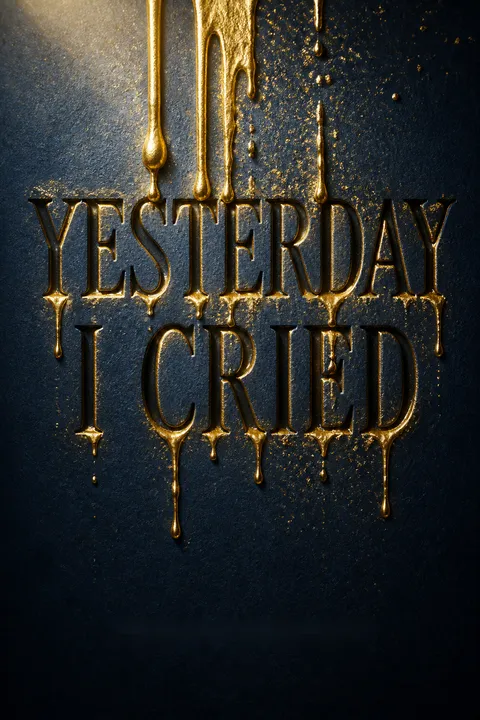
Success can expose unfinished pain. The book opens with Vanzant crying while watching a national television segment about her work. She has achieved something she once dreamed of, yet feels like a fraud. The tears lead her to a truth she has avoided: she needs to end a working relationship with her manager, but fears upsetting someone who once helped her survive. Her account treats different kinds of tears as clues to feelings such as anger, sadness, fear, and shame, not as a clinical diagnosis.
Tell the whole account. Vanzant argues that naming painful experiences can help people understand what they have endured and recognize their own resilience. She also insists that healing includes celebrating progress, not only recounting suffering.
What's striking is the tension between public authority and private unfinished business. Emotional labeling can help people distinguish a feeling from the story they have built around it, making a difficult choice easier to see. The book's tear categories work best as metaphors for self-reflection, not as claims about how tears can reliably identify emotions. Its stronger insight is that success does not cancel vulnerability, and public achievement can coexist with work that remains personal.
Notice what childhood taught you to expect, then question its verdict.
Children learn from treatment. Vanzant remembers growing up after her mother died, in the care of a grandmother who could be cold, frightening, and physically abusive. Her father appeared intermittently and did not reliably protect her. As a child, she interpreted these experiences as evidence that she was bad and unworthy of care. The adults' actions taught lessons even when nobody explained them.
Care can offer a counterexample. Her father's wife, Lynnette, treated her with affection, took her on outings, and told her she was beautiful. That relationship gave her a glimpse of gentleness, though it could not erase the instability around her. The book shows how early beliefs can become powerful, but not permanent: later kindness and reflection can challenge a child's mistaken conclusions about her value.
The memoir gives concrete form to a developmental idea: children often interpret caregiving as information about themselves. Those conclusions may persist even when they were never true. The contrast between the grandmother and Lynnette also matters because it shows that one consistent caring relationship can complicate a child's expectations. Still, childhood experience is not destiny, and a survivor should not be tasked with turning every injury into a personal lesson. The adults remain responsible for how they treat children.
When a child discloses harm, answer with protection, not silence.
Disclosure needs a response. At about eleven, Vanzant was sexually abused by an intoxicated uncle while they were alone in the house. She eventually told Aunt Nadine, who confronted him, but the family did not provide the decisive protection and acknowledgment she needed. Years later, when Lynnette directly asked whether the uncle had touched her, the question brought back the fear and shame she had been carrying.
Silence can deepen isolation. The book shows how a child may lack the language, safety, or support to explain abuse, especially when adults have taught her to keep secrets. Vanzant's account emphasizes that the child should not have to solve the situation alone. A responsible adult must take the disclosure seriously and act to protect the child.
This episode is powerful because it locates the failure not in the child's inability to speak perfectly, but in adults' failure to make safety possible. Trauma-informed practice emphasizes listening without blame, believing the child, and taking protective steps. Disclosure can be fragmented or delayed, so an adult's response should not depend on a polished narrative. The book's spiritual language cannot substitute for safeguarding or professional care. The responsibility for sexual abuse belongs to the adult who abuses a child.
Recognize survival patterns before they choose your next relationship.
Familiar pain can feel normal. Vanzant describes becoming a mother as a teenager, losing an infant, and later entering relationships marked by abandonment and violence. John, who helped raise her children, repeatedly assaulted her. She stayed for years, hoping the relationship would become the loving family she wanted, while money, fear, and isolation narrowed her options. A suicide attempt followed another crisis, and a psychiatric ward gave her space to consider what she wanted for herself and her children.
Leaving took action and support. She eventually protected herself and her children by leaving John, changing the locks, and accepting help from friends and neighbors. The book frames repeated choices as patterns worth examining, while the violence itself remains the responsibility of the person who inflicted it.
The account makes an important distinction between recognizing a pattern and blaming someone for being harmed. Earlier experiences can shape what feels familiar, what risks seem manageable, and what a person expects from love. But abuse is not created by a victim's thoughts or choices. Constraints such as money, housing, children, and danger can make leaving difficult. A useful reading of the memoir holds both truths: self-understanding can expand options, and external support is often essential to safety.
Ask precise questions until vague distress becomes a decision.
Use a personal inventory. Vanzant's spiritual mentor, Balé, asks her to write down her preferences, strengths, weaknesses, fears, mistakes, and accomplishments, then examine why each matters. He advises her to put the answers away and revisit them every three months. This recurring self-inquiry is called “the list” in the book.
Look beneath the goal. Vanzant later realizes that she pursued law school partly to prove she was not stupid and to win her father's approval. The qualification mattered, but those motives could not guarantee fulfillment. Questions such as “What do I want?” and “What am I afraid will happen?” help expose the need driving a choice. The point is not to find one perfect answer, but to make motives visible before they direct a life.
The list turns introspection into a repeatable practice rather than a vague demand to know oneself. Rechecking answers also makes change observable: priorities and fears can shift as circumstances change. This resembles reflective journaling used to improve metacognition, the ability to notice how one's own thinking works. Introspection has limits, however. People can misread their motives or get trapped in rumination. The questions become most useful when paired with action, trusted feedback, and attention to practical constraints.
Celebrate what you have done without making applause your measure of worth.
Achievement did not settle the question. At twenty-nine, Vanzant entered college, earned a 3.99 grade point average, and later completed law school. Yet she had partly pursued education to prove herself to her family. When her father and the mother who raised her could not celebrate her graduation, the milestone felt hollow. Accomplishment had not supplied the recognition she wanted.
Make recognition deliberate. At forty-two, she gathered forty-two women who loved her and invited them to honor her through shared ceremonies, blessings, and personal words. The experience helped her see that her life and efforts deserved acknowledgment. The book's distinction is practical: celebrate what a person has done, but also affirm that the person matters apart from performance.
This story separates achievement from the emotional reward people hope achievement will secure. In motivation research, autonomy and competence tend to support durable well-being more than approval alone. Yet self-celebration is not a replacement for fair pay, reliable care, or recognition from institutions and family. The ceremony works in the story because it combines personal meaning with a community that speaks its appreciation aloud. It models celebration as a social practice, not merely a private affirmation.
Forgive to loosen resentment, never to excuse abuse or abandon boundaries.
Release and remember clearly. Vanzant describes confronting her feelings about her father and, at his funeral, naming both the harm he caused and the help he sometimes gave. She also searches for the truth about her mother and learns from her aunt that her mother loved her. This helps loosen a childhood belief that her own birth caused her mother's death.
Forgiveness is not permission. The book presents forgiveness as a way to stop organizing one's life around resentment. That need not mean restoring a relationship, denying the damage, or claiming the person who caused it was harmless. Vanzant's story supports separating love from tolerating mistreatment: a person can release bitterness while keeping boundaries and holding others accountable.
Forgiveness can be meaningful when it restores choice to the person who was hurt, rather than serving as a demand imposed by family or faith. The memoir's spiritual framing is most useful when forgiveness means relinquishing the wish to remain bound to an injury. It becomes more troubling when it implies that an abuser's intent makes abuse innocent. Intent and impact are different, and a child's need for protection does not depend on the adult's motives. Accountability and compassion can coexist.
Use spiritual practice to strengthen judgment, not outsource it.
Faith becomes practical through action. Vanzant's path includes Yoruba initiation, prayer, study, and guidance from mentors. A Unity workshop challenges her to express what she actually thinks rather than wait for a perfect answer. She begins to see spiritual work as helping people recover their own judgment, not predicting every event or making decisions for them.
Good intentions need boundaries. Early in her work, she accepted clients she could not always serve well because she needed money. Some clients wanted her to control other people or interpret ordinary events as supernatural signs. She learns to clarify what she can offer and to distinguish service from dependence. Spiritual practice, in this account, works best when it supports honesty, responsibility, and self-trust.
The memoir's strongest spiritual claim is practical: beliefs should change how a person acts, especially when truth-telling or boundaries feel risky. Ritual and prayer can focus attention and connect people to community and values. They cannot guarantee a particular outcome, and spiritual counsel should not replace medical care, therapy, or concrete help. The distinction between guidance and control is especially valuable. A helper serves better by strengthening another person's agency than by becoming the authority on every choice.
Integrate your past identity instead of letting it run your present.
Change does not erase history. After Balé gives her the name Iyanla, which he explains as “great mother,” Vanzant describes a conflict between Rhonda, the identity shaped by painful survival, and the person she is trying to become. She comes to see that growth cannot mean pretending the past never happened; old fears and habits can still surface under pressure.
Practice the boundary you need. While watching herself celebrated on television, she recognizes that her relationship with her manager has become unhealthy. Rather than continue from guilt or fear, she ends it with a letter of gratitude. That choice joins self-respect with appreciation: the manager's past help matters, but it does not require permanent access to Vanzant's life. Healing, the book concludes, remains ongoing work.
The Rhonda and Iyanla distinction gives the memoir a memorable way to depict identity change: a person can honor the self that survived without letting survival strategies govern every new situation. Contemporary narrative psychology likewise treats identity as a story revised through reflection, relationships, and action. The risk is turning a complex person into two competing characters, which can make painful reactions seem alien. Integration is the more durable idea: old responses are understandable, but they can be noticed, questioned, and met with new choices.
Analysis
Yesterday, I Cried is a memoir shaped as a sequence of remembered lessons. Its central movement is from a child who interprets neglect and abuse as proof of personal defect to an adult who can name the past, make choices, and recognize support. The bathtub and the recurring returns to memory provide the narrative's organizing device: present-day success triggers an unresolved feeling, which sends the narrator back to an earlier experience. Her career, religious life, relationships, and parenting then become tests of whether insight can change behavior.
The book's greatest strength is its refusal to treat public accomplishment as evidence of private wholeness. Vanzant's education, spiritual calling, and growing audience do not automatically repair her need for approval or her difficulty setting limits. The narrative is also strongest when it shows specific acts of change: asking direct questions, accepting help, leaving an abusive home, and ending a professional relationship without denying gratitude.
Its spiritual framework supplies coherence and hope, but sometimes risks making suffering seem purposeful or self-created. That language can help a narrator reclaim meaning, yet it can also blur the difference between learning from harm and being responsible for it. The clearest ethical reading keeps agency with the survivor while holding caregivers and abusers accountable. It also recognizes that prayer and reflection do not replace material safety, treatment, or community resources.
The memoir is therefore most useful not as a universal explanation for trauma, but as a record of one person's meaning-making. Its practical contribution is a method: notice the feeling, trace the belief beneath it, ask what the belief is demanding, and choose a response that protects dignity. The story's title points toward emotional honesty, but its deeper subject is the harder work after the tears: integrating history, setting boundaries, and celebrating a life that is still being built.
Review Summary
Yesterday, I Cried receives mostly positive reviews, with readers praising its raw honesty and inspirational message. Many found the book deeply emotional and transformative, appreciating Vanzant's vulnerability in sharing her life struggles. Some readers felt the writing style was weak or meandering, and a few found it depressing. Overall, reviewers connected with the author's journey of overcoming challenges and found valuable life lessons within its pages. The book's impact seems to vary based on the reader's personal experiences and expectations.
People Also Read



Glossary
Iyanla
great motherBalé gives Vanzant the name Iyanla during a Yoruba naming ceremony and explains it as a title meaning “great mother.” In the book, it represents a spiritual identity associated with wisdom, teaching, and healing. The name also marks a shift in Vanzant's self-understanding, though she comes to recognize that adopting it does not erase her earlier experiences.
Rhonda
survival-shaped former identityRhonda is the name Vanzant uses for the self shaped by childhood neglect, abuse, fear, and strategies for seeking approval. She contrasts Rhonda with Iyanla, her emerging spiritual identity. The distinction helps her describe the conflict between familiar survival habits and new choices, while the narrative also stresses that her history remains part of who she is.
the list
guided self-inquiry questionsA recurring inventory of questions Balé gives Vanzant to help her understand herself. It asks about preferences, strengths, weaknesses, fears, mistakes, accomplishments, and what she wants from life, including why each answer matters. Vanzant is advised to revisit her answers regularly so she can notice changes and examine the motives behind her decisions.
S.O.S.
Stuck on StupidVanzant's joking abbreviation for the dulling effect of remaining in painful circumstances for too long. It describes becoming so accustomed to distress that a person loses perspective and repeats familiar reactions without recognizing their cost. The phrase is a memorable metaphor in the book, not a clinical diagnosis.
seven-year cycles
life organized in stagesA model Vanzant describes in which successive seven-year spans carry different developmental emphases, such as learning basic skills, testing beliefs, reassessing choices, and healing old patterns. She uses the model to interpret her own life, especially her decision around age forty-two to change what she carried forward. The book presents it as a spiritual framework, not an established scientific law.
FAQ
What's Yesterday I Cried about?
- Personal Journey of Healing: Yesterday I Cried is a memoir by Iyanla Vanzant that details her path from a troubled childhood to becoming a successful author and spiritual teacher. It focuses on themes of pain, forgiveness, and self-discovery.
- Lessons from Life Experiences: Vanzant shares the lessons she learned from her experiences with abuse and neglect, emphasizing the importance of self-love and resilience. Each chapter is framed around a specific life lesson.
- Integration of Spirituality: The narrative highlights how Vanzant's faith and connection to God guided her through challenges, serving as a guide for readers seeking their own paths to healing.
Why should I read Yesterday I Cried?
- Inspiration and Empowerment: Vanzant's resilience and ability to overcome adversity provide inspiration. Her story empowers readers to confront their own struggles and seek healing.
- Practical Life Lessons: The book offers practical advice and insights applicable to everyday life, encouraging readers to embrace their journeys and personal growth.
- Spiritual Growth: For those interested in spirituality, Vanzant provides a unique perspective on connecting with the divine and understanding one's purpose, illustrating the transformative power of faith.
What are the key takeaways of Yesterday I Cried?
- Healing is a Process: Vanzant emphasizes that healing is a continuous journey requiring patience and self-compassion, illustrated through her own experiences of crying and reflecting on her past.
- Self-Love is Essential: A central theme is the importance of self-love and acceptance. Vanzant encourages readers to prioritize their well-being and recognize their worth.
- Lessons from Pain: Each chapter poses a question leading to a lesson learned from pain, helping readers reflect on their own lives and the lessons they can extract from their experiences.
What are the best quotes from Yesterday I Cried and what do they mean?
- “Yesterday, I cried.”: This opening line highlights the importance of acknowledging emotions, signifying that crying can be a cathartic release and a step toward healing.
- “You are not a bad person, but you have placed yourself in bad situations.”: This quote reflects the idea that poor choices do not define one's character, encouraging readers to separate their actions from their self-worth.
- “Your story will heal you, and it will heal someone else.”: Vanzant emphasizes the power of storytelling as a means of healing, suggesting that sharing experiences can facilitate personal growth and inspire others.
How does Yesterday I Cried address the theme of self-worth?
- Challenging Negative Beliefs: Vanzant confronts negative beliefs instilled by her upbringing, illustrating how they affected her self-worth and encouraging readers to reframe these beliefs.
- The Importance of Self-Love: The book repeatedly emphasizes that self-love is crucial for personal growth and healing, sharing Vanzant's journey toward learning to love herself despite her past.
- Empowerment through Healing: Recognizing one’s worth is vital for healing. By embracing her experiences and learning from them, Vanzant empowers herself and encourages others to do the same.
What specific methods does Iyanla Vanzant suggest in Yesterday I Cried?
- Journaling for Reflection: Vanzant advocates for journaling as a tool for self-reflection and emotional processing, helping individuals gain clarity and insight into their experiences.
- Embracing Vulnerability: She encourages readers to embrace their vulnerabilities, suggesting that acknowledging pain and allowing oneself to cry can lead to healing and self-acceptance.
- Seeking Support: Vanzant emphasizes the importance of seeking support from friends, family, or professionals, highlighting the value of a support system during difficult times.
How does Yesterday I Cried encourage readers to confront their past?
- Reflective Questions: Each chapter poses a question encouraging readers to reflect on their experiences and the lessons learned, inviting introspection and personal growth.
- Sharing Personal Stories: Vanzant emphasizes the importance of sharing one’s story as a means of healing, suggesting that articulating the past can help process emotions and experiences.
- Recognizing Patterns: The book encourages readers to recognize patterns stemming from unresolved issues, helping them work toward breaking cycles and creating healthier futures.
What role does spirituality play in Yesterday I Cried?
- Connection to a Higher Power: Vanzant discusses her connection to God and the role of spirituality in her healing journey, emphasizing that faith can provide strength and guidance.
- Spiritual Growth through Pain: The book illustrates how pain can lead to spiritual growth, encouraging readers to view struggles as opportunities for spiritual development.
- Healing through Prayer and Meditation: Vanzant advocates for prayer and meditation as tools for healing and self-discovery, helping individuals connect with their inner selves and foster peace.
What are some of the challenges Iyanla Vanzant faced in Yesterday I Cried?
- Abuse and Neglect: Vanzant recounts her experiences as an unwanted and neglected child, detailing the emotional and physical abuse she endured, which shaped her understanding of love and self-worth.
- Struggles with Identity: She grapples with her identity and the impact of her past on her present, reflecting on how her upbringing influenced her relationships and self-perception.
- Overcoming Adversity: Vanzant shares her journey of overcoming adversity, including self-destructive behavior and the challenges of being a single mother, highlighting her resilience.
How does Iyanla Vanzant define self-love in Yesterday I Cried?
- Foundation for Happiness: Vanzant defines self-love as essential for true happiness and fulfillment, believing that without it, individuals cannot fully connect with others or experience joy.
- Acceptance of Flaws: Self-love involves accepting one's flaws and imperfections, encouraging readers to embrace their true selves and recognize that everyone has strengths and weaknesses.
- Empowerment through Self-Love: Vanzant asserts that self-love empowers individuals to make positive choices, leading to healthier relationships and a more fulfilling life.
What lessons does Vanzant learn about motherhood in Yesterday I Cried?
- Importance of Nurturing: Vanzant learns that nurturing her children is crucial for their emotional and psychological well-being, reflecting on her upbringing's impact on her parenting.
- Breaking the Cycle: She is determined to break the cycle of abuse and neglect she experienced, striving to create a loving and supportive environment for her children.
- Self-Reflection as a Mother: Vanzant emphasizes the need for self-reflection in motherhood, acknowledging her mistakes and seeking to learn from them to become a better parent.
What is the significance of the title Yesterday I Cried?
- Reflection of Emotional Journey: The title reflects Vanzant's emotional journey and the pain she has experienced, signifying the importance of acknowledging and expressing emotions.
- Symbol of Healing: Crying is associated with healing and release, suggesting that by confronting her past and allowing herself to cry, Vanzant is on a path to healing and self-discovery.
- Invitation for Readers: The title invites readers to reflect on their own experiences and emotions, encouraging them to embrace their feelings as a necessary part of the healing process.
About the Author
Other books by Iyanla Vanzant


Download PDF
Download EPUB
.epub digital book format is ideal for reading ebooks on phones, tablets, and e-readers.








