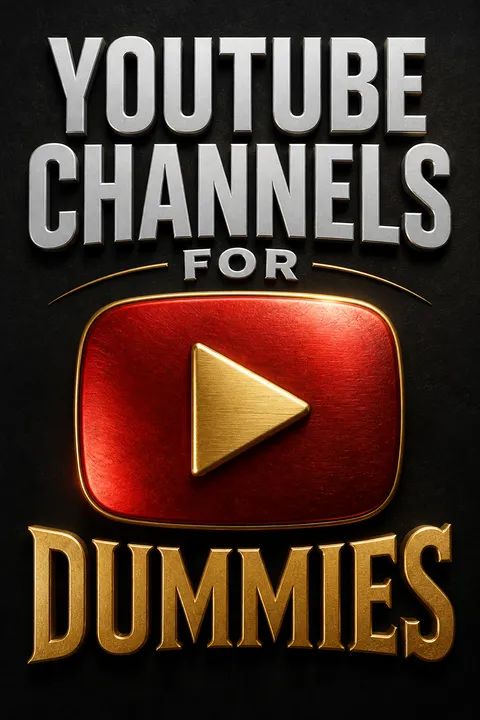


Key Takeaways
Build a channel people return to, not one viral lottery ticket
Reach is abundant, attention is scarce. YouTube removed the old barriers to distribution: a creator could publish globally without a television studio or a large budget. But access did not guarantee an audience. In the book's 2014 snapshot, YouTube had more than a billion monthly visitors, viewers watched over six billion hours each month, and creators uploaded 300 hours of video every minute. A good idea competed with an overwhelming supply of other videos.
Make repeat value the strategy. A viral hit can bring a burst of attention, but its spread is unpredictable and may not create a lasting audience. The more dependable aim is a channel with compelling, relevant videos that viewers can discover, watch, and share repeatedly. That foundation can also support better production and business opportunities.
What's important here is the distinction between distribution and demand. A platform can make publishing nearly frictionless while leaving the hardest problem untouched: giving a particular audience a reason to choose this creator again. This resembles product-market fit in business, where an offering succeeds by meeting a real need, not merely by reaching a large market. The lottery comparison also guards against confusing an exceptional outcome with a repeatable strategy. A viral video can be valuable, but it is a poor planning assumption because its success offers limited control over the next release.
Choose a narrow promise before choosing a camera or channel name
Define who the channel serves. A channel needs a clear mission and a specific audience, not just a topic label. The book advises creators to study comparable channels, popular videos, comments, and audience habits, then identify a useful gap. A broad subject such as cooking leaves a new creator competing with established channels; a more focused promise can help viewers recognize why this channel belongs in their routine.
Make the promise visible. A channel name should be memorable, easy to spell, and connected to its content. Its description, banner, icon, trailer, and playlists should reinforce the same identity. The example of Khan Academy illustrates how an explicit educational purpose can align a channel's public presentation with its videos.
A narrow promise reduces the cognitive work required of a first-time visitor. In information design, clear labels help people predict what they will get before they invest attention. The same principle applies to a channel page: a coherent identity helps viewers decide whether to subscribe. Focus need not mean permanent confinement, however. Audience interests can evolve, and a channel may broaden after it has earned recognition. The useful constraint is not choosing a tiny subject forever, but being specific enough at the outset that the intended viewer can say, this is for me.
Publish useful evergreen videos consistently, then add timely releases
Build a library, not a single event. Evergreen content remains useful over time. Tutorials, educational videos, and travel guides can keep attracting viewers long after publication. Timely or viral content may draw attention quickly, but its popularity can fade. The book's advice is not to reject trends, but to avoid depending on them as the whole strategy.
Give each release room to work. Uploading ten finished videos at once gives the audience one moment of news, while releasing them on a dependable schedule creates repeated occasions to return. Creators can also plan around relevant seasonal or industry events, respond to important developments, and reuse suitable behind-the-scenes footage. A schedule should be public and realistic, rather than a promise that exhausts the creator.
This is a programming problem as much as a production problem. A dependable cadence helps audiences form expectations, while a back catalogue gives new visitors more than one reason to stay. The combination resembles a portfolio: durable videos provide a base, and timely work creates opportunities for discovery. The risk is treating frequency as a virtue in itself. A schedule that lowers quality or overwhelms a small team can undermine the channel's promise. Consistency is most useful when it describes a sustainable relationship with viewers, not an arbitrary posting quota.
Fix shaky images and muddy sound before buying cinematic gear
Technique outranks equipment. A phone, webcam, camcorder, or DSLR can all produce usable material, but none automatically makes a video worth watching. The practical priorities are stable framing, flattering light, clear sound, and enough changes in shot to keep a scene visually alive. For spoken videos, an external microphone often improves the experience more than an expensive camera upgrade. A tripod is a simple answer to shaky footage.
Plan the scene, then edit for meaning. The book recommends preparing scripts or storyboards, shooting multiple takes, and capturing supplementary footage called B-roll. In editing, choose the clips that tell the story and use cuts and sound deliberately. Effects cannot rescue a confusing idea, and a polished camera cannot compensate for speech that viewers cannot hear.
The emphasis on sound is a useful corrective to the common visual bias of beginner creators. Viewers may tolerate modest image quality when the speaker is understandable, but poor audio makes even attractive footage tiring to follow. This reflects a broader principle of usability: remove the friction that prevents people from receiving the central message. Yet technical polish is not an end in itself. Informal, spontaneous footage can be effective when its immediacy is the point. The standard is not cinematic perfection, but whether production choices help or obstruct the intended experience.
Make every title, thumbnail, and description accurate and searchable
Help people and search systems understand the video. Video SEO means organizing descriptive information so YouTube and other search engines can classify a video, while viewers can judge whether it matches their interests. The book highlights titles, descriptions, tags, captions, and thumbnails. A specific title should put its important subject near the beginning. The description can explain the video, offer useful links, and point viewers toward related material.
Accuracy protects discovery. A thumbnail is a small poster for the video, so it should be vivid and representative, not a false promise. Captions can make content accessible and help clarify its subject. Misleading titles or unrelated tags may attract an initial click, but disappointed viewers leave quickly. That weak watch behavior can hurt the video's ability to be recommended.
Metadata acts as a promise made before the viewer presses play. When the title and image accurately signal the content, they reduce uncertainty and improve the match between audience expectations and the video itself. This is similar to good search design: relevance matters more than a clever label that earns a click but fails to deliver. The book's warning against misleading packaging also has an ethical dimension. A creator is not merely optimizing a ranking system; the creator is asking for a person's limited attention. Trust is a valuable asset, and deceptive packaging spends it cheaply.
Turn viewers into a community by responding and giving them next steps
Treat viewing as the start of an exchange. The book describes a progression from interest to curiosity, subscription, engagement, sharing, and sometimes collaboration. A creator can support that progression with clear invitations: subscribe, watch a related video, visit a relevant page, or share a useful response. Playlists and end-of-video links can guide viewers without forcing them to search for the next step.
Be present in the conversation. Comments offer feedback and help viewers recognize that a channel is maintained by real people. The creator can reply, remove abuse, filter likely spam, or block persistent offenders. The book recommends moderation rather than abandoning comments altogether. Subscribers also need a sensible pace of updates: too many notifications can irritate, while long silences can make a channel easy to forget.
The important idea is reciprocity. A subscriber is not simply a number attached to a channel; the relationship gains value when viewers can respond and see that their participation matters. In community design, a clear invitation lowers the effort required to contribute, while moderation establishes boundaries for interaction. There is a tension, though: creators cannot personally answer every message as an audience grows. Sustainable participation may require thoughtful norms and selective replies, rather than promising constant access. The aim is a channel that feels responsive without making its creator permanently available.
Use retention and audience data to revise, not merely celebrate views
Separate counts from explanations. The book distinguishes metrics, such as views, watch time, subscriptions, and click-through rates, from insights, which are interpretations that guide a change. A rising view count does not by itself reveal why a video is succeeding. Analytics can show where viewers came from, what devices they used, which videos gained subscribers, and where attention fell away.
Inspect the viewing curve. Audience retention shows how much of a video people continue watching and where they leave. A sharp early drop may indicate a mismatch between the thumbnail or title and the video's opening. A repeated peak may point to a section viewers value. The practical cycle is to examine a pattern, make a targeted adjustment, and check whether the change improves the result.
Analytics are most powerful when treated as a feedback system rather than a scoreboard. A retention graph can turn a vague judgment, the video did not work, into a more precise question about timing, clarity, or expectation. That makes experimentation possible. Still, data show behavior, not its full cause. A viewer may leave because of the video, an interruption, or a change in circumstance. The strongest use of analytics combines measured patterns with editorial judgment and audience feedback. Numbers should sharpen questions, not pretend to answer every one.
Map business videos to customer questions, from first awareness to service
Let content follow the customer's decision. The book frames business videos as support for a sequence: introduce a product, build interest, establish credibility, answer objections, and help customers after purchase. A short introduction may create awareness, while a detailed tutorial can explain a product's value. Support videos can answer practical questions and make the post-sale experience better. Audi's instructional videos are offered as an example of customer service through YouTube.
Earn attention with usefulness. A conventional television commercial pasted online is unlikely to satisfy viewers seeking explanations, demonstrations, or trusted advice. Brands can also curate relevant videos made by independent creators, whose audiences may already trust them. A study cited in the book examined 168 beauty companies, 45,000 independent creators, and more than 800,000 videos, finding that creators dominated the category's conversation and views.
The customer-journey approach makes a channel useful across the whole relationship, rather than limiting it to an advertisement before purchase. It also recognizes that an audience may trust a knowledgeable independent voice more than a polished corporate message. This is a meaningful shift from broadcasting claims to answering questions. The cited beauty findings demonstrate the scale of that difference in one sector, but they should not be treated as a universal law for every industry. Creator influence varies with category, audience, and credibility. The durable lesson is to understand where trust already resides before deciding who should speak.
Monetize after earning attention, and measure ads beyond their paid views
Revenue follows an audience, not a hopeful upload. The book presents advertising as one possible income stream, alongside sponsorships, product sales, paid content, and other arrangements. YouTube's TrueView ads charge advertisers when viewers watch or click under specified conditions, rather than simply when an ad appears. For creators, potential ad income depends on audience size, ad type, and the value of the available advertising.
Count the aftereffects. Paid metrics show direct ad activity, such as views and cost per view. Earned metrics track additional actions after someone sees an ad, including later views, subscriptions, likes, playlist additions, or shares. Those follow-on actions can make a campaign valuable beyond the initial paid view. The book advises creators to build content and community first, and to judge monetization through actual results rather than viral hopes.
The distinction between paid and earned activity captures how advertising can seed an audience rather than merely interrupt one. A campaign may create later viewing and subscriptions that are not directly purchased, so evaluation should include those downstream behaviors. At the same time, a view or subscription is not automatically a business outcome. Advertisers and creators need to connect platform measures to the goal at hand, such as a sale, a useful customer interaction, or sustained viewing. Revenue can strengthen a channel, but excessive focus on short-term ad performance can distort the content that made viewers care.
Clear rights before filming with material created by someone else
Attribution is not permission. The book's copyright guidance is blunt: music, photographs, film clips, and other people's work generally require authorization, even if the creator is credited and no money is being made. YouTube may remove material after a rights-holder complaint, or its Content ID system may identify a match automatically. A claim and a formal strike are different processes, but either can disrupt a channel or its ability to earn revenue.
Do not improvise legal certainty. Fair use can apply in contexts such as criticism, parody, or commentary, but the book rejects simple rules such as assuming a short clip is always permitted. Creators should seek permission or properly licensed material when possible, and get qualified legal advice when a significant use is uncertain. Rights checks belong in planning, not just after a video is finished.
Copyright is a production constraint, not an administrative nuisance to be handled after publication. Early clearance protects a video investment and clarifies what uses, platforms, and monetization are allowed. The distinction between giving credit and securing permission is especially important because ethical acknowledgment does not itself grant legal rights. Fair use remains context-dependent, so a creator's confidence is not a substitute for a defensible analysis. This caution is practical rather than restrictive: knowing the boundaries early makes it easier to build creative work around material that can safely be shared.
Join a network only when its services justify the control and revenue it takes
An MCN trades support for a share. A multichannel network is an organization that groups creators and may offer advertising sales, production resources, audience development, management tools, or collaboration opportunities. In exchange, a creator may license rights to a channel or its videos and share revenue. The arrangement can help a creator who lacks staff or business connections, but a network's size alone does not guarantee meaningful support.
Read for concrete obligations. The book warns about long contract terms, exclusivity, weak access to managers, and revenue sharing that does not match the services received. Before signing, a creator should identify the promised help, understand what rights are being licensed, and examine how and when the agreement can end. The decision is a business calculation: compare the network's practical contribution with the money, flexibility, and control surrendered.
This is a principal-agent problem: a creator delegates some work to a network, but the network's incentives may not always match the creator's. The relationship is strongest when services are specific, performance can be evaluated, and exit terms prevent a once-useful partnership from becoming a trap. A larger organization may bring sales reach and professional infrastructure, yet scale can also make individual creators less visible. The relevant question is therefore not whether an MCN is prestigious, but whether its contract creates measurable value for this particular channel.
Analysis
The book's central argument is that a YouTube channel is simultaneously a creative practice, a publishing operation, a community, and, sometimes, a business. Its practical sequence begins with a clear audience and mission, continues through production and packaging, and depends on repeated interaction and measurement. The strongest strategic insight is that attention is not secured by uploading alone. Creators must make videos that reward a defined audience, help those viewers find them, and give them a reason to return.
Its production advice is deliberately grounded. Better cameras matter less than stable shots, legible lighting, clear audio, and editing that serves the story. Its channel advice is similarly operational: plan a sustainable cadence, organize videos into playlists, describe content accurately, and use analytics to locate points of audience loss. These choices turn a vague ambition to become popular into a set of decisions that can be tested.
The commercial chapters extend this logic from audience building to customer service and advertising. The most credible business presence does more than repeat a television spot. It answers questions at different stages of a customer's decision, and it can recognize that independent creators may hold stronger relationships with viewers than the brand itself. The warnings on monetization, copyright, and network contracts prevent a beginner from treating revenue as automatic or risk-free.
The book's limitation is also a consequence of its publication era: platform interfaces, policies, and monetization rules change quickly. Its durable contribution is not a menu of buttons, but a way to think. Treat the channel as a continuing promise to an audience, use technical and analytical tools in service of that promise, and evaluate partnerships and revenue against the trust and creative control they cost. Growth is not simply more views. It is a stronger match between content, audience, and purpose.
Review Summary
YouTube channels for dummies receives mixed reviews, with an average rating of 3.68/5. Readers appreciate its comprehensive coverage of YouTube basics and channel management, finding it helpful for beginners. However, many note that the information is outdated, with some preferring more straightforward writing without attempts at humor. Positive aspects include tips on audience building, content strategy, and copyright. Critics point out repetitive content and excessive focus on advertising. Overall, it's considered a useful starting point for aspiring YouTubers, though some suggest seeking more current resources.
People Also Read




Glossary
Discoverability
Being found by relevant viewersDiscoverability is the likelihood that appropriate viewers encounter a channel or video through YouTube search, suggested videos, external search, playlists, social sharing, or advertising. The book treats it as a result of both clear descriptive information and audience behavior, especially viewing time and engagement. It is not the same as popularity alone: the goal is to reach viewers likely to value the content.
Watch time
Time spent watching videosWatch time is the total amount of time viewers spend watching videos. The book presents it as an important signal in YouTube's recommendation and search systems, with engaged viewing more useful than a view count considered by itself. A video does not need to be watched to its final second to contribute, but sustained viewing suggests that the content is holding attention.
Video SEO
Search-focused video descriptionsVideo SEO is the process of supplying accurate information that helps YouTube and other search engines identify a video's subject and show it to relevant viewers. The book emphasizes titles, descriptions, tags, captions, and thumbnails. This information also helps people decide whether to watch. Video SEO is not a license to stuff unrelated keywords into metadata, since misleading packaging can drive viewers away.
Metadata
Information describing a videoMetadata is the descriptive information attached to a video or channel. In the book, the main video examples are its title, description, tags, captions, and thumbnail. Metadata helps viewers understand what the video offers and helps search and recommendation systems classify it. Effective metadata is both informative and relevant to the actual content, rather than a collection of popular but unrelated terms.
Audience retention
How viewing changes over timeAudience retention describes how much of a video viewers watch and where they stop. The book distinguishes absolute retention, which charts viewing through a particular video, from relative retention, which compares the video's performance with similar content. Peaks and drops can suggest which moments hold interest or lose it, though the graph does not by itself prove why viewers behaved that way.
B-roll
Supplementary video footageB-roll is additional footage used alongside the main footage, often called A-roll. It can show the subject being discussed, establish a location, add visual variety, or cover edits in an interview. The book recommends planning and shooting this material rather than relying on it only to conceal mistakes. B-roll should add context and should remain relevant to the main story.
TrueView ads
View-based YouTube advertisementsTrueView ads are YouTube advertising formats in which advertisers pay when a viewer takes a defined action, such as watching an in-stream ad for the required duration or clicking an in-display ad. The book describes in-stream and in-display versions and explains that targeting can use factors such as interests, keywords, locations, and placements. Exact formats and rules may change with the platform.
Earned metrics
Follow-on actions after adsEarned metrics track audience actions that occur after viewers encounter a channel's advertisement. Examples in the book include additional video views, new subscriptions, likes, shares, and playlist additions within a specified period. They are distinct from paid metrics, which record direct ad delivery and cost. Earned metrics help show whether an ad attracts continuing interest beyond the initial paid interaction.
Content ID
Automated copyright matchingContent ID is YouTube's automated system for comparing uploaded videos with reference files provided by copyright owners. When the system detects a match, the rights-holder may be able to claim, block, or monetize the matched material, depending on the applicable settings and policies. The book distinguishes an automated Content ID claim from a formal copyright strike, although disputes can arise in either process.
Multichannel network
Creator support and licensing networkA multichannel network, or MCN, is an organization that works with multiple YouTube channels and may provide services such as ad sales, channel management, production resources, promotion, or rights support. A creator typically enters a contract and may share revenue or license channel-related rights. The book advises evaluating the actual services, term, exclusivity, revenue split, and exit provisions before joining.
180-degree rule
Keeps screen geography consistentThe 180-degree rule is a filming guideline for maintaining the apparent spatial relationship between people or objects in a scene. The filmmaker imagines a line through the action and keeps the camera on one side of it when filming separate angles. Crossing that line without showing the move can make characters or movement seem to reverse direction, confusing viewers about where the action is taking place.
FAQ
What's YouTube Channels For Dummies about?
- Comprehensive Guide: YouTube Channels For Dummies by Rob Ciampa is a detailed resource for creating, managing, and growing a YouTube channel.
- Step-by-Step Instructions: It provides step-by-step guidance on setting up a channel, creating content, and monetizing videos.
- Wide Audience: The book is suitable for beginners, students, videographers, business professionals, and entrepreneurs.
Why should I read YouTube Channels For Dummies?
- Expert Insights: Authored by YouTube marketing expert Rob Ciampa and video strategist Theresa Moore, offering professional insights.
- Straightforward Approach: Written in a clear, accessible tone, making complex concepts easy to understand.
- Maximize Potential: Learn to grow your audience, increase engagement, and monetize content effectively.
What are the key takeaways of YouTube Channels For Dummies?
- Content Quality: High-quality content is crucial for attracting and retaining viewers.
- Audience Engagement: Building a community and engaging with your audience is essential for channel success.
- Monetization Strategies: Offers insights into various monetization methods, including ad revenue and sponsorships.
How do I set up a YouTube channel according to YouTube Channels For Dummies?
- Create a Google Account: Essential for logging into YouTube and managing your channel.
- Customize Your Channel: Add channel art, icons, and social media links to establish your brand.
- Verify Your Channel: Unlocks additional features like custom URLs and live streaming.
What are the best practices for creating engaging content in YouTube Channels For Dummies?
- Plan Your Videos: Careful planning, scripting, and storyboarding ensure a smooth production process.
- Use Good Lighting and Sound: High-quality lighting and audio are essential for professional-looking videos.
- Edit for Quality: Editing refines your video, ensuring it flows well and maintains viewer interest.
How can I monetize my YouTube channel as described in YouTube Channels For Dummies?
- Join the YouTube Partner Program: Allows earning through ad revenue, requiring specific eligibility criteria.
- Enable Ads: Once accepted, enable ads on your videos to generate revenue.
- Explore Other Revenue Streams: Consider sponsorships, merchandise sales, and crowdfunding to diversify income.
What are some common mistakes to avoid when starting a YouTube channel according to YouTube Channels For Dummies?
- Neglecting Quality: Low-quality videos can deter viewers; invest time in producing high-quality content.
- Ignoring SEO: Properly optimize video titles, descriptions, and tags to enhance discoverability.
- Inconsistent Uploads: Establish a consistent posting schedule to maintain audience interest.
What are the technical requirements for uploading videos to YouTube as outlined in YouTube Channels For Dummies?
- Video Format: Recommended format is MP4 with H.264 video codec and AAC audio codec.
- Resolution and Frame Rate: Upload videos in at least 1080p resolution with standard frame rates like 24, 30, or 60 fps.
- File Size Limitations: Be aware of YouTube's file size limits to ensure a smooth upload process.
How does YouTube Channels For Dummies suggest improving video discoverability?
- Optimize Metadata: Use relevant keywords in titles, descriptions, and tags to enhance searchability.
- Engage with Viewers: Encourage likes, comments, and shares to signal valuable content to YouTube.
- Utilize Playlists: Organize videos into playlists to increase watch time and improve discoverability.
What are the best practices for video SEO in YouTube Channels For Dummies?
- Optimize Metadata: Use relevant keywords to help YouTube understand your content.
- Create Compelling Thumbnails: Eye-catching thumbnails can significantly increase click-through rates.
- Engage with Your Audience: Encourage interactions to improve your video's ranking.
How does YouTube Channels For Dummies suggest growing my audience?
- Utilize Social Media: Promote videos on social media to reach a broader audience.
- Collaborate with Other Creators: Partnering with other YouTubers can expose your channel to new audiences.
- Analyze Your Analytics: Use YouTube Analytics to understand audience behavior and preferences.
What is the importance of YouTube Analytics as mentioned in YouTube Channels For Dummies?
- Track Performance Metrics: Provides insights into views, watch time, and audience demographics.
- Identify Trends and Patterns: Analyze data to guide future content creation and marketing strategies.
- Optimize Engagement: Understand viewer interactions to enhance loyalty and retention.
Download PDF
Download EPUB
.epub digital book format is ideal for reading ebooks on phones, tablets, and e-readers.








