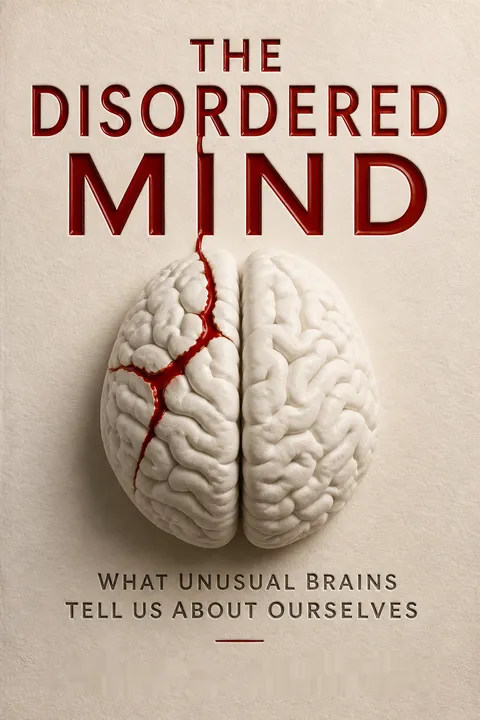


Key Takeaways
Use brain disorders as maps of the mental abilities we take for granted
Breakdown reveals function. Kandel’s central claim is that the mind is not separate from the body: mental life emerges from the brain’s connected cells and circuits. When a circuit falters, the ability it supports can become easier to see. After railway worker Phineas Gage suffered damage to the front of his brain, his personality changed so sharply that acquaintances felt he was no longer himself. Language disorders helped locate parts of the language system, while dementia clarified memory.
The boundary moves. What counts as normal or disordered has shifted across societies and eras. Genetics, brain imaging, and animal studies now help link behavior to brain function, while experience can alter neural connections. The aim is not merely to explain illness, but to understand both shared human capacities and individual differences.
The strength of this approach is methodological: symptoms become clues about the organization of a system, much as a faulty component can expose what a machine is designed to do. The caution is that a map is not the territory. A brain scan or genetic association can illuminate a mechanism without explaining the full meaning of a person’s experience. Biological accounts are most humane when they reduce blame without reducing a person to a diagnosis.
Social understanding depends on circuits that read motion, gaze, and intention
Reading other minds. Theory of mind is the ability to recognize that other people have beliefs, desires, and intentions that may differ from one’s own. It helps people infer what an action means, rather than merely register the movement. In one study, typically developing children showed a stronger brain response to biological motion, such as a person walking, than to mechanical motion. Autistic children did not show the same distinction in the relevant region.
A network, not a switch. The social brain is a set of connected regions involved in face recognition, emotion, biological motion, empathy, and mentalizing. Autism is a spectrum, with varied abilities and support needs. Twin studies reported up to 90 percent concordance for identical twins, pointing to strong genetic influence, though many genes and environmental factors may contribute. Autistic people may also experience intense sensory stress or excel at noticing patterns.
The network model helps resist the misleading idea that social ability is a single skill that someone either possesses or lacks. Social life requires coordination among perception, attention, emotion, and interpretation, so a difficulty in one link can change the whole interaction. The account also benefits from first-person perspectives: social difference is not synonymous with indifference. A theory of mind framework is useful, but it should not turn one style of social communication into the sole standard of human connection.
Treat depression as a disrupted brain state, not a character flaw
Mood is embodied. Depression can make ordinary actions feel impossibly effortful and drain pleasure from achievements that once mattered. Kandel describes stress-related changes involving cortisol, the hippocampus, and the prefrontal cortex, systems that influence memory, energy, and decision making. Brain imaging has also identified abnormal activity in connected regions involved in emotion and self-awareness. Bipolar disorder includes depressive episodes as well as mania, when energy, activity, and confidence can surge while judgment and sleep deteriorate.
Treatment is plural. Antidepressants that affect serotonin helped many people, but the simple idea that depression is just low serotonin could not explain everyone’s symptoms or response. Cognitive behavioral therapy, which helps identify and test distorted patterns of thought, can help with mild or moderate depression; therapy and medication together can be more effective in severe cases. Ketamine can act rapidly in some treatment-resistant cases, while lithium is a central mood-stabilizing treatment for bipolar disorder.
The biological account counters moralizing by showing how illness can alter the very capacities used to exert effort and hope. It also gives psychotherapy a material basis: learning new interpretations and responses involves the brain, not an alternative to it. Still, a biological explanation should not be mistaken for a complete or uniform treatment recipe. Depression differs across people, and a plausible mechanism, such as neurotransmitter change, is not itself proof that one drug will help every patient.
In schizophrenia, development can prune away connections needed for thought
Three symptom families. Schizophrenia can involve positive symptoms, such as hallucinations and delusions; negative symptoms, such as social withdrawal and low motivation; and cognitive difficulties, including impaired working memory and planning. The symptoms reflect different disruptions, which helps explain why one treatment rarely addresses everything. Antipsychotic drugs can reduce hallucinations and delusions for many patients, but often do much less for motivation and cognition.
Development matters. Schizophrenia typically appears in late adolescence or early adulthood, although some risk factors act earlier. The excessive-pruning hypothesis proposes that too many connections are removed during adolescent brain development, weakening circuits needed for thought and memory. Identical twins share a substantially elevated risk, but not certainty, showing that genes are not the whole story. Dopamine also matters: drugs that block its receptors can reduce psychosis, while their movement-related side effects reveal the same chemical’s role in other circuits.
This account separates symptoms that are often blurred together under one diagnosis. That distinction matters clinically and ethically: someone whose hallucinations improve may still need substantial support with memory, motivation, and daily life. The developmental model also shows why timing matters, but it remains a model rather than a full explanation of any individual case. A population-level pattern cannot predict a person’s future with certainty, so early support should not become a premature label.
Separate ordinary aging from disease by asking which memory system fails
Memory is not one thing. Explicit memory is conscious recall of facts and events. Implicit memory supports skills and habits that improve with practice, often without conscious recollection. Patient H.M. could no longer form new explicit memories after surgery removed parts of both medial temporal lobes, yet he improved at a mirror-tracing task. He could learn the skill while having no memory of practicing it.
Different declines, different sites. Kandel distinguishes age-related memory loss, which his group linked to the dentate gyrus and reduced activity of the RbAp48 gene, from Alzheimer’s, which begins in other areas, including the entorhinal cortex. Alzheimer’s involves amyloid plaques outside neurons and tau tangles inside them; damage accumulates before obvious memory symptoms appear. In mice, increasing RbAp48 improved age-related memory performance. That result suggests a research path, not a proven human treatment.
H.M.’s case is a powerful reminder that a person can lose one form of learning while retaining another. It also prevents an overly simple equation between forgetfulness and dementia. The mouse experiments provide a way to test biological mechanisms, but success in an animal does not establish an effective human intervention. The practical value of this distinction is diagnostic humility: the pattern and progression of memory change matter more than the mere presence of a forgotten name.
Creativity needs practice and freedom, not madness
Disorder is not the source. Some people with bipolar disorder, schizophrenia, autism, or dementia produce striking art, but illness does not automatically create artistic ability. The book’s account of creativity emphasizes preparation, practice, and periods when attention loosens enough for unexpected associations to form. Chuck Close, who was dyslexic and face-blind, developed a portrait method based on dividing photographs into small sections and painting them piece by piece. A constraint became part of his artistic process.
The viewer contributes too. The beholder’s share is the interpretive work viewers do when incomplete sensory information, memory, and emotion combine into a personal reading of an artwork. Brain studies of insight and jazz improvisation suggest that creativity can involve reduced self-monitoring, but this is useful only when a person has learned enough material to recombine. Creative communities matter as well: artists exchange ideas rather than inventing in isolation.
Creativity is better understood as a meeting of constraints and freedom than as a romantic gift bestowed by illness. A distinctive perceptual style may open unusual paths, while craft makes those paths usable. This framing avoids turning suffering into an artistic credential, a myth that can glamorize illnesses with devastating costs. It also makes creativity less exclusive: viewers interpret, practitioners build skill, and communities supply ideas that no solitary genius could generate alone.
Different diseases can share a cellular failure: proteins folding wrong
Shape determines function. Proteins must fold into particular shapes to do their jobs. In several neurodegenerative diseases, proteins misfold and gather into harmful clumps, damaging or killing neurons. Alzheimer’s involves amyloid plaques and tau tangles. Parkinson’s involves Lewy bodies containing misfolded alpha-synuclein, including in dopamine-producing cells. The shared cellular problem does not make the diseases identical: different proteins and brain regions produce different symptoms.
A genetic repeat can be toxic. Huntington’s disease results from an expanded run of CAG units in the huntingtin gene. The repeat leads to an abnormally long stretch of glutamine in the protein, which can clump and injure cells. Prions are misfolded proteins that can induce other proteins to misfold, spreading the damaging shape between cells. This raises possible intervention points, from preventing a protein’s initial misfolding to limiting later clumping.
A shared mechanism across diseases is scientifically valuable because it can reveal targets that symptom-based categories might conceal. It also offers a useful systems lesson: a common failure mode can produce very different outcomes depending on which component fails and where. Yet shared mechanisms do not guarantee shared treatments. Protein clumps are part of a complex chain of events, and identifying an attractive target is only the beginning of showing that changing it improves a patient’s life.
Emotion is part of sound judgment, not reason’s enemy
The body informs the mind. Fear begins with fast, often unconscious responses in circuits involving the amygdala. Signals from the body then help create the conscious feeling of fear. In post-traumatic stress disorder, reminders can reactivate fear and memory, while people may avoid cues, feel numb, or remain on alert. Exposure therapy carefully revisits feared cues without the expected danger, helping weaken the learned response. A study described in the book found that propranolol during recall reduced later bodily stress reactions, though it did not erase the memory itself.
Feeling guides choice. After damage to the ventromedial prefrontal cortex, Elliot retained a high IQ but struggled with everyday decisions and showed little emotional response. In trolley-problem experiments, people were more reluctant to push a person to save five lives than to divert a trolley toward one. Emotional signals help distinguish choices that arithmetic alone treats as equivalent.
Emotion is not noise that rational thought must eliminate. It supplies value, urgency, and social meaning that allow a choice to matter in the first place. The trolley dilemmas show that moral judgment weighs consequences alongside the nature of an action, though a hypothetical puzzle cannot capture the full complexity of real ethical decisions. The same point applies to trauma: reasoning about safety may be insufficient when a learned bodily response continues to announce danger.
Addiction is learned reward circuitry that survives the high
Reward becomes expectation. Dopamine helps the brain learn which cues predict rewards. Addictive drugs disrupt this system, producing unusually persistent dopamine signaling and powerful associations between the drug and its setting, people, or routines. With repeated use, tolerance can develop: the same amount produces less pleasure, while cues can still trigger craving. That is why relapse may follow weeks or years without use. In a study of Vietnam veterans, many who had used heroin overseas stopped after returning home, where the cues surrounding their drug use were absent.
Recovery takes ongoing care. Addiction changes motivation and self-control; it is not adequately explained as weak character. Behavioral programs, medication, and social support can help, but treatment is not a one-time reset. Nicotine replacement and methadone reduce cravings by acting on relevant brain systems. The book describes addiction as chronic, with relapse risk rooted in durable learning, and argues for treatment rather than stigma or punishment.
The cue-learning model explains a particularly frustrating feature of addiction: the urge can return even after the drug has stopped delivering much pleasure. It also shifts attention from judging a person’s intentions to changing the conditions that repeatedly activate craving. That does not mean behavior is irrelevant or that recovery is effortless. It means accountability is more useful when paired with treatment, and that a lapse should prompt renewed support rather than the assumption that change was never sincere.
Gender identity and anatomy develop on related but separate tracks
Development has several layers. Chromosomes, hormones, gonads, and external anatomy contribute to sex development, while gender identity is a person’s sense of being a man, a woman, both, or neither. These processes do not occur at the same time, so anatomy and identity can diverge. Conditions that alter hormone exposure or hormone response during development illustrate that bodily characteristics and gender-related behavior do not always align in a single pattern.
Listen to the person. Ben Barres described recognizing himself as a boy from childhood and experiencing distress as his body developed in ways that felt wrong to him. He later transitioned and reported feeling happier. The book also describes debate about supporting transgender young people, including puberty blockers, and notes that evidence about long-term effects was still developing at the time of publication. Care requires attention to individual experience, risks, and uncertainty, rather than assuming one path fits every child.
Separating anatomy from identity makes room for biological complexity without making identity a diagnosis that outsiders can infer from a scan or a single trait. Barres’s account also shows why abstract debate has concrete consequences: recognition, bodily development, and social treatment shape a person’s lived experience. The chapter’s biological emphasis is useful, but its claims should not be stretched into a complete account of identity. Respectful care must combine scientific humility with serious attention to the individual.
Conscious awareness is a broadcast built on unconscious processing
Awareness selects and shares. The global workspace is a model in which information becomes conscious when activity is amplified and made widely available across the cortex. A briefly flashed word can be processed unconsciously, while conscious perception produces broader, sustained activity. Much of perception and thought remains outside awareness: the brain constructs patterns from fragmentary signals before a person can report what is seen.
Choice has hidden preparation. The adaptive unconscious describes fast, sophisticated mental processes that interpret information without awareness. In Libet’s movement experiment, brain activity began before people reported the conscious intention to move, though consciousness could still veto the action. Kandel argues that psychoanalysis gains intellectual value when its ideas about unconscious life are tested alongside cognitive science and neuroscience. Consciousness remains an open problem, especially how brain activity relates to subjective experience.
This view replaces the image of consciousness as a tiny executive directing every mental event with a more distributed account: awareness receives selected information after substantial processing has already occurred. That explains both the speed of skilled behavior and the limits of introspection. Still, neural activity preceding a reported intention does not by itself settle questions about free will; timing experiments measure particular tasks, not every form of choice. The productive next step is methodological: connect subjective reports to testable mechanisms without pretending the report and the mechanism are identical.
Analysis
The book’s strongest organizing move is to treat disorders as experiments that nature conducts on the mind. A damaged language pathway, a weakened memory system, or an overactive fear circuit can disclose what those systems normally contribute. This approach turns clinical difference into evidence about ordinary human capacities, and it steadily dismantles the old split between neurological disease and psychiatric illness.
Its larger intellectual contribution is integration. Kandel connects genes, synapses, brain regions, experience, behavior, and first-person testimony without treating any single level as sufficient. H.M. makes memory systems concrete; Elyn Saks makes psychosis legible without sanitizing its terror; Ben Barres shows how a general theory of gender development must accommodate an individual life. These stories prevent circuitry from becoming a bloodless abstraction.
The method also has limits. A disorder rarely isolates one function cleanly. Brain regions participate in multiple processes, and one person’s symptoms can reflect interacting developmental, social, and biological causes. Imaging correlations and animal models are powerful tools, but neither directly explains the meaning of an experience or guarantees an effective treatment. The book sometimes presents emerging findings with more confidence than later replication may warrant, especially when moving from animal interventions to possible human therapies.
Its humanism is therefore most persuasive when biology narrows blame and expands understanding, not when it promises to reduce identity to a neural diagram. A biological explanation can clarify why a person struggles while leaving room for agency, relationships, culture, and care. The practical lesson is to ask what function is disrupted, what conditions worsen it, and what support restores capability. The scientific ambition is larger: understand how many interacting brain processes produce a self that is both recognizably human and irreducibly individual.
Review Summary
The Disordered Mind explores various brain disorders and their impact on human behavior and cognition. Readers appreciate Kandel's accessible writing style, comprehensive overview of neuroscience, and integration of patient perspectives. The book covers topics like autism, depression, schizophrenia, and addiction, emphasizing the biological basis of mental disorders. While some found it informative and fascinating, others criticized its reliance on animal testing and lack of new information. Overall, it's considered a valuable resource for understanding the intersection of brain physiology and psychology.
People Also Read



Glossary
Neuron Doctrine
neurons as separate signaling cellsA model of the nervous system established by Santiago Ramón y Cajal. It holds that neurons are distinct cells, communicate at specialized junctions called synapses, connect selectively with particular target cells, and generally transmit information in one direction, from input structures toward the axon terminals.
theory of mind
inferring others’ mental statesThe capacity to understand that other people have beliefs, desires, intentions, and knowledge of their own, which may differ from one’s own. It helps people interpret behavior and anticipate what others may do. Research on autism used this concept to investigate how social understanding develops and where it can become difficult.
social brain
network for social understandingA network of connected brain regions involved in processing social information. In the book, its components include systems for recognizing faces, responding to emotion, detecting biological motion, empathy, and reasoning about other people’s thoughts. Disrupted coordination among these regions can affect social communication and interaction.
explicit memory
conscious facts and eventsMemory that supports conscious recall of people, places, objects, facts, and events. It depends importantly on medial temporal lobe structures. H.M.’s surgery, which removed parts of this region on both sides of his brain, left him unable to form new explicit long-term memories, while some other forms of learning remained intact.
implicit memory
learning without conscious recallMemory expressed through improved skills, habits, and other forms of learning that do not require conscious recollection of the learning episode. It relies on brain systems different from those supporting explicit memory, including the cerebellum, basal ganglia, and amygdala. H.M. improved at a practiced motor task despite not remembering the practice.
synaptic pruning
developmental removal of connectionsThe developmental process by which the brain removes some synapses and dendritic connections. It helps shape neural circuits as the brain matures. The book describes evidence associating insufficient pruning with autism and excessive pruning during adolescence with schizophrenia, while emphasizing that these disorders involve many genes and developmental influences.
beholder’s share
the viewer’s interpretive contributionThe creative mental work a viewer contributes when experiencing a work of art. Because sensory information is incomplete, the brain combines what it sees with memory, emotion, and prior experience to construct an interpretation. Different viewers can therefore experience the same artwork in different ways.
global workspace
broadcast of conscious informationA theory of consciousness in which selected information becomes conscious when neural activity is amplified and made broadly available to regions across the cortex. Information can be processed without awareness, but conscious access is associated with more widespread broadcasting, allowing the content to be used by other mental systems.
adaptive unconscious
fast, unreported mental processingA set of sophisticated cognitive processes that interpret information and guide behavior without entering conscious awareness. The adaptive unconscious can quickly categorize situations and contribute to decisions while a person focuses consciously elsewhere. It is useful for rapid action but can also rely on rigid associations or produce biased judgments.
prion
self-propagating misfolded proteinAn abnormally folded protein that can induce normally shaped copies of the same protein to misfold. The resulting proteins may aggregate, disrupt neuronal function, and contribute to cell death. Prions are unusual because they can propagate their harmful shape without carrying DNA or RNA.
CAG expansion
repeated DNA sequence in Huntington’sAn abnormally long repetition of the DNA sequence CAG in the huntingtin gene. Each CAG unit codes for glutamine, so an expanded sequence produces an unusually long glutamine stretch in the resulting protein. When the repeat count exceeds the threshold described in the book, the protein can misfold, clump, and cause Huntington’s disease.
FAQ
What's The Disordered Mind about?
- Exploration of brain disorders: Eric R. Kandel examines various brain disorders, including autism, depression, bipolar disorder, schizophrenia, Alzheimer’s, and Parkinson’s, to understand their impact on the mind and behavior.
- Biological approach to mind: The book emphasizes a biological perspective, suggesting that understanding these disorders can illuminate normal brain functions and improve treatments.
- Interconnection of mind and body: Kandel argues that mental processes are deeply rooted in the brain's biological functions, challenging traditional mind-body relationship views.
Why should I read The Disordered Mind by Eric R. Kandel?
- Insightful scientific research: The book synthesizes scientific research and personal reflections, making complex neuroscience accessible to a general audience.
- Understanding human behavior: It provides insights into how brain disorders shape behavior, emotions, and creativity, enhancing empathy and understanding.
- Advancements in treatment: Readers learn about the latest treatment advancements and potential new therapies based on a deeper understanding of brain function.
What are the key takeaways of The Disordered Mind?
- Mind as a biological process: Kandel posits that the mind is a set of processes carried out by the brain, emphasizing the biological basis of mental functions.
- Importance of early intervention: The book highlights the significance of early intervention in brain disorders for better outcomes.
- Creativity and mental illness: Kandel explores the relationship between creativity and mental disorders, noting shared genetic factors influencing social behavior.
What are the best quotes from The Disordered Mind and what do they mean?
- "Know thyself": This ancient maxim underscores the theme of self-awareness and understanding human nature through neuroscience.
- "I am, therefore I think": Illustrates the modern understanding that existence and biological processes shape thoughts and consciousness.
- "The mind is like an iceberg": Suggests that much of our mental processes are unconscious, highlighting the mind's complexity.
How does The Disordered Mind explain the relationship between brain disorders and creativity?
- Creativity linked to disorders: Kandel discusses how disorders like schizophrenia and bipolar disorder can lead to unique creativity due to altered brain connections.
- Neural circuits and creativity: Disruptions in typical brain circuitry can free up creative potential, allowing novel connections and artistic expression.
- Art as expression: Art by individuals with mental disorders is a profound expression of their unique experiences, not merely a reflection of illness.
What insights does The Disordered Mind provide about decision-making?
- Role of emotion in decisions: Emotions play a crucial role in decision-making, often operating unconsciously.
- Adaptive unconscious: The adaptive unconscious processes information and influences decisions without awareness, leading to quicker decision-making.
- Conscious vs. unconscious processing: Conscious thought can override unconscious impulses, allowing for more rational decision-making.
How does Eric R. Kandel explain the biological basis of mental disorders in The Disordered Mind?
- Genetic and environmental interactions: Both genetic predispositions and environmental factors contribute to mental disorders.
- Protein misfolding: Disorders like Alzheimer's and Parkinson's are linked to misfolded proteins causing neuronal death and dysfunction.
- Neurotransmitter imbalances: Imbalances in neurotransmitters like dopamine significantly affect mood, behavior, and cognitive function.
What does The Disordered Mind say about the treatment of brain disorders?
- Personalized medicine approach: Kandel advocates for treatments tailored to individual genetic profiles for more effective interventions.
- Integration of neuroscience and psychiatry: Understanding the brain's biology is essential for developing effective treatments.
- Importance of early intervention: Early intervention can prevent symptom progression and lead to timely, effective treatment strategies.
How does The Disordered Mind explore the concept of gender identity?
- Biological basis of gender identity: Gender identity is influenced by biological factors, including hormonal exposure during fetal development.
- Transgender experiences: Personal narratives illustrate the complexities of gender identity and challenges faced during transition.
- Sexual dimorphism in the brain: Structural differences in male and female brains may contribute to variations in behavior and identity.
What are the biological mechanisms behind depression as discussed in The Disordered Mind?
- Neurotransmitter involvement: Depression is linked to changes in serotonin and noradrenaline levels, crucial for mood regulation.
- Cortisol's role: Prolonged stress leads to excessive cortisol release, damaging synaptic connections and contributing to depressive symptoms.
- Neural circuit disruptions: Dysfunction in specific brain regions leads to mood disorders.
How does The Disordered Mind address the treatment of schizophrenia?
- Antipsychotic medications: These drugs alleviate positive symptoms by blocking dopamine receptors in the brain.
- Cognitive therapy: Psychotherapy helps manage symptoms and improve quality of life.
- Early intervention strategies: Cognitive therapy can build resilience and reduce the likelihood of developing full-blown schizophrenia.
What future directions does Eric R. Kandel suggest for research in The Disordered Mind?
- Advancements in brain imaging: Brain imaging technologies can enhance understanding of mental disorders and consciousness.
- Genetic research: Identifying specific genes associated with mental disorders could lead to better prevention and treatment strategies.
- Interdisciplinary approaches: Collaboration between neuroscience, psychology, and psychiatry can lead to more effective interventions and a deeper understanding of the mind.
About the Author
Other books by Eric R. Kandel
Download PDF
Download EPUB
.epub digital book format is ideal for reading ebooks on phones, tablets, and e-readers.








