
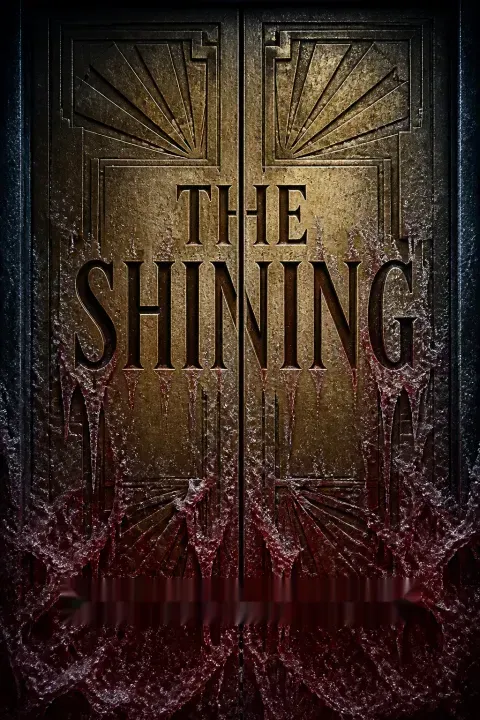


Plot Summary
A Caretaker With a Past
Jack Torrance1 needs work after losing his teaching post, so his friend Al Shockley7 secures him the winter caretaker job at the remote Overlook Hotel. During the interview, manager Stuart Ullman5 warns that roads close for months and recalls the previous caretaker,8 Delbert Grady,8 who killed his wife and daughters before taking his own life.
Jack1 insists he has been sober for fourteen months and promises that his wife, Wendy,2 and five-year-old son, Danny,3 can manage the isolation. He also hopes the winter will give him time to finish a play. Ullman5 reluctantly accepts the arrangement, leaving Jack1 with a job, a family to protect, and a history he would rather keep buried.
The job is both rescue and test. Jack needs income, but he also needs the Overlook to confirm that he remains a capable provider after his drinking and temper cost him his career. Ullman makes the risk explicit, yet Jack answers with certainty rather than curiosity. His confidence is partly practical, and partly a defense against shame. The hotel offers solitude as a cure, but its isolation resembles the conditions that exposed the previous caretaker's violence. From the outset, Jack's recovery depends on the very setting most likely to strain it.
Boulder Before the Snow
While Jack1 is away interviewing, Wendy2 waits with Danny3 in a shabby Boulder apartment and finally explains why his father1 lost his teaching job. Jack1 had broken Danny's3 arm in a drunken rage years earlier, then later struck student George Hatfield11 after finding him damaging the family car. The second incident cost Jack1 his position, even though he had since stopped drinking.
Danny3 already senses Wendy's2 fear of divorce and Jack's1 recurring desire to drink. When he concentrates, his unseen companion Tony10 shows him a snowbound hotel, a threatening figure, and the reversed word redrum. Danny3 cannot explain the vision, but when Jack1 returns safely, he keeps quiet so his parents can enjoy their fragile reunion.
The family arrives at the Overlook already carrying the emotional conditions that will make it dangerous: Jack's shame, Wendy's vigilance, and Danny's fear of separation. Danny's gift gives him access to the thoughts adults conceal, but his age leaves him without a framework for interpreting what he senses. His silence is not simple secrecy. He is trying to protect the family from another rupture, even as his visions warn him that concealment may cost them more. The supernatural threat is therefore bound to an ordinary domestic problem: the child understands the danger before he can persuade anyone to believe him.
The Hotel Recognizes Danny
The Torrances arrive on the Overlook's closing day, and the grand hotel briefly looks like the fresh start Wendy2 has hoped for. During the tour, Danny3 sees blood and brain matter on a wall in the Presidential Suite, though it disappears when he looks again. Cook Dick Hallorann4 then takes Danny3 aside and recognizes that the boy3 can read thoughts and receive visions, a talent Hallorann4 calls shining.
He admits that the hotel has given him disturbing impressions too, especially around its hedge animals and room 217. Before leaving for Florida, Hallorann4 warns Danny3 to avoid that room and promises to come if the boy3 ever needs him. Danny3 keeps the warning to himself, unwilling to frighten his parents.
Hallorann changes Danny's experience from private oddity into a recognized ability. That recognition comforts the boy, but it also makes the danger more credible: an adult with the same gift has found the hotel troubling. Hallorann's reassurance that the hotel's images cannot harm anyone is compassionate, yet premature. His advice rests on the distinction between seeing danger and being physically endangered, a distinction the Overlook will steadily erase. Meanwhile, the disappearing blood lets the hotel exploit the gap between Danny's perception and his parents' evidence. He must carry knowledge that cannot yet be shared.
Wasps Return From Death
As Jack1 repairs the roof, he uncovers a huge wasps' nest and uses an insect bomb to kill its inhabitants. He gives the apparently empty nest to Danny,3 who displays it beside his bed. That night, surviving wasps emerge and sting the boy3 eleven times; Wendy2 is stung while helping kill them. Jack1 insists he followed the instructions, but the insects' return makes the hotel feel less dependable.
The next day, Dr. Edmonds9 finds no physical disorder and treats Danny's3 trances as an imaginative response to family stress. The examination brings Jack1 and Wendy2 to speak openly about his alcoholism, Danny's3 broken arm, and their former thoughts of divorce, truths they had hidden even from each other.
The wasps turn Jack's attempt at competent caretaking into a failure with a child-sized consequence. His mistake may be accidental, but his insistence that the device must have malfunctioned echoes a larger habit of locating danger outside himself. The doctor's explanation offers a useful psychological account of Danny's visions, yet it cannot account for every event the family experiences. More importantly, the appointment breaks their silence about the injuries and threats that shaped Danny's fears. The family begins to tell the truth, but truth alone does not protect them from a place that can make private anxieties physically consequential.
The Scrapbook Opens
Searching the damp basement for useful records, Jack1 finds a scrapbook tracing the Overlook's past through ownership changes, scandals, and a 1966 gangland shooting that killed crime figure Vittorio Gienelli and two bodyguards.
The discoveries suggest the hotel has repeatedly hidden its worst history behind respectable management. Jack1 becomes absorbed in the material and imagines writing a book about it. When he confronts Ullman,5 the manager dismisses the history as irrelevant; Al7 then warns Jack1 not to publish anything about the hotel.
Jack1 agrees, but resents being controlled. His attention shifts from the play that was meant to rebuild his career toward the Overlook's buried record, while his old habits of irritability and compulsive aspirin chewing return.
The scrapbook gives Jack a compelling alternative to the vulnerable work of finishing his play. Research promises mastery: if he can organize the hotel's secrets, he can turn himself from a failed employee into an author with authority. Yet the book also threatens the financial arrangement that supports his family, and Jack's decision to challenge Ullman shows how quickly pride can outrun prudence. The hotel attracts him not only through ghosts, but through a story he wants to claim. Its past becomes a mirror for his own: both are full of damage that respectable narratives try to conceal.
The Hedges Leave Their Places
While trimming the topiary, Jack1 watches the clipped animals appear to change positions whenever he looks away. He dismisses the experience as exhaustion, but its familiarity frightens him: Danny3 has already reported seeing things that adults cannot. Around the same time, Wendy2 asks Danny3 whether he would leave the hotel; Danny3 says Jack1 fears the family would be lonely and unable to find other work.
Jack1 inspects the snowmobile and finds the missing battery after all. He could prepare it for an escape, but instead removes its magneto and throws it into the snow. He tells himself that staying is best, though he has just made it harder for Wendy2 and Danny3 to leave.
Jack's choice is the story's clearest point of no return. He has seen enough to doubt the hotel's safety, yet he destroys the practical means of escape because leaving would expose his fear of failure and poverty. The hotel does not need to force him outright; it works through his own needs for recognition, family authority, and a future as a writer. The moving hedges matter because they force Jack to confront evidence, but his response shows that perception is not the same as freedom. He sees danger and still chooses the condition that lets it grow.
Room 217 Opens
Drawn by curiosity and the locked-room story of Bluebeard, Danny3 takes the office passkey and enters room 217 despite Hallorann's4 warning. In the bathroom, he finds a swollen corpse in the tub. The dead woman13 rises and grabs his throat before Danny3 loses consciousness. He returns to his parents with bruises that look like fingerprints.
Jack1 enters the room to investigate, finds the tub empty, and tells the family he saw nothing, although the bathmat is wet and he smells perfumed soap. Wendy2 and Jack1 argue over whether Danny's3 injuries are real, but the boy's3 account and Jack's1 unease leave both parents less certain that the hotel's horrors are only fantasies.
Danny's entry into 217 is not merely disobedience; it is an attempt to test whether fear has any substance. Hallorann's comparison between supernatural visions and frightening pictures has taught him to doubt his own perceptions, and the hotel exploits that doubt by making the danger tangible. Jack's empty-room inspection does not settle the question, because small traces remain after the apparition vanishes. The episode also sharpens the family's old injury: Wendy fears Jack will harm Danny again, while Jack feels judged before he can explain himself. The hotel converts uncertainty into mistrust, then lets mistrust do part of its work.
The Elevator Holds a Party
The elevator begins running by itself, stopping on different floors as if carrying unseen guests. When Jack1 disables it, Wendy2 finds confetti and a sequined mask inside, proof that the disturbance has left physical traces. Danny3 later winds the ballroom clock and sees its mechanical figures perform beneath the glass dome.
The clock draws him into a vision of the Overlook's former parties and the violence hidden behind them. He sees the reversed word redrum resolve into murder and understands that the hotel is drawing his family toward a fatal ending. Tony10 tells him to call for Hallorann,4 but the visions and fear exhaust Danny3 before he can explain what he has seen.
The elevator and clock make the Overlook's history feel less like a sequence of past events than a performance that can restart whenever the hotel chooses. Confetti, mask, and moving machinery collapse the distinction between haunting and material evidence. Danny's discovery of murder hidden inside redrum gives his visions a clearer meaning, but understanding does not grant him control. The clock is a particularly sharp image of the hotel's power: it measures time while seeming to trap every generation of guests inside the same spectacle. Danny's appeal to Hallorann marks a shift from private endurance toward an attempt to reach beyond the hotel.
A Call Across Snow
Danny's3 desperate mental call reaches Hallorann4 in Florida while the cook is driving home from a market. Hallorann4 immediately turns back, takes leave from work, and tries to fly to Denver. After missing one flight, he boards another and lands in a blizzard. A park ranger refuses to send help because the roads and rescue crews are already overwhelmed, so Hallorann4 rents a car and drives toward the mountains.
When the car becomes stranded, a snowplow driver helps him and directs him to Sidewinder, where Larry Durkin rents him a snowmobile. Hallorann4 continues despite the storm and the hotel pushing hateful images into his mind, trusting Danny's3 call over every practical warning.
Hallorann's journey makes care an action rather than a reassuring promise. He risks his job, safety, and judgment because Danny's signal carries the same unmistakable force as his own past visions. The ordinary systems meant to protect people cannot respond: the ranger service is occupied, flights and roads are disrupted, and the family has lost its radio. Help arrives through individuals who choose to trust a stranger's urgency, including the plow driver and Durkin. The sequence contrasts bureaucratic evidence with intuitive knowledge. Hallorann cannot prove the danger, but he accepts responsibility before proof is available.
Jack Takes the Bar
After a nightmare in which his dead father urges violence, Jack1 smashes the CB radio and leaves his family without their last reliable link to help. Later, he enters the empty Colorado Lounge and imagines it stocked with liquor. A bartender named Lloyd serves him drinks that should not exist, while Jack1 recounts the humiliation of sobriety and the life he believes Wendy2 has denied him.
The hotel then surrounds him with figures from its former parties. Delbert Grady8 appears as a polite waiter and persuades Jack1 that Wendy2 and Danny3 are obstructing his future at the Overlook. Jack1 accepts the hotel's version of his family problem, drinking until his judgment and memory collapse.
Jack's surrender is made persuasive by the way the hotel speaks in his own emotional vocabulary. It offers him liquor, but also a story in which he is the injured artist, the disregarded father, and the rightful manager. Grady does not invent Jack's resentments; he arranges them into a justification for violence. The smashed radio matters as much as the drink because it removes an avenue back to ordinary accountability. Jack's addiction is therefore not simply a private weakness. The hotel makes abstinence feel like humiliation and intoxication feel like restored authority.
Wendy Bars the Pantry
Wendy2 finds Jack1 passed out on the Colorado Lounge floor, smelling strongly of gin, though the hotel's bar had been empty. When he wakes, he grabs her ankle and tries to strangle her, accusing her and Danny3 of plotting to leave. Danny3 rushes in, and Wendy2 smashes a heavy bottle against Jack's1 head, giving them time to drag him into the kitchen pantry.
They bolt him inside before he can rise again. Jack1 pounds on the door and threatens them, while Wendy2 and Danny3 retreat upstairs. For a time, the locked pantry keeps the family physically apart, but it cannot silence the hotel or guarantee that Jack1 will remain contained.
Wendy's action is neither a sudden transformation into a fearless fighter nor a simple rejection of Jack. She uses the first weapon available because his hands are closing around her throat, then works with Danny to contain him rather than abandon him. The scene exposes the cost of the family's long habit of managing Jack's behavior through hope and accommodation. Danny must help protect his mother from the father he loves. The pantry offers temporary safety, but its lock is only hardware. The hotel's influence can turn confinement into another stage of threat.
The Mallet Comes Back
Grady8 unlocks the pantry after Jack1 promises to punish his family and bring Danny3 to the hotel. Jack1 takes a roque mallet and attacks Wendy2 in the lobby. She stabs him in the back with a kitchen knife, but he keeps coming, striking her until she reaches the bathroom and cuts his hand with razor blades.
The sound of Hallorann's4 arriving snowmobile draws Jack1 away. He ambushes Hallorann4 near the third-floor hall, smashing his face with the mallet, then continues searching for Danny.3 Injured and alone, Wendy2 leaves the bathroom to find Hallorann,4 who is battered but alive. The rescue has reached the hotel, yet Jack1 has already turned it into another weapon.
The roque mallet gathers earlier threats into one object: a game piece becomes a tool of punishment, and Jack's own childhood memories of his father's violence surface in the assault. Wendy survives through improvisation, not strength alone, but each escape leaves her more badly injured. Hallorann's arrival briefly offers the possibility of outside rescue, then the hotel turns him into another victim. The scene tests whether care can remain active under terror. Wendy refuses to leave Danny to face Jack alone, while Hallorann, barely conscious, still asks where the boy is.
Danny Names the Mask
On the third floor, Danny3 faces the thing wearing Jack's1 appearance and refuses to accept it as his father.1 He tells it the hotel will betray it, and for a moment the mallet drops as the real Jack1 briefly returns, urging Danny3 to run. The hotel takes control again, but Danny3 recognizes that the boiler has not been checked since morning.
The entity races downstairs to lower its pressure, while Danny3 runs to reunite with Wendy2 and Hallorann.4 In the basement, the boiler has reached a dangerous level. The thing opens the release valve too late, and the Overlook explodes, destroying the building and the force that had been animating its rooms and guests.
Danny's refusal to confuse Jack with the hotel is the moral center of the climax. He does not deny his father's violence or pretend the danger is unreal; he separates the person he loves from the force exploiting him. That distinction lets Jack briefly reappear as a father rather than an instrument. Danny then survives through memory, recalling the maintenance routine that Jack forgot and the hotel overlooked. The boiler, introduced as a mundane caretaking duty, becomes the consequence of obsessive distraction. Knowledge saves Danny not by making him powerful, but by letting him act at the decisive moment.
The Overlook Goes Dark
Hallorann4 finds Danny3 and the badly injured Wendy2 as flames burst through the Overlook. He carries them down the stairs and out through the snow trench before the explosion throws them from the porch. The hedge animals, once a living barrier, burn and collapse as the hotel disintegrates behind them.
Hallorann4 loads Wendy2 and Danny3 onto the snowmobile, wraps them in old horse blankets from the equipment shed, and drives toward Sidewinder. A rescue party with Dr. Edmonds9 meets them on the road. Wendy2 survives with serious injuries, and Danny3 survives with his grief, but the family cannot be restored to what it was before the hotel.
The escape resolves the immediate danger without pretending that survival erases damage. Hallorann's physical strength carries Wendy and Danny through the final threshold, but the rescue depends on the same trust and loyalty that brought him up the mountain. The burning hedge animals reverse their earlier role: they no longer block the family's route, and their destruction marks the end of the hotel's active reach. Yet the loss of Jack remains. The family has escaped the place, not the memory of what happened there, so the resolution moves toward recovery rather than triumph.
Epilogue
The following summer, Wendy2 and Danny3 stay at a Maine lodge where Hallorann4 works as a cook. Wendy2 is still recovering from her injuries, and Danny's3 nightmares have become less frequent. She plans to accept a job arranged through Al Shockley7 and move with Danny3 to Maryland, far from her mother and the Overlook.
At the end of a fishing dock, Danny3 admits that he misses Jack1 and sometimes blames himself for what happened. Hallorann4 holds him while he cries, then helps him land a fish. The boy's3 grief remains, but he is no longer carrying it alone.
The epilogue refuses the neatness of a horror-story cure. Wendy and Danny have shelter, work, and Hallorann's friendship, yet Danny still mourns Jack and revisits the belief that his gift caused the catastrophe. Hallorann answers not with a supernatural explanation but with permission to grieve and continue living. The fishing scene turns recovery into a modest shared task: Danny must keep the line steady, accept help, and bring something living out of the water. The family is not restored to its earlier shape, but new bonds offer a way forward without denying the loss.
Analysis
The Shining makes domestic danger and supernatural danger difficult to separate. Jack's1 alcoholism, temper, and need for recognition are established before the Overlook exerts its influence, so the hotel does not create his vulnerabilities from nothing. It amplifies them, supplying ghosts and liquor that turn existing resentments into a violent story about his right to control his family. This keeps the horror psychologically precise: Jack1 remains responsible for the harm he causes, even as the hotel exploits his damaged judgment.
Danny's3 shining offers knowledge without authority. He reads his parents' thoughts and sees signs of what may come, but adults repeatedly translate his evidence into childish fantasy. His predicament is not that he cannot perceive danger; it is that he must persuade people who control the decisions. The family begins to recover when Wendy2 and Jack1 speak about the broken arm, drinking, and divorce, yet honesty cannot undo the Overlook's power. Danny3 must finally act on what he knows himself.
The hotel's history turns architecture into an archive of concealed violence. The scrapbook records scandals, the elevator replays parties, and the clock measures time as if every generation were trapped inside a recurring performance. Against this grand machinery, the boiler represents unglamorous responsibility. Its danger grows because Jack1 abandons the routine that keeps the building safe, and Danny3 survives by remembering it. The book thus places practical attention beside psychic perception: neither family love nor insight is enough without action.
The ending offers survival rather than restoration. Wendy2 and Danny3 escape, but Jack's1 death leaves grief and self-blame that the destruction of the hotel cannot extinguish. Hallorann's4 presence matters because he does not demand that Danny3 stop mourning or surrender his gift. He helps the boy3 live with both. The novel's hardest claim is that love can remain real without making a damaged family whole again, and that healing begins when survivors are allowed to remember without being made responsible for what they could not control.
Review Summary
The Shining is widely praised as one of Stephen King's best works, with many readers considering it a masterpiece of horror literature. The novel's slow-burning tension, complex characters, and psychological horror elements are frequently highlighted. Readers appreciate King's exploration of alcoholism, family dynamics, and isolation. While some find certain scenes particularly frightening, others focus on the emotional depth of the characters. The book is often compared favorably to its film adaptation, with many preferring King's original narrative.
People Also Read





Characters
Jack Torrance
Recovering writer and fatherJack is an intelligent former teacher and aspiring playwright whose ambition is matched by a volatile temper and a history of alcoholism. He wants to provide for Wendy2 and Danny3, but he also wants recognition and control over a life he feels has repeatedly humiliated him. Sobriety has not erased his cravings or the anger he once directed at his family and students. Jack can be affectionate, funny, and attentive, which makes his capacity for harm harder for those closest to him to reconcile. His central conflict is not simply whether he can resist drinking; it is whether he can accept responsibility without turning shame into blame.
Wendy Torrance
Protective wife and motherWendy loves Jack1 but has learned to watch his moods, his drinking, and the emotional weather around Danny3. Her own childhood with a controlling mother leaves her wary of repeating inherited patterns, and she often doubts whether she is strong enough to protect her son3. She is practical, observant, and capable of decisive action when danger becomes immediate, even as fear and exhaustion weigh on her. Wendy's conflict lies in balancing loyalty to a troubled husband1 with her responsibility to Danny3. She wants the family to heal, but she gradually recognizes that love cannot require her to ignore evidence or accept harm.
Danny Torrance
Perceptive child seerDanny is five, unusually observant, and gifted with a sensitivity to other people's thoughts and to events beyond ordinary perception. He understands more of his parents' distress than they realize, but his vocabulary and emotional resources are still those of a young child. His imaginary companion Tony10 once brought him reassuring visions; now the visions frighten him. Danny wants to protect both parents and fears that speaking honestly might separate them. His courage grows through attention and memory rather than physical strength. He must learn to distinguish what he senses from what he can control, while still trusting his own experience.
Dick Hallorann
Kitchen ally and mentorHallorann is the Overlook's warm, capable cook, a veteran hotel worker who understands Danny's3 unusual sensitivity because he shares it. He treats the boy3 with humor and respect, explaining that unusual impressions can be meaningful without always proving a future event. His years of experience have taught him to trust instinct, though he does not treat it as certainty. Hallorann's generosity is practical: he feeds the family, recognizes Danny's3 isolation, and offers help without demanding that the boy3 explain everything.
Stuart Ullman
Hotel's exacting managerUllman is a polished, demanding manager who treats the Overlook as both a business and a personal responsibility. He is meticulous about its reputation and skeptical of Jack's1 suitability, especially given the hotel's previous caretaker8 tragedy. His courtesy toward guests contrasts with his brisk treatment of employees. Ullman is not an occult authority; he thinks in terms of staffing, repairs, liability, and public image. That practical competence makes his silences about the hotel's history feel consequential, even when he considers them sensible.
Robert Watson
Blunt maintenance veteranWatson maintains the hotel's furnace, boiler, grounds, and equipment, and he gives Jack1 the technical instructions needed to survive the winter job. He is profane, observant, and openly skeptical of Ullman's5 cost-cutting. His family has a long connection to the Overlook, giving him a practical familiarity with its routines and past. Watson's warnings about the boiler are precise and unglamorous, the sort of advice that matters most when everyone else is distracted by grander concerns.
Al Shockley
Jack's influential benefactorShockley is a wealthy former friend and drinking companion who helps Jack1 secure the caretaker job after Jack1 loses his teaching position. He wants to help Jack1 regain stability and believes the Overlook offers a quiet place to recover. At the same time, his investment in the hotel shapes what he considers acceptable, including the limits he places on Jack's1 proposed book. His generosity is real, but it also carries expectations that Jack1 finds difficult to accept without feeling diminished.
Delbert Grady
Previous winter caretakerGrady is the former caretaker whose family tragedy forms the Overlook's most explicit warning about winter isolation. The hotel staff describe him as a man whose drinking and confinement ended in catastrophic violence. His story hangs over Jack's1 hiring and gives the family reason to fear the months ahead. Grady matters less as a fully known person than as a precedent the living characters struggle to interpret: evidence of what can happen when private weakness, isolation, and a dangerous setting meet.
Dr. Bill Edmonds
Practical family physicianDr. Edmonds examines Danny3 after the wasp attack and listens to the family's account of his trances. He is calm, attentive, and willing to discuss the emotional strain behind a child's unusual behavior, while remaining skeptical of supernatural explanations. His clinical account helps Jack1 and Wendy2 name experiences they have avoided discussing. Edmonds offers a grounded perspective, but he has limited access to the Overlook's circumstances and cannot settle every question the family faces.
Tony
Danny's elusive guideTony is the distant, unseen companion who appears to Danny3 during moments of intense concentration. He shows Danny3 lost objects, possible futures, and images the child cannot yet interpret. For a time Tony's visions are comforting; later, they become frightening and difficult to remember. Danny's3 parents regard Tony as an imaginary friend, while Danny3 experiences him as real. Tony gives shape to Danny's3 intuition, but his warnings are incomplete, leaving the boy3 to make sense of them with little adult help.
George Hatfield
Student harmed by JackGeorge is a Stovington student whom Jack1 removes from the debate team after George's stutter interferes with his performances. When George later damages Jack's1 car, Jack1 loses his temper and injures him. The incident costs Jack1 his job and exposes how his anger can persist even when he is sober. George is important because Jack's1 account of his own past repeatedly minimizes the harm done to him.
Horace Derwent
Hotel's glamorous former ownerDerwent is the wealthy postwar owner who renovated the Overlook and filled it with parties, celebrities, and spectacle. His name appears throughout the hotel's records and clippings, linking its elegant public image to murkier private dealings. Jack's1 research makes Derwent a symbol of the hotel's power to convert scandal into glamour, though the real man remains distant behind newspaper accounts and the stories of former guests.
Mrs. Massey
Guest in the hotel's recordsMrs. Massey is a wealthy guest whose stay becomes part of the Overlook's troubled history. The hotel staff remember the circumstances surrounding her visit, while Danny's3 sensitivity draws him toward the room associated with her. Her story links the hotel's polished hospitality to the private desperation and secrecy hidden behind its guest-room doors.
Delores Vickery
Former Overlook chambermaidDelores is a chambermaid who reports a disturbing experience connected to room 217 and loses her job after speaking about it. Hallorann4 takes her account seriously enough to investigate, though he does not fully trust her judgment. Her brief role establishes that Danny3 is not the first person at the hotel to notice something wrong.
Plot Devices
The shining
Thoughts cross closed distancesThe shining allows Danny3 to sense thoughts, emotions, and possible events, while Hallorann4 possesses a less powerful version of the same ability. It explains how Danny3 understands his parents' hidden fears and how Hallorann4 receives the boy's3 urgent appeal from far away. The gift is not a dependable prophecy: its impressions can be incomplete, confusing, or wrong. That uncertainty prevents Danny3 from treating every image as a fixed future and forces him to decide when to trust what he senses.
The Overlook Hotel
History presses into the presentThe hotel preserves traces of its former guests and events, from a gangland killing to parties whose participants seem to return. Its rooms, elevator, clock, and hedge animals make the past intrude on the Torrances' winter. The Overlook also works through ordinary human vulnerabilities: Jack's1 pride and cravings, Wendy's2 fear, and Danny's3 sensitivity. As the family's isolation deepens, its power becomes harder to dismiss as memory or imagination. The hotel is not merely a haunted setting; it is an active pressure on the people inside it.
The boiler
Routine becomes a countdownThe old boiler requires Jack1 to check its rising pressure and release steam several times each day. Watson6 explains its danger and warns that it lacks an automatic shutdown. As Jack1 becomes absorbed in the Overlook's history and increasingly detached from his duties, the missed checks turn a maintenance problem into a threat to everyone in the hotel. The boiler keeps the climax grounded in a task introduced early in the story: survival depends not on a supernatural weapon, but on remembering the ordinary responsibility Jack1 was hired to perform.
The scrapbook
Scandal becomes Jack's baitThe scrapbook gathers clippings and records that expose the Overlook's hidden history, including suspicious ownership changes and a gangland murder. It gives Jack1 material for a possible book and draws him deeper into the hotel's past. His discovery also brings him into conflict with Ullman5 and Shockley7, who want the hotel's reputation protected. The scrapbook functions as both evidence and temptation: Jack1 believes that mastering its story will restore his standing, while the hotel uses his fascination to keep his attention turned away from his family.
Hedges and roque mallet
Play turns into pursuitThe clipped hedge animals first look like decorative amusements, then seem to shift position and threaten anyone crossing the grounds. Their movement makes the hotel dangerous outside as well as within. Roque, the game associated with the grounds, supplies the short-handled mallet that becomes Jack's1 weapon under the hotel's influence. The pairing twists familiar play into menace: the animals become hunters, and a tool meant for a game becomes an instrument of punishment. Together they make the Overlook's violence feel staged, ritualized, and impossible to leave behind.
FAQ
Synopsis & Basic Details
What is The Shining about?
- Isolated family faces evil: The Shining tells the story of the Torrance family, who take a job as winter caretakers at the isolated Overlook Hotel, where they are confronted by a malevolent supernatural force.
- Psychic son senses danger: The family's young son, Danny, possesses a psychic ability called "the shining," which allows him to perceive the hotel's dark history and the evil that resides within it.
- Father's descent into madness: As the family becomes increasingly isolated, the father, Jack, succumbs to the hotel's influence, descending into madness and violence, while the mother, Wendy, struggles to protect her son.
Why should I read The Shining?
- Masterful psychological horror: The Shining is a masterclass in psychological horror, exploring the themes of isolation, madness, and the supernatural with chilling effectiveness.
- Complex characters and relationships: The novel features complex characters and explores the dynamics of a family under extreme pressure, making their struggles both relatable and terrifying.
- Iconic and influential: The Shining is an iconic work of horror literature, influencing countless books and films, and offering a unique and unforgettable reading experience.
What is the background of The Shining?
- Remote Colorado setting: The story is set in the remote Colorado Rockies, where the Overlook Hotel is isolated from civilization, creating a sense of claustrophobia and vulnerability.
- Historical context of isolation: The Overlook's history, including its construction in the early 20th century and its various owners, contributes to the sense of unease and the hotel's sinister reputation.
- Psychological exploration of isolation: The novel explores the psychological effects of isolation, particularly on Jack Torrance, whose descent into madness is exacerbated by the hotel's remote location and the long, harsh winter.
What are the most memorable quotes in The Shining?
- "Redrum": This word, a palindrome for "murder," becomes a chilling symbol of Danny's psychic visions and the hotel's malevolent intent, foreshadowing the violence to come.
- "Here's Johnny!": This iconic line, though more famous from the film adaptation, captures the terrifying moment when Jack's madness is fully unleashed, and he becomes a vessel for the hotel's evil.
- "It's Overlook time": This phrase, used by the hotel to taunt Jack, highlights the hotel's control over him and its desire to claim him as one of its own.
What writing style, narrative choices, and literary techniques does Stephen King use?
- Third-person limited perspective: King primarily uses a third-person limited perspective, focusing on the thoughts and feelings of Jack, Wendy, and Danny, which allows readers to experience the story's horror through their eyes.
- Foreshadowing and symbolism: King employs subtle foreshadowing and symbolism throughout the novel, creating a sense of unease and dread, and hinting at the tragic events to come.
- Psychological realism: King masterfully portrays the psychological deterioration of Jack Torrance, making his descent into madness both believable and terrifying, and exploring the complexities of human nature under extreme pressure.
Hidden Details & Subtle Connections
What are some minor details that add significant meaning?
- The color red: The color red appears repeatedly, often associated with danger, violence, and the hotel's malevolent influence, such as the word "REDRUM" and the bloodstains in the Presidential Suite.
- The number 217: The specific room number, 217, becomes a focal point of fear and dread, representing the hotel's dark history and the supernatural forces at play.
- The Overlook's architecture: The hotel's labyrinthine layout, with its long corridors and hidden rooms, mirrors the characters' psychological states and the story's themes of isolation and entrapment.
What are some subtle foreshadowing and callbacks?
- Grady's story: The story of Delbert Grady, the previous caretaker who murdered his family, foreshadows Jack's own descent into violence and madness, creating a sense of impending doom.
- Danny's dreams: Danny's early dreams and visions, such as the image of the Overlook in a blizzard and the word "REDRUM," foreshadow the events to come, creating a sense of dread and inevitability.
- The broken roque mallet: The roque mallet, initially a seemingly innocuous object, becomes a symbol of Jack's descent into violence, foreshadowing his use of it as a weapon against his family.
What are some unexpected character connections?
- Danny and Hallorann: Danny and Dick Hallorann share a psychic connection, which allows them to communicate telepathically and sense the hotel's evil, highlighting the power of "the shining."
- Jack and Grady: Jack's descent into madness mirrors that of Delbert Grady, the previous caretaker, suggesting that the Overlook has a pattern of corrupting its occupants.
- Wendy and her mother: Wendy's strained relationship with her mother mirrors the destructive patterns of the Overlook, highlighting the cyclical nature of trauma and abuse.
Who are the most significant supporting characters?
- Dick Hallorann: As the Overlook's former cook, Hallorann serves as a mentor to Danny, sharing his psychic abilities and providing warnings about the hotel's evil, and ultimately attempting to rescue the family.
- Stuart Ullman: The hotel manager, Ullman, represents the Overlook's deceptive facade, initially appearing as a rational figure but ultimately revealing his own complicity in the hotel's dark history.
- Delbert Grady: The previous caretaker, Grady, serves as a cautionary tale, his tragic story foreshadowing Jack's own descent into madness and violence.
Psychological, Emotional, & Relational Analysis
What are some unspoken motivations of the characters?
- Jack's desire for control: Jack's unspoken motivation is his desire for control over his life and his writing, which is threatened by his past failures and the hotel's influence.
- Wendy's need for security: Wendy's unspoken motivation is her need for security and stability for her family, which is constantly undermined by Jack's instability and the hotel's malevolence.
- Danny's desire for understanding: Danny's unspoken motivation is his desire to understand his psychic abilities and the forces at play in the Overlook, which leads him to seek answers and ultimately confront the hotel's evil.
What psychological complexities do the characters exhibit?
- Jack's internal conflict: Jack exhibits a complex internal conflict between his desire for success and his self-destructive tendencies, which are exacerbated by the hotel's influence and his own past traumas.
- Wendy's resilience and fear: Wendy displays a complex mix of resilience and fear, as she struggles to protect her son while grappling with her own anxieties and the hotel's growing power.
- Danny's psychic burden: Danny's psychic abilities create a complex burden for him, as he is forced to confront the hotel's evil while also grappling with his own fears and vulnerabilities.
What are the major emotional turning points?
- Jack's discovery of the scrapbook: Jack's discovery of the scrapbook marks a turning point in his emotional state, as he becomes increasingly obsessed with the hotel's dark history and his own sense of inadequacy.
- Danny's encounter in Room 217: Danny's terrifying encounter in Room 217 marks a major emotional turning point, as he is forced to confront the hotel's supernatural power and his own vulnerability.
- Wendy's realization of Jack's madness: Wendy's realization of Jack's madness and the hotel's control over him marks a major emotional turning point, as she is forced to confront the reality of her situation and fight for her and Danny's survival.
How do relationship dynamics evolve?
- Jack and Wendy's relationship deteriorates: Jack and Wendy's relationship deteriorates as Jack succumbs to the hotel's influence, leading to mistrust, fear, and ultimately violence.
- Danny's growing independence: Danny's relationship with his parents evolves as he becomes more independent, relying on his own psychic abilities and his connection with Hallorann to navigate the hotel's dangers.
- The family's forced unity: Despite their strained relationships, the Torrance family is forced to unite against the hotel's evil, highlighting the power of love and family in the face of overwhelming darkness.
Interpretation & Debate
Which parts of the story remain ambiguous or open-ended?
- The nature of the Overlook's evil: The exact nature of the Overlook's evil remains ambiguous, leaving readers to question whether it is a supernatural force, a manifestation of human darkness, or a combination of both.
- The source of Danny's powers: The source of Danny's psychic abilities, "the shining," is never fully explained, leaving readers to wonder about the nature of the supernatural and its connection to the human mind.
- The fate of the characters: The fate of the characters after their escape from the Overlook is left open-ended, leaving readers to imagine their future and the long-term impact of their experiences.
What are some debatable, controversial scenes or moments in The Shining?
- Jack's violence towards Danny: Jack's violent outburst towards Danny, where he breaks his arm, is a controversial moment that raises questions about his character and the nature of abuse.
- The portrayal of alcoholism: The novel's portrayal of alcoholism and its impact on Jack's behavior is a controversial topic, with some readers questioning whether it is a realistic or stereotypical depiction.
- The ending's ambiguity: The ending of the novel, with the Overlook's fiery demise and the family's escape, is open to interpretation, with some readers questioning whether it is a true victory or a temporary reprieve.
The Shining Ending Explained: How It Ends & What It Means
- The Overlook's destruction: The Overlook Hotel is destroyed in a fiery explosion, symbolizing the defeat of the hotel's malevolent power and the end of its influence on the Torrance family.
- Jack's tragic fate: Jack Torrance is consumed by the flames, representing the ultimate consequence of his descent into madness and his inability to resist the hotel's evil.
- The family's escape and survival: Wendy and Danny escape the burning hotel, symbolizing their resilience and the power of love and family in the face of overwhelming darkness, but their future remains uncertain.
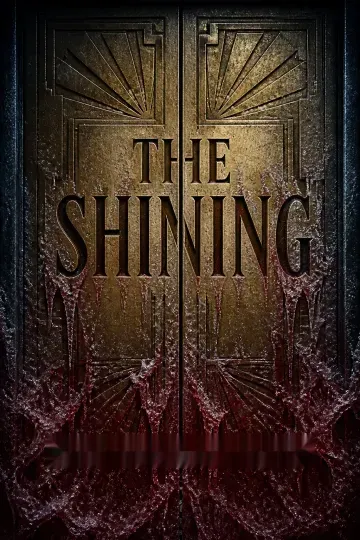
The Shining Series

About the Author
Other books by Stephen King



Download PDF
Download EPUB
.epub digital book format is ideal for reading ebooks on phones, tablets, and e-readers.








