Plot Summary
Buried Beneath Ruins
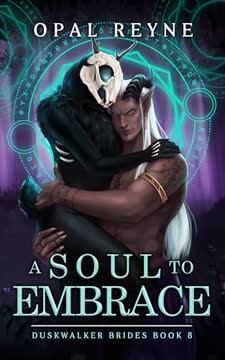
The story opens with Jabez, a powerful but reviled half-Elf, half-Demon, buried under the rubble of his own destroyed castle. His body is broken, his magic nearly spent, and his mind teeters between agony and delirium. He refuses to die, driven by a stubborn will to survive and a history of clawing his way out of worse fates. In a desperate act, he mutilates himself to escape, boiling his own blood to mask his scent and using forbidden magic to stem his wounds. The weight of his failures and the ghosts of his past press down on him as much as the stone. When a mysterious Mavka—an enigmatic, monstrous being—digs him out, Jabez is too weak to fight or flee, and his fate is left in the hands of a stranger, setting the stage for a story of survival, reckoning, and unexpected connection.
Mavka's Unlikely Rescue
Awakening in a dark burrow, Jabez finds himself healed but imprisoned by the Mavka who rescued him. She is wild, underfed, and barely communicative, yet she has used her magic to restore his severed limbs. Their first interactions are fraught with tension, misunderstanding, and the threat of violence. Jabez, ever the survivor, quickly realizes that brute force will not free him; instead, he must use patience and cunning to navigate the unpredictable moods of his captor. As he tests her intelligence and boundaries, he discovers she is female—a rarity among Mavka—and that her humanity is stunted but growing. Their uneasy truce is born of necessity, and the seeds of a strange partnership are sown.
Captive in the Burrow
Trapped underground, Jabez is forced to rely on his wits and the limited goodwill of the Mavka, whom he names Zylah. He begins to teach her language, using gestures and simple words, and discovers her rapid capacity for learning. Their dynamic shifts from captor and captive to reluctant companions as they hunt together and share food. Jabez's survival instincts are matched by Zylah's curiosity and growing attachment. The burrow becomes a crucible where both are stripped of pretense—Jabez of his power and pride, Zylah of her ignorance and isolation. The slow, awkward process of communication becomes the foundation for trust, and the first glimmers of mutual respect and empathy emerge.
Learning to Survive Together
As days pass, Jabez and Zylah venture beyond the burrow, navigating the dangers of the forest and the complexities of their partnership. Jabez, stripped of his magic, must rely on Zylah's strength and instincts, while Zylah, hungry for knowledge and connection, absorbs everything he teaches. They develop routines—hunting, bathing, learning words, and exploring the world together. Jabez's initial plan to use Zylah as a tool for his own ends is complicated by genuine affection, while Zylah's loneliness is eased by his presence. Their survival becomes a shared endeavor, and the boundaries between monster and man, captor and captive, begin to blur.
The Hunger for Humanity
Zylah's rapid development is fueled by consuming humans, a process that increases her intelligence and humanity but also brings violence and guilt. Jabez, ever pragmatic, leads her to a human village, orchestrating a massacre to accelerate her growth. The aftermath is bloody and traumatic, but Zylah emerges more self-aware, capable of speech and complex thought. She grapples with the morality of her actions, haunted by the pain she has caused and the memories she cannot fully access. Jabez, meanwhile, is forced to confront the consequences of his manipulations and the depth of his own loneliness. Their bond is tested by shame, anger, and the struggle to reconcile monstrous nature with human feeling.
A Dangerous Bond Forms
As Zylah's humanity blossoms, so does her capacity for emotion—curiosity, embarrassment, longing, and love. Jabez, drawn to her innocence and strength, finds himself caring for her in ways he never intended. Their relationship deepens through shared lessons, gentle teasing, and the slow, electric build of physical attraction. Yet both are haunted by their pasts: Zylah by the violence she cannot undo, Jabez by the betrayals and traumas that shaped him. When Zylah enters her first heat, their desires ignite, and the boundaries between teacher and student, monster and man, dissolve in a night of passion and mutual need. The aftermath leaves them both changed, bound by something deeper than survival.
Into the Human Village
With Zylah's humanity now undeniable, Jabez brings her into a human village under the cover of night, using glamours to hide her monstrous features. The experience is overwhelming for Zylah, who is both fascinated and frightened by the bustle of civilization. Jabez, ever the thief and schemer, procures supplies and books for her, furthering her education and independence. Their presence, however, does not go unnoticed, and the risk of discovery looms. The village becomes a crucible for their relationship, testing their ability to work together, protect each other, and navigate the complexities of a world that would destroy them if it knew the truth.
The Cost of Redemption
As they settle into a new home, Jabez is forced to confront the ghosts of his past—his crimes, his betrayals, and the people he has hurt. Zylah, now fully self-aware, demands honesty and transparency, refusing to be manipulated or kept in the dark. Their bond is strained by revelations, arguments, and the weight of guilt. When Zylah is gravely injured in a trap set by other Demons, Jabez's desperation drives him to seek help from the Elves he once swore to destroy. The journey to the Elven city is fraught with danger, regret, and the fear of losing each other. Redemption, it becomes clear, is not a single act but a painful, ongoing process.
Lessons in Trust and Touch
Within the safety of the Elven city, Zylah is healed, and Jabez is forced to submit to the judgment of those he once hated. Their relationship is tested by the scrutiny of others, the scars of old wounds, and the challenge of building a life together in a world that mistrusts them. Through shared vulnerability, gentle affection, and the slow, patient work of forgiveness, they learn to trust not only each other but themselves. Physical intimacy becomes a language of healing, a way to reclaim agency and joy after so much pain. Together, they begin to imagine a future not defined by violence or vengeance, but by love and the possibility of peace.
Facing the Past's Shadows
As Jabez and Zylah settle into their new life, they are confronted by the return of old enemies, the demands of family, and the unresolved traumas that linger between them. Jabez's half-sister, Raewyn, emerges as a bridge between past and present, offering both challenge and comfort. The extended Mavka family gathers, bringing with them old grievances, new alliances, and the hope of reconciliation. Through difficult conversations, shared meals, and the forging of new bonds, the wounds of the past are acknowledged and, if not healed, at least made bearable. The family reunion becomes a microcosm of the larger work of healing and rebuilding that lies ahead.
The Elven Realm's Dilemma
The Elven council, wary of Jabez's power and history, debates whether to allow him and Zylah to remain. Jabez, for the first time, offers not threats but solutions—his knowledge, his magic, and his willingness to help build a new society where Demons and Elves might coexist. The negotiations are tense, marked by suspicion, regret, and the need for compromise. Ultimately, it is the example of Jabez and Zylah's bond—their willingness to choose each other over vengeance—that sways the council. The promise of a new beginning is fragile, but real, and the possibility of peace, once unthinkable, begins to take root.
A Soul to Embrace
With the council's approval, Jabez and Zylah are granted sanctuary and the chance to build a life together. Their relationship, once born of necessity and danger, becomes a source of strength and joy. They learn to navigate the challenges of their new home, the complexities of family, and the ongoing work of healing. Through shared laughter, gentle teasing, and the daily rituals of love, they create a space where both can be fully themselves—monster and man, teacher and student, lover and beloved. The soul bond between them, once a tool of survival, becomes a symbol of hope and the possibility of transformation.
Family Reunion Reckonings
Merikh, Jabez's old friend and rival, orchestrates a reunion of the extended Mavka family, bringing together old enemies, new allies, and the tangled web of relationships that bind them. The gathering is fraught with tension, as past betrayals and hurts are aired, and the work of forgiveness is begun. Zylah, at the center of it all, becomes both witness and participant in the healing of old wounds. Through shared stories, laughter, and the forging of new bonds, the family begins to imagine a future not defined by violence or vengeance, but by love, acceptance, and the possibility of peace.
Choosing Love Over Vengeance
Faced with the opportunity to reignite his war against the Elves, Jabez instead chooses Zylah and the life they have built together. The decision is not easy, and the ghosts of his past continue to haunt him, but the love and trust he shares with Zylah become his anchor. Together, they work to build bridges between Demons, Elves, and humans, offering the hope of a new beginning for all. The story ends not with a final battle, but with the quiet, ongoing work of healing, forgiveness, and the daily rituals of love that make a new world possible.
Healing, Forgiveness, and Home
In the aftermath of so much pain and struggle, Jabez and Zylah find themselves surrounded by family, friends, and the possibility of a future they once thought impossible. Their home becomes a haven for others seeking refuge, and their bond a symbol of hope for a world in need of healing. Through shared meals, laughter, and the gentle work of daily life, they create a space where all are welcome, and the wounds of the past can begin to heal. The story closes with the promise of new beginnings, the embrace of a soul once thought lost, and the quiet, enduring power of love.
Characters
Jabez
Jabez is a half-Elf, half-Demon whose life has been defined by trauma, betrayal, and the relentless pursuit of survival. Once a feared and hated king, he is cunning, ruthless, and deeply scarred by the cruelty of both Elves and Demons. His relationship with Zylah begins as one of necessity and manipulation, but her innocence and strength awaken in him a capacity for tenderness and love he thought long dead. Jabez is fiercely intelligent, pragmatic, and often cold, but beneath his armor lies a wounded heart desperate for connection. His journey is one of painful self-examination, the slow work of redemption, and the ultimate choice to embrace love over vengeance. Through Zylah, he learns to trust, to forgive, and to imagine a future not defined by violence, but by hope.
Zylah
Zylah is a rare female Mavka, born monstrous and nearly feral, but with a boundless capacity for growth and love. Her journey from wild creature to self-aware, articulate woman is marked by pain, guilt, and the hunger for humanity. She is curious, compassionate, and fiercely loyal, absorbing knowledge and emotion with astonishing speed. Zylah's innocence is both her vulnerability and her strength, allowing her to forgive where others cannot and to see the good in Jabez when he cannot see it in himself. Her bond with Jabez is transformative, teaching her the complexities of trust, desire, and selfhood. Through her, the story explores the possibility of redemption, the power of love to heal even the deepest wounds, and the hope of building a new world from the ashes of the old.
Merikh
Merikh is a bear-skulled Mavka whose strength and temper are matched only by his capacity for loyalty and love. Once Jabez's rival and companion, Merikh is both a source of conflict and a catalyst for healing. His own journey is marked by loss, guilt, and the struggle to reconcile his monstrous nature with his desire for connection. As the orchestrator of the family reunion, Merikh becomes a symbol of the possibility of forgiveness and the importance of chosen family. His relationship with Raewyn, an Elven woman, further bridges the gap between species and histories, offering hope for a future where old wounds can be healed.
Delora
Delora is Zylah's human mother, whose love and grief shape much of the emotional landscape of the story. She is gentle, nurturing, and deeply wounded by the loss of her daughter to the wildness of Mavka transformation. Her journey is one of learning to let go, to forgive, and to accept the new, changed Zylah. Delora's willingness to embrace Jabez, despite his past, becomes a turning point in the story, offering a model of compassion and the possibility of healing even the deepest rifts.
Magnar
Magnar is Zylah's Mavka father, a fox-skulled, antlered being whose love for his family is matched by his wariness of outsiders. He is slow to trust, but once won over, becomes a steadfast ally. Magnar's journey is one of learning to accept change, to trust in the possibility of redemption, and to support his daughter as she forges her own path. His relationship with Delora and Zylah is marked by tenderness, awkwardness, and the slow, patient work of building a new kind of family.
Raewyn
Raewyn is an Elven woman whose intelligence, curiosity, and compassion make her a key figure in the story's movement toward reconciliation. As Jabez's half-sister, she represents both the pain of the past and the hope of a new beginning. Her relationship with Merikh and her role as a mother to Lehnenia further complicate and enrich the tapestry of family and belonging. Raewyn's willingness to forgive, to learn, and to build bridges between species and histories is central to the story's vision of healing and peace.
Nathair
Nathair is a serpent Mavka, once thought lost, whose return from death is both a miracle and a challenge. Unable to speak, he communicates through sign language and the gentle translation of his bride, Linh. Nathair's presence is a reminder of the costs of violence, the possibility of healing, and the importance of family. His relationship with Linh and their younglings offers a vision of hope and renewal, even in the aftermath of trauma.
Linh
Linh is Nathair's bride, a woman of mixed heritage whose voice and presence are a balm to those around her. She is patient, compassionate, and fiercely protective of her family. Linh's ability to bridge worlds—between Mavka and human, silence and speech—makes her a vital part of the story's movement toward understanding and acceptance. Her relationship with Nathair is marked by tenderness, resilience, and the quiet, ongoing work of building a life together.
Orpheus
Orpheus is a wolf-skulled Mavka whose history with Jabez is marked by pain, betrayal, and the struggle for survival. He is protective, wary, and slow to trust, but his love for his bride, Reia, and their youngling offers hope for a new beginning. Orpheus's journey is one of learning to forgive, to let go of old wounds, and to imagine a future not defined by violence.
Reia
Reia is Orpheus's human bride, a woman whose strength, resilience, and compassion make her a central figure in the family's healing. She is quick-witted, protective, and unafraid to speak her mind. Reia's willingness to forgive, to build bridges, and to fight for those she loves is a model for the work of reconciliation that lies at the heart of the story.
Plot Devices
Dual Redemption Arc
The narrative is structured around the parallel journeys of Jabez and Zylah, both of whom begin as outcasts—one a villain seeking survival, the other a monster seeking humanity. Their relationship is the crucible in which both are transformed, not through grand gestures but through the slow, painful work of trust, vulnerability, and forgiveness. The story uses their evolving bond as a lens through which to explore themes of redemption, the cost of violence, and the possibility of change. Their arcs are mirrored and intertwined, each pushing the other toward growth and healing.
Monster-Human Dichotomy
The story plays with the boundaries between monster and human, both literally and metaphorically. Zylah's transformation from feral Mavka to articulate woman is paralleled by Jabez's journey from ruthless king to loving partner. The narrative uses physical transformation, language acquisition, and the rituals of daily life to explore what it means to be human, to be loved, and to belong. The monster becomes the beloved, and the villain becomes the hero, not by denying their nature but by embracing the full complexity of their selves.
Soul Bonding as Metaphor
The magical soul bond between Jabez and Zylah is both a literal plot device and a metaphor for the work of intimacy, vulnerability, and mutual healing. It is not a simple solution but a commitment to ongoing work, requiring honesty, forgiveness, and the willingness to change. The bond is tested by past wounds, present dangers, and the demands of family and society, but it endures as a symbol of hope and the possibility of new beginnings.
Found Family and Reconciliation
The extended Mavka family, with its tangled web of relationships, old hurts, and new alliances, becomes a microcosm of the larger work of healing and reconciliation. The family reunion is both a reckoning with the past and a vision of the future, offering the possibility of forgiveness, acceptance, and the building of a new world. The narrative uses the dynamics of family—biological, chosen, and forged through trauma—to explore the complexities of love, loyalty, and the work of making peace.
Political Intrigue and Social Change
The story is structured around a series of negotiations—between Jabez and Zylah, between Demons and Elves, between past and future. The Elven council's deliberations, the building of a new city, and the forging of alliances are all used to explore the challenges of social change, the cost of peace, and the ongoing work of building a world where all can belong. The narrative uses these political plotlines to ground the personal journeys of the characters in the larger work of healing and transformation.
Foreshadowing and Reflection
The story is rich with foreshadowing—Jabez's early refusals to trust, Zylah's hunger for humanity, the recurring motif of the soul bond, and the gathering of the family all point toward the eventual resolution. The narrative structure is cyclical, returning again and again to the themes of survival, trust, and the possibility of change. The story ends not with a final battle, but with the quiet, ongoing work of love, forgiveness, and the building of a new home.
Analysis
A Soul to Embrace is a powerful meditation on the nature of redemption, the cost of violence, and the transformative power of love. Through the intertwined journeys of Jabez and Zylah, the novel explores what it means to be both monster and human, villain and beloved, outcast and family. The story refuses easy answers, insisting that healing is a slow, painful, and ongoing process—one that requires honesty, vulnerability, and the willingness to forgive both oneself and others. The soul bond at the heart of the narrative is both a magical device and a metaphor for the work of intimacy, trust, and mutual transformation. The novel's vision of family—messy, wounded, and fiercely loyal—offers hope for a world in which old wounds can be healed and new beginnings are possible. In a time marked by division and pain, A Soul to Embrace is a testament to the enduring power of love, the necessity of forgiveness, and the quiet, daily work of building a home where all can belong.
Last updated:
Review Summary
A Soul to Embrace concludes Opal Reyne's Duskwalker Brides series with villain Jabez's redemption arc and romance with female Duskwalker Zylah. Reviews are highly polarized. Positive reviews praise the emotional depth, character development, and satisfying series conclusion, calling it beautifully written with excellent world-building. Critical reviews cite excessive length (900+ pages), repetitive exposition, pacing issues, and concerns about the relationship dynamic between Jabez and Zylah. Many appreciated the bonus reunion novella. Fans enjoyed seeing the villain redeemed, while detractors found his character irredeemable despite backstory explanations.