

Key Takeaways
When grief stops forward motion, choose work that lets you stand still.
A life interrupted. After his older brother Tom dies of cancer, Patrick Bringley leaves a prestigious job at The New Yorker and takes a guard position at the Met, the most beautiful place he knows. The work asks him to watch, remain present, and protect art, not push a project toward a deadline. At first, that stillness fits his grief. He can spend long hours among paintings without demanding that his loss become a lesson or disappear.
A shelter, not an escape. The museum gives Bringley room to be quiet while his life feels broken. His account treats this choice as personal rather than universal advice: the job is modestly paid, physically tiring, and made possible by his own circumstances. Still, it offers him a way to keep living without pretending he is ready to move on.
What's striking is how the job's repetitive structure offers support without requiring Bringley to explain his grief. In psychology, routines can restore a sense of predictability when a major loss has made ordinary life feel unfamiliar. The museum also supplies a place where attention can rest on something beyond the self. That is not the same as healing, and a quiet job cannot be prescribed to everyone. Its value here lies in giving grief space rather than treating it as a problem to solve on schedule.
Look before you explain; a painting needs your attention before your theories.
Begin with seeing. Bringley learns to give an artwork time before reaching for its style, historical label, or supposed big idea. A Chinese hand scroll by Guo Xi draws him through brush-written notes and into a misty landscape. Monet's river scene initially seems merely pretty, until patient looking reveals the changing color and shimmer that make the image feel alive. Neither encounter depends on mastering a specialist vocabulary first.
Then bring knowledge in. Bringley does not argue that labels and history are useless. He describes them as part of a fuller encounter, best added after looking has begun. Visitors can start by noticing colors, shapes, surfaces, and their own response, then ask what the object meant to its maker and first audience. This makes art a meeting, not a quiz with one correct answer.
The method resembles close observation in science: describe what is present before deciding what it means. That pause can interrupt automatic judgments, including the quick dismissal of a work as old-fashioned or merely decorative. It also gives viewers with little art education a legitimate starting point. Yet unprepared looking is not culturally neutral. A viewer may miss the histories, religious meanings, or power relations that shaped an object. The strongest sequence is not looking instead of learning, but looking first so that learning has something concrete to deepen.
Return to art when familiar truths have become too easy to ignore.
Make the known vivid. In the old master galleries, Bringley counts 210 depictions of Jesus, including Bernardo Daddi's Crucifixion. He reads the painting not as a puzzle to decode but as a direct encounter with suffering: a dead body, grieving witnesses, and the stark fact of loss. During Tom's illness, Raphael's Madonna of the Goldfinch hangs above the hospital bed, while ordinary acts of reading, talking, and caring become charged with tenderness.
Beauty includes pain. Bringley's mother recognizes the family in a painting of Mary holding her dead son. For him, art can make grief visible without explaining it away. It can also sharpen attention to what people already know but often push aside: bodies fail, people suffer, and care matters. The image does not remove the pain; it gives the pain a form that can be faced.
A shared image can serve as an emotional anchor: family members may look at the same scene while bringing different memories to it. That makes art useful not because it delivers a universal answer, but because it gives difficult experience a visible focus. The distinction matters. A crucifixion painting cannot make illness meaningful for every viewer, and aesthetic beauty can sometimes soften realities that deserve anger as well as contemplation. Bringley's account is strongest when the artwork holds both responses, tenderness and distress, without forcing either into consolation.
Let ancient objects disrupt your cramped sense of time.
Time beyond the deadline. In the Egyptian galleries, a visitor struggles to believe that objects are genuinely thousands of years old. A hand ax dated 300,000 to 90,000 BC brings an almost unimaginable human past into the present. Bringley also explains two Egyptian ideas of time: neheh, recurring cycles such as sunrise and the Nile's flood, and djet, the enduring realm associated with gods and the dead. These ideas help him understand why tomb models depict labor continuing into the afterlife.
A different pace. The models from Meketre's tomb show small figures grinding grain and brewing beer, meant to serve their owner beyond death. Watching them, Bringley reflects on a world not organized around modern ideas of progress. His own guard work similarly has no project to advance. The museum helps visitors, including him, remember timescales and ways of life that daily schedules make easy to forget.
Museums make deep time graspable by placing material evidence within reach of ordinary attention. A date can be abstract; a worked stone tool makes it harder to imagine human history as a brief prelude to the present. The Egyptian contrast between cyclical and eternal time also unsettles the assumption that every worthwhile life must move forward by measurable milestones. Still, an ancient worldview should not be reduced to a single tidy formula. These terms illuminate particular beliefs and objects, not every Egyptian's private understanding of time.
Treat great making as patient daily labor, not effortless genius.
Count the work. Michelangelo's Sistine Chapel ceiling was built from roughly 570 giornate, or daily sections of fresco completed while the plaster was workable. His drawings show an artist studying hands, bodies, and poses through repeated effort, while his letters reveal frustration and doubt. The finished ceiling can look inevitable; the preparatory work makes visible how much attention it took to reach that result.
Skill under pressure. The Gee's Bend quiltmakers offer another picture of artistic labor. Lucy T. Pettway stitched during breaks from farm work, while Loretta Pettway made quilts from worn clothing because her children needed bedding. Their quilts are inventive and beautiful, but they emerged from limited choices and demanding lives, not from romantic leisure. Bringley connects the quiltmakers and Michelangelo through the local, repeated acts by which difficult work gets made.
The comparison corrects the myth that exceptional work arrives as pure inspiration. It also expands the category of art beyond elite training and celebrated names: a quilt made for warmth can carry formal invention and cultural memory. That expansion should not turn hardship into an artistic credential. The quiltmakers' constraints were real burdens, not convenient fuel for creativity. Recognizing their skill means attending both to the finished work and to the labor conditions, inherited knowledge, and practical needs that shaped it.
Measure work by its daily texture, not the prestige attached to it.
A famous address is not fulfillment. Before the Met, Bringley works at The New Yorker, where proximity to celebrated writers and a prestigious title make him feel successful. Yet the job narrows his ambitions and leaves him spending hours on office routines that feel empty. After Tom's illness, he can no longer tolerate the gap between the status of the work and how it feels to do it.
Ordinary work has trade-offs. As a guard, he gains quiet, time to look, and a workplace where he can learn about art and people. He also stands for long shifts, deals with sore feet, and has limited control over vacation schedules. The job is not a perfect alternative to office life; its value is that its everyday demands fit Bringley's needs at that point in his life.
This is a useful corrective to status-based career decisions. Work is experienced not only through title or salary, but through autonomy, pace, colleagues, and the activities that fill an ordinary Tuesday. Bringley's story suggests that a lower-status role can offer richer attention and more satisfying contact with the world. But the personal fit should not obscure material conditions. A meaningful job can still be underpaid or exhausting, and many workers cannot choose to trade income or schedule flexibility for stillness.
Ask people about their lives before deciding what their uniforms conceal.
A workforce of many worlds. The Met's guards include immigrants and New Yorkers, former bankers, teachers, artists, and people from many other professions. Bringley meets Joseph, a former senior banker from Togo who sought asylum after being shot by men opposing a corrupt deal. He also learns from colleagues whose histories and expertise are not visible in their blue uniforms. The shared job gives these people a reason to talk across differences.
Listening changes the work. Bringley begins as a solitary observer, but conversations at shared posts and over drinks draw him into the lives around him. Asking open questions, and admitting what he does not know, lets colleagues explain places and experiences he could not infer on his own. Gradually, the routines of answering, helping, and exchanging stories reconnect him with other people.
The guard room offers a small-scale alternative to workplaces where colleagues tend to share similar education and career paths. Contact across different life histories can expose the limits of assumptions based on accent, age, or job title. Bringley's best move is not simply noticing people, but listening when they speak for themselves. There is a useful caution here: a memoirist's vivid character sketches can make other people feel like stories in someone else's recovery. The relationships matter because conversation becomes reciprocal, not just because observation becomes sharper.
Ask who made an object, and what history placed it here.
Beauty has a history. In the African galleries, Bringley admires a carved mask of Idia, queen mother of Benin, while remembering that British forces plundered Benin City in 1897. He hopes the mask may someday travel to a new museum being planned in Benin City. Elsewhere, he recalls the Met's Euphronios vase, acquired through a history of illicit excavation and smuggling, and returned to Italy in 2006.
Display is not neutral. A museum can preserve objects, make them available to a broad public, and still hold works whose removal is contested. Bringley does not claim expertise in repatriation, but he recognizes that guards and visitors are part of institutions that make choices about ownership and access. Looking carefully therefore includes asking how an object arrived, whose history it represents, and who should have authority over its future.
This perspective prevents admiration from becoming a substitute for ethical inquiry. Provenance, the record of an object's ownership and movement, can reveal coercion that a beautifully lit display conceals. Public access is a genuine value, but it does not by itself settle claims arising from looting or colonial rule. The tension is not solved by condemning museums or celebrating them. It calls for transparent histories, serious engagement with source communities, and recognition that preservation and rightful stewardship are related but not identical questions.
Carry beauty into unfinished life instead of hiding inside it.
Stillness is one part of living. The museum first gives Bringley a refuge from grief. Parenting later fills his days with laundry, appointments, disrupted sleep, and care that rarely looks composed. The contrast is sharp: paintings can hold a finished image, while family life remains messy and in motion. Bruegel's The Harvesters helps him see ordinary labor and rest as worthy of attention, even when daily responsibilities leave little room for contemplation.
Take something with you. On his last day as a guard, Bringley chooses a Fra Angelico Crucifixion as an image to carry forward. Its scenes hold suffering, ordinary distraction, and people moving to help someone in pain. He leaves the Met to lead walking tours, not because art has become irrelevant, but because his life now asks him to speak, work, and care for others beyond the galleries.
The ending resists the idea that contemplation is the highest form of life. Art can train attention, but attention acquires ethical force when it returns to the world of other people, obligations, and imperfect efforts. Bringley's changing role also shows that a meaningful life need not preserve one identity indefinitely. The museum remains a resource rather than a permanent refuge. This distinction keeps reverence from becoming withdrawal: beauty matters partly because it can alter how ordinary work and human need are seen.
Analysis
This memoir is not primarily a guide to the Met or an argument that art heals grief. Its structure follows a more difficult transformation: Bringley first uses the museum's stillness to survive his brother's death, then discovers that the stillness cannot be his whole life. The galleries teach him to look, but the people in the galleries teach him to participate. His path from the New Yorker to museum guard, from solitary posts to friendship, and from guard to father and tour guide gives the book its narrative spine.
The central tension is between art as an arrested image and life as unfinished labor. Paintings and objects preserve gestures across centuries; family life, paid work, illness, and friendship resist such composure. The book does not resolve this tension by declaring one realm superior. Instead, it shows how attention can travel between them. A medieval Crucifixion can make suffering legible, while the care of a sick brother gives that image urgent meaning. A quilt can be formally daring and still be a practical response to cold beds. The museum's objects become powerful not by escaping history, but by meeting Bringley's own.
The memoir is also alert to the social conditions that make beauty possible and contested. Guards, custodians, technicians, and handlers sustain the institution, while collections carry histories of patronage, labor, and sometimes plunder. Its account of the Benin mask and the returned Greek vase complicates any simple celebration of museums as neutral storehouses. At the same time, the book is not a comprehensive institutional critique. Its intimate scale favors encounters and personal change over systematic analysis of acquisition, labor, or policy.
That limitation suits its method. Bringley offers no universal program for grief or career choice. He offers a discipline of attention: pause, notice what is present, learn its history, and let the encounter change the quality of one's engagement with daily life. The final measure of art is not whether it offers escape, but whether the viewer can return from it more awake to work, loss, and other people.
Review Summary
All the Beauty in the World received mostly positive reviews, praised for its intimate look at the Metropolitan Museum of Art through a guard's perspective. Readers appreciated Bringley's reflections on art, grief, and healing. Many found the book soothing and insightful, though some criticized it as self-indulgent or boring. The writing style and Bringley's observations about artwork and museum visitors were generally well-received. While not action-packed, the memoir resonated with art enthusiasts and those seeking a contemplative read.
People Also Read










Glossary
neheh
cyclical timeAn ancient Egyptian conception of time associated with recurring natural patterns, such as the sun's rising and setting or the Nile's flooding and retreat. In Bringley's account, neheh contrasts with the modern image of history as an arrow moving steadily forward. Its governing idea is recurrence: events change, but the cycles of nature continue.
djet
eternal sacred timeAn ancient Egyptian concept of time associated with gods, the dead, and what is complete, perfect, and lasting. Unlike neheh, which follows recurring natural cycles, djet stands apart from ordinary change. Bringley uses the term to explain why Egyptian temples, tombs, and statues were made to express permanence and to sustain a presence beyond mortal life.
akh
radiant transformed beingIn the Egyptian religious account Bringley presents, an akh is a radiant being associated with the afterlife and divine presence. He describes the statue of Hatshepsut as becoming an akh when morning light entered her temple, bringing her into communion with her divine father, Amun-Re. The term helps explain the statue's role as more than a likeness or decorative object.
giornata
one day's fresco workAn Italian term for a section of fresco completed in a day's work, while the newly applied plaster remains suitable for painting. The Sistine Chapel ceiling is made up of many such areas, each marking what Michelangelo and his assistants accomplished before the plaster dried. The term makes the celebrated ceiling legible as accumulated daily labor rather than a single, effortless achievement.
nkisi
Songye power figureA sacred power figure made by the Songye people of Central Africa. In Bringley's account, its creation involved community members, a commissioned carver, and a nganga, or holy person, who placed medicinal and magical substances within it. The figure was treated as a powerful presence intended to protect the community, not merely as a representation of a spiritual being.
bishimba
sacred medicinal substancesMedicinal and magical substances placed in a nkisi, including material kept in openings within the figure. Bringley notes that these substances formed part of the power figure's religious and communal function. They help explain why the object was understood as an active presence rather than simply a carved sculpture for people to view.
mihrab
prayer-direction nicheA niche in a mosque or religious setting that indicates the direction of Mecca for Muslim prayer. Bringley describes a visitor using the Met's mihrab as a focus for prayer, while the niche's geometry, inscriptions, and plant-like designs also invite close visual attention. The object is simultaneously an artwork and a practical orientation toward worship.
Pietà
Mary holding dead ChristAn established subject in Christian art showing the Virgin Mary mourning or supporting the dead body of Christ. Bringley uses the image to consider grief and the human body after death, including the experience of his own family. The term is related to Lamentation scenes, which more broadly depict mourning after Christ's death.
FAQ
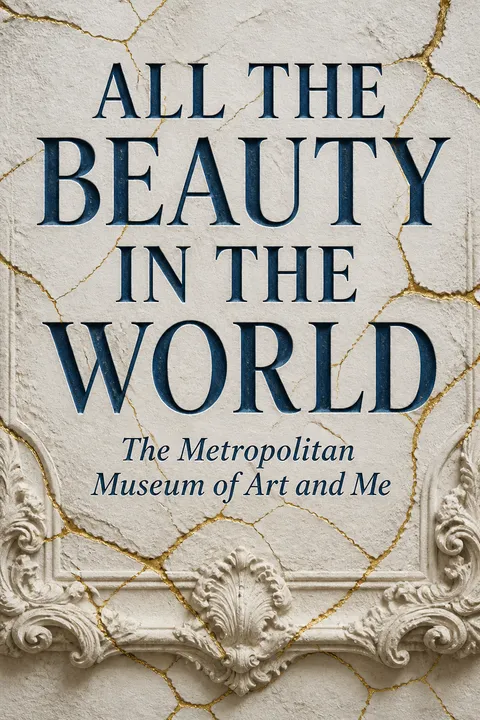
1. What is "All the Beauty in the World" by Patrick Bringley about?
- Memoir of a Museum Guard: The book is a memoir chronicling Patrick Bringley’s ten years as a guard at the Metropolitan Museum of Art in New York City.
- Personal Journey Through Grief: It explores Bringley’s personal journey through grief after the loss of his brother, and how working at the Met provided solace and meaning.
- Life Inside the Met: The narrative offers an insider’s perspective on the daily life, routines, and community of museum guards, as well as the behind-the-scenes workings of the museum.
- Reflections on Art and Humanity: Bringley uses his experiences to reflect on the power of art, the diversity of museum visitors, and the universal search for beauty and connection.
2. Why should I read "All the Beauty in the World" by Patrick Bringley?
- Unique Perspective on Art: The book provides a rare, ground-level view of one of the world’s greatest museums, seen through the eyes of someone who spent years quietly observing both art and people.
- Moving Exploration of Grief: Bringley’s honest account of coping with loss and finding healing through art and stillness resonates with anyone who has experienced grief or sought meaning in difficult times.
- Celebration of Everyday Work: It elevates the often-overlooked role of museum guards, showing the dignity, camaraderie, and quiet heroism in their work.
- Accessible and Thoughtful Writing: The memoir is praised for its warmth, humor, and philosophical insights, making it appealing to art lovers and general readers alike.
3. What are the key takeaways from "All the Beauty in the World" by Patrick Bringley?
- Art as a Source of Solace: Art can provide comfort, perspective, and a sense of connection during life’s most challenging moments.
- Value in Stillness and Observation: Slowing down and truly observing—whether art or people—can lead to deeper understanding and appreciation of the world.
- Diversity of Human Experience: The Met is a microcosm of humanity, and the book highlights the variety of visitors, staff, and stories that pass through its halls.
- Meaning in Ordinary Work: Even seemingly simple or repetitive jobs can be meaningful, especially when approached with openness and curiosity.
4. How does Patrick Bringley’s personal story shape "All the Beauty in the World"?
- Driven by Loss: Bringley’s decision to become a museum guard is rooted in the grief of losing his brother, which shapes his search for stillness and meaning.
- Transformation Through Art: His time at the Met becomes a period of healing, reflection, and personal growth, as he learns to live with loss and embrace new chapters.
- Family and Relationships: The memoir weaves in stories of Bringley’s family, marriage, and eventual fatherhood, showing how his experiences at the museum inform his life outside its walls.
- Evolving Perspective: Over ten years, Bringley’s relationship to art, work, and community deepens, moving from solitude to connection and from grief to acceptance.
5. What is unique about the perspective on art and museums in "All the Beauty in the World"?
- Guard’s-Eye View: Unlike curators or critics, Bringley offers the perspective of someone who spends long, quiet hours with the art, observing both masterpieces and the people who come to see them.
- Focus on the Everyday: The book highlights the beauty in routine, repetition, and the unnoticed details of museum life.
- Art as Living Presence: Bringley describes artworks as “inhabitants” of the museum, each with their own stories and power to affect viewers.
- Demystifying the Museum: He reveals the human side of the institution, from the camaraderie among guards to the quirks of visitors and the practicalities of museum operations.
6. How does "All the Beauty in the World" by Patrick Bringley explore the role of museum guards?
- Essential Yet Overlooked: The book emphasizes the importance of guards in protecting art and ensuring the safety and enjoyment of visitors, while often being invisible to the public.
- Community and Diversity: Bringley introduces a cast of colleagues from varied backgrounds, highlighting the diversity and camaraderie among guards.
- Guarding as a Vocation: He finds meaning and pride in the work, challenging stereotypes about “unskilled” jobs and showing the value in attentive presence.
- Stories and Wisdom: The memoir is rich with anecdotes, humor, and life lessons learned from fellow guards and their unique perspectives.
7. What are some of the most memorable artworks and galleries discussed in "All the Beauty in the World"?
- Old Masters Wing: Bringley spends much of his early career among Renaissance and Baroque paintings, including works by Raphael, Duccio, and Bruegel.
- Egyptian Wing: He describes the awe-inspiring Temple of Dendur and the ancient tombs, reflecting on time and mortality.
- Islamic and African Art: The book explores the beauty and complexity of non-Western art, such as the Songye nkisi and the Moroccan Court.
- Modern and Contemporary Art: Bringley covers blockbuster exhibitions like Picasso and Michelangelo, as well as the moving Gee’s Bend quilt show.
8. How does Patrick Bringley describe the experience of visitors in "All the Beauty in the World"?
- Diverse Motivations: Visitors range from art lovers and tourists to schoolchildren and regulars, each bringing their own expectations and reactions.
- Moments of Wonder and Confusion: Bringley observes moments of awe, misunderstanding, and even frustration, often serving as a guide or sympathetic ear.
- People-Watching as Art: The memoir treats the flow of visitors as a living artwork, full of stories, emotions, and fleeting connections.
- Universal Search for Meaning: Through their questions and behaviors, visitors reveal a shared human desire to find beauty, understanding, and connection.
9. What methods or advice does Patrick Bringley offer for experiencing art and museums?
- Slow Down and Observe: Bringley advocates for spending time with artworks, allowing their details and presence to unfold gradually.
- Embrace Silence and Stillness: He suggests that quiet contemplation can lead to deeper appreciation and unexpected insights.
- Ask Questions, Seek Stories: Learning about the maker, context, and history of an artwork can enrich the experience, but personal reflection is equally important.
- Carry Art With You: Bringley encourages readers to find artworks that resonate personally and to let them inform and inspire life outside the museum.
10. What are some of the key concepts or themes explored in "All the Beauty in the World"?
- Art and Mortality: The book frequently returns to themes of death, loss, and the ways art helps us confront and make sense of mortality.
- Stillness vs. Motion: Bringley contrasts the stillness of art and the museum with the busyness of modern life, finding value in both.
- Community and Solitude: The memoir explores the balance between solitude (as a guard, as a mourner) and the connections formed with colleagues and visitors.
- Growth and Change: Over time, Bringley’s relationship to art, work, and life evolves, reflecting the ongoing process of healing and self-discovery.
11. What are some of the best quotes from "All the Beauty in the World" and what do they mean?
- “Much of the greatest art, I find, seeks to remind us of the obvious. This is real, is all it says.” — Bringley emphasizes that art’s power often lies in making us see and feel what we already know, but too easily forget.
- “You are now entering a world in miniature, its terrain stretching from the mudflats of Mesopotamia to the cafés of Left Bank Paris and a thousand other places where humankind has really outdone itself.” — This captures the awe and scope of the Met, and the invitation to lose oneself in its riches.
- “Art often derives from those moments when we would wish the world to stand still.” — Bringley reflects on how art captures fleeting beauty and emotion, offering a kind of permanence.
- “Even seemingly simple or repetitive jobs can be meaningful, especially when approached with openness and curiosity.” — A recurring theme, this quote speaks to the dignity and value found in everyday work.
12. How does "All the Beauty in the World" by Patrick Bringley conclude, and what lasting message does it leave?
- Embracing Change: Bringley eventually leaves his job as a guard, recognizing that life consists of chapters and that growth requires moving forward.
- Carrying Art Forward: He encourages readers to “carry something with you” from the museum—art, memories, lessons—that can enrich and change your life.
- Life as Unfinished Work: The memoir ends with the idea that both art and life are ongoing, imperfect, and always in process, echoing the “Unfinished” exhibition he describes.
- Gratitude and Hope: Bringley expresses deep gratitude for his time at the Met, the people he met, and the art he loved, leaving readers with a sense of hope, resilience, and the enduring power of beauty.
Download PDF
Download EPUB
.epub digital book format is ideal for reading ebooks on phones, tablets, and e-readers.








