

Plot Summary
The Bloody Phantom Arm
On Thanksgiving in rural Wisconsin, Victor Bayne arrives with Jacob Marks, his boyfriend and a fellow police officer, hoping to manage one family meal without the drugs he has recently stopped taking. Vic is a PsyCop medium, able to see and hear spirits, and Jacob's uncle Leon has a phantom arm that jerks and sheds spectral blood beside the turkey.
Vic retreats upstairs and inhales nail-polish remover to dull his visions, frightening himself with how quickly he reaches for chemical relief. Jacob finds him, gives him an Auracel tablet, and reassures him that he does not have to leave. Vic returns to the table, but his first attempt at fitting into Jacob's family has exposed how fragile his recovery remains.
The dinner makes Vic's psychic talent less a superpower than a sensory condition he has learned to manage through medication and avoidance. His impulse to inhale acetone is not presented as glamorous rebellion; it is an improvised survival tactic that exposes the danger beneath his composure. Jacob's response matters because he neither shames Vic nor pretends the problem is trivial. He offers medication and companionship, then lets Vic decide whether to return. The family gathering also makes intimacy public: Vic must negotiate his relationship, his unusual work, and his vulnerability in a room where none of them can be neatly concealed.
Three Names, One Partner
After dinner, Sergeant Warwick calls Vic back from medical leave: three people have disappeared in a week, including an alderman's nephew, and the department wants a medium on the case. During the drive to Chicago, Jacob asks whether Vic truly wants to share a home. Vic admits he does, though the decision leaves him anxious.
At the Fifth Precinct, Warwick assigns him Bob Zigler, a seasoned, blunt detective from Evanston. The pair begin searching a park along the missing nephew's route. Vic wants to tell Zigler he is gay before suspicion can grow between them, but the disclosure makes Zigler visibly uncomfortable. He offers no insult or explanation, leaving Vic to work beside a partner whose silence he cannot yet interpret.
The case interrupts Vic's fragile domestic experiment with the familiar demand of police work, but the assignment also gives him a reason to re-enter life beyond his apartment. His agreement to move in with Jacob is emotionally significant because it follows hesitation rather than a sudden romantic certainty. With Zigler, Vic anticipates rejection so intensely that a pause becomes evidence in his mind. The uncertainty is not merely about sexuality; it reflects a learned expectation that disclosure will cost him safety or belonging. Meanwhile, the partner system makes their differences operational: Vic reads the dead, while Zigler's immunity to psychic influence supplies the grounded counterweight he lacks.
The Condo's Dead Message
Jacob keeps searching for a home that is both comfortable and free of spirits, a difficult balance when Vic can detect inhabitants no ordinary inspection would reveal. One attractive condo seems promising until Vic hears the same angry sentence repeating from its bedroom, a dead man's demand concerning his wife's lover. The discovery ruins the couple's hopes for that property.
Looking for a way to screen the next listings, Vic calls Lisa Gutierrez, his former partner, whose yes-or-no precognition once helped him. Lisa refuses to keep answering his questions because she wants to define herself beyond her talent. Vic takes the boundary as abandonment. Later, when he tries again, her disconnected number makes the distance feel final.
The haunting turns house-hunting into a test of what counts as a safe home. A property can be elegant, spacious, and still belong to someone else's unresolved past, while Jacob's practical standards and Vic's supernatural ones must both be satisfied. Lisa's refusal carries a related tension: her gift has made her useful to Vic, but usefulness is not the same as mutuality. He experiences her independence as rejection because their old routine gave him certainty. The parallel is precise: Vic wants a home without unwanted spirits and a friendship without unwanted change, yet both forms of security require him to accept limits he cannot control.
A Charm From Miranda
Searching for Miranda Lopez, one of the missing people, Vic visits her crowded apartment with Zigler. Miranda's son Carlos resents the repeated police questions, while her mother guides Vic through the bedrooms, hoping his gift will find what ordinary investigation has missed.
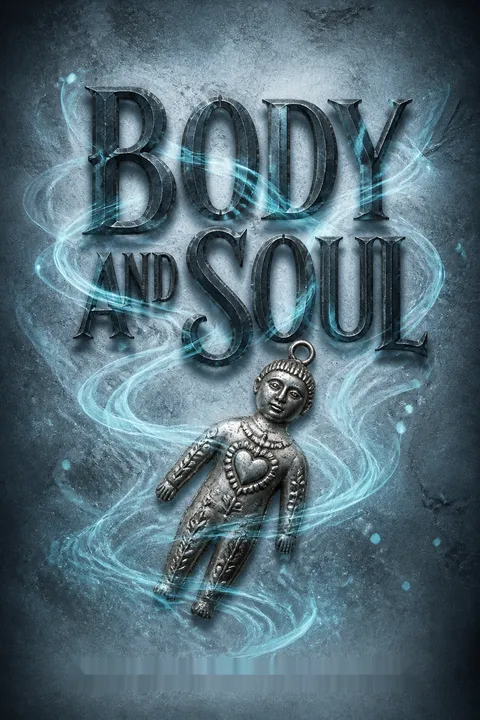
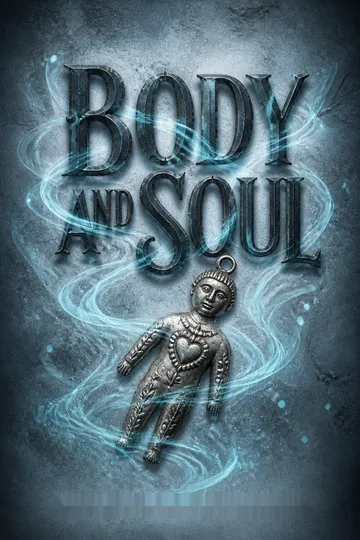
No spirit appears. Mrs. Lopez gives Vic Miranda's photograph and a tiny silver figure, asking him to bring her daughter home. Vic cannot promise success, but he carries the charm to Crash, a metaphysical shop owner who explains that such tokens can represent a person in folk religious practice.
Crash lends Vic silver pendulums, which may affect spirits, and Vic keeps both the pendulums and the charm. His search has acquired a family's trust, along with objects that may matter more than he understands.
Mrs. Lopez's gift changes the emotional scale of the investigation. The missing-person files have been abstractions, but a photograph and a charm make Miranda's absence tangible, and Vic must carry the family's hope without pretending he can guarantee an answer. His psychic work is therefore ethical as well as perceptual: he must decide what to promise when his abilities are limited. Crash's explanation links spiritual practice to material objects, but the book leaves room for uncertainty about why they work. The charm's force comes partly from belief and attachment, not merely from a technical mechanism. That ambiguity prepares Vic to treat care itself as a form of evidence.
Zigler's Old Pursuit
While searching for the missing people, Vic's new partner takes him to a hot-dog stand, where a blood-spattered apparition flickers into view. Zigler asks Vic to identify the ghost, then admits the man is Graham Leonard, a passerby killed in 1987 when Zigler pursued a drunk driver. The fleeing car forced a truck off course, and its mirror struck Graham as he stood by the stand.
Zigler has carried the blame for decades and asks whether Graham can forgive him. Vic relays Graham's answer: he holds no grievance. Zigler breaks down, then returns to the case with Vic. The disclosure gives Vic a clearer picture of the man behind the rigid cop exterior, and their partnership becomes less guarded.
Graham's appearance forces the partnership to confront the difference between legal responsibility and moral injury. Zigler's old decision caused a consequence he could not undo, so his professional discipline has become a way of living beside guilt rather than resolving it. The ghost's forgiveness does not erase the harm or certify the pursuit as correct; it gives Zigler a response from the person whose perspective he could never access. Vic's role is not to absolve his partner himself, but to carry a message without claiming ownership of it. That mediation earns trust and shows how his talent can restore contact where ordinary procedure has left a silence.
The Van in the Alley
The investigation gains a physical lead when police find Andy Lynch's wallet in a Dumpster, close to the park where he vanished. At the scene, Vic hears Tiffany, a child's spirit, who recognizes Lynch from a photograph and recalls him bleeding as a man and woman loaded him into a white van with damaged rear doors.
She cannot identify the people or the vehicle's details. Later, another unseen spirit near a convenience store tells Vic that an older man in a white van visits on Mondays and Thursdays after dark.
Vic promises the informant police attention for a local drug dealer in exchange for the information. The two scraps of testimony give Warwick enough to organize surveillance, while Vic carries a promise to Tiffany that he will bring her a gold necklace.
The clues arrive through imperfect witnesses, not a convenient supernatural oracle. Tiffany remembers a van and the victim's injury but cannot supply identifying details; the second spirit knows a recurring schedule but has its own grievance and demands a bargain. Vic's method depends on listening patiently and assessing what each witness can actually know. The scenes also complicate the category of evidence: a ghost's account must still be translated into leads police can verify. His promise of a necklace risks becoming another obligation, but it also recognizes Tiffany as a person with desires rather than merely a tool for the investigation.
Six Bodies Below
Warwick's team stakes out the convenience store and stops a white van whose driver escapes into a nearby house. The spirit informant tracks him through the buildings, guiding Vic, Zigler, and uniformed officers to the basement. There, they find Professor Irving beside six restrained bodies arranged on gurneys, with leaves beneath them and strange markings on their foreheads.
Irving has been shot in the arm and arrested. Esmeralda, an elderly woman who has been tending the patients with silver discs, insists on being left to work. Vic sees that three spirits remain caught against their bodies. He places Mrs. Lopez's charm on Miranda and uses Crash's pendulums on the others. Their bodies stop moving as the spirits break free.
The basement converts the investigation's missing-person problem into a confrontation with the unstable border between body and person. The restrained figures move, but their spirits are trapped or displaced, so the police cannot rely on visible motion as proof of life. Vic's actions are both forensic and compassionate: he reads what others cannot, then uses objects entrusted to him to stop the victims' distress. The rescue depends on earlier relationships, particularly Mrs. Lopez's faith and Crash's practical knowledge. Yet the scene offers no simple mastery over death. Vic can release the spirits, but he cannot restore the bodies or undo the violence that brought them there.
The Scheme Beneath the Leaves
After the raid, Jacob and his telepathic partner Carolyn question Irving and Esmeralda. Irving believed he was creating an alternative to conventional burial, a way for people to keep contributing after death; Esmeralda's ability to sense impending deaths helped her locate potential subjects, and her practical instincts shaped the operation.
Their plan has not made the victims alive. Police also uncover false identification documents and stacks of library videos, evidence of a broader scheme whose details remain strange even to Vic.
The case gives Miranda's family an answer, but the three freed spirits do not stay to explain what happened to them. Jacob tells Vic he need not move if the search becomes unbearable, leaving Vic to decide what kind of home he can accept.
The scheme's horror grows from a recognizable impulse distorted by entitlement. Irving frames the dead as resources that might be put to public use, while Esmeralda's ability to anticipate death gives her access to people at their most vulnerable. Their language of utility cannot substitute for consent, and the bodies on the gurneys make that violation literal. The aftermath also resists tidy closure: the evidence establishes a criminal project, but the victims' private experiences remain inaccessible. Jacob's offer not to force a move contrasts sharply with Irving's coercion. Love, in this story, is distinguished from control by the freedom it leaves the other person to choose.
The Cannery's New Life
To keep his promise to Tiffany, Vic returns to the alley with a gold butterfly necklace and buries it in concrete beside a utility post, with Jacob helping. A different spirit, an elderly sculptor, approaches him there and leads him into an abandoned cannery she once hoped to convert into a studio. She shows Vic its architectural details and hidden key, then explains that the city owns the building.
Jacob sees a possible home in the vast brick interior, while Vic finds that the quiet does not trigger his usual fear of a haunting. The sculptor says she will leave if they buy it. Jacob asks the realtor to prepare paperwork, but the realtor warns that the building's reputation for ghosts makes it difficult to sell. The choice remains open.
The ending answers the book's domestic question without pretending to settle it. Vic and Jacob have not secured the cannery, and the realtor's warning returns the practical obstacle that has shadowed every viewing. Yet Vic's response has changed: he can stand in a dark, spacious place and imagine living there, especially when its spirit is a person with a history rather than a repeating threat. Tiffany's necklace similarly transforms an earlier promise into a small act of care that asks for no information in return. Home becomes possible not when the supernatural disappears, but when Vic can meet it without surrendering his own choice.
Analysis
Body and Soul treats psychic work as a problem of interpretation rather than omniscience. Vic can see what others cannot, but his visions are partial, intrusive, and emotionally costly. The missing-person investigation therefore depends on procedure, patient listening, and corroboration, not on a medium's ability to solve everything at a glance. A child's impression of a van and an informant's grudging schedule matter because Vic learns how to turn fragments into leads.
The story's most troubling invention grows from a recognizable moral shortcut. Irving believes he can make death useful, and Esmeralda's ability to anticipate it gives that belief a method. Their project replaces consent with the assumption that a benevolent purpose excuses control. Against this, Vic's care for the spirits is small and specific: he listens, distinguishes their wishes, and uses the objects trusted to him to relieve suffering. His talent matters most when he acknowledges its limits.
The romance and the procedural plot meet around autonomy. Vic fears that relying on Jacob will cost him independence, while Jacob's restraint allows Vic to choose the move, the work, and the terms of closeness. Lisa's boundary hurts precisely because Vic has relied on her gift as a source of certainty. The contrast makes the book's ethical claim intimate: love is not the permanent availability of another person's abilities.
The cannery ending leaves the couple's future unresolved, but Vic's changed response is real. He can consider a home without demanding that every trace of the dead be erased. A spirit's history may coexist with a living person's plans, provided neither is reduced to an obstacle or an instrument. The title's pairing of body and soul thus names more than the supernatural case. It asks whether care can preserve a person's separateness while still allowing connection.
Review Summary
Body and Soul, the third installment in the PsyCop series, follows psychic detective Victor Bayne as he investigates mysterious disappearances while navigating a Thanksgiving visit with boyfriend Jacob's family. Readers praise Vic's quirky humor and growing confidence as he reduces his reliance on Auracel. The relationship between Vic and Jacob deepens with emotional milestones, including declarations of love. House-hunting adds levity to the dark mystery. Most reviewers found this the strongest book yet, praising the character development, steamy romance scenes, and improved mystery plotting. Gomez Pugh's audiobook narration receives exceptional praise.
People Also Read

Characters
Victor Bayne
Reluctant ghost detectiveVictor, usually called Vic, is a Chicago police medium assigned to cases where the dead may hold evidence. He reads people and rooms through a sensory gift he cannot simply switch off, and his reliance on prescription drugs has shaped how he manages that burden. Dry, self-deprecating, and uncomfortable with direct conflict, he often hides behind understatement until someone else's need forces him to act. His foster-care history and institutional treatment have left him wary of dependence and of people who claim authority over his life. Vic's relationship with Jacob tests whether intimacy can coexist with his need for control, while his police work asks him to treat spirits as witnesses rather than instruments.
Jacob Marks
Steadfast Stiff partnerJacob is a Chicago police officer whose Stiff status makes him resistant to psychic influence and possession. He is physically imposing, disciplined, and more emotionally attentive than Vic first expects; he notices when Vic is distressed and offers practical help without demanding an explanation. As Vic's boyfriend, Jacob wants a shared home and a relationship that can withstand the pressures of dangerous work. He is also a devoted family member, though bringing Vic into that world means exposing both of them to scrutiny. Jacob's competence and calm can feel reassuring, but his confidence sometimes risks making decisions seem settled before Vic has caught up with them.
Bob Zigler
Old-school police partnerBob Zigler, who prefers Zig, is a veteran detective newly assigned to partner with Vic. He is physically imposing, methodical, and deeply informed about psychic police work, but his first reaction to Vic's personal disclosure makes him difficult to read. Zig values procedure and practical police skills, and he can take the lead in interviews where Vic feels uncertain. Beneath his blunt manner is a conscience shaped by old decisions he has never entirely put to rest. His partnership with Vic requires both men to trust kinds of knowledge they cannot fully share: Zig relies on Vic's perceptions, while Vic benefits from Zig's steadiness and experience.
Lisa Gutierrez
Precognitive former partnerLisa is a gifted precognitive and Vic's former police partner, now training at PsyTrain in California. Her yes-or-no ability has long made her a reliable source of certainty for Vic, especially when his own perceptions offer no clear answer. She is also a person trying to define herself beyond the usefulness of her talent. Their friendship carries affection and old habits, but Lisa wants space to decide when and how to use her gift. Her presence highlights the difficult distinction between depending on someone and treating their ability as permanently available.
Crash
Metaphysical shopkeeperCrash runs Sticks and Stones, a shop selling spiritual and ritual supplies, and speaks with irreverent confidence about traditions Vic barely understands. He teases Vic, flirts for sport, and uses humor to deflect the frustrations of having failed the official psychic tests. Beneath his provocative manner, he knows how objects and practices are understood in different spiritual communities. His willingness to lend Vic pendulums shows a practical generosity that sits alongside his sharp tongue. Crash also offers a useful counterpoint to institutional expertise, grounding supernatural inquiry in lived knowledge rather than formal certification.
Esmeralda
Unsettling ritual practitionerEsmeralda is an elderly woman whose knowledge of ritual objects and spirit practices gives her a formidable presence among the people involved in the disappearance case. She is direct, self-possessed, and unwilling to be intimidated by police authority. Her attention to the people under her care can seem compassionate at first, while her choices raise questions about where help ends and control begins. Esmeralda's character complicates easy divisions between healer and threat: she understands spiritual vulnerability, but understanding does not guarantee that she respects another person's autonomy.
Professor Irving
Unorthodox researcherIrving is a professor with a history of environmental activism and a strong faith in unconventional solutions. He is earnest enough to mistake conviction for moral permission, particularly when he believes a project might benefit society. His academic confidence does not make him emotionally resilient; under pressure, he is frightened and easily overwhelmed. Irving embodies the danger of treating an idea as benevolent simply because its creator believes in it. His contrast with Vic is telling: both confront the body as something that can reveal or preserve knowledge, but Vic's work begins by listening to the person rather than assigning the body a purpose.
Miranda Lopez
Missing motherMiranda is a working mother whose disappearance unsettles her family and becomes one of the cases Vic and Zig investigate. Her mother and children offer the detectives glimpses of her life through a photograph, a bedroom, and small personal possessions. The family's circumstances make clear how quickly a missing person can become a collection of clues in police files, while remaining a vivid absence to those who love her. Miranda's identity is never reduced to the case: her relatives remember her as a person with a place in the household and a history of care.
Mrs. Lopez
Hopeful family matriarchMrs. Lopez is Miranda's mother, a protective presence in a crowded home where worry and family friction coexist. She guides Vic through her daughter's rooms and recognizes that his work involves more than ordinary police procedure. Her gift of a small silver charm is an act of trust, shaped by her religious and cultural practices. She cannot control what has happened to Miranda, but she can place something of her daughter's identity in Vic's hands. Her quiet faith gives the investigation an emotional center without making her hope seem simple or unquestioning.
Carlos Lopez
Defensive older sonCarlos is Miranda's teenage son, guarded and angry at the police for asking his family to repeat painful details. His sharpness can read as hostility, but it also reflects the pressure of trying to protect his grandmother and younger brother while his mother is missing. He distrusts Vic's presence and does not immediately understand why his grandmother treats the detective as someone with unusual abilities. Carlos gives the case a perspective absent from official files: the impatience and fear of a young person forced into adult uncertainty.
Tiffany
Young spirit witnessTiffany is a childlike spirit Vic encounters near a crime scene. She is observant, persistent, and more interested in a beautiful necklace than in the police investigation unfolding around her. Her memories are concrete but incomplete, shaped by what she noticed at the time rather than by an adult understanding of the event. Tiffany's insistence on the necklace gives Vic a glimpse of the ordinary wishes that survive beyond death. She is not merely a source of evidence; she is a young person whose trust must be earned.
Andy Lynch
Missing alderman's nephewAndy is a young DePaul student whose disappearance draws political attention to a wider cluster of missing-person cases. His family connection gives the investigation urgency within the department, but Vic and Zigler continue to consider the other missing people rather than narrowing their focus to the most influential family. The details gathered about Andy's route and belongings make him a person in the case rather than simply a name with political value. His disappearance helps expose the gap between public pressure and the more difficult work of finding every missing person.
Ronald Adamson
Reclusive bill collectorRonald, who seems to prefer Ron, is a middle-aged bill collector who lives quietly and keeps a regular weekly check-in with his elderly mother. His routine makes his absence detectable, though it takes time before anyone recognizes that something is wrong. Through his case, the story contrasts the institutional urgency created by political connections with the fragile social ties that help ordinary people remain noticed. Ron is practical and mildly wry, and his concern for his mother persists even amid confusion about his circumstances.
Myra Adamson
Worried motherMyra is Ron Adamson's ninety-five-year-old mother, who notices his absence because they speak every Tuesday. When she visits the precinct, she overwhelms the detectives with theories and details about her son, mixing fear with stubborn determination. Her anxious, sometimes comic interview shows how a relative's knowledge can be both noisy and valuable. Myra's persistence comes from love expressed through vigilance: she is determined not to let her son vanish into a file.
Graham Leonard
Ghost from Zig's pastGraham is a man connected to an old incident from Zigler's police career. His presence forces Zig to revisit a decision he has carried for years and gives Vic a rare chance to mediate between a living officer and someone he cannot reach on his own. Graham is defined in the story less by what he says than by the fact that his perspective has remained unavailable to Zig. That absence has allowed guilt to harden into certainty.
Leon Marks
Jacob's candid uncleLeon is Jacob's uncle, a friendly, curious man who is unusually open to hearing about Vic's work as a medium. His phantom limb is part of his daily experience, and he speaks about it without the embarrassment or fear Vic expects from the rest of the family. Leon's ease gives Vic one person at the table who treats his ability as a subject for honest curiosity rather than suspicion. His presence also reminds Vic that spirits can appear through intimate, bodily traces.
Shirley Marks
Jacob's welcoming motherShirley is Jacob's mother and the gracious host of the Thanksgiving gathering. She tries to make Vic comfortable, offering food, drink, and practical care without forcing him to explain himself. Her warmth sits beside the family's more awkward responses to his psychic ability and relationship with Jacob. Shirley's instinct is to tend to the person in front of her, which gives Vic a small but meaningful experience of being included.
Barbara Marks
Protective single motherBarbara is Jacob's sister and Clayton's mother. She is controlled, practical, and protective of her son, especially when the dinner conversation turns toward frightening subjects. Her skepticism about spirits reflects a religious worldview rather than simple cruelty, though it makes Vic feel scrutinized. Barbara's presence gives the family gathering its ordinary frictions: concern for a child, discomfort with difference, and the effort to keep a holiday conversation within familiar bounds.
Clayton Marks
Curious young nephewClayton is Jacob's fifth-grade nephew, fascinated by police work, ghosts, and the possibility of zombies. He asks the blunt questions adults avoid, making Vic's unusual job a subject of open conversation at the family table. His curiosity is not malicious; he wants the supernatural world to fit the stories and movies he knows. Clayton's presence lets the book show how adults translate frightening knowledge for children while still managing their own discomfort.
Roger
Disgraced former partnerRoger is one of Vic's former police partners, now associated with a traumatic episode that left Vic on medical leave. His place in Vic's history helps explain why trust, medication, and control are difficult subjects for the detective. Roger is not present in the central investigation, but the harm linked to their partnership lingers in Vic's cautious approach to colleagues and institutional authority.
Carolyn Brinkman
Telepathic police partnerCarolyn is Jacob's police partner and a telepathic lie detector. Her ability makes her valuable in interviews, but it also shapes how other people behave around her. She works alongside Jacob in a disciplined partnership that contrasts with Vic's uneasy adjustment to Zigler. Carolyn's limited presence underlines that psychic policing is not one uniform gift: each talent creates its own practical uses, ethical boundaries, and social consequences.
The Sculptor
Former cannery ownerThe sculptor is an older spirit connected to an abandoned cannery she once hoped to transform into a live-work studio. She is opinionated, funny, and proud of the building's overlooked architectural details. Rather than repeating one moment or demanding attention, she has a particular history and a clear wish for the place's future. Her enthusiasm helps Vic see the building as more than a potentially haunted property and offers a different model of a spirit's relationship to a home.
Plot Devices
PsyCop Partnership
Psychic and Stiff teamworkPsyCops pair psychics, called Psychs, with Stiffs, officers resistant to psychic influence and possession. Vic's mediumship can reveal what the ordinary investigation misses, while Zigler's training, interviews, and physical police work make those perceptions actionable. The system creates both a procedural advantage and a personal tension: Vic is expected to produce insight, yet he depends on a partner who cannot experience what he sees. Their collaboration gradually turns that difference into a method rather than a source of mistrust.
Auracel
Vision-dulling medicationAuracel suppresses Vic's psychic visions, allowing him to function when spirits become overwhelming. His attempt to stop taking it makes ordinary surroundings harder to manage, as Leon's phantom arm forces him to choose between enduring the vision and seeking chemical relief. The medication is both a practical tool and a marker of Vic's dependence on controlled perception. Its presence sharpens the book's central question about agency: Vic wants to live without numbing himself, but his talent does not politely wait for him to feel ready.
Milagro and Pendulums
Objects that reach spiritsMrs. Lopez gives Vic a small silver figure connected to Miranda, and Crash lends him silver pendulums with possible effects on spirits. At first, the objects are simply unfamiliar tools attached to traditions Vic does not understand. Their importance grows when Vic uses the charm and pendulums to help spirits separate from bodies in the basement. The objects work at the intersection of ritual, belief, and practical intervention, while the story avoids reducing them to a fully explained technology. Their emotional weight comes partly from the trust and intention carried into their use.
Ghost Witnesses
Unseen sources of evidenceVic's mediumship gives the missing-person investigation access to witnesses whom ordinary police cannot see. The spirits provide incomplete memories: a child recalls a van and a bleeding passenger, while another spirit offers the van's schedule in exchange for action against a drug dealer. These encounters create leads but do not deliver instant solutions. Vic must judge what each witness actually knows, translate their accounts into police procedure, and contend with his own discomfort. The device makes evidence personal and fallible rather than magically comprehensive.
Esmeralda's Gift
A warning before deathEsmeralda has a precognitive ability that alerts her when someone is nearing death. Unlike Lisa's yes-or-no talent, the power does not provide broad answers or control over events; it offers a narrow warning that can be exploited by someone determined to act on it. This ability helps explain how Esmeralda becomes involved with vulnerable people, and it complicates the distinction between perception and consent. Knowing that death is approaching does not grant moral authority over the person who will die.
PsyCop Series
Download PDF
Download EPUB
.epub digital book format is ideal for reading ebooks on phones, tablets, and e-readers.








