Plot Summary
Fishing for Ghosts
Victor Bayne, a psychic detective in Chicago, spends a rare day off fishing with his retired partner, Maurice. The outing is meant to be peaceful, but Victor's sixth sense is always on edge. As they drift on the Calumet River, Victor's psychic abilities reveal a chilling vision: the water is teeming with the spirits of the dead, their faces reaching up from the murky depths. The experience unsettles Victor, reminding him that his connection to the dead is both a gift and a curse. The river, meant to be a place of calm, becomes a symbol of the unresolved and the unseen, setting the tone for the haunting events to come.
New Partners, Old Wounds
Back on land, Victor reflects on changes in his life. Maurice is retired, and Victor's new partner, Roger Burke, is a clean-cut, eager detective from Buffalo. Victor feels disconnected from Roger, missing the easy camaraderie he had with Maurice and the psychic synergy he shared with Lisa, his previous partner. The department's policy of pairing psychics with non-psychics (Stiffs) leaves Victor feeling isolated. His relationship with Jacob, a detective from another precinct, is passionate but complicated by Victor's emotional baggage and psychic sensitivities. The chapter explores Victor's struggle to adapt to new dynamics, both professionally and personally, as he navigates the complexities of trust and vulnerability.
River of the Dead
The haunting images from the river follow Victor home, invading his thoughts and dreams. He tries to numb his senses with medication, but the dead are persistent. Victor's psychic abilities make him a magnet for restless spirits, and the boundaries between the living and the dead begin to blur. The river becomes a metaphor for Victor's own psyche—deep, murky, and filled with unresolved trauma. As he grapples with his visions, Victor's sense of safety erodes, and he becomes increasingly reliant on drugs to keep the ghosts at bay. The chapter delves into the psychological toll of Victor's abilities and the isolation that comes with seeing what others cannot.
Haunted at Home
Victor's apartment, once a refuge, is no longer safe. Ghosts begin to appear in unexpected places, and Victor's attempts to shield himself with medication and routine prove futile. His relationship with Jacob offers moments of comfort, but even intimacy is shadowed by the ever-present threat of the supernatural. Victor's inability to control his visions strains his connections, and he fears that his psychic sensitivity is spiraling out of control. The chapter highlights the fragility of Victor's mental state and the ways in which his home life is invaded by forces beyond his control, blurring the line between personal and paranormal.
Nightmares and Needles
Victor's dreams become battlegrounds where the dead reach for him, and his waking life is punctuated by anxiety and dread. The introduction of new medications, prescribed by Dr. Chance at the Clinic, offers little relief. Instead, Victor finds himself caught between the numbing effects of drugs and the raw terror of unfiltered psychic input. The chapter explores the theme of self-medication as both a coping mechanism and a trap, as Victor's dependence on pharmaceuticals deepens. The specter of the Criss-Cross Killer, a notorious murderer recently executed, begins to loom over Victor's subconscious, foreshadowing a more personal haunting.
The Criss-Cross Killer's Mark
Victor's nightmares take on a violent edge as he begins to manifest the signature wounds of the Criss-Cross Killer—X-shaped scratches—on Jacob's body while he sleeps. The possibility that Victor is being influenced or possessed by the killer's spirit terrifies him. Lisa, his former partner, warns him from afar that he is in danger from both the living and the dead. Victor's trust in his own mind falters, and he becomes desperate for answers. The chapter intensifies the psychological horror, as Victor confronts the possibility that his psychic abilities have made him vulnerable to forces he cannot control or understand.
Trust and Betrayal
As Victor seeks help from friends and colleagues, he is forced to question whom he can trust. Lisa's cryptic warnings suggest that even Jacob may not be safe, and Victor's new partner, Roger, becomes increasingly suspicious. The Clinic, once a place of healing, is revealed to be complicit in a larger conspiracy involving experimental drugs and psychic manipulation. Victor's sense of reality is undermined by betrayal from those he relied on, and he is left to navigate a web of deceit and hidden agendas. The chapter explores themes of trust, betrayal, and the dangers of institutional power.
Ghosts in the Machine
Victor discovers that the Clinic and its associates are using advanced technology to manipulate psychic abilities, turning mediums into conduits for the dead. A device disguised as a television is used to amplify Victor's sensitivity, making him a beacon for spirits. The line between science and the supernatural blurs, as Victor becomes both subject and object in a dangerous experiment. The chapter examines the ethical implications of exploiting psychic talent for personal or institutional gain, and the dehumanizing effects of treating people as test subjects rather than individuals.
Crash Course in Healing
Desperate for relief, Victor turns to Crash, an empathic healer and Jacob's ex-boyfriend, for help. Crash introduces Victor to crystal healing and spiritual cleansing, offering a non-pharmaceutical approach to managing his abilities. The process is messy and uncertain, but Victor finds some solace in the rituals and the presence of Miss Mattie, a benevolent spirit. The chapter contrasts the cold, clinical approach of the Clinic with the warmth and intuition of alternative healing, suggesting that true recovery may require a balance of science and spirituality.
Dangerous Allies
As Victor delves deeper into the world of psychic healing, he uncovers more about the people around him. Crash's history with Jacob adds emotional complexity, and Carolyn, another psychic, offers support but also brings her own baggage. Victor's attempts to shield himself from the dead are only partially successful, and the threat from the Clinic and its operatives intensifies. The chapter explores the complexities of forming alliances in a world where everyone has hidden motives, and the difficulty of distinguishing friend from foe when the stakes are life and death.
Drugged and Deceived
Victor is betrayed by Roger and Dr. Chance, who drug him and attempt to use his abilities for their own ends. Trapped in a remote safehouse, Victor is subjected to experimental drugs that amplify his psychic sensitivity, making him vulnerable to possession by the Criss-Cross Killer's spirit. With the help of the ghost of Dr. Morganstern, Victor learns the truth about the Clinic's experiments and the real danger he faces. The chapter is a tense exploration of powerlessness, manipulation, and the struggle to maintain autonomy in the face of overwhelming control.
Escape and Revelation
With Morganstern's guidance, Victor manages to turn the tables on his captors, using his psychic abilities and quick thinking to escape. The experience leaves him shaken but also more aware of the dangers posed by unchecked psychic experimentation. The authorities intervene, and Victor is finally freed from the immediate threat, but the scars—both physical and psychological—remain. The chapter highlights the importance of agency, the risks of trusting the wrong people, and the resilience required to survive trauma.
Coming Home to Truth
Victor returns to Chicago, physically and emotionally exhausted. He reunites with Jacob, who has been searching for him, and the two begin the slow process of healing. Victor's experiences have changed him, deepening his understanding of his own vulnerabilities and the importance of support. The ghosts that once haunted him recede, and Victor finds a measure of peace in the familiar routines of home and love. The chapter emphasizes the power of connection, the necessity of boundaries, and the ongoing nature of recovery.
Love, Loss, and Letting Go
As Victor processes the events he has survived, he confronts the losses he has endured—of trust, innocence, and safety. His relationship with Jacob is tested but ultimately strengthened by their shared ordeal. Victor learns to let go of the need for absolute control, accepting that vulnerability is an inevitable part of life and love. The chapter explores themes of forgiveness, acceptance, and the courage required to move forward after trauma.
Facing the Future
The story concludes with Victor looking toward the future, uncertain but hopeful. He has survived betrayal, possession, and the machinations of those who would exploit his abilities. With Jacob by his side and a deeper understanding of his own strengths and limitations, Victor is ready to face whatever comes next. The ghosts may never disappear entirely, but Victor has learned to live with them—and with himself. The final chapter is a meditation on resilience, the enduring power of love, and the possibility of redemption.
Characters
Victor Bayne
Victor is a deeply sensitive medium whose ability to see and communicate with the dead is both his greatest asset and his deepest wound. Socially awkward and prone to self-doubt, Victor relies on medication to dull his psychic senses and cope with the constant barrage of spirits. His relationships are marked by vulnerability and a longing for safety, especially with his lover Jacob and his former partner Maurice. Victor's journey is one of survival—navigating betrayal, possession, and institutional exploitation—while searching for connection and self-acceptance. His psychological complexity is rooted in trauma, addiction, and the struggle to balance his gift with the need for normalcy.
Jacob Marks
Jacob is a detective from another precinct and Victor's romantic partner. Physically imposing and emotionally grounded, Jacob provides Victor with a sense of safety and stability. His pragmatic approach to life contrasts with Victor's psychic sensitivities, and he often serves as a grounding force during Victor's episodes of anxiety and fear. Jacob's past relationship with Crash adds layers of complexity, but his loyalty to Victor is unwavering. He is protective, patient, and willing to confront danger for the sake of those he loves. Jacob's development centers on learning to trust Victor's instincts while offering unconditional support.
Maurice Taylor
Maurice is Victor's retired partner and a father figure. Grounded, practical, and compassionate, Maurice represents the stability and wisdom that Victor often lacks. As a non-psychic, Maurice provides a counterbalance to Victor's supernatural experiences, offering advice and support without judgment. His role as Victor's emergency contact and confidant underscores the depth of their bond. Maurice's presence is a reminder of the importance of human connection and the value of experience in navigating life's challenges.
Lisa Gutierrez
Lisa is Victor's former partner, a psychic with precognitive abilities. Her "si-no" talent allows her to answer yes/no questions with uncanny accuracy, making her an invaluable resource. Lisa's warnings about danger—both from the living and the dead—are pivotal in alerting Victor to the threats he faces. Her absence, due to training at PsyTrain, leaves Victor feeling isolated and vulnerable. Lisa's character embodies the tension between institutional control and personal agency, as well as the challenges of living with extraordinary abilities.
Roger Burke
Roger is Victor's new partner, initially appearing as a friendly and eager detective. Beneath his affable exterior, Roger is complicit in the conspiracy to exploit Victor's abilities, ultimately betraying him and participating in his drugging and captivity. Roger's duplicity highlights the dangers of misplaced trust and the ease with which institutions can manipulate individuals for their own ends. His character serves as a cautionary example of how appearances can be deceiving and the importance of vigilance in relationships.
Dr. Jennifer Chance
Dr. Chance is a psychiatrist at the Clinic, responsible for Victor's medication and treatment. Outwardly compassionate and professional, she is revealed to be part of a larger scheme to experiment on psychics and control their abilities. Dr. Chance embodies the ethical ambiguities of scientific progress, using her authority to justify invasive and harmful procedures. Her character explores themes of power, consent, and the potential for abuse within systems designed to heal.
Crash
Crash is an empath and spiritual healer, as well as Jacob's ex-boyfriend. Charismatic, irreverent, and deeply intuitive, Crash offers Victor an alternative to pharmaceutical solutions, introducing him to crystal healing and spiritual cleansing. His presence challenges Victor to consider new ways of managing his abilities and coping with trauma. Crash's complex relationship with Jacob adds emotional depth, while his skepticism and humor provide a counterpoint to the story's darker elements.
Carolyn Brinkman
Carolyn is a level two psychic with the ability to detect lies. Her honesty and directness make her both a valuable ally and a challenging presence, as she cannot abide deception. Carolyn's friendship with Crash and her support for Victor highlight the importance of integrity and truth in a world rife with secrets and manipulation. Her character underscores the psychological cost of honesty and the difficulty of navigating relationships when one can never lie.
Dr. Morganstern
Dr. Morganstern is Victor's long-time psychiatrist, whose death does not prevent him from continuing to guide Victor. As a spirit, Morganstern helps Victor escape captivity and reveals the true nature of the Clinic's experiments. His presence blurs the line between the living and the dead, offering wisdom and support from beyond the grave. Morganstern's character explores themes of unfinished business, loyalty, and the enduring impact of mentorship.
Miss Mattie
Miss Mattie is a ghost who appears to Victor during his encounters with Crash. Warm, nurturing, and wise, she represents the possibility of positive spiritual intervention. Miss Mattie's guidance helps Victor navigate the complexities of psychic healing and offers comfort in moments of distress. Her character serves as a reminder that not all spirits are malevolent, and that healing can come from unexpected sources.
Plot Devices
Psychic Abilities and Drug Use
The narrative is driven by Victor's psychic abilities, which allow him to see and communicate with the dead. These abilities are both a source of professional success and personal torment, leading Victor to rely on medication to manage his sensitivity. The use of drugs—both prescribed and illicit—serves as a metaphor for the struggle to control overwhelming emotions and experiences. The story explores the tension between numbing pain and embracing one's true self, using Victor's dependence as a lens for broader questions about mental health and coping mechanisms.
Institutional Betrayal and Conspiracy
The Clinic and its associates represent the dangers of institutional power, as they exploit Victor's abilities for research and personal gain. The conspiracy to drug, manipulate, and control psychics is revealed through foreshadowing, shifting alliances, and the gradual unveiling of hidden motives. The narrative structure uses suspense and misdirection to keep readers uncertain about whom to trust, mirroring Victor's own paranoia and vulnerability. The plot device of institutional betrayal underscores the theme of autonomy versus control.
Possession and Identity
The threat of possession—by the Criss-Cross Killer's spirit and by the influence of drugs—serves as a central plot device. Victor's fear of losing himself, both literally and metaphorically, drives much of the story's tension. The motif of X-shaped wounds as a physical manifestation of psychic invasion reinforces the theme of violated boundaries. The narrative uses dreams, nightmares, and altered states to explore the fragility of identity and the struggle to maintain agency in the face of overwhelming external forces.
Healing and Alternative Medicine
The introduction of Crash and his alternative healing methods provides a counterpoint to the clinical, pharmaceutical approach of the Clinic. Rituals, crystals, and spiritual cleansing offer Victor a different path to recovery, emphasizing the importance of holistic and individualized care. The juxtaposition of science and spirituality invites readers to consider the limitations of each and the potential for integration. This plot device highlights the search for meaning and the need for community in the healing process.
Foreshadowing and Symbolism
The river, the X-shaped wounds, and the ever-present ghosts serve as symbols of unresolved trauma, vulnerability, and the persistence of the past. Foreshadowing is used to build suspense, as early visions and warnings hint at the dangers to come. The narrative structure weaves together past and present, dream and reality, to create a sense of unease and inevitability. These devices reinforce the story's psychological depth and emotional impact.
Analysis
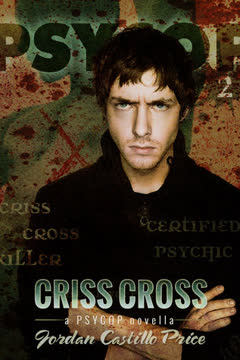
Criss Cross is a masterful exploration of trauma, trust, and the search for self-acceptance in a world where the boundaries between the living and the dead are constantly shifting. Through Victor Bayne's journey, the novel interrogates the costs of psychic sensitivity—how gifts can become burdens, and how institutions meant to heal can instead exploit. The story's emotional core lies in Victor's relationships: his longing for safety with Jacob, his nostalgia for lost partnerships, and his desperate need for understanding. The narrative's use of drug dependence as both literal and metaphorical underscores the universal struggle to manage pain and vulnerability. By contrasting clinical manipulation with alternative healing, the novel suggests that true recovery requires both self-knowledge and community. Ultimately, Criss Cross is a meditation on resilience—the courage to face one's demons, the necessity of boundaries, and the redemptive power of love. In a world haunted by the past, Victor's hard-won peace offers hope that healing is possible, even when the ghosts never fully disappear.
Last updated:
Review Summary
Criss Cross, the second book in the PsyCop series, follows Victor Bayne as his psychic abilities intensify dangerously. Ghosts become aggressive and overwhelming while Vic must stop taking his usual medication due to liver damage. His relationship with Jacob deepens despite communication challenges, and complications arise when Jacob's ex-boyfriend Crash, an empathic healer, becomes involved. Reviewers praised the suspenseful plot, humor, and chemistry between Vic and Jacob, though some found the mystery predictable. Most readers appreciated the hot shower scene and Vic's endearing, deadpan narration, rating it 4-5 stars overall.