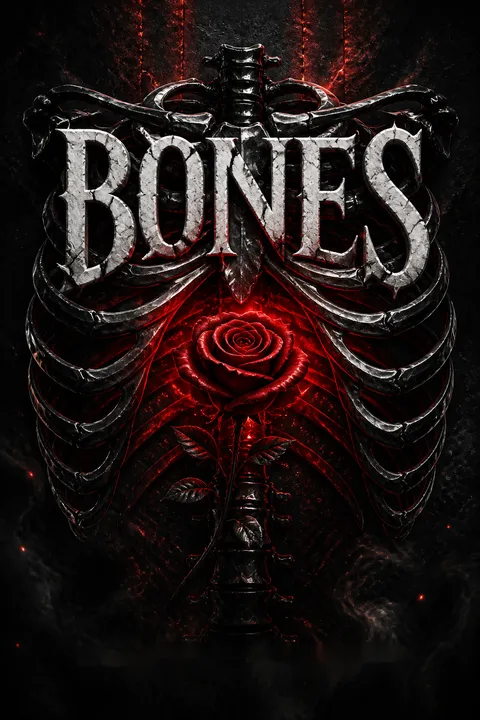


Plot Summary
Prologue
At twelve, Dillan Reed hears his father explain the family’s rule: a man who loves someone can be made vulnerable, so a King must prize power above attachment.
Dillan already resents the empire his father expects him to inherit, but he keeps that resistance to himself. The lesson becomes a measure he carries into adulthood, shaping how he treats desire as a risk to manage rather than a bond to trust.
The prologue gives Dillan’s emotional restraint a source: it is taught as a survival strategy by a father who equates attachment with weakness. The advice does not merely warn against romance. It makes love sound like a tactical failure, something an enemy can exploit. Dillan’s silence about not wanting the family business suggests that his first act of independence is already concealment. The novel can then test the father’s lesson not through argument, but through the choices Dillan makes when Mia’s safety conflicts with his control and ambition.
Luca Brings the Video
Fourteen years after his father’s warning, Dillan Reed, called Bones by his friends, runs Kingdom in Las Vegas with his brother Grave and their partners. His friend Luca Bianchi arrives at Dillan’s office, strips to prove he carries no recording device, and shows him footage of a captive woman. Luca identifies her as Mia, his younger sister, whom he has kept secret.
Their father, Mafia Don John Bianchi, has arranged for Mia to be sold, and Luca cannot openly rescue her without exposing the family’s plan. He asks Dillan to buy her and make the danger appear real, then secretly let her go. Dillan agrees, accepting a favor whose stakes reach beyond the auction room.
The inciting event converts intimacy into an act of trust before Mia and Dillan even meet again. Luca risks revealing a family secret because the ordinary channels of protection have failed: his father controls the threat, and his own family name would expose any rescue. Dillan’s agreement matters because it is not initially romantic. It is an obligation between men who regard each other as brothers. Yet his father’s lesson already hangs over the bargain. To protect Mia, Dillan must perform the very role of a powerful, dangerous buyer that he believes love will eventually make impossible to sustain.
Ten Million for Mia
At a secret New York auction, Dillan watches wealthy men bid on women while pretending that the sale supports charity. Mia is presented last in a black gown, visibly exhausted but still defiant. Dillan offers ten million dollars, ending the bidding and taking responsibility for her.
In the corridor, an attendant strikes Mia after she fights him; Dillan orders her into his limousine and cuts the restraint around her wrists, though he keeps acting like a captor. On the drive, he forces her to drink a sedative and chokes her unconscious, creating the frightening cover Luca needs. Mia does not know the rescue is staged. Her fear of Dillan is real, and his chosen performance leaves their first reunion built on violence and misunderstanding.
The auction makes the novel’s central contradiction concrete: money can purchase access to Mia, but it cannot establish care or consent. Dillan uses the market’s own language of ownership to prevent a worse buyer from taking her, then repeats the violence that makes the disguise convincing. The cost is psychological as well as physical. Mia must interpret every protective act through the behavior of a man who has just harmed her. The scene therefore refuses an easy distinction between rescue and coercion. The difference depends on what Dillan does next, and whether Mia can eventually exercise meaningful choice.
The Malibu Secret
Dillan takes Mia to his isolated Malibu house, where she wakes bruised, drugged, and unsure whether he plans to exploit her. He gives her a new identity, documents, money, and a phone restricted to his number, insisting that she must avoid her family and contact him if she needs help. Mia secretly calls Luca anyway.
Her brother confirms that he sent Dillan to save her, then hangs up after urging her to follow Dillan’s instructions. The call proves that the purchase was a rescue, but it does not erase the betrayal Mia feels at being kept ignorant. A memory from childhood resurfaces: Dillan once found her hiding in her room and accepted her claim that she was nobody.
Safety arrives as an explanation Mia did not consent to receive in advance. Luca’s confirmation changes the meaning of Dillan’s actions without making them harmless; trust cannot be retroactively manufactured by good intentions. The call also exposes how secrecy has shaped Mia’s self-concept. As a child, she learned to call herself nobody because that was the safest answer in a household where her existence was concealed. Dillan’s childhood encounter offers a small counter-memory, but not yet a relationship. The house protects her from immediate capture while repeating the isolation she has known all her life.
The Family Finds Her
After three weeks alone in Malibu, Mia returns from a run to find her brothers Matteo, Lorenzo, and Gabriel waiting inside. Matteo gropes and threatens her, while Lorenzo explains their assignment: return to Las Vegas, seduce Dillan, and make him marry her so John can gain control of Kingdom. Mia refuses. Matteo beats her and leaves her injured in the house, expecting fear to send her back to Dillan.
Instead, Mia waits until she can move and contacts Luca to warn him that their family intends to attack the Kings. Haven answers Luca’s phone and tells Mia that Luca has been shot. Mia takes the private jet to Las Vegas, arriving at the hospital before she collapses from exhaustion and her untreated injuries.
Mia’s brothers recast her body as a tool for a corporate and criminal transaction, but her refusal is more than resistance to a marriage scheme. She chooses to protect Dillan and the Kings even though she has little reason to trust them. Her return to Las Vegas is driven by concern for Luca, the one person she believes has consistently stood beside her. The news of his shooting makes the family conflict intimate and immediate. At the hospital, Mia’s body registers what her determination has overridden: she has spent days without sleep, carrying injuries and fear without reliable care.
Blood at Glass
At the hospital, Dillan tries to send Mia away, but she insists on staying while Luca undergoes surgery. When she faints, doctors find evidence of a concussion, dehydration, and recent assault. After she wakes, she tells Dillan that Matteo and the twins want her to make him fall in love and marry her, while John plans to take Kingdom and eliminate the Kings.
Dillan believes she is telling the truth and moves her into his guarded Las Vegas home. Luca survives surgery but remains unconscious. Dillan refuses Mia access to him and limits her movements, arguing that the Bianchis may use her to reach the Kings. His protection gives her shelter, but it also makes the house feel like another locked life.
The hospital turns a private rescue into an alliance under pressure. Mia speaks because silence would leave Dillan unaware of the danger, even though telling him exposes how her family intends to use her. Dillan accepts her account but responds by taking control of her environment. The same act can be understood as protection and confinement, which is precisely why Mia resists it. Their conflict is not simply whether he cares. It is whether care can be separated from authority when he controls the doors, the information, and the terms of her safety.
A Cage with Neighbors
Dillan gives Mia a replacement phone with selected contacts and permits her to join the other Kings’ partners for breakfast at April and Grave’s home. There she meets Jasmine, Emilee, and Alexa, who treat her as a guest rather than a family secret. Jasmine takes Mia to inspect her new club and its BDSM venue, Kink, but Dillan arrives furious because Mia left his house without permission.
Their argument reveals how little freedom she has, while his attraction complicates his attempt to keep her at a distance. At home, Dillan promises to teach her to drive after learning she has never been allowed behind a wheel. Mia begins to experience ordinary choices, though each still depends on his permission.
The women’s breakfast offers Mia a form of belonging that is neither familial nor transactional. Their welcome gives her a glimpse of social life built through reciprocity, while Dillan’s reaction makes clear that his protection still depends on surveillance and control. The driving lesson matters because it addresses a practical deprivation rather than offering romance as a cure. Mia has not lacked freedom only in the abstract; she has been denied the skills and experiences that make independence possible. The chapter’s tension lies in the difference between being included in a circle and being free to leave it.
Mia Makes the Choice
After visiting Kink with Jasmine and seeing how openly the club discusses chosen sexual power, Mia returns home determined to act for herself. She goes to Dillan’s office wearing one of his shirts and tells him she wants him. He warns her that their first time may hurt, then gives her time to stop; instead, Mia continues, and they have sex.
Dillan tries to withdraw afterward, saying she deserves better than him, but Mia rejects the idea that he should decide what she is allowed to choose. Their intimacy continues, and she asks him about the past he rarely shares, including his lost baseball ambition and his history with Emilee. For Mia, desire becomes an experience she has chosen rather than a family assignment.
Mia’s initiative does not erase the coercive conditions surrounding her life, but it marks a meaningful shift in who acts and who interprets the encounter. She is not fulfilling her brothers’ seduction plan; she is pursuing pleasure and claiming a decision that belongs to her. Dillan’s instinct to retreat shows how his paternal model of power can make him mistake self-denial for moral care. Their conversation about his past begins another kind of intimacy, one based on disclosure rather than possession. The scene remains ethically complicated, but the narrative foregrounds Mia’s stated agency and Dillan’s obligation to hear it.
A Romance for the Cameras
Matteo calls Mia and sends her a recording of her unconscious body being abused, then warns that she is running out of time to make Dillan marry her. Dillan responds by arranging for a reporter to photograph them together, hoping a public romance will convince the Bianchis that Mia is succeeding.
At dinner with the Kings and their partners, Grave accuses Mia of causing Luca’s shooting, and Haven leaves before Mia can explain. Dillan and Mia then join the others at a nightclub. Mia asks for the kind of dominance she has seen at Kink, and Dillan takes her to a private room at Kingdom called the Palace, where they negotiate their intimacy through physical restraint and chosen roles.
The threat weaponizes Mia’s lost memory, turning an assault she cannot recall into evidence her family can use to frighten her. Dillan answers with publicity, making the couple’s private bond into a performance designed for a criminal audience. The dinner shows the cost of that strategy: Grave’s suspicion spreads damage through the relationships Mia is trying to enter, and Haven’s departure leaves her more isolated. At the Palace, Mia seeks a form of power that is deliberately chosen and bounded. The contrast with her family’s coercion matters, though the novel’s context makes clear that consent inside the bedroom does not resolve the danger outside it.
The Story Turns Personal
A reporter discovers Mia’s identity and Luca’s gunshot injuries, threatening to publish details that could expose them both. Dillan plans to announce an engagement to divert attention, but Grave uses compromising evidence about the reporter to stop her from running the story, and the announcement never happens.
Haven then reveals that she is pregnant and asks the Kings to kill John and his sons; Dillan refuses to endanger the group without a plan. Meanwhile, Grave confesses to Dillan that he is struggling with cravings and grief over the baby he and April lost, but he does not drink or use drugs. Mia visits Luca with Haven, while Nite tells Dillan that his silence began after traffickers cut his tongue, not because of Mia.
Publicity is shown as a weapon that can protect and endanger at once: Dillan’s staged engagement might shield Luca, but it would also put Mia further into the public eye. Grave’s intervention buys time without resolving the underlying threat. His relapse crisis provides a counterpoint to the Kings’ image of invulnerability; he remains responsible for his actions while admitting that pain has not vanished. Nite’s history corrects Mia’s belief that she caused his silence, releasing her from a misplaced burden. Across these episodes, the Kings’ private lives become vulnerabilities, but also the relationships through which they can ask for help.
Luca Sends Her Away
After weeks unconscious, Luca wakes and asks to speak with Dillan alone. He is angry that Dillan has made Mia his public partner and orders him to send her away. When Mia refuses to leave Las Vegas, Luca insists she should go with Nite, treating distance as the only protection he can offer. Mia exits the hospital before Nite arrives.
Outside, Matteo approaches her with a gun, chokes her unconscious, and carries her into a waiting car. Hospital cameras capture the abduction, but the vehicle’s plates are stolen and provide no lead. Dillan watches the footage and realizes that his decision to let Mia leave the hospital has given Matteo the opening he needed.
Luca’s return does not restore the sibling bond Mia hoped for. His instinct is to protect her by removing her from the people and place she has chosen, echoing the family’s pattern of deciding her future for her. Mia’s refusal is an assertion of attachment as well as independence: she wants to remain near Luca and Dillan, despite the risks. Matteo’s abduction turns that choice into immediate danger. Dillan’s guilt is sharper because the capture occurs in the space between his promise to protect Mia and his decision to let her act without him.
The Second Auction
Dillan and the Kings search Las Vegas without finding Mia. A friend in New York alerts them that she has been listed for another auction, so they fly east. Dillan enters the sale under an assumed identity and buys Mia again, then reunites with her in a limousine before she can be handed over to another buyer.
He discovers a tracking device implanted at the base of her neck and cuts it out so her captors cannot locate her through it. At their hotel, Mia identifies the warehouse where Matteo and Richard kept her. She also says Matteo claimed their father no longer wanted Kingdom, leaving Dillan unsure which parts of the family’s story are true. The Kings prepare to raid the warehouse.
The second purchase repeats the first transaction but changes its emotional meaning: Dillan no longer acts only on Luca’s request, and Mia recognizes him as the person who came back. Still, rescue is not the same as consent, especially when he drugs her to remove the tracker. The device makes the body itself a surveillance system, extending her family’s control beneath the skin. Mia’s knowledge of the warehouse gives her a role in the coming response, but Dillan keeps her outside the plan. That protective decision sets up the final conflict between the Kings’ security logic and Mia’s determination to act for herself.
The Pizzeria Goes Dark
As the Kings leave to attack the warehouse, Mia slips out of the hotel suite and goes to the Bianchi family pizzeria, where her parents are meeting with guards. John admits that he once planned to use her in an arranged marriage but now considers her worthless, while her mother offers no protection. Mia attacks John with a self-defense tool Jasmine gave her, then kills her mother when she joins the assault.
The guards overpower Mia and call Matteo. Dillan’s group follows and storms the pizzeria. Matteo uses Mia as a shield, but Tristan shoots him, and the Kings carry her out alive. They burn the building to destroy evidence. Mia survives, but the family she hoped might claim her has been destroyed by her own hand.
Mia’s final act is not a clean liberation. She kills the parents who made her life a weapon, but the violence leaves her injured, captured, and confronted with an irreversible choice. The self-defense tool links Jasmine’s practical warnings to Mia’s ability to resist, while the guards’ arrival shows how little one act can dismantle a criminal system. The Kings’ rescue prevents Matteo from taking her again, yet the fire turns survival into secrecy once more. Mia has seized agency, but the cost is grief and uncertainty about what freedom means when nearly every relationship has been shaped by coercion.
Epilogue
Back in Las Vegas, Dillan asks Mia to marry him at Kingdom in front of the Kings and their partners. He tells her he loves her and wants the world to see that she is valued; Mia accepts.
Later, the Kings interrogate Richard, who reveals that he helped arrange the auction, exposed Mia to the press, and paid the men who attacked Dillan in college on John’s behalf. Richard hoped to eliminate Dillan and claim Mia for himself. Dillan kills him, then returns to Mia, choosing the life and vulnerability his father taught him to fear.
The proposal gives Mia a public name and relationship on terms different from her father’s planned transaction. Its significance is not that marriage automatically repairs what was done to her, but that Dillan asks and she answers. Richard’s confession then reframes the novel’s dangers: Dillan’s childhood injury, the auction, the press leak, and Mia’s repeated capture were connected by men treating bodies and relationships as instruments. The final choice does not make the Kingdom safe or erase the violence that built it. It does show Dillan rejecting his father’s definition of strength, while Mia enters the future as a participant rather than a hidden asset.
Analysis
Bones builds its central romance around an ethical problem the plot does not allow the reader to ignore: Dillan can protect Mia because he has money, force, and a network of loyal allies, yet those same advantages let him restrict her choices. His first rescue reproduces the conditions of her captivity. He buys her, drugs her, hides her, and decides what information she can have. The story’s emotional movement depends on the difference between an intention to protect and a relationship that actually recognizes another person’s agency. Mia’s repeated refusals, questions, and self-directed choices keep that difference visible.
The Bianchi family turns kinship into a system of extraction. Mia is hidden, then valued as a possible bride, then sold; each new use is justified by a different story about what she owes the family. Her isolation is not merely an atmosphere but a practical deprivation. She has not been taught to drive, has little independent experience, and lacks a trustworthy social world. The Kings’ partners begin to change that by offering companionship and knowledge, though even their welcome takes place within a criminal household.
Dillan’s father taught him to equate love with weakness because love gives another person the power to matter. The plot tests that lesson through concrete demands: Dillan must risk his business, his safety, and his self-image to keep Mia alive. Grave’s struggle with addiction reinforces the book’s interest in vulnerability as something managed through repeated choices, not conquered once. By the end, Dillan’s proposal reverses the family’s planned marriage transaction. He asks; Mia chooses. That distinction cannot undo violence or make their world safe, but it changes the terms on which they face it. The novel’s resolution is less a clean escape from power than a claim that attachment can become a source of responsibility rather than leverage.
Review Summary
Bones by Shantel Tessier received mostly positive reviews, with readers praising the chemistry between the main characters, Bones and Mia. Many found it to be a satisfying conclusion to the Dark Kingdom series, appreciating the character development and steamy scenes. Some readers, however, felt the book didn't meet their expectations, noting differences in Bones' personality compared to previous books. Despite mixed opinions, most readers enjoyed the fast-paced plot, action, and returning to the Dark Kingdom world.
People Also Read







Characters
Mia Rosa Bianchi
The hidden Mafia daughterMia is the sheltered younger sister of Luca and daughter of Don John Bianchi. Raised largely out of public view, she has been denied ordinary education, independence, and the chance to build relationships beyond her family’s rules. She is observant, stubborn, and capable of humor, but her isolation makes her vulnerable to believing that she has no value outside what powerful men can extract from her. Her instinct to protect Luca and later to warn Dillan reveals a moral center distinct from the family’s criminal code. Mia wants ordinary choices as much as dramatic escape: learning to drive, seeing friends, and deciding what happens to her own body.
Dillan Reed, Bones
Kingdom’s guarded heirDillan, known as Bones, is a co-owner of Kingdom and one of the four Kings who govern its businesses. He is strategic, disciplined, and more comfortable solving danger through control than through emotional disclosure. His father taught him to treat love as a weakness, and Dillan has built an identity around keeping work and desire separate. Beneath that control is a man who values loyalty deeply, especially toward Grave and Luca. His lost baseball ambitions and relentless work ethic hint at the grief he has converted into self-command. Mia challenges both his sense of responsibility and his assumption that protecting someone means deciding for them.
Luca Bianchi
Mia’s protective brotherLuca is Mia’s eldest brother and Dillan’s longtime friend. Unlike the rest of the Bianchi family, he tries to shield Mia from their father’s plans, though secrecy and fear limit what he can do. He is loyal, practical, and accustomed to solving danger through alliances rather than open defiance. His marriage to Haven gives him a life beyond the family business, but his choices still carry the cost of the Bianchi name.
John Bianchi
The Mafia DonJohn is the head of the Bianchi family and a powerful Italian-American Mafia Don. He treats family bonds as subordinate to wealth, leverage, and obedience, expecting his children to serve his ambitions. His cold authority has shaped Luca’s caution and Mia’s isolation. John’s influence reaches into business, violence, and the ways his children understand their own worth.
Matteo Bianchi
Mia’s coercive brotherMatteo is Mia’s older brother, confident in his family’s power and willing to enforce its demands through intimidation. He regards her future as something to negotiate for the benefit of the Bianchis, not as hers to choose. His cruelty is sharpened by entitlement: he expects obedience because the family has rarely required him to recognize Mia as an equal.
Oliver Nite-Bianchi
The silent adopted brotherNite is Luca’s adopted brother, taken in by the Bianchis and later accepted by the Kings as one of their own. He communicates mostly through gesture and text, keeping his reasons for silence private. His quiet presence carries a history of violence and makes him a careful observer of people who underestimate him. Mia feels a complicated attachment to him from their shared past.
Grave
The recovering KingGrave is Dillan’s younger brother and a fellow King, responsible for one of Kingdom’s nightclubs. His history of addiction has made sobriety a daily practice rather than a finished achievement. He is fiercely protective of the life he has built with April, but fear can turn that protectiveness into suspicion. His bluntness often exposes tensions the others would rather leave unspoken.
Titan
The steady KingTitan is one of the Kings and Luca’s friend, known for his physical confidence and direct judgment. He oversees the group’s discreet escort business and tends to see practical solutions before emotional objections. His marriage to Emilee has given him a private life that contrasts with the violence of the Kings’ work. He remains loyal to the group while challenging Dillan to recognize what his decisions cost.
Cross
The fire-setting KingCross is one of the Kings, an entrepreneur who owns a tattoo shop and is known for carrying a Zippo lighter. He is quiet until action is needed, then capable of frightening decisiveness. His relationship with Alexa gives him a softer domestic side, though he does not abandon the ruthless code he shares with the other Kings.
Haven Bianchi
Luca’s devoted wifeHaven is Luca’s wife and a source of warmth within the Bianchis’ violent world. She cares for Mia even before she fully understands the danger surrounding her, and she refuses to abandon Luca during his medical crisis. Her directness can cut through the Kings’ evasions. She wants a family and a future, but both desires are shadowed by the risks Luca’s life brings.
April
Grave’s grounding partnerApril is Grave’s fiancée and the owner of a flower shop. Patient but not passive, she supports his recovery while refusing to let his pain define every choice he makes. Her home provides a welcoming place for the Kings and their partners, including Mia. She brings tenderness and practical steadiness to a circle shaped by danger.
Jasmine
Mia’s fearless new friendJasmine is a close friend of the Kings and a business partner of Alexa. Bold, funny, and alert to danger, she offers Mia companionship without treating her as fragile. Her blunt advice about personal safety and her investment in the women’s businesses show a protective streak beneath her irreverence.
Emilee
Titan’s wife and Dillan’s pastEmilee is Titan’s wife and has known the Kings since school. Her past relationship with Dillan complicates Mia’s understanding of him, while her present loyalty to Titan is clear. Warm and socially attentive, she helps welcome Mia into the women’s circle and understands the emotional cost of the Kings’ history.
Alexa
The club-building entrepreneurAlexa is Cross’s partner and Jasmine’s business collaborator. She is rebuilding a nightclub while helping establish Kink, a venue centered on consensual BDSM. Independent and determined, she pushes back when men try to control the terms of her work. Her practical ambition gives Mia a glimpse of women making decisions in public.
Richard
The auction’s fixerRichard works around the trafficking operation and handles Mia during the auction process. He is crude, opportunistic, and protected by the powerful men who make the sales possible. His presence links the polished auction room to the violence behind it. He sees vulnerable people as commodities and assumes his access gives him control.
Tristan Decker
The New York allyTristan is Dillan’s friend in New York and has firsthand knowledge of trafficking operations. He provides practical help when Dillan needs to move Mia safely and later joins the Kings in their search. His experience makes him useful, but it also gives him an understanding of the damage that can hide behind an auction’s polished surface.
Lorenzo Bianchi
One of Mia’s twin brothersLorenzo is one of Mia’s twin brothers. He supports Matteo’s effort to force her into a marriage plan and treats her refusal as a problem to be managed rather than respected.
Gabriel Bianchi
Mia’s quieter twin brotherGabriel is Mia’s other twin brother, quieter than Lorenzo but still aligned with the family’s demands. His measured manner does not prevent him from participating in the plan to control Mia.
Nigel
The Kings’ trusted driverNigel drives for Dillan and handles transportation during the rescue. He is discreet, professional, and accustomed to carrying the Kings through situations that cannot be discussed openly.
Lane
The Kings’ discreet doctorLane is a doctor trusted by the Kings to treat their circle and protect sensitive information. He evaluates Mia after her assault and oversees Luca’s care, combining medical competence with the discretion their world demands.
Marsha Wells
The hungry reporterMarsha is a reporter who pursues a story about Dillan, Mia, and Luca. She understands that public attention can expose private danger, and she is willing to use that leverage to obtain information.
Plot Devices
The anonymous auction
A rescue disguised as purchaseThe auction is the mechanism through which John’s network sells Mia while concealing the identities of buyers and sellers. Luca asks Dillan to participate because no Bianchi can visibly rescue her without alerting their father. Dillan’s bid gives him legal and practical control of the immediate situation, but it also forces him to mimic the role of a buyer. The second auction repeats the mechanism after Mia is abducted, making the rescue more urgent and exposing the danger of treating a person as transferable property.
Mia’s tracking implant
A body turned into a beaconA small tracking device implanted at the base of Mia’s neck allows her captors to locate her after the second auction. Dillan and Tristan discover it during the escape and remove it, giving Mia temporary protection from being traced. The device literalizes the family’s control of her: even after she changes locations, her body can still report where she is. Its removal becomes a necessary step before the Kings can take her somewhere safe.
The staged public romance
A performance meant to buy timeDillan arranges for a reporter to photograph him with Mia so her family will believe she is carrying out their plan to marry him. The publicity is supposed to distract John and postpone further violence, but it also makes Mia visible to the public and gives the reporter leverage over Luca’s medical crisis. Dillan later considers announcing an engagement as a larger diversion. The device shows how the couple’s intimacy becomes part of a strategic performance, even as their actual feelings grow harder to separate from the act.
Surveillance and NDAs
Secrecy enforced by contractThe Kings use cameras, electronic jammers, private rooms, security details, and nondisclosure agreements to keep their business and Luca’s condition out of public view. These measures help protect Mia and Luca from enemies, but they also narrow the circle of people who can speak openly about their lives. When Matteo abducts Mia outside the hospital, surveillance footage becomes the only clear record of what happened. The same system that enforces secrecy can reveal the truth when someone disappears.
The Bunny keychain
A small tool for resistanceJasmine gives Mia a metal keychain and teaches her to treat it as a possible self-defense tool. Mia carries it when she goes to confront John and uses it in the fight that follows. Its importance comes from the contrast between its ordinary appearance and its practical purpose. Jasmine’s warning offers Mia more than a weapon: it is one of the few pieces of knowledge she has received that helps her act for herself rather than wait for someone else to rescue her.
FAQ
Synopsis & Basic Details
What is Bones about?
- A Mafia Heir's Burden: Bones follows Dillan "Bones" Reed, a powerful figure in the Las Vegas underworld, as he grapples with the legacy of his father's ruthless teachings and the responsibilities of running the "Kingdom" empire. His life of calculated control is upended when a desperate plea from a friend forces him to confront the very weakness his father warned against: love.
- A Woman's Fight for Freedom: The story centers on Mia Bianchi, a young woman trapped by her Mafia family, who is sold into a sex trafficking auction. Her unexpected rescue by Bones thrusts her into a complex, dangerous world where she must navigate betrayal, hidden agendas, and a burgeoning, forbidden attraction to her rescuer, all while fighting for her autonomy.
- A Battle for Control & Love: As Mia's past and family secrets unravel, a high-stakes game of power and survival unfolds. Bones and Mia are forced into a fake relationship to deceive their enemies, blurring the lines between pretense and genuine emotion. Their journey becomes a fight not only for their lives but also for the right to define their own destinies and find love amidst chaos.
Why should I read Bones?
- Intense Emotional Depth: Readers should delve into "Bones" for its raw exploration of trauma, healing, and the transformative power of connection. The narrative delves deep into the psychological scars of its characters, particularly Mia's journey from victim to empowered survivor, and Dillan's struggle to reconcile his hardened exterior with burgeoning emotions.
- Complex Moral Ambiguity: The novel challenges conventional notions of good and evil, presenting characters who operate in shades of gray. Dillan, despite his violent world, acts as a protector, while Mia's family, ostensibly her protectors, are her greatest tormentors. This moral complexity invites readers to question loyalty, justice, and the true cost of power.
- High-Stakes Romantic Suspense: Beyond the dark romance, "Bones" offers a gripping suspense plot filled with unexpected twists, Mafia intrigue, and a constant undercurrent of danger. The intricate web of family betrayals, hidden agendas, and a desperate fight for survival keeps readers on the edge, making it a compelling read for those who enjoy thrilling, emotionally charged narratives.
What is the background of Bones?
- Las Vegas Underworld Setting: The story is deeply embedded in the opulent yet brutal world of the Las Vegas Mafia, specifically centered around "Kingdom," a hotel and casino. This setting provides a backdrop of immense wealth, hidden corruption, and a constant struggle for dominance, reflecting the characters' own internal battles for control.
- Generational Mafia Legacy: The narrative explores the inherited burdens and expectations within powerful Mafia families. Both Dillan and Mia are products of their fathers' legacies, forced into roles they didn't choose. This background highlights themes of destiny versus free will, and the struggle to break free from predetermined paths.
- Trauma and Survival: A significant background element is the pervasive theme of trauma, particularly sex trafficking and physical abuse. The story delves into the psychological impact of these experiences on Mia and other characters, exploring their coping mechanisms, resilience, and the long, arduous path to healing and reclaiming agency.
What are the most memorable quotes in Bones?
- "Show me a man in love, and I'll show you his greatest weakness." (Prologue): This chilling quote from Dillan's father sets the foundational theme of the novel, establishing love as a perceived liability in their ruthless world. It directly foreshadows Dillan's internal conflict and his eventual journey to redefine strength, making it a pivotal statement on the nature of power and vulnerability in the Mafia.
- "If I decide to fuck you, you'll choose to remove your clothes for me." (Chapter 2): Spoken by Dillan to Mia in the limo, this line encapsulates his dominant nature and the power dynamics at play, yet it also subtly hints at a deeper, psychological control rather than mere physical force. It foreshadows Mia's eventual agency in their sexual relationship, transforming a threat into a complex act of choice.
- "You are my someone, and I wanted the world to know that." (Epilogue): This powerful declaration from Dillan to Mia during his public proposal marks a profound shift from his father's teachings and his own initial reluctance. It signifies his full acceptance of love as a strength, not a weakness, and Mia's transition from "no one" to "someone" cherished and publicly acknowledged, providing a resonant emotional climax.
What writing style, narrative choices, and literary techniques does Shantel Tessier use?
- Dual POV & Intimate Narration: Tessier primarily employs a dual first-person point of view, alternating between Dillan "Bones" and Mia. This narrative choice provides intimate access to their internal thoughts, motivations, and emotional struggles, allowing readers to deeply connect with both protagonists and understand their complex perspectives on the unfolding events.
- Dark Romance Tropes & Subversion: The novel utilizes common dark romance tropes such as forced proximity, possessive male leads, and a "damsel in distress" scenario, but often subverts them. For instance, Mia, despite being rescued, actively fights for her agency and challenges Dillan's control, adding layers of complexity to the power dynamics and preventing a purely conventional romance.
- Foreshadowing & Thematic Symbolism: Tessier frequently uses subtle foreshadowing, like Dillan's childhood encounter with Mia or his father's ominous warnings, to build suspense and connect past events to present conflicts. Symbolism, such as the "Kingdom" representing both power and a gilded cage, and the recurring motif of "bones" (Dillan's nickname, broken bones, skeletal appearance of Mia), enriches the thematic exploration of control, vulnerability, and survival.
Hidden Details & Subtle Connections
What are some minor details that add significant meaning?
- The "Kingdom" Name's Deeper Layers: Beyond being a casino, "Kingdom" symbolizes the inherited burden and gilded cage for Dillan and the Kings. His father's statement, "Because you two will have what others want... Kingdom," (Prologue) highlights it as a source of power, but also a constant target, foreshadowing the relentless threats they face and the lack of true freedom despite their wealth.
- Mia's Childhood Encounter with Dillan: The flashback to Mia's childhood (Chapter 11) where Dillan unknowingly sees her and she hides, then overhears him being called "Bones" and his father's harsh words about "Kingdom," is crucial. It establishes a pre-existing, albeit forgotten, connection and subtly hints at the cyclical nature of their lives, both trapped by their families' legacies long before their paths truly crossed.
- The Significance of Dillan's Tattoos: While mentioned as "ink-covered arms" and a "skull with a tilted crown" (Chapter 24), Dillan's tattoos are more than just aesthetic. His nickname "Bones" comes from breaking twenty bones of a bully (Chapter 24), symbolizing his inherent ruthlessness and protective instincts. The skull and crown motif subtly represents his identity as a "King" who deals in death and power, yet also hints at the burden of his inherited role.
What are some subtle foreshadowing and callbacks?
- Luca's Cryptic "Do What You Need": When Luca asks Dillan to buy Mia, he cryptically says, "Do what you need to do" (Chapter 6). This seemingly simple instruction foreshadows the extreme measures Dillan will take, including drugging Mia and later engaging in a fake engagement, highlighting the moral compromises required in their world and Luca's desperate understanding of Dillan's capabilities.
- Mia's "Spider Gag" Threat: Matteo's chilling description of the "spider gag" (Chapter 7) and his intent to use it on Mia's mouth is a subtle callback to Dillan's earlier observation in the video: "the fact that she can't talk also speaks volumes. You can't tell a man no when you have no voice" (Chapter 1). This reinforces the theme of silencing and control, emphasizing Mia's vulnerability and the constant threat to her agency.
- Dillan's Baseball Dream & Injury: The recurring mentions of Dillan's past as a promising baseball player and his career-ending injury (Chapter 10, 27, Epilogue Two) subtly foreshadow his deep-seated resentment towards his father and the life he was forced into. His father's involvement in the injury (Epilogue Two) reveals the ultimate betrayal, explaining Dillan's drive and his initial reluctance to embrace love, as it was tied to his own "weakness" and loss.
What are some unexpected character connections?
- Emilee's Past with Dillan and Titan: The revelation that Emilee, Titan's wife, had a past exclusive sexual relationship with Dillan (Chapter 28) and that all three Kings have "slept together" with her (Chapter 28) is an unexpected connection. It highlights the complex, non-traditional relationships within the Kings' circle, challenging conventional notions of fidelity and demonstrating a unique level of trust and comfort among them, while also causing friction with Grave.
- Richard's Deeper Role in Mia's Trafficking: Richard, initially just the man who abused Mia in the first auction video, is revealed to be a key player in Matteo's scheme and later the one who orchestrated Dillan's baseball injury (Epilogue Two). This connection elevates him from a minor antagonist to a central figure in the Bianchi family's long-standing manipulation, linking Mia's trauma directly to Dillan's past and the broader conspiracy.
- Nite's Vow of Silence and Mia's Guilt: The unexpected revelation that Nite's muteness is a chosen "vow of silence" (Chapter 19) and that Mia believes she is responsible for it (Chapter 18) creates a profound, tragic connection. While Nite later clarifies it was Rossi who cut out his tongue (Chapter 19), Mia's long-held guilt underscores her deep empathy and the emotional burdens she carries, highlighting her self-sacrificing nature.
Who are the most significant supporting characters?
- Jasmine, The Unconventional Confidante: Jasmine, with her blunt honesty and "Big Daddy Dick" dynamic with Cross, serves as Mia's most significant female confidante and a voice of unconventional wisdom. Her stories about sex trafficking and self-defense (Chapter 29) are not just comic relief but crucial lessons for Mia, pushing her towards agency and challenging Dillan's overprotective instincts, making her instrumental in Mia's growth.
- Tristan, The Strategic Enabler: Tristan, Dillan's friend and owner of Kink in New York, is vital for his strategic mind and underworld connections. He facilitates Mia's first auction purchase, provides the sedative, and later helps orchestrate her second rescue, even performing the removal of the tracking device (Chapter 34). His calm, pragmatic approach provides a necessary counterbalance to Dillan's intensity, making him a key operational ally.
- Grave, The Emotional Barometer: Dillan's brother, Grave, serves as an emotional barometer for the Kings, particularly for Dillan. His struggles with addiction, his raw emotional breakdown (Chapter 26), and his initial hostility towards Mia highlight the personal cost of their lifestyle. His eventual acceptance of Mia and his support for Dillan's love (Chapter 30) signify a crucial shift in the Kings' collective emotional landscape.
Psychological, Emotional, & Relational Analysis
What are some unspoken motivations of the characters?
- Dillan's Need for Control as Protection: Dillan's intense need to control Mia's movements and decisions, often expressed through possessive language ("You belong to me," Chapter 29), is an unspoken motivation rooted in his desire to protect her. Having witnessed his father's ruthlessness and experienced betrayal (his own injury, Luca's situation), he believes absolute control is the only way to ensure safety, even if it means stripping Mia of her perceived freedom.
- Mia's Pursuit of Agency Through Defiance: Mia's repeated acts of defiance, from spitting at her captors to seeking out Luca despite warnings, are driven by an unspoken motivation to reclaim agency. Having been "owned" and controlled her entire life, her defiance, even when seemingly self-destructive, is a desperate assertion of self-worth and a refusal to be a passive victim, regardless of the consequences.
- Luca's Guilt and Self-Preservation: Luca's initial decision to send Mia away and his later attempts to push her away from Dillan are motivated by a complex mix of guilt and self-preservation. He feels responsible for her plight ("Please forgive me, Mia," Chapter 5) but also understands the immense danger she poses to himself and the Kings. His actions are a desperate attempt to protect her in the only way he knows how, even if it means sacrificing their bond.
What psychological complexities do the characters exhibit?
- Dillan's Paradox of Love and Ownership: Dillan exhibits a profound psychological complexity in his understanding of love. Raised to believe "love makes a man weak" (Prologue), he initially expresses his affection through possessiveness and control, viewing Mia as "his" to protect. His internal struggle is to reconcile this ingrained belief with genuine emotional attachment, leading to moments where he questions if his actions are truly love or just another form of imprisonment ("I won't be like her father and keep her prisoner," Chapter 27).
- Mia's Trauma-Induced Defiance and Self-Worth: Mia's psychological state is deeply affected by her lifelong trauma of being "owned" and sold. Her defiance is a coping mechanism, a desperate attempt to assert control in a world where she has none. Her statement, "My value just dropped, and I couldn't be happier about that thought" (Chapter 18), after losing her virginity, reveals a complex psychological response where she reclaims her body by devaluing what her family sought to commodify, finding freedom in what was meant to be a loss.
- Grave's Addiction as an Escape from Feeling: Grave's psychological complexity lies in his addiction, which he admits was a way "to numb everything" and "to feel nothing" (Chapter 26). His breakdown reveals a deep sensitivity and fear of pain, particularly the pain of loss and the burden of his family's expectations. His struggle highlights how trauma and the pressures of their world can lead to self-destructive coping mechanisms, and his journey towards sobriety is a fight to confront his feelings rather than escape them.
What are the major emotional turning points?
- Mia's Realization of Dillan's Past Knowledge: A major emotional turning point occurs when Mia discovers Dillan had seen the sex trafficking video of her before he first bought her (Chapter 35). This revelation shatters her perception of him as a simple rescuer, leading to feelings of betrayal and violation, but also forces a raw, honest confrontation that deepens their relationship beyond mere protection.
- Grave's Confession of Vulnerability: Grave's emotional breakdown and confession to Dillan about his nightmares, his fear of losing April and their baby, and his struggle with addiction (Chapter 26) is a critical turning point. It exposes the deep emotional toll their life takes, humanizes Grave beyond his "fuckup" persona, and forces Dillan to confront his own emotional detachment and the impact of his father's teachings.
- Dillan's Acceptance of Love as Strength: Dillan's decision to publicly propose to Mia (Epilogue) marks his ultimate emotional turning point. Despite his father's lifelong warning that "love makes a man weak," Dillan chooses to declare his love openly, stating, "I want everyone to see how much you're loved, Mia. You are my someone, and I wanted the world to know that" (Epilogue). This act signifies his redefinition of strength and his commitment to Mia above all else.
How do relationship dynamics evolve?
- Dillan & Mia: From Captor/Captive to Partners: Their relationship dramatically evolves from Dillan's initial role as Mia's "buyer" and "kidnapper" to a complex dynamic of protector and protected, then to passionate lovers, and finally, committed partners. Mia's defiance gradually shifts Dillan's possessiveness into genuine care and respect, culminating in a partnership where he prioritizes her well-being and agency, even if it means challenging his own ingrained beliefs.
- The Kings' Brotherhood Tested and Strengthened: The Kings' collective dynamic is tested by Mia's presence and Luca's actions. Grave's initial hostility towards Mia and his fear of her "ruining" their lives (Chapter 25) creates tension, but ultimately, their shared goal of protecting Luca and Mia, combined with their individual emotional struggles, strengthens their bond. They move from a purely business-driven alliance to a family unit that supports each other's personal happiness.
- Mia & Haven: From Strangers to Sisters-in-Arms: Mia and Haven's relationship evolves from a distant familial connection (Mia only knew Haven through Luca) to a bond of mutual support and understanding. Haven's initial blame towards Mia for Luca's shooting (Chapter 21) is overcome by empathy and shared trauma, leading to Haven offering Mia solace and a place to stay (Chapter 27). Their connection highlights the power of female solidarity in a male-dominated, dangerous world.
Interpretation & Debate
Which parts of the story remain ambiguous or open-ended?
- The Twins' Fate and Future Threat: While John and Matteo Bianchi are definitively killed, the fate of the twin brothers remains ambiguous. They are last seen with Matteo in Mia's Malibu home (Chapter 7) and are mentioned as being "probably in a penthouse suite somewhere snorting cocaine" (Epilogue Two). Their survival leaves an open-ended question about potential future threats to Mia and the Kings, suggesting that the Bianchi family's influence may not be entirely eradicated.
- The True Extent of John Bianchi's Knowledge: It remains debatable how much John Bianchi truly knew about Matteo's scheme to repeatedly sell Mia. Matteo claims John "never cared about his Kingdom" and that the twins were "just fucking with" Mia (Chapter 32), implying John was unaware of the second auction. However, Dillan still expresses distrust ("I don't trust Matteo. He could say your dad is behind it," Chapter 34), leaving the patriarch's ultimate involvement and true motives open to interpretation.
- The Long-Term Impact of Dillan's "Love": While Dillan declares his love for Mia and vows to put her first, the story leaves some ambiguity about the long-term implications of his possessive nature. His statement, "You belong to me" (Chapter 29), and his desire to "remind myself she belongs to me" (Epilogue Two) even after the proposal, raise questions about whether Mia's "freedom" is truly absolute or still conditional on Dillan's protection and ownership, inviting debate on the nature of their future relationship.
What are some debatable, controversial scenes or moments in Bones?
- Dillan's Initial Choking of Mia: The scene where Dillan chokes Mia in the limo (Chapter 3) and later in the bathroom (Chapter 13) is highly controversial. While presented as a means to instill fear and control for her protection, it raises questions about consent, power dynamics, and whether such actions can ever be justified, even in a "dark romance" context. Readers may debate if this is a necessary evil for the plot or a problematic portrayal of dominance.
- Mia's Choice to Engage in BDSM: Mia's decision to initiate BDSM with Dillan at The Palace (Chapter 22-23), despite her traumatic past of being "owned" and controlled, is a debatable moment. While framed as an act of reclaiming agency and exploring her sexuality on her own terms ("I want [Dillan](#dillan-
Dark Kingdom Series
About the Author
Other books by Shantel Tessier



Download PDF
Download EPUB
.epub digital book format is ideal for reading ebooks on phones, tablets, and e-readers.








