


Key Takeaways
Ten days of forced mouthbreathing disrupted sleep, blood pressure, and wellbeing
A small experiment, a loud signal. James Nestor and breathing researcher Anders Olsson blocked their noses for ten days while tracking health measures. Both felt worse. Nestor’s blood pressure rose by an average of 13 points, his heart rate variability fell, and his snoring climbed dramatically. He also began experiencing sleep apnea events. When the pair switched to nasal breathing, their sleep and measurements improved; Nestor’s blood pressure fell and his snoring nearly disappeared.
Interpret the result carefully. This was an experiment involving two people, not a clinical trial proving that mouthbreathing causes every listed illness. Still, it made a basic question hard to dismiss: breathing is not merely air moving in and out. The route and pattern can change how the body feels and functions.
The experiment works as a vivid within-person demonstration: each participant serves as his own comparison, reducing the influence of stable traits such as age or anatomy. Its strength is also its limit. Two volunteers, an unusual protocol, and short observation cannot establish population-wide risk or long-term disease causation. The book is most persuasive when this experiment motivates better questions, not when it stands in for large clinical studies. Readers with chronic snoring, nighttime choking, or persistent nasal blockage should treat those as reasons to seek medical assessment, rather than assuming a breathing habit alone explains them.
Treat the nose as an active airway organ, not a spare entrance
Air gets prepared here. The nose filters particles, warms and moistens inhaled air, and moves trapped debris toward the throat through mucus and tiny hair-like cilia. Its curled structures, called turbinates, slow and direct airflow before it reaches the lungs. Nasal tissues also respond to changing conditions, alternately swelling and opening between the two nostrils in a pattern called the nasal cycle.
The airway is connected. Nestor describes how nasal obstruction can encourage mouthbreathing, which may dry the throat and contribute to snoring or disrupted sleep. The nose also produces nitric oxide, a molecule involved in blood-vessel function. These features make the nose more than a decorative route for air. If nasal breathing feels persistently difficult, however, the useful first step is to identify the obstruction, not simply force the nose to do its job.
The nose offers a useful example of how biological structures perform several jobs at once. Filtering, humidifying, and sensing air are not optional embellishments; they shape what reaches the lower respiratory tract. The wider lesson resembles environmental engineering: the quality of an input depends partly on the system that processes it. At the same time, the book sometimes moves quickly from plausible mechanisms to broad health promises. Nasal breathing is a sensible default when comfortable, but it cannot resolve every structural blockage, allergy, or sleep disorder. An anatomical problem may need clinical evaluation rather than a breathing exercise.
Chew tougher foods to give developing jaws the work they need
Texture shapes development. Nestor links modern crowding and narrow jaws to generations of softer, more processed foods. Ancient skull collections he describes show broad jaws and spacious nasal cavities, while many modern skulls show narrower arches and misaligned teeth. Anthropologist Robert Corruccini’s comparisons found similar changes across human populations that shifted to softer diets. In an animal example, pigs fed the same food in hard or softened form developed differently, suggesting texture itself mattered.
Chewing is a physical input. The argument is not simply that traditional diets were healthier. Repeated chewing exercises the muscles and applies forces that influence facial growth, especially during childhood. The book also describes orthodontic approaches intended to expand the palate rather than make a crowded mouth smaller through extractions. The evidence for adult facial remodeling is less settled than the developmental argument, so dramatic claims deserve caution.
This account connects nutrition to biomechanics: food is not only a bundle of nutrients but also a physical task for the body. That distinction is valuable because two diets can contain similar ingredients yet differ in texture and the work required to eat them. Developmental biology also makes childhood a particularly plausible window for such effects. The historical skull comparisons, however, cannot isolate chewing from every other difference between past and present populations. Nor does the evidence justify rejecting orthodontic treatment wholesale. The strongest practical implication is modest: food texture and jaw development merit attention, especially in children with breathing or dental concerns.
Try roughly 5.5 breaths a minute instead of gulping more air
Slower can be more efficient. Nestor argues that many people overbreathe, taking in more air than their bodies need. Carbon dioxide is not merely waste: it helps hemoglobin release oxygen into tissues, a relationship described by physiologist Christian Bohr. Overbreathing can lower carbon dioxide and contribute to light-headedness or tingling. In the book’s account, slowing and softening breathing can restore a more balanced exchange without reducing normal blood oxygen levels.
A simple rhythm emerged. A study described in the book found that people reciting the rosary or a Buddhist mantra settled near five to six breaths per minute, with coordinated heart and circulation patterns. Nestor’s practical approximation is an inhale lasting about 5.5 seconds followed by an exhale of similar length. This is a gentle pacing exercise, not a demand to hold the breath or push through distress.
The appealing part of paced breathing is its low cost and immediate feedback: the breath becomes a controllable rhythm that can influence arousal. This resembles practices in biofeedback, where people learn to affect bodily processes through repeated attention and measurement. The specific 5.5 figure is best treated as a useful target, not a universal biological constant. Comfortable breathing varies with activity, health, and individual physiology. The book’s point is strongest as a correction to the reflex to take ever-deeper breaths when unsettled. For some people, that instruction can intensify air hunger rather than relieve it.
Make a fuller exhale part of breathing, not an afterthought
Emptying helps make room. Breathing teacher Carl Stough focused on the often-neglected exhale. He argued that some patients with emphysema struggled not only to draw in air, but to release stale air trapped in damaged lungs. He used touch, posture, vocal counting, and slow breathing to help patients engage the diaphragm and move more air out. Some regained the ability to speak longer sentences or walk farther, though the underlying lung damage remained.
The lesson is coordination. The diaphragm moves the lungs and also affects pressure changes in the chest that help circulate blood. Stough’s breathing work was also used with singers and runners. Nestor recounts Olympic athletes who practiced controlled exhalation and reported quicker recovery. A longer, easy exhale can be a useful way to explore breathing mechanics, but it is not a substitute for treatment of lung disease.
Stough’s story challenges a common bias: breathing is often discussed as intake, as if more air were always the goal. Exhalation is equally part of the cycle, and attention to it can make breathing feel less hurried. His work also illustrates the value of skilled coaching and hands-on observation, areas that can be difficult to study with simple laboratory measures. Yet dramatic patient stories do not establish that the method reverses emphysema or reliably improves athletic performance. The distinction matters: breathing practice may improve function or comfort without repairing damaged tissue, and those are meaningful benefits without calling them cures.
Use breathing deliberately to shift between calm and activation
Breathing influences arousal. The autonomic nervous system regulates functions such as heart rate and digestion. Slow, gentle breathing tends to support relaxation, while fast, forceful breathing can produce a more activated state. Nestor explores Tummo, a Tibetan practice involving intense breathing, as one way people deliberately enter and exit a stress response. In a Dutch experiment he recounts, volunteers trained in a version of Wim Hof’s method showed altered responses after exposure to a bacterial toxin.
Intensity changes the risk. Nestor calls such practices Breathing+, a label for demanding techniques that build on ordinary breathing exercises. They may bring tingling, dizziness, or fainting. A dramatic response is not proof that a technique cures autoimmune illness or prevents infection. The book’s practical distinction is between gentle daily breathing and deliberately intense methods that require suitable conditions, instruction, and care.
This section treats the nervous system as adaptable rather than as a sealed automatic machine. That idea has broad relevance: controlled exposure to manageable stress can help people learn that bodily activation is not always an emergency. The crucial qualifier is manageable. Research on a specific training protocol does not validate every online variation, nor does a short-term change in immune markers demonstrate lasting clinical benefit. Intense breathing can cause fainting, so it should never be practiced where a loss of consciousness could cause injury. The book’s more defensible insight is that breathing can alter arousal, not that every altered state is therapeutic.
Treat air hunger as a body alarm, and retrain it only carefully
Carbon dioxide can trigger fear. The brain monitors carbon dioxide through central chemoreceptors, which help regulate breathing. Nestor recounts psychologist Justin Feinstein’s experiment with a woman whose amygdalae, brain structures associated with fear, had been damaged. A controlled dose of carbon dioxide provoked a powerful panic response, despite her usual lack of fear. This suggests that suffocation alarms can arise through bodily pathways as well as conscious thoughts about danger.
A hypothesis, not a prescription. Breathholding and controlled carbon dioxide exposure are presented as ways researchers might study sensitivity to air hunger. The book proposes that this sensitivity could matter in anxiety and panic, but the treatment implications remain uncertain. Unsupervised breathholding, especially in water, while driving, or during strenuous activity, can be dangerous. Persistent panic or breathing symptoms call for qualified clinical support, not a self-administered challenge.
The case is compelling because it complicates the familiar split between mental and physical symptoms. Fear can be a perception of bodily danger, not merely a thought imposed on otherwise neutral physiology. That model may help reduce shame around panic, while also opening testable questions about breathing patterns and threat detection. It does not follow that anxiety is purely respiratory or that exposure to carbon dioxide is an established therapy. Panic disorders have varied causes, and an intervention that deliberately provokes distress requires careful oversight. The useful takeaway is to notice the body’s alarm without mistaking one striking case for a complete theory.
Use breathing as preventive care, not a substitute for medical treatment
A tool with boundaries. Nestor presents breathing as a low-cost way to support everyday regulation, sleep, and physical comfort. He also explicitly warns that breathing practices cannot remove a pulmonary embolism, treat advanced cancer, or replace urgent medical care. His narrative moves among controlled experiments, historical observations, expert opinions, and personal experiences, but those forms of evidence do not carry equal weight.
Start with the ordinary. A comfortable nasal breath, a slower rhythm, and attention to a complete exhale are the book’s most accessible practices. More extreme techniques and claims about jaw remodeling or disease reversal need stronger clinical evidence. Persistent snoring, choking during sleep, asthma symptoms, or chronic nasal blockage deserve evaluation by an appropriate professional. Breathing can complement care; it should not delay diagnosis or treatment.
The book’s strongest contribution is making an overlooked bodily function visible and giving readers a few low-risk ways to observe it. Its weakest moments arise when compelling anecdotes outrun the evidence, particularly around disease cures and structural changes. A useful standard is to separate mechanism, symptom improvement, and disease modification: each is a different claim requiring different proof. That distinction preserves curiosity without turning every breath into a cure-all. Breathing practices can sit alongside established care as supportive habits, while clinicians remain essential for diagnosing airway disease, sleep apnea, and emergencies.
Analysis
Breath is part reported experiment, part history of medicine, and part personal investigation. Its narrative engine is a simple reversal: the body’s most automatic function may also be one of its most overlooked points of influence. Nestor starts by blocking his own nose, then follows the consequences into anatomy, evolution, exercise, anxiety, and ancient practice. The result gives readers a memorable practical core: favor comfortable nasal breathing, reduce unnecessary respiratory effort, and pay attention to the exhale.
The book is especially effective when it explains mechanisms through concrete stories. A two-person mouthbreathing experiment makes airway function tangible; Stough’s emphysema patients give exhalation a human dimension; the woman who panics after carbon dioxide exposure shows how bodily signals can generate fear. These episodes create curiosity and connect physiology to ordinary experience. They also make the evidence easy to remember.
That narrative strength can blur differences in evidence. Controlled experiments, small studies, animal research, historical skull comparisons, practitioners’ reports, and the author’s own measurements appear in one continuous story, although each supports different levels of certainty. A striking short-term change in one person cannot establish a general treatment effect. Nor does a plausible mechanism prove claims about preventing chronic disease, remodeling adult facial bones, or curing autoimmune conditions. The author’s closing warning against replacing medical care is therefore essential, not incidental.
The most productive way to use the book is as an invitation to observe, not as a universal prescription. Its gentle practices can prompt questions about sleep, congestion, stress, and breathing habits. Its more intense methods call for caution, and persistent symptoms deserve clinical assessment. The enduring insight is not that breath explains every illness. It is that respiratory patterns are a real part of human physiology, and they deserve more attention than they usually receive.
Review Summary
Breath receives mostly positive reviews, with readers praising its insightful exploration of breathing techniques and their impact on health. Many find the book informative, life-changing, and well-researched, appreciating Nestor's personal journey and historical context. Readers report implementing the book's ideas to improve their breathing and overall well-being. Some criticize it for being pseudoscientific or overly simplistic. The book's practical advice, such as nose breathing and proper exhalation, resonates with many readers. Overall, it's seen as an eye-opening read that challenges common assumptions about breathing.
People Also Read





Glossary
nasal cycle
Alternating nostril airflowThe nasal cycle is the recurring shift in airflow dominance between the two nostrils. Tissue inside one nostril becomes more congested while the other opens, then the pattern reverses. The book describes this as a normal process influenced by nasal erectile tissue and discusses proposed links to smell, sleep, and nervous system activity.
dysevolution
Harmful evolutionary changeDysevolution describes changes that spread through a population despite being disadvantageous to health. In the book, the concept helps explain how modern conditions, including soft processed diets and altered facial development, may contribute to narrowed jaws and breathing problems. It contrasts biological change with the assumption that every evolutionary change represents improvement.
Voluntary Elimination of Deep Breathing
Training to reduce breathing volumeA breathing protocol developed by Konstantin Buteyko from his observations of patients and healthy subjects. It trains people to reduce excessive breathing and stay closer to the air volume their metabolism requires. The methods vary, but the aim is generally quieter, smaller breathing rather than forcing large breaths. The book connects the approach especially with asthma management.
Breathing Coordination
Balanced breathing and circulationCarl Stough’s term for a state in which breathing and circulation work with less strain. His approach emphasized releasing air fully, using more of the diaphragm, and coordinating breath with vocalization and movement. Stough applied the method to singers, athletes, and people with lung disease. The book reports improvements in function, while distinguishing them from reversal of permanent lung damage.
Coherent Breathing
Slow, paced breathingA paced breathing practice associated in the book with roughly five to six breaths per minute. A commonly described version uses similarly timed inhales and exhales. The book links this rhythm to coordinated heart and circulation patterns and presents it as an accessible way to encourage calm. It does not require a religious setting or a specialized device.
Tummo
Tibetan inner-heat practiceA Tibetan breathing and meditation practice associated with generating internal heat. The book describes both forceful versions involving rapid breathing and breath retention, and quieter versions used by monks. Modern adaptations, including Wim Hof’s method, combine breathing with cold exposure. The practice can produce strong physiological effects and carries risks if done in unsafe conditions.
Holotropic Breathwork
Intensive breath-based therapyA method developed by psychiatrist Stanislav Grof and his wife after psychedelic research became unavailable to them. Participants breathe rapidly and deeply for an extended period, usually with music and supervision, to produce altered states and emotional experiences. The book describes reports of psychological breakthroughs but notes that research is limited and often relies on participants’ accounts.
prana
Traditional vital energyA concept in Indian traditions commonly translated as life force or vital energy. The book presents prana as a historical framework used to describe the energy associated with living processes and breath. Related concepts in other cultures include ch’i, ki, and pneuma. Nestor discusses prana as an influential traditional idea, not as a substance measured by modern instruments.
mewing
Tongue posture exerciseA popular name for holding the tongue against the roof of the mouth, with the lips together and teeth lightly touching. The practice is associated in the book with orthodontist Mike Mew and his claims that tongue posture can influence oral development and breathing. Claims that it reliably reshapes adult faces are not established by the evidence presented.
Breathing+
Intensive breathing practicesNestor’s umbrella label for demanding breathing methods that go beyond gentle nasal or paced breathing. The practices include forceful breathing, prolonged slow breathing, or periods without breathing, and may deliberately produce marked physiological changes. The term groups techniques with different histories and purposes, rather than naming one standardized protocol.
FAQ
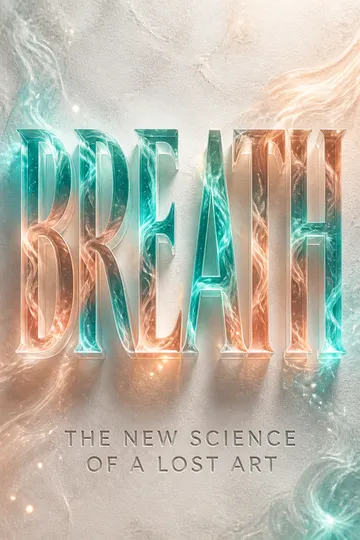
What's "Breath: The New Science of a Lost Art" about?
- Exploration of Breathing: The book delves into the science and history of breathing, exploring how modern humans have lost the art of proper breathing.
- Personal Experimentation: Author James Nestor conducts personal experiments to understand the impact of different breathing techniques on health and well-being.
- Historical and Cultural Insights: It examines ancient breathing practices from various cultures and how they can be applied today.
- Health Implications: The book discusses the health implications of poor breathing habits and offers solutions to improve respiratory health.
Why should I read "Breath: The New Science of a Lost Art"?
- Health Benefits: Understanding and improving your breathing can lead to better health, reduced stress, and increased longevity.
- Scientific Insights: The book provides scientific insights into how breathing affects every aspect of our physiology.
- Practical Techniques: It offers practical breathing techniques that can be easily incorporated into daily life for immediate benefits.
- Engaging Narrative: James Nestor combines personal anecdotes with scientific research, making the book both informative and engaging.
What are the key takeaways of "Breath: The New Science of a Lost Art"?
- Nasal Breathing Importance: Breathing through the nose is crucial for optimal health, as it filters, humidifies, and regulates airflow.
- Exhalation Focus: Proper exhalation is as important as inhalation, helping to expel toxins and improve lung function.
- Chewing and Facial Structure: The act of chewing affects facial structure and airway development, impacting breathing efficiency.
- Breathing Techniques: Various ancient and modern breathing techniques can improve health, reduce stress, and enhance physical performance.
How does James Nestor's personal experiment contribute to the book?
- Mouth vs. Nose Breathing: Nestor conducts a 20-day experiment comparing the effects of mouth breathing versus nasal breathing on his health.
- Health Metrics: He measures changes in blood pressure, heart rate, and other health metrics, demonstrating the negative impact of mouth breathing.
- Real-Life Application: The experiment provides real-life evidence supporting the book's claims about the benefits of nasal breathing.
- Engaging Storytelling: Nestor's personal journey adds a narrative element that makes the scientific content more relatable and engaging.
What are the best quotes from "Breath: The New Science of a Lost Art" and what do they mean?
- "Shut your mouth": This quote emphasizes the importance of nasal breathing over mouth breathing for better health.
- "The perfect breath is this: Breathe in for about 5.5 seconds, then exhale for 5.5 seconds": It highlights the ideal breathing pattern for optimal health and relaxation.
- "Breathing is a missing pillar of health": This suggests that proper breathing is as crucial as diet and exercise for maintaining health.
- "Nature is simple but subtle": It reflects the book's theme that simple changes in breathing can have profound health effects.
How does "Breath: The New Science of a Lost Art" address modern health issues?
- Chronic Conditions: The book links poor breathing habits to modern chronic conditions like asthma, sleep apnea, and anxiety.
- Preventative Approach: It advocates for using breathing techniques as a preventative measure to maintain health and prevent disease.
- Scientific Backing: The book provides scientific evidence and expert opinions to support its claims about the health benefits of proper breathing.
- Holistic Health: It promotes a holistic approach to health, integrating breathing with other lifestyle changes for overall well-being.
What is the significance of nasal breathing according to "Breath: The New Science of a Lost Art"?
- Air Filtration: Nasal breathing filters out particles and pathogens, reducing the risk of respiratory infections.
- Air Regulation: It regulates airflow, ensuring that the lungs receive the right amount of air for optimal function.
- Nitric Oxide Production: Breathing through the nose increases nitric oxide production, which improves circulation and oxygen delivery.
- Health Benefits: Nasal breathing is linked to better sleep, reduced stress, and improved cardiovascular health.
How does "Breath: The New Science of a Lost Art" explore ancient breathing techniques?
- Cultural Practices: The book examines ancient breathing practices from cultures like the Tibetans, Indians, and Chinese.
- Historical Context: It provides historical context for how these techniques were developed and their intended benefits.
- Modern Relevance: The book discusses how these ancient practices can be adapted for modern use to improve health.
- Scientific Validation: It explores scientific studies that validate the effectiveness of these ancient techniques.
What role does chewing play in breathing according to "Breath: The New Science of a Lost Art"?
- Facial Development: Chewing affects the development of facial bones and airways, impacting breathing efficiency.
- Dietary Changes: The shift to softer, processed foods has led to underdeveloped jaws and crowded teeth, contributing to breathing issues.
- Historical Evidence: The book presents evidence from ancient skulls showing wider jaws and better airway structures due to more chewing.
- Practical Advice: It suggests incorporating more chewing into daily life to improve facial structure and breathing.
What are the potential risks of mouth breathing as discussed in "Breath: The New Science of a Lost Art"?
- Health Deterioration: Chronic mouth breathing can lead to health issues like sleep apnea, high blood pressure, and dental problems.
- Increased Stress: It can increase stress hormones, leading to anxiety and fatigue.
- Reduced Oxygenation: Mouth breathing bypasses the nasal filtration system, reducing oxygenation efficiency.
- Long-Term Effects: Prolonged mouth breathing can lead to structural changes in the face and airways, worsening breathing problems.
How does "Breath: The New Science of a Lost Art" suggest improving breathing habits?
- Nasal Breathing: Prioritize breathing through the nose to improve filtration and oxygenation.
- Exhalation Techniques: Focus on full exhalations to expel toxins and improve lung function.
- Breathing Exercises: Practice specific breathing exercises like Coherent Breathing and Tummo to enhance respiratory health.
- Lifestyle Changes: Incorporate more chewing and maintain proper oral posture to support airway development.
What scientific evidence supports the claims in "Breath: The New Science of a Lost Art"?
- Clinical Studies: The book references clinical studies that demonstrate the health benefits of nasal breathing and proper exhalation.
- Expert Opinions: It includes insights from experts in pulmonology, dentistry, and anthropology to support its claims.
- Personal Experiments: Nestor's personal experiments provide real-life evidence of the impact of different breathing techniques.
- Historical Data: The book uses historical data and anthropological evidence to show the long-term effects of breathing habits on health.
Download PDF
Download EPUB
.epub digital book format is ideal for reading ebooks on phones, tablets, and e-readers.








