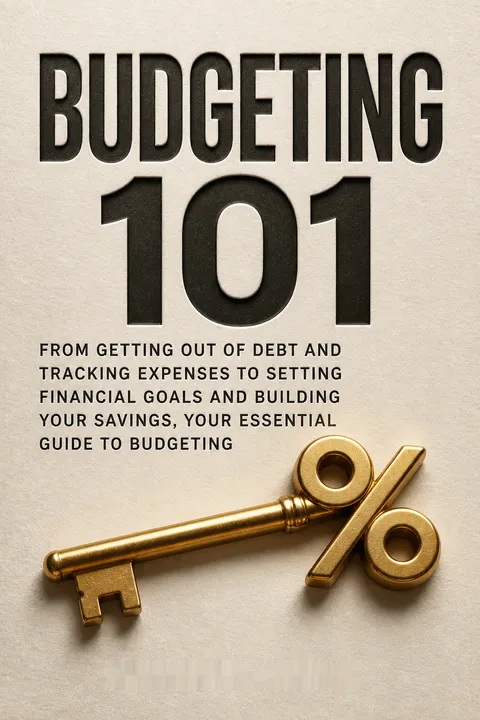


Key Takeaways
Treat a budget as a plan for choice, not a sentence of deprivation.
Give money a purpose. A budget assigns income to the things a person values, from rent and groceries to debt repayment and future plans. It replaces spending by impulse with decisions made in advance. The aim is not to eliminate pleasure, but to identify which expenses are worth keeping and which quietly crowd out more important goals. A budget cannot instantly fix low income, large debts, or financial bad luck, but it can make the next decision clearer.
Make it fit real life. A plan that forces someone to live in a way they cannot sustain is a bad plan. One person may want detailed spending categories; another may prefer a few broad amounts. Either way, a workable budget leaves room for change rather than treating every overspend as a reason to quit.
What's valuable here is the shift from budgeting as self-denial to budgeting as deliberate allocation. That framing treats money as a limited resource for expressing priorities, much like time. It also reduces the moral drama around spending: a purchase can be unwise without making the spender irresponsible. The important qualification is that choice is not unlimited. When income barely covers essentials, the problem may be a shortage of resources, not a failure to plan. A budget can reveal that constraint, but it cannot erase it.
Measure your real financial starting point before choosing a destination.
Replace guesses with records. A useful financial inventory includes income, spending, assets, debts, and cash-flow timing. Assets are what a person owns; liabilities are what they owe. Subtract liabilities from assets to estimate net worth, a snapshot that matters most when tracked over time. To find spending patterns, record every transaction for a month, including savings deposits and small purchases. Someone who guesses that groceries cost $400 may discover the real amount is $600, making a budget built on the guess fail from day one.
Watch the calendar, too. A household can earn more than it spends overall and still run short when bills arrive before paychecks. Moving due dates or building a separate bridge savings reserve can help cover that timing gap. Use reliable income in the budget, not payments that are merely promised.
This inventory approach resembles measurement in engineering: a system cannot be improved reliably if its current behavior is unknown. The combination of net worth and cash flow is especially useful because the two answer different questions. Net worth shows accumulated position; cash flow shows whether the household can function this week. Neither alone is a complete diagnosis. Estimates are unavoidable for some assets, such as a home, so the purpose is not perfect accounting. It is a sufficiently accurate baseline for decisions.
Turn wishes into timed goals, then fund the priorities that matter.
Make the target concrete. SMART goals are specific, measurable, achievable, realistic, and time-oriented. Instead of hoping to save for a car, a person might set a target of $8,000 for a used car by a named date. The amount and deadline reveal the required monthly contribution and whether the plan fits current income. Breaking the target into steps, such as checking loan balances or setting up an automatic transfer, makes it easier to begin and track progress.
Rank before dividing. Goals compete for limited cash. Paying high-interest debt may deserve priority over a vacation because it reduces future interest costs and frees money for other plans. Short-term goals generally call for safe, accessible cash; longer-term goals may have more time to withstand investment losses. Review progress periodically, then adjust the contribution or deadline when the original target proves unrealistic.
Specific targets turn an abstract intention into a planning problem: how much, by when, and from which part of the budget? That structure is useful because it makes trade-offs visible instead of disguising them as vague optimism. Goal ranking also acknowledges that not every worthwhile aim can be fully funded at once. A caution: the SMART format can make a goal measurable without making it meaningful. The strongest plan pairs arithmetic with a clear reason for caring about the outcome.
Choose a budget system you can follow, and revise it without shame.
Fit the method to the person. A detailed budget tracks individual expenses; a 50-30-20 budget groups income into needs, wants, and savings; an 80-20 budget moves savings aside first; and a zero-sum budget assigns every dollar a job. Cash envelopes can help control category spending, while spreadsheets, software, or apps can make recording easier. These are options, not rules. The best approach is one the person can maintain and understand.
Treat it as a feedback loop. Build a first version from actual income and several months of variable expenses, then follow it long enough to see what is wrong. If groceries repeatedly exceed the estimate, change the estimate rather than pretending the household can thrive on an impossible number. Monthly reviews can help beginners catch problems; quarterly reviews may be enough once spending is stable. Raises, moves, and family changes also call for updates.
The strongest feature of this advice is its refusal to confuse precision with usefulness. A spreadsheet may clarify spending for one person and create needless friction for another. This reflects a broader design principle: tools work when they match their users' habits and constraints. Automation can reduce repetitive work, but it can also obscure transactions or create a false sense of control. A periodic human review remains important, especially when a category repeatedly misses its target or a major life change alters the household's finances.
Close spending leaks and grow income before demanding harsher sacrifice.
Work both sides. A budget can be balanced by spending less, earning more, or doing some of each. The book argues that increasing income may be easier than repeatedly cutting small pleasures. Options include seeking a raise, taking a side job, selling unused belongings, or developing income from a skill or asset. Extra income can build savings or speed debt repayment rather than disappearing into higher spending.
Find what drains money unnoticed. Review recurring subscriptions, bank fees, unused memberships, and impulse purchases. Spending triggers may be emotional, such as shopping when bored, or social, such as feeling obliged to match friends' spending. Lists, cash limits, waiting periods for larger purchases, and removing saved card details create friction between urge and payment. Housing, transportation, and insurance are large expenses worth reviewing, since modest changes there can outweigh many tiny cutbacks.
This balanced approach avoids a common budgeting trap: treating every financial shortfall as evidence that people need more discipline. Income and expenses are different levers, and the right lever depends on the situation. Behavioral design also matters. A pause before checkout or a removed payment shortcut can change the decision environment without requiring constant resistance. Still, income strategies are not equally available to everyone, and side work can carry costs in time, health, and taxes. A realistic plan counts those costs rather than treating extra earnings as effortless.
Automate savings before spending, then let time compound the balance.
Pay the future first. Automatic transfers from each paycheck make saving a planned expense instead of whatever happens to remain. If an employer matches retirement contributions, contributing enough to receive the full match captures compensation that would otherwise be missed. Savings and investments serve different purposes: savings keep money secure and accessible, while investments seek growth and can lose value.
Build protection before chasing returns. The book recommends an emergency fund of about three months of necessary expenses, kept separate from routine checking. That reserve can absorb a car repair, medical bill, or income interruption without forcing new borrowing. Longer-term money can be invested with time to grow through compounding, when earnings generate further earnings. The book also warns that cash held indefinitely may lose purchasing power to inflation, so safety and growth need to be balanced according to when the money is needed.
Automation turns a good intention into a default, a powerful feature of choice architecture. It can reduce the number of times a person must decide whether to save, while a separate emergency account helps distinguish planned spending from genuine surprises. The key is matching the account to the purpose: money needed soon should not be exposed to large market swings, while very long-term savings may face a different trade-off. The suggested reserve is a useful benchmark, not a universal fit for every income pattern or household risk.
Pay every minimum, then attack toxic debt with a plan you can sustain.
Stop the expensive spiral. Toxic debt refers to borrowing with extremely high interest, such as payday loans that can carry annual percentage rates near 400 percent. Such costs can keep a borrower trapped in repeat borrowing. Make at least the minimum payment on every debt to avoid penalties, then direct extra money toward one chosen balance. The avalanche method targets the highest interest rate first and usually minimizes interest paid. The snowball method targets the smallest balance first, creating quicker visible wins that may help sustain effort.
Make the plan practical. Stop adding new credit-card debt while paying balances down. Put unexpected money toward the chosen debt before it blends into everyday spending. Check that extra payments reduce principal, not just fees or interest. If payments are unmanageable, reputable nonprofit credit counseling may help negotiate a workable repayment plan. Be wary of debt-settlement promises, consolidation offers with hidden costs, and guaranteed credit repair.
Debt repayment is both a mathematical and behavioral problem. The avalanche method is efficient on interest, while the snowball method may be easier to stick with when progress feels slow. Choosing a plan therefore means considering not only the spreadsheet result but also the likelihood of following through. The clearest distinction is between reducing the balance and preventing fresh borrowing. Without the second step, repayment can become a revolving door. Advice should also recognize that illness, low wages, or other shocks can create debt beyond an individual's control.
Rebuild the budget whenever work, family, housing, or retirement changes.
Expect the numbers to move. A first job may deliver take-home pay 25 to 30 percent below salary after taxes and deductions. Marriage changes the income picture and calls for honest discussion of debts, accounts, and shared goals. Homeownership adds closing costs, repairs, maintenance, and possible mortgage changes. Having a child brings substantial new costs: the book cites an average first-year expense of about $21,000, compared with many parents' estimate of $5,000.
Redesign instead of drifting. Retirement changes both income and spending, while divorce may require separating accounts, housing, and debt. In each case, list the new reliable income, essential expenses, obligations, and goals. Couples can decide whether to combine accounts or share bills proportionally, but both need a clear view of the household's finances. A new budget makes the consequences of a transition visible before old assumptions create shortfalls.
The book treats major life events as changes to the financial system, not merely personal milestones. That is a practical insight: recurring costs and income can shift more than a budget's small discretionary categories suggest. The examples also show why preparation matters, especially for housing and children, where one-time costs sit beside ongoing obligations. The specific estimates are drawn from the book's 2018 context and should not be treated as current quotes. Their deeper lesson is to price the transition using local, up-to-date information.
Treat emergencies as recovery projects, protected by insurance and cash reserves.
Stabilize before optimizing. After a financial shock, take a fresh inventory of assets, debts, dependable income, necessary expenses, and immediate risks. Create a temporary bare-bones budget, contact creditors or landlords early if payments are at risk, and look for available public or community assistance. Keep essential insurance where possible: medical, auto, home or renters, and life coverage can prevent one crisis from producing another.
Rebuild in sequence. Once income steadies, restore retirement savings and repay high-interest debt, then replenish emergency reserves and revisit goals. Check credit reports for errors; the book cites an FTC finding that at least 20 percent contained mistakes. Recovery need not begin with a perfect plan. Small, corrective actions can restore stability, while a review of the spending habits or missing protections that preceded the crisis can make the regular budget more resilient.
The recovery sequence is valuable because financial emergencies often narrow attention to the next bill, while the best response also protects against compounding damage. Insurance and early communication can preserve options that disappear after missed payments or coverage lapses. The emphasis on a new inventory is similarly sound: a pre-crisis plan is no longer a reliable map. A further nuance is that some emergencies are structural, not preventable through better habits. Recovery planning should support agency without turning misfortune into personal blame.
Analysis
Budgeting 101 is best read as an operating manual for household decisions rather than a single prescriptive formula. Its central process is cyclical: gather financial facts, assign money according to priorities, observe what actually happens, and revise the plan. That sequence gives the book coherence across topics as different as a first paycheck, payday loans, a new baby, and retirement. The budget is not the destination. It is the instrument for keeping everyday cash decisions connected to longer-term aims. The book's particular strength is its combination of arithmetic and behavior. It explains net worth, cash-flow timing, debt interest, and retirement savings, but also recognizes that spending is shaped by emotion, convenience, social pressure, and the design of payment systems. Its range of tools, from cash envelopes to apps, supports the same practical point: the system should fit the person using it. This is more realistic than assuming that perfect tracking or constant restraint is sustainable for everyone.
Its advice is most persuasive when it distinguishes different financial jobs. Emergency savings provide access and security; investments seek growth at risk. Debt payoff can produce a reliable return by avoiding future interest, while goals compete for limited resources. These distinctions help readers make choices rather than memorize slogans.
The main limitation is that a budget can allocate resources but cannot create enough resources where income is inadequate. The book acknowledges income growth, yet much of its guidance still presumes some room to adjust spending or save. Readers facing unstable work, high housing costs, medical bills, or caregiving demands may need structural assistance as much as a better plan. Also, many statistics and product references are specific to the 2018 publication context. The durable contribution is not any single number or app. It is the habit of replacing financial guesswork with a workable plan, then adapting that plan as circumstances change.
Review Summary
Budgeting 101 receives mixed reviews. Many readers find it helpful for beginners, offering clear explanations of basic financial concepts and practical budgeting tips. The book is praised for its accessibility and comprehensive coverage of topics like saving, investing, and debt management. Some readers appreciate its focus on different life stages and financial personalities. However, critics note that the content can be repetitive and overly basic for those with existing financial knowledge. Several reviewers mention its U.S.-centric approach, limiting its usefulness for international readers.
People Also Read








Glossary
SMART goals
Structured financial targetsA goal-setting framework in which a target is specific, measurable, achievable, realistic, and time-oriented. Applied to finances, it turns a vague wish into a defined amount with a deadline and a way to track progress. The framework also helps test whether the target fits the person's current budget.
zero-sum budget
Every dollar assignedA budgeting method in which planned income is fully allocated among expenses, savings, and debt payments, leaving no unassigned money in the budget. It does not mean a person has no cash in the bank. It means every dollar has a planned purpose, including money set aside for future use.
toxic debt
Extremely costly borrowingDebt with exceptionally high interest charges that can keep balances from shrinking and push borrowers toward repeat borrowing. The book includes payday loans, no-credit-check loans, and high-rate credit cards as examples. Because interest can consume much of each payment, eliminating this debt is treated as an urgent financial priority.
avalanche method
Highest-rate debt firstA debt repayment strategy that directs extra payments to the balance with the highest interest rate while making minimum payments on all other debts. Once the highest-rate debt is paid off, its payment is redirected to the next-highest rate. This approach generally reduces total interest costs compared with paying lower-rate debts first.
snowball method
Smallest balance firstA debt repayment strategy that directs extra payments to the debt with the smallest balance while maintaining minimum payments on all others. After each balance is cleared, the freed-up payment is added to the next-smallest debt. The method can create visible early progress, though it may cost more interest than the avalanche method.
snowflake
Extra cash for debtA small, irregular amount of money that can be applied to a selected debt in addition to planned payments. Examples include birthday money, a tax refund, or cash found unexpectedly. Applying such money promptly reduces the balance and may lower future interest charges.
bridge savings
Cash for timing gapsA reserve kept separate from an emergency fund to cover short-term gaps between when money arrives and when bills are due. It is especially useful when income is irregular or pay dates do not align with payment dates. The reserve helps avoid overdrafts or borrowing caused by timing rather than by an overall income shortfall.
lifestyle creep
Spending rises with incomeThe tendency for spending to increase as income rises, often through more expensive housing, vehicles, or discretionary purchases. The result can be that a raise produces little improvement in savings or debt repayment. The book advises deciding deliberately how to use extra income instead of allowing spending to expand automatically.
FAQ
What's "Budgeting 101" by Michele Cagan about?
- Comprehensive Guide: "Budgeting 101" by Michele Cagan is a comprehensive guide to personal finance, focusing on budgeting as a tool for financial control and wealth creation.
- Core Topics: The book covers essential topics such as getting out of debt, tracking expenses, setting financial goals, and building savings.
- Practical Advice: It provides practical advice on creating a livable budget, increasing income, and reducing expenses.
- Financial Security: The ultimate goal is to help readers achieve financial security and prosperity through effective money management.
Why should I read "Budgeting 101" by Michele Cagan?
- Financial Empowerment: Reading this book empowers you to take control of your finances, reducing stress and increasing financial confidence.
- Actionable Steps: It offers actionable steps and strategies to improve your financial situation, regardless of your starting point.
- Myth-Busting: The book debunks common budgeting myths, making budgeting accessible and less intimidating.
- Long-Term Benefits: By following the guidance in the book, you can work towards long-term financial goals like retirement savings and debt elimination.
What are the key takeaways of "Budgeting 101"?
- Budgeting is Choice: Budgeting is about making informed choices with your money, not about sacrifice.
- Track and Adjust: Regularly track your spending and adjust your budget to reflect changes in your financial situation.
- Prioritize Savings: Treat savings as your number one expense to build a financial cushion and invest in your future.
- Flexibility is Key: Keep your budget flexible to accommodate life changes and unexpected expenses.
What are the best quotes from "Budgeting 101" and what do they mean?
- "Budgeting doesn’t mean sacrifice; it means choice." This quote emphasizes that budgeting is about making conscious decisions with your money to achieve your financial goals.
- "A budget tailored to your life—as opposed to your life tailored to a budget—can help you spend consciously, dig out of debt, and build substantial wealth." It highlights the importance of creating a personalized budget that fits your lifestyle and financial priorities.
- "The real purpose of a budget is to help you take control of your finances and create personal wealth." This underscores the book's focus on using budgeting as a tool for financial empowerment and wealth creation.
How does Michele Cagan define budgeting in "Budgeting 101"?
- Money Plan: Budgeting is defined as a money plan that assigns specific jobs to every dollar, helping you direct cash toward your financial goals.
- Not a Quick Fix: It’s not a magic potion or quick fix but a long-term strategy for financial freedom and prosperity.
- Flexible Tool: A budget is a flexible tool that should evolve with your financial situation and life changes.
- Wealth Creation: Ultimately, budgeting is about creating a roadmap to financial security and wealth.
What are the budgeting myths debunked in "Budgeting 101"?
- Budgets are for Others: The book debunks the myth that budgets are only for certain people, emphasizing that everyone can benefit from budgeting.
- Budgets are Stressful: It counters the idea that budgets are stressful, arguing that they actually reduce financial anxiety by providing a clear plan.
- Highly Detailed Budgets: The book clarifies that budgets don’t need to be highly detailed; they can be as simple or complex as you prefer.
- Budgets Mean Cutting Fun: It dispels the myth that budgets eliminate fun, explaining that they allow for spending on what truly matters to you.
How does "Budgeting 101" suggest using a budget to create wealth?
- Debt Elimination: Focus on paying off all debt, as interest payments are a net loss to your finances.
- Investment Strategies: Use shrewd investment strategies to grow your money faster once you’re debt-free.
- Savings First: Prioritize savings to ensure you have money when you need it, and let compounding work in your favor.
- Asset Accumulation: Invest in income-producing assets like stocks, bonds, and real estate to build long-term wealth.
What is the "SMART" goal-setting method in "Budgeting 101"?
- Specific: Goals should be clear and specific, detailing exactly what you want to achieve.
- Measurable: They should be measurable, allowing you to track progress and stay motivated.
- Achievable: Goals must be realistic and achievable within your current financial situation.
- Time-Oriented: Set a clear timeline for achieving each goal to maintain focus and urgency.
How does Michele Cagan suggest tracking and measuring success in budgeting?
- Regular Check-Ins: Conduct monthly or quarterly check-ins to monitor progress and make necessary adjustments.
- Goal Tracking Apps: Use goal-tracking apps to visualize progress and stay motivated.
- Financial Benchmarks: Periodically assess key financial benchmarks like net worth and credit score.
- Adjust Goals: Be prepared to adjust goals and budget categories based on your financial progress and life changes.
What are the recommended ways to increase income in "Budgeting 101"?
- Get a Raise: Negotiate a raise at your current job by demonstrating your value and contributions.
- Side Gigs: Explore side gigs or freelance opportunities that fit your skills and schedule.
- Passive Income: Develop passive income streams through investments or creative endeavors.
- Start a Business: Consider starting a small business to generate additional income.
How does "Budgeting 101" address the issue of debt management?
- Rank Your Debt: Prioritize debts by importance and harm to net worth, focusing on high-interest debts first.
- Paydown Plans: Choose a paydown plan like the avalanche or snowball method to systematically eliminate debt.
- Avoid Toxic Debt: Eliminate toxic debt with extremely high interest rates as quickly as possible.
- Credit Counseling: Consider credit counseling for professional guidance in managing and reducing debt.
What strategies does "Budgeting 101" offer for handling financial emergencies?
- Emergency Budget: Create an emergency budget that prioritizes essential expenses and cuts non-essentials.
- Secure Housing: Take immediate steps to secure your home and avoid eviction or foreclosure.
- Insurance Protection: Maintain insurance coverage to protect against additional financial losses.
- Rebuild Savings: Focus on rebuilding savings and paying back any borrowed retirement funds to restore financial security.
About the Author


Download PDF
Download EPUB
.epub digital book format is ideal for reading ebooks on phones, tablets, and e-readers.








