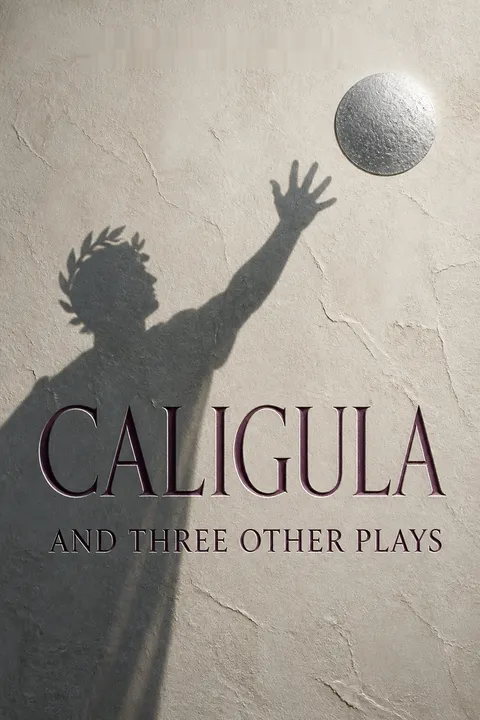


Plot Summary
Prologue
In the prologue to the collection’s third play, State of Siege, the people of Cadiz watch a comet cross the sky and argue over what it means. Their officials insist that nothing has happened and order the townspeople to deny seeing it.
Diego, a merchant in love with Victoria, warns that their confidence is misplaced, but Nada, a cynical drunk, sees disaster coming too. The prologue ends as the city returns to its market-day routines, choosing comfort over warning. That denial makes the coming catastrophe feel less like an invasion from nowhere than a danger the town has already practiced ignoring.
The comet matters less as a supernatural prediction than as a test of public honesty. Cadiz has witnesses, but its authorities treat shared knowledge as a threat to civic order and attempt to legislate it away. The market’s cheerful abundance then becomes part of the defense: familiar commerce reassures people more effectively than evidence alarms them. Nada recognizes the danger, but his contempt leaves him without credibility or a plan. Diego, by contrast, has a stake in the community’s future. The prologue thus plants the play’s central conflict between a population that wants reassurance and the harder work of responding truthfully to danger.
Caligula Wants the Moon
When Emperor Caligula returns to Rome after three days away, the patricians assume that grief for his sister Drusilla has unsettled him. His companion Helicon learns that the loss has instead exposed what Caligula sees as an intolerable fact: people die without becoming happy. Since ordinary power cannot reverse death, Caligula decides to pursue the impossible and asks for the moon.
He immediately turns that private hunger into public policy. By ordering wealthy citizens to rewrite their wills in the state's favor, then announcing that he will have them killed for their money, he makes the Treasury's logic a weapon against life itself. His authority lets him force others to inhabit the contradiction he has discovered.
Caligula's grief initiates the action, but it does not explain the full shape of his tyranny. He rejects consolation because accepting limits would mean accepting a world in which death cannot be corrected. His moon is not a practical objective; it gives a name to the impossible remedy he wants from existence. The Treasury edict translates that demand into a political experiment, exposing how easily official language can make cruelty sound consistent. Yet Caligula's supposed freedom depends on the bodies and obedience of others. The more completely he tries to abolish limits, the more his private anguish becomes a public system of coercion.
The Empire Learns Fear
Three years later, Caligula has confiscated property, killed relatives, humiliated the patricians, and used state power to control their families and private lives. Their first talk of revolt is fueled by personal injuries, but Cherea, a thoughtful senator, warns that Caligula is pursuing more than revenge.
His rule attacks the shared assumptions that make ordinary life possible, so the conspirators must wait until his violence has isolated him. They agree to encourage his excesses rather than strike too soon. Caligula visits their gathering, senses its purpose, and turns the meeting into another demonstration of control. Even his victims have to pretend that nothing is wrong while he decides when they may speak, eat, or fear.
The conspiracy forms from motives that are not equally admirable. The patricians resent lost wealth and status, while Cherea fears that Caligula is making human life itself seem meaningless. His distinction matters: a rebellion driven only by wounded privilege could replace one ruler without challenging the principle of domination. Cherea therefore treats patience as a moral and tactical necessity. Caligula, meanwhile, recognizes that fear can make victims perform their own submission. Their forced politeness is not consent; it is a survival strategy that reveals how authoritarian power colonizes everyday behavior before it controls every public institution.
Venus Takes the Stage
Caligula turns an imperial entertainment into a demonstration of divinity, appearing as Venus while the assembled patricians perform worship. He then converts their obedience into another trap, making death seem as arbitrary as a god's whim.
In an earlier meal with the same ruling class, he has forced a grieving father to laugh after killing his son and has taken another man's wife away in public. When the old patrician Mereia is accused of secretly carrying an asthma remedy, Caligula twists the harmless medicine into proof of a plot and forces poison on him.
Scipio, whose father Caligula killed, briefly finds a bond with the emperor through poetry and their shared response to nature, but Caligula mocks the poem and breaks that fragile closeness.
The emperor's theatricality is not decoration; it is a method for making power visible as performance and then demanding that spectators participate. The patricians' worship and laughter expose how fear can recruit the victim into staging his own humiliation. Mereia's death shows the danger of a logic that treats suspicion as proof and innocence as irrelevant. Scipio's brief connection complicates the conflict: Caligula can recognize beauty and emotional kinship, but he destroys the contact as soon as it threatens his chosen identity. His capacity to understand others makes his cruelty more deliberate, not less consequential.
The Tablet Burns
Helicon brings Caligula written evidence that Cherea is leading a conspiracy, but Caligula is more absorbed in his pursuit of the moon than in the threat. He summons Cherea and asks why an intelligent man would choose security over limitless freedom. Cherea explains that ordinary people need happiness and a world where private impulses do not become law.
Caligula recognizes the argument, then burns the evidence and lets him go, treating mercy as another exercise of imperial choice. Soon after, Scipio refuses to join the assassination. He still feels kinship with Caligula, despite the murder of his father, and cannot turn understanding into a clean act of opposition. Cherea proceeds without him.
The meeting with Cherea is the play's clearest test of whether reason can interrupt violence. The two men understand each other's positions, but understanding does not reconcile them: Cherea values shared conditions for happiness, while Caligula treats those conditions as restraints. Burning the evidence grants Cherea a reprieve without restoring the rule of law. Caligula controls even the meaning of innocence. Scipio's refusal adds a different ethical problem. His empathy keeps him from simplifying Caligula into a monster, yet that insight also makes action harder. The play presents compassion as morally serious, but not always sufficient to stop harm.
The Mirror Shatters
As the conspirators prepare to act, Scipio leaves Rome rather than choose either side. Caligula turns to Cæsonia, his longtime companion and last intimate witness, and strangles her while insisting that his freedom has brought him a kind of happiness. Her death leaves him alone with the consequences he has spent years denying.
Facing his reflection, he admits that the path he chose has led nowhere and that even the moon could not undo his crimes. He smashes the mirror, and Cherea and the other conspirators rush in and stab him. Caligula dies laughing and choking, still resisting the final limit he cannot abolish.
Cæsonia's death makes the cost of Caligula's philosophy intimate. He has treated love as a weakness because love requires accepting another person as more than an instrument or audience. Yet Cæsonia's continued presence has made her the witness to his remaining humanity, so he destroys the relationship to complete his isolation. The mirror turns self-judgment into a physical confrontation: he can accuse himself, but cannot escape himself. The conspirators' violence ends his rule without proving that their world is just. His recognition comes too late to repair the lives his logic has consumed.
The Unnamed Son Returns
Jan returns to the Moravian inn where his mother and sister Martha live, bringing money and hoping to restore a family bond after twenty years away. He does not tell them who he is. His wife, Maria, warns that his plan depends on recognition without the simple act of giving his name, but Jan sends her away so he can observe the women and find a way to make them happy.
The women, meanwhile, have been robbing and killing solitary, wealthy travelers to finance Martha's dream of escaping to the sea. They see Jan as a suitable target. His reluctance to speak plainly puts him inside a house where his mother and sister judge strangers by their usefulness, not their kinship.
Jan mistakes emotional recognition for something that can be earned through a carefully staged encounter. His silence is meant to create a more meaningful welcome, but it deprives his family of the information they would need to choose how to receive him. Martha and her mother have also trained themselves to avoid recognition because their crimes depend on seeing guests as categories rather than people. The mismatch is therefore more than a private misunderstanding: each side relies on an imagined version of the other. Jan's hope is sincere, but sincerity cannot protect anyone when it refuses to become explicit.
Tea Meant for Someone Else
Martha questions Jan about his life, then listens as he describes the southern coast she longs to reach. His account revives her desire to escape, making her more determined to keep him at the inn. Jan grows uneasy and decides to leave that evening, but he has already drunk the tea Martha brought him, which contained the drug used to incapacitate their victims.
His mother realizes too late that the cup was not meant for him. Martha and her mother take his money and carry his sleeping body to the river, where they drown him. His politeness and hesitation have given him no chance to correct the false identity he chose, and the women do not learn whom they have killed.
The tea converts a small domestic gesture into an irreversible consequence. Jan interprets it as hospitality, Martha uses it as part of a practiced crime, and his mother understands its danger only after he has swallowed it. Each character acts from a different account of what is happening, but the physical event does not wait for those accounts to converge. The murder is not presented as a clever trick so much as the material result of failed communication inside an already brutal household. Jan's desire to be recognized without declaring himself makes him especially vulnerable to their habitual refusal to know strangers.
The Passport Names the Dead
The next morning, Martha finds Jan's passport among the things left behind and learns that the traveler she helped kill was her brother. Their mother, confronted with the same fact, abandons the sea-bound future she had shared with Martha and goes to the river, unable to live with having murdered her son.
Martha lashes out at her brother for receiving a mother's love after years away, then turns toward suicide. Maria arrives looking for Jan and learns that the innkeepers killed him. She refuses Martha's attempt to make their losses equivalent, because Jan had been her husband and the center of her life. When Maria asks the silent old manservant for help, he refuses her, leaving her grief without comfort.
Recognition arrives here as knowledge without repair. The passport makes the family connection undeniable, but only after the women have acted on the stranger they believed Jan to be. The mother's grief breaks through the numb routine that had made killing feel almost impersonal; Martha, by contrast, experiences the lost future as another injustice done to her. Maria exposes the limits of the inn's closed moral world, but her appeal cannot restore a shared language or summon assistance. The manservant's refusal gives the ending its bleak final pressure: suffering is seen, yet no dependable response follows.
Cadiz Welcomes the Plague
After the city has denied the comet, sickness appears in the crowded market and the Plague arrives as a bureaucratic ruler rather than a monster. He gives the Governor a chance to surrender his office, then has his Secretary eliminate a guard when the Governor resists. The Governor yields and publicly presents the transfer as voluntary.
The Plague's officials mark houses, ration food, restrict movement, separate men from women, and order citizens to report sick relatives. The gates close one by one, cutting Cadiz off from the sea. By the time the final gate shuts, the townspeople have been trained to repeat regulations and fear one another, while the new regime claims that its procedures bring order.
The Plague's politeness is part of the threat: violence is introduced as administration, with each coercive act given a form, category, or public explanation. The Governor's false declaration of voluntary surrender shows how institutions can preserve appearances after their authority has collapsed. The closing gates make the political change bodily. Citizens lose not only freedom of movement but access to the sea, the landscape that had given their lives a horizon beyond official control. The regime's most effective weapon is not simply killing; it is making obedience look like the only remaining way to live.
A City Runs on Lists
Diego tries to care for the sick, but the Plague's system reduces citizens to marks, certificates, and entries in the Secretary's notebook. When Diego contracts the disease, he seeks shelter in Judge Casado's house. The judge refuses him in the name of law, even as his wife and daughter challenge his coldness and his fear.
Diego escapes, while Victoria chooses to stand with him despite the danger. Their private love cannot shield them from a regime that treats intimacy as a threat. At the wharf, Diego attempts to escape by boat, but the Secretary blocks him. His failed flight leaves him confronting the system that has marked him and the people it has isolated.
The ledger and the plague marks turn a complex population into administratively legible bodies. Once citizens are classified, the regime can treat exclusion as neutral procedure rather than a choice made by particular officials. Casado's legalism reveals the psychological reward of this arrangement: obedience lets him experience fear as duty. Diego and Victoria provide a counterexample through personal loyalty, but the play does not romanticize love as sufficient protection. The authorities can interrupt their embrace, separate their movements, and make Diego's care for others appear criminal. His eventual resistance must therefore reach beyond the private couple.
Diego's Mark Fades
At the wharf, Diego refuses to accept the Secretary's claim that her records cover everyone and challenges her authority directly. As he stops acting from fear, the plague mark on his body disappears, revealing a weakness in the regime's machinery: it cannot easily control those who no longer submit inwardly.
Diego frees the gagged Fisherman and calls on the townspeople to remove their marks and reclaim their voices. He returns to the square and organizes them to open windows, clear space for the sick, and stop cowering. The Plague's guards answer with arbitrary killings, but the crowd continues its work. A sea wind rises, and Cadiz begins to breathe again.
Diego's mark fading makes an inward change visible, but the play carefully gives that change a social consequence. His refusal to fear does not magically end the epidemic; instead, it lets him act, speak, and help other people act. The wind becomes persuasive because the crowd has begun to move together, not because nature can substitute for political courage. His leadership is practical: open windows, remove gags, care for the sick. These actions contest the Plague's effort to reduce citizens to isolated units. Resistance begins when people risk contact and responsibility, not when a hero merely announces that he is free.
The Price of Cadiz's Freedom
As the townspeople resist, the Plague offers concessions and tries to make them choose who should die through his notebook. The Judge's daughter seizes it and marks someone for elimination, exposing how readily victims can reproduce the ruler's violence. Diego tears up the book and rallies the crowd, but the Plague takes Victoria as a hostage.
He offers Diego her life in exchange for the city's freedom. Diego refuses to trade other people's liberty for his own happiness, and the Plague withdraws; Victoria revives, but Diego dies. The gates open and the wind returns. The old authorities come back, while Nada, unwilling to live among the same habits again, throws himself into the sea.
The notebook makes the rebellion face its own temptation: possession of power does not automatically produce justice. When the Judge's daughter uses the list to kill, the crowd briefly repeats the logic it set out to defeat. Diego's destruction of the ledger rejects both the Plague's rule and the fantasy that a better executioner would solve the problem. His final refusal is a limit placed on personal power: he will not purchase Victoria's survival with the city's subjection. Yet liberation does not erase the return of familiar authorities. The ending treats victory as a fragile opening, not a permanent cure.
The Bomb Meets Two Children
In a Moscow safe house, revolutionary socialists prepare to bomb Grand Duke Serge, the symbol of the regime they oppose. The returned exile Stepan demands uncompromising action, while the young poet Kaliayev believes that rebellion must protect the life it hopes to free. When Serge's carriage arrives with his niece and nephew inside, Kaliayev lowers his arm rather than throw the bomb.
The group debates whether their cause permits killing children, and Dora and Annenkov defend the restraint that Stepan calls weakness. The attack is postponed. The delay unsettles Voinov, who had been assigned the second bomb, and forces the group to confront whether revolutionary discipline can coexist with a boundary against killing innocents.
The failed attack gives the play its central ethical test before the successful one. Kaliayev's refusal is not a retreat from the cause; it is evidence that he will not let an abstract future erase the particular lives before him. Stepan's argument is psychologically powerful because it converts urgency into permission: present suffering seems to justify any act claimed to prevent future suffering. Dora and Annenkov insist that means shape the movement's moral identity. Their restraint costs time and increases danger, but the alternative would make the revolution reproduce the indiscriminate violence it condemns.
Voinov Leaves the Firing Line
With the next attempt approaching, Voinov admits to Annenkov that he can no longer throw the bomb. The first aborted attack has left him unable to endure the seconds in which he would choose when another person dies. Rather than disguising his fear as conviction, he asks to serve the cause in less direct work.
Annenkov accepts his decision and takes Voinov's place in the operation, while Stepan objects to the late change. Kaliayev blames himself for making the delay harder on the group. Dora, meanwhile, asks Kaliayev whether he can love her as a woman rather than as a fellow revolutionary. He cannot separate her from justice, and they part without resolving their desire.
Voinov's withdrawal and Dora's question expose different costs of subordinating the self to a cause. Voinov recognizes that proximity to violence changes the meaning of courage; refusing a role he cannot carry out honestly may be more responsible than performing certainty. Annenkov's replacement makes leadership a concrete exposure to risk rather than merely a right to command. Dora and Kaliayev face another kind of sacrifice: their love is real, but each has made justice part of personal identity. Their inability to separate the two suggests that political commitment can protect moral purpose while also narrowing the space available for ordinary tenderness.
Kaliayev Faces the Scaffold
On the next attempt, Kaliayev throws the bomb at Serge's carriage and kills the Grand Duke, then is captured. In prison, police chief Skuratov offers him a pardon if he confesses and exposes his comrades. The Grand Duchess also visits, asking him to recognize the human loss behind the assassination and return to religious faith.
Kaliayev is shaken by her grief but refuses both repentance and rescue, because accepting pardon would break his commitment to the group. Skuratov threatens to publish a false account claiming that Kaliayev has recanted. Kaliayev remains confident that his comrades know him well enough to reject the lie, and prepares to face execution rather than purchase his life with betrayal.
The prison scenes prevent the assassination from becoming a clean emblem of justice. The Grand Duchess restores the victim's personal reality, while Skuratov tries to turn moral complexity into a tool of police control. Kaliayev does not answer by denying the human cost; he accepts that cost and refuses to purchase survival through betrayal. His position remains troubling because fidelity to the group cannot undo the killing. The play's ethical focus is therefore not on purity but on accountability: a revolutionary who takes a life must also accept judgment and risk his own, rather than claiming an exemption for himself.
Dora Takes the Bomb
A week later, Dora waits with Annenkov for news from the prison. Stepan and Voinov return with the report that Kaliayev was hanged after refusing to recant. Dora demands the details of his final hours, learning that he walked to the scaffold without an overcoat through a wet, freezing night. His death gives her grief a decision.
She asks Annenkov to let her throw the next bomb, although the group's rules keep women away from the firing line. Annenkov agrees, and the others accept her choice. Dora's next act will repeat Kaliayev's risk, not because his death has made violence pure, but because she cannot abandon the struggle that bound them together.
The ending offers no triumphal release. Dora's detailed questions make execution bodily and specific, resisting the abstraction that would turn Kaliayev into a convenient symbol. Her decision to take his place expresses love, grief, and political commitment at once, but it also shows how the cycle of action and sacrifice continues. The group can honor limits in one operation and still prepare another killing. Dora's courage is not uncomplicated vindication; it is a choice made within a cause that has narrowed her future. The play closes by placing the moral burden on those who remain alive.
Analysis
Across these four plays, Camus examines what happens when people turn a real injury into permission for unlimited power. Caligula begins with a true perception of suffering, then treats his ability to command as proof that he may violate every human boundary. The Plague achieves a related tyranny through impersonal rules, making cruelty appear orderly and inevitable. Martha and her mother commit violence through habit and self-justification, until Jan's identity makes their practiced indifference impossible to maintain. The revolutionaries in The Just Assassins confront the same danger from the opposite direction: they oppose a brutal state, yet must decide whether their hoped-for future can justify killing the innocent now.
The plays differ in scale, but their conflicts turn on the distance between an idea and a person. Caligula can call death a universal fact, yet the dead remain particular to those who loved them. The Plague can reduce citizens to marks, yet Diego's resistance begins when he meets another person's need. Jan wants kinship without naming himself, while the revolutionaries argue over whether justice can be pursued without destroying the human dignity it claims to protect. Camus makes language and silence consequential. Official euphemism, concealed identity, and withheld recognition do not merely obscure events; they help cause them.
None of the plays offers a painless escape from injustice. Their strongest moral claim is narrower and harder: no one should use a total ideal to erase the lives standing in front of them. Cherea defends the conditions of ordinary happiness, Diego refuses to purchase private survival with a city's freedom, and Kaliayev accepts responsibility for the violence he commits. Their choices do not guarantee permanent victory. The return of old authorities in Cadiz and the continuing revolutionary struggle make clear that resistance must be renewed. Camus's drama asks not whether people can become perfectly innocent, but whether they can act against injustice without pretending that their cause makes them innocent.
Review Summary
Caligula and Three Other Plays receives generally positive reviews, with readers praising Camus' exploration of existential themes and moral dilemmas. The collection includes "Caligula," "The Misunderstanding," "State of Siege," and "The Just Assassins." Many readers find the plays thought-provoking and engaging, particularly "Caligula" and "The Just Assassins." Some critics note the plays' experimental nature and occasional difficulty, but overall, readers appreciate Camus' ability to tackle complex philosophical ideas through dramatic works.


Characters
Caligula
Emperor of impossible freedomRome's emperor begins from a clear-eyed encounter with loss and mortality. He wants a freedom large enough to overcome the world's limits, and his position gives him the power to impose that desire on everyone around him. Caligula is intelligent, theatrical, and capable of recognizing beauty and kinship, but he repeatedly turns those capacities into instruments of control. His cruelty is not simply impulsive: he tests ideas through other people's lives and forces them to perform his conclusions. The tension between his sensitivity and his deliberate destruction makes him both frightening and recognizably human.
Cæsonia
Emperor's intimate witnessCæsonia is Caligula's longtime companion and the person closest to the private life he tries to hide behind imperial spectacle. She understands that his crisis is deeper than grief over one death, and she tries to keep him connected to affection and ordinary human limits. Her loyalty is not naïveté: she sees his brutality and knows that standing beside him may wound her. Cæsonia's role is to make intimate attachment visible inside a court where relationships are repeatedly turned into demonstrations of power.
Cherea
Senator defending human limitsCherea is a senator, intellectual, and organizer of resistance to Caligula. He does not oppose the emperor merely because his own class has been humiliated; he fears that Caligula's logic will make human existence impossible to defend. Cherea prizes security, shared rules, and the ordinary conditions that allow people to pursue happiness. His realism is strategic rather than passive: he studies Caligula's motives and waits for the right moment to act. He can understand the emperor without excusing him, a distinction that anchors his moral and political judgment.
Scipio
Poet divided by compassionScipio is a young poet whose father was killed under Caligula's rule. His grief gives him reason to hate the emperor, yet his responsiveness to nature and poetry lets him recognize a kinship between them. Scipio values tenderness and beauty, but his capacity to understand opposing feelings makes decisive action difficult. He resists the idea that hatred alone can settle a moral question. Through him, the play explores how empathy can deepen judgment while complicating the practical demands of resistance.
Helicon
Detached imperial attendantHelicon serves Caligula with a cool, observant pragmatism. He avoids grand moral commitments and often treats himself as a spectator to the emperor's experiments, though he remains close enough to carry out practical tasks and hear dangerous information. His detachment helps him survive at court, but it also makes him a revealing witness to the way tyranny becomes routine. Helicon's dry perspective offers contrast to the emotional and political intensity surrounding him.
Jan
Son seeking recognitionJan returns to his childhood home after years abroad, carrying money and a sincere wish to help his mother and sister. He is thoughtful and generous, but he trusts his own elaborate plan more than direct communication. Jan wants his family to recognize him through feeling, without first giving them the facts that would make recognition possible. That hesitation reflects his idealism and his discomfort with blunt declarations. His longing to repair old estrangement shapes every choice he makes at the inn, even when his efforts produce misunderstanding rather than intimacy.
Martha
Daughter dreaming of escapeMartha runs the family inn with her mother and longs to escape the bleak inland town for a life beside the sea. Her dream is vivid and physical, tied to open space, sunlight, and release from the narrowed routine of the inn. She is disciplined, unsentimental, and increasingly impatient with hesitation, including her mother's doubts. Martha's hardness is partly a defense against deprivation: she has taught herself to treat emotion as an obstacle to survival. Beneath that discipline remains a powerful hunger for a life she has never experienced.
The Mother
Weary innkeeper and parentJan's mother has spent years running the inn alongside Martha. Long practice has dulled her reactions, and she speaks of exhaustion more readily than guilt or hope. Unlike her daughter, she is no longer certain that escape will bring rest. The arrival of a stranger stirs a faint reluctance in her, revealing a capacity for compassion that habit has buried but not erased. She is defined by the contrast between her worn-down self-protection and the family attachment she has not entirely lost.
Maria
Jan's steadfast wifeMaria is Jan's wife, and she understands his tenderness as well as his habit of following private dreams and duties. She values the shared, ordinary life they have built and distrusts his plan to return home without identifying himself. Her emotional directness contrasts with Jan's indirect approach: she believes simple truth is more reliable than a staged test of affection. Maria's concern is not merely possessiveness; she fears that Jan's ideal of duty can draw him away from the people already closest to him.
The Old Manservant
Silent witness at the innThe old manservant works at the inn and speaks as little as possible. His silence makes him difficult to read, and the family treats his presence as part of the household's ordinary routine. He observes the travelers and the innkeepers without offering explanations or reassurance. The play uses his reserve to unsettle expectations about whether anyone in the house will intervene when another person is in distress.
Diego
Merchant turned resisterDiego is a merchant in Cadiz who loves Victoria and initially believes that a good life depends on love, work, and civic peace. The Plague's arrival forces him to confront suffering beyond his private hopes. He is not fearless by nature; his importance lies in learning to act while afraid and in refusing to treat other people as expendable. Diego's movement from individual devotion toward public responsibility drives the play, while his attachment to ordinary pleasures keeps that responsibility grounded in human life.
Victoria
Lover with a steadfast heartVictoria is the Judge's daughter and Diego's beloved. She is passionate and courageous, but her courage is tested when disease and political repression invade the life she expected to share with him. Victoria wants love to remain a living bond even under fear, and she challenges Diego when his sense of duty threatens to erase their relationship. Her family position also places her near the compromises and conflicts of Cadiz's ruling household.
The Plague
Tyrant of orderly deathThe Plague is an allegorical ruler who takes control of Cadiz through regulations, classifications, and administrative violence. He presents himself as courteous and rational, insisting that his system is simply a more orderly way to govern. His methods expose how coercion can hide behind paperwork and claims of efficiency. The Plague's contempt for spontaneous love, individual judgment, and public dissent makes him a political antagonist as much as a personification of disease.
The Secretary
Keeper of the death ledgerThe Secretary manages the Plague's records and carries out eliminations through a notebook that turns names into decisions about life and death. She is brisk, adaptable, and often cheerful about bureaucratic tasks, making her an unsettling partner to the Plague. Beneath her official efficiency, she retains traces of an earlier identity and a capacity to respond to human defiance. Her role shows how administrative systems depend on both rules and the people willing to enforce them.
Nada
Drunk prophet of negationNada is a crippled drunk whose scorn makes him perceptive about official lies but unable to build much solidarity with others. He predicts danger and later adapts readily to the Plague's bureaucracy, finding a place for his contempt inside the regime. His nihilism is more than comic posturing: it protects him from hope and attachment, while leaving him vulnerable to any system that promises to abolish meaning altogether.
Judge Casado
Lawful face of fearJudge Casado represents the city's established legal authority. He trusts rules as a source of order and uses duty to distance himself from the people endangered by his decisions. His confidence in law becomes especially revealing when a new regime replaces the old one with regulations of its own. Casado is not simply a symbol of evil; he shows how fear and personal resentment can hide inside the language of impartial justice.
The Judge's Wife
Household voice of compassionThe Judge's wife is caught between the authority of her husband and her concern for the people threatened by the Plague. She values mercy and human attachment more openly than Casado does, though her own history complicates her standing within the household. Her intervention shows that private conscience can challenge public respectability, even when it cannot easily overcome entrenched power.
Ivan Kaliayev
Poet with a moral boundaryKaliayev, called Yanek by his comrades, is a revolutionary socialist who believes action against tyranny must remain answerable to the lives it affects. He loves beauty, fellowship, and ordinary happiness, qualities that distinguish him from those who treat violence as a purely technical task. His resolve is genuine, but it is not limitless: he struggles with the human reality of the people his cause targets. Kaliayev's character turns on the effort to resist oppression without granting himself a moral exemption from the consequences of killing.
Dora Dulebov
Bomb-maker and comradeDora prepares bombs for the revolutionary group and shares its risks, discipline, and political purpose. She is deeply loyal to her comrades, especially Kaliayev, but she also longs for a private life not wholly consumed by struggle. Her experience makes her more wary than the younger idealist, and she recognizes that political action carries emotional costs as well as strategic ones. Dora's strength comes from combining practical competence with an unusually clear awareness of what the cause asks its members to surrender.
Stepan Fedorov
Revolutionary hardened by prisonStepan returns from imprisonment convinced that disciplined violence is necessary to end tyranny. The brutality he endured has left him impatient with hesitation and skeptical of tenderness as a political guide. He is committed to liberation, but his certainty presses toward a future in which almost any present act can be justified. Stepan gives the play its hardest challenge to the group's moral limits, forcing his comrades to distinguish urgency from permission to do anything.
Boris Annenkov
Measured revolutionary leaderAnnenkov leads the terrorist group and must balance operational discipline with the judgment of the people carrying out its plans. He understands that leadership can demand personal risk, but he also listens when comrades reveal their limits. His pragmatism differs from Stepan's absolutism and Kaliayev's poetic moral focus. Annenkov helps keep the group's action collective, even when its members disagree about what justice permits.
Alexis Voinov
Young comrade confronting fearVoinov is a young revolutionary who wants to serve the cause but discovers that planning an attack is not the same as carrying it out. He is honest about his fear and eventually asks to work in a role better suited to him. His choice complicates the group's assumptions about courage: commitment does not require every person to perform the same dangerous task. Voinov's uncertainty gives the play a grounded portrait of political participation beyond its most dramatic acts.
The Grand Duchess
Mourner facing the assassinThe Grand Duchess is Serge's widow. Her grief gives the consequences of political violence an intimate human face, and she approaches Kaliayev in the hope that he will reconsider his act. She is devout and emotionally exposed, but not merely a representative of the ruling class: she speaks from the loss of someone she loved. Her meeting with Kaliayev makes it harder for him to keep the dead confined to political categories.
Skuratov
Police chief offering escapeSkuratov is the police chief who questions Kaliayev in prison. He understands how to use personal grief and public reputation as instruments of pressure, offering life in exchange for cooperation. His manner is controlled and almost conversational, which makes his coercion more effective. Skuratov represents a state that seeks not only to punish its enemies but to make them discredit themselves.
Plot Devices
The Moon
Emblem of the impossibleCaligula's demand for the moon gives physical form to his refusal to accept mortality and the limits of human power. It begins as a private wish after Drusilla's death, then becomes a standard by which he judges the world and himself. Because no political decree can provide what he wants, he redirects the demand into experiments on people around him. The moon keeps his motive visible even as his actions grow more elaborate: the emperor's limitless authority cannot satisfy the desire that drives it.
The Inn's Poisoned Tea
Mistake made irreversibleThe innkeepers use drugged tea to incapacitate travelers before robbing and drowning them. When Jan drinks a cup he did not order, his mother realizes too late that it was intended for someone else. The tea makes the family's habitual violence collide with Jan's unspoken identity and turns the failure to communicate into a physical, irreversible consequence. Its ordinary appearance is essential: what looks like a small act of hospitality becomes the mechanism by which the returned son is killed.
The Secretary's Notebook
Names become state powerIn State of Siege, the Secretary's notebook records the people selected for elimination. The Plague's rule depends on making individual lives appear as entries that can be marked, counted, or removed. The book offers the rebels a chance to seize the same power, which exposes the danger of copying the system rather than rejecting its logic. Diego's decision to destroy the notebook rejects the idea that justice can be achieved by choosing a more sympathetic hand to wield an execution list.
The Closed Gates
Freedom made visibleAs the Plague takes over Cadiz, its gates close one by one, cutting the city off from the sea and preventing people from leaving. The closure turns political confinement into a visible change in the city's geography. The sea represents an open horizon beyond the regime's control, while the gates make the population's isolation increasingly difficult to ignore. Their eventual opening signals the regime's loss of power, but does not guarantee that Cadiz has escaped the habits and authorities that made it vulnerable.
The Bomb and the Scaffold
Violence accepts a limitThe bomb gives the revolutionaries a means to strike at political power, while the prospect of execution forces them to face the personal cost of using it. Kaliayev's refusal to throw the bomb when children are in the carriage establishes a boundary before he attacks the Grand Duke. His willingness to face the scaffold afterward prevents him from claiming that the cause alone absolves him. The paired devices make the play ask whether political violence can remain accountable, rather than becoming an unlimited license to kill.
FAQ
Synopsis & Basic Details
What is Caligula and Three Other Plays about?
- Existential Power Plays: This collection features four plays by Albert Camus—Caligula, The Misunderstanding, State of Siege, and The Just Assassins—each exploring the human condition in the face of absurdity, power, and moral dilemmas. They delve into themes of freedom, justice, love, and the consequences of pushing human logic to its extremes.
- Tyranny's Philosophical Roots: Caligula portrays a Roman emperor's descent into nihilistic tyranny after a personal tragedy, using his absolute power to expose the world's meaninglessness through systematic cruelty. His actions are a brutal philosophical experiment, forcing others to confront the "truth" that "men die; and they are not happy."
- Humanity's Moral Struggles: The Misunderstanding explores a tragic failure of recognition and communication within a family, leading to an accidental murder. State of Siege depicts a city under the oppressive rule of a personified Plague, examining resistance against totalitarianism. The Just Assassins follows a group of Russian revolutionaries grappling with the ethical limits of violence in their pursuit of justice.
Why should I read Caligula and Three Other Plays?
- Profound Philosophical Inquiry: Camus masterfully uses dramatic narrative to explore core existential questions: the nature of freedom, the limits of human power, the search for meaning in an indifferent universe, and the moral compromises inherent in political action. Readers seeking deep intellectual engagement will find these plays richly rewarding.
- Timeless Relevance of Themes: The plays' explorations of tyranny, resistance, the dehumanizing effects of bureaucracy, and the ethical dilemmas of violence resonate powerfully in any era. They offer a stark mirror to historical and contemporary struggles against oppression and the constant challenge of maintaining humanity.
- Masterful Character Studies: From Caligula's chillingly lucid madness to Kaliayev's conflicted idealism, Camus crafts complex, psychologically rich characters. Their internal battles and external conflicts provide compelling insights into human motivation, fear, love, and the capacity for both cruelty and compassion.
What is the background of Caligula and Three Other Plays?
- Post-War Existential Context: Written between 1938 and 1950, these plays emerged from a period of immense global upheaval, including World War II and the rise of totalitarian regimes. Camus, a key figure in French Resistance, infused his work with the anxieties and moral questions of his time, particularly the struggle against fascism and the ethical challenges of revolutionary violence.
- Camus's Personal Intentions: As stated in his preface, Camus initially intended to play Caligula himself, highlighting the character's "passion for the impossible" as a valid subject for study, akin to avarice or adultery. He explicitly denies them being "philosophical plays" in a didactic sense, aiming instead to illustrate the "frenzy" and "havoc" of such passions.
- Literary and Historical Allusions: The plays draw on historical figures (Caligula, the Russian Socialist-Revolutionaries) and literary traditions (Greek tragedy, Spanish autos sacramentales). Camus consciously sought to "put the language of tragedy into the mouths of contemporary characters," aiming for a style that was both natural and suggestive of the tragic tone.
What are the most memorable quotes in Caligula and Three Other Plays?
- "Men die; and they are not happy." (Caligula): This stark, simple declaration from Caligula serves as the foundational "truth" that shatters the emperor's world and drives his subsequent reign of terror. It encapsulates the play's central existential premise: the inherent absurdity and suffering of human existence, which Caligula seeks to force upon others.
- "In the normal order of things no one is ever recognized." (Martha in The Misunderstanding): This chilling line from The Misunderstanding encapsulates the play's core theme of existential isolation and the failure of human connection. It suggests that Jan's tragic fate is not an anomaly but a reflection of a fundamental, indifferent reality where genuine recognition is rare, if not impossible.
- "No man is good enough to be entrusted with absolute power." (Diego in State of Siege): Diego's powerful assertion in State of Siege is a direct challenge to the Plague's totalitarian logic and a central tenet of Camus's political philosophy. It highlights the inherent danger of unchecked authority, regardless of the intentions, and underscores the importance of human limits and compassion in governance.
What writing style, narrative choices, and literary techniques does Albert Camus use?
- Sparse, Direct Dialogue: Camus employs a lean, almost stark dialogue that often carries significant philosophical weight beneath its surface simplicity. Characters frequently articulate their core beliefs and motivations directly, creating a sense of intellectual debate even in moments of high drama, as seen in the exchanges between Caligula and Cherea, or Kaliayev and Stepan.
- Allegory and Personification: Particularly evident in State of Siege with the personified Plague and his Secretary, Camus uses allegory to explore abstract concepts like totalitarianism, bureaucracy, and the human spirit. This technique allows him to universalize the specific historical contexts, making the plays resonate beyond their immediate settings.
- Theatricality and Ritual: Camus often incorporates elements of ritual and performance into his plays, especially in Caligula (e.g., Caligula as Venus, the poetry competition) and State of Siege (the town criers, the Plague's pronouncements). This theatricality underscores the artificiality of power and the way oppressive regimes turn life into a grotesque spectacle, while also highlighting the characters' roles in a larger, tragic drama.
Hidden Details & Subtle Connections
What are some minor details that add significant meaning?
- Helicon's Onion-Munching: In Caligula, Helicon's casual munching of onions in Act I, immediately after Caligula's disappearance, subtly establishes his cynical, detached pragmatism. It contrasts sharply with the patricians' nervousness and Caligula's later anguish, signaling Helicon's grounded, almost animalistic indifference to the unfolding madness, making him a survivor.
- The Old Manservant's Deafness: In The Misunderstanding, the Old Manservant's "hearing badly" and eventual "No" to Maria's plea for help is more than a quirk; it symbolizes the world's indifference to human suffering and the futility of desperate appeals when communication has fundamentally broken down. His physical impairment mirrors the emotional deafness of the Mother and Martha.
- The Plague's "Black Nails" and "Drab Uniform": In State of Siege, the Plague's self-description as having "black nails and a drab uniform" and preferring an "office chair" over a throne, subtly critiques the mundane, bureaucratic nature of modern totalitarianism. It suggests that evil is not always grand and monstrous, but often insidious, administrative, and devoid of romanticism.
What are some subtle foreshadowing and callbacks?
- Caligula's "Superior Suicide": Camus's preface explicitly calls Caligula "the story of a superior suicide," foreshadowing the emperor's deliberate actions to provoke his own death. This isn't just a plot spoiler but a thematic callback to his initial realization that "one cannot destroy everything without destroying oneself," framing his tyranny as a prolonged, self-destructive act.
- Martha's Desire for a "Hollow Body": In The Misunderstanding, Martha's early wish for a "hollow" body, burned out by the sun, foreshadows her ultimate emotional emptiness and isolation. Her desire for a life "where the sun kills every question" is a chilling premonition of the spiritual void that consumes her after the tragedy, leaving her with only "anger" and no love.
- Stepan's Scars and "Hatred": In The Just Assassins, Stepan's revelation of his flogging scars and his insistence on "hatred" as his driving force subtly foreshadows the potential for revolutionary zeal to become dehumanizing. Dora's observation that "Kaliayev could never say it well" (hatred) highlights the fundamental difference in their approaches to justice, hinting at the moral compromises that future revolutionaries might make.
What are some unexpected character connections?
- Caligula and Scipio's Shared Poetic Sensibility: Despite Caligula's cruelty towards Scipio (killing his father), their shared appreciation for nature and poetry in Act II reveals an unexpected, almost tender connection. Caligula's ability to complete Scipio's poem ("And the cries of swifts winding through the green dusk") suggests a lingering, suppressed humanity in the emperor, making his subsequent "anemic" dismissal of the poem all the more brutal and self-denying.
- The Mother and Martha's "Habit" of Crime: In The Misunderstanding, the Mother's confession that "habit begins with the second crime. With the first nothing starts, but something ends" reveals a chilling, almost mundane connection in their shared criminal enterprise. This isn't just about their actions, but the psychological mechanism by which repeated acts of violence become normalized, stripping them of moral weight and making their "misunderstanding" tragically inevitable.
- The Secretary's "Soft Spot" for Diego: In State of Siege, the cold, efficient Secretary's admission of a "soft spot" for Diego and her envy of his ability to conquer fear ("I like people who meet me halfway") creates an unexpected, almost human connection between the oppressor and the rebel. It suggests that even within the machinery of totalitarianism, there can be a flicker of recognition for genuine human spirit, making her a more complex figure than a mere caricature of evil.
Who are the most significant supporting characters?
- Helicon (Caligula): More than a mere slave, Helicon is Caligula's cynical mirror, a pragmatic survivor who understands the emperor's "logic" without sharing his anguish. He represents the detached observer, the intellectual who aids tyranny out of self-preservation and a profound indifference to moral outcomes, making him a chilling counterpoint to Caligula's destructive idealism.
- Maria (The Misunderstanding): Jan's wife, Maria, serves as the voice of common sense, love, and the "normal" human desire for happiness and recognition. Her desperate pleas for Jan to reveal his identity and her premonitions of disaster highlight the fatal flaw in his idealistic plan, making her the tragic embodiment of thwarted love and the devastating consequences of miscommunication.
- Nada (State of Siege): The "halfwit" drunkard Nada is a nihilistic prophet, whose scorn for all authority and belief ("Long live nothing, for it's the only thing that exists") ironically aligns him with the Plague's destructive aims, yet also allows him a unique, cynical freedom. He represents the extreme of despair that can either lead to complicity or a perverse form of resistance.
Psychological, Emotional, & Relational Analysis
What are some unspoken motivations of the characters?
- Caligula's Thirst for the Absolute: Beyond grief, Caligula's unspoken motivation is a desperate, almost spiritual, hunger to transcend human limitations and become a god, or rather, to prove that even a man can wield divine indifference. His desire for the moon and his systematic perversion of values are attempts to fill an "abyss of silence" within him, a void that no human connection can satisfy.
- Martha's Yearning for "Authentic" Experience: Martha's relentless pursuit of money and escape to the sea is driven by an unspoken, almost pathological, desire for a life that feels real and intense, beyond the "dreary Europe" and "narrow horizons" of her existence. Her anger at Jan's "innocence" stems from a deep-seated frustration with the perceived triviality of her own life and a longing for a "truth" that is harsh and undeniable.
- Kaliayev's Need for Purity in Violence: While Kaliayev articulates his desire for justice, an unspoken motivation is his profound need for moral purity, even in the act of assassination. His refusal to kill children and his insistence on dying for his act ("paying more than we owe") reveal a deep-seated psychological need to justify his violence not just politically, but personally, as a sacrifice that preserves his innocence.
What psychological complexities do the characters exhibit?
- Caligula's Lucid Madness: Caligula is not simply insane; he exhibits a chilling "lucidity" that allows him to systematically dismantle societal norms and human bonds. His psychological complexity lies in his ability to intellectualize his pain and project his existential despair onto the world, forcing others to confront the "horrible" truth he has discovered, even as he experiences physical anguish ("my body that's in pain").
- The Mother's Weary Indifference and Sudden Grief: The Mother in The Misunderstanding displays a profound psychological weariness that has led to a detached indifference towards her crimes ("hardly a crime, only a sort of intervention"). Her sudden, overwhelming grief upon recognizing Jan's passport reveals the deep, suppressed maternal love that shatters her carefully constructed emotional armor, highlighting the human capacity for profound, even if delayed, suffering.
- Stepan's Scarred Idealism: Stepan's character in The Just Assassins is complex due to his blend of unwavering revolutionary idealism and a deep-seated bitterness born from personal suffering (the flogging). His psychological struggle is to reconcile the brutal means he believes necessary for revolution with the human cost, leading him to advocate for a "total justice" that often overrides compassion, yet he still feels "jealousy" and a need for "brotherhood."
What are the major emotional turning points?
- Caligula's Post-Drusilla Transformation: The death of Drusilla is the catalyst for Caligula's radical emotional shift from a "relatively attractive prince" to a tyrannical nihilist. This turning point is marked by his chilling declaration, "Men die; and they are not happy," which transforms his personal grief into a universal, destructive principle, setting the stage for his reign of terror.
- The Mother's Recognition of Jan's Passport: In The Misunderstanding, the moment the Mother reads Jan's passport is the emotional climax. Her initial "toneless voice" gives way to a profound realization of her crime, shattering her long-held indifference and plunging her into overwhelming grief and guilt, leading to her decision to join her son in death.
- Diego's Conquest of Fear: In State of Siege, Diego's emotional turning point occurs when he slaps the Secretary and his plague mark disappears. This act of defiance, born from a refusal to succumb to fear and degradation, signifies his internal liberation and empowers him to lead the revolt, demonstrating that "when a man conquers his fear and stands up to them," the system can be broken.
How do relationship dynamics evolve?
- Caligula and Cæsonia: From Lover to Victim: Their relationship evolves from one of intimate companionship, where Cæsonia attempts to soothe Caligula's anguish, to one of master and victim. Caligula's final act of strangling Cæsonia, the "last witness," signifies his ultimate rejection of human connection and his descent into absolute, "solitary" freedom, destroying the last vestige of love in his life.
- Jan and His Family: From Hope to Fatal Misunderstanding: Jan's relationship with his Mother and Martha is tragically static, failing to evolve beyond the initial "misunderstanding." His idealistic hope for recognition and reunion is met with their hardened indifference and criminal routine. The dynamic remains one of unacknowledged familial bond versus a transactional, impersonal interaction, leading to irreversible destruction.
- Kaliayev and Stepan: Ideological Clash to Mutual Respect: The relationship between Kaliayev and Stepan in The Just Assassins evolves from initial antagonism, rooted in their differing views on revolutionary ethics, to a grudging, then explicit, mutual respect. Stepan's final admission of "jealousy" and his acknowledgment of Kaliayev's "faithfulness" after his death show a complex evolution, where even hardened pragmatism recognizes the power of moral conviction.
Interpretation & Debate
Which parts of the story remain ambiguous or open-ended?
- The Nature of Caligula's "Happiness": Caligula repeatedly claims to be "happy" in his destructive freedom, stating, "Beyond the frontier of pain lies a splendid, sterile happiness." The ambiguity lies in whether this is genuine, albeit perverse, happiness, or a desperate self-deception masking profound loneliness and suffering. Readers are left to debate if his final screams of "I'm still alive!" are triumph or terror.
- The Old Manservant's Final "No": In The Misunderstanding, the Old Manservant's final, firm "No" to Maria's desperate plea for help is profoundly ambiguous. Is it a symbol of divine indifference, the ultimate solitude of pain, or simply the practical refusal of a man who "has no intention of helping her" because "at a certain level of suffering or injustice no one can do anything for anyone"? This moment leaves the audience to ponder the limits of human and divine intervention.
- The Cyclical Nature of Oppression in State of Siege: While Diego's revolt seemingly triumphs over the Plague, Nada's final cynical pronouncements ("Here they are, the old gang! They all are coming back... So now we can start all over again") leave the ending open-ended. It's ambiguous whether the city has achieved lasting freedom or merely exchanged one form of tyranny for another, suggesting that the struggle against oppression is a perpetual, perhaps unwinnable, cycle.
What are some debatable, controversial scenes or moments in Caligula and Three Other Plays?
- Caligula's Murder of Cæsonia: Caligula's strangulation of Cæsonia, his devoted mistress, is a highly controversial moment. It forces a debate on the limits of his "logic" and whether it's a necessary act to achieve his "utter loneliness" or a gratuitous act of cruelty that undermines any philosophical justification for his actions. It challenges the audience to confront the ultimate cost of absolute freedom.
- Stepan's Justification of Killing Children: In The Just Assassins, Stepan's argument that killing children is acceptable if it serves the revolution ("thousands of Russian children will go on dying of starvation for years to come") is a deeply controversial ethical stance. This moment sparks a heated debate within the play and among readers about whether the ends can ever justify such means, and the moral purity of revolutionary violence.
- The Mother's Indifference to Her Crimes: The Mother in The Misunderstanding states, "Really, it's hardly a crime, only a sort of intervention, a flick of the finger given to unknown lives." This casual dismissal of murder is controversial as it challenges conventional morality, forcing the audience to consider the psychological effects of extreme hardship and the dehumanizing power of routine violence.
Caligula and Three Other Plays Ending Explained: How It Ends & What It Means
- Caligula's Self-Inflicted Demise: Caligula ends with the emperor's assassination by the conspirators, led by Cherea, after he has systematically alienated everyone and murdered Cæsonia. His final act is to hurl a stool at his own reflection, screaming, "To history, Caligula! Go down to history!" This signifies his self-destruction, a logical conclusion to his pursuit of absolute freedom and the impossible, proving that "one cannot destroy everything without destroying oneself." His death is both a punishment and a final, desperate act of control over his own fate.
- The Misunderstanding's Solitary Despair: The Misunderstanding concludes with the Mother's suicide after realizing she has murdered her son, and Martha's subsequent decision to hang herself, leaving Maria in utter despair. The old manservant's final, indifferent "No" to Maria's plea for help underscores the play's bleak message: that a failure of basic human sincerity and recognition leads to irreversible tragedy and profound, solitary suffering, with no external solace or divine intervention.
- State of Siege's Fleeting Victory and Enduring Vigilance: State of Siege ends with Diego's self-sacrifice, which breaks the Plague's hold on Cadiz, allowing the wind of freedom to return. However, Nada's cynical observation that the "old gang" (the former, complacent rulers) are returning, and that "justice does exist" only in his disgust, suggests that while the immediate tyranny is overthrown, the underlying human tendencies towards apathy and oppression remain. The ending implies that freedom is not a permanent state but requires constant vigilance and renewed struggle.
- The Just Assassins' Justified Sacrifice: The Just Assassins culminates in Kaliayev's execution, which he accepts as a necessary sacrifice to maintain the "honor" of the revolution, having refused to kill children. Dora, deeply affected by his death, resolves to take his place in the "firing line," signifying the continuation of the struggle but also the profound personal cost. The play ends with the bittersweet recognition that while justice may demand sacrifice, it must also uphold moral limits, and that true revolutionary action is often a lonely, painful path.
About the Author
Other books by Albert Camus






Download PDF
Download EPUB
.epub digital book format is ideal for reading ebooks on phones, tablets, and e-readers.








