


Plot Summary
The Lion in the Alley
Miranda West, a former soldier now hunting supernatural fugitives, lures Sheshem into a Las Vegas alley with discarded buffet food. The lionlike godspawn is one of the ancient beings freed when Miranda used the Blade of Bane to revive Xander, and she means to make amends by trapping it again. Her sword cannot match Sheshem's speed.
When it corners her, Xander appears and drives it off with his bare hands. His return jolts Miranda: she killed him herself, then brought him back, and he vanished after seeing the consequences of her spell. The blade, whom Miranda calls Bob, has fallen silent. Sheshem escapes, leaving Miranda alive but no closer to containing the creatures she released.
The opening makes responsibility physical: Miranda does not merely regret the spell, she enters a foul alley alone to confront one of its consequences. Her military discipline gives her a method, but not the power required, exposing the gap between competence and control. Xander’s sudden rescue complicates the rescue itself. He is both the person she lost and another consequence she cannot neatly repair. Bob’s silence also removes her supernatural confidant at the moment she needs one, making her guilt feel isolating rather than abstract.
A Debt Reopened
The history between them returns with Xander. During Miranda's visits to Grim's prison, she repeatedly killed the immortal who could not die, then fell in love with him.
When a supernatural illusion nearly made her kill her son, Xander took the fatal blow; Miranda resurrected him, but the spell also released the blade's other prisoners and muted Bob. She now accepts Grim's order to kill every escaped god, while Xander admits his anger was aimed at Aten, the enemy who once destroyed him, not at her.
He declares his love, but Miranda rejects the confession and his possessive kiss, convinced she cannot trust him again. Grim nevertheless makes Xander her hunting partner, since he knows the gods and can fight them. Miranda agrees because the mission cannot wait.
The partnership begins under coercion from circumstance, not reconciliation. Miranda turns guilt into duty because action seems safer than grieving; Xander turns longing into insistence because he fears losing the only person who has reached him. Their competing defenses make affection feel dangerous to both. Grim’s assignment is practical, but it also removes their preferred escape routes: Miranda cannot avoid Xander without weakening the hunt, and Xander cannot earn trust by simply professing love. The plot binds emotional repair to cooperation without pretending that proximity automatically heals betrayal.
Cuffs and Cat Traps
On their first stakeout, Xander’s Hawaiian shirt and poor adaptation to modern Vegas amuse Miranda even as the Strip’s noise and lights overwhelm him. They draw Sheshem toward restaurant dumpsters, but amateur magicians Max and Alfonso drop a clumsy cage nearby and scare the creature away.
On a later hunt, the men use a hypnotic spell to chain Miranda and Xander to a stage bed, suppressing Xander’s strength and preventing Miranda from picking the lock.
Their enforced closeness turns into an intimate encounter and a wager: Xander wins a real date if he can make her cry out his name five times. He succeeds. Miranda escapes at dawn, distressed by how easily she surrendered her defenses, while Xander sees the intimacy as a chance to rebuild their relationship.
The magicians provide comic disruption, but their spell also literalizes the couple’s deeper bind: neither can control the situation, and physical proximity brings desire forward before trust has caught up. Xander’s sensory overwhelm makes his bravado visibly fragile, while Miranda’s escape shows that intimacy does not erase her fear of dependence. The wager offers a safer vocabulary for wanting each other, converting vulnerability into competition. Its limitation is clear, however: winning a bet can produce a date, not consent to a shared future.
Bes and the Silent Blade
Miranda’s friends Vivien and Aaron report that the gods are growing fearful of Aten, who wants to eliminate every rival. Echo, the fae technologist, tracks a small Egyptian god named Bes causing emotional chaos near a casino fountain. Miranda confronts him as tourists fight, weep, and grope under his influence.
Bes touches her too, unleashing feelings she has tried to suppress, but she steadies herself and cuts him down with the Blade of Bane. His essence returns to the weapon, and Bob’s familiar voice comes back with it. At home, Miranda also meets Michael, a handsome new neighbor whose attention unsettles her. His charm offers the appearance of ordinary romance, while Xander remains the man her thoughts keep circling back to.
Bes makes emotion an external force, but Miranda’s victory depends on distinguishing what she feels from what the god is provoking. She does not defeat him by denying desire or anger; she regains enough agency to act through them. Bob’s return restores a relationship that is neither human nor divine in the ordinary sense, giving Miranda a witness who can challenge her self-judgment. Michael’s introduction is deliberately mundane beside the supernatural disorder. That contrast makes his appeal legible while leaving the source of her attraction uncertain.
Heinz at the Door
After visiting Miranda’s home uninvited, Xander gives her son Jamal a dog from the Afterlife. Jamal names the mixed-breed animal Heinz, and Mama Jean, Miranda’s mother-in-law, tests its obedience before joining Xander and Jamal in a video-game race. Miranda returns to find the god laughing with her family, then pulls him outside, alarmed that he crossed into a private part of her life.
Xander explains that he remembered her childhood story about losing a dog and hoped a new companion would bring her joy. The gesture lands badly because Miranda has hidden the more painful truth behind that story. She does not yet explain why, leaving Xander to walk away believing he has burdened her instead of helping.
Xander’s gift is loving but presumptuous: he tries to repair a wound he only partly understands by supplying a concrete substitute. Miranda’s resistance is not simple ingratitude. The dog touches a buried history she has not chosen to disclose, and the gift makes that history present inside her home. Jamal and Mama Jean respond to Heinz as a source of shared pleasure, showing that the same object can be welcome to one family member and painful to another. Xander’s mistake matters because good intentions cannot replace asking what someone is ready to receive.
Scorpions at the Obelisk
Serqet, goddess of scorpions, floods Fallon’s hotel with venomous creatures and enthralls guests around a power-amplifying obelisk. Xander guides Miranda through the swarm, but Serqet attacks his mind, naming his fear that madness will make him hurt Miranda.
His power begins to change him. Miranda refuses to retreat and uses their private joke about his shirts to reach him; Xander regains control long enough to flood the lobby and clear a path. Bob shields Miranda from Serqet’s psychic attack, and the pair attack together.
Xander distracts the goddess while Miranda drives the blade through her. With Serqet dead and Fallon recovering, Miranda calls the victory theirs, then chooses to celebrate with Xander instead of returning immediately to the hunt.
Serqet’s attack succeeds by exploiting Xander’s own interpretation of his instability: he fears that being unwell makes him inherently dangerous. Miranda does not offer a cure or deny the risk; she reminds him of specific shared knowledge and treats his capacity to choose as real. That intervention changes the battle from a rescue of Miranda by Xander into a coordinated effort. Her insistence that the victory belongs to both of them is a small but important revision of her self-reliance, one earned through action rather than sentiment.
The Fountain Breakdown
After Miranda invites Xander to the immortals’ ball, he leaves their bar argument rather than accept a return to the gods who ignored his warning about Aten. The next day, Timothy calls Miranda to the Menaggio fountains, where Xander has lost control of the water and cannot explain where he belongs.
She enters the pool and brings him back by reminding him of their first meeting. He asks to return to Grim’s old enclosure, the place where he feels safe.
Inside it, Xander admits that crowds, lights, noise, and ordinary social demands overwhelm him, and that he hid his distress because he thought Miranda needed a stable partner. In the grotto’s quiet water, she tells him the childhood loss she concealed: the child killed while she was meant to watch him was her little brother, not a dog.
The fountain crisis exposes the cost of Xander’s performance of normality. He has treated concealment as care, believing Miranda’s safety requires him to hide the conditions that make life difficult. The cage, once a site of imprisonment, becomes a refuge he can name for himself, complicating any simple equation between freedom and healing. Miranda’s disclosure parallels his: both have mistaken silence for protection. Their confessions do not erase guilt or illness, but they create a relationship in which truth can be shared without immediately being converted into blame.
The Mortal Among Gods
Miranda tells Xander she loves him, but also that she wants to remain mortal, raise Jamal, and eventually grow old; neither can yet see how their futures fit together. At the ball, she enters in scarab-inspired armor and faces gods who blame her for freeing Aten. Xander arrives in formal blue, drawing the room’s attention, but Miranda insists on facing the gathering herself.
He dances with her, then leaves her to make her own stand. When the god Min corners her on a balcony and insults her, Miranda puts Bob to his groin and threatens him with the blade. Xander reinforces the warning. Later, they steal a private moment in the library, then return to the ballroom as Seth, a god once killed by Bob, arrives with a threat of his own.
The ball tests whether love can support autonomy rather than replace it. Miranda wants Xander beside her, yet refuses to let his presence become the evidence that she deserves a place among the gods. Xander’s return is similarly ambivalent: the immortals praise him as a savior, but their admiration does not repair the abandonment that preceded his death. Miranda’s confrontation with Min is crucial because she answers contempt with her own competence, not borrowed authority. The private intimacy afterward does not resolve their future; it underscores how little certainty they have despite their deepening bond.
Seth Sets the Ballroom Ablaze
Seth uses the ball to stage a coup, summoning the gods and monsters freed from the Blade of Bane. Miranda strikes him from behind with Bob, and Seth’s body erupts in white fire that also burns the summoned creatures. The ballroom fractures into panic as immortals shift forms and fight. Vivien, Grim, Timothy, Fallon, and Bianca defend the survivors, while Xander reaches Miranda.
Seth’s last warning points them toward Aten, who has taken control of the crisis. Xander tells Miranda to protect Jamal and Mama Jean rather than stay in the battle. She drives home, finds them bound and unconscious, and discovers Sunny, the fae who helped arrange Xander’s resurrection, holding them at gunpoint.
Seth’s coup turns the ball’s symbolic judgment into literal danger: the gods’ gathering becomes the arena where the released past attacks them. Miranda’s strike appears to solve her burden in one motion, but Seth’s final warning reveals that the larger threat has used the gathering as cover. Xander’s decision to send Miranda home is not a denial of her skill; it recognizes that her family is a separate vulnerability the battlefield cannot protect. The plot sharply redirects her from public responsibility to private fear, making the danger personal without suggesting that family is merely leverage.
The Neighbor Was Aten
Michael, Miranda’s neighbor, slips into the house and knocks Sunny unconscious with Mama Jean’s rolling pin, allowing Miranda to reach her family. Then he kisses Miranda without permission and insists that his rescue entitles him to her affection.
Heinz barks at him, and Bob identifies the truth: Michael is Aten, the sun god who has been posing as a human. Aten reveals that he wants Miranda as his partner because she wields the blade and can help him eliminate the other gods.
He has captured the immortals who survived the ball and demands her allegiance by the next sunrise. Miranda refuses to accept his idea of order, but stalls for time rather than risk Jamal and Mama Jean. Aten disappears, leaving her to find a way to resist without endangering them.
Aten’s disguise weaponizes the ordinary qualities Miranda has been told to value: steadiness, helpfulness, and proximity. His failure is not that he lacks charm, but that he treats care as a transaction and consent as a problem that power can solve. The kiss after his rescue exposes the coercion already present in his self-image. Miranda recognizes the distinction between protection and possession, yet the hostages constrain what she can safely do. Her delay is strategic, not surrender, and the deadline turns moral refusal into a logistical crisis.
The Prisoner and the Plan
Aten keeps Xander and other immortals at the Illusion hotel, torturing Xander and drawing strength from human worship through a new online church. Miranda turns to Echo and Aoiki, who help conceal their movements and capture Sunny when the fae returns to isolate them.
With help from Javier, they reach Xander and carry him to Echo’s warehouse to recover. Miranda learns how Aten has amplified himself, then brings Xander to the Atlantis hotel’s aquarium, a space tied to his water nature and the inheritance he has avoided claiming.
The quiet gives them a brief, honest reunion before they prepare a trap. Miranda plans to lure Aten into a mirror maze and use Sheshem, whose appetite for shrimp and pancakes has already shaped her hunts, to create an opening for Bob.
The rescue depends on a network rather than a lone hero: Echo’s surveillance, Aoiki’s knowledge of Sunny, and Javier’s help counter Aten’s ability to isolate his opponents. Xander’s captivity also reverses the roles established in the alley, with Miranda organizing his escape and attending to his recovery. The aquarium offers more than romance; it reconnects Xander to his elemental identity without requiring him to perform for the gods. Miranda’s plan then translates what she has learned into tactics: study the enemy’s vanity, use the creature’s habits, and create an opening rather than meet overwhelming power head-on.
The Mirror Maze Fails
Miranda draws Aten into the KaleidoQuest mirror maze, where his attention keeps returning to his multiplied reflection. At her signal, a hidden load of rotten seafood and sticky pancakes drops over him, attracting Sheshem. The godspawn attacks, giving Miranda the chance to approach Aten with Bob.
But Max and Alfonso appear with a catch pole and drive Sheshem away, repeating their earlier interference. Sunny tackles Miranda and holds a knife to her throat. When Sunny reaches for Aten, he burns her alive and absorbs her essence, then draws power from worshippers outside.
Aten escapes stronger, while Miranda and Xander fight through his enthralled followers. With her bait gone and the sun god’s power swelling, Miranda realizes she needs a different distraction and asks Xander to release the godlike form he has feared.
The trap combines Miranda’s tactical intelligence with the book’s recurring comic interference, but the magicians’ presence prevents cleverness from becoming certainty. Sheshem is neither a tame weapon nor a predictable ally; the same appetite that makes him useful also makes him difficult to direct. Aten’s treatment of Sunny exposes the lethal endpoint of his promised order: even devotion has value only as fuel. When the plan collapses, Miranda does not pretend she still controls events. She recognizes that the missing element is Xander’s power and asks him to trust himself with it.
The Beast Takes the Sun
Miranda’s trust persuades Xander to lower the barriers he built against his primordial form. He becomes a vast, water-wreathed force and attacks Aten, whose borrowed worship makes him powerful enough to threaten the world itself. As the fight escalates, Aten begins gathering energy for a destructive rebirth. Xander absorbs him into his own body, accepting unbearable heat to keep the sun god from unleashing it.
He warns Miranda not to resurrect him again, because Aten would target her family. Miranda understands that her duty is to stop the threat, even if the blade also kills the man she loves. As Xander weakens, she tells him she loves him and drives Bob through them both. The blade extinguishes Aten, and Xander falls with him.
The climax completes the couple’s exchange of trust. Miranda must trust Xander with the power he fears, while Xander trusts her to make the necessary strike even though it may kill him. His transformation is not a cure for his distress; it is a chosen use of a feared part of himself in service of others. Miranda’s decision also differs from her earlier resurrection: she does not override Xander’s stated limit in order to escape grief. Love becomes an act of respecting his agency, even when respect demands an unbearable cost.
A Second Life, Mortal
Bob prevents Xander’s death from becoming final by taking his godhood rather than his whole being. Xander wakes mortal, his heightened senses and powers gone, and Miranda’s first relief is met by his delight at being able to live without the same sensory assault. Grim confirms the other gods survived, while Aten and the other released threats are contained again.
Sheshem, meanwhile, finds an unlikely bargain with Max and Alfonso: a stage act in exchange for plentiful pancakes and shrimp. Xander accepts dinner at Miranda’s home, where family life, not divine status, is the prize he wants. Their relationship has no guaranteed solution to mortality or mental health, but they choose to build it one ordinary day at a time.
Bob’s choice offers a resolution that refuses the usual romantic trade of immortality for permanence. Xander survives by relinquishing the power that has defined both his divinity and much of his suffering. The result does not erase his psychological needs; instead, it changes the conditions under which he can live with them. Sheshem’s comic settlement echoes the book’s broader preference for negotiated coexistence over simple eradication. The dinner date returns the story to Miranda’s household, where intimacy means participating in an imperfect human future rather than escaping it.
Epilogue
Two years later, Miranda and Xander are engaged and living with Jamal, while Mama Jean remains part of their daily life. Xander has moved out of Grim’s basement, learned to cook, and found resources to manage the anxiety and confusion left by his long isolation. Miranda still hunts supernatural threats with Bob, and the family still argues over chores and video games.
When Vivien calls for help mediating a dispute between gods and vampires, Xander volunteers to go with Miranda. Their future is not an escape from danger or difficulty. It is a shared life that makes room for both domestic routines and the work they cannot yet leave behind.
The two-year leap measures change through repeated domestic details: Xander cooks, Jamal grows, and Miranda continues to carry Bob. The ending does not present love as a cure for Xander’s mental health or Miranda’s vigilance. Instead, their household becomes a structure that can accommodate both, with family members helping and teasing rather than demanding perfection. Their engagement matters, but the more revealing commitment is practical: Xander joins Miranda’s work while remaining mortal, and she lets him accompany her without pretending risk has vanished. The story closes on continuity, not completion.
Analysis
Claiming the Beast makes its romance and its monster-hunting plot depend on the same question: what does it mean to accept a dangerous part of someone without pretending the danger is imaginary? Miranda’s answer begins as responsibility. Because she released the gods, she treats every subsequent injury as hers to repay, and her military habits reinforce the belief that constant vigilance can prevent another loss. Her concealed childhood grief shows the older source of that belief: she has confused a child’s failure to supervise with moral culpability for her brother’s death. The story does not dismiss her guilt by declaring her blameless; it shows how guilt has narrowed her permission to live.
Xander’s parallel struggle is not simply that he is powerful. He has learned to hide sensory overload, confusion, and fear because he believes love requires him to become easy to be around. His confinement once made his power unbearable, and his attempted return to ordinary life makes the outside world unbearable in a different way. Miranda’s intervention matters because she does not demand that he become normal before he can be loved. At the same time, the narrative asks her to recognize that supporting Xander does not mean surrendering her own future. Her wish to raise Jamal and grow old remains real, even when it conflicts with Xander’s immortality.
Aten serves as the coercive opposite of this developing intimacy. He calls domination order, turns worship into strength, and treats Miranda’s consent as a problem to be managed. Michael’s neighborly disguise makes the contrast especially pointed: apparent reliability is not the same as emotional recognition. Xander, who has little social polish, ultimately understands Miranda’s complexity better than the god who performs the role of an ideal partner.
The ending refuses to solve love by making Miranda immortal. Xander becomes mortal, but the couple still faces mental-health needs, family obligations, and supernatural work. Their bond is not proof that hardship has ended. It is a decision to share ordinary time, uncertainty, and responsibility without demanding that either person disappear into the other.
Review Summary
Claiming the Beast receives mostly positive reviews, praised for its engaging plot, character development, and spicy scenes. Readers appreciate the emotional depth, humor, and action-packed storyline. The chemistry between Miranda and Xander is highlighted, along with the exploration of themes like self-love and healing. Some criticisms mention typos and repetitive smut scenes. Overall, fans of the series find it a satisfying conclusion to the duology, with many eagerly anticipating future works in the Vegas Immortals universe.
People Also Read
Characters
Miranda West
Mortal god-slayerMiranda is a former soldier and devoted mother who now carries the Blade of Bane, the only weapon capable of killing a god. Military discipline gives her a gift for planning, but she often uses vigilance to keep grief and self-reproach at a distance. Her son Jamal and her bond with her late husband’s mother, Mama Jean, anchor her in an ordinary life she refuses to surrender. Miranda is drawn to Xander’s intensity, yet resists letting desire dictate her choices. She is brave without being invulnerable, and her strongest instinct is to accept responsibility, even when that responsibility becomes a way to punish herself.
Xander
Primal water godXander is the ancient god of primordial waters, once known as Nun, whose immense power and long isolation have left him struggling with sensory overload and a fractured sense of safety. He often covers vulnerability with swagger, teasing, and possessiveness, especially around Miranda, whom he loves. Beneath the bravado is a man who fears that his instability will hurt the people he wants to protect. His history with Aten shapes his distrust of the other gods, while his longing for Miranda draws him toward human connection. He wants to be accepted as a whole person, not merely feared as a force or praised as a symbol.
Aten
Sun god seeking dominionAten is an ancient sun god who believes the world would be safer under one unquestioned ruler. His confidence masks a need to be adored and obeyed, and he treats disagreement as disorder to be eliminated. By attracting human worship, he enlarges his power and presents domination as benevolent guidance. Aten is especially interested in Miranda because she can wield the god-killing blade, but his attraction is inseparable from his desire to control what she represents. His opposition to Xander reaches back to the ancient conflict that shaped Xander’s history.
Jamal
Miranda's sonJamal is Miranda’s young son, curious, affectionate, and perceptive about the tension between his mother and Xander. He knows more about the supernatural world than Miranda wants him to, but still cares about school, video games, and the dog he names Heinz. Jamal’s questions about happiness and family often cut through the adult characters’ elaborate fears. His presence makes Miranda’s choices concrete: she is not deciding for herself alone, and she wants to remain part of his life as he grows.
Mama Jean
Family's steady matriarchMama Jean is Miranda’s mother-in-law and Jamal’s grandmother. She moved close to help raise him and offers practical support without making Miranda feel indebted. Warm, sharp-eyed, and difficult to intimidate, she reads people quickly and expects them to behave respectfully in her home. Her cooking and presence give Miranda a connection to family life beyond the supernatural crises. She is also willing to meet Xander on her own terms, testing his manners and competence rather than being dazzled by his power.
Grim
God of the deadGrim is the god of the dead and Miranda’s former employer. He balances immense authority with an unexpectedly domestic life alongside Vivien, though the two turn pillow fights into an ongoing campaign. Grim assigns Miranda the task of containing the escaped gods and presses Xander to reconnect with the immortal community. He values unity as a defense against Aten, but his plans can overlook the emotional cost of asking Xander to return to people who once failed him.
Vivien
Vampire leader and friendVivien is Miranda’s vampire best friend and Grim’s wife. Lively, mischievous, and outspoken, she offers emotional insight beneath her irreverent humor. She sees that Miranda’s resistance to Xander is partly rooted in a belief that she is not worthy of his love, and she challenges that belief directly. Vivien also helps prepare Miranda for the immortal ball and stands ready to protect her there. Her playful domestic rivalry with Grim gives their supernatural world a deliberately human texture.
Timothy
Grim's meticulous secondTimothy, once known as Thoth, is Grim’s controlled and highly organized second-in-command. He is wary of Xander and protective of both Miranda and Vivien, but his caution comes from concern rather than simple hostility. Timothy understands the danger Aten poses and helps organize the immortals’ gathering. He also recognizes the cost of loving someone mortal, a perspective shaped by his own longing for Aaron. His precise manner often makes him seem distant, though he is more emotionally perceptive than he lets on.
Bob
Talking god-killing bladeBob is the Blade of Bane, a sentient weapon with a French accent, a dislike of bloodshed, and a taste for dramatic complaints. Miranda’s bond with him depends on trust and consent, which is why others cannot simply take the sword from her. Bob has served as an instrument of destruction for millennia, but he values Miranda’s compassion as much as her skill. He is both a practical weapon and a companion who challenges her tendency to bury difficult feelings.
Echo
Fae technology tacticianEcho is a blunt, highly capable fae technologist who watches Las Vegas through a dense network of screens and surveillance systems. Her warehouse combines advanced security with the comfort of an old-fashioned living room. She helps Miranda locate rogue gods and later becomes essential to the resistance against Aten. Echo’s brusque speech conceals loyalty, and her home is a place where Miranda can receive practical help without being asked to pretend she has everything under control.
Aoiki
Fae ally with old woundsAoiki is Echo and Ryuki’s daughter and a fae with a painful history of trusting Sunny. The betrayal has hardened her, but she continues to work with Miranda when Aten threatens their world. Aoiki knows how Sunny thinks and uses that knowledge to protect her family and help the resistance. She is not defined solely by what happened to her; her decisiveness and practical courage make her an important ally.
Sunny
Aten's fae devoteeSunny is a fae whose past closeness to Aoiki gave her access to the people and information needed to free Aten. She is persuasive, secretive, and convinced that a world ruled by one god would be better than one full of competing powers. Her certainty allows her to rationalize manipulation as service to a greater good. Sunny’s presence forces Miranda to confront the way love and trust can be exploited when one person believes the ends justify betrayal.
Michael
Charming new neighborMichael first appears as Miranda’s handsome new neighbor, offering small courtesies that make him seem like a possible route toward ordinary romance. His polished warmth contrasts with Xander’s unruly presence, and Miranda is surprised by how strongly she responds to him. He is introduced through the lens of what Miranda thinks she might want: steadiness, charm, and proximity. His role in the story tests how easily a convincing surface can be mistaken for genuine intimacy.
Serqet
Scorpion goddessSerqet is a powerful goddess who controls scorpions and can force hidden fears and thoughts into the minds of her opponents. She uses an obelisk to amplify her power and enthrall the people in Fallon’s hotel. Her attack targets Xander’s fear of his own instability, making her dangerous both physically and psychologically.
Bes
Mischief-making Egyptian godBes is a small Egyptian god whose touch can intensify emotion and provoke disorder. In Las Vegas he delights in turning ordinary people into a chaotic spectacle. His tricks force Miranda to face feelings she has tried to suppress while keeping enough focus to use the Blade of Bane.
Fallon
Horus and cleanup allyFallon, once known as Horus, helps manage supernatural incidents that spill into public view. His hypnotic ability can make human witnesses forget what they have seen. He is practical and capable, though he has little patience for being attacked or injured. Fallon’s work helps Miranda keep the hidden world from becoming a public spectacle.
Bianca
Oracle and divine stylistBianca is an Oracle goddess whose manner combines elegance with empathy. She has warned Miranda about the danger surrounding Xander, yet does not reduce her to her mistakes. Bianca helps prepare Miranda for the immortal ball, treating clothing as a way to communicate strength in a room where the gods are inclined to dismiss mortals. Her presence offers compassion without pretending that consequences disappear.
Seth
Ambitious god of chaosSeth is an arrogant god with a history of challenging divine authority. He returns to the immortal gathering with a polished public manner and a taste for provocation. His rivalry with Grim and his appetite for power make him dangerous in a room already strained by fear of Aten.
Min
Insulting party guestMin is a god who mistakes Xander’s return for permission to demean Miranda. His arrogance and willingness to corner her reveal how readily some immortals equate status with entitlement. Miranda’s direct challenge exposes the limits of his authority when faced with the blade.
Max
Overconfident Vegas magicianMax is one half of a low-budget magician duo determined to make a captured supernatural creature the centerpiece of a Vegas act. He is persistent, vain, and convinced that his improvised traps count as professional strategy. His interference repeatedly complicates Miranda and Xander’s attempts to catch Sheshem.
Alfonso
Max's anxious magician partnerAlfonso is Max’s partner in the ill-advised effort to capture Sheshem. Though more nervous than Max, he continues to follow the scheme and use their crude magical tricks. His loyalty to the act creates comic interruptions with genuine consequences for Miranda’s plans.
Heinz
Otherworldly family dogHeinz is a remarkably obedient dog from the Afterlife, named by Jamal for his many mixed breeds. He quickly becomes part of Miranda’s household and responds warmly to the family. More perceptive than an ordinary pet, Heinz recognizes danger and makes his concerns known. His presence brings playfulness into a home where Miranda often expects herself to stay alert.
Javier
Miranda's army friendJavier is Miranda’s former army comrade, a dependable ally who helps move her family out of danger and assists in bringing Xander to safety. He is direct and capable, providing practical support when the supernatural conflict spills into Miranda’s home life.
Aaron
Perkatory barista friendAaron works at the Perkatory coffee stand and is part of Miranda’s small circle of friends. He has a stutter following a surfing accident and is making progress with speech therapy. His easy familiarity with Miranda helps keep her connected to ordinary routines beyond the nightly hunt.
Sheshem
Pancake-loving godspawnSheshem is a lionlike spawn of the goddess Sekhmet, an ancient threat with a surprisingly specific appetite for pancakes and shrimp. In modern Las Vegas he leaves torn dumpsters behind while avoiding Miranda’s traps. He is dangerous, fast, and difficult to predict, making his habits useful but never fully reliable.
Plot Devices
The Blade of Bane
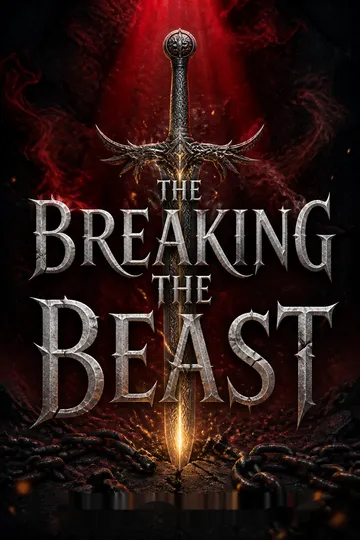
A weapon with a costThe Blade of Bane is the only weapon capable of killing gods, and it absorbs the essence of those it strikes. Miranda uses it to hunt the beings released from its steel, making each victory both a containment and a reminder of the catastrophe she caused. The sword is also sentient: Bob can speak to Miranda and shares a bond with her that others cannot override without her consent. At the climax, the blade becomes the means of stopping Aten, but its intervention also changes Xander’s relationship to godhood. It is simultaneously weapon, prison, companion, and moral burden.
The Cradle of Life
A cycle gods can escapeWhen gods die, their essence returns to the Cradle of Life and may eventually rise again. The Blade of Bane offers a more lasting containment, which is why Miranda has been ordered to reclaim the escaped gods. This distinction shapes the stakes: defeating an immortal is not necessarily the same as ending its threat. Aten’s worship-fueled plan and Xander’s history both depend on the gods’ capacity to return, making death a pause in the conflict rather than a guaranteed conclusion.
Aten's Church
Worship becomes raw powerAten uses the internet to gather human followers and channel their worship into his strength. His church allows him to grow more powerful without relying on the other gods, and turns ordinary attention into a supernatural resource. The device connects the ancient divine world to contemporary Las Vegas: screens, online communities, and public devotion give a god a new route to influence. It also explains why a direct attack becomes increasingly difficult as more people give him their belief.
Xander's Water Power
Power tied to inner turmoilAs the god of primordial waters, Xander can command water on a vast scale, but his power is difficult to separate from his mental state. When he becomes overwhelmed, the water around him can erupt beyond his control; when he accepts his godlike nature, he can use it deliberately against Aten. The Red Sea pools and the Atlantis aquarium give him environments that feel connected to his identity. Water is thus both an ability and a measure of how safely Xander can inhabit his own power.
Sheshem's Food Trail
A strange appetite becomes baitSheshem’s craving for syrupy pancakes and shrimp lets Miranda track him through restaurant alleys and later attempt to lure him into a decisive confrontation with Aten. The tactic gives a mortal hunter a practical advantage against a creature much faster and stronger than she is. Yet the food trail cannot make Sheshem controllable: Max and Alfonso’s traps scare him off, and their intervention disrupts Miranda’s final plan. The device turns a comic character detail into both a genuine hunting method and a reminder that planning cannot eliminate uncertainty.
Vegas Immortals: Death and the Last Vampire Series
About the Author



Download PDF
Download EPUB
.epub digital book format is ideal for reading ebooks on phones, tablets, and e-readers.








