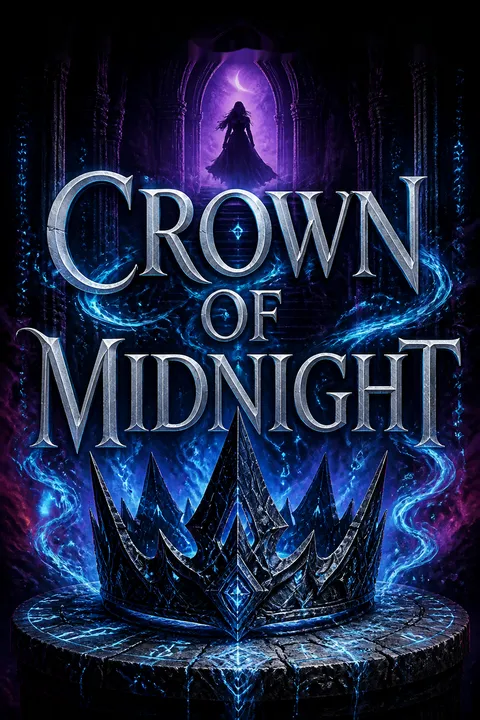


Plot Summary
The Champion's False Dead
After returning from a mission to Lord Nirall's manor, Celaena Sardothien1 presents the king6 with a severed head and proof of his supposed murder. She has not killed Nirall. Since becoming the king's Champion, she has secretly helped each assigned victim escape, substituting corpses and stolen tokens to make the deaths convincing.
The deception buys her a little room to act, but the king6 now orders her to eliminate a supposed rebel movement in Rifthold. He gives her one name: Archer Finn,5 a courtesan she knew as a girl. The king6 sets a one-month deadline and threatens her position if she fails. Celaena1 must investigate the accusation without exposing either her mercy or her doubts.
The staged executions are more than a clever evasion. They show Celaena trying to reclaim moral choice inside a job designed to erase it, while still obeying because the king controls her freedom and can threaten those she loves. Her method depends on making violence visible while concealing its absence. That contradiction captures her present survival strategy: she performs the monster the court expects, hoping the performance will shield the person who refuses to become one.
An Assassin Refuses Fate
The king's6 orders sharpen tensions with Chaol Westfall,2 the captain of the guard, while Celaena1 hides the truth from her friend Nehemia,4 princess of conquered Eyllwe. Nehemia4 wants to know what the king6 is planning and fears for the growing number of her people sent to the Calaculla labor camp. Celaena's1 guilt deepens when she remembers Sam,16 the companion she lost, and the betrayal that led to her own capture.
Then she sees a hooded, unnatural figure outside the royal library, and her protective amulet glows. Seeking answers in an underground tomb, she finds Mort,8 a talking bronze door knocker, and learns that the danger around the king6 is not finished. Celaena1 resists the dead queen Elena's7 demand that she investigate.
Celaena's refusal is rooted in experience, not simple selfishness. She has survived by narrowing her concern to what she can control, because larger causes have repeatedly taken people from her. Nehemia's appeals expose the moral cost of that retreat, while the unexplained figure and Elena's warning make avoidance less defensible. The section joins intimate trauma to political danger: both press on the same wound, her fear that caring again will only create another person to lose.
Archer Returns to Rifthold
Celaena1 approaches Archer5 in the capital and finds the polished, beautiful courtesan she remembers, though his easy charm now carries signs of exhaustion. At dinner, she admits the king6 sent her to kill him. Archer5 insists he knows nothing about the alleged conspiracy against the throne, but he has heard clients whisper about a separate group that hopes to restore the lost heir of Terrasen, Aelin Galathynius.1
He says they believe she survived the slaughter of her family and may be gathering support. Rather than kill him, Celaena1 offers Archer5 time to arrange his escape if he gathers information about the group and the king's6 intentions. She returns to the castle with a lead, while the name Aelin1 awakens a hope she is afraid to trust.
Archer's rumor gives political form to a hope Celaena has trained herself to suppress. Her bargain is pragmatic, but it also marks a shift: she is no longer merely disguising the king's violence, she is using his assignment to learn what that violence protects. Archer's own wish for freedom mirrors hers, though their shared history makes the alliance emotionally hazardous. The possibility of Aelin's survival matters because it suggests that a conquered kingdom may still possess a future, not just a past to mourn.
Poison Beneath the Masque
Archer5 brings Celaena1 to a masquerade at the home of a businessman named Davis, whose anxious behavior suggests he may know more about the king's6 plans. While Archer5 distracts the guests, she slips into Davis's office and finds a rare book filled with Wyrdmarks, the ancient symbols Nehemia4 has said can access hidden power. A cryptic note inside seems to connect the book to a larger secret.
Davis catches her and cuts her arm with a dagger coated in gloriella, the same paralyzing poison used in her capture. She escapes through a window and staggers back to the castle. Chaol2 hides her, gets the antidote, and keeps the incident from the king.6 His fear at nearly losing her complicates the distance they have tried to maintain.
The office discovery turns Celaena's investigation from court intrigue toward forbidden knowledge, but the poison makes that knowledge costly at once. Gloriella links her present vulnerability to the original trauma of her capture, showing how the body remembers what the mind tries to compartmentalize. Chaol's decision to protect her is also a choice against his official role. Their growing intimacy rests on a dangerous asymmetry: he is beginning to risk his position for her, while she still keeps the largest truths from him.
Behind the Iron Library Door
Uneasy after seeing the hooded figure, Celaena1 searches the royal library for its trail and discovers a concealed stairway beneath a tapestry. The forgotten stacks below contain old records and a still older passage carved with images of the Fae.
At the bottom, she finds a sealed iron door and glimpses eyes in the darkness beyond it. She leaves the door shut, but recognizes that the secret spaces beneath the castle may connect to the king's6 hidden purposes.
Meanwhile, Dorian3 begins waking from nightmares with frost around him and later finds that an unexplained force has disturbed the air in his room. He has no explanation for these signs, and keeps them private. The castle is becoming a maze of dangers neither Celaena1 nor Dorian3 can name.
The hidden archive makes the castle's architecture a record of suppressed history. Its iron doors suggest containment rather than mere secrecy, while the Fae carvings challenge the official story that magic has disappeared without remainder. Dorian's unexplained symptoms create a parallel mystery, one rooted in the royal family rather than the buried past. Both characters are beginning to encounter forces that exceed their available language, so secrecy feels protective even as it leaves them isolated and unprepared.
Songs the King Bans
At a royal dinner, the singer Rena Goldsmith17 performs an old song about magic, knowing the king6 has forbidden its memory. The king6 later has Rena17 and her accompanist seized; she is executed after naming relatives killed under his rule.
The performance leaves Celaena1 shaken and Chaol2 quietly takes her hand. Soon after, Nehemia4 confronts Celaena1 about serving the king.6 Celaena1 finally admits she has not killed the people assigned to her, including Archer,5 but has faked their deaths and helped them flee.
Nehemia4 is frightened for her, yet relieved by the truth. She and Celaena1 explore Elena's7 tomb, where Nehemia4 identifies the Wyrdmarks and agrees to teach her. Their renewed trust gives Celaena1 a way to investigate the symbols without yet revealing everything she suspects.
Rena's public song makes remembrance an act the king can punish, while her execution shows how thoroughly the regime fears stories that preserve forbidden power. Celaena's confession to Nehemia reverses that dynamic on a smaller scale: she allows another person to know the truth and becomes less alone in her resistance. Yet the confidence is partial. She reveals her false killings but continues to ration information, a habit born of coercion that threatens the very intimacy she is trying to restore.
Moonlight, Slavery, and Magic
During a winter ball, Celaena1 slips away from her guard post to dance alone in the garden. Chaol2 finds her and joins her, and their shared waltz makes their attachment impossible to dismiss.
Nearby, Nehemia4 presses Dorian3 to oppose a plan to enlarge Calaculla, where enslaved Eyllwe people are forced to labor. Dorian3 first admits he cannot challenge his father,6 then rejects the expansion at a council meeting and condemns the treatment of the prisoners.
In the rage that follows, he punches a stone wall, cracking it and shattering a window without injuring himself. The strange power frightens him, and he hides what happened. Nehemia4 tells him that a dormant force exists within him, but offers no explanation before leaving him to face it alone.
Dorian's refusal marks a moral shift from sympathetic discomfort to public dissent. Nehemia makes the cost of his inaction personal by connecting the camps to Celaena's scars and to the people he has not chosen to see. The sudden force in his hands turns political anger into literal power, but it also makes dissent dangerous: the prince may be carrying the kind of magic his father has criminalized. The garden dance offers a contrasting model of choice, one grounded in mutual recognition rather than command.
Chaol's Birthday Garden
For Chaol's2 birthday, Celaena1 transforms a rooftop greenhouse into a private garden inspired by Rena's17 song and prepares his favorite food. There, she tells him she has been faking the king's6 executions and helping her targets escape. Chaol2 is horrified by the danger, but when she explains that she hopes to leave Rifthold, he offers to go with her.
They admit their feelings and spend the night together. The relationship gives Celaena1 a rare glimpse of a life beyond the court, but it also raises the cost of her deception: the king6 has threatened Chaol2 if she disobeys. Their happiness is fragile, and Celaena1 still withholds what she suspects about the king's6 plans and the strange power behind them.
The greenhouse turns affection into a deliberate act of attention: Celaena remembers what Chaol likes and makes him a setting where he can feel cherished rather than useful. Her confession asks him to choose her with full knowledge of the risk, and his offer to leave exposes how far his loyalty has shifted. Their intimacy does not solve the political danger. It intensifies it, because each now has a person whose safety can be used as leverage.
Nehemia's Rebel Network
Archer's5 information leads Celaena1 to several suspected rebels, but they escape Rifthold with their families before she can question them. Their network has acted to protect people rather than hand them to the king.6 Nehemia4 asks Celaena1 to help organize resistance and free Eyllwe, but Celaena1 refuses, convinced that an uprising will bring another massacre.
The argument leaves their friendship wounded. At the same time, the king6 tells Chaol2 that Nehemia4 has received an anonymous death threat and orders him not to alarm her. Chaol2 obeys, believing that secrecy will prevent panic. The decision becomes disastrous when masked conspirators abduct him and use his captivity to lure Celaena1 away from the castle.
This section places two forms of protection in direct conflict. Celaena sees refusal as a way to prevent further deaths; Nehemia sees delay as surrendering people already being killed. Chaol's silence follows the same logic of containment, but secrecy deprives Nehemia and Celaena of the chance to prepare. The escaped families demonstrate that the rebel network has genuine protective capacity, complicating the easy distinction between lawful order and dangerous resistance.
Thirty Men, One Rescue
A threat at Chaol's2 rooms directs Celaena1 to a warehouse where masked rebels have chained and beaten him. She enters alone through an upper window, kills several attackers, and reaches the captain2 before the fighting stops. Archer5 arrives and reveals that he and Nehemia4 have been leading the network, which hopes to build resistance in Terrasen and uncover the king's6 designs.
He also tells Celaena1 that the king's6 warning about Nehemia's4 safety was not shared with her. Chaol2 confirms he knew of the anonymous threat but says he was told the king6 would question Nehemia,4 not that she was in immediate danger. Archer's5 men realize the princess4 may already be targeted. Celaena1 races back to the castle, leaving the rescued captain2 behind.
The warehouse rescue turns Celaena's competence into a terrifying spectacle, but the physical victory gives way to a moral collapse of trust. Archer's revelation recasts Nehemia's absences as political labor, while Chaol's silence appears to confirm Celaena's worst fear about his allegiance. Their explanations arrive too late to guide action. The scene's central injury is therefore not the beating but the information withheld, which fractures relationships at the exact moment coordinated response becomes urgent.
Blood in Nehemia's Room
Celaena1 reaches Nehemia's4 chambers and finds the princess4 dead beside her murdered guards. Overwhelmed by grief and believing Chaol's2 silence helped make the murder possible, she attacks him and nearly stabs him before Dorian's3 unseen power stops her hand. Chaol2 orders her confined in the dungeons.
For days, Celaena1 accepts sedatives in her water and refuses to eat or speak, while Chaol2 carries the guilt of having withheld the threat. Nehemia's4 death shakes the court and leaves Eyllwe's future uncertain. In the cell, Celaena1 learns that Kaltain9 is to be taken to Morath with Duke Perrington.12 Kaltain's9 recurring visions of wings echo Nehemia's4 warnings and suggest that a larger menace is gathering.
Grief makes Celaena interpret omission as betrayal because, in the immediate aftermath, intent matters less than consequence. Her attack on Chaol is both a response to his silence and a reenactment of earlier losses she could not prevent. The sedative becomes a chosen disappearance, a way to stop feeling when action has failed. Kaltain's fragments of warning complicate that withdrawal: even in despair, the story keeps presenting evidence that Nehemia's political concerns were connected to something far beyond the court.
Grave Pays in Blood
After days of mourning, Celaena1 identifies the grotesque murder as the work of Grave,15 an assassin she once defeated in the Champion's contest. She escapes her watched rooms through the hidden passages, finds him in the criminal underworld, and kills him after forcing out the name of the man who hired him.
She carries Grave's15 head and Nehemia's4 bracelet into the king's6 council chamber, accusing Minister Mullison20 and giving the king6 a list of suspected rebels. Mullison20 is sent to the dungeon.
Celaena1 then visits Archer,5 who asks her to help the movement and says Nehemia4 wanted her involved. She refuses to join him, but grants him five days to prepare to flee. Her vengeance has produced a public answer, though she has not yet learned the truth behind it.
Celaena converts mourning into action by pursuing a killer whose method mirrors the violence done to Nehemia. Her public display forces the court to acknowledge the crime, but the quick accusation also shows how grief can narrow the search for truth. The head and bracelet function as evidence and warning at once. By refusing Archer's appeal, she keeps control of her next step, even as she remains entangled in the network Nehemia helped build.
The Key Behind the Riddle
While packing Nehemia's4 belongings, Celaena1 finds the Wyrdmark book again and discovers that Nehemia4 had copied its riddle. She realizes the answer lies in the tomb: Damaris, the sword's eye-shaped pommel, lets her read a hidden poem that points to three objects called Wyrdkeys. The first key should be concealed in Elena's7 crown, but its compartment is empty.
Celaena1 consults Baba Yellowlegs,13 a witch traveling with the carnival, who explains that the keys can control a Wyrdgate between worlds and that even one can grant terrible power. Yellowlegs13 tries to attack her, and Celaena1 kills her with an ax. Kaltain9 and Roland11 have both gone to Morath, while reports of wings and headaches intensify Celaena's1 fear of what the king6 is doing.
The riddle makes history actionable: a decorative detail in the tomb becomes evidence that the king has already found the first key. The empty compartment is more frightening than a successful discovery because it confirms that someone else is using this power. Yellowlegs supplies a scale for the danger, linking local oppression to the possibility of opening paths between worlds. Her death also shows Celaena's increasing willingness to solve threats with violence, even when knowledge might have been more valuable alive.
An Open Door Elsewhere
Desperate to speak with Nehemia,4 Celaena1 opens a portal using Wyrdmarks and her blood. Nehemia4 appears briefly, warns her never to open it again, and leaves without allowing Celaena1 to cross. Archer5 then reveals he manipulated the rebels, planted the threat against Nehemia,4 and arranged her murder to keep control of the group.
Before Celaena1 can stop him, a creature emerges from the portal. Dorian3 and Chaol2 arrive, and the creature drags Fleetfoot10 through the breach. Chaol2 follows; Celaena1 follows him, and in that other world her hidden Fae form and fire magic return. Dorian3 helps her close the portal with his blood after she seals it with Wyrdmarks. The creature is trapped, but Archer5 escapes with the spellbook.
The portal is born from grief, not strategy, and its brief opening gives Celaena what she wants only to impose a boundary she cannot cross. Nehemia's warning redirects love away from possession: a final conversation cannot be forced, even by magic. Archer's confession then collapses the apparent difference between rebel cause and personal ambition. The return of Celaena's Fae power is both liberation and danger, a recovered inheritance that she cannot yet command.
Archer's Last Treachery
After sealing the portal, Celaena1 chases Archer5 through the castle's sewer passages and corners him when the exit grate blocks his escape. He admits he hired Grave15 while posing as Mullison,20 then used Chaol's2 captivity and the planted threat to turn Celaena1 against her friends.
He insists Nehemia's4 death served the rebellion, but Celaena1 rejects his cause and kills him. Chaol2 arrives in time to hear her final judgment. She explains what Archer5 did, then tells Chaol2 about her Fae ancestry and the power she briefly regained beyond the portal.
Their feelings remain, but she cannot restore trust. To protect her from the king6 and send her toward the Fae lands, Chaol2 proposes that the king6 dispatch her to Wendlyn on a mission against its royal family.
Archer's rationale exposes how a movement for liberation can reproduce the coercion it claims to oppose. He treats Nehemia as expendable and Celaena as a weapon, making the language of freedom indistinguishable from his hunger for control. Celaena's killing of him is revenge, but also a refusal to let his cause dictate her choices. Chaol's plan is protective and morally compromised: it may move her toward safety, yet it disguises a perilous assignment as a royal command.
Terrasen's Lost Queen
At Nehemia's4 grave, Celaena1 admits her friend was right about her fear and swears to free Eyllwe. The king6 orders her to sail to Wendlyn and kill its ruler and heir, accepting Chaol's2 proposal because the mission could weaken a rival kingdom.
Before departure, Celaena1 tells Chaol2 about the Wyrdkeys, the sealed creature beneath the library, and the danger surrounding Roland11 and Kaltain.9 She gives him Elena's amulet for protection and leaves without explaining a date she whispers to him.
After the ship sails, Chaol2 searches the histories and links that date to the night Terrasen's royal family was murdered. He recognizes Celaena1 as Aelin Galathynius,1 the missing heir to Terrasen. She is now sailing toward her mother's homeland, unaware that Chaol2 has uncovered her identity.
The ending turns a private promise into a political identity. Celaena's oath to Nehemia answers the opening conflict: she is no longer content merely to survive the king's assignments. Yet the mission to Wendlyn remains framed as an assassination, so the apparent departure from Adarlan is not uncomplicated escape. Chaol's discovery reinterprets her guardedness and grief as the concealment of a throne as well as a self. The book closes with her moving toward allies and danger at once.
Analysis
Crown of Midnight makes coercion intimate. The king's6 empire operates through prisons, forced labor, executions, and surveillance, but its power also enters friendship and romance by making every private choice politically dangerous. Celaena's1 false killings are an early refusal of that system, yet her secrecy reproduces its isolating logic. She protects people by withholding the truth from them, then suffers when Chaol2 does the same. Their conflict is not a simple contrast between trust and betrayal; both are trying to prevent harm, but each decides alone what the other can bear to know.
Nehemia4 offers a competing model of power. She treats leadership as responsibility to those who cannot escape Calaculla, and presses Celaena1 and Dorian3 to see that neutrality preserves the king's6 arrangements. Her death devastates Celaena,1 but does not convert grief into uncomplicated heroism. Celaena1 first chooses vengeance, kills the wrong apparent employer, and turns away from the organized cause Nehemia4 served. Only later does she make a personal oath to free Eyllwe. The book therefore treats moral change as uneven: grief can sharpen a conscience while also narrowing it.
The buried magic plot extends this political argument into the body and the landscape. Wyrdmarks make knowledge operative, while the Wyrdkeys offer power on a scale that can erase the boundary between worlds. Dorian's3 emerging magic and Celaena's1 Fae inheritance challenge the king's6 claim that power has vanished, but neither gift arrives as simple liberation. Each can expose its bearer to execution or exploitation. The final revelation of Celaena's1 identity reframes her apparent survival story as a concealed claim to political agency. She sails away not as the king's6 obedient instrument, but as someone beginning to accept obligations she once feared. The ending leaves that transformation unfinished, with her identity, her mission, and the king's6 power still in collision.
Review Summary
Crown of Midnight is highly praised as an exciting, action-packed sequel that surpasses its predecessor. Readers appreciate the character development, expanded world-building, and unexpected plot twists. Many found the second half of the book particularly thrilling and emotionally impactful. The romance and character relationships are widely discussed, with divided opinions on the love interests. Some criticize certain character decisions or pacing issues, but overall, the book is considered a strong continuation of the series that leaves readers eager for more.
People Also Read
Characters
Celaena Sardothien
The king's unwilling bladeA celebrated young assassin recently made the king's Champion, Celaena is sharp-witted, proud, and skilled at turning performance into protection. Her years of captivity have made freedom a consuming need, but her instinctive mercy keeps disrupting the brutal work meant to secure it. She spends money on books, clothes, and luxuries as if each purchase proves that her life belongs to her again. Beneath the bravado, she carries unresolved grief for Sam16 and a deep fear of losing anyone she allows close. Her relationships with Chaol2, Dorian3, and Nehemia4 expose different parts of her: desire, affection, and moral responsibility. She is learning that survival without choice can become another form of captivity.
Chaol Westfall
The guarded captainCaptain of the royal guard and Dorian's3 oldest friend, Chaol has built his identity around discipline, loyalty, and service. He gave up his inheritance in Anielle to choose a life in the guard, and that decision left him estranged from his father19. His reserve is not lack of feeling; it is a form of control learned in a court where attachment can become leverage. Celaena1 unsettles that control because he respects her strength while worrying over the cost of her assignments. His loyalty to the crown, his friendship with Dorian3, and his growing love for Celaena1 pull him in conflicting directions. He wants to protect people through order, but increasingly sees that obedience can also make him complicit.
Dorian Havilliard
The thoughtful crown princeThe king's6 charming and intelligent heir, Dorian has been raised amid privilege but remains troubled by the cruelty his father's6 rule demands. His easy humor and social fluency help him navigate court, though they can conceal indecision when a choice might endanger his position. He values Celaena's1 candor and Chaol's2 friendship, and he struggles to accept that affection does not entitle him to either person's loyalty. Nehemia4 challenges him to look beyond abstract sympathy and confront the people suffering under his family's authority. Dorian's curiosity draws him toward books, history, and forbidden questions. His central conflict is whether a good intention can matter if he refuses to risk power in order to act on it.
Nehemia Ytger
Eyllwe's defiant princessPrincess of conquered Eyllwe, Nehemia is politically astute, warm with trusted friends, and unwilling to mistake patience for justice. She gathers information at court while advocating for the people imprisoned in Calaculla, carrying the obligations of her crown into every conversation. Her friendship with Celaena1 is unusually candid, but Nehemia does not soften her moral judgments merely to preserve closeness. She believes a renewed, honorable court could challenge the king's6 empire and presses Dorian3 to recognize the power he possesses. Her courage is strategic rather than reckless: she studies, organizes, and chooses her moments. Nehemia represents a form of leadership rooted in service to people who cannot protect themselves.
Archer Finn
The cultivated courtesanA celebrated male courtesan and former acquaintance of Celaena1, Archer is attractive, observant, and skilled at reading what people want to see. His profession has taught him to make charm look effortless, while his dependence on his employer leaves him yearning for a life chosen on his own terms. He once trained with assassins and understands how to move through guarded spaces without drawing notice. Celaena's1 old affection for him makes their renewed connection personally charged, even as she tries to treat him as a source of information. His polished ease sits beside a bitterness about being owned and used.
The King of Adarlan
The conquering sovereignA formidable ruler who has conquered much of the continent, the king governs through fear, surveillance, and calculated rewards. He expects Celaena1 to make his opponents disappear and regards her skills as an extension of his authority. His public policies suppress magic and punish dissent, while private plans remain hidden even from members of his court. He keeps Dorian3 close but does not treat the prince's3 compassion as a virtue. The king's confidence rests on an unexplained source of power as well as military force. He is not merely a distant tyrant: his control shapes the choices and silences of everyone around him.
Elena
The restless dead queenThe first queen of Adarlan, Elena appears to Celaena1 as a spirit connected to the ancient tomb beneath the castle. She is intelligent, purposeful, and convinced that the dangers gathering around the king6 demand intervention. Her guidance is rarely gentle, and she offers Celaena1 responsibility before offering full explanations. Elena's history links the royal present to the Fae and to powers older than Adarlan. She seems to understand more than she reveals, which makes her both a source of help and an unsettling authority in Celaena's1 life.
Mort
The talking tomb knockerA bronze skull-shaped knocker fixed to the entrance of Elena's7 tomb, Mort is animated by an ancient spell and possesses a cutting sense of humor. He knows fragments of the castle's old history and guards secrets he often refuses to explain. His teasing irritates Celaena1, but his presence makes the tomb feel less empty and more alive with buried memory. Mort's limits are literal as well as personal: he cannot leave the door, and his knowledge is shaped by what he chooses to share.
Kaltain Rompier
The imprisoned court ladyOnce a fashionable court lady, Kaltain is confined after being implicated in a plot against Celaena1. Isolation, drug dependence, and mistreatment have left her physically and mentally fragile, but her scattered observations sometimes carry unnerving significance. She is not simply a rival or a victim: she is a person whose lack of power makes her vulnerable to people who claim to know what is best for her. Her fear that she is being kept for a purpose becomes one of the story's ominous unresolved warnings.
Fleetfoot
Celaena's steadfast houndA large golden hound given to Celaena1, Fleetfoot offers unguarded affection in a life where trust is scarce. She follows Celaena1 through the castle, sleeps beside her, and reacts sharply to danger. Her companionship creates small routines of care, from morning games to shared quiet after nightmares. Fleetfoot is not a symbol detached from the plot: her safety repeatedly matters to Celaena's1 decisions, and her loyalty gives the assassin1 a reason to return to the ordinary world.
Roland Havilliard
The polished royal cousinDorian's3 cousin from the modest but prosperous city of Meah, Roland arrives at court with a council appointment and an accomplished talent for charm. He enjoys social attention and understands how to present himself as harmless, though Celaena1 distrusts the speed with which he gains influence. His connection to Perrington12 and the king's6 council places him near decisions that affect the labor camps and Nehemia4. Roland reflects the court's danger through ambiguity: in Rifthold, a smooth smile can conceal ambition, vulnerability, or both.
Duke Perrington
The king's iron right handA powerful duke and close ally of the king6, Perrington helps enforce the empire's policies and exerts influence over the court. He was once close to Kaltain9 and remains connected to the decisions surrounding her confinement. His authority extends beyond Rifthold, particularly toward Morath, where the king6 expects him to manage unrest. Perrington's imposing presence makes him a visible instrument of the regime, while his private interests remain difficult for others to read.
Baba Yellowlegs
The iron-toothed witchA centuries-old witch traveling with the Carnival of Mirrors, Baba Yellowlegs uses the performance of fortune-telling to conceal a deep knowledge of old powers. Her iron teeth and unsettling confidence distinguish her from ordinary carnival performers. She has survived a violent history among the witch clans and regards human concerns with contempt. Celaena1 approaches her for information, never certain whether the witch is answering honestly or setting a trap. Yellowlegs embodies an older world in which magic remains dangerous and politically consequential.
Arobynn Hamel
The absent assassin kingThe master assassin who raised and trained Celaena1, Arobynn shaped her skills and her understanding of power. He is not present in Rifthold during most of the story, but his influence lingers in her habits, memories, and unresolved questions about her past. His relationship with Celaena1 combines mentorship with ownership, making it difficult for her to separate gratitude from control. He taught her how to survive, but survival under his authority was never the same as freedom.
Grave
The rival assassinA cruel assassin who competed against Celaena1 for the king's Champion position, Grave resents being defeated and wants to prove himself through brutality. He has a reputation for mutilating his victims and sees violence as a route to status. His skills make him dangerous in close combat, but his vanity and hunger for recognition leave him vulnerable to manipulation.
Sam Cortland
Celaena's lost companionSam was Celaena's1 fellow assassin and closest companion before the events of this story. His memory remains inseparable from her grief and from the night her life collapsed into captivity. She remembers his loyalty as a form of love that did not demand she become less dangerous or less herself. Though absent from the present action, Sam shapes Celaena's1 fear of attachment and her belief that surviving someone else's death can feel like a failure.
Rena Goldsmith
The forbidden singerA renowned performer who uses her invitation to the royal court to sing a song about magic the king6 has tried to erase. Rena's artistry carries a private history of loss, and she turns a state dinner into an act of remembrance. She is composed in public even when the song brings personal grief close to the surface. Her performance reveals how music can preserve truths that official histories suppress.
Hollin Havilliard
The indulged young princeDorian's3 younger brother, Hollin returns from school to a court eager to indulge him. He is vain, demanding, and uncomfortable around animals, traits that make Chaol2 worry about the kind of ruler he might become. His presence highlights the difference between inherited privilege and earned responsibility, though he remains a child shaped by the adults around him.
Lord of Anielle
Chaol's estranged fatherChaol's father19 is a powerful lord who values lineage, military strength, and political usefulness. He rejected Chaol's2 choice to become a guard and has been separated from him for years. Their reunion exposes a relationship governed by judgment rather than tenderness. He sees his son2 as both an estranged heir and a possible instrument for protecting Anielle, while Chaol2 resists being valued only for what he can provide.
Minister Mullison
The labor-camp councilmanA councilman involved in the administration of Calaculla, Mullison supports policies that expand the labor camp and increase its capacity. His political decisions make him a target of Nehemia's4 advocacy and Celaena's1 investigation. He represents the bureaucratic face of cruelty, where confinement and exploitation can be discussed as matters of efficiency.
Plot Devices
The Champion's contract
A leash disguised as privilegeThe king6 appoints Celaena1 as his Champion and orders her to kill suspected opponents one at a time. Her elevated status gives her access to court and the capital, but the work forces her to perform loyalty under threat. She secretly substitutes corpses and false evidence so the intended victims can escape, turning each assignment into a private moral test. The contract drives the investigation of Archer5, places Chaol2 and Nehemia4 at risk, and makes every act of resistance vulnerable to discovery. Its apparent rewards cannot hide that Celaena1 remains bound to the king's6 will.
The Wyrdmarks
A script that alters realityWyrdmarks are ancient symbols that can access powers ordinary people believe have vanished. Nehemia4 teaches Celaena1 their basic forms, while old books reveal spells for opening portals, unlocking doors, and binding a threshold. The marks require knowledge and, in some uses, blood, so mistakes can have physical consequences. They connect the forgotten tomb, the library catacombs, and the otherworldly creatures to the king's6 hidden designs. Their presence turns reading and interpretation into practical acts, but understanding a spell does not guarantee control of what it releases.
The Eye and Damaris
A clue hidden in plain sightThe Eye of Elena amulet protects Celaena1 and glows near certain dangers. In Elena's7 tomb, an eye-shaped opening and a riddle point toward a second eye: the pommel of Damaris, the sword of the first king. Holding the sword's pommel in the opening reveals a poem identifying the three Wyrdkeys and the places where they were hidden. The mechanism rewards close reading and makes the tomb's constellations, inscriptions, and objects part of a single puzzle. The first compartment is empty, confirming that the king6 has already found at least one key.
The Wyrdkeys and Wyrdgate
Power capable of crossing worldsThe three Wyrdkeys are fragments connected to a Wyrdgate, a passage between worlds. Baba Yellowlegs13 explains that the combined keys can control the gate, while even a single key can grant dangerous power. Celaena1 discovers that the king6 has taken the first key from Elena's7 crown, and she suspects it helps explain his conquest and his capacity to create unnatural beings. The keys make the rebellion's search more than a political contest: whoever controls them could reshape Erilea or expose it to forces beyond its borders.
The hidden passages
The castle's buried second mapSecret corridors connect Celaena's1 rooms to Elena's7 tomb, the sewers, and the forgotten archive beneath the royal library. The passages let Celaena1 move unseen and give her access to history the court has buried. They also conceal the iron-cell labyrinth and the creature imprisoned below the castle. By unlocking doors with Wyrdmarks, Celaena1 enters places that were sealed for a reason. The tunnels initially seem to offer escape and discovery, but their geography carries a cost: opening a route can release the danger it was built to contain.
FAQ
Synopsis & Basic Details
What is Crown of Midnight about?
- Celaena's Deceptive Game: Celaena Sardothien, the King's Champion, is secretly undermining the king by faking the deaths of her targets while navigating a dangerous web of court politics and her own complex emotions.
- Rebellion and Hidden Powers: She becomes entangled with a growing rebel movement and discovers ancient secrets about the king's power, all while her relationship with Captain Chaol Westfall deepens.
- A Quest for Truth: The story follows Celaena as she grapples with her past, her duty, and the growing threat of the king's plans, leading her to seek out the truth behind his power and the whispers of a lost queen.
Why should I read Crown of Midnight?
- Intricate Plot and Twists: The novel offers a complex plot with unexpected twists, keeping readers engaged and guessing about the true motivations of the characters and the nature of the king's power.
- Character Development and Relationships: The book delves into the emotional complexities of its characters, particularly Celaena, Chaol, and Dorian, exploring their evolving relationships and personal struggles.
- High-Stakes Action and Magic: It combines high-stakes action sequences with elements of magic and fantasy, creating a thrilling and immersive reading experience that builds upon the first book.
What is the background of Crown of Midnight?
- Political Intrigue: The story is set in the kingdom of Adarlan, a land ruled by a tyrannical king who has conquered much of the continent, creating a tense political atmosphere filled with rebellion and hidden agendas.
- Magical Suppression: Magic has been suppressed in Adarlan for a decade, creating a world where ancient powers and secrets are hidden, and those who possess them are hunted.
- Historical Echoes: The narrative hints at a rich history of fallen kingdoms and ancient powers, particularly the Fae and the lost kingdom of Terrasen, which influence the present conflicts and character motivations.
What are the most memorable quotes in Crown of Midnight?
- "You will never be my friend. You will always be my enemy.": This quote, spoken by Celaena to Chaol, highlights the deep betrayal and emotional turmoil she experiences, marking a pivotal moment in their relationship.
- "I'm going to give you a choice. You can fake your own death right now and flee the city before dawn. Or I can give you until the end of the month—four weeks.": This quote, spoken by Celaena to Archer, reveals her cunning and willingness to bend the rules, showcasing her complex morality.
- "It is only with the eye that one can see rightly.": This cryptic phrase, found in a book of Wyrdmarks, serves as a recurring motif, hinting at hidden truths and the importance of perception in the story.
What writing style, narrative choices, and literary techniques does Sarah J. Maas use?
- Third-Person Limited Perspective: The narrative primarily follows Celaena's perspective, allowing readers to experience her thoughts and emotions while maintaining a sense of mystery about other characters' motivations.
- Foreshadowing and Symbolism: Maas uses subtle foreshadowing and recurring symbols, such as the Wyrdmarks and the Eye of Elena, to hint at future events and deeper meanings within the story.
- Emotional Depth and Pacing: The writing style balances action-packed sequences with moments of emotional depth, allowing for a dynamic pace that keeps readers invested in the characters and their journeys.
Hidden Details & Subtle Connections
What are some minor details that add significant meaning?
- The Black Rings: The obsidian rings worn by the king, Perrington, and Roland are a subtle detail that hints at their connection and shared agenda, foreshadowing their roles in the king's plans.
- The Color Blue: The recurring use of the color blue, particularly in relation to the Eye of Elena and the magic that Celaena encounters, symbolizes the ancient power and hidden truths that are central to the plot.
- The Names of the Ships: The names of the ships that are mentioned, such as the Valg and the Asterion, subtly hint at the larger mythology and history of the world, connecting to the Fae and the ancient powers.
What are some subtle foreshadowing and callbacks?
- The Library Catacombs: The mention of a secret library beneath the castle early in the book foreshadows Celaena's later discovery of the catacombs and the ancient secrets they hold.
- The Song of the Fae Queen: Rena Goldsmith's song about a Fae queen and a knight foreshadows Celaena's own journey and the potential for her to find love and loyalty in unexpected places.
- The Description of the Ridderak: The description of the ridderak's teeth and eyes foreshadows the later appearance of the creature in the library catacombs, creating a sense of dread and anticipation.
What are some unexpected character connections?
- Nehemia and Archer: The revelation that Nehemia and Archer were working together in the rebel movement is an unexpected connection that highlights the complexity of their characters and their hidden agendas.
- Kaltain and Perrington: The connection between Kaltain and Perrington, and the way he uses her, reveals the dark underbelly of the court and the extent of the king's manipulation.
- Celaena and Arobynn: The subtle hints about Arobynn's knowledge of Celaena's true identity and his role in her capture create a complex and unsettling connection that adds to the mystery of her past.
Who are the most significant supporting characters?
- Nehemia Ytger: As a princess of Eyllwe and a secret rebel, Nehemia's influence on Celaena and her role in the larger political landscape make her a crucial supporting character, even after her death.
- Archer Finn: As a courtesan and a rebel, Archer's complex motivations and his connection to the rebel movement make him a significant supporting character, driving the plot and challenging Celaena's loyalties.
- Mort: As a talking door knocker with ancient knowledge, Mort provides cryptic guidance and hints at the deeper mysteries of the world, making him a significant supporting character in Celaena's quest.
Psychological, Emotional, & Relational Analysis
What are some unspoken motivations of the characters?
- Chaol's Fear of Loss: Chaol's overprotectiveness of Celaena stems from his fear of losing her, a fear rooted in his past and his sense of duty to the crown, which he struggles to reconcile with his feelings.
- Dorian's Desire for Connection: Dorian's pursuit of Celaena is driven by a desire for genuine connection and a rebellion against the constraints of his royal life, as well as a growing awareness of his father's cruelty.
- Celaena's Yearning for Freedom: Celaena's actions are motivated by a deep yearning for freedom from the king's control and the weight of her past, even as she grapples with the responsibilities of her true identity.
What psychological complexities do the characters exhibit?
- Celaena's Internal Conflict: Celaena struggles with her dual nature as both a ruthless assassin and a compassionate individual, torn between her desire for freedom and her growing sense of responsibility.
- Chaol's Moral Dilemma: Chaol grapples with his loyalty to the king and his growing feelings for Celaena, creating a moral dilemma that forces him to question his beliefs and his place in the world.
- Dorian's Identity Crisis: Dorian's discovery of his magic leads to an identity crisis, as he struggles to reconcile his role as a prince with his newfound powers and his growing awareness of his father's dark side.
What are the major emotional turning points?
- Celaena's Discovery of Nehemia's Death: The discovery of Nehemia's death is a major emotional turning point for Celaena, unleashing her rage and grief and setting her on a path of vengeance.
- Chaol and Celaena's Night of Passion: The night of passion between Chaol and Celaena is a major emotional turning point, solidifying their bond but also highlighting the risks of their relationship.
- Dorian's Confrontation with His Father: Dorian's confrontation with his father at the council meeting is a major emotional turning point, revealing his growing awareness of his father's cruelty and his own desire to challenge his authority.
How do relationship dynamics evolve?
- Celaena and Chaol's Relationship: Their relationship evolves from a cautious friendship to a passionate love affair, but is ultimately tested by secrets, betrayal, and their conflicting loyalties.
- Celaena and Dorian's Relationship: Their relationship shifts from a romantic entanglement to a complex friendship, as they both grapple with their individual struggles and the weight of their responsibilities.
- Celaena and Nehemia's Relationship: Their friendship is a source of strength and support for both, but is ultimately tested by secrets and conflicting loyalties, culminating in Nehemia's tragic death.
Interpretation & Debate
Which parts of the story remain ambiguous or open-ended?
- The Source of the King's Power: The exact nature of the king's power and its connection to the Wyrdkeys remains ambiguous, leaving readers to speculate about the extent of his abilities and his ultimate goals.
- The True Nature of the Wyrdmarks: The full extent of the Wyrdmarks' power and their connection to other realms remains open-ended, leaving readers to wonder about their potential and the dangers they might unleash.
- The Fate of Aelin Galathynius: The true fate of Aelin Galathynius, the lost queen of Terrasen, remains ambiguous, leaving readers to question whether she is truly alive and if she will ever return to claim her throne.
What are some debatable, controversial scenes or moments in Crown of Midnight?
- Celaena's Treatment of Archer: Celaena's decision to kill Archer after he reveals his betrayal is a controversial moment, raising questions about her morality and her willingness to use violence to achieve her goals.
- Chaol's Decision to Send Celaena to Wendlyn: Chaol's decision to send Celaena to Wendlyn is a debatable moment, as it is driven by his desire to protect her but also puts her in immense danger.
- Nehemia's Death: Nehemia's death is a controversial moment, as it raises questions about the nature of sacrifice and the extent to which individuals are willing to go to achieve their goals.
Crown of Midnight Ending Explained: How It Ends & What It Means
- Celaena's Departure for Wendlyn: The ending sees Celaena sailing to Wendlyn, a decision driven by both her desire to protect Chaol and her need to fulfill her destiny, leaving her future uncertain and the fate of Erilea hanging in the balance.
- Chaol's Discovery of Celaena's Identity: Chaol's discovery of Celaena's true identity as Aelin Galathynius sets the stage for a larger conflict, as he must now grapple with the implications of her heritage and the potential for her to rally an army against the king.
- The Unresolved Threat of the Wyrdkeys: The ending leaves the threat of the Wyrdkeys unresolved, hinting at the potential for a larger conflict and the need for Celaena to find a way to stop the king from using their power for his own dark purposes.
Throne of Glass Series

About the Author
Other books by Sarah J. Maas






Download PDF
Download EPUB
.epub digital book format is ideal for reading ebooks on phones, tablets, and e-readers.








