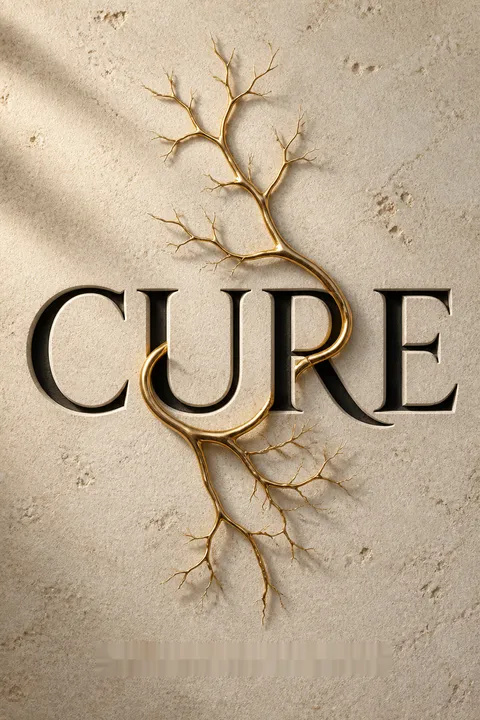


Key Takeaways
Treat mind and body as one system, not rival explanations
Medicine sees what it measures. Modern tools such as microscopes, scans, and controlled trials have transformed medicine, but they also helped shift attention from how patients feel to visible changes in the body. That blind spot matters most with chronic pain, fatigue, depression, and gut disorders, where tests may reveal little even as symptoms dominate a person’s life.
Mind is not magic. The book argues that beliefs and emotions influence physical processes through the brain and nervous system. That does not validate claims about water memory or invisible healing energies. A treatment can help through expectation, attention, or human care without working by the mechanism its advocates claim. Nor can belief replace insulin, antibiotics, or cancer treatment.
This distinction offers a way out of a false choice between scientific medicine and holistic care. A treatment’s claimed explanation and its measurable effect are separate questions: rejecting an unsupported mechanism need not mean dismissing a patient’s improvement. The practical challenge is to study the human context of treatment without lowering standards of evidence. That approach protects both scientific credibility and patients whose symptoms are real but difficult to capture with a scan.
A placebo can change biology, even when the treatment is fake
Improvement can be real. In a trial of the hormone secretin for autistic children, the drug did no better than saline, yet both groups improved. In another trial, patients receiving pretend vertebroplasty, a simulated spinal procedure, reported major reductions in pain and disability, much like those who received the cement. These results do not show that secretin or the cement caused recovery. They do show why dismissing every improvement in a placebo group as imaginary is too simple.
The body responds. In Parkinson’s experiments, patients given a placebo showed a rise in dopamine, the brain chemical that falls in the disease. Brain activity changed in ways resembling the response to real medication. Placebo effects vary across people and conditions, and often change symptoms rather than the disease itself.
The placebo effect is best understood not as proof that belief cures disease, but as evidence that expectations can recruit existing biological pathways. This is a useful correction to the idea that subjective relief is merely a reporting error. It also preserves an essential distinction: a genuine change in pain or movement can matter greatly, while still failing to repair a fracture or stop a degenerative disease. Clinical value depends on which outcome is changing.
Use expectation carefully: it can ease symptoms or create them
Meaning shapes response. A treatment’s setting, appearance, price, and explanation can affect what patients expect and how they feel. The same inert treatment may produce different results across cultures. In one study, people warned that a heart drug could cause sexual problems reported that effect far more often than those not given the warning. Expectation can also influence pain relief from real medication: patients told by a doctor that they were receiving painkillers experienced greater relief than patients given the drugs without their knowledge.
The harmful mirror. A nocebo effect is a harmful response produced or intensified by negative expectation. In Afghanistan, girls at a school developed dizziness and fainting during suspected poisonings, but investigators found no toxin. This does not mean symptoms were fabricated. Fear can create bodily effects as real as reassurance can ease them.
The meaning response makes communication part of treatment, but it creates an ethical tension. Withholding every risk would be unacceptable, yet vivid, repetitive warnings can amplify distress without improving informed choice. A sound standard is not silence, but proportion: explain material risks clearly, then avoid making an unlikely outcome feel inevitable. The same principle applies beyond medicine, since frightening information can change bodily experience even when the original danger is absent.
Pair familiar cues with medicine to lower doses, not replace care
Learning reaches the immune system. Conditioning is learning that a cue predicts an event, so the body begins responding to the cue itself. Pavlov’s dogs salivated at signals associated with food. Researchers found a more startling version in rats: pairing a sweet drink with an immune-suppressing drug later allowed the drink to suppress immune activity too. This showed that the nervous system and immune system communicate, a connection once rejected by many immunologists.
A cautious human test. In a small study of children with ADHD, a distinctive capsule was repeatedly paired with their usual medication. When the medication dose was halved, the conditioned group maintained symptom control, unlike children whose dose was reduced without conditioning. The idea is to supplement active treatment with learned responses, not to withdraw necessary medication on thin evidence.
Conditioning is compelling because it suggests a route from learning to physical regulation that does not depend entirely on conscious belief. It also invites careful clinical design: repeated cues might help reduce exposure to drugs with burdensome side effects. But effects observed in small or preliminary trials do not establish safe dose reductions for every patient. The stronger the potential consequence of under-treatment, the more important it is to test the method against objective outcomes and maintain medical supervision.
Make care feel safe, personal, and participatory
The encounter changes outcomes. In a trial of patients with irritable bowel syndrome, adequate relief was reported by 28% of those receiving no treatment, 44% receiving sham acupuncture, and 62% receiving sham acupuncture from a warm, attentive practitioner. In studies of invasive procedures, Elvira Lang’s Comfort Talk approach combined calm communication and imagery with standard care. Patients reported less pain and anxiety, needed fewer sedatives, and experienced fewer complications.
Support can alter the course. Research on labor found that continuous one-to-one support was associated with shorter labor, less use of pain relief, and fewer Caesarean or instrumental births. A study of terminal lung cancer patients also found better quality of life and less depression among those offered palliative care conversations. These findings make emotional care a clinical ingredient, not decorative bedside manner.
These examples point to a form of treatment that works through agency and relationship rather than a single molecule. Patients who understand what is happening and feel accompanied may cope better and make choices more suited to their needs. That does not imply that kindness can replace obstetric or surgical intervention when it is necessary. It does suggest that efficiency measured only by appointment length or procedure count can miss costs created by fear, confusion, and avoidable escalation.
Train the gut through imagery when ordinary IBS treatments fail
Hypnosis can target function. Gut-focused hypnotherapy uses focused attention and guided imagery to influence how patients experience and regulate digestion. In Peter Whorwell’s approach, patients learn how the gut works, then imagine its movement in a way suited to their symptoms. Someone with diarrhea might picture a slow canal; someone with constipation might picture water moving more freely. The method is not a claim that IBS is imaginary. The brain and gut constantly exchange signals, and symptoms can arise from their interaction.
Results can last. Whorwell’s clinic reports that the treatment helps many patients who have not improved with standard options. In follow-up of more than 200 patients who responded, 81% remained well for up to five years. It does not help everyone, and it cannot undo physical damage such as surgical scarring. The book argues it belongs alongside, not instead of, conventional care.
Gut-focused hypnosis is a useful case study in how a psychological technique can be specifically physiological without being a cure-all. It also challenges the reflex to label unexplained symptoms as either purely bodily or purely mental. The best interpretation is a reciprocal system: gut signals shape distress, and attention or stress can alter gut responses. Evidence for this approach is stronger than for many complementary therapies, though differences in therapist skill and trial design make careful replication important.
Read fatigue as the brain’s safety limit, not a fuel gauge
The body keeps reserves. Sports physiologist Tim Noakes challenged the idea that fatigue happens only when muscles run out of oxygen or fuel. In cycling studies, people stopped from exhaustion while still using only part of their available muscle capacity. He proposed the central governor, a brain process that limits effort before the body reaches dangerous physical damage. It weighs factors such as heat, altitude, motivation, and how much effort may still be needed.
The model remains contested. Mo Farah could sprint to an Olympic finish and then jog around the track, while climbers at altitude often tired before their blood oxygen levels suggested total physical depletion. Such examples fit the theory, but do not prove a single brain mechanism explains fatigue. The book also discusses chronic fatigue syndrome, while acknowledging that the cause and best treatment remain disputed.
The central governor is a powerful model because it treats fatigue as an evolved protective signal rather than a precise meter of remaining energy. That can help explain why perceived limits shift with motivation, risk, and expectation. The danger is turning a model of performance into a judgment about illness. In chronic fatigue, severe disability is not a failure of will. Any activity-based treatment must be individualized and tested, not imposed as proof that symptoms are under voluntary control.
Redirect attention to reduce pain without denying the injury
Attention changes pain. The brain does not passively receive pain signals; it helps shape their intensity and emotional force. In Seattle, researchers used Snow World, an immersive virtual reality game, to distract burn patients during painful wound care and physical therapy. In a trial with injured soldiers, patients spent less time focused on pain, and their worst pain ratings fell. Virtual reality worked better than music alone, apparently because patients felt more immersed.
Perception is embodied. A rubber hand illusion, created by stroking a visible fake hand and a hidden real one in synchrony, can make people feel that the fake hand belongs to them. Research found changes in blood flow and temperature in the unseen hand. These findings suggest that the brain’s body map helps regulate sensation and physiology. Distraction or illusion may ease pain, but it does not erase the injury or replace needed treatment.
Pain is both a signal and an experience, which is why attention can change suffering without making tissue damage disappear. This distinction helps avoid two mistakes: assuming pain is a transparent measure of injury, or treating pain as unreal because perception contributes to it. The most humane clinical use of distraction is additive. It can make necessary procedures more tolerable while clinicians continue to diagnose and treat the source of harm.
Reframe stress, but do not mistake mindset for social policy
Stress leaves a physical trace. Chronic activation of the fight-or-flight response can affect blood pressure, immune function, inflammation, and the cellular structures called telomeres that help protect chromosomes. In one study, mothers caring for children with chronic conditions who reported the greatest stress had telomeres resembling those of women ten years older. Poverty and adversity can create prolonged stress across whole communities, with effects that may begin in childhood and persist even after circumstances improve.
Interpretation can help. In experiments, telling people that a racing heart could support performance shifted their physiological response toward a more adaptive state. That is not the same as eliminating an unsafe job, poverty, or caregiving burden. Personal reframing may help with a manageable challenge, but it cannot substitute for changing harmful conditions.
The stress research is strongest when it refuses to place responsibility solely on individuals. Appraisal can influence physiology, but the capacity to reinterpret a threat depends partly on real resources, safety, and control. Advice to think positively becomes cruel when it obscures structural causes of distress. A useful application distinguishes a challenge that can be met with support from a chronic threat that requires material or institutional change.
Practice mindfulness to loosen depression’s grip, not to condemn distress
Thoughts are events, not verdicts. Mindfulness trains attention to notice thoughts and sensations without automatically following or fighting them. Mark Williams and colleagues developed mindfulness-based cognitive therapy, or MBCT, to help people with recurrent depression recognize early warning signs and avoid being swept into familiar negative cycles. In trials described in the book, MBCT reduced relapse, and a larger study found it protected against relapse about as well as antidepressant medication.
The brain can adapt. Sara Lazar’s research found changes in brain structure after an eight-week mindfulness course, including changes in areas linked to memory, emotion regulation, and stress. These findings are promising, not proof that meditation cures disease or reliably changes every brain. Mindfulness is a skill that can support treatment, not a test of virtue or a demand to remain calm all day.
Mindfulness offers a practical form of metacognitive distance: the ability to recognize a thought as a mental event rather than a command or prediction. This can be especially useful when rumination repeatedly intensifies distress. The caution is important because popular wellness culture can turn meditation into another performance standard. Its value lies in creating room for a different response, not in eliminating sadness, denying external problems, or blaming people when symptoms persist.
Invest in connection: isolation can alter biology, not just mood
Belonging is protective. A large review of studies found that people with strong social relationships were more likely to survive than those with weak ties. Loneliness is not simply the number of people nearby; it is the felt absence of care. Research described in the book linked loneliness with changes in immune gene activity, including more activity associated with inflammation and less associated with antiviral defense.
Connection can be built. In Costa Rica’s Nicoya region, long-lived men were more likely to have close family contact, and the region’s telomere advantage disappeared among those who lived alone. Programs supporting engaged parenting in disadvantaged families were associated years later with lower inflammation in their children. At Lourdes, pilgrims and volunteers described being treated as people rather than diagnoses. Social connection can support health, but it is not a guarantee of cure or longer life for every individual.
This evidence makes relationships a public health concern, not merely a private preference. It also broadens the idea of connection beyond companionship: respect, usefulness, and a sense of being included can matter as much as network size. The causal pathways remain complex, since social support also affects behavior and access to help. Still, the implication is practical: communities can reduce isolation by creating durable roles for children, caregivers, and older adults.
Use slow breathing to recruit the vagus, not to replace proven treatment
Breathing influences regulation. Heart rate variability biofeedback teaches people to breathe slowly, often about five seconds in and five seconds out, while watching changes in their heartbeat. This can bring heart-rate rhythms into resonance and is thought to strengthen activity in the vagus nerve, which helps regulate the heart and inflammation. Kevin Tracey’s work showed that electrical stimulation of this nerve could reduce inflammatory signals in animals, inspiring early human studies of implanted stimulators for rheumatoid arthritis.
Evidence is uneven. Biofeedback and nerve stimulation are promising, but the book describes small studies and early trials, not settled cures. Religious rituals and spiritual beliefs may also ease distress through social support, purpose, and expectation. Those benefits do not demonstrate supernatural healing. The book’s closing warning is clear: mind-body practices may complement effective medicine, but rejecting vaccines, cancer treatment, or other proven care can be dangerous.
The vagus nerve offers a concrete biological bridge between breathing, emotion, and immune regulation. That makes slow breathing a plausible low-risk skill for managing arousal, while implanted stimulation remains a medical technology requiring stronger evidence and careful risk assessment. Spiritual practice likewise deserves respect as a source of meaning and community without granting unsupported medical claims. The central safeguard is to separate supportive benefit from disease-modifying efficacy.
Analysis
Cure’s central achievement is to make mind-body medicine scientifically legible without turning it into a promise of self-cure. Its strongest examples show that expectation, attention, learning, and relationships can alter real physiology: dopamine release, pain perception, gut movement, stress responses, and immune activity. The book also insists on a boundary that popular wellness writing often erases. Symptom relief is not the same as repairing tissue or removing the cause of disease.
The reporting works by moving between intimate cases and experimental evidence. Bonnie’s relief after sham surgery, Linda’s response to an openly described placebo, burn patients in virtual reality, and patients receiving sustained clinical attention make abstract mechanisms memorable. These stories are paired with randomized trials and biological measures, allowing the reader to see both the power and the limits of subjective experience. The result is a useful framework for evaluating alternative care: ask whether people improve, what improves, compared with what, and whether the treatment’s claimed mechanism is supported.
The evidence is not equally mature across the book. Some findings, such as placebo effects on pain and the value of supportive clinical interactions, have substantial experimental grounding. Other claims, including conditioning immune responses in patients, telomere changes, and vagal stimulation for inflammatory disease, are promising but preliminary in the source text. The distinction matters because a plausible mechanism does not guarantee a clinically meaningful outcome. Nor does a positive trial establish that every patient will benefit.
The most consequential implication is institutional. If communication, continuity, and psychological safety influence outcomes, health systems cannot treat them as optional extras while investing almost exclusively in drugs and devices. Yet an emphasis on mindset can become harmful if it blames patients for illness or diverts attention from poverty, trauma, and inadequate care. The book’s most defensible position is therefore neither mind over matter nor matter alone. It is evidence-based care that measures both biology and lived experience, preserves proven treatments, and treats patients as active human beings rather than broken machinery.
Review Summary
Cure receives mostly positive reviews for its balanced, scientific approach to examining mind-body connections in health. Readers appreciate Marchant's skepticism and rigorous analysis of alternative therapies, placebos, and the power of thoughts on physical well-being. The book is praised for its engaging writing style, compelling case studies, and eye-opening research. Some reviewers note repetition and occasional bias, but overall find the book thought-provoking and valuable for both medical professionals and general readers interested in holistic health approaches.
People Also Read





Glossary
Placebo effect
Treatment-context responseA measurable change in symptoms or bodily processes associated with the meaning, expectation, or context of treatment, rather than the treatment’s specific active ingredient. Placebo responses vary by person and condition. They can affect pain, movement, mood, and other experiences, but the book emphasizes that they generally do not repair underlying disease or replace essential medication.
Nocebo effect
Expectation-driven harmA harmful bodily response shaped or intensified by negative expectation, fear, or threatening information. Symptoms are not necessarily imagined or deliberately produced. The book describes examples including illness outbreaks linked to fear of poisoning and side effects reported after patients were warned about them. The term contrasts with placebo, which refers to a beneficial response associated with treatment meaning.
Conditioning
Learned bodily responseA form of learning in which the body comes to respond to a cue previously paired with a drug or other biological event. After repeated pairings, the cue alone can trigger part of the learned response. The book describes conditioning not only for familiar reactions such as salivation, but also for immune activity, suggesting a route to reduce medication doses under medical supervision.
Psychoneuroimmunology
Mind, nerves, and immunityA research field studying communication among psychological processes, the nervous system, and the immune system. Its development followed discoveries that nerves connect with immune organs and that immune cells respond to chemical messengers associated with the brain. The field helps explain how stress, learning, and other mental processes can influence immune activity, while immune signals can also affect mood and behavior.
Central governor
Brain-set effort limitA proposed brain system that regulates fatigue and physical effort before the body reaches catastrophic damage. In Tim Noakes’s model, the brain weighs signals such as heat, oxygen availability, motivation, and task demands, then limits muscle recruitment to preserve a safety margin. The model helps explain why people may feel exhausted while retaining physical reserves, but it remains debated.
Gut-focused hypnotherapy
Imagery-based gut treatmentA form of hypnosis developed for irritable bowel syndrome that uses focused attention, education about digestion, and guided imagery to influence gut symptoms and sensitivity. Patients imagine digestive movement in ways suited to their symptoms and practice the techniques beyond sessions. The book reports lasting benefits for many patients who have not improved with standard treatments, while stressing that it does not help everyone.
Comfort Talk
Supportive procedural communicationElvira Lang’s approach to helping patients through invasive procedures using calm language, positive suggestion, visual imagery, and attention to patient comfort. Trials described in the book found reduced pain and anxiety, lower sedative use, and fewer complications compared with standard care alone. The method does not replace medical procedures; it changes how patients experience and participate in them.
Mindfulness-Based Stress Reduction
Secular mindfulness courseA structured course developed by Jon Kabat-Zinn that combines mindfulness meditation, relaxation practices, and yoga. It was designed to make contemplative practices usable in a medical setting without requiring religious belief. Research discussed in the book links the course with reduced stress and improvements in some measures of pain, anxiety, and quality of life.
Mindfulness-Based Cognitive Therapy
Mindfulness for relapse preventionA therapy combining mindfulness practice with elements of cognitive behavioral therapy, developed to help people with recurrent depression notice early warning signs and disengage from automatic negative thought patterns. Unlike treatment aimed only at an active episode, it teaches skills for maintaining wellbeing. Trials described in the book found reduced relapse, with results comparable to antidepressant medication in a large study.
Cognitively-Based Compassion Training
Compassion and connection practiceA secular training program developed by Lobsang Negi, combining meditation on kindness with reflection on shared human needs and interdependence. Participants practice extending compassion beyond close relationships and considering how people depend on one another. Early studies described in the book suggest possible benefits for stress responses and social connection, while larger trials are needed to establish the effects.
Heart rate variability biofeedback
Breathing-guided heart trainingA technique that displays a person’s changing heart rate in real time and guides breathing toward a rhythm that produces more coordinated variation. The book explains that slow breathing can align respiratory changes in heart rate with the baroreflex, producing resonance and potentially influencing vagal activity. Evidence for clinical benefits is promising but limited by small studies.
Inflammatory reflex
Nerve control of inflammationKevin Tracey’s term for a neural feedback pathway in which the brain and vagus nerve help regulate inflammatory responses. Animal experiments showed that stimulating the vagus nerve could reduce production of inflammatory signals, while other research showed that immune activity sends information back to the brain. The discovery inspired research into electrical nerve stimulation as a treatment for inflammatory conditions.
FAQ
What's Cure: A Journey into the Science of Mind Over Body about?
- Mind-Body Connection: The book explores how mental states can influence physical health, challenging the traditional separation of mind and body in Western medicine.
- Scientific Evidence: Jo Marchant presents studies and real-life examples demonstrating the power of belief, expectation, and psychological factors in healing.
- Alternative Therapies: It examines therapies like hypnosis and meditation, suggesting they can complement conventional medical treatments.
Why should I read Cure: A Journey into the Science of Mind Over Body?
- Fresh Perspective: The book offers a new view on health, emphasizing the mind's role in physical well-being.
- Compelling Stories: Marchant shares stories of patients who improved their conditions through mind-body techniques, making the science relatable.
- Bridging Science and Healing: It connects scientific research with practical applications, providing actionable insights for health improvement.
What are the key takeaways of Cure: A Journey into the Science of Mind Over Body?
- Mind Influences Health: Thoughts, beliefs, and emotions can profoundly affect physical health and healing processes.
- Placebo Effect: The book highlights the placebo effect as a powerful example of belief leading to real physiological changes.
- Holistic Approach: Marchant advocates for integrating psychological and physical aspects in healthcare for better outcomes.
How does Cure: A Journey into the Science of Mind Over Body address the placebo effect?
- Definition: The placebo effect occurs when patients experience real health improvements from a treatment with no therapeutic effect, due to belief.
- Scientific Studies: Marchant cites studies showing significant changes in conditions like pain and depression due to the placebo effect.
- Treatment Implications: Understanding the placebo effect can help healthcare providers improve patient outcomes without relying solely on medications.
How does hypnosis contribute to healing according to Cure: A Journey into the Science of Mind Over Body?
- Hypnosis as a Tool: Hypnosis helps patients access their subconscious, influencing physical responses and managing pain.
- Clinical Applications: The book details successful use of hypnotherapy in medical settings, such as for irritable bowel syndrome and burn injuries.
- Mind-Body Connection: Hypnosis exemplifies the mind-body connection, showing how mental imagery and suggestion can lead to health benefits.
What role does stress play in health as discussed in Cure: A Journey into the Science of Mind Over Body?
- Chronic Stress Effects: Chronic stress can lead to health issues like heart disease and weakened immune responses.
- Psychological and Physical Link: Stress can manifest physically, affecting bodily functions and overall health.
- Managing Stress: Techniques like mindfulness and relaxation can improve health outcomes and enhance healing capabilities.
What are some alternative therapies mentioned in Cure: A Journey into the Science of Mind Over Body?
- Meditation and Mindfulness: Practices like meditation can reduce stress and promote relaxation, leading to health improvements.
- Acupuncture and Reiki: The book explores therapies focusing on energy flow and holistic healing.
- Scientific Validation: Marchant emphasizes the importance of scientific research in validating these therapies' physiological effects.
How does Cure: A Journey into the Science of Mind Over Body address skepticism surrounding alternative medicine?
- Balanced Perspective: Marchant acknowledges skepticism but argues for an open-minded approach considering the mind's role in healing.
- Evidence-Based Research: The book presents studies supporting the efficacy of certain alternative therapies, challenging the notion they are purely placebo.
- Integration of Approaches: Marchant advocates for integrating alternative therapies with conventional medicine for comprehensive healthcare.
What are the best quotes from Cure: A Journey into the Science of Mind Over Body and what do they mean?
- “The mind is not a panacea.”: While the mind influences health, it is not a cure-all and should be considered alongside other treatments.
- “We no longer need to abandon evidence and rational thinking in order to benefit from the curative properties of the mind.”: Highlights combining scientific evidence with understanding the mind's healing potential.
- “The split between mind and body in Western medicine is commonly blamed on French philosopher René Descartes.”: Reflects on the historical roots of the mind-body divide, suggesting a more integrated approach is necessary.
How can I apply the concepts from Cure: A Journey into the Science of Mind Over Body in my own life?
- Practice Mindfulness: Incorporate mindfulness and meditation into daily routines to reduce stress and improve well-being.
- Explore Hypnotherapy: Consider hypnotherapy for issues like chronic pain or anxiety as a tool for self-healing.
- Stay Open to Alternative Therapies: Explore alternative therapies that resonate with you, while seeking evidence-based treatments for health concerns.
How does Cure: A Journey into the Science of Mind Over Body relate to traditional medicine?
- Critique of Conventional Approaches: The book critiques conventional medicine's focus on physical symptoms without considering psychological factors.
- Complementary Therapies: Mind-body techniques can complement traditional treatments, enhancing effectiveness and leading to better outcomes.
- Patient-Centered Care: Emphasizes patient-centered care that respects individual beliefs and experiences, improving therapeutic relationships.
What future directions does Cure: A Journey into the Science of Mind Over Body propose for healthcare?
- Integrative Medicine: Calls for a shift towards integrative medicine combining conventional treatments with mind-body approaches.
- Research on Mind-Body Interventions: Advocates for more research into mind-body therapies' effects on health outcomes.
- Addressing Social Inequalities: Emphasizes policies addressing social inequalities to support vulnerable populations and improve health outcomes.
About the Author
Other books by Jo Marchant

Download PDF
Download EPUB
.epub digital book format is ideal for reading ebooks on phones, tablets, and e-readers.








