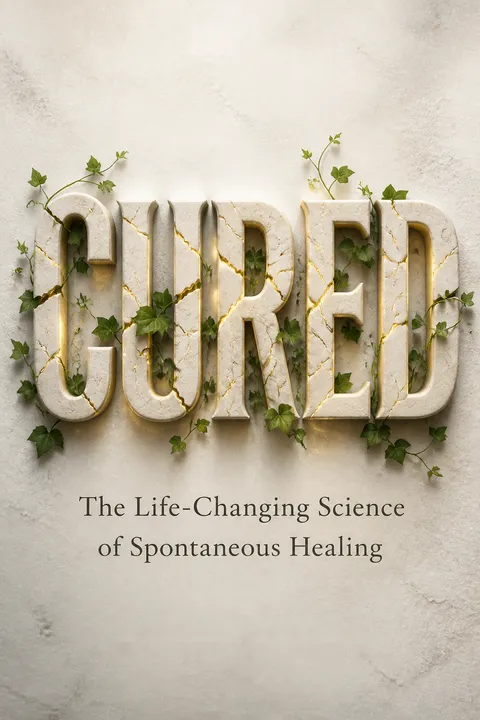


Key Takeaways
Treat spontaneous remission as a clue, not a miracle or a cure
Claire's case opens the puzzle. At 63, Claire Haser was diagnosed with aggressive pancreatic cancer and given about a year to live. She declined a major operation, expecting to spend her remaining time with family and friends. Five years later, a scan for an unrelated illness showed no tumor. After diagnosis, she had changed parts of her diet, relationships, and daily life, but no one could identify what, if anything, caused the remission. Her doctors initially dismissed those changes as medically irrelevant.
A remission is not a guarantee. Claire's cancer was eventually found again in her lungs, after a decade without evidence of disease. Her story makes the book's central question vivid: what can recoveries that defy expectation teach medicine? Rediger argues that they deserve careful investigation, not automatic labels such as miracle or fluke.
The case is compelling because it begins with documented disease, a grim prognosis, and an unexpected reversal, then refuses to pretend that the cause is known. That is the right posture for an anomaly: preserve the patient's account, verify the medical record, and separate what happened from explanations offered afterward. Claire's later recurrence also matters. A dramatic remission can be real and life-changing without being permanent, and telling that fuller story protects hope from turning into a promise.
Treat medical averages as forecasts, not verdicts, and study the outliers
Averages hide unusual paths. Rediger began investigating after hearing repeated accounts of unexpected recovery. He traced a widely repeated claim that spontaneous remission occurred in roughly one case per 100,000 and found no solid source for the number. A 1993 bibliography had already collected about 3,500 references to spontaneous remission across 800 medical journals. Yet such cases often went unpublished: doctors worried about ridicule, and unusual results were easily lost among population averages.
Verify before interpreting. Rediger screened accounts against biopsy results, scans, and follow-up records. Some hopeful stories involved uncertain diagnoses, temporary improvement, or other treatments that could explain the outcome. Others appeared well documented. His point is not that rare recoveries are common, but that labeling an event unusual is not the same as explaining it.
This is a useful lesson in how scientific attention is allocated. Averages are essential for estimating what usually happens, but they are poor tools for answering why an exceptional case happened. At the same time, outliers are especially vulnerable to selection and publication bias: striking recoveries are more likely to be remembered and reported than ordinary outcomes. The strongest response is neither dismissal nor celebration, but transparent case documentation and research designed to generate testable questions.
Keep immune health central, while keeping proven treatment in the plan
The immune system is active, not abstract. Rediger describes a network of cells and organs that continually identifies threats, including infected cells and some emerging cancer cells. The book revisits surgeon William Coley's 19th-century observations: some cancer patients' tumors shrank after severe infections and fever. Coley developed bacterial preparations intended to provoke immune activity, an early attempt to harness the body's defenses. Modern immunotherapy likewise works by helping immune cells recognize or attack cancer, though it applies only in particular clinical situations.
The lesson is not to provoke illness. Rediger contrasts the drive to destroy pathogens with attention to the body's broader condition, including nutrition, stress, and the microbiome. He explicitly does not argue that patients should abandon medication, surgery, or other care. Immune-supporting habits may matter, but they are not a do-it-yourself replacement for treatment.
The book's strongest version of this argument is not that medicine should stop targeting disease, but that it should also understand the biological systems that resist it. That view makes room for both cancer immunotherapy and prevention-oriented care. The caution is that immune activity is not a simple dial that can always be turned up: excessive or misdirected responses can also harm the body. The practical idea is to broaden the clinical picture, not to treat immune support as a reliable cure.
Build meals around nutrient-dense whole foods, not miracle ingredients
Patterns matter more than a magic food. Tom Wood had lived with type 2 diabetes for years, taking about 45 units of insulin daily as his condition and mobility worsened. After trying a plant-focused program, he moved toward meals built around vegetables, beans, fruit, nuts, and other minimally processed foods. He reported losing weight, improving his blood-sugar measures, and eventually coming off medication. Rediger also points to the China Study, a large observational project that found associations between dietary patterns and disease, while emphasizing that overall eating patterns matter more than isolated nutrients.
Personal fit still matters. Claire kept some foods she enjoyed, while another survivor pursued a strict ketogenic diet. Rediger's recurring advice is to favor whole foods and reduce refined sugar and heavily processed products, while finding an approach a person can sustain. A single survivor's experience cannot establish a universal diet or justify changing medication without medical guidance.
The useful shift here is from hunting for a special ingredient to looking at the shape of a diet over time. That framing is less vulnerable to the cycle of nutrition headlines that declare one food a cure and another a threat. The cases also show why practicality matters: food is tied to culture, money, access, and pleasure. A nutritional pattern that a person can maintain is more meaningful than an idealized plan that ignores the conditions of daily life.
Interrupt chronic stress before it becomes your body's default setting
Acute repair differs from chronic strain. Inflammation helps the body respond to injury and infection. Rediger focuses on what happens when inflammatory activity persists, arguing that it can contribute to disease across several body systems. He connects prolonged stress with a lasting fight-or-flight state, in which the body has fewer opportunities to settle and recover. The book presents this as one route through which life circumstances and physical health can become intertwined.
Juniper changed her daily conditions. Diagnosed with ankylosing spondylitis, a progressive inflammatory illness affecting her spine and pelvis, she began yoga, changed her eating, and eventually reorganized her work and schedule to make room for regular practice and family life. Her physician later documented a striking remission. Her case suggests that sustained, individual changes may matter, but it cannot prove which change caused the outcome or that the same approach reverses the disease for others.
The value of this section is its move from treating stress as a personality flaw to treating it as a condition with bodily consequences. That can make it easier to ask concrete questions about workload, rest, relationships, and agency. Juniper's account also resists a quick-fix reading: her changes unfolded over years and required substantial control over her schedule. Stress reduction is worth pursuing for well-being, but a single recovery story cannot establish it as a treatment for autoimmune disease.
Make human connection part of health care, not an optional extra
Connection can help the body settle. Rediger describes the parasympathetic nervous system as the body's rest-and-recovery mode, in contrast with fight or flight. He links it to the vagus nerve, which carries information between the brain and organs. Vagal tone refers to the body's capacity to activate this calming system and recover after stress. The book discusses research associating positive emotion and social connection with measures of vagal function, as well as studies connecting loneliness with poorer health outcomes.
Small encounters count. Rediger draws on research by psychologist Barbara Fredrickson to argue that warm, in-person interactions can include brief moments of genuine connection, not only deep relationships. Matt Ireland, diagnosed with aggressive brain cancer, described the community he found in Brazil as a source of love and belonging. The book treats connection as important emotional nourishment, not as a guaranteed way to eliminate disease.
The argument makes social life visible as part of health rather than decorative background. That is valuable because loneliness can be missed in a system organized around organs, tests, and prescriptions. It also avoids reducing care to a technique: being listened to and welcomed may change how a person experiences illness, even when no biological cure follows. The distinction matters. Connection can support resilience and quality of life without being presented as a substitute for treatment or a patient's responsibility to recover.
Use belief to support recovery, never as a substitute for diagnosis
Expectation can alter experience. The placebo effect is a measurable improvement associated with a treatment context or expectation, even when the treatment itself lacks the presumed active ingredient. Rediger recounts the case of Mr. Wright, whose tumors reportedly shrank after an experimental cancer drug, returned when news undermined confidence in it, and shrank again after his doctor injected water while claiming it was a stronger version. Wright later relapsed after the drug was discredited. The story illustrates how closely belief and illness experience can interact, but it remains a case report.
Belief can also worsen symptoms. The nocebo effect describes symptoms or side effects that arise or intensify when someone expects harm. Rediger argues that these effects deserve study rather than dismissal. Still, changes in pain, mood, or other symptoms do not automatically mean that a fatal disease has been cured.
This section challenges the habit of treating placebo as meaningless simply because expectation is involved. Context, trust, and the experience of care can shape symptoms and behavior in important ways. The boundary is just as important: a powerful story about tumors changing does not establish that belief reliably removes cancer. Respect for a patient's spiritual or personal framework should coexist with objective testing, clear communication, and access to effective medical care.
Question the identity story that keeps shame, duty, or illness in charge
The self has a history. The default mode network, or DMN, is a set of interacting brain regions active during self-reflection, memory, and imagining the future. Rediger uses it to explain how repeated interpretations of past events can shape a person's sense of who they are. He also discusses the Adverse Childhood Experiences study, which found associations between childhood trauma and later health risks. These histories can influence health, he argues, without making illness anyone's fault.
Mirae revised her story. After a diagnosis of metastatic melanoma, she began journaling about recurring dreams and reconsidering the role she had been assigned in her family. She recognized that years of striving to please others had crowded out care for herself, then changed her work boundaries and daily priorities. Her tumor regressed while she was also receiving treatment, so the contribution of any one factor remains unknown.
The identity lens adds something important to a list of habits: people may struggle to change not because they lack information, but because a behavior or role is woven into their idea of self. Reconsidering that story can create room for different choices. The risk is turning trauma into a neat explanation for disease. Childhood adversity is not destiny, and people who become ill have not failed to think or live correctly. The most humane use of this idea is possibility without blame.
Treat prognosis as a probability, then choose care around your values
A prognosis describes a group. Doctors estimate likely outcomes from past cases; the estimate cannot tell exactly what will happen to one person. Rediger recounts evolutionary biologist Stephen Jay Gould's response to an eight-month median prognosis for mesothelioma. Gould realized that a median was not a countdown for every patient. He recovered and lived about 20 more years, eventually dying from another cause. His experience illustrates the gap between population statistics and individual lives.
Values shape decisions. Claire declined the Whipple operation because its burdens and uncertain benefits did not fit how she wanted to spend her remaining time. That was her personal choice, not a template for others. Rediger argues for honest discussions that include a range of possibilities, treatment goals, and quality of life, so patients can make informed decisions with their clinicians rather than being reduced to an average.
The distinction between population risk and individual fate is essential to sound medical communication. A statistic can guide a decision, but it cannot make the decision on someone's behalf. Gould's survival should not be used to imply that optimism defeats cancer; it shows only that an average is not a prophecy. Claire's choice likewise demonstrates the importance of aligning care with a patient's priorities, while recognizing that another person with the same diagnosis may reasonably choose aggressive treatment.
Make health changes durable by removing the easy route back
Commitment makes change concrete. Rediger uses the story of Hernán Cortés, who reportedly burned his ships before a campaign, as a metaphor for closing off a return to habits that undermine a chosen direction. In the book, this means making health-supporting routines easier to continue and anticipating the situations that pull a person back toward old patterns. It does not mean rejecting medical care or taking unsafe risks.
Effort is not a cure guarantee. Psychologist Alastair Cunningham's studies found that some cancer patients who engaged intensively in self-help practices, such as meditation, journaling, or imagery, had longer survival or remission. The samples were limited, and the findings do not prove those practices caused the outcomes. Rediger's four broad areas for attention are nutrition, immune health, stress response, and identity. He emphasizes personal fit and explicitly rejects blaming people who remain ill.
The boat metaphor is memorable because it points to the gap between intending to change and arranging life to support change. Planning for obstacles, seeking help, and reducing easy access to unwanted habits can make a commitment more robust. The medical context demands restraint, however: commitment cannot control biology, and lack of recovery is not evidence of insufficient effort. The strongest version of personal agency is choice without blame, paired with clinicians who respect both evidence and patient priorities.
Analysis
Cured is part investigative narrative, part mind-body argument, and part invitation to change daily life. Its organizing move is to treat exceptional recoveries as evidence worth examining, then build a model around four interacting areas: immune function, nutrition, stress response, and identity. Claire's case supplies the emotional frame, while the author's own shift from skepticism to inquiry supplies the narrative engine. The stories make abstract connections memorable, especially the movement from diagnosis and prognosis toward questions about relationships, work, and the meaning a patient assigns to illness.
The book is most persuasive when it argues for better listening, better records, and medicine that treats a person rather than a diagnosis alone. Its accounts also illuminate how hope, social support, and agency can affect quality of life and willingness to engage with care. The evidentiary strength varies sharply, though. A well-documented unexpected remission establishes that an unusual outcome occurred; it does not establish which lifestyle change caused it. Case histories cannot reliably separate an intervention from concurrent treatment, natural disease variation, or selection effects. The book's own examples sometimes show that uncertainty, but its wider claims can sound more conclusive than the evidence warrants.
Several biological links it discusses, including stress physiology, immune signaling, and the effects of social isolation, are legitimate areas of research. Those links do not demonstrate that meditation, diet, faith, or positive identity can cure advanced cancer. The quantum physics discussion is especially speculative: in physics, an observer effect concerns the physical interaction involved in measurement, not evidence that a person's thoughts directly alter cancer cells. The safest and most useful reading is therefore neither dismissal nor prescription. Treat extraordinary recoveries as prompts for careful research, adopt generally health-supporting practices where feasible, and make treatment decisions with qualified clinicians. The book's best contribution is a broader clinical question: what important parts of a patient's life are missing from the medical picture?
Review Summary
Cured is praised as a life-changing book that explores spontaneous healing through scientific and spiritual lenses. Readers appreciate Rediger's balanced approach, combining medical expertise with case studies. The book offers hope and practical advice for those facing chronic illnesses, emphasizing the mind-body connection, lifestyle changes, and personal responsibility in healing. While some critics question the scientific rigor, most reviewers found the book insightful, inspiring, and well-written. It challenges conventional medical thinking and encourages readers to take an active role in their health and well-being.
People Also Read







Glossary
Spontaneous remission
Unexpected disease regressionA substantial, unexpected improvement or disappearance of a disease that would ordinarily continue or worsen. In the book, the phrase describes recoveries that occur without an adequate medical explanation, sometimes alongside conventional care and sometimes without it. It names an observed outcome, not a proven cause, and does not necessarily mean the disease will never return.
Four pillars of health
Four areas for healingRediger's organizing model for the factors he sees recurring in accounts of remarkable recovery: immune health, nutrition, stress response, and identity. The model encourages attention to the body's defenses, food, chronic stress, and a person's sense of self. It is a framework for inquiry and self-care, not a validated clinical treatment protocol.
Default mode network
Self-reflection brain networkA group of interacting brain regions that is active during inward-focused mental activity, including recalling the past, imagining the future, and thinking about oneself and other people. Rediger uses the term to discuss how repeated personal narratives can shape identity and habitual responses. The network is one part of brain function, not a complete explanation of personality.
Relaxation response
Practiced calming stateA term used by Herbert Benson for a bodily state associated with reduced arousal, slower breathing, and a calmer heart rate. The book describes a simple practice involving quiet sitting, relaxed muscles, slow breathing, and attention to a word or phrase. Rediger presents it as a way to counter a persistent stress response, not as a cure for disease.
Vagal tone
Parasympathetic recovery capacityA measure or description of how flexibly the vagus nerve supports parasympathetic activity, the body's rest-and-recovery functions. In the book, higher vagal tone is associated with recovering more readily from stress and with social connection and positive emotion. It is a physiological concept, not a direct measure of love or proof that connection cures illness.
Heart rate variability
Variation between heartbeatsThe variation in time between successive heartbeats. Unlike a simple heart-rate count, it reflects how flexibly the heart responds to changes in activity and conditions. Rediger presents it as one indicator associated with autonomic regulation and vagal function. Readings can be influenced by many factors and should not be treated as a stand-alone diagnosis.
Adverse Childhood Experiences study
Study of early adversityA large study led by Vincent Felitti and Richard Anda that examined links between difficult childhood experiences and later health risks. The researchers assessed experiences such as abuse, neglect, and household instability. Rediger uses the study to show how early adversity can have long-lasting associations with health, while emphasizing that such experiences do not determine an individual's future.
The China Study
Diet and disease researchA large research project comparing diet, health, and disease patterns across regions of China, conducted by T. Colin Campbell, Junshi Chen, and collaborators. Rediger highlights its associations between dietary patterns and disease rates, especially the contrast between more animal-based and more plant-based diets. Its findings concern population patterns and do not prove that one diet cures a particular person's illness.
Nocebo effect
Expectation-linked worseningThe worsening or emergence of symptoms associated with expecting harm from a treatment or situation. The book describes research in which warning people about possible negative effects was associated with more reported symptoms. The concept helps explain how expectation can shape experience, but it does not mean symptoms are imaginary or that every illness is caused by belief.
N of 1
Single-person clinical trialA clinical approach in which an intervention is studied in one individual, often with care tailored to that person's circumstances. Rediger also uses the phrase for people whose recoveries appear unique and difficult to compare with other cases. A single case can generate useful questions, but it cannot by itself establish that an approach will work for other people.
FAQ
What's Cured: Strengthen Your Immune System and Heal Your Life about?
- Exploration of Spontaneous Remission: The book investigates cases where individuals recover from incurable diseases without conventional treatment, highlighting the phenomenon of spontaneous remission.
- Mind-Body Connection: It emphasizes the relationship between mental, emotional, and physical health, suggesting that healing involves more than just medical interventions.
- Four Pillars of Health: Jeffrey Rediger introduces a model based on healing the immune system, nutrition, stress response, and identity to promote overall well-being.
Why should I read Cured?
- Inspiring Stories: The book is filled with real-life accounts of miraculous recoveries, offering hope and motivation for those facing chronic illnesses.
- New Perspectives on Healing: It challenges conventional medical narratives by exploring how lifestyle changes and emotional well-being can impact health outcomes.
- Practical Advice: Readers will find actionable insights and strategies to improve their health, focusing on nutrition, stress management, and personal identity.
What are the key takeaways of Cured?
- Holistic Health Approach: The book advocates for a comprehensive view of health that integrates physical, emotional, and spiritual well-being.
- Nutrition's Role: Rediger highlights the importance of a nutrient-dense diet in supporting the immune system and overall health.
- Mindfulness and Stress Management: Effective stress management, through practices like meditation, is emphasized as crucial for enhancing the body’s healing capabilities.
What are the best quotes from Cured and what do they mean?
- “The body wants to heal, after all.”: This underscores the innate healing potential of the human body, suggesting recovery is possible with the right conditions.
- “What is most personal is most universal.”: Reflects the idea that individual healing stories can resonate broadly, offering insights and hope to others.
- “The terrain is everything.”: Emphasizes the importance of the body’s internal environment in determining health outcomes, influenced by lifestyle choices.
What is spontaneous remission as defined in Cured?
- Definition: Spontaneous remission refers to recovery from serious illnesses without conventional medical treatment, often seen as miraculous.
- Unexplored Phenomenon: Rediger notes that it is largely unexamined in medical science, despite its potential to reveal important healing insights.
- Not Just Luck: The book argues these recoveries may be linked to specific lifestyle changes and emotional shifts, warranting further investigation.
How does Cured address the immune system's role in healing?
- Immune System as Defense: The book describes the immune system as the body’s first line of defense against disease, crucial for recovery.
- Four Pillars of Health: Strengthening the immune system is one of the four essential pillars for healing, alongside nutrition, stress response, and identity.
- Lifestyle Connection: Rediger discusses how factors like diet and stress management significantly impact immune function and overall health.
What dietary changes does Cured recommend for healing?
- Nutrient-Dense Foods: Rediger advocates for a diet rich in whole, unprocessed foods, emphasizing fruits, vegetables, legumes, and healthy fats.
- Avoid Processed Foods: The book suggests eliminating refined sugars, flours, and processed foods, which can contribute to inflammation and disease.
- Personalized Nutrition: Rediger encourages readers to find what works best for their unique bodies, acknowledging varied dietary needs.
How does stress impact health according to Cured?
- Chronic Stress and Inflammation: Chronic stress can lead to systemic inflammation, linked to serious health conditions like autoimmune diseases and cancer.
- Mind-Body Connection: Managing stress effectively is crucial, as it directly affects immune function and overall health.
- Stress Management Strategies: Practices like mindfulness, meditation, and lifestyle changes are suggested to reduce stress and promote healing.
What is the significance of identity in the healing process as discussed in Cured?
- Identity and Healing: A person’s sense of self can influence their ability to heal, with a positive self-image enhancing recovery.
- Transformative Changes: Individuals experiencing spontaneous remission often undergo significant identity shifts, redefining their lives and priorities.
- Empowerment through Self-Discovery: The book encourages self-reflection and personal growth as part of the healing journey, emphasizing understanding oneself.
How does Cured redefine the concept of healing?
- Holistic Perspective: Healing is seen as a multifaceted process encompassing physical, emotional, and spiritual dimensions.
- Empowerment Through Choice: Readers are encouraged to take ownership of their health and make conscious choices supporting well-being.
- Personal Responsibility: Self-awareness and personal responsibility are highlighted as crucial in the healing journey, influencing recovery potential.
What role do social connections play in healing, according to Cured?
- Essential Nutrient for Health: Social connections are as vital to health as nutrition and exercise, crucial for healing.
- Impact on Immune Function: Loneliness and social isolation can negatively affect immune function and overall health.
- Fostering Positive Relationships: Cultivating meaningful relationships and engaging in social activities promote connection and joy, supporting health.
How can I apply the concepts from Cured to my own life?
- Start with Nutrition: Evaluate your diet and make gradual changes toward more nutrient-dense, whole foods while reducing processed options.
- Manage Stress: Incorporate stress-reducing practices like mindfulness, meditation, or yoga into your daily routine.
- Reflect on Identity: Explore your sense of self and consider how your beliefs and perceptions may impact your health, fostering a positive outlook.
Download PDF
Download EPUB
.epub digital book format is ideal for reading ebooks on phones, tablets, and e-readers.








