

Key Takeaways
Trauma is a wound, not a contest over whose pain counts.
Trauma is common. A global survey cited by Shors found that more than 70 percent of people had experienced at least one traumatic event. That does not mean most develop post-traumatic stress disorder, or PTSD. Trauma can follow violence, accidents, illness, bereavement, discrimination, or other events that make someone feel seriously threatened or harmed. It can also arise from witnessing harm to someone close.
Pain has no ranking system. Two people can share the same frightening event and respond differently. In the book's opening case, a married couple survived a catastrophic highway crash. One became energized and took action; the other froze. Their symptoms and recovery also diverged. The point is not to label every hardship trauma, but to take lasting distress seriously without demanding that people prove their suffering.
What's valuable here is the separation of recognition from diagnosis. People can be deeply affected by an event without meeting criteria for PTSD, and they do not need a formal label for their distress to deserve care. This resembles a broader principle in medicine: a threshold for diagnosis helps guide treatment and research, but it does not divide real suffering from imaginary suffering. The caution runs both ways. Calling every disappointment trauma can blur useful distinctions, while treating trauma as something reserved for war or catastrophe leaves many people unseen.
Separate everyday stress from trauma by asking whether it leaves a lasting wound.
Stress and trauma overlap. Shors describes stress as pressure that can strain or disrupt the mind and body. Trauma, from a word meaning wound, involves a more intense experience of threat or harm and can leave persistent effects. Stress can be brief or chronic, and it is not always bad: falling in love, taking on a new job, or facing a challenge can all activate the body without making a person feel traumatized.
The boundary is useful, not absolute. Trauma is often remembered as a distinct event, such as a crash, while complex trauma may involve repeated experiences, especially within relationships. Chronic illness, unsafe living conditions, discrimination, and caregiving can create ongoing stress. Clinically, PTSD requires symptoms lasting more than a month and impairing everyday functioning. Difficult experiences matter, but they do not all meet that threshold.
This distinction helps prevent two opposite mistakes: minimizing sustained harm and treating every strain as equivalent. It also reminds readers that the body's arousal is not a reliable measure of whether an experience is positive or negative. Excitement and fear can both bring a racing heart. The more useful questions concern context, safety, duration, and the effect on daily life. Still, no short definition can settle every case. A clinician's diagnostic framework is a tool for shared language, not a complete account of what an experience means to the person living through it.
Treat resilience as trainable, not a fixed measure of toughness.
The same event lands differently. The couple in the crash story had distinct responses during the accident and afterward. Their histories, perceptions, biology, and circumstances could all have contributed, but the case cannot identify a single cause. More broadly, Shors reports that in one study of women who had experienced sexual trauma, about 30 percent met criteria for PTSD. The others could still have significant symptoms, even without that diagnosis.
Resilience can be supported. The book compares a person's capacity to cope to a rope that can be sturdy or frayed. Exercise, sleep, nutrition, and learning new mental skills may help strengthen that capacity. The metaphor should not imply that people can simply will themselves past hardship. Safety, social support, and access to treatment also shape what coping is possible.
The strongest reading of resilience is not invulnerability, but the ability to adapt while still needing help. That framing fits research on stress as an interaction between a person and their environment, rather than a simple test of character. It also protects survivors from being blamed for symptoms they did not choose. The book's rope image makes individual differences memorable, but a rope can be damaged by conditions outside the person's control. Any account of resilience is incomplete unless it includes the availability of safety, supportive relationships, and material resources.
Prepare for sudden fear and prolonged uncertainty as different nervous-system problems.
Two patterns help organize the experience. Shors calls one form fast and fearful: a sudden event triggers intense fear and immediate action, as during an attack or a near-fatal accident. The other is slow and stressful: an ongoing threat creates sustained uncertainty, as during the pandemic or a dangerous migration. Many experiences contain both patterns, so this is a useful distinction rather than a strict classification.
The body has different time scales. Fast fear involves the autonomic nervous system, including the sympathetic response that can raise heart rate and prepare the body to act. A slower stress response involves cortisol, which circulates through the body and can affect the brain. In a study discussed in the book, asylum seekers had nearly twice the cortisol measured in their hair as immigrants settled in Germany. The measure reflected accumulated stress, not a diagnosis.
The distinction makes an important point: a crisis that ends quickly and a threat that never seems to end place different demands on coping. Acute alarm can mobilize action; chronic uncertainty can keep the body and attention oriented toward danger long after any single episode has passed. The biological account also avoids treating stress as purely mental. Yet hormone levels alone cannot explain a person's experience or predict their outcome. The migration finding is informative as a group comparison, not a diagnostic test for an individual, and the two response systems interact rather than operate in isolation.
When reflection stops producing action, label it rumination and return to now.
Repetition can masquerade as problem-solving. Rumination means repeatedly turning over self-focused thoughts without necessarily reaching a decision or taking action. It differs from worry, which more often focuses on a problem or possible future outcome. Shors notes that a modest amount of repetitive thought may help assess risk, but prolonged loops tend to consume attention without producing a useful answer.
The cost reaches the present. In studies described in the book, people who ruminated more were more distracted by negative information and had greater difficulty holding material in working memory. Shors's team also found less synchronized brain activity during an attention task among participants who reported more rumination. These findings show associations, not proof that rumination alone causes poor mental health. A practical first move is to notice when thinking has become circular, then deliberately redirect attention to the task or surroundings at hand.
The useful distinction is between thinking that helps solve a problem and thinking that only rehearses distress. In cognitive behavioral approaches, this is often treated as a shift from analysis toward a concrete next step or a deliberate change of attention. That does not mean every painful thought should be shut down; reflection can help make sense of experience, and some problems cannot be solved immediately. The key test is whether the thought is generating new understanding or simply repeating a verdict about the self. Rumination is a warning signal, not a character flaw.
Replaying trauma can attach today's feelings to yesterday's memory.
Memory is reconstructed. Shors describes the hippocampus as important for linking personal events to their time and place, while the amygdala helps coordinate some bodily responses to emotionally charged memories. Neither region stores a complete experience on its own. The brain rebuilds a memory when it is recalled, connecting the past event to the circumstances and feelings of the present.
Rehearsal can add new associations. When someone repeatedly revisits a traumatic experience, today's shame, fear, or self-blame may become linked to the memory. The book uses a computer file analogy: saving new versions does not erase the original, and repeated retrieval can add further versions. This is a proposed explanation for why rumination can make a painful memory feel more prominent. It does not mean that a vivid memory is a perfect recording, or that recalling an event necessarily makes recovery worse.
This account is useful because it makes memory less mysterious and less like a fixed film stored intact in the brain. It also adds an important caution: emotional vividness and confidence do not, by themselves, establish that every remembered detail is accurate. Memory research shows that recall is shaped by context and later information, even when a person is sincere. That nuance does not invalidate survivors' accounts; it simply distinguishes the felt reality of a memory from the claim that memory works like a video recorder. The practical insight remains that present-day reactions can become part of how the past is experienced.
Read women's trauma risk through violence, hormones, and historical research bias.
There is no single explanation. Women are reported to be two to three times more likely than men to receive a PTSD diagnosis. Shors points to several contributing factors: women experience particular forms of interpersonal and sexual violence, may be more likely to seek help, and undergo hormonal changes that can influence brain and mood. Pregnancy, childbirth, and menopause can also bring periods of change or vulnerability.
Science has its own history. Much trauma research was conducted on male veterans and male laboratory animals. Researchers often excluded females because menstrual cycles were thought to add variability. The book describes animal studies in which male and female rats responded differently to stress, while also noting that such findings do not settle the causes of human sex differences. Social experience, diagnosis, hormones, and research design all matter.
This multifactor account resists a familiar trap: explaining unequal outcomes either as biology alone or as social experience alone. The history of male-centered research matters because an evidence base can appear universal when it has sampled only part of the population. At the same time, findings in rodents cannot be transferred directly to women, and averages do not describe every individual. A careful interpretation keeps sex-related biology, gendered exposure to violence, and unequal access to care in view without treating any one of them as destiny.
Use trauma therapy to build safer memories, not erase old ones.
Exposure teaches a new association. Prolonged exposure therapy, developed by psychologist Edna Foa, guides clients to revisit trauma memories and reminders in a safe, structured setting. The aim is not to delete the old fear memory, but to learn that a reminder does not always signal present danger. Cognitive processing therapy also revisits the event, while examining beliefs such as self-blame and guilt. Both approaches are delivered by trained professionals, often over a series of sessions.
Treatment takes work. In a study of about 170 women with PTSD after rape, participants receiving either therapy generally showed reduced PTSD and depression symptoms, with improvement maintained at follow-up. About one in four did not begin or dropped out. Mindfulness-based programs and medication are other options, depending on the person and their situation. The book emphasizes that trauma work can be painful and should be approached with professional support and respect for readiness.
The learning-theory basis is compelling: avoidance can shrink life, while carefully supported contact with reminders can help update what those cues mean. This is not a rationale for forcing someone to recount trauma or attempting intense exposure alone. Safety, consent, pacing, and a strong therapeutic relationship matter, especially when treatment itself can activate distress. The comparison also clarifies that there is no universal best method. A useful treatment is evidence-informed and tolerable enough for the individual to continue, with medication or body-based practices considered as complementary options when appropriate.
Pair focused meditation with aerobic exercise to rehearse safety in a racing body.
MAP combines attention and movement. Shors's MAP Train My Brain program pairs 20 minutes of sitting meditation, 10 minutes of slow walking meditation, and 30 minutes of aerobic exercise. During meditation, participants return attention to the breath or feet when the mind wanders. Exercise follows, raising the heart rate in a safe setting. The intended lesson is that difficult thoughts can arise without immediate danger, and a pounding heart can accompany effort rather than fear.
Early studies are promising. In one study, participants with major depression did MAP twice weekly for eight weeks, and depressive symptoms fell by nearly 40 percent. In another study with women affected by sexual violence, the combined program reduced trauma-related thoughts and rumination more than meditation or exercise alone. These results support further study, not a guarantee for every person. MAP is a fitness practice, not a substitute for therapy or medical care.
The sequencing turns a familiar pair of wellness activities into a specific learning exercise: first notice thoughts without following them, then experience physical arousal without interpreting it as danger. That is a plausible way to loosen learned links between bodily sensations and fear. The reported outcomes are encouraging, especially because the combined intervention outperformed either component alone in one study. Still, a small number of trials cannot establish the program as a replacement for established treatment. People with health concerns should also adapt exercise with clinical guidance.
Build brain fitness through sustained aerobic exercise and effortful learning.
The brain changes with experience. Neuroplasticity refers to changes in connections and activity as the brain learns. Shors also describes neurogenesis, the production of new neurons, particularly in the hippocampus. In animal studies, aerobic running increased the number of new cells, while difficult learning helped more of those cells survive. Spaced practice, self-testing, and learning varied material can make study more effortful and improve retention.
Human evidence has limits. Researchers cannot directly count newly formed neurons in a living person's brain, so the extent and importance of adult human neurogenesis remain uncertain. The book's practical case is broader than new-cell production: movement supports brain health, and challenging learning keeps attention and memory engaged. Sustained practice matters more than occasional bursts. Choose exercise that can be done safely and a skill difficult enough to require attention, but not so punishing that it becomes impossible to continue.
The strongest takeaway is not that a person can grow a particular number of neurons by following a recipe. It is that brain function remains experience-sensitive, while exercise and effortful learning offer practical ways to engage that capacity. This aligns with wider evidence on cardiovascular health and retrieval practice, where recalling material from memory often strengthens learning more than rereading it. The neurogenesis story is scientifically exciting but easy to oversell, especially when animal findings are treated as settled human mechanisms. The habits remain worthwhile even if that specific cellular explanation proves incomplete.
Analysis
Shors's central move is to connect the intimate language of personal stories with the mechanics of learning and memory. Trauma is not presented simply as an event that happened, but as an event whose cues, bodily responses, and interpretations can continue shaping the present. Rumination is the hinge between those levels: it is both a mental habit and a repeated act of retrieving memory. This lets the book explain why a past event can feel active without claiming that the brain is permanently damaged or that every survivor develops PTSD.
The argument is strongest when it keeps biological explanation and lived variation together. Cortisol, the autonomic nervous system, the hippocampus, and the amygdala give readers a vocabulary for understanding why fear can involve the whole body. Yet Shors repeatedly cautions that animal findings, group averages, and clinical labels do not explain every individual. That restraint is important, especially in discussions of sex differences and neurogenesis, where compelling mechanisms can tempt readers toward overly simple conclusions.
The book's practical proposal, MAP training, grows directly from its theory: attention can be practiced while thoughts arise, and exercise can make bodily arousal feel less synonymous with danger. The early findings are promising, including reductions in rumination and depressive symptoms, but they should be read as preliminary support for an accessible adjunct, not proof of a universal treatment. The program's most transferable idea may be its learning model: do not try to delete the past; practice distinguishing old alarms from current conditions. That framing preserves both compassion for persistent symptoms and agency in the present, without suggesting that effort alone can overcome unsafe environments, severe illness, or barriers to care.
Review Summary
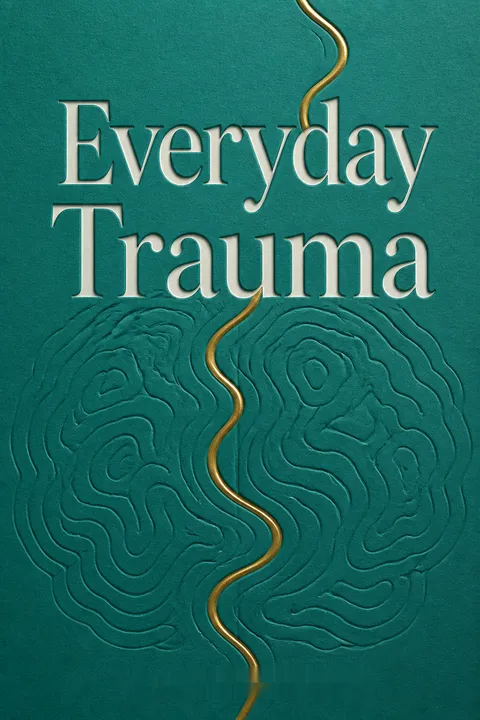
Everyday Trauma receives mixed reviews, with an average rating of 3.48/5. Readers appreciate the accessible explanation of trauma's effects on the brain, especially for women. Many find the scientific information interesting but note the book's focus on female experiences. The author's proposed MAP (Mental and Physical) training method, combining meditation and exercise, is viewed as simple yet potentially effective. Some criticize the book for being too basic or repetitive, while others praise its practical advice and insights into trauma processing.
People Also Read





Glossary
Everyday trauma
Persistent impact of life eventsShors uses this term for traumatic experiences that continue to affect daily thoughts, memories, feelings, or behavior, as well as prolonged circumstances that feel traumatic day after day. It includes experiences beyond war or major disasters. The term does not mean that every stressful event is a clinical trauma or that everyone exposed to trauma develops PTSD.
Fast and fearful
Sudden fear responseOne of Shors's two broad forms of everyday trauma. It describes a rapid, intense response to an acute threat, such as a violent attack, accident, or sudden death. The response can prompt immediate action and strong memory formation. In some people, fear and related memories persist after the original danger has passed.
Slow and stressful
Persistent stress responseOne of Shors's two broad forms of everyday trauma. It describes prolonged stress and uncertainty, such as living through a pandemic or seeking refuge after migration. Rather than arising from one brief episode, it accumulates over time and can keep stress responses active. The distinction from fast and fearful experiences is useful but not absolute.
Rumination
Repetitive self-focused thoughtA recurring pattern of self-focused thinking that revisits distress, mistakes, or personal problems without reliably producing a solution. Shors distinguishes it from worry, which more often targets a particular problem or future possibility. Some reflection can help assess risk, but persistent rumination can draw attention away from the present and is associated with depression, anxiety, and trauma-related thoughts.
MAP Train My Brain
Meditation plus aerobic exerciseShors's mental and physical training program combines sitting meditation, slow walking meditation, and aerobic exercise in one session. The participant practices returning attention to the breath or feet when the mind wanders, then exercises at an aerobic intensity. It is presented as a brain-fitness program that may reduce rumination and improve well-being, not as a replacement for psychotherapy or medication.
Neurogenesis
Production of new neuronsNeurogenesis is the process by which new neurons are produced. Shors focuses on adult neurogenesis in the hippocampus, especially the dentate gyrus. Animal research suggests that aerobic exercise can increase the production of new cells and that effortful learning can support their survival. The amount and functional significance of adult neurogenesis in living humans remain difficult to establish directly.
Extinction learning
Learning a cue is now saferA learning process in which a previously meaningful cue is repeatedly encountered without the outcome it once predicted. For example, a person may gradually learn that reminders of a car crash do not always signal danger. The original association is not erased; a new association develops that can reduce the old fear response in safe contexts.
Prolonged exposure
Structured contact with trauma remindersAn evidence-based treatment for PTSD developed by Edna Foa. With guidance from a trained clinician, clients revisit trauma memories and relevant reminders in a planned, safe way. The goal is to help them learn that reminders do not necessarily mean current danger and to reduce avoidance. The process can be emotionally difficult and should not be treated as unsupervised self-help.
Cognitive processing therapy
Reconsidering trauma-related beliefsAn evidence-based PTSD treatment developed by Patricia Resick. Alongside recalling the traumatic event, clients examine beliefs that may sustain distress, including self-blame, guilt, and assumptions about safety or trust. The therapist helps them evaluate these beliefs and practice new ways of thinking. The aim is not to erase the memory, but to reduce its harmful influence on present life.
Neuroplasticity
Experience-driven brain changeNeuroplasticity refers to changes in the brain's connections, structure, or activity in response to experience and learning. Shors uses the idea to explain how repeated activity can strengthen communication between neurons and how new learning may alter responses to memories and cues. Plasticity is not automatically beneficial: learning can reinforce useful associations or sustain unhelpful ones.
FAQ
1. What is "Everyday Trauma: Remapping the Brain's Response to Stress, Anxiety, and Painful Memories for a Better Life" by Tracey Shors about?
- Explores everyday trauma: The book examines how both major and minor traumas, as well as chronic stress, impact our brains, thoughts, and daily lives.
- Focus on brain science: Dr. Tracey Shors, a neuroscientist, explains the neurological mechanisms behind stress, anxiety, and trauma, making complex science accessible.
- Practical strategies: The book offers evidence-based methods, including the MAP Train My Brain program, to help readers manage and reframe their responses to stress and trauma.
- Personal and scientific stories: It blends personal anecdotes, case studies, and scientific research to illustrate how trauma shapes our memories, emotions, and behaviors.
2. Why should I read "Everyday Trauma" by Tracey Shors?
- Understand trauma’s prevalence: The book reveals that trauma is a universal human experience, not limited to extreme events or specific groups like veterans.
- Learn brain-based solutions: Readers gain insight into how the brain processes trauma and how to harness neuroplasticity for healing and resilience.
- Actionable advice: It provides practical, research-backed tools for reducing rumination, anxiety, and depression, making it useful for anyone seeking mental wellness.
- Empowering perspective: The book encourages readers to take an active role in shaping their mental health and rewriting their personal narratives.
3. What are the key takeaways from "Everyday Trauma" by Tracey Shors?
- Trauma is common and varied: Both acute and chronic traumas affect most people, influencing mental and physical health.
- Brains can be retrained: Neuroplasticity allows us to reshape our responses to stress and trauma through intentional mental and physical practices.
- Rumination is central: Repetitive negative thinking (rumination) is a major factor in maintaining trauma-related distress and is a key target for intervention.
- MAP Training is effective: Combining meditation and aerobic exercise (MAP Training) can significantly reduce depression, anxiety, and rumination, and improve overall well-being.
4. How does Tracey Shors define "everyday trauma" and how is it different from stress?
- Everyday trauma explained: Everyday trauma includes both sudden, intense events (like accidents) and ongoing, chronic stressors (like discrimination or illness).
- Trauma vs. stress: Trauma is typically more intense, shorter in duration, and leaves a psychological "wound," while stress can be chronic and less severe.
- Emotional impact: Trauma always involves negative emotions and a sense of threat or harm, whereas stress can sometimes be positive or motivating.
- Individual differences: People respond differently to the same events, and what is traumatic for one person may not be for another.
5. What are the two main forms of everyday trauma described in "Everyday Trauma" by Tracey Shors?
- Fast and fearful trauma: This form involves sudden, acute events that trigger intense fear and a rapid stress response (e.g., accidents, assaults).
- Slow and stressful trauma: Chronic, ongoing stressors (like poverty, illness, or the COVID-19 pandemic) that wear down resilience over time.
- Distinct biological systems: The body uses different systems to respond to these traumas—adrenaline for fast fear, cortisol for slow stress.
- Both forms are impactful: Each type can lead to lasting changes in the brain and behavior, and both require different coping strategies.
6. What is rumination, and why is it so important in "Everyday Trauma" by Tracey Shors?
- Definition of rumination: Rumination is repetitive, often negative, self-focused thinking about past events or perceived personal shortcomings.
- Link to mental health: High levels of rumination are strongly associated with depression, anxiety, and persistent trauma symptoms.
- Memory reinforcement: Each time we ruminate, we create new versions of traumatic memories, making them more vivid and harder to escape.
- Target for intervention: Reducing rumination is a central goal in Dr. Shors’ approach, as it can break the cycle of negative thoughts and improve mental health.
7. How does trauma affect the brain, according to "Everyday Trauma" by Tracey Shors?
- Structural changes: Chronic stress and trauma can shrink certain brain regions (like the hippocampus) and reduce the number of neurons.
- Memory encoding: Traumatic events are encoded more vividly and durably, often leading to intrusive memories and flashbacks.
- Neuroplasticity: The brain is always learning and changing, which means it can also recover and adapt with the right interventions.
- Intergenerational effects: Trauma can affect not just individuals but also their offspring, through both behavioral and epigenetic mechanisms.
8. What is the MAP Train My Brain program introduced in "Everyday Trauma" by Tracey Shors?
- MAP stands for Mental and Physical: The program combines focused-attention meditation (mental training) with aerobic exercise (physical training).
- Structure of the program: A typical session includes 20 minutes of sitting meditation, 10 minutes of walking meditation, followed by 30 minutes of aerobic exercise.
- Scientific basis: Research shows that this combination reduces depression, anxiety, and rumination more effectively than either activity alone.
- Accessible and adaptable: MAP Training is designed to be simple, low-cost, and suitable for people of all backgrounds and fitness levels.
9. How does MAP Training help with depression, anxiety, and trauma-related symptoms?
- Reduces negative thoughts: Participants report significant decreases in rumination and trauma-related cognitions after regular MAP Training.
- Improves mood and energy: Studies show a 40% reduction in depressive symptoms and increased motivation and vitality.
- Enhances brain function: MAP Training increases synchronized brain activity related to attention and may promote neurogenesis in the hippocampus.
- Builds resilience: By training both mind and body, individuals become better equipped to handle future stress and trauma.
10. What does "Everyday Trauma" by Tracey Shors say about women, trauma, and the brain?
- Higher rates of PTSD: Women are two to three times more likely than men to be diagnosed with PTSD and depression.
- Role of hormones: Fluctuating sex hormones (like estrogen) affect brain structure and stress responses, contributing to gender differences in trauma vulnerability.
- Social and cultural factors: Women are more likely to experience certain traumas (e.g., sexual violence) and to ruminate, which increases risk for mental health issues.
- Motherhood and resilience: Becoming a mother can change the brain and sometimes increase resilience to stress.
11. What are the main therapies for stress and trauma discussed in "Everyday Trauma" by Tracey Shors?
- Exposure therapies: Prolonged Exposure (PE) and Cognitive Processing Therapy (CPT) are evidence-based treatments that help people confront and reframe traumatic memories.
- Mindfulness-based approaches: Mindfulness-Based Stress Reduction (MBSR) and related practices focus on body awareness and present-moment attention.
- Medication: Antidepressants and anti-anxiety medications can help manage symptoms but are not cures for trauma.
- MAP Training as prevention: Dr. Shors advocates for MAP Training as a proactive, accessible way to build brain fitness and resilience, complementing traditional therapies.
12. What are the best quotes from "Everyday Trauma" by Tracey Shors and what do they mean?
- “Everyone has a story.” – Emphasizes the universality of trauma and the importance of understanding our personal narratives.
- “We can train our brains to play a leading role in the stories they create.” – Suggests that with effort and insight, we can reshape how our brains process and remember trauma.
- “If you realized how powerful your thoughts are, you would never think a negative thought.” – Highlights the impact of rumination and the value of mindful awareness.
- “Make the most of yourself for that is all there is of you.” – Encourages readers to take an active role in their mental health and personal growth.
- “The past doesn’t really exist anymore … except in our brains.” – Reminds us that our memories are constructed and can be reshaped, offering hope for healing.
Download PDF
Download EPUB
.epub digital book format is ideal for reading ebooks on phones, tablets, and e-readers.








