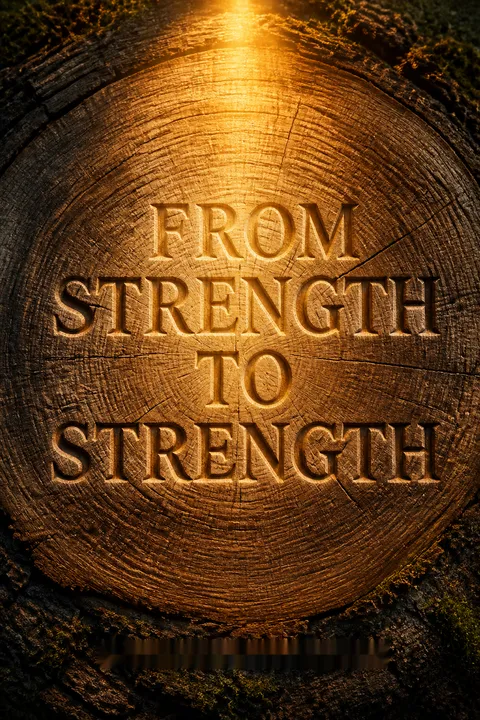


Key Takeaways
Your first career peak may arrive by midlife, so prepare a second source of worth
Decline arrives early. The book opens with an accomplished older man on a plane, praised for his past yet privately convinced he no longer matters. Charles Darwin faced a similar gap: famous for transforming biology, he felt his later work had stalled and found little comfort in his reputation. Career research suggests that many high-skill professions peak between the late thirties and early fifties, though timing varies by field. Across creative and scholarly careers, productivity often peaks about twenty years after work begins. These patterns do not mean everyone becomes incapable; they do mean that waiting until decline is obvious can leave identity and plans dangerously dependent on yesterday’s strengths.
Build before the pivot. Brooks knows this personally: his musical skills began faltering in his twenties, forcing him to move from a hoped-for career as a French horn player into economics and social science. His proposed response is neither denial nor surrender, but preparation for a new kind of contribution.
What's powerful about the opening contrast is its separation of public recognition from private usefulness. A person can remain admired and still feel bereft if their identity depends on being needed for a particular skill. The career data make this a planning problem, not simply a test of character. Still, averages are not personal forecasts: professions differ, individual trajectories vary, and some skills improve with practice or new tools. The practical lesson is not to declare oneself finished at forty, but to notice which parts of work are changing and develop alternative ways to contribute before a forced exit.
Trade raw invention for accumulated judgment, teaching, and counsel
Two kinds of intelligence. Psychologist Raymond Cattell distinguished fluid intelligence, the ability to reason through unfamiliar problems, from crystallized intelligence, the knowledge and experience accumulated over time. The first often supports fast innovation and tends to weaken earlier; the second can grow as people gain knowledge and learn how ideas fit together. Brooks calls a shift toward work that uses this accumulated judgment the second curve. Teaching, mentoring, and synthesis are examples, not a mandatory list of jobs.
Bach changed roles. Johann Sebastian Bach lost cultural prominence as musical tastes shifted toward the style favored by his son. Rather than insist on remaining the newest innovator, he devoted energy to composing instructional work and supporting his family’s musicianship. Brooks contrasts this with Darwin, who remained dissatisfied when his creative momentum slowed. The point is not that every elder must teach, but that a changing strength can still serve others.
The two-intelligence model offers a useful alternative to the assumption that competence is one steadily rising or falling quantity. It directs attention toward task design: a role heavy on rapid novelty may fit differently from one that rewards interpretation and experience. That is a more humane way to discuss aging than treating older workers as obsolete. The risk is turning the curve into a tidy life-stage prescription. Experience does not automatically become wisdom, and organizations must create real roles for mentoring and judgment rather than treating older employees as ceremonial advisers.
Stop measuring your whole identity by the rewards your work delivers
Special can crowd out happy. A successful financier tells Brooks that she may prefer being special to being happy. Her work has brought status, but her marriage, health, and friendships have suffered. Brooks calls the deeper trap success addiction: depending on achievement, money, power, or admiration for emotional reward, then needing another success when the satisfaction fades. Workaholism is one expression of that dependence. It is not simply working long hours; it becomes a problem when work repeatedly consumes energy needed for close relationships and ordinary life.
A narrower self is fragile. Brooks describes this as self-objectification: judging oneself as if one were only a job title or performance record. When professional ability changes, that reduced identity has little room to absorb the change. His proposed first step is honest recognition that prestige is not the same as a full human life.
This argument usefully distinguishes commitment to excellent work from using work as a substitute for human attachment. It also explains why success can fail to protect against insecurity: a single-valued identity has no backup when its defining measure shifts. In organizational life, however, long hours may reflect financial pressure, understaffing, or caring responsibilities, not addiction or pride. The distinction matters. A person should not be diagnosed by their schedule alone. The more revealing question is whether work remains a chosen source of contribution or has become the only acceptable evidence of personal worth.
Shrink your wants before success turns into an endless treadmill
More does not settle desire. Brooks explains the hedonic treadmill as the cycle in which a reward briefly satisfies, then becomes ordinary, while the next desire takes its place. He offers a more useful equation: satisfaction rises when what a person has is weighed against what that person wants. Adding possessions or achievements can increase the numerator, but escalating wants can keep satisfaction low. Thomas Aquinas grouped common worldly attachments as money, power, pleasure, and honor, with honor meaning prestige and admiration as well as fame.
Subtract with intention. Brooks's reverse bucket list begins by naming personal attachments, then comparing them with sources of lasting fulfillment such as family, friendship, faith, and meaningful service. A smaller practice is to attend closely to ordinary pleasures, such as noticing flowers open at dusk. These approaches do not condemn ambition or possessions; they ask whether each desire deserves scarce time and attention.
The equation works as a diagnostic because it makes desire visible, rather than assuming every shortfall requires more acquisition. It connects naturally to behavioral economics: relative position and loss can shape choices as strongly as absolute resources. Yet reducing wants cannot replace material security. Someone lacking housing, health care, or fair pay has good reason to seek more. The insight applies most directly once basic needs are met: beyond sufficiency, pursuing the next status marker may expand appetite faster than it improves daily life. A reverse list can help separate genuine needs from borrowed definitions of success.
Schedule love before the next urgent hour consumes it
Relationships predict later well-being. Brooks draws on the Harvard Study of Adult Development, which followed participants across decades. Its director, George Vaillant, identified close, healthy relationships as the strongest controllable marker of aging well. The book also stresses that being surrounded by people is not the same as feeling known. A leader may attend meetings all day and still lack someone safe to call in a crisis.
Build real ties deliberately. Brooks distinguishes transactional contacts, or deal friends, from friendships grounded in shared enjoyment and mutual care. He recommends protecting time in advance, asking what each loved one needs, and investing in those qualities through action. A satisfying partnership can help, but it should not be expected to supply every form of intimacy. Close friends need deliberate attention, especially when work has crowded out the habit of friendship.
The aspen image behind this argument is apt: apparent independence can conceal a life sustained by connections. The book makes the case concrete by treating relationships as practices requiring time, attention, and repair, rather than as rewards that will somehow remain intact while work expands. This also challenges the common executive fantasy that constant availability is leadership's price. But relationship quality is not captured by a simple tally of friends or calls. Some people thrive with a small network, and family arrangements differ. The useful measure is whether dependable, reciprocal connection exists beyond professional utility.
Treat mortality as a lens for choosing today's commitments
Imagine the end clearly. Brooks argues that fear of professional decline often resembles fear of disappearance, especially when work supplies a person’s whole identity. He recommends facing both death and declining competence directly rather than treating them as unthinkable. In exposure therapy, repeated contact with a feared idea can make it less abstract and overwhelming. A study described in the book found that people imagining they were near death wrote more negatively than people actually facing death, suggesting that distant fears can loom larger than concrete realities.
Choose eulogy virtues. Brooks contrasts résumé virtues, such as professional achievement, with qualities people might hope to be remembered for, such as kindness and generosity. A monthly exercise asks what someone would do differently if the coming year were the last. The value is not predicting death; it is using limited time to decide which obligations deserve a place on the calendar.
Mortality reflection can sharpen priorities because it turns time from an abstract resource into a limited one. The exercise also counters a familiar planning error: urgent tasks are visible, while relational costs accumulate quietly. It is important, though, not to mistake contemplation for a cure-all. For some people, death imagery can intensify anxiety rather than reduce it, and reflection should be approached gently or with support when needed. The chapter's most practical move is less dramatic: repeatedly imagine a shorter horizon, then see which commitments still look worthy of the time they require.
Give ambition a larger horizon through spiritual or philosophical practice
Life has stages. Brooks describes the Hindu framework of ashramas, or life stages: learning in youth, building a household and career, then turning toward spiritual development and wisdom. He calls the middle-to-later transition vanaprastha, traditionally associated with withdrawing from some worldly duties and attending more closely to inner life and service. The term does not require literal retirement or adopting Hindu belief. It names a reorientation away from making status and possessions the main measure of life.
Practice creates space. Brooks describes walking the Camino de Santiago, a pilgrimage route across Spain. Repetitive daily walking quieted distraction and directed attention toward gratitude, other people, and the present. Prayer, meditation, philosophical study, or another sustained practice can serve a similar purpose. The claim is not that faith is compulsory, but that attention to something beyond the self can loosen the grip of prestige and constant comparison.
The ashrama model gives transition a cultural and moral shape: changing priorities can be understood as maturation, not failure. The pilgrimage story adds an embodied method, since walking slows the pace at which ambitions compete for attention. A pluralistic reading matters here. Spiritual practice can mean religious devotion, but it can also involve serious ethical or philosophical inquiry. Nor does transcendence erase practical responsibilities. Its value is to place work and self-image within a wider frame, while leaving room for readers whose deepest commitments are secular or whose traditions differ from Brooks's own.
Use weakness to build trust, not to defend an outdated image
Vulnerability can connect. Brooks uses the apostle Paul, who described a persistent affliction rather than presenting himself as invulnerable. He also recounts a psychologist whose worsening blindness eventually became a source of understanding for clients seeking a therapist who would not judge their disability. The lesson is not to celebrate suffering or reveal every private detail. It is to stop treating weakness as proof of personal worthlessness and consider how honest acknowledgment can make connection possible.
Beethoven adapted. As his hearing deteriorated, Beethoven eventually stopped performing, but continued composing by relying on internal musical knowledge and physical methods for sensing sound. His late works became central to his reputation. That outcome was not guaranteed, and his loss remained real. The practical point is to distinguish a valued identity from the particular ability that once carried it, then look for forms of contribution still available.
The section reframes vulnerability as relational information: it tells others they need not perform perfection in return. That can be especially valuable in hierarchies, where leaders' polished authority often makes honest exchange difficult. But openness is not always safe. Institutions can punish disclosure, and painful experiences should not be turned into compulsory lessons or public performances. The strongest version of the claim is selective and agentic: acknowledge a limitation where doing so supports trust, adaptation, or solidarity, while retaining the right to privacy and practical protection.
Enter career transition as a season of experiments, not a crisis
The in-between is real. Brooks calls the unsettled passage between roles or identities liminality. A person may no longer feel at home in an old career before knowing what should replace it. That uncertainty can feel like failure, but it is not automatically a breakdown. Brooks contrasts John DeLorean's destructive reinvention with quieter resets in his own family, where career changes made room for new work without abandoning enduring commitments.
Make a small charter. Chip Conley's Modern Elder Academy asks participants what to keep, change, stop, and learn, then turns these choices into commitments for the coming week, month, and year. Brooks also recommends finding a new form of work that is interesting in itself, not merely a route to status or money. A career shift can be a spiral, using some old skills in a new field, rather than a straight climb or a total restart.
This is a useful corrective to the cultural script that a midlife change must be either a dramatic crisis or a triumphantly linear reinvention. The experimental approach lowers the cost of uncertainty: test roles, routines, and forms of service before declaring a permanent new identity. The approach also respects continuity, since a career pivot can reuse experience without preserving old prestige. Still, experimentation is easier for people with financial room and flexible work. For those without that cushion, transition may require staged changes, institutional support, or simply redefining contribution within an existing job.
Analysis
From Strength to Strength is a blend of social science, memoir, moral philosophy, and practical guidance. Its organizing insight is that professional aging need not mean a person is losing value; it can require changing the kind of value they offer. The contrast between fluid and crystallized intelligence gives this proposal a cognitive rationale, while stories of Bach, Darwin, and Brooks himself make the abstract transition emotionally legible. The book's narrative begins with an older man's despair and returns to the question of how to avoid making past achievement the only evidence of a worthwhile life.
Its most useful move is to connect career adaptation with changes in desire and relationship. A second career curve is not merely a new job. It depends on loosening dependence on prestige, developing nonprofessional sources of identity, and finding an outlet for accumulated judgment. The advice to reserve time for relationships, examine wants, and rehearse mortality makes that larger shift actionable. The book is strongest when it treats these tasks as mutually reinforcing rather than separate self-improvement projects.
The framework also invites caution. Career peak studies describe populations, not destinies, and performance depends on the task, training, workplace, and opportunity. The decline narrative could be misread as a reason to sideline older workers, when the book's own argument supports redesigning roles to value experience. Likewise, a spiritual turn may be meaningful for many readers but is not a universal developmental requirement. A broader interpretation allows secular forms of reflection and service.
Finally, the book's emphasis on personal choice has limits. Not everyone can reduce work, change careers, or treat insecurity as an attachment problem. Economic pressures and caregiving responsibilities shape available options. Even so, its central question remains potent: when one source of status weakens, what relationships, practices, and contributions can carry a fuller identity? The answer need not be a dramatic reinvention. It can be a deliberate redistribution of attention toward forms of worth that do not depend on staying exceptional.
Review Summary
From Strength to Strength receives mixed reviews. Some readers praise its insights on transitioning to life's second half, finding purpose, and embracing wisdom over raw intelligence. Others criticize its repetitiveness, lack of novel ideas, and focus on privileged audiences. The book's discussion of fluid versus crystallized intelligence resonates with many, while its religious undertones and perceived elitism alienate others. Readers appreciate Brooks' personal anecdotes but find some advice common sense. Overall, the book sparks reflection on aging, success, and happiness, though its impact varies widely among readers.
People Also Read








Glossary
Striver's curse
Achievement becomes a trapBrooks's name for the distress that can afflict people who have worked hard to excel. As professional abilities change, past achievements may become less satisfying, decline can feel threatening, and relationships may have been neglected in the pursuit of success. The term describes a risk of high achievement, not an inevitable fate.
Fluid intelligence
Reasoning through new problemsThe capacity to reason flexibly, solve unfamiliar problems, and generate new ideas. Brooks draws on Raymond Cattell's distinction between fluid and crystallized intelligence to explain why some innovation-heavy work tends to peak earlier. The book presents fluid intelligence as one kind of strength, not as the whole of a person's intelligence or ability.
Crystallized intelligence
Using accumulated knowledgeThe capacity to draw on knowledge and experience acquired over time, combining ideas, interpreting information, and communicating what it means. In Brooks's framework, it can support later-life contributions such as teaching, advising, and synthesis. It offers a different basis for achievement from rapid problem-solving or producing novel ideas.
Second curve
A new mode of contributionBrooks's metaphor for shifting from work that depends heavily on fluid intelligence toward contributions that use accumulated knowledge and judgment. The shift may involve teaching, mentoring, advising, or another form of service suited to a person's evolving abilities. It describes a change in how success is pursued, not simply retirement or a new job title.
Psychoprofessional gravitation
Prestige intensifies decline's stingBrooks's term for the idea that the emotional pain of professional decline can grow with the prestige a person previously attained and the degree to which they identify with it. The concept helps explain why public admiration and past success may not protect someone from feeling irrelevant when current work no longer provides the same status or satisfaction.
Success addiction
Dependence on achievement's rewardsA pattern in which a person relies on achievement, status, money, power, or admiration for emotional reward and self-worth. Because satisfaction fades, the person feels compelled to pursue further success, even when the pursuit harms health or relationships. Brooks distinguishes this from working hard or enjoying one's profession.
Hedonic treadmill
Reward fades, desire returnsA cycle in which a desired success or possession produces temporary pleasure, then becomes familiar, prompting new wants. In Brooks's account, people who measure themselves through achievement may keep striving simply to maintain a sense of adequacy. The treadmill metaphor highlights how accumulating rewards can fail to produce lasting satisfaction.
Vanaprastha
A turn toward inner lifeA stage in the Hindu framework of ashramas, traditionally associated with withdrawing from some household and worldly responsibilities to focus more on spiritual development and wisdom. Brooks uses it as a metaphor for a later-life reorientation toward reflection, teaching, and service. It does not require literal retreat to a forest or adoption of Hinduism.
Liminality
The unsettled space between rolesA period of transition between roles, careers, organizations, or relationship stages, when the previous identity no longer fits but a new one is not yet established. Brooks describes liminality as uncomfortable and disorienting, but not necessarily a crisis. It can be a period for testing new commitments and forms of contribution.
Reverse bucket list
List attachments to releaseA reflective exercise Brooks uses to identify worldly wants and attachments rather than add new goals. The person names the rewards they are chasing, considers how those desires compete with sources of fulfillment such as relationships and service, and consciously redirects time and effort toward what matters more.
FAQ
What's From Strength to Strength about?
- Focus on Life's Second Half: The book explores how to find success, happiness, and deep purpose in the second half of life, particularly as professional decline becomes inevitable.
- Striver's Curse: Arthur C. Brooks introduces the concept of the "striver's curse," where high achievers face dissatisfaction and fear of decline as they age.
- Transitioning to New Success: Brooks provides a roadmap for transitioning from a focus on worldly success to a more meaningful life, emphasizing the importance of relationships, spirituality, and embracing weaknesses.
Why should I read From Strength to Strength?
- Personal Growth: The book offers insights into navigating the challenges of aging and professional decline, making it relevant for anyone in midlife or beyond.
- Practical Strategies: Brooks shares actionable advice and methods to help readers cultivate happiness and purpose, such as developing relationships and embracing one's weaknesses.
- Universal Themes: The themes of success, happiness, and purpose resonate with a wide audience, making it a valuable read for those seeking fulfillment in their lives.
What are the key takeaways of From Strength to Strength?
- Inevitability of Decline: Accept that professional decline is a natural part of life, often occurring sooner than expected, and prepare for it.
- Crystallized vs. Fluid Intelligence: Understand the difference between fluid intelligence (problem-solving and innovation) that declines with age and crystallized intelligence (wisdom and knowledge) that can grow.
- Importance of Relationships: Cultivating strong relationships is essential for happiness and well-being, especially as one transitions into the later stages of life.
What is the "striver's curse" in From Strength to Strength?
- Definition of Striver's Curse: Brooks describes the "striver's curse" as the phenomenon where high achievers experience dissatisfaction and fear of decline as they age, despite their past successes.
- Emotional Impact: This curse leads to feelings of emptiness and anxiety about losing one's status and relevance, which can overshadow previous accomplishments.
- Path to Resolution: The book outlines strategies to overcome this curse by shifting focus from external validation to internal fulfillment and meaningful relationships.
How does Arthur C. Brooks suggest dealing with professional decline in From Strength to Strength?
- Acceptance of Change: Brooks emphasizes the importance of accepting that decline is inevitable and reframing it as an opportunity for growth and new success.
- Embrace Weaknesses: He advises readers to embrace their weaknesses and let go of the need to maintain past levels of achievement, allowing for personal reinvention.
- Focus on Relationships: Building and nurturing relationships is crucial, as they provide support and fulfillment that can counterbalance feelings of decline.
What is the "second curve" in From Strength to Strength?
- Concept of Second Curve: The "second curve" refers to the idea that as one’s professional abilities decline, there is an opportunity to transition to a new phase of life that emphasizes wisdom, relationships, and personal fulfillment.
- Crystallized Intelligence Growth: This curve is characterized by the growth of crystallized intelligence, which encompasses accumulated knowledge and experience, allowing for new forms of success.
- Practical Application: Brooks provides methods for identifying and pursuing this second curve, encouraging readers to shift their focus from competition to collaboration and mentorship.
What is "success addiction" according to From Strength to Strength?
- Definition of Success Addiction: Brooks defines success addiction as an obsession with achievements and external validation, which can lead to neglecting personal relationships and inner fulfillment.
- Consequences: This addiction often results in feelings of emptiness and loneliness, as individuals prioritize work over meaningful connections with others.
- Path to Recovery: The author suggests making amends and actively working to rebuild relationships as a way to recover from success addiction.
How does Brooks suggest we measure our lives in From Strength to Strength?
- Clayton Christensen's Influence: Brooks adopts ideas from Christensen's How Will You Measure Your Life?, encouraging readers to reflect on what truly matters in their lives.
- Allocating Time: He emphasizes the importance of intentionally allocating time to relationships and meaningful activities rather than just focusing on work.
- Visualizing Legacy: Brooks recommends visualizing oneself at the end of life and considering what one wants to be remembered for, guiding daily choices and priorities.
What are the "ashramas" mentioned in From Strength to Strength?
- Four Stages of Life: The ashramas are a Hindu concept that divides life into four stages: brahmacharya (student), grihastha (householder), vanaprastha (hermit), and sannyasa (renunciant).
- Transitioning to Vanaprastha: Brooks emphasizes the importance of moving into the vanaprastha stage, where individuals begin to withdraw from worldly duties and focus on spiritual growth and wisdom.
- Spiritual Development: This transition is crucial for finding deeper meaning and preparing for the final stage of life, sannyasa, which is dedicated to enlightenment.
What role do relationships play in From Strength to Strength?
- Foundation of Happiness: Brooks asserts that strong relationships are the cornerstone of a fulfilling life, especially in the second half of life.
- Rebuilding Connections: The author encourages readers to actively work on rekindling relationships that may have been neglected due to a focus on career and success.
- Making Amends: He draws parallels to recovery programs, suggesting that making amends with those hurt by one's success addiction is essential for healing and rebuilding trust.
What are some of the best quotes from From Strength to Strength and what do they mean?
- "Happiness is love. Full stop.": This quote encapsulates the central message that love and relationships are the most significant contributors to happiness, more than any material success.
- "You can’t take it with you.": This serves as a reminder that material possessions and professional accolades are ultimately transient, and what matters most are the connections we make.
- "We can go from strength to strength.": This quote reflects the book's optimistic view that even in decline, individuals can find new strengths and paths to fulfillment.
How can I start implementing the advice from From Strength to Strength?
- Reflect on Your Life: Begin by assessing your current priorities and relationships, considering where you may need to make changes or improvements.
- Set Intrinsic Goals: Shift your focus from extrinsic achievements to intrinsic values, such as nurturing relationships and pursuing meaningful activities.
- Take Action: Start small by reaching out to friends or family members, making time for loved ones, and engaging in activities that bring you joy and fulfillment.
About the Author
Other books by Arthur C. Brooks



Download PDF
Download EPUB
.epub digital book format is ideal for reading ebooks on phones, tablets, and e-readers.








