Plot Summary
Fallen Returns, Love Lost
Trinity is stunned when Zayne, her lost love and Protector, appears before her—alive, but transformed. He is no longer the Warden she knew, but a Fallen, radiating angelic power and confusion. Their reunion is fraught with pain and violence, as Zayne, stripped of memory and self, sees Trinity as an enemy. The bond that once united them is gone, replaced by a dangerous, unpredictable force. Trinity's love wars with her fear as she tries to reach the man she loves, even as he threatens her life. The world around them is on the brink of disaster, and Trinity realizes that saving Zayne may be the key to saving everything.
Bargaining with Angels
Desperate to understand Zayne's transformation, Trinity is summoned by a Throne—an angelic being of immense power. In a chilling, otherworldly encounter, she learns the true history of the Wardens: once angels, they Fell, were entombed in stone, and later redeemed to fight evil. Zayne's restoration and Fall were acts of love, but his return has left him vulnerable to the darkness of all who Fell before him. The Throne offers a cryptic solution: only Trinity's grace, wielded with love, can restore Zayne. But the risk is immense—if she fails, she may lose him forever.
Allies and Warnings
Reeling from her encounter with the Throne, Trinity seeks out the DC Warden clan. She warns Nicolai, Danika, Dez, and Gideon of Zayne's unpredictable state and the threat he poses. The truth of the Wardens' origins shakes the group, but their loyalty to Zayne and Trinity is unwavering. Together, they resolve to help Trinity save Zayne, even at great personal risk. The bonds of friendship and found family are tested as they prepare for a confrontation that could cost them everything.
The Truth of Wardens
As Trinity and the Wardens strategize, the hidden history of the Wardens comes to light. Once Fallen angels, their redemption was conditional, their true nature buried by shame and necessity. Zayne's unique status as a restored Fallen with grace makes him both a weapon and a liability. The group debates the morality of their actions, the cost of love, and the meaning of faith. Trinity's determination to save Zayne is strengthened by the support of her friends, but the weight of destiny grows heavier.
Searching for Zayne
Trinity and Dez scour the city for Zayne, following instinct, memory, and the faint traces of grace. Their search is punctuated by encounters with ghosts, demons, and reminders of what's at stake. The city itself becomes a character—haunted, dangerous, and alive with supernatural tension. As the hours drag on, hope fades, but Trinity's resolve never wavers. The search is as much for herself as for Zayne, a test of endurance, love, and faith.
Hope, Despair, and Ghosts
Exhausted and alone, Trinity returns to the apartment, haunted by memories and the ghostly presence of Peanut. Their conversation is both comic and poignant, revealing the depth of Trinity's loneliness and her desperate hope. Peanut's strange experiences hint at greater cosmic disturbances, while Trinity's confession of love for Zayne becomes a lifeline. The chapter is a meditation on grief, resilience, and the power of connection—even with the dead.
The City Hunts
As Trinity and Dez continue their search, the city becomes more perilous. Demons prowl the streets, drawn by the chaos unleashed by Gabriel and Bael. Trinity's encounters with spirits and supernatural threats test her courage and resourcefulness. The boundaries between the living and the dead blur, and the stakes rise. The city is a crucible, forging Trinity's determination and setting the stage for the battles to come.
Confronting the Fallen
Trinity finally confronts Zayne, now fully Fallen and nearly lost to rage and confusion. Their battle is both physical and emotional, a desperate struggle for recognition and redemption. Trinity's love breaks through, if only for a moment, as a kiss sparks a flicker of memory in Zayne. But the danger is far from over—Zayne warns her that next time, he may not hold back. The line between salvation and destruction grows razor-thin.
Kiss of Recognition
In a moment of vulnerability, Trinity risks everything and kisses Zayne, hoping to reach the man she loves. The kiss is electric, awakening memories and emotions buried deep within him. For a heartbeat, Zayne is himself again, but the darkness still threatens to consume him. Their connection is both a weapon and a wound, a reminder that love can save—but also destroy.
Rooftop Battle, Pool Rescue
Trinity is ambushed by imps and other demons on the apartment rooftop. Zayne intervenes, saving her from certain death, but his methods are harsh and unpredictable. Their dynamic shifts between violence and tenderness, as Zayne's true self struggles to emerge. The battle is a microcosm of the larger war, with Trinity's survival hinging on trust, instinct, and the hope that Zayne can be saved.
Love in the Shadows
In the aftermath of battle, Trinity and Zayne find solace in each other's arms. Their love becomes a catalyst for change, breaking the hold of darkness on Zayne's soul. The boundaries between human and angel, mortal and immortal, blur as they surrender to passion. Their union is both a victory and a risk, a leap of faith into the unknown.
The Crone's Bargain
Desperate for a way to save Zayne, Trinity seeks out the Crone, a powerful witch. The Crone offers a spell to trap Zayne and give Trinity a chance to restore him—but at a price. In exchange for Zayne's feather, the Crone promises to help, but her motives are mysterious. The bargain is struck, and Trinity prepares for the most dangerous confrontation yet.
Lucifer's Entrance
As the battle against Gabriel looms, Lucifer himself arrives on Earth, drawn by the chaos and the promise of a worthy adversary. His presence is both a blessing and a curse, offering power but also danger. The lines between good and evil blur as demons, Wardens, and Trueborns unite against a common enemy. The stage is set for an epic showdown.
The Gathering Storm
With the help of Lucifer, Roth, Layla, and the Wardens, Trinity prepares for the final confrontation with Gabriel and Bael. Old wounds are healed, new alliances forged, and the cost of victory becomes clear. The group debates strategy, morality, and the meaning of sacrifice. The sense of impending doom is palpable, but hope endures.
The Final Confrontation
The climactic battle erupts at a remote farmhouse, where Gabriel and Bael have gathered their forces. Demons, angels, and mortals clash in a whirlwind of violence and grace. Trinity, Zayne, and Lucifer fight side by side, their powers and destinies intertwined. The cost of victory is high, and the outcome uncertain. The fate of Heaven, Earth, and all souls hangs in the balance.
Sacrifice and Salvation
In the heat of battle, Trinity is mortally wounded by an angel blade, a weapon that can kill even the most powerful beings. As she slips into darkness, Zayne's grief and love become a beacon. The intervention of Michael, Trinity's father, and the Crone's magic forge a new bond between Trinity and Zayne, granting her immortality and saving her life. The price of victory is transformation, and nothing will ever be the same.
Reunion and Revelation
Trinity awakens to find herself alive, changed, and forever bound to Zayne. The revelation that Peanut, her ghostly friend, was Michael in disguise brings closure and new understanding. The bonds of family, love, and destiny are redefined. Trinity and Zayne's future is uncertain but filled with hope. The world is saved, but new challenges—and new beginnings—await.
Immortal Bonds
In the aftermath, Trinity and Zayne embrace their new life together, immortal and united. Old friends gather, demons and Wardens coexist, and the promise of peace is real—if fragile. The threat of the Antichrist and future battles lingers, but for now, love triumphs. Trinity's journey from weapon to woman, from mortal to immortal, is complete. The stars may fade, but the Constellation of Zayne will always shine.
Characters
Trinity Marrow
Trinity is the last Trueborn, a rare being born of an archangel and a human. Her journey is one of self-discovery, love, and sacrifice. Plagued by retinitis pigmentosa, she faces the loss of her sight with courage and humor. Her love for Zayne is both her greatest strength and vulnerability, driving her to defy fate and bargain with angels and witches alike. Trinity's relationships—with Zayne, her friends, and her absentee father—are complex, marked by longing, resentment, and ultimately, acceptance. Her transformation from weapon to woman, from mortal to immortal, is the heart of the story.
Zayne
Once a Warden and Trinity's Protector, Zayne's death and resurrection as a Fallen angel with grace is both a blessing and a curse. His struggle with memory, identity, and the darkness of the Fall is deeply psychological, mirroring themes of trauma and redemption. Zayne's love for Trinity is unwavering, even when he is lost to rage and confusion. His journey is one of self-forgiveness, acceptance, and the embrace of a new destiny. The bond between Zayne and Trinity is the emotional core of the narrative, transcending death and the boundaries of Heaven and Hell.
Gabriel (The Harbinger)
Gabriel is the primary antagonist, driven by a twisted sense of justice and a desire to end the corruption of mankind. His actions are both grandiose and deeply personal, targeting Trinity and Zayne as symbols of everything he despises. Gabriel's psychological complexity lies in his self-righteousness, his inability to accept change, and his ultimate downfall. He is a cautionary figure, embodying the dangers of pride, bitterness, and the refusal to forgive.
Lucifer
The original Fallen, Lucifer is both ally and threat. His motivations are self-serving, but his actions are crucial to the defeat of Gabriel. Lucifer's presence blurs the lines between good and evil, forcing the other characters to confront uncomfortable truths about power, free will, and the nature of redemption. His interactions with Trinity and Zayne are laced with humor, menace, and a strange kind of wisdom.
Peanut / Michael
Peanut is Trinity's comic, loyal ghost companion—until it's revealed he is Michael, her absentee archangel father, in disguise. This revelation reframes Trinity's entire journey, casting her struggles with faith, abandonment, and identity in a new light. Michael's interventions are subtle but profound, shaping Trinity's destiny and offering a rare glimpse of divine love and fallibility.
Nicolai
Nicolai is the head of the DC Warden clan, balancing tradition with compassion. His support for Trinity and Zayne is unwavering, even as he grapples with the truth of the Wardens' origins and the threat they pose. Nicolai's relationship with Danika and his willingness to work with demons mark him as a bridge between worlds.
Danika
Danika defies Warden tradition, fighting alongside the men and challenging the status quo. Her friendship with Trinity and her relationship with Nicolai add depth to the Warden community. Danika's intelligence and courage are vital in the search for solutions, and her presence is a reminder that change is possible, even in the most rigid societies.
Dez
Dez is a Warden who balances strength with empathy. His concern for Trinity and Zayne is genuine, and his willingness to risk his life for them speaks to the power of chosen family. Dez's humor and warmth provide much-needed levity, while his own family ties ground the story in everyday heroism.
Roth
Roth is the Crown Prince of Hell, a character who embodies temptation, power, and the possibility of redemption. His partnership with Layla and his willingness to fight for the greater good complicate traditional notions of good and evil. Roth's dynamic with Zayne is fraught but ultimately respectful, and his role in the final battle is crucial.
Layla
Layla's unique heritage and powers make her both an outsider and a key player. Her relationship with Roth and her friendship with Trinity highlight themes of acceptance, forgiveness, and the search for belonging. Layla's struggles with identity mirror Trinity's, and her courage in the face of overwhelming odds is inspiring.
Plot Devices
Love as Salvation and Weapon
The central plot device is the transformative power of love—romantic, familial, and platonic. Trinity's love for Zayne is both her greatest strength and her Achilles' heel, driving her to defy fate, bargain with angels, and risk everything. The bond between them is literalized through magic and grace, becoming the key to Zayne's redemption and Trinity's immortality. Love is both weapon and shield, capable of saving the world or dooming it.
The Fallen and Redemption
The narrative structure is built around cycles of Fall and redemption—Zayne's death and resurrection, Gabriel's corruption, Lucifer's ambiguous role. The history of the Wardens as Fallen angels reframes the entire cosmology, challenging assumptions about good and evil. Redemption is never easy or free; it requires sacrifice, faith, and the willingness to change.
Foreshadowing and Prophecy
The story is laced with foreshadowing—visions, prophecies, and cryptic warnings from angels, witches, and ghosts. The Crone's bargain, the Throne's riddles, and Peanut's (Michael's) interventions all point toward an inevitable confrontation. The sense of destiny is both a comfort and a curse, driving the characters to question their choices and the meaning of free will.
Sacrifice and Resurrection
The plot hinges on acts of sacrifice—Zayne's willingness to Fall for Trinity, Trinity's readiness to die to stop Gabriel, and Michael's ultimate intervention. Resurrection is both literal and metaphorical, offering hope but also demanding a reckoning with the past. The cost of victory is high, and not all wounds can be healed.
Blurring of Good and Evil
The alliances between Wardens, demons, and Fallen angels challenge traditional binaries. Lucifer's help is both necessary and dangerous; the Wardens' origins as Fallen complicate their sense of righteousness. Betrayals and secrets abound, forcing the characters to confront uncomfortable truths about themselves and their world.
Analysis
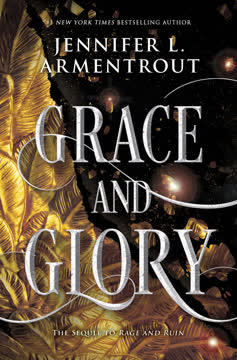
Grace and Glory is a sweeping, emotionally charged conclusion to a trilogy that reimagines angelic and demonic lore through the lens of trauma, love, and self-acceptance. At its heart, the novel is about the power of love to redeem, heal, and transform—not just individuals, but the world itself. Trinity's journey from weapon to woman, from mortal to immortal, is a testament to resilience and the refusal to be defined by fate or disability. The story interrogates the nature of good and evil, the cost of redemption, and the meaning of faith—not as blind obedience, but as the courage to hope and act in the face of despair. The alliances between Wardens, demons, and Fallen angels reflect a world where old boundaries are breaking down, and survival depends on empathy, forgiveness, and the willingness to change. The novel's treatment of disability is nuanced and empowering, refusing to reduce Trinity to her blindness while acknowledging its challenges. Ultimately, Grace and Glory is a celebration of love's power to defy death, rewrite destiny, and create new worlds—one immortal bond at a time.
Last updated:
Review Summary
Grace and Glory received mixed reviews. Many readers praised it as an exciting conclusion to the trilogy, with compelling romance and action. Some enjoyed the character development and plot twists. However, others felt underwhelmed, citing predictable storylines and inconsistent pacing. The introduction of Lucifer as a character was generally well-received. Some readers expressed disappointment with certain plot resolutions and character arcs. Overall, fans of the series found it a satisfying ending, while others felt it didn't live up to expectations.