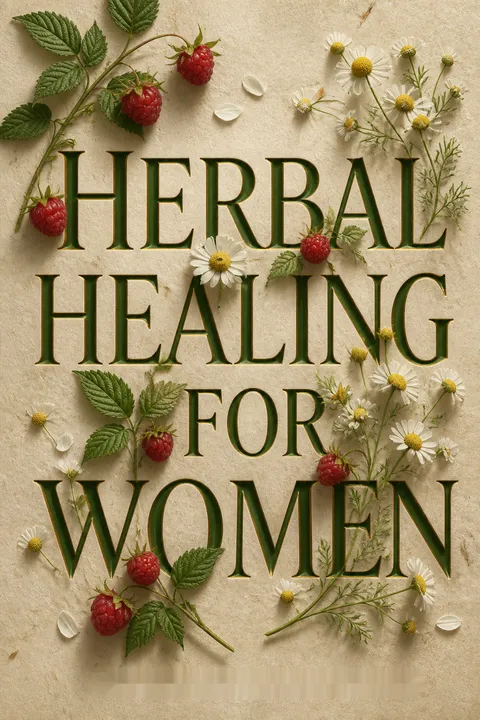


Key Takeaways
Use herbs to deepen care, not to replace necessary medicine
A wider view of healing. Gladstar presents herbalism as a practical tradition rooted in plants, caregiving, and generations of shared knowledge. She argues that conventional medicine and herbal care need not be rivals: herbs may support prevention and everyday care, while medical treatment can be essential in emergencies and serious illness. Her preferred approach is to begin with less invasive support and escalate when needed, rather than insist that one system suits every person or problem.
A lesson in flexibility. The author recounts herbalist Joanne, whose prolonged labor exhausted her despite her wish for a home birth. Joanne and her birth team chose hospital care, and her son was born. The story makes the book's strongest practical point: commitment to a healing tradition should not outrank the needs of the person being treated.
What's striking is the book's insistence that integrative care should be pluralistic rather than ideological. That remains a useful principle: patients benefit when clinicians know what supplements they use and can discuss risks without contempt. The boundary matters, though. Herbs can interact with medicines, vary in strength, and lack reliable evidence for many claimed uses. Complementary care is safest when it adds support without delaying diagnosis or proven treatment.
Start with a few plants, then combine direct observation with careful study
Learn deeply, not broadly. Gladstar recommends choosing a small number of herbs and getting to know them through gardening, smell, taste, appearance, and simple preparations. She warns that a crowded shelf and a head full of facts can create the impression of expertise without much familiarity with the plants themselves. Her advice is to balance hands-on experience with reading, and to consult multiple reliable herbals because sources may describe a plant differently.
Quality is practical. The book suggests judging dried herbs by their color, aroma, flavor, and apparent freshness, then protecting them from light, heat, air, and moisture. It encourages growing herbs where possible and avoiding plants gathered from polluted places. The goal is not collecting a vast inventory. It is learning what a plant is, how it is prepared, and what limits apply before using it.
This method resembles apprenticeship in craft: perception improves through repeated contact, while books help name and organize what experience reveals. That combination can make learning memorable and foster care for local ecosystems. But sensory familiarity cannot confirm a plant's identity, purity, or medical effect. Those questions require dependable identification, quality controls, and evidence. The book's strongest version of experiential learning is therefore partnership between observation and verification, not intuition treated as a safety test.
Make herbal practice traceable: measure, label, and record what you prepare
Preparation shapes the result. A major section teaches home methods for teas, infused oils, salves, syrups, capsules, and tinctures. It distinguishes an infusion, made by steeping more delicate plant parts in water, from a decoction, simmered to extract material from tougher roots or bark. A tincture uses a liquid solvent, called a menstruum, to draw plant compounds into a concentrated extract. The book also explains the simplers' method of measuring recipes in proportional parts, provided the same unit is used throughout.
Keep the process visible. Gladstar recommends making small batches, noting the date and ingredients, labeling intended use, and recording what worked or failed. She treats these habits as part of responsible preparation, not administrative fuss. In a modern setting, they also make it easier to identify a product, avoid mix-ups, and communicate clearly with a health professional.
The emphasis on records anticipates basic principles of reproducible practice: a preparation is more useful when its ingredients, source, and handling are known. That principle extends well beyond herbalism to food safety and medication management. Still, a neat label cannot establish that a homemade product is sterile, stable, correctly identified, or effective. Documentation improves accountability, but it does not replace validated manufacturing standards or clinical evidence.
Question both laboratory shortcuts and tradition's claims about plant safety
The whole plant question. Gladstar challenges tests that isolate a plant chemical and expose animals to high doses, arguing that a whole herb may act differently from one extracted component. She illustrates this with controversies over sassafras and comfrey, which she says were judged through methods that did not reflect ordinary human use. At the same time, she acknowledges that some plants are highly toxic and should not be used by inexperienced people.
A necessary correction. The book gives long historical use considerable weight, but history alone cannot show that an herb is safe or effective. The comfrey debate is especially important because the author presents reassuring arguments about risks that remain serious. Readers should treat the book's examples as a record of an argument, not as evidence that a plant is safe to consume or use medicinally.
The underlying question is scientifically important: an isolated compound may not predict every effect of a complex mixture. Yet the reverse is also true. Complexity does not guarantee safety, and a history of use can miss rare, delayed, or poorly documented harms. Modern evaluation can combine chemistry, pharmacology, clinical research, and traditional knowledge. The useful stance is neither automatic faith in laboratory results nor automatic deference to inherited practice, but scrutiny of dose, route, population, and quality of evidence.
Honor menstrual and life-stage changes without forcing anyone into a ritual
A life-stage map. The book organizes women's health around adolescence, the childbearing years, and menopause, and associates these stages with changing phases of the moon. Gladstar uses the images of daughter, mother, and elder to invite readers to see each transition as meaningful rather than shameful. Her account of a gathering where women passed a speaking object and shared memories of their first periods shows how listening can replace silence with practical understanding.
Let the person choose. The author suggests ceremonies for a young woman's first period, but stresses that the daughter should be asked and involved in planning. A surprise celebration can embarrass rather than support her. The lasting lesson is not that every person needs a ceremony; it is that young people deserve honest information, respect, and a say in how a major bodily change is acknowledged.
Ritual can make an ordinary biological event socially legible. In developmental psychology, that kind of recognition can support identity and belonging, especially when it gives the young person agency. The moon imagery offers a memorable symbolic language, but it should not be confused with a biological account of menstrual timing. Similarly, the book's claim that nearby women synchronize cycles is not established simply by anecdote. Meaningful ceremony and accurate health education can coexist without treating metaphor as proof.
Track recurring symptoms instead of dismissing them as normal or purely emotional
Patterns matter. Gladstar asks readers to notice what is usual for their own bodies and to pay attention when problems recur. She lists concerns including severe pain, unusually heavy bleeding, bleeding between periods, persistent discharge, and breast lumps. Her approach emphasizes keeping records of symptoms and seeking a qualified health professional when a problem persists or seems serious. She also argues that stress, nutrition, and emotional experience can affect wellbeing, and encourages readers to consider these alongside physical factors.
Do not guess at causes. The book sometimes links reproductive problems to blocked emotions or lifestyle imbalance. Those ideas may prompt reflection, but they cannot establish a diagnosis. A repeated symptom can have many possible causes, some requiring timely assessment. Self-observation is useful when it helps a person explain what is happening to a clinician, not when it becomes a reason to wait indefinitely or assume the cause is psychological.
Symptom tracking is a low-tech form of useful data collection. Dates, severity, duration, and accompanying changes can help both patient and clinician distinguish a one-off episode from a persistent pattern. The book's holistic frame can make room for stress and context, which are often neglected in hurried care. Its limits are equally important: emotional explanations can become self-blame if treated as causes without evidence. Context enriches assessment; it should not substitute for it.
During pregnancy, verify every herb with qualified medical support
Caution is the central rule. Gladstar advises pregnant readers to favor herbs she regards as food-like tonics and avoid plants she associates with toxicity or uterine stimulation. She also warns that some familiar remedies may be inappropriate during pregnancy. But the chapter's safety categories and recommendations reflect a 1993 text, not a current, comprehensive guide to pregnancy medicine. Its lists should not be used to decide that a particular herb, supplement, tea, or topical preparation is safe.
The birth story sets a better example. Joanne, an experienced herbalist, planned a home birth but transferred to a hospital after prolonged labor left her depleted and the birth team saw reason for concern. Her story shows that adapting a plan to clinical circumstances can be the most responsible choice. Pregnancy and labor warrant qualified care, especially when symptoms change or complications are suspected.
Pregnancy changes how medicines and supplements may affect both the pregnant person and fetus, while product strength and contamination can be difficult to assess. A trusted midwife or physician can help evaluate the exact product, dose, timing, and medical context. This does not require rejecting herbal traditions; it requires treating pregnancy as a setting where uncertainty has higher stakes. In particular, old advice involving uterine stimulants or vaginal preparations should not be followed without current professional guidance.
Design a health plan you can sustain, and review its effects systematically
Keep the plan workable. Gladstar argues that an elaborate regimen is useless if the person cannot maintain it. She recommends writing down a plan, choosing only a manageable set of changes, and tracking progress. Her sample health profile asks about physical symptoms, diet, exercise, stress, relationships, sleep, and previous health problems. The purpose is to notice possible connections and decide what deserves attention, rather than treating every symptom as a separate puzzle.
Adjust with care. The book suggests reviewing a plan after a defined trial period and changing it when it is not helping. That can make routines more realistic, but the author's suggested timeframes are not universal standards. For serious, worsening, or unexplained symptoms, professional evaluation should come first. A record of what changed and when can support a more informed conversation than memory alone.
This is a practical version of behavior design: plans work better when they fit a person's actual time, resources, and preferences. Tracking also resembles an individual experiment, but self-experiments are vulnerable to placebo effects, natural symptom variation, and simultaneous changes in diet or routine. A simple log can reveal patterns without proving causation. Its greatest value is often communicative: it helps a patient describe the problem clearly and assess progress with a clinician.
See menopause as a life transition, not a failure to stay young
Change the cultural story. Gladstar challenges the idea that menopause makes women less useful, attractive, or productive. She describes it as a transition involving hormonal shifts and changing family, work, and personal roles. Her images of older women as experienced community members counter a culture that prizes youth above all else. The book also discusses nutrition, movement, rest, and herbs as ways women might support themselves through this period.
Do not let symbolism decide treatment. Gladstar is sharply critical of estrogen replacement therapy and encourages natural approaches, but her account reflects the medical debate of its time. Readers should not take its broad warnings as current individualized guidance, nor feel that using medical treatment betrays a natural life stage. The central insight is about dignity and choice: aging need not be treated as a defect, and symptoms deserve care when they disrupt life.
The cultural critique remains powerful because ageism can make ordinary transitions feel like personal failures. At the same time, rejecting youth worship should not romanticize discomfort or narrow treatment choices. Menopause varies widely, and decisions about hormonal or nonhormonal care depend on symptoms, history, risks, and preferences. The strongest version of Gladstar's message separates respect for aging from any single therapy: women deserve informed options without pressure either to medicalize every change or to endure significant symptoms as proof of virtue.
Analysis
Herbal Healing for Women is a hybrid of practical manual, personal essay, and cultural argument. Its organizing journey moves from a defense of women's inherited healing knowledge, through basic preparation techniques, then across adolescence, reproductive life, pregnancy, and menopause. That breadth is its chief strength and its central summarizing challenge: the book is not one treatment protocol but a worldview, a craft curriculum, and a large collection of condition-specific advice.
The most durable contribution is not a particular herb formula. It is the invitation to become attentive: learn a few plants, understand how preparations are made, notice bodily patterns, keep records, and build care around a person's real life. The stories give this invitation emotional weight. The young woman frightened by her first bleeding, the circle of women sharing memories, and Joanne's transfer from planned home birth to hospital care all show how knowledge, community, and flexibility can matter alongside remedies. The book also rejects the idea that one medical system should answer every need.
Its historical and spiritual narrative is more complicated. Gladstar frames herbalism as a feminine tradition suppressed by witch-hunts and modern medicine, and uses lunar and archetypal imagery to dignify bodily change. Those ideas can restore cultural meaning, but they are not the same as historical proof or biomedical explanation. The same distinction is essential when reading its medical claims. The text often treats long use, personal experience, and whole-plant complexity as evidence, while its assertions about safety, hormones, infections, and disease are not consistently supported by controlled research. Several recommendations are risky by current standards.
A responsible adaptation therefore preserves the book's strongest method and its humane stories while refusing to convert its recipes into instructions. Its practical legacy is best expressed as informed curiosity, not self-treatment at all costs: relationship with plants can enrich care, and clinical evaluation remains essential when symptoms are serious, persistent, or uncertain. The book is most valuable as a historically situated guide to herbal culture and women's health experience, read critically rather than followed as a contemporary medical reference.
Review Summary
Herbal Healing for Women receives high praise from readers, with an average rating of 4.38/5. Reviewers appreciate Gladstar's extensive herbal knowledge, accessible writing style, and comprehensive coverage of women's health issues across different life stages. Many find the book informative, empowering, and practical, with valuable recipes and remedies. Some readers note its gentle, compassionate approach to natural healing. While a few criticize certain dietary recommendations or organizational aspects, most consider it an invaluable resource for women interested in herbal medicine and self-care.
People Also Read





Glossary
simplers
practical traditional herbalistsGladstar uses simplers for herbalists who rely on straightforward remedies, familiar local plants, practical experience, and common sense. The term contrasts with elaborate systems of formulation and measurement, though the book also recommends adding research and basic scientific knowledge. It describes an approach to learning and practice, not a guarantee that a remedy is safe or effective.
menstruum
liquid extraction solventA menstruum is the liquid used to draw plant constituents into an herbal preparation. In the book's tincture-making discussion, common menstruums include alcohol, glycerin, and vinegar, each of which extracts and preserves different components. The appropriate solvent depends on the plant material and intended preparation; the term itself does not establish the safety or effectiveness of the finished product.
infusion
steeped herbal preparationAn infusion is a water-based preparation made by steeping plant material, usually leaves, flowers, or other delicate parts, in hot or warm water. Gladstar distinguishes it from a decoction, which simmers tougher material such as roots or bark. Infusion strength and steeping time vary in the book, and a traditional method should not be assumed to produce a standardized medicinal dose.
decoction
simmered herbal preparationA decoction is made by simmering tougher plant parts, commonly roots, bark, or seeds, in water to extract their constituents. Gladstar contrasts this process with infusions, which are used for more delicate material. The book offers several preparation variations, but their descriptions are traditional instructions rather than validated standards for consistent potency, safety, or clinical effect.
adaptogens
stress-response supporting herbsGladstar uses adaptogens for herbs she believes help the body adjust to changing conditions and stress while supporting general resilience. The book applies the term to plants such as astragalus and echinacea. It is specialized herbal vocabulary, not proof that every plant called an adaptogen has the same action or that the claimed effects are established for a particular illness.
Wise Woman tradition
women-centered healing heritageThe Wise Woman tradition is Gladstar's name for a community-based approach to healing associated with women, elders, practical plant knowledge, intuition, and care passed between generations. She presents it as a source of cultural identity and personal agency. The term expresses the book's guiding philosophy; it is not a single standardized medical system or a substitute for professional diagnosis.
uterine tonics
uterus-supporting herbsUterine tonics are herbs that the book describes as nourishing, strengthening, or supporting the female reproductive system, often for use over time. Gladstar places plants including raspberry leaf, nettle, and dong quai in this category. The label reflects traditional herbal classification and does not by itself demonstrate a specific clinical benefit or establish suitability during pregnancy.
moon time
menstrual cycleMoon time is Gladstar's respectful, symbolic term for menstruation and the recurring menstrual cycle. It connects bodily rhythms with lunar imagery and provides language for discussing a life transition that the author believes is often treated with shame. The phrase functions culturally and metaphorically; it should not be taken as evidence that lunar phases determine an individual's menstrual timing.
FAQ
What is "Herbal Healing for Women" by Rosemary Gladstar about?
- Comprehensive women’s health guide: The book explores herbal remedies and natural therapies for women’s health issues across all life stages, from adolescence to menopause.
- Holistic approach: It integrates diet, lifestyle, emotional well-being, and herbal medicine to support women’s physical and emotional health.
- Practical herbal knowledge: Readers receive detailed herbal formulas, preparation methods, and treatment programs for both common and complex women’s health problems.
- Empowerment and tradition: The book encourages women to reclaim the Wise Woman tradition, blending ancient wisdom with modern herbal science.
Why should I read "Herbal Healing for Women" by Rosemary Gladstar?
- Empowerment through knowledge: The book helps women understand their bodies and health cycles, offering tools for natural and safe self-care.
- Trusted expertise: Rosemary Gladstar is a renowned herbalist, and her decades of experience make the information reliable and practical.
- Addresses common concerns: It covers a wide range of topics, from menstrual issues to menopause, providing natural alternatives to conventional treatments.
- Cultural and historical context: The book honors the legacy of women healers and explains the resurgence of herbalism in modern times.
What are the key takeaways from "Herbal Healing for Women" by Rosemary Gladstar?
- Herbal remedies for every stage: The book provides specific herbal solutions for adolescence, fertility, pregnancy, childbirth, and menopause.
- Holistic and intuitive healing: It emphasizes the importance of integrating physical, emotional, and spiritual health, encouraging intuitive connection with plants.
- Practical guidance: Readers learn how to select, prepare, and use herbs safely, with recipes for teas, tinctures, salves, and more.
- Complementary to Western medicine: Gladstar advocates for using herbalism alongside allopathic medicine, choosing the least invasive treatments first.
What are the main stages of womanhood discussed in "Herbal Healing for Women" and why are they important?
- Adolescence (Waxing Moon): Focuses on birth, growth, and beginnings, supporting menstrual health and hormonal balance.
- Midlife and Pregnancy (Full Moon): Emphasizes fertility, motherhood, and nourishment, with herbal support for reproductive health.
- Menopause (Waning Moon): Centers on transformation and inner power, offering guidance for managing menopausal symptoms and embracing this phase.
- Symbolic connections: Each stage is linked to moon phases and goddess archetypes, deepening the understanding of women’s cycles.
How does Rosemary Gladstar describe the relationship between herbalism and Western medicine in "Herbal Healing for Women"?
- Complementary systems: Herbalism and allopathic medicine are seen as working together, representing feminine and masculine energies.
- Sequential treatment approach: Gladstar suggests starting with the least invasive methods (herbs, words) before moving to drugs or surgery.
- Herbs nourish and restore: Unlike drugs that target symptoms, herbs rebuild the body on a cellular level with fewer side effects.
- Integration for well-being: Using both systems thoughtfully can enhance overall health and reduce reliance on pharmaceuticals.
What is the "Wise Woman" tradition and how does it shape "Herbal Healing for Women"?
- Ancient female wisdom: The tradition highlights women as healers, midwives, and keepers of herbal knowledge.
- Holistic and intuitive healing: It encourages connecting with the body and nature through herbs, rituals, and self-care.
- Cultural and spiritual context: The book frames herbal healing as part of a woman’s life journey, honoring rites of passage and moon cycles.
- Empowerment: Reclaiming this tradition helps modern women take charge of their health and well-being.
What are the best ways to begin studying and using herbs according to "Herbal Healing for Women"?
- Start with the plants: Spend time observing, smelling, and connecting with herbs directly to build an intuitive relationship.
- Select a small herbal pantry: Focus on a few versatile, commonly available herbs to gain confidence and deep knowledge.
- Use herbs practically: Begin with simple uses like teas for digestion or stress, and gradually try remedies for common ailments.
- Hands-on experience: Practical application is key to learning and understanding herbal medicine.
What are the main methods of herbal preparation detailed in "Herbal Healing for Women"?
- Teas (Infusions and Decoctions): Infusions are for leaves and flowers; decoctions for roots and bark, with various steeping methods explained.
- Oils and Salves: Herbs are infused in oils and combined with beeswax for topical healing applications.
- Tinctures and Capsules: Tinctures use alcohol, glycerin, or vinegar for concentrated extracts; capsules contain powdered herbs for convenience.
- Proper storage: Emphasis on storing preparations in airtight containers away from light and heat to preserve potency.
How does "Herbal Healing for Women" address the safety and quality of herbs?
- Quality matters: Gladstar recommends wildcrafted or organic herbs to ensure potency and avoid contamination.
- Sensory evaluation: Good herbs should have fresh color, strong scent, and distinctive taste; poor quality herbs lack vitality.
- Proper storage: Herbs should be kept in airtight glass containers, away from light, heat, and moisture.
- Safe usage: The book provides guidelines for safe dosages and cautions, especially for pregnancy and sensitive conditions.
What are the key herbal therapies for menstrual problems in "Herbal Healing for Women"?
- Cramp bark and black cohosh: Used for their uterine relaxant and hormone-regulating properties to relieve cramps and balance cycles.
- Raspberry leaf and vitex: Raspberry leaf tones the uterus; vitex normalizes hormone production for irregular or painful menstruation.
- Diet and lifestyle: Emphasizes whole grains, leafy greens, reduced estrogenic foods, stress management, and exercise.
- Herbal teas and external applications: Specific blends and topical treatments are recommended for cramps, heavy bleeding, and PMS.
How does Rosemary Gladstar suggest using herbs safely during pregnancy in "Herbal Healing for Women"?
- Favor tonic and food herbs: Alfalfa, nettle, dandelion, raspberry leaf, oat straw, melissa, and chamomile are safe for daily use.
- Avoid uterine stimulants: Herbs like black cohosh, blue cohosh, motherwort, pennyroyal, and yarrow should be avoided during most of pregnancy.
- Caution with strong herbs: Herbs high in alkaloids or with strong effects, such as goldenseal and senna, should be used sparingly or not at all.
- Practical remedies: The book provides safe herbal solutions for common pregnancy issues like morning sickness and heartburn.
What are Rosemary Gladstar’s favorite herbs and natural approaches for menopause in "Herbal Healing for Women"?
- Black cohosh and dong quai: Used for hormone regulation, hot flashes, and mood swings.
- Nettle and oat straw: Provide essential minerals for bone health and reduce fatigue and water retention.
- Ginseng and vitex: Support energy, mood, and hormonal balance, alleviating symptoms like irregular cycles and emotional instability.
- Natural remedies for symptoms: Includes dietary changes, vitamin E, sage tea, herbal ointments, and Kegel exercises for hot flashes and vaginal dryness.
About the Author
Other books by Rosemary Gladstar
Download PDF
Download EPUB
.epub digital book format is ideal for reading ebooks on phones, tablets, and e-readers.








