



Plot Summary
Raised Behind the Iron Fence
After their parents die in a house fire, four-year-old Sally1 and her younger sister2 Gillian2 are raised by two aunts7 in the gloomy Owens house. The town blames the family for misfortune, and children torment the sisters as witches. Sally1 hides her intelligence and tries to be good; Gillian2 answers cruelty with swagger.
When the aunts’7 cats follow Sally1 to school, one boy sets Magpie’s tail alight. Sally1 smothers the flames with her blue dress and curses the boy. A ceiling tile falls on him moments later, deepening the town’s fear of the Owens girls. Sally1 saves the cat, but privately condemns herself for resenting the humiliation before she acted.
The sisters’ difference is not simply temperament. Sally learns to survive by shrinking herself, while Gillian makes rejection visible and dares others to respond. Their childhood gives them a shared refuge, but also teaches them that attention can be dangerous. The cat incident sharpens that lesson for Sally: even when she does the compassionate thing, she judges herself for the anger that came first. The town’s accusations turn ordinary childhood pain into evidence of witchcraft, giving the girls a reputation that both protects and isolates them.
The Dove Heart's Price
Sally1 and Gillian2 listen from the back stairs as a kind young drugstore worker13 asks their aunts7 to make her irresistible to a married school principal.14 The aunts7 warn that the charm cannot be undone, then give her a dove’s heart to pierce while repeating the spell.
The girls follow the couple and see the principal14 abandon his wife to marry the woman,13 but his devotion becomes surveillance: he follows her everywhere and will not let her alone. When she returns to the Owens house, demanding a remedy, the aunts7 refuse to help. She strikes Sally1 in the garden and loses her voice. Sally1 concludes that desire can trap its owner, and her belief in ordinary love hardens into caution.
The spell does not manufacture intimacy; it magnifies possession until the recipient’s wish becomes its own punishment. The young woman asks for certainty and receives a love stripped of freedom, while the aunts’ warning proves accurate but cannot undo the harm. Sally sees the consequence before she has any adult experience of love, so her later caution is not abstract prudery. It is a protective strategy learned from watching a person lose control of the very desire she thought would save her.
Two Sisters Leave Differently
At eighteen, Gillian2 elopes with a boyfriend, escaping down sheets tied from her bedroom window; within weeks, she leaves him for the mechanic who repaired their car. Sally1 stays behind, convinced that passion means losing herself. Then, on a midsummer night, the sparrow that usually signals trouble never appears.
Sally1 takes its absence as proof that life can change, runs to the hardware store, and falls for Michael,8 its thoughtful clerk.8 They marry and live with the aunts.7 Michael’s8 steady kindness softens the house: roses replace weeds, the rooms grow warmer, and their daughters Antonia4 and Kylie3 arrive. The sisters’ paths diverge, but Sally’s1 letters keep reaching for Gillian,2 even as Gillian2 moves from town to town.
The missing sparrow matters because Sally treats a break in superstition as evidence that her own life need not repeat itself. Her marriage grows through daily acts of care rather than a spell or grand romantic gesture, directly countering the childhood model of love as compulsion. Gillian’s flight looks freer, but the sisters’ separation is not a clean break: Sally keeps writing, preserving a connection that neither knows how to repair face to face.
The Deathwatch Clicks
A deathwatch beetle begins clicking near Michael’s chair, and the aunts7 try herbs, charms, and prayers to protect him. Sally1 dismisses their warnings as superstition, though fear makes her unable to eat or sleep. Michael8 stops wearing his watch and turns back the household clocks, but one spring evening a car driven by drunk teenagers strikes him as he crosses the street.
Sally1 stops speaking and withdraws from her daughters. A year later, seeing green return to the garden helps her step back into the world. When she sees Antonia4 shoved down in a park and hears herself call out, she recognizes how isolated her girls remain in the Owens name. She moves them away, hoping a new town will let them live ordinarily.
Sally’s skepticism cannot shield her from grief, and the beetle’s warning becomes painful precisely because she refuses to let the aunts’ knowledge count. After Michael’s death, her silence is less a decision than a collapse of the practical identity she built around care. Leaving Massachusetts is another attempt at protection, but this time she acts for her daughters. The move expresses both courage and a familiar hope: that changing the setting can prevent old patterns from following them.
A Body Beneath Lilacs
Eighteen years after leaving, Gillian2 appears at Sally’s1 house in the middle of the night with Jimmy Hawkins9 dead in her car. She admits that she secretly put nightshade in his food to make him sleep before his drinking turned violent. The dose was meant to control him, not kill him, but he collapsed at a New Jersey rest stop.
With no money and afraid of arrest, Gillian2 asks Sally1 for help. The sisters bury Jimmy9 beneath Sally’s1 lilacs, concealing the body in the garden. Gillian2 grieves even as she describes his cruelty, and the bushes bloom extravagantly after the burial. Biology teacher5 Ben Frye5 sees Gillian2 beneath the flowers and becomes captivated.
Gillian’s return reverses her lifelong reflex to flee: the crisis forces her to seek the sister she abandoned. Her account of Jimmy holds attraction and abuse together, showing how affection can coexist with fear without making the harm less real. Sally helps conceal the body not because she approves of Gillian’s choices, but because sisterhood overrides the clean moral distance she has tried to maintain. The sudden lilacs make private violence publicly fragrant, foreshadowing how the buried past will affect the whole neighborhood.
Blonde Hair, Dark Visitor
On Kylie’s3 thirteenth birthday, Gillian2 bleaches her niece’s3 hair blond, hoping to give the tall, insecure girl a new sense of possibility. Sally1 sees the transformation as a threat, and Gideon,10 Kylie’s3 closest friend, feels she has changed beyond recognition. Alone in the garden that night, Kylie3 discovers she can see colored auras around people and spots Jimmy9 beneath the lilacs.
He appears only to her, but his malice brings household objects missing, food spoiled, and grief stirred up in neighbors drawn to the flowers. Kylie3 warns Sally1 and Gillian2 that he wants them fighting. Sally1 cuts the lilacs down, briefly quieting the haunting, though thorny growth later rises where the bushes stood.
Kylie’s new appearance is less important than the agency Gillian believes it can give her. The makeover becomes a conflict over who gets to define a girl’s readiness to grow up: her mother, her aunt, or Kylie herself. Her emerging sight makes her the only family member able to recognize the danger beneath the garden’s beauty. Sally responds with decisive labor, cutting away the flowers, but the returning thorns suggest that denial and removal are not the same as resolution.
Sisters Learn to Stay
After the lilacs are cut, a portrait of ancestor Maria Owens arrives from the aunts,7 and Gillian2 grows less afraid of the garden. She begins a relationship with Ben,5 a patient teacher and amateur magician5 who keeps pursuing her despite her attempts to push him away. Kylie3 feels displaced, while Antonia,4 whose beauty has always secured attention, grows uncertain and starts falling for Scott Morrison,11 a brilliant former classmate.11
On her way to Gideon’s10 house, Kylie3 is chased through a field by two men. She escapes to Antonia’s4 workplace, where Antonia4 shelters her and brings her home. The sisters’ shared fear softens years of cruelty. When Sally1 retreats to bed, Gillian2 draws her outside and urges her to imagine a life beyond motherhood.
The attack turns sibling loyalty from an ideal into action: Antonia protects Kylie before either can repair their relationship with words. That change matters more than the makeover, because it gives Kylie evidence that she is not alone. Meanwhile, Gillian’s care for her niece and her bond with Ben challenge her belief that closeness inevitably ends in harm. Sally’s withdrawal shows the cost of defining herself solely through service, and Gillian’s intervention returns intimacy to the sisters as well as to the next generation.
The Arizona Investigator
Gary Hallet,6 an investigator from Arizona,6 traces a letter Sally1 sent Gillian2 and arrives to ask about Jimmy,9 who is wanted in connection with students poisoned by fake drugs. The sisters deny knowing where he is. Gary6 finds Jimmy’s9 distinctive silver ring tucked beneath Sally’s1 cactus, and Gillian2 pretends not to recognize it.
After he leaves, Sally1 drives to the motel where he is staying and tells him Jimmy9 is buried in her yard. She asks Gary6 to stop pursuing the case because Gillian2 could be arrested. Their attraction becomes undeniable, but Sally1 pulls away rather than let desire decide what she owes her sister. When she returns home, Gillian2 urges her to call the aunts7 for help.
Gary’s investigation makes the sisters’ private complicity answerable to a public system of evidence. The ring defeats their rehearsed denials, but Sally’s confession is driven by more than fear of discovery: she cannot bear to keep lying to a man whose attention makes her feel newly visible. Her decision to stop short of romance is ethically complicated. She chooses loyalty and truth, yet still tries to control the consequences by asking Gary to look away.
The Aunts Face Jimmy
The aunts7 arrive from Massachusetts with suitcases full of supplies and insist the family deal with Jimmy9 before the coming hurricane. They determine that Gillian’s2 amount of nightshade could not have killed a man, though they cannot establish what did. Instead of investigating the death, they prepare a caustic mixture intended to dissolve the body and whatever remains attached to it.
As the thorn hedge lashes in the storm, Gillian2 pours the mixture over the buried remains. The earth opens, and Kylie3 nearly falls in before Antonia4 pulls her clear. A red vapor rises from the hole and vanishes. The family replaces the hostile hedge with a circle of blue stones, creating a clean space where Jimmy’s9 presence can no longer threaten them.
The aunts do not solve Jimmy’s death so much as end his power over the living. Their remedy is practical and supernatural at once, grounded in household materials but aimed at a spiritual wound. Gillian must act rather than flee, while Antonia’s rescue of Kylie completes the shift in their relationship begun in the field. The blue-stone patio does not erase the family’s past; it gives them a shared place that is no longer organized around fear.
Love Comes Home
Later, a letter from Arizona reports that Jimmy’s9 body has been found in the desert and identified through his silver ring; the investigation can close without the sisters being charged. Gillian2 marries Ben5 at town hall, choosing a commitment she once treated as a trap.
At Thanksgiving, the sisters return with their daughters and partners to the aunts’7 house. Sally1 and Gillian2 visit Irene,13 the former drugstore worker13 whose love spell once left her voiceless; they learn that she has rebuilt her life and remarried.
Back at the Owens house, Sally1 finds Gary6 in the garden. Instead of retreating into caution, she runs to him. The sisters’ return, their laughter, and Sally’s1 choice leave the story open to a love she no longer has to fear in advance.
The ending resolves the novel’s competing accounts of love without pretending that harm can be undone. Irene has made a life beyond the spell’s consequences, Gillian accepts marriage without surrendering her selfhood, and Sally risks desire rather than treating it as a verdict. The sisters’ return to Magnolia Street is not a retreat from the ordinary world they once sought; it is a chosen reunion with the people who know their history. Their inheritance becomes less a curse than a practice of care.
Analysis
Practical Magic treats family history as something both inherited and repeatedly remade. The Owens women possess real knowledge of herbs, spells, and uncanny events, but the town’s fear of them also shows how communities use superstition to blame people already marked as outsiders. Magic is therefore neither a private escape nor a simple source of power. It makes consequences visible. Irene13’s charm converts longing into captivity; Gillian2’s attempt to manage Jimmy9 with nightshade shows how fear can distort judgment; Kylie3’s perception makes her vulnerable to pain other people cannot see.
The sisters respond to abandonment in opposite ways. Sally1 tries to prevent harm through competence, routine, and self-denial. Gillian2 leaves before she can be left, using beauty and motion to keep intimacy at a distance. Their conflict is not a contest between virtue and recklessness. Each strategy protects against one wound while creating another. Sally1’s care can become control; Gillian2’s freedom can become flight. Reconciliation begins when their actions change: Sally1 helps Gillian2 face the buried body, Gillian2 helps Sally1 emerge from grief, and the girls protect one another when fear becomes physical.
The novel also distinguishes love from possession. The love spell and Jimmy9’s abuse share a logic of entitlement, while Ben5’s patience and Michael8’s domestic kindness model attention without coercion. That distinction does not make love safe. It makes choosing it an act of judgment rather than surrender. By the end, the family’s inheritance is not immunity from pain or a guarantee of happy outcomes. It is a set of stories, skills, and relationships that allow them to respond together. The blue-stone patio does not erase the grave; it marks the moment the family stops letting what is buried dictate how they live.
Review Summary
Practical Magic received mixed reviews from readers. Many praised Hoffman's lyrical writing style and magical elements, but felt the book differed significantly from the popular film adaptation. Some found the characters and relationships compelling, while others thought they lacked depth. The slower pacing and meandering plot were points of contention. Several reviewers noted the darker themes compared to the movie. Overall, opinions were divided, with some considering it a charming, enchanting read and others finding it disappointing or superficial.
People Also Read







Characters
Sally Owens
The careful elder sisterSally is Gillian’s2 older sister, a practical, observant woman who trusts facts because they seem safer than desire. Orphaned young, she takes responsibility early and becomes skilled at cooking, organizing, and caring for others. She wants an ordinary home and works hard to give her daughters the security she never had. Her discipline can become self-denial: she judges her own anger, distrusts passion, and often assumes she must carry every burden alone. Yet beneath her reserve is a deep capacity for loyalty. Sally’s decisions are shaped by the tension between keeping life manageable and allowing herself to want something that cannot be planned.
Gillian Owens
The restless younger sisterGillian is Sally’s1 younger sister, charismatic and impulsive, with an ease around strangers that often conceals insecurity. She has spent much of her life leaving first, convinced that dependence gives other people the power to abandon her. Her beauty attracts attention, but attention is not the same as being understood, and her repeated romantic entanglements reveal how difficult she finds lasting trust. Gillian’s wit and appetite for pleasure are genuine, not merely disguises, but she can mistake escape for freedom. Her affection for her nieces brings out a protective tenderness she has rarely allowed herself to express.
Kylie Owens
The sensitive younger daughterKylie is Sally’s1 younger daughter, a tall, thoughtful girl who feels other people’s distress intensely and struggles to find her place beside her glamorous older sister. She is tender toward animals and reluctant to hurt anyone, even when she is hurt herself. Her closeness with Gillian2 offers a model of womanhood different from Sally’s1 caution, though it can also leave her feeling caught between family loyalties. Kylie’s unusual attentiveness makes her notice what other people overlook, but sensitivity can become isolating when she has no way to explain what she perceives.
Antonia Owens
The dazzling older daughterAntonia is Sally’s1 elder daughter, strikingly beautiful and accustomed to receiving attention. As a teenager she can be sharp and self-centered, especially toward Kylie3, whose insecurities make an easy target. Beneath her confidence, Antonia fears becoming ordinary and has to reconsider whether admiration is the same as being valued. Her relationship with Scott11 offers a connection that asks more of her than an audience does. Antonia’s fierceness is not limited to defending herself; when someone she loves is in danger, she can act with courage and care.
Ben Frye
The patient magicianBen is a biology teacher, amateur magician, and Gillian’s2 romantic interest. His work with children and his practiced illusions reveal a gentle showman’s instinct: he likes to create wonder, but he is also attentive to the people watching. He pursues Gillian2 with unusual patience, even when she insists that she is not a safe person to love. Ben’s own fear of losing people complicates that devotion, making his persistence both generous and vulnerable. He represents a kind of intimacy Gillian2 has rarely experienced, one built on attention rather than control.
Gary Hallet
The Arizona investigatorGary is an investigator for Arizona’s attorney general, sent east while following a case connected to Jimmy Hawkins9. He is observant, persistent, and guided by a strong sense of responsibility, but his work does not make him emotionally detached. He carries the memory of a loving grandfather and has a habit of letting grief show rather than disguising it. His immediate attraction to Sally1 complicates his professional judgment, forcing him to distinguish what he wants from what the investigation requires.
Aunt Frances and Aunt Jet
The Owens family eldersFrances and Jet are sisters who raise Sally1 and Gillian2 in their old Massachusetts home. They are formidable, eccentric, and knowledgeable about herbs, household remedies, and the hidden costs of desire. Their affection tends to arrive through practical acts rather than conventional comfort, and they rarely soften a warning to make it easier to hear. They preserve family customs while allowing the girls considerable freedom, sometimes too much. Their long history of heartbreak has made them wary of love, but not indifferent to the younger women in their care.
Michael
Sally's steady husbandMichael works at the hardware store and becomes Sally’s1 husband and the father of Antonia4 and Kylie3. Thoughtful and good-natured, he wins the aunts’7 trust by treating them warmly and helping without being asked. He is comfortable in the Owens household without trying to explain or control its unusual customs. His steadiness gives Sally1 a glimpse of love built through everyday care.
Jimmy Hawkins
Gillian's volatile partnerJimmy is Gillian’s2 boyfriend, a handsome, forceful man with a criminal past and a capacity for cruelty. His charm makes it difficult for Gillian2 to reconcile the tenderness she sometimes sees with the fear she often feels. He is careless with other people’s safety and seems to expect his desires to take precedence. Jimmy’s presence in Gillian’s2 life exposes how attachment can persist even when a relationship has become dangerous.
Gideon Barnes
Kylie's unconventional friendGideon is Kylie’s3 closest friend, an intelligent, eccentric boy who resists fitting in and speaks with bluntness that can be mistaken for indifference. Chess gives him and Kylie3 a shared language of strategy and challenge. He is sensitive to changes in their friendship, even when he has trouble admitting how much it matters. Gideon’s loyalty is sincere, but he expects honesty from people he trusts and can be hurt when he feels shut out.
Scott Morrison
Antonia's thoughtful suitorScott is a gifted former classmate of Antonia’s4 who returns from Harvard for the summer. His intelligence once made him an outsider, and university life has forced him to work harder than he expected. He is dryly funny, earnest, and more perceptive than Antonia4 first assumes. Their connection grows when she sees the person behind his academic reputation and he recognizes depth beneath her practiced beauty.
Maria Owens
The family ancestorMaria is the Owens ancestor who built the family home and established many of its traditions. A single mother who trusts her own judgment, she draws both suspicion and desire from the people around her. Her portrait becomes a visible reminder that the family’s history includes self-possession as well as heartbreak.
Irene
The drugstore workerIrene is a kind young drugstore employee whose longing for a married man leads her to seek the aunts’7 help. Her story becomes a warning to Sally1 and Gillian2 about the difference between being loved and being free. She is also a person in her own right, not merely an example of the aunts’7 power.
Mr. Halliwell
The school principalMr. Halliwell is the married principal who becomes the focus of Irene’s13 spell. His response demonstrates how a charm can turn attraction into fixation, disrupting his family life and Irene’s13 sense of safety.
Plot Devices
Owens family folklore
Warnings woven into daily lifeThe novel frames family knowledge through superstitions about birds, plants, weather, and household objects. Some warnings prove accurate, while others reflect fear or coincidence, leaving characters to decide what evidence deserves trust. The customs give the aunts7 a practical vocabulary for the uncanny and offer the sisters a way to interpret emotions that their town would rather label witchcraft. They also create a tension between Sally’s1 rational habits and the family’s inherited experience, without making either stance entirely sufficient.
Love spells and herbs
Desire made dangerously literalThe aunts’7 remedies turn longing into an action with consequences. The dove-heart charm demonstrates that getting exactly what one asks for can destroy the freedom that made the desire meaningful. Herbs also serve more mundane purposes, from soothing ailments to controlling behavior, and their effects depend on knowledge, motive, and dose. The spells make love neither automatically virtuous nor automatically foolish. Instead, they expose the difference between seeking mutual attachment and trying to compel another person.
The lilac hedge
Buried history made visibleThe lilacs grow beyond their proper season after Jimmy9 is hidden beneath them. Their fragrance draws people carrying private grief and desire, while their changing form reflects the force gathered in the garden. When Sally1 cuts them down, the immediate danger seems to fade, but thorny growth returns, showing that removing a visible sign does not necessarily resolve what lies beneath it. The hedge becomes the story’s clearest meeting point between domestic space, memory, and supernatural threat.
Kylie's second sight
A child reads hidden distressAround her thirteenth birthday, Kylie3 begins seeing colored auras and sensing the emotions people conceal. This perception helps her identify the figure haunting the garden and notice grief in strangers, but it also overwhelms her. The ability is not a simple power to control events; Kylie3 can recognize danger without always knowing how to stop it. Her second sight turns a family secret into a shared problem and forces the adults to take seriously what they would otherwise dismiss.
Ancestral objects
The past enters the presentMaria Owens’s12 portrait, the silver ring, and the aunts’7 blue stones each give family history a physical form. The portrait offers a model of female self-possession; the ring connects a concealed crime to an outside investigation; the stones help the family claim space after danger has been confronted. These objects do not act as interchangeable magical tokens. Each links a different kind of inheritance: identity, accountability, or protection.
FAQ
Synopsis & Basic Details
What is Practical Magic about?
- Family legacy and magic: Practical Magic tells the story of the Owens sisters, Gillian and Sally, who navigate life burdened by their family's reputation as witches in a small town.
- Love, loss, and redemption: The novel explores themes of love and redemption, loss, and the search for normalcy as the sisters grapple with their magical heritage and its impact on their relationships.
- Supernatural and mundane: The story blends elements of the supernatural with everyday life, creating a world where magic is both a source of wonder and a cause of fear and isolation.
Why should I read Practical Magic?
- Enchanting storytelling: Alice Hoffman's writing style is lyrical and evocative, creating a captivating atmosphere that draws readers into the world of the Owens family.
- Complex characters: The novel features well-developed characters with relatable struggles, making it easy to connect with their emotional journeys and root for their happiness.
- Exploration of universal themes: Practical Magic delves into timeless themes of love, family, and self-acceptance, offering insights into the human condition that resonate with readers of all ages.
What is the background of Practical Magic?
- Small-town prejudice: The novel is set in a small town where the Owens family faces prejudice and suspicion due to their perceived connection to witchcraft, reflecting historical attitudes towards outsiders and those deemed different.
- Magical realism: Hoffman blends realistic settings and characters with elements of magic and the supernatural, creating a world where the extraordinary exists alongside the ordinary.
- Female empowerment: The story celebrates the strength and resilience of women, particularly the Owens sisters, who defy societal expectations and forge their own paths in a patriarchal society.
What are the most memorable quotes in Practical Magic?
- "There was one girl who knew enough to go inside and lock the door three times, and not shed a single tear as she cut up the onions that were so bitter they would have made anyone else cry all night long.": Resilience in adversity: This quote highlights Sally's strength and determination in the face of hardship, showcasing her ability to cope with difficult situations without succumbing to despair.
- "Real love was dangerous, it got you from inside and held on tight, and if you didn't let go fast enough you might be willing to do anything for its sake.": Love's consuming nature: This quote captures the intensity and potential dangers of love, emphasizing its ability to control and influence one's actions and decisions.
- "It doesn't matter what people tell you. It doesn't matter what they might say. Sometimes you have to leave home. Sometimes, running away means you're headed in the exact right direction.": Embracing self-discovery: This quote underscores the importance of self-discovery and the courage to break free from societal expectations and familial burdens in order to find one's true path.
What writing style, narrative choices, and literary techniques does Alice Hoffman use?
- Lyrical prose and imagery: Hoffman employs vivid descriptions and sensory details to create a rich and immersive reading experience, drawing readers into the world of the Owens family.
- Alternating perspectives: The narrative shifts between the perspectives of Sally and Gillian, providing insights into their individual thoughts, feelings, and motivations, and highlighting their contrasting personalities.
- Foreshadowing and symbolism: Hoffman uses subtle foreshadowing and recurring symbols, such as the black wrought-iron fence and the sparrow, to hint at future events and deepen the thematic resonance of the story.
Hidden Details & Subtle Connections
What are some minor details that add significant meaning?
- Clockless and mirrorless house: The absence of clocks and mirrors symbolizes the Owens women's attempt to escape the constraints of time and societal expectations, creating a world where they can exist outside of conventional norms.
- Woodwork's fragrant cherrywood: The fragrant cherrywood that smells of ripe fruit even in winter represents the enduring presence of life and beauty within the Owens house, despite the darkness and isolation that surround it.
- Cats named after birds: The aunts' cats, named after birds, subtly foreshadow the themes of freedom and confinement, as the cats are both cherished companions and symbols of the Owens women's connection to the natural world.
What are some subtle foreshadowing and callbacks?
- Maria Owens' portrait: The dusty portrait of Maria Owens foreshadows the enduring legacy of magic and the burdens it places on future generations of Owens women.
- The deathwatch beetle: The ticking of the deathwatch beetle foreshadows Michael's untimely death, highlighting the inevitability of fate and the limitations of magic in preventing tragedy.
- Gillian's elopement: Gillian's use of white sheets to escape foreshadows her later reliance on Sally for help in dealing with Jimmy's death, highlighting the enduring bond between the sisters despite their differences.
What are some unexpected character connections?
- The drugstore girl and Sally: The drugstore girl's experience with unwanted love mirrors Sally's own fears and anxieties about relationships, creating a subtle connection between the two women despite their different social positions.
- Mr. Halliwell and the drugstore girl: Mr. Halliwell's obsession with the drugstore girl highlights the destructive power of unchecked desire, a theme that resonates throughout the novel and affects multiple characters.
- Gideon and Kylie: Gideon and Kylie's friendship provides a counterpoint to the romantic relationships in the novel, showcasing the importance of platonic love and acceptance in navigating adolescence and self-discovery.
Who are the most significant supporting characters?
- Aunt Frances and Aunt Jet: Guardians of tradition: The aunts serve as keepers of the Owens family's magical legacy, providing guidance and support to Sally and Gillian while upholding the traditions of their ancestors.
- Michael: Symbol of normalcy: Michael represents the possibility of a normal life for Sally, offering her love, stability, and a connection to the outside world, but his death underscores the fragility of happiness.
- Ben Frye: Chance at redemption: Ben offers Gillian a chance at redemption and a fresh start, providing her with unconditional love and acceptance despite her troubled past.
Psychological, Emotional, & Relational Analysis
What are some unspoken motivations of the characters?
- Sally's fear of vulnerability: Guarding against heartbreak: Sally's reluctance to embrace love stems from her fear of vulnerability and her desire to protect herself from the pain of loss, a consequence of witnessing her parents' tragic death and Michael's untimely demise.
- Gillian's need for validation: Seeking external approval: Gillian's impulsive behavior and tumultuous relationships are driven by her need for validation and her desire to escape the constraints of her family's reputation, leading her to seek approval from others.
- Kylie's desire for acceptance: Yearning for belonging: Kylie's transformation and her relationship with Gillian reflect her desire for acceptance and her struggle to define her own identity in the face of societal expectations and familial pressures.
What psychological complexities do the characters exhibit?
- Sally's repressed emotions: Internal conflict and denial: Sally's repressed emotions and her denial of her magical heritage create internal conflict, leading to periods of emotional numbness and a struggle to connect with others on a deeper level.
- Gillian's self-destructive tendencies: Cycle of self-sabotage: Gillian's self-destructive tendencies and her inability to maintain stable relationships stem from her low self-esteem and her belief that she is unworthy of love and happiness.
- Kylie's heightened sensitivity: Empathy and burden: Kylie's heightened sensitivity to the emotions of others creates a psychological burden, as she struggles to navigate the world while absorbing the pain and suffering of those around her.
What are the major emotional turning points?
- Michael's death: Loss and grief: Michael's death is a major emotional turning point for Sally, plunging her into a period of grief and isolation that challenges her ability to cope with loss and connect with her daughters.
- Gillian's confession: Confronting the past: Gillian's confession about Jimmy's death forces Sally to confront her sister's troubled past and the consequences of their family's legacy, leading to a reevaluation of their relationship and their shared history.
- The aunts' arrival: Reconnecting with heritage: The aunts' arrival marks a turning point for the Owens family, as they are forced to confront their magical heritage and the responsibilities that come with it, leading to a renewed sense of purpose and unity.
How do relationship dynamics evolve?
- Sally and Gillian: From rivalry to support: The relationship between Sally and Gillian evolves from rivalry and resentment to a deeper understanding and mutual support, as they learn to accept each other's differences and rely on their shared history.
- Sally and Kylie: From conflict to understanding: The relationship between Sally and Kylie shifts from conflict and misunderstanding to a greater appreciation for each other's perspectives, as Kylie navigates adolescence and Sally learns to let go of her need for control.
- Gillian and Ben: From turmoil to stability: Gillian's relationship with Ben evolves from initial hesitation and fear to a deep and lasting love, as she learns to trust and accept his unconditional support, allowing her to find stability and happiness.
Interpretation & Debate
Which parts of the story remain ambiguous or open-ended?
- The true nature of magic: Subjective interpretation: The novel leaves the true nature of magic open to interpretation, suggesting that it may be a force for good or evil depending on how it is used and the intentions of the practitioner.
- The extent of the aunts' powers: Uncertain boundaries: The extent of the aunts' powers remains ambiguous, leaving readers to wonder whether their abilities are genuine or simply the result of clever manipulation and psychological insight.
- The future of the Owens family: Enduring legacy: The novel's ending leaves the future of the Owens family open-ended, suggesting that they will continue to face challenges and navigate the complexities of their magical heritage, but with a renewed sense of unity and purpose.
What are some debatable, controversial scenes or moments in Practical Magic?
- Gillian's use of nightshade: Ethical boundaries: Gillian's decision to use nightshade to control Jimmy's behavior raises ethical questions about the use of magic and the boundaries of personal responsibility.
- The aunts' interventions: Moral implications: The aunts' interventions in the lives of others, particularly their use of love potions and curses, raise moral questions about the ethics of manipulating free will and the potential consequences of interfering in human relationships.
- Sally's initial rejection of magic: Denial vs. acceptance: Sally's initial rejection of magic and her desire for a normal life can be seen as both a responsible attempt to protect her daughters and a denial of her own identity and heritage.
Practical Magic Ending Explained: How It Ends & What It Means
- Acceptance and unity: Embracing the legacy: The ending of Practical Magic signifies the Owens family's acceptance of their magical heritage and their newfound unity in the face of adversity, suggesting that embracing one's true self is essential for finding happiness and fulfillment.
- Love and redemption: Transformative power: The novel concludes with the promise of love and healing for both Sally and Gillian, highlighting the transformative power of relationships and the potential for personal growth and redemption.
- Enduring legacy: Breaking the cycle: The final scene, with the blue stone patio, symbolizes the Owens women creating a space for themselves, free from the burdens of the past, and breaking the cycle of fear and isolation that has haunted their family for generations.
Practical Magic Series


About the Author
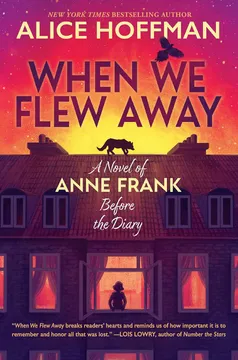
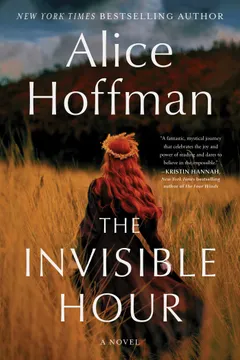
Other books by Alice Hoffman


Download PDF
Download EPUB
.epub digital book format is ideal for reading ebooks on phones, tablets, and e-readers.








