

Plot Summary
The Summons from Magnolia
In late 1950s Manhattan, Frances, Bridget, and Vincent Owens grow up under their mother Susanna’s strict rules, which are meant to hide a family history she refuses to explain. Each child already has an uncanny gift: birds gather for Franny, Jet senses other people’s thoughts, and Vincent charms nearly everyone he meets. Their mother’s rules cannot make them ordinary.
In 1960, a letter arrives inviting seventeen-year-old Franny to visit Aunt Isabelle in Massachusetts. Susanna admits she went at the same age, while the children’s father warns that the trip will awaken dangerous family traits. Franny accepts anyway. Jet and Vincent insist on accompanying her, and Susanna, frightened but tearful, lets all three leave for the summer.
The summons turns a household secret into a choice the children can make for themselves. Susanna’s rules offer protection through concealment, while Franny treats curiosity as a form of courage and the younger siblings choose solidarity over obedience. Their gifts are presented as ordinary facts of family life before anyone can name them, which gives the supernatural an intimate, inherited scale. The journey begins not because they seek power, but because the adults’ silence has made ignorance feel more dangerous than discovery.
A House That Knows Them
On Midsummer’s Eve, the Owens siblings reach Magnolia Street, where suspicious neighbors watch them approach a vast, vine-bound house. Aunt Isabelle’s door opens before they knock. At dinner she sends them to clear a sparrow from the dining room, a task Franny completes simply by holding out her hands.
The bird settles on her shoulder and leaves willingly through the window, impressing Isabelle, who welcomes them home. Her household is unlike Susanna’s: the siblings may stay up late, eat what they want, and explore, provided they do not harm anyone.
Local women come to Isabelle after midnight for remedies, paying in eggs, jewelry, or whatever they can spare. Franny secretly records the ingredients and begins to understand that her aunt’s knowledge is meant to be inherited.
Magnolia Street offers the siblings a first experience of belonging that does not depend on suppressing their differences. Isabelle’s welcome is practical rather than sentimental: Franny demonstrates her affinity with birds, then earns recognition through action. The house also makes care visible as labor. Remedies require ingredients, judgment, and a price, so magic is not a fantasy of unlimited control. Isabelle’s central boundary, to avoid harming others, establishes an ethical framework the children will test as they learn that desire can have consequences.
Maria's Dangerous Inheritance
While exploring the garden and nearby lake, the siblings discover that they float even when they try to dive, and Vincent recognizes the familiar signs associated with witches. Isabelle tells them about cousin Maggie, who rejected her family and became a rabbit, a warning that denial can alter a life as surely as any spell.
Franny researches the Owens name in the town library and reads the journal of Maria Owens, their ancestor, who was accused of witchcraft. Maria’s final pages reveal that after a man abandoned her, she laid a curse on the family: men who fall in love with Owens women will be ruined.
Franny keeps the discovery from sensitive Jet, but the warning changes how she reads her own feelings for Haylin Walker, her closest friend in New York.
Maria’s curse gives private grief a public, hereditary form. It is not simply a supernatural threat; it is an attempt to prevent future abandonment by controlling who may love the family. The rabbit story makes denial itself seem costly, while Franny’s research gives her a counterforce: she can investigate the story rather than accept it whole. Yet knowledge does not free her automatically. By hiding the journal from Jet, Franny begins protecting her sister through the same withholding that has frustrated her own search for identity.
April Brings Trouble
Their cousin April arrives from Beacon Hill with a ferret, cigarettes, and no patience for the siblings’ cautious summer. She tells them their powers are inherited and urges Vincent to explore them with her.
The two sneak into the library to study The Magus, the illegal occult book Vincent had already found, while Franny fears their experiments will make the town hate the family more. April eventually leaves after her parents send a car, wounded by Vincent’s indifference and her own unreturned attachment to him.
Vincent’s summer recklessness also draws him into an affair with a married neighbor. When she mistakes the encounter for love, Isabelle gives him a charm that ends her fixation and shows him a black mirror. Vincent sees a future self he has long feared, and learns that his gifts carry consequences beyond clever tricks.
April acts as both catalyst and counterexample. She insists that the siblings cannot become ordinary by refusing their inheritance, yet her bluntness also masks a need to be accepted. Vincent follows her into magic because it promises action without introspection; the affair then exposes the harm in treating another person’s desire as entertainment. Isabelle’s mirror makes self-knowledge an ordeal rather than a reward. What unsettles Vincent is not simply what he sees, but the recognition that avoiding his future has already become one of his habits.
Lightning at Leech Lake
After the siblings’ summer games reveal their strange buoyancy, the sisters cautiously venture beyond Isabelle’s garden with two local twin brothers who are attracted to Jet. A sudden storm catches the group in the park.
Franny smells sulfur before lightning strikes both boys, killing them as she and Jet flee toward home. The town calls the deaths an accident, but the sisters recognize Maria’s curse at work. Jet attends the boys’ funerals and meets Levi Willard, the serious son of the local reverend.
Levi rejects the idea that the boys’ deaths were Jet’s fault, and their shared interest in Emily Dickinson opens a friendship neither wants to end. Franny and Jet later learn that two more local boys die performing reckless acts to prove their devotion to Jet. The sisters swear to avoid love.
The curse turns ordinary adolescent attention into a lethal asymmetry: the boys choose dangerous gestures, yet Jet is left carrying responsibility for choices she did not make. Franny’s instinct is to retreat from the entire town; Jet’s is to attend the funerals and meet the living. Levi’s compassion matters because he separates love from self-destruction, offering Jet a different account of what she has witnessed. Their vow against love is therefore not a settled conviction. It is an attempt to contain grief before they understand its source.
A Wish Finds Levi
Back in Manhattan, the siblings test their combined powers beneath Central Park’s ancient Alchemy Tree on Halloween. Jet wishes for her true love, and Levi appears on the steps of the Metropolitan Museum, having traveled from Massachusetts to see her.
Franny covers for her sister as Jet and Levi spend the night exploring the city and fall deeply in love. Their mother discovers the secret, slaps Jet, and forbids her to see Levi again, warning that an Owens woman’s love can destroy the person she chooses.
April later visits and explains that the Willards and Owenses share a centuries-old feud connected to the curse. Jet keeps meeting Levi in secret, while Franny helps her evade their mother. The sisters’ childhood pact begins to fracture under the force of Jet’s chosen happiness.
Jet’s wish marks a shift from inherited fate to active desire, but the story refuses to present wishing as mastery. Levi comes because Jet asks for him, yet their connection must contend with family history and the violence of adult protection. Susanna’s slap reveals that her warnings are rooted in terror, not simple control, but fear still becomes another form of harm. Franny’s decision to help Jet shows that loyalty can mean complicity in risk, especially when the alternative is repeating the family’s old strategy of giving up love before it begins.
The Blue Moon Collision
On Jet’s seventeenth birthday, she deceives her parents so she can meet Levi at the Plaza Hotel. Susanna and Dr. Burke-Owens discover the lie and follow in a taxi. When Jet and Levi try to escape into the park, their parents’ cab skids on the wet pavement and strikes them.
Levi throws Jet clear, saving her, but the crash kills him and her parents; Jet survives with broken ribs, a concussion, and a deep facial scar. At Bellevue Hospital, Franny and Vincent learn the full count of their losses while Jet lies in shock, convinced that her wish and her disobedience caused everything.
Her ability to hear thoughts disappears. Isabelle comes to New York and begins the family’s mourning customs, while Franny assumes responsibility for her siblings overnight.
The accident makes the curse difficult to distinguish from ordinary causality: Jet’s deception brings her parents into pursuit, but the crash is still an accident, not a moral verdict. Her survival deepens rather than relieves her guilt because Levi dies protecting her. The loss of her telepathy compounds that grief with a sudden collapse of identity. Franny’s new responsibility is similarly abrupt. The siblings are no longer children experimenting with power; they are survivors required to make decisions while still unable to understand what has happened.
Three Graves and a Choice
At the Massachusetts burial, Isabelle explains that Maria’s lover was John Hathorne, the magistrate who later condemned innocent women as witches. The Willards descend from the same family history, making Levi and Jet kin as well as lovers, and the Reverend’s hatred has helped keep the old injury alive.
Jet mourns Levi while Franny learns her parents’ money is gone and their Manhattan home must be sold. Haylin wants Franny to go to college with him, but she stays to care for Jet and Vincent, then ends their relationship rather than risk bringing him into the family’s ruin.
The three siblings move downtown to a neglected Greenwich Avenue house. Franny becomes their legal guardian, and her choice to remain with them costs her the future she and Haylin had planned.
The family revelation complicates the curse by locating it inside a history of both persecution and complicity. The Willards are not simply outsiders who hate the Owenses; both families inherit the consequences of Hathorne’s violence. Franny’s decision to stay is loving, but it also repeats a pattern of self-denial: she treats separation as the only responsible way to protect someone. Her new guardianship gives her real authority while narrowing her own life, exposing how care can become indistinguishable from self-erasure.
The Plaza Room
The siblings try to support themselves by opening a remedies shop in their Greenwich Avenue house. Franny handles the practical work, while Jet’s skill with cures keeps customers returning. Grief, however, leaves Jet convinced she deserves punishment.
One night she rents the Plaza room she and Levi had planned to share, carrying poison and intending to drown herself in the bath. A young bellman named Rafael finds her crying and stays, persuading her to eat and remain alive without pretending to be Levi.
Jet tells him what happened and accepts his care as a connection distinct from romance. The shop continues, though the sisters’ money dwindles and Vincent grows increasingly absent. Jet begins a private friendship with Rafael, while the three siblings make an uneasy home from the pieces left after their loss.
The Plaza episode brings Jet’s grief to its most dangerous point, but the rescue does not depend on a spell or a grand declaration. Rafael offers ordinary attention, food, and a refusal to collude with her fantasy of replacing Levi. His insistence that he remain himself allows Jet to face the difference between memory and the present. The scene does not erase grief; it changes its direction. Jet can still mourn Levi while accepting a living person’s care, a distinction she will need in order to continue.
Vincent Finds William
While his sisters build the shop, Vincent earns money through increasingly dangerous magic, selling charms that exploit jealousy and revenge. On his eighteenth birthday he follows a strange card to a private club and meets William Grant, a New School history professor who recognizes the loneliness beneath Vincent’s charm.
Vincent falls in love, despite fearing the family curse, and William accepts him without asking him to hide. In 1967 they travel to California for the Monterey Pop Festival, where Vincent performs publicly and reconnects with April.
She reveals that Regina, her young daughter, was conceived during their brief encounter years earlier, making Vincent the child’s father. The news shocks him, but Regina’s affection moves him. He refuses the easy path to fame and begins to understand that commitment, not spectacle, is the magic he has been avoiding.
Vincent’s arc places self-invention beside self-avoidance. He uses magic to manipulate other people because that gives him influence without requiring vulnerability; William’s affection makes that strategy harder to sustain. The revelation about Regina transforms an old, careless encounter into an enduring responsibility, while the festival offers fame that Vincent chooses not to pursue. These events do not instantly make him reliable. They do, however, give him reasons to value a life built through attention and honesty rather than the brief intoxication of control.
Franny Lets Him Go
Years after Franny turns down the life she and Haylin imagined, she learns from a newspaper announcement that he is engaged to Emily Flood. She goes to the Walkers’ crowded engagement party in her mother’s red shoes, hoping to see him.
Haylin leads her into an elevator, where they kiss, but Franny cannot promise she will stop leaving him. When Haylin asks her to call off the wedding, she sees Emily watching and retreats. She tells herself that choosing Hay would endanger him, though her silence also leaves him free to build a life without her.
Meanwhile, Vincent and William continue their relationship, and Franny’s fear of the curse remains more powerful than her longing. The encounter turns indecision into another loss she will have to live with.
Franny’s refusal is not an absence of feeling but an attempt to manage risk by controlling what she can: her own availability. At the party, her love becomes visible in the same instant that another woman’s vulnerability does, and Franny cannot imagine choosing herself without injuring Emily. Her restraint appears ethical, yet it also denies Hay the agency to decide what risks he will accept. The scene exposes the cost of treating inherited fear as certainty. Franny protects others from a future she cannot actually know.
Isabelle's Last Lesson
During the 1969 Stonewall uprising, Vincent intervenes when police beat a young man and is injured in the struggle. His return to the family gives Franny and Haylin a brief, unexpected reunion at the hospital. That autumn, a bee arrives in a letter from Isabelle, summoning Franny to Magnolia Street.
Isabelle tells her she has pancreatic cancer and only days to live. Together they prepare the house, make soap, arrange Isabelle’s burial, and settle the family trust. Isabelle leaves Franny the Grimoire and the responsibility for the Owens home, insisting that some losses cannot be cured.
Jet and Vincent arrive before Isabelle dies. The sisters then return to Manhattan with the inherited book, carrying a clearer sense that family magic is not a way to defeat death but a practice of facing what can and cannot be changed.
Isabelle’s illness places a hard limit on the family’s belief in remedies. She does not abandon magic; she distinguishes healing from denial and gives Franny a body of knowledge that must be used with judgment. Her final days also reverse the children’s original visit: Franny returns not as a curious girl seeking origins, but as an adult entrusted with continuity. Vincent’s appearance after Stonewall adds another kind of inheritance, a public refusal to stay hidden. Both events make courage concrete without suggesting it can prevent loss.
The First Number Drawn
When the Vietnam draft lottery selects Vincent’s birth date first, he knows the future he glimpsed as a teenager may be closing around him. Franny asks Haylin for help, and he arrives wearing a Navy uniform, having joined as a doctor to avoid the draft.
The siblings try to secure Vincent an asthma exemption with a forged medical letter and a dangerous herbal dose, but the examination exposes their lie. Vincent admits his homosexuality and describes himself as a wizard who will not harm anyone.
The military classifies him as psychotic and sends him to Pilgrim State Hospital instead of releasing him. The family cannot reach him through ordinary channels. Franny visits and learns that drugs, isolation, and restraints are stripping away his strength, so the siblings and William must find another way to get him out.
The draft converts political power into intimate danger. Vincent’s refusal to serve is not treated as an abstract stance; it triggers a system capable of defining his identity as illness and confining him. His honesty is morally significant but strategically costly, since the confession gives the institution grounds to hold him. The failed asthma scheme also shows the limits of the siblings’ familiar tools. Magic and deception can bend circumstances, but they cannot guarantee safety against bureaucratic force.
A Borrowed Navy Uniform
William’s father, a retired district attorney, warns the family that extracting Vincent could expose them to prosecution, but he concludes that escape is their only chance. Haylin uses his medical access to enter Vincent’s locked ward, gives him car keys, and takes his place long enough for Vincent to leave in a rented Ford.
The plan sends Vincent toward the airport with Haylin’s papers, money from Franny, and no safe route home. Franny and Haylin resume their relationship, agreeing to evade the curse rather than surrender to it: they will not marry or publicly name what they feel.
Vincent reaches Europe, while his family is left uncertain whether he is free or alive. Franny’s love for Haylin returns alongside her fear, but this time she does not pretend that distance will make the danger disappear.
The rescue is a collective act, but Haylin bears its most immediate physical and legal risk. His willingness to help Vincent reflects the moral consistency that first drew Franny to him, while Vincent’s escape requires surrendering contact with the people who saved him. Franny’s renewed relationship with Haylin is therefore built under constraint, not ideal conditions. Their bargain about the curse gives them a way to continue, though it also reveals their continued belief that love must be hidden to remain survivable.
The Funeral That Wasn't
In France, Vincent finds that exile keeps him safe but leaves him lonely and unable to forget William. With help from Agnes Durant, a witch who knew Susanna in Paris, he stages a public death during a concert in the Tuileries, using a poison and a disappearing spell to convince the world he has died.
Franny, Jet, and William travel to Père-Lachaise for the funeral. Franny later discovers Vincent’s guitar at Agnes’s apartment and learns he is alive with William in the countryside under a new identity.
She keeps the knowledge private so the authorities cannot find him. Meanwhile, Haylin is injured in a bombing while serving in Vietnam and is sent to a Paris hospital. Franny travels to him, bringing their interrupted love back into the present as he begins a difficult recovery.
Vincent’s staged death is both liberation and grief imposed on the people he loves. He gains the anonymity necessary to live openly, but his sisters must endure a funeral before they can understand that he is safe. The deception repeats the family’s habit of concealment while also correcting its purpose: this time secrecy protects a chosen life rather than suppressing identity. Franny’s encounter with Vincent’s traces and Haylin’s wounded body places two forms of survival beside each other, each requiring her to accept limits she cannot undo.
Daffodils at the Grave
Jet keeps visiting Levi’s grave and refuses Isabelle’s offer to erase the memories that torment her. The Reverend, once hostile to the Owens family, eventually allows Jet into Levi’s bedroom and begins meeting her at the cemetery.
They share grief without pretending the old feud has vanished. Jet’s lost sight returns years later on Samhain, when the porch light at Magnolia Street comes on and she can again sense other people’s thoughts. Franny and Jet leave Manhattan and settle in Isabelle’s Massachusetts home.
Jet stays connected to Rafael, whose friendship offers intimacy without a demand that she forget Levi. Her visits to the Reverend become a steady practice of mutual remembrance, transforming a family conflict into a relationship founded on honesty and compassion.
Jet’s recovery does not require replacing Levi or declaring her grief finished. Her refusal to erase memory marks a change from punishment toward remembrance, while the Reverend’s gradual welcome gives both survivors a way to share loss without assigning blame. The return of Jet’s sight coincides with renewed belonging, but it does not function as a reward for healing. Instead, her restored gift suggests that identity can return unevenly, after a person has learned to live with what cannot be restored.
Love Without Evasion
After recovering from the loss of his leg, Haylin returns to Massachusetts and settles near the Owens house. He becomes the town doctor, while Franny continues her work in the garden and at the library, where she honors Maria’s history and encourages young women to write.
For twenty years they keep their relationship private, meeting as often as they can, until Haylin develops cancer. With death no longer an abstract threat to avoid, they marry in town, with the Reverend officiating and Jet beside Franny.
Haylin dies after a brief final period at home. Franny mourns him through the night, then faces the question of how to live after loving him. A telephone rings before she can answer it, opening the way to the next generation of the family.
Franny and Haylin do not defeat mortality; they stop letting the curse dictate whether their relationship may exist. Their secrecy offers them years together, but their eventual marriage is a decision to be seen, made when they understand that no precaution can secure a permanent future. Haylin’s death does not invalidate their choice. Franny’s work with Maria’s journal and the town’s girls also turns private inheritance outward, giving others tools for self-understanding that she once had to find alone.
Night and Day Arrive
Thirty years after Vincent disappears, his granddaughter Regina lives in California with her husband Daniel and their daughters, Sally and Gillian. When a storm overturns their parents’ canoe and lightning sets a motel on fire, both parents die.
Sally refuses to let officials separate the sisters and phones Franny and Jet, the relatives named on a card kept by their grandmother. The girls arrive in Massachusetts frightened and distrustful, carrying only small suitcases and stuffed animals. Franny and Jet take them into the Magnolia Street house.
Sally recognizes the family’s connection to Vincent through the macarons that have arrived from Paris, while Gillian tests Franny’s sternness. Their aunts offer chocolate cake, shelter, and a home where unusual gifts need not be hidden. The cycle begins again, but this time the children are met by women prepared to tell them who they are.
The ending deliberately echoes the siblings’ own arrival at Magnolia Street, but changes what the welcome can offer. Sally and Gillian also enter the Owens family through bereavement, yet they find caretakers who understand that rules cannot substitute for trust. Franny’s recognition of Vincent in Sally allows family memory to cross generations without requiring his return. The girls inherit both vulnerability and possibility. By welcoming them openly, the sisters turn the home from a refuge against the world into a place where the next generation can meet it as itself.
Analysis
The novel treats magic as an inheritance that is at once biological, historical, and ethical. The Owens children do not choose their gifts, but they do choose how to use them. That distinction matters because their powers can heal, protect, manipulate, or harm. Isabelle’s rule against harming others is not an abstract moral slogan; it is a response to the real damage caused when desire is treated as permission to control another person.
The family curse gives grief a supernatural vocabulary, but the novel steadily complicates the idea that every loss is punishment. The deaths of Levi and the Owens parents are inseparable from choice and chance, while war, illness, and prejudice create suffering that no spell can undo. The curse also carries the echo of historical violence: John Hathorne’s persecution of women becomes a family story passed down as fear. The Willard feud demonstrates how inherited guilt can persist when descendants repeat the same exclusions instead of confronting their shared past. Franny, Jet, and Vincent respond to inherited danger differently. Franny tries to control it through rationality and self-sacrifice. Jet first turns grief against herself, then learns to remember without surrendering her life. Vincent uses charm and dark magic to avoid vulnerability before choosing a more honest, if costly, existence. Their paths suggest that self-knowledge is not a single revelation but a practice of accepting responsibility without mistaking responsibility for omnipotence.
The book’s deepest argument is that love cannot make people immortal or safe. It can, however, make their finite lives more fully inhabited. The sisters’ work with remedies and books extends that insight beyond romance: care is not the power to prevent every wound, but the decision to meet another person with attention, truth, and practical help. By welcoming Sally and Gillian into Magnolia Street, Franny and Jet alter the family pattern not by erasing its past, but by giving the next generation knowledge without shame and freedom without abandonment.
Review Summary
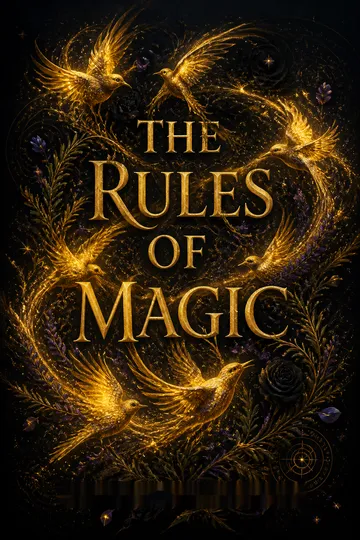
The Rules of Magic is a beloved prequel to Practical Magic, following the Owens siblings as they discover their magical heritage. Most readers found it enchanting, praising Hoffman's beautiful writing and the exploration of love, family, and self-acceptance. The characters were well-developed and relatable, with many feeling emotionally invested in their journeys. While some found it slow-paced or lacking in overt magic, the majority were captivated by the story's depth and themes. Overall, it was widely regarded as a magical and moving read.
People Also Read






Characters
Frances Owens
The rational eldest sisterKnown as Franny, she is the tall, red-haired firstborn of Susanna Owens, a sharp observer who trusts evidence even when her own life contradicts it. Birds respond to her, and she can affect the physical world, but she initially explains her gifts away rather than accept the family identity they imply. Her protectiveness toward Jet and Vincent is fierce and often disguises fear as practicality. Franny’s friendship with Haylin challenges her belief that emotional distance is a form of responsibility. Her scientific curiosity, stubborn independence, and instinct to care for others make her both the family’s skeptic and one of its strongest keepers of memory.
Bridget Owens
The tender mind-readerCalled Jet, Bridget is Franny’s beautiful, sensitive younger sister. She can hear other people’s thoughts, a gift she experiences as both intimacy and intrusion. Her kindness makes her especially vulnerable to other people’s suffering, and she often tries to soothe conflict rather than confront it. Jet’s devotion to her siblings and her longing for a life of her own pull in opposing directions. She is drawn to books, beauty, and the emotional truth beneath people’s words. Her gentleness should not be mistaken for passivity: when she decides what matters, she can quietly defy even the people she most wants to please.
Vincent Owens
The charming conjurerThe youngest Owens sibling and the family’s only boy, Vincent is a gifted musician whose charisma makes strangers gravitate toward him. He can influence the physical world and glimpse the future, but he often uses charm to evade questions about who he is. His appetite for excitement masks a deeper unease about his identity and his capacity for love. Franny has protected him since childhood, while Jet tends to indulge him. Vincent is drawn to magic because it grants power and attention, yet music offers him a more honest way to reach others.
Isabelle Owens
The stern wise auntThe siblings’ formidable aunt lives in the ancestral house on Magnolia Street and serves the town’s women with remedies and hard-won knowledge. Isabelle is generous without being indulgent, and she teaches through work, tests, and consequences rather than long explanations. She understands that inherited power requires restraint, especially when love or fear tempts someone to control another person. Her affection for Franny is unmistakable, but she does not shield her from difficult truths. Isabelle represents a form of authority that respects choice while insisting that choices carry obligations.
Haylin Walker
The principled loyalistFranny’s boyhood friend, Haylin is a wealthy New Yorker who despises the privilege he was born into and cares deeply about fairness. His protests at school and interest in science reveal a mind that turns conviction into action. He is patient with Franny’s guardedness, though not immune to the hurt it causes. Haylin wants a life of useful work and meaningful attachment, and his persistence is rooted less in conquest than in loyalty. His relationship with Franny tests whether commitment can survive fear, distance, and the unequal burdens people accept for one another.
April Owens
The defiant Owens cousinA rebellious cousin raised amid Boston privilege, April arrives in black clothes with a ferret and a talent for unsettling everyone around her. She is bright, bold, and resistant to authority, but her bravado hides a wish to be accepted without being remade. April reads the future and often sees danger coming, though foresight does not prevent her from making choices she knows may hurt. Her sharp humor can wound, yet she is capable of deep devotion, particularly when protecting those she considers her own.
Susanna Owens
The guarded motherSusanna is a stylish, elusive mother who has tried to protect her children by withholding the history that shapes them. Raised among the Owens family, she knows the old rules and fears what happens when they are ignored. Her restrictions come from a painful past, not a lack of love, though she often expresses care through control. Susanna longs for a safe, ordinary life for her children, even as their gifts make that hope increasingly impossible. Her divided loyalties make her both a source of secrecy and a warning about the cost of denying one’s origins.
Dr. James Burke-Owens
The generous psychiatristThe children’s father is a Harvard and Yale educated psychiatrist who treats many patients without charge. He studies personality and heredity, believing that a person’s nature is difficult to change. His professional theories leave him poorly equipped to understand the children’s supernatural gifts, and he tends to interpret their difference as a problem to diagnose. Beneath his formality, he is devoted to his family and expresses that affection more clearly in his writing than in everyday conversation.
Levi Willard
The earnest minister's sonLevi is the thoughtful son of a strict Massachusetts reverend. He hopes to study at Yale and wants his life to serve a larger good, though he resists the narrow beliefs imposed by his father. His interest in literature and his calm manner draw Jet toward him. Levi meets her with empathy rather than suspicion, and his seriousness is balanced by a youthful willingness to imagine a life beyond his small town.
William Grant
The candid history professorWilliam teaches history at the New School and is among the few people who can meet Vincent without being dazzled by his charm. He is direct, self-possessed, and interested in the hidden histories that shape public life. His family background gives him an intimate understanding of the cost of concealment. William’s warmth does not require Vincent to perform or pretend, and his steadiness offers a counterweight to Vincent’s restlessness.
The Reverend Willard
The grieving family patriarchLevi’s father is a strict religious leader whose suspicion of the Owens family has been shaped by inherited history. He interprets the family through the lens of an old feud and struggles to separate Jet from the harm he believes her presence represents. Beneath his rigidity is a father’s profound attachment to his son. His grief and his encounters with Jet reveal the person behind the authority, even as he remains marked by long-held beliefs.
Rafael Correa
The compassionate hotel bellmanRafael works at the Plaza Hotel while taking night classes at Hunter College. He has seen how abandonment can shape a family, and he approaches Jet with unshowy compassion when she is at her most vulnerable. His humor and practical kindness make him feel safe without pretending to replace anyone she has lost. Rafael values honesty and a future built through work, and he becomes a trusted companion in Jet’s life.
Regina Owens
The curious California daughterApril’s daughter, Regina, is a bright, composed child who reads early and takes an interest in the adults around her. She is comfortable with animals and with the Owens family’s unusual atmosphere. Her affection for Vincent and her closeness to her mother connect two branches of the family. Regina grows up in California, where her life reflects both the freedom April seeks and the inherited sensitivities of the Owens line.
Lewis
The watchful crowA crow who chooses Franny and repeatedly follows her into the family’s life. Lewis is an independent companion rather than a tame pet, and Franny’s bond with him reflects her affinity for birds and her discomfort with human dependence. His presence often brings her attention to the feelings she tries to deny.
Harry
The steadfast black dogA large black German shepherd who attaches himself to Vincent and becomes his quiet companion. Harry’s loyalty gives Vincent a kind of companionship that asks for no charm or performance. He remains a watchful presence around the Owens household and its changing fortunes.
Agnes Durant
The Parisian family confidanteAgnes is a French witch with a long connection to Susanna and an understanding of the Owens family’s history. Elegant, perceptive, and discreet, she offers help without demanding that others reveal more than they are ready to share. Her life in Paris gives her a perspective beyond the family’s American fears and traditions.
Charlie Merrill
The loyal town caretakerA longtime handyman in the Massachusetts town, Charlie is loyal to Isabelle and trusted by the Owens family. He is practical, discreet, and willing to help with difficult tasks without turning them into gossip.
Emily Flood
The capable Harvard roommateA bright, sociable student who shares living space with Haylin at Harvard. Emily is attentive to the people around her and acts decisively when someone is in danger. Her cheerful manner can make it easy for others to overlook her vulnerability.
John Hathorne
The colonial witch-hunting judgeA Massachusetts magistrate associated with the witch trials of the colonial era. His judgments cast a long shadow over the town’s history and shape the way later generations think about accusation, evidence, and inherited guilt.
Daniel
The California fisherman fatherRegina’s husband and the father of Sally and Gillian, Daniel works as a fisherman and river guide in Northern California. He shares Regina’s unconventional, outdoors-centered life and helps raise their daughters far from the town where the Owens story began.
Sally Owens
The cautious older granddaughterSally is the serious, observant older daughter of Regina. She reads well, prefers familiar routines, and takes responsibility when the adults around her cannot. Her caution is not timidity; it is a way of preparing for danger and protecting her younger sister.
Gillian Owens
The fearless younger granddaughterGillian is Sally’s younger sister, daring where Sally is careful and quick to voice what she feels. She loves climbing trees and depends on her sister when fear overwhelms her. The sisters’ differences become a source of strength when they face change together.
Plot Devices
The Owens family curse
Love carries inherited dangerMaria Owens’s heartbreak gives rise to the belief that men who love Owens women will be ruined. The curse shapes the choices of Franny, Jet, and Vincent, especially when they begin to love people from the Willard family. Its influence is both magical and psychological: family members inherit not only a threat but a story about what they are allowed to hope for. The plot repeatedly tests whether acknowledging that history is the same as obeying it.
The Grimoire
Inherited knowledge demands judgmentThe Owens family’s hidden book gathers spells, cures, charms, and practical knowledge passed from one generation to another. It is more than a manual: it carries the family’s accumulated experience and the obligation to use power responsibly. Franny’s inheritance of the book makes her a custodian of both its remedies and its rules. Its presence connects the family’s past to the choices they make in the present.
The black three-sided mirror
The future becomes visibleThe mirror allows members of the Owens family to see images of what may lie ahead. Vincent encounters it before he is ready to face his own identity, and the glimpse follows him as both warning and burden. The mirror gives the story a way to make foreknowledge emotionally concrete, while emphasizing that seeing an outcome does not necessarily explain it or make it possible to avoid.
Familiars and animal bonds
Animals mirror hidden selvesCrows, a black dog, and other animals form bonds with the Owens family that are more intimate than ordinary ownership. These companions retain their own wills and often reflect a person’s character, needs, or emotional state. Lewis’s independent loyalty, Harry’s steadiness, and the siblings’ natural affinity with animals ground the supernatural in repeated acts of care and recognition.
Herbal remedies and charms
Care takes a practical formIsabelle and the siblings use herbs, soap, teas, amulets, and spells to address illness, grief, jealousy, and desire. These remedies give the Owens women a livelihood and make their knowledge useful to people who otherwise shun them. They also establish limits: a cure may help someone endure a situation, but it cannot erase every consequence or force another person to love. The remedies therefore function as both magic and an ethic of care.
FAQ
Synopsis & Basic Details
What is The Rules of Magic about?
- Family curse and magic: The Rules of Magic explores the lives of the Owens siblings, Franny, Jet, and Vincent, as they grapple with their family's magical legacy and a centuries-old curse that threatens their ability to find love.
- Breaking free from rules: The story follows their journey from rule-bound New York City to the enchanting world of their ancestral home in Massachusetts, where they confront their powers and the true nature of their family's history.
- Love, loss, and self-discovery: The novel delves into themes of love, loss, identity, and the importance of embracing one's true self, even in the face of adversity, as the siblings navigate their destinies and attempt to break the curse that has haunted their family for generations.
Why should I read The Rules of Magic?
- Enchanting magical realism: Alice Hoffman weaves a captivating tale filled with magical realism, creating a world where the ordinary and extraordinary intertwine, offering readers an escape into a realm of wonder and enchantment.
- Complex character dynamics: The novel explores the intricate relationships between the Owens siblings, their mother, and other significant characters, delving into their unspoken motivations, psychological complexities, and emotional turning points, providing a rich and engaging reading experience.
- Exploration of universal themes: The Rules of Magic tackles universal themes of love, loss, identity, and family legacy, resonating with readers on a deeply emotional level and prompting reflection on their own lives and relationships.
What is the background of The Rules of Magic?
- Historical context of witchcraft: The novel is rooted in the historical context of the Salem witch trials and the persecution of women accused of witchcraft, drawing on historical details and beliefs to create a rich and immersive world.
- Cultural influences of the 1960s: Set against the backdrop of the 1960s, the novel explores themes of rebellion, social change, and the search for personal freedom, reflecting the cultural shifts and countercultural movements of the era.
- Geographical significance of New England: The setting of Massachusetts, particularly the town where Aunt Isabelle resides, is significant due to its historical association with witchcraft and the Owens family's ancestral ties to the region, creating a sense of mystery and intrigue.
What are the most memorable quotes in The Rules of Magic?
- "There is no remedy for love but to love more.": This quote, attributed to Henry David Thoreau and placed at the beginning of the book, encapsulates the central theme of the novel, suggesting that the only way to overcome the challenges and heartaches of love is to embrace it fully.
- "Do as you will, but harm no one.": This is one of the rules of magic found in Maria Owens's Grimoire, highlighting the importance of ethical considerations and the potential consequences of using magic irresponsibly, reflecting the novel's exploration of power and responsibility.
- "What you give will be returned to you threefold.": This rule emphasizes the interconnectedness of actions and consequences, suggesting that both good and bad deeds will have a magnified impact on the giver, reinforcing the novel's themes of karma and accountability.
What writing style, narrative choices, and literary techniques does Alice Hoffman use?
- Lyrical and evocative prose: Hoffman employs a lyrical and evocative writing style, using vivid imagery and sensory details to create a rich and immersive reading experience, drawing readers into the magical world of the Owens family.
- Third-person omniscient narration: The story is told from a third-person omniscient perspective, allowing the narrator to delve into the thoughts and feelings of multiple characters, providing a comprehensive understanding of their motivations and experiences.
- Foreshadowing and symbolism: Hoffman skillfully uses foreshadowing and symbolism to create a sense of mystery and anticipation, hinting at future events and imbuing objects, places, and characters with deeper meaning, enriching the narrative and prompting readers to consider the underlying themes.
Hidden Details & Subtle Connections
What are some minor details that add significant meaning?
- The color blue for protection: Susanna's insistence on her children wearing blue for protection is a seemingly minor detail that underscores the family's vulnerability and the constant need to guard against the curse, highlighting the pervasive influence of their magical heritage.
- The black soap's effects: The lavender-scented black soap, sent annually, initially appears as a beauty product, but its ability to induce silliness reveals a hidden, potent magic, symbolizing the unpredictable and sometimes intoxicating nature of their powers.
- The tilted kitchen table: The tilted kitchen table after Vincent and Franny's experimentation serves as a constant, physical reminder of their unique nature and the disruption they cause to the ordinary world, subtly reinforcing the theme of being different.
What are some subtle foreshadowing and callbacks?
- The nurse's kidnapping attempt: The early incident of the nurse attempting to kidnap baby Vincent foreshadows his later irresistible charm and the dangerous allure he holds for others, hinting at his fated romantic entanglements.
- Maria Owens's portrait: The recurring image of Maria Owens's portrait, particularly her gaze, foreshadows the enduring influence of the family's past and the weight of their magical legacy on the present generation, creating a sense of historical determinism.
- The sparrow on Midsummer's Eve: The sparrow that enters the house on Midsummer's Eve and comes to Franny foreshadows her later connection with birds and her role as a protector, subtly hinting at her destiny and the path she will ultimately embrace.
What are some unexpected character connections?
- The shared lineage with the Willards: The revelation that the Owens and Willard families are distantly related through John Hathorne creates a complex web of shared history and responsibility, highlighting the cyclical nature of hatred and the potential for reconciliation.
- April's connection to Susanna's past: April's rebellious nature and desire to escape Boston mirrors Susanna's own past, creating a parallel between the two characters and suggesting a pattern of Owens women seeking to break free from societal constraints.
- Haylin's family wealth and privilege: Haylin's background of wealth and privilege contrasts with Franny's more modest upbringing, yet their shared love of science and their outsider status at school creates a strong bond, demonstrating that connections can transcend social differences.
Who are the most significant supporting characters?
- Aunt Isabelle as a guide: Aunt Isabelle serves as a crucial guide, offering the siblings a safe space to explore their powers and understand their family history, acting as a mentor and confidante, particularly for Franny, shaping their understanding of magic and responsibility.
- Haylin as a grounding force: Haylin provides Franny with a connection to the ordinary world, offering her stability and companionship, challenging her to confront her fears and embrace the possibility of love, even in the face of the family curse.
- William as a catalyst for Vincent: William acts as a catalyst for Vincent's self-acceptance, providing him with the love and support he needs to embrace his true identity and find purpose in his life, even if it means facing difficult choices and sacrifices.
Psychological, Emotional, & Relational Analysis
What are some unspoken motivations of the characters?
- Susanna's fear of history repeating: Susanna's strict rules and attempts to suppress her children's magical abilities stem from a deep-seated fear of repeating her own painful experiences with love and the dangers of their family's legacy, driving her to seek a "normal" life for them.
- Franny's desire for control: Franny's reliance on logic and science is driven by an unspoken desire to control her own powers and the unpredictable nature of magic, seeking to impose order on a world that often feels chaotic and overwhelming.
- Vincent's search for identity: Vincent's exploration of dark magic and his rebellious behavior are fueled by an unspoken search for identity and a desire to define himself outside the constraints of his family's expectations, leading him down a dangerous path.
What psychological complexities do the characters exhibit?
- Jet's empathy and self-blame: Jet's empathic abilities, while a gift, also lead to psychological complexities, as she internalizes the emotions of others and struggles with self-blame, particularly after the tragic accident involving Levi, highlighting the burden of her sensitivity.
- Franny's emotional repression: Franny's emotional repression and reliance on logic create a psychological barrier, preventing her from fully embracing love and connection, even as she yearns for them, showcasing the internal conflict between her head and her heart.
- Vincent's self-destructive tendencies: Vincent's charm and charisma mask deep-seated insecurities and self-destructive tendencies, leading him to engage in risky behavior and explore the darker aspects of magic, reflecting his internal struggle with identity and purpose.
What are the major emotional turning points?
- The accident and its aftermath: The tragic accident that claims the lives of their parents and Levi serves as a major emotional turning point, forcing the siblings to confront their grief, guilt, and the consequences of the family curse, reshaping their relationships and individual journeys.
- Franny's decision to withdraw from Radcliffe: Franny's decision to withdraw from Radcliffe to care for her siblings marks a significant emotional turning point, as she sacrifices her own dreams and aspirations to fulfill her responsibilities, highlighting her selflessness and the weight of her family obligations.
- Vincent's encounter with William: Vincent's meeting with William and the subsequent development of their relationship represents a major emotional turning point, as he experiences true love for the first time, challenging his beliefs about himself and his destiny.
How do relationship dynamics evolve?
- Sibling bond strengthens through adversity: The siblings' bond deepens as they face tragedy and loss, learning to rely on each other for support and understanding, showcasing the enduring power of family in the face of adversity.
- Franny and Jet's shifting roles: Franny and Jet's roles shift as they navigate their individual journeys, with Franny taking on a more protective and responsible role, while Jet learns to embrace her own strength and independence, demonstrating the fluidity of family dynamics.
- Vincent's relationship with William challenges family expectations: Vincent's relationship with William challenges traditional family expectations and societal norms, forcing the siblings to confront their own prejudices and embrace a more inclusive understanding of love and acceptance.
Interpretation & Debate
Which parts of the story remain ambiguous or open-ended?
- The true nature of the curse: The exact origins and mechanics of the Owens family curse remain somewhat ambiguous, leaving room for interpretation about whether it is a supernatural force, a self-fulfilling prophecy, or a metaphor for the challenges faced by unconventional women.
- The extent of Vincent's redemption: While Vincent finds love and a sense of purpose, the extent to which he fully overcomes his darker tendencies and achieves true redemption remains open to interpretation, prompting readers to consider the complexities of human nature and the possibility of change.
- The long-term impact of the siblings' choices: The novel concludes with the siblings having made significant choices about their lives and relationships, but the long-term impact of these decisions on their happiness and well-being remains somewhat open-ended, leaving readers to imagine their futures and the challenges they may still face.
What are some debatable, controversial scenes or moments in The Rules of Magic?
- Susanna's parenting style: Susanna's strict rules and attempts to suppress her children's magical abilities are debatable, with some readers arguing that she is acting out of love and protection, while others criticize her for stifling their individuality and denying their true selves.
- Vincent's exploration of dark magic: Vincent's dalliance with dark magic and his willingness to use his powers for personal gain are controversial, raising questions about the ethics of magic and the potential for corruption, prompting readers to consider the consequences of unchecked power.
- Franny's initial rejection of Haylin: Franny's initial rejection of Haylin and her attempts to distance herself from love are debatable, with some readers sympathizing with her fear of the curse, while others criticize her for denying her own happiness and potentially hurting those she cares about.
The Rules of Magic Ending Explained: How It Ends & What It Means
- Franny and Haylin's reunion and acceptance: The ending sees Franny and Haylin reunited and finally embracing their love, suggesting that the curse can be overcome through genuine connection and a willingness to defy fate, offering a message of hope and resilience.
- Vincent's sacrifice and new beginning: Vincent's decision to fake his death and start a new life in Paris, while bittersweet, represents a form of self-sacrifice, allowing him to protect William from the curse and find a measure of peace and freedom, highlighting the complexities of love and the lengths people will go to for those they care about.
- Jet's healing and acceptance of her path: Jet's journey of healing and her eventual acceptance of her path, even without Levi, demonstrates the power of resilience and the importance of finding meaning and purpose in life, even in the face of profound loss, offering a message of hope and the possibility of finding happiness again.
Practical Magic Series



About the Author
Other books by Alice Hoffman




Download PDF
Download EPUB
.epub digital book format is ideal for reading ebooks on phones, tablets, and e-readers.








