

Plot Summary
Prologue
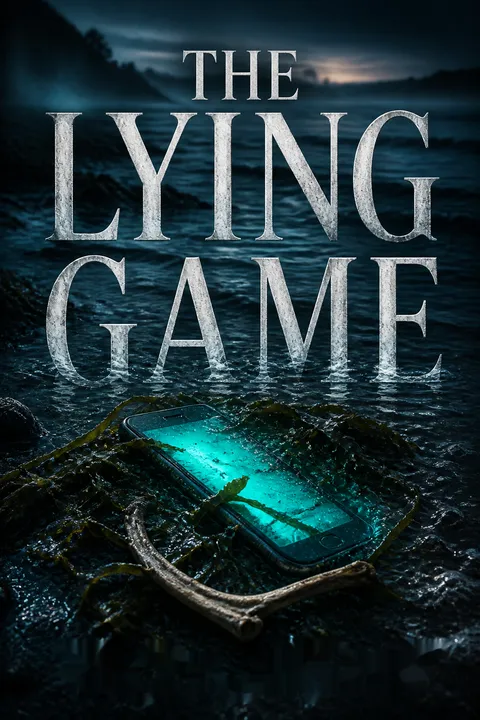
A dog races down the muddy bank of the Reach and hauls a buried object from the shore. His owner expects another dead animal, but the shape he drops at her feet leaves her speechless.
Beyond them, the old Tide Mill stands over the shifting water. The find is small enough to fit in a dog’s jaws, yet it will draw four women back to a place they have spent seventeen years avoiding.
The opening makes discovery an act of accident rather than investigation: a dog reaches into ground the human characters have tried to leave undisturbed. The Reach is already an active force, eroding the border between land and water and exposing what was hidden. The owner’s shock is more important than the object’s identity at first. Ware lets the landscape announce that the past has become physical, before the people who buried it understand that it is returning.
Three Words at 3:30
Isa Wilde is awake with her four-week-old daughter when a late-night message from Kate Atagon, her friend from boarding school, asks for help. Isa tells her partner, Owen, that she will visit for a few days, though she knows neither how long she will stay nor what Kate needs. She boards a train with Freya and returns to Salten, the coastal town she has avoided for years.
Kate meets her at the station, and their old intimacy surfaces before either can explain the crisis. Fatima arrives that evening; Thea follows later. Kate waits until all four are together, then shows them a local newspaper reporting that human remains have been found near the Reach.
Isa’s first choice is already a double movement: she answers Kate’s need while concealing the reason for her departure from Owen. Motherhood has made her cautious, but the old friendship still overrides her plans and ordinary obligations. The reunion offers warmth before it offers explanation, which matters psychologically: the women’s bond remains available as refuge even though its history is dangerous. The remains turn that refuge into a crime scene. The story begins not with a detective’s question, but with an act of loyalty whose cost Isa has not yet measured.
Four Girls, One Game
Seventeen years earlier, Isa arrived at Salten House after her mother’s cancer and her father’s decision to send her away from home. On the train she met Thea West, a sharp-tongued repeat expellee, and Kate, the art teacher’s daughter who knew the marshes by heart. At the station they also met Fatima Qureshy, placed in Isa’s room. The four girls quickly formed a private circle.
Their Lying Game rewarded stories convincing enough to fool classmates, teachers, and villagers. When a teacher nearly catches Thea smoking, Isa and Fatima invent a cover story that saves her from punishment. Thea and Kate welcome the newcomers into the game, and the girls discover a shared pleasure in controlling what others believe.
The game begins as a form of agency for girls living inside a highly regulated institution. Its rules let them reverse the usual imbalance between pupil and authority, turning observation into performance and embarrassment into points. Isa’s first lie is protective, not malicious, which helps explain how she later confuses loyalty with permission to conceal. The group’s intimacy is built through shared risk: each successful deception proves that the others will improvise on her behalf. That trust is real, but the game quietly teaches them to treat a coherent story as more important than the truth it replaces.
The Mill's Open Door
The girls begin slipping out of Salten House to spend weekends at Kate’s home, the ramshackle Tide Mill beside the Reach. There they meet Kate’s stepbrother, Luc Rochefort, and her father, Ambrose Atagon, the school’s unconventional art teacher. Ambrose gives them room to breathe, draws their portraits, and treats their troubles with unusual patience.
Isa develops a private crush on Luc. Meanwhile, the Lying Game escapes its playful limits: after Isa tells a classmate that Thea is interested in Mark Wren, the rumor reaches the village. Mark’s mother, Mary, publicly threatens Isa for smearing her son. Isa recognizes the damage but cannot undo it. The girls’ refuge is now tied to a community that remembers their lies.
The Mill becomes more than a place to break rules. It offers a substitute household in which Ambrose’s attention and Kate’s familiarity with the landscape temporarily soften the girls’ different forms of insecurity. Yet the refuge also isolates them from correction. Isa’s lie about Mark is meant to divert scrutiny, but it turns a game into social harm that persists beyond the group. The contrast between the Mill’s openness and Salten’s surveillance is therefore unstable: the girls feel free there, but their choices still travel outward, carried by rumor and local memory.
A Grave Without Witnesses
One summer weekend, Kate returns to the Mill alone and finds Ambrose dead beside a suicide note. A metal tin nearby contains heroin and drug equipment, though the girls do not yet understand the full circumstances. Kate fears that, at fifteen, she will be taken into care and lose the Mill if officials learn her father is gone.
Thea, Fatima, and Isa agree not to call the police. They wrap Ambrose’s body, carry it to a secluded headland, dig into the shaley ground, and bury him before the tide covers their tracks. They leave the Mill at dawn, exhausted and shocked, having turned a friend’s desperate request into a shared secret that will govern their lives.
The girls’ decision is driven by an adolescent collapse of alternatives: preserving Kate’s home feels more imaginable than involving adults, even though concealment multiplies the danger. Their care for her is sincere, but sincerity does not make the act harmless. The physical labor of carrying and burying Ambrose converts an emotional emergency into a durable pact. The tide seems to erase the evidence, yet it only postpones discovery. Their loyalty is thus both their moral strength and their mechanism of entrapment: they protect Kate by surrendering the ability to speak freely afterward.
The School's Quiet Expulsion
The next morning, Salten House confronts Isa, Fatima, and Thea with intimate drawings of the girls by the sea and with contraband found in their rooms. The school demands an explanation for their absence and the images, but the three keep silent. Kate later tells the headmistress that she made the drawings herself, shielding Ambrose’s reputation and the others from a more damaging accusation.
The school sends all four girls away before the term ends, with an understanding that the scandal will be kept quiet. Fatima leaves with relatives, Thea is sent to a strict institution abroad, Isa returns to her father, and Kate remains alone at the Mill. The friends reconnect only years later, at Isa’s mother’s funeral.
Kate’s intervention repeats the group’s old method on a larger and more consequential scale: she supplies a story that authority can accept, then lets the others depart under its protection. But silence has become institutional as well as personal. The school’s priority is to contain reputational damage, not establish what happened or support the pupils involved. The girls are scattered, and their shared account becomes a portable bond that can survive distance. Its emotional force is inseparable from its burden: they remain loyal to one another partly by refusing to examine the story that loyalty requires.
Sheep's Blood, Human Warning
Back at the Mill, the women try to resume their old ease, but the discovered remains hang over them. After a night of swimming and drinking, Isa finds a dead ewe outside; Shadow, Kate’s dog, has blood on his muzzle, and Kate pays the farmer to avoid police involvement. While soaking Kate’s bloody jacket, Isa discovers a waterlogged note hidden in a pocket.
It threatens that another body could be thrown into the Reach. Afraid that someone knows about Ambrose, Isa destroys the note, then admits its existence to Fatima. Kate insists they stay in Salten and attend an alumnae dinner already arranged as their public reason for returning. The friends agree, though Fatima fears the threat makes the Mill unsafe.
The sheep is a crude imitation of the original concealment, turning the group’s private past into a warning delivered through animal remains. Isa’s destruction of the note shows how quickly the old reflex returns: she acts to protect the group before she has told them what she is protecting them from. Kate’s insistence on attending the dinner is strategic, but it also reveals her isolation. A plausible public explanation may protect them from suspicion, yet every performance of normality further binds the women to the story they fear is collapsing.
Luc Returns to Salten
On a walk into Salten, Isa encounters Luc in the post office. His anger at her is immediate, and he accuses Kate of sending him back to a life he had escaped. Kate later explains that after Ambrose disappeared, social services returned the underage Luc to France, where his unstable mother and abusive caregivers had made childhood dangerous.
At the alumnae dinner, the four women endure classmates’ curiosity and old resentment. Isa admits to Lucy Hopgood that her claim of descent from Oscar Wilde was one of their school lies. Then Jess Hamilton repeats the rumor that Ambrose killed himself after the school discovered nude drawings. The allegation forces Isa to revisit the official story and wonder when the drawings first appeared.
Luc’s return alters the moral geometry of the reunion. Until now, the women have treated the buried past as a pact among themselves; his anger makes clear that another person may have paid for their choices. Isa’s encounter with Lucy also marks a small reversal: she corrects a lie without being forced, accepting embarrassment rather than recruiting another person into the fiction. Jess’s rumor, however, turns the drawings from a disciplinary scandal into possible evidence. The social world that once punished the girls through gossip may now expose a more consequential failure of truth.
Drawings Reopen the Case
Back in London, Isa receives anonymous copies of Ambrose’s drawings, as do Fatima and Thea. The images revive the school’s old accusation and give the women reason to fear blackmail. At a meeting in South Kensington, they consider whether the sender is Kate, the school, Luc, or someone from Salten.
Isa notices a crucial gap: the girls were questioned only after Ambrose died, suggesting the school may not have seen the drawings beforehand. Thea then recalls that Ambrose had recently discussed sending someone away from the Mill. They assume he meant Kate. Their old belief that he died to protect his daughter begins to fracture, and Fatima voices the possibility that someone killed him.
The drawings function less as proof than as unstable evidence: the same images can support a story of misconduct, blackmail, or murder, depending on who controls their context. Isa’s attention to timing is a shift from emotional memory toward forensic reasoning. Yet the group’s inference is still shaped by their shared assumptions, especially the belief that Ambrose’s conflict centered on Kate. Their method is now recognizably the Lying Game in reverse: they compare accounts for contradictions, but fear keeps them guessing at motives before they possess the facts.
Kate's Debt Comes Due
When police classify Ambrose’s death as suspicious, Kate summons Isa back to Salten. Their reunion sharpens Isa’s conflict with Owen, who believes she is hiding an affair and has secretly obtained Luc’s criminal record. At the Mill, Kate reveals that someone stole Ambrose’s work years earlier and has blackmailed her with drawings; the demands stopped, then resumed with the bloody sheep.
She shows Isa the original note Ambrose left. On the way to the station, Mary Wren says the post-mortem found heroin in a wine bottle and that the overdose was taken by mouth. Mary also claims Ambrose was trying to separate Kate and Luc, who had become lovers. Isa returns to the Mill believing Kate may have poisoned her father.
Suspicion gathers through details that are individually ambiguous but emotionally charged: a note, a bottle, a hidden relationship, years of extortion. The threat to expose the women is now entangled with the possibility that their foundational account was false. Isa’s domestic life mirrors that pressure. She withholds the truth from Owen while resenting his mistrust, reproducing the very dynamic she condemns in Kate. Mary’s claims are especially potent because she supplies a motive, but her hostility toward Kate means that information and manipulation may be arriving together.
The Burning Tide Mill
At the Mill, Kate admits that she put Ambrose’s heroin into his wine after he tried to separate her from Luc, then hid the truth behind the friends’ cover story. She says she will confess to police alone. That night, Luc arrives, and Isa overhears him and Kate arguing upstairs. A lamp breaks, spreading burning fuel through the old building.
Luc reaches Freya’s room and, trapped by the fire, passes the baby through a window into Isa’s arms below. He refuses Kate’s attempt to bring him out. Kate runs back into the Mill, and the structure collapses in flames. Isa, Fatima, and Thea survive with Freya and Shadow, but Kate and Luc are lost in the fire.
Kate’s confession appears to settle the mystery, but it also exposes how thoroughly the women have mistaken a protective story for a complete one. The fire strips away the practical shelter the Mill has provided and makes rescue a literal test of attachment. Luc acts to save Freya, while Kate returns for him, gestures that complicate the hostility each has shown. Their final choices cannot repair the years of separation, but they reveal that affection survived beneath resentment. The destruction leaves Isa alive with a child and a truth she still cannot fully articulate.
Ambrose's Last Protection
After the fire, Isa understands that Kate’s confession was another protective lie. As a teenager, Luc had poisoned Ambrose’s wine with heroin and sent the drawings to Salten House, apparently trying to punish the father he feared would send him away. Ambrose realized what Luc had done and used his final note to direct Kate to protect her stepbrother; Kate buried the body and concealed the truth, but never forgave him.
Isa, Fatima, and Thea tell Sergeant Wren that Ambrose died by suicide and that the fire was an accident. They suspect Mary was behind the blackmail, but cannot prove it. Isa leaves for her father’s home with Freya and continues hiding the past from Owen, hoping one day their relationship can recover.
The final revelation does not make the original cover-up innocent; it changes its object. The women believed they were protecting Kate, while Ambrose’s note was asking Kate to protect Luc. His last act is paternal care expressed through a lie, and Kate’s life becomes the cost of carrying it out without forgiving its beneficiary. The survivors choose the same kind of concealment, now with greater awareness of what it damages. Isa’s promise to herself is not a clean moral resolution. It is a decision to contain inherited pain rather than pass it to Freya, even if that choice leaves Owen outside the truth.
Analysis
The novel examines how loyalty can become a technology of concealment. The four friends learn early that a convincing story can protect a vulnerable person from punishment, and that lesson is not false. Isa’s first lies shield Thea; the friends’ later silence is motivated by fear for Kate. Yet a strategy that works in the moment becomes a moral habit, and the group begins to treat disclosure itself as betrayal. Their shared account protects them from scrutiny while depriving them of the information needed to understand one another.
The plot’s central reversal expands the meaning of protection. The girls think Ambrose’s death and their cover-up are organized around Kate, but his note is directed toward protecting Luc. That correction does not erase the harm of their actions. It reveals that they have been interpreting events through the emotional center of their own friendship, failing to see the boy whose abandonment shaped the crisis. Kate’s long silence, Luc’s anger, and Isa’s evasions all emerge from distinct versions of the same fear: that telling the truth will cost them the person or home they cannot bear to lose.
The Reach makes that psychology tangible. Its tides conceal the burial, then erosion brings the past back into view; the Mill offers shelter until its instability turns shelter into danger. The landscape refuses the fantasy that a secret can be safely put away forever. The ending is deliberately uneasy rather than cleansing. Isa and her friends tell another story to the police, not because they have confused it with truth, but because they believe further disclosure would transfer pain to the living, especially Freya. The novel asks whether silence can ever be protective without becoming another injury, and leaves Isa’s promise to Owen unresolved: love may survive a lie, but it cannot yet be made honest.
Review Summary
The Lying Game received mixed reviews, with an average rating of 3.53 out of 5. Many readers found it atmospheric and suspenseful, praising Ware's writing style and character development. However, some felt the plot was slow-paced and predictable, lacking the thrills of her previous works. The story follows four women reunited by a secret from their boarding school days. While some readers appreciated the exploration of friendship and motherhood, others found the characters unlikable and the mystery underwhelming. Overall, opinions varied widely on this psychological thriller.
People Also Read










Characters
Isa Wilde
The loyal remembering friendIsa is a civil servant, new mother, and the story’s first-person lens on a past she has spent years avoiding. As a teenager, she was diligent and anxious; the Lying Game gave her a sense of belonging and a way to manage fear through invention. As an adult, she is attentive to Freya and devoted to her old friends, but those loyalties repeatedly compete with honesty toward Owen and with her own need to understand what happened. Her instinct is to protect people by withholding information. That impulse is generous in origin, yet it makes her increasingly responsible for the consequences of stories she did not create alone.
Kate Atagon
The keeper of the MillKate is Isa’s closest friend from Salten House and the daughter of art teacher Ambrose. Raised beside the Reach, she knows its paths and tides better than anyone, and she is fiercely attached to the decaying Tide Mill that contains her family history. Her confidence and authority once made her the center of the girls’ private world; as an adult, she is guarded, stubborn, and more vulnerable than she allows others to see. Kate’s loyalty is expressed through action and silence rather than explanation. She wants to keep the people she loves close, but her refusal to share the full burden of her past leaves even trusted friends unsure what she needs from them.
Fatima Chaudhry
The group’s clear-eyed doctorFatima arrives at Salten as a London girl placed in the same room as Isa, and quickly becomes one of the group’s strongest bonds. As an adult, she is a doctor, wife, and mother whose practical care is matched by a deliberate religious life. She has a talent for noticing what others avoid and is often the first to name the consequences of their choices. Her warmth does not make her passive: she challenges Thea’s drinking, presses Kate for explanations, and tries to keep the group from panicking. Fatima’s faith gives her a language for repentance and responsibility, though loyalty to her friends still complicates what she believes she owes the truth.
Thea West
The unruly survivorThea is a beautiful, sharp, frequently expelled student when Isa first meets her. She uses wit, audacity, and provocation to keep other people from seeing how exposed she feels. The Lying Game begins partly as her way to reverse the humiliations she experienced as a new girl, and she draws the others into its daring. In adulthood, she works in casinos and lives with restless independence, but her drinking and self-destructive habits suggest that movement has not erased old pain. Thea is difficult to read, yet she is deeply attached to the other women. When they need her, she appears, even while resisting the vulnerability that closeness requires.
Luc Rochefort
The wounded Mill outsiderLuc is Kate’s French stepbrother, raised for a time at the Tide Mill after a childhood shaped by instability. At Salten he is a quiet, striking boy with a close bond to Kate and an uneasy position between the private school and the local village. Isa is drawn to him, but his reserve makes him difficult for her to understand. As an adult he carries anger, shame, and a strong fear of repeating the damage he experienced as a child. His responses can be impulsive and frightening, but they also arise from a person who has learned to expect abandonment. Luc’s relationship with Kate is central to the emotional history of the Mill.
Ambrose Atagon
The girls’ unguarded mentorAmbrose is Kate’s father and Salten House’s art teacher, a charismatic, unconventional adult who makes his studio feel unlike the school’s regimented classrooms. He encourages his pupils to look closely and treats their insecurities with patience rather than ridicule. His affection for Kate and Luc is evident in the home he builds around them, while his artistic temperament and private struggles make him more complicated than the girls’ youthful admiration can grasp. To Isa, he offers a kind of attention she needs during a difficult period at home. The women remember him as generous, but the novel gradually asks them to see him as a full adult rather than merely the refuge he provided.
Owen
Isa’s partner and co-parentOwen is Isa’s loving partner and Freya’s father. He wants a more equal place in caring for their daughter and hopes to regain intimacy with Isa after the birth. Her sudden return to Salten and her evasions make him feel excluded, and his insecurity sharpens into suspicion. Owen is not part of the old school circle, which makes him a reminder of the life Isa has built outside it. His frustration is real, but so is his tenderness toward Freya. Their relationship is strained by Isa’s secrets rather than by a lack of affection.
Freya
Isa’s watchful infant daughterFreya is Isa and Owen’s young daughter, wholly dependent on the adults around her and often the practical center of Isa’s decisions. Feeding, sleeping, and separation shape Isa’s daily life, while the baby’s vulnerability makes the danger at Salten immediate rather than abstract. Freya cannot understand the history that surrounds her, but her presence changes how Isa weighs risk, loyalty, and the future. She also makes Owen and Isa confront their different expectations of parenthood.
Mary Wren
Salten’s watchful matriarchMary is a formidable village figure and the mother of Mark Wren. She is protective of her son, deeply attached to local history, and willing to confront outsiders who threaten the people she considers her own. Her bluntness can look like plain speaking, but it also carries the force of someone accustomed to controlling a room through reputation and gossip. Mary remembers the girls’ youthful behavior and knows more about Salten’s social currents than they do. Her hostility toward Kate shapes how Isa interprets the village’s rumors.
Mark Wren
The local sergeantMark is Mary’s son and, by the present day, a police sergeant working in the area around Salten. As a boy he was shy and an easy target for the girls’ games, a vulnerability that makes Isa’s old lie about him especially consequential. His local ties place him close to both the investigation and the community’s long memory. Mark represents the point where adolescent rumor and adult responsibility meet.
Miss Weatherby
The watchful housemistressMiss Weatherby is the girls’ housemistress at Salten House, a rule-bound adult who nevertheless notices when pupils are in distress. She challenges Isa over her treatment of younger girls and worries that the tight friendship has become isolating. Later, she is involved in the school’s response to the drawings and the girls’ departure. Her mixture of discipline and concern reflects an institution that can recognize danger but still prioritize its own reputation.
Jess Hamilton
The reunion’s rumor-bearerJess is a former Salten pupil who approaches the women at the alumnae dinner with the friendliness of an old classmate. Her questions reveal how stories about the girls and Ambrose have circulated in their absence. Jess is not a close friend, but she gives voice to the school community’s curiosity and its willingness to turn uncertainty into gossip.
Jerry Allen
The village publicanJerry runs the Salten Arms and knows the village’s shifting fortunes as well as its regulars. He offers Isa a ride and later serves her food, mixing practical kindness with coarse jokes. His pub is one of the few remaining social centers in a town losing shops and residents.
Rick
The dependable local driverRick is a local taxi driver who knows the rough roads around the Reach and has known Kate’s family for years. He helps Isa travel with Freya and offers practical reassurance when the Mill’s isolation becomes more apparent. His small acts of kindness contrast with the town’s gossip.
Liz
The teenage babysitterLiz is the young village babysitter Kate finds for Freya during the alumnae dinner. She is anxious to prove she can manage the baby, but Freya’s distress overwhelms her. Her brief role exposes Isa’s difficulty entrusting her daughter to anyone else.
Plot Devices
The Lying Game
A pact disguised as playAt Salten House, Kate, Thea, Fatima, and Isa compete to make other people believe invented stories. The game gives the girls a sense of control in a school that regulates nearly every part of their lives, and its private rules strengthen their loyalty to one another. Over time, deception shifts from harmless pranks to protection, intimidation, and the concealment of a death. The game’s central danger is that repeated performance blurs the players’ sense of what they owe outsiders, and eventually what they owe each other.
The Reach and Tide Mill
A landscape that exposes secretsThe tidal water and the decaying Mill shape what the characters can hide, reach, and escape. The girls cross the marsh to find refuge; later, they bury Ambrose where changing ground and rising water can obscure their actions. In the present, erosion exposes what they concealed, while high tides and the failing walkway make the Mill physically dangerous. The landscape is not simply atmosphere. Its shifting boundaries give the characters temporary cover, then remove that cover at the moment they most need it.
Ambrose's Drawings
Images turned into leverageAmbrose’s sketches preserve moments the girls remember differently from the wider school community. Some portray them in private or unclothed settings, making the images vulnerable to interpretation as evidence of misconduct. Their appearance at school helps precipitate the girls’ departure, and later copies revive old shame and become tools of blackmail. The drawings matter not only for what they show but for who selects, circulates, and explains them. They turn memory into an object that can be owned, misread, and used to control the people depicted.
Ambrose's Letter
A farewell misread for yearsThe letter Ambrose leaves for Kate initially supports the girls’ belief that he chose to die rather than face a scandal involving his drawings. Its appeal to protect his children seems to confirm that interpretation, while Kate’s account keeps the document hidden from authorities. When Isa reads it again alongside the post-mortem evidence and the history of Luc’s childhood, its meaning shifts: the letter asks Kate to protect someone other than the person the friends assumed. The letter demonstrates how truthful words can still sustain a false account when readers do not know what they are meant to explain.
The Blackmail Notes
Threats with a local signatureAnonymous demands sent to Kate use copies of the drawings to extract money and revive fear of exposure. The later bloodied message attached to the dead sheep suggests that the sender knows more than the old scandal and wants Kate’s friends to feel implicated too. Because Kate hides the earlier demands, the women initially suspect Luc and struggle to interpret the threats. The notes convert private guilt into leverage, while their phrasing and delivery gradually point Isa toward someone who has both access to Salten’s history and a personal grievance.
FAQ
Synopsis & Basic Details
What is The Lying Game about?
- A cryptic text summons friends: A text message, "I need you," draws Isa back to her past and her old friends, Kate, Fatima, and Thea, after seventeen years.
- A shared secret resurfaces: The friends are bound by a secret from their boarding school days, involving a game of lies and the mysterious disappearance of their art teacher, Ambrose.
- Confronting the past: The discovery of human remains on the beach forces the women to confront their past, their lies, and the consequences of their actions.
Why should I read The Lying Game?
- Intricate mystery: The novel weaves a complex mystery with layers of secrets, lies, and hidden motives, keeping readers guessing until the very end.
- Compelling characters: The characters are flawed and relatable, each grappling with their past and the consequences of their choices, making them both sympathetic and intriguing.
- Exploration of friendship: The story delves into the complexities of female friendship, exploring the bonds of loyalty, betrayal, and the enduring power of shared experiences.
What is the background of The Lying Game?
- Boarding school setting: The story is set against the backdrop of a remote boarding school on the marshes of the English coast, creating an isolated and atmospheric environment.
- Cultural context: The novel explores themes of class and social status, as the characters navigate the divide between the privileged world of the boarding school and the working-class village nearby.
- Psychological tension: The story is driven by the psychological tension between the characters, as they grapple with their past and the secrets they have kept for so long.
What are the most memorable quotes in The Lying Game?
- "I need you.": This cryptic text message is the catalyst for the entire story, drawing the friends back together and setting the plot in motion.
- "It's not a game, it's the game. It's the Lying Game.": This quote defines the central theme of the novel, highlighting the dangerous and manipulative nature of the friends' shared past.
- "You're never an ex-addict, you're just an addict who hasn't had a fix in a while.": This quote, originally from Ambrose, reveals a deeper understanding of addiction and the constant struggle to stay clean, foreshadowing his own relapse.
What writing style, narrative choices, and literary techniques does Ruth Ware use?
- First-person perspective: The story is primarily told from Isa's point of view, allowing readers to experience the events through her eyes and understand her internal struggles.
- Non-linear timeline: The narrative shifts between the present and the past, gradually revealing the events that led to the current crisis and building suspense.
- Foreshadowing and red herrings: Ware uses subtle clues and misdirection to keep readers guessing, creating a sense of unease and uncertainty throughout the novel.
Hidden Details & Subtle Connections
What are some minor details that add significant meaning?
- The Tide Mill's decay: The deteriorating state of the Tide Mill mirrors the crumbling relationships and the weight of the past that the characters carry.
- Recurring weather patterns: The frequent storms and high tides symbolize the emotional turmoil and the rising tension among the friends.
- The use of art: The paintings and sketches by Ambrose serve as a constant reminder of the past and the secrets that the characters are trying to conceal.
What are some subtle foreshadowing and callbacks?
- The mention of a "smoking carriage": This seemingly throwaway line early in the book foreshadows Thea's smoking habit and her later struggles with addiction.
- The description of the train dividing at Hampton's Lee: This detail foreshadows the splitting of the group and the diverging paths they have taken since school.
- The recurring phrase "May we never grow old": This toast, initially a lighthearted sentiment, becomes increasingly ironic as the characters confront the harsh realities of their past.
What are some unexpected character connections?
- Luc and Ambrose's relationship: The depth of their bond, and the way Luc viewed Ambrose as a father figure, is revealed slowly, adding a layer of complexity to the story.
- Mary Wren's connection to Ambrose: Her friendship with Ambrose, and her knowledge of the village gossip, makes her a more significant character than initially apparent.
- The shared history of the characters: The way their past actions and relationships intertwine, creating a web of secrets and lies, is a key element of the story.
Who are the most significant supporting characters?
- Mary Wren: As a local figure, she represents the community's judgment and the weight of the past, and her knowledge of the village gossip adds a layer of tension.
- Rick: The taxi driver, who is a link to the past and a reminder of the community's long memory, and his connection to Kate's father adds a layer of complexity.
- Miss Weatherby: The housemistress, who represents the authority and the rules of Salten House, and her presence is a reminder of the strict environment where the Lying Game began.
Psychological, Emotional, & Relational Analysis
What are some unspoken motivations of the characters?
- Kate's need for control: Kate's insistence on sticking to the story and her reluctance to reveal the truth stem from a deep-seated need to control the narrative and protect herself.
- Thea's fear of abandonment: Thea's drinking and self-destructive behavior are driven by a fear of abandonment and a desire to escape the pain of her past.
- Fatima's desire for redemption: Fatima's embrace of her faith and her desire to do the right thing are driven by a need to atone for her past actions and find peace.
What psychological complexities do the characters exhibit?
- Isa's guilt and anxiety: Isa's internal struggles with guilt and anxiety are evident in her constant self-doubt and her need to control her surroundings.
- Kate's stoicism and vulnerability: Kate's outwardly calm demeanor masks a deep-seated vulnerability and a fear of losing control, which is revealed in her desperate actions.
- Luc's internal conflict: Luc's internal conflict between his love for Kate and his anger over her betrayal is a driving force behind his actions.
What are the major emotional turning points?
- The discovery of the note: The discovery of Ambrose's note reveals the truth about his death and forces the friends to confront the consequences of their actions.
- The confrontation with Luc: The encounter with Luc in the post office and at the Mill forces the friends to confront the unresolved issues of their past and the pain they have caused.
- The fire at the Tide Mill: The fire represents the destruction of their past and the loss of their shared history, forcing them to face the reality of their situation.
How do relationship dynamics evolve?
- The friends' bond is tested: The friends' loyalty to each other is tested as they grapple with the truth and the consequences of their actions, leading to tension and conflict.
- Power dynamics shift: The power dynamics within the group shift as the truth is revealed, with Kate losing her control and the others questioning her motives.
- Past relationships resurface: The past relationships between the characters, particularly between Kate and Luc, and between the friends and Ambrose, are re-examined in light of the new revelations.
Interpretation & Debate
Which parts of the story remain ambiguous or open-ended?
- Luc's true motives: The extent of Luc's involvement in Ambrose's death and his true feelings for Kate remain ambiguous, leaving readers to question his motives.
- The identity of the blackmailer: The identity of the person who blackmailed Kate and sent the drawings remains unknown, leaving a sense of unease and uncertainty.
- The future of the friendships: The future of the friendships between Isa, Fatima, and Thea is left open-ended, leaving readers to wonder if they can ever truly move on from their past.
What are some debatable, controversial scenes or moments in The Lying Game?
- Kate's actions: Kate's decision to poison her father and her subsequent attempts to cover it up are highly controversial, raising questions about her morality and her motives.
- The friends' complicity: The friends' decision to cover up Ambrose's death and their participation in the Lying Game are debatable, raising questions about their responsibility and their culpability.
- The nature of truth and lies: The novel raises questions about the nature of truth and lies, and whether it is ever justifiable to lie to protect oneself or others.
The Lying Game Ending Explained: How It Ends & What It Means
- The Tide Mill's destruction: The destruction of the Tide Mill symbolizes the end of the friends' shared past and the impossibility of returning to their former lives.
- Kate and Luc's deaths: The deaths of Kate and Luc represent the tragic consequences of their actions and the impossibility of escaping the past.
- Isa's journey towards truth: Isa's decision to leave London and seek a fresh start in Scotland represents her journey towards truth and her desire to create a life free from the shadows of her past.
About the Author






Download PDF
Download EPUB
.epub digital book format is ideal for reading ebooks on phones, tablets, and e-readers.








