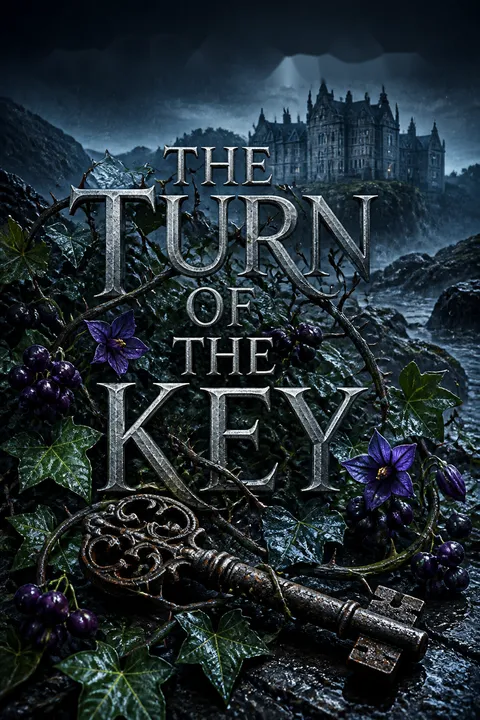


Plot Summary
Prologue
From a Scottish prison, a young woman writes to a respected lawyer, insisting that she did not kill Maddie Elincourt. She distrusts her assigned solicitor, who keeps interrupting her account, and fears the police have turned her confused statements into proof of guilt.
With months before trial, she begins again, tracing the events that brought her to Heatherbrae House and the child’s death. Her account is a plea, but also an attempt to recover the truth from a story she can no longer control.
The prison letters establish the novel’s central uncertainty before the events themselves: the narrator’s innocence is asserted, not demonstrated. Her insistence that she must tell the whole truth makes candor sound both morally necessary and strategically dangerous. Because she is writing to someone who has not yet agreed to defend her, every detail becomes an act of persuasion, while her self-accusations can strengthen the case against her. The frame therefore makes the reader listen as a jury might, weighing not only what happened but how a frightened, compromised person tries to make herself believed.
The Ad in Search Results
In London, childcare worker Rowan Caine is lonely after her flatmate leaves for India and frustrated when a promotion goes to someone else. Searching online for something unrelated, she finds a live-in nanny job at Heatherbrae House in the Scottish Highlands. The Elincourts offer an extraordinary salary, a car, and a luxurious home, but mention that four previous nannies have left after reporting disturbances.
Rowan dismisses the haunting stories as a convenient excuse for homesickness. She needs a fresh start and is drawn to the chance of living somewhere that feels like a real home. She prepares her application, supplies her childcare credentials and references, and waits anxiously for an interview.
The job advert offers Rowan more than employment: it promises a home, recognition, and escape from a life in which she feels overlooked. Her eagerness makes the salary and the house’s beauty persuasive before she has tested either the family or the job. The warning about four departing nannies is present from the start, but she recasts it as a problem she can master. This is not simple foolishness. Rowan has spent years managing risk by aiming low, and the post tempts her to confuse a rare opportunity with proof that she is finally being chosen.
Heatherbrae's Polished Welcome
After a delayed journey north, Rowan meets Jack Grant, the Elincourts’ handyman, who drives her to Heatherbrae. Sandra interviews her over dinner while Bill is away, explaining that she needs someone experienced enough to manage the children with little introduction.
The old granite house is warm and beautiful, yet its automated lights, speakers, curtains, and door controls make it feel unnervingly watchful. Rowan meets Maddie, Ellie, and baby Petra the next morning, helps clean porridge from the kitchen, and tries to win Maddie’s trust.
As Rowan leaves for London, Maddie abruptly clings to her and warns that Heatherbrae is not safe. Sandra interprets the embrace as affection. Rowan accepts the job, hoping the child’s fear is only superstition.
Heatherbrae’s attraction works because it answers Rowan’s private hunger for comfort, while its technology quietly unsettles her sense of privacy and control. Sandra presents a polished account of family life, but her urgency to hire and the children’s strained behavior complicate that picture. Maddie’s warning is the first moment when a child’s perception competes with an adult’s reassuring explanation. Rowan chooses the explanation that keeps the opportunity intact. Her decision is understandable, but it also establishes a pattern: she hears danger, then edits it into something she can afford to ignore.
Left With the Elincourt Children
Rowan arrives with her belongings and learns that Sandra and Bill will leave the very next day for work. Once they depart, Ellie runs after their car, Maddie disappears into the grounds, and Rowan nearly finds Petra standing unrestrained in her high chair. Searching for the older girls, Rowan hears a terrifying scream through Petra’s baby monitor, races home, and finds Petra asleep.
Jean McKenzie, the housekeeper, has meanwhile found Maddie and Ellie outside and accuses Rowan of locking them out. The girls turn against Rowan, and she struggles to settle Petra. Jack eventually quiets the baby and offers sympathy. Later Rowan cannot find the utility-room key, so she wedges the door shut and goes to bed exhausted and uneasy.
The first day strips away the orderly version of childcare Rowan imagined. She is responsible for three young children across isolated grounds, but the parents’ detailed binder cannot compensate for their absence or the children’s distrust. The false alarm from the monitor and Jean’s accusation make ordinary mistakes feel like evidence being assembled against Rowan. Her fear is not yet proof of a supernatural threat; it grows from fatigue, surveillance, and the knowledge that she is being judged. Jack’s practical kindness provides relief, which makes his presence emotionally important before Rowan has reason to question him.
The House Learns Her Fears
The next night, the house erupts in blaring music, glaring lights, barking dogs, and terrified children. Rowan cannot stop the system because her tablet is dead and her account locks her out; Jack cuts the power and restores the house. The following day Maddie and Ellie lead Rowan into a walled garden, where toxic plants leave an angry rash on Rowan’s skin.
Sandra reprimands her for entering, though the girls knew how to open the gate. Rowan discovers that a child died at the house decades earlier after eating poisonous berries. Soon she finds a locked space above her bedroom. Jack opens it, revealing broken toys, dead bird remains, and childish messages of hatred scrawled across the walls.
The smart home turns convenience into a power imbalance: Sandra can monitor and control the house remotely, while Rowan cannot reliably override its systems. At the same time, the poison garden gives the house’s danger a material form, making fear impossible to dismiss as mere atmosphere. The attic intensifies that uncertainty. Its hateful writing resembles the children’s hostility, yet the sealed room suggests a history beyond their reach. The novel uses these spaces to make Rowan’s perception unstable without making her irrational: each frightening interpretation is attached to a real failure, hazard, or piece of evidence.
Rhiannon Finds the Real Name
Sandra’s eldest daughter, fourteen-year-old Rhiannon, returns from boarding school and quickly makes clear that she distrusts the new nanny. After Rhiannon lies about a sleepover and prepares to go out again, Rowan threatens to inform her parents. Rhiannon counters by revealing that Rowan is not Rowan Caine.
The narrator then admits to her lawyer that she is Rachel Gerhardt, using her former flatmate’s childcare papers to get hired. Rachel had found the advert while searching for Bill Elincourt, the father who abandoned her before she was born. She had hoped only to meet him, but Heatherbrae’s comfort made her want to belong to his new family. Rhiannon now holds the secret that could end Rachel’s job and expose her deception.
The identity revelation recasts Rowan’s earlier hunger for the house. Her deception is neither an elaborate criminal scheme nor an innocent clerical mistake: she borrows a friend’s name to approach the father she has spent years trying to find. That mixed motive makes her morally legible without making her choices harmless. Rhiannon’s discovery also reverses the household’s surveillance dynamic. The teenager has investigated the adult who was meant to supervise her, turning private information into leverage. Both women are trying to control abandonment, but one does so through disguise and the other through blackmail.
Jack's Shelter, Jack's Secret
Rhiannon leaves for the night, and Rachel, overwhelmed by the threat to her identity, drinks alone before Jack returns. He notices a deep cut in her hand, takes her to his flat for treatment, and the two have sex.
Before leaving, Rachel spots a purple flower and the severed string she had used to secure the poison-garden gate. She recognizes the flower as monkshood, a lethal plant, and finds crushed poisonous berries in the kitchen waste disposal. Afraid someone has tampered with her wine, she searches the attic again.
Behind a trunk she finds an old phone, her missing initial necklace, and more plant material. These discoveries suggest deliberate interference, but she cannot tell whether Jack is threatening her or someone else is trying to protect her.
Rachel’s intimacy with Jack offers a brief counterweight to the house’s isolation, but it also clouds her judgment at the very moment she needs it most. The poison and missing objects turn suspicion into a practical question of survival, yet the evidence points in more than one direction. Her uncertainty is sharpened by her own concealment: because she has lied about her name and motive, she cannot easily ask for help without risking exposure. The attic’s old phone and her necklace make the haunting seem engineered, but they do not identify who engineered it or why.
The Father Between Them
Rhiannon returns drunk before dawn. When Rachel confronts her, Rhiannon explains that a former nanny, Holly, had an affair with Bill and used Maddie and Ellie to conceal it.
Rhiannon discovered the relationship by hiding Petra’s baby monitor in Bill’s study, then forced Holly to leave after arranging for cameras to record her losing her temper. Rachel tells Rhiannon that she would never sleep with Bill, but cannot yet explain that he is her own father. Rhiannon reveals that Bill has left another family before, and fears he will abandon them too.
Their anger briefly becomes recognition: Rachel sees her own adolescent desperation in Rhiannon. When she finally goes upstairs, she finds the bedroom window open and Maddie’s bed occupied only by a pillow.
Rhiannon’s hostility is not simply adolescent defiance. She has assumed responsibility for detecting adult betrayal and protecting her mother and siblings, using surveillance and entrapment because she believes adults will otherwise lie. Holly’s history explains why each new nanny arrives already under suspicion. Rachel recognizes the cost of this vigilance because her own childhood was shaped by a parent’s rejection and a mother’s disappointment. Their connection is real but incomplete: Rachel cannot disclose her relationship to Bill, and Rhiannon cannot trust reassurance from another woman entering the family.
Maddie Below the Window
Rachel searches the house and grounds, calling for Maddie while Rhiannon looks upstairs. Outside, beneath the window of Rachel’s room, she finds Maddie’s body on the cobbles. The child is dead, and Rachel’s clothes and hands are covered in blood as she tries to hold her. Jack arrives, then Rhiannon, carrying a crying Petra; the police follow with blue lights through the gates.
Investigators focus on the open window and the distance Maddie fell from the house, concluding that the fall may have involved a push. Rachel cannot explain how the child left her bed or who was with her. The house’s cameras do not show Maddie leaving, and Rachel’s covered bedroom camera leaves a crucial gap in the evidence.
The death converts a sequence of ambiguous disturbances into a criminal investigation with a child at its center. Rachel’s attempt to comfort Maddie becomes inseparable from the physical evidence on her body, while the camera gap makes her ordinary desire for privacy look like concealment. The missing footage is especially cruel because surveillance has dominated the household, yet it fails at the one moment when proof matters. Rachel’s guilt is not the same as murder, but she understands that her absence and secrecy helped create conditions in which the truth may be impossible to reconstruct.
A Case Built From Secrets
In custody, Rachel learns how her choices fit the police theory: she entered Heatherbrae under a false name, concealed that Bill was her father, covered the camera in her bedroom, and was alone with the children while the Elincourts travelled.
Her account of footsteps, the attic, and the house’s apparent haunting sounds implausible beside those facts. She also discovers that Jack is married, a revelation that further complicates her account of their intimacy, though it does not explain Maddie’s death.
Rachel remains on remand and writes repeatedly to lawyer Wrexham, insisting that she is innocent while admitting her failures as a caregiver. She fears that each honest detail strengthens the prosecution, but withholding those details would make her story even less trustworthy.
The case against Rachel gains force from the convergence of separate truths: identity fraud, a concealed family motive, compromised supervision, and missing evidence. None proves that she killed Maddie, but together they make her explanation difficult to accept. Her letters expose a tension at the heart of testimony: candor can establish moral credibility while also supplying an adversary with a motive and a means. Rachel cannot make herself an uncomplicated innocent. The novel asks whether a person who has behaved deceptively can still be telling the truth about the crime that matters most.
Epilogue
In 2019, papers hidden in the prison are found during renovation. Jean’s letter tells Rachel that she believes she would not have harmed Maddie and that Sandra has left Bill and taken the children away. Ellie’s unsent letter supplies the missing account: Maddie used an old phone and the house system to frighten previous nannies, planted the doll’s head, and planned to poison Rachel’s wine.
Ellie poured the wine away, then followed Maddie toward the attic window and pushed her during their struggle. Maddie fell. Ellie begs Rachel not to expose her, leaving the truth in Rachel’s hands and the legal outcome unresolved.
The recovered letters transform the novel’s ghost story into a child’s covert campaign, but they do not erase the uncertainty that has governed Rachel’s account. Maddie’s tricks explain the alarms, apparent footsteps, and planted objects; Ellie’s confession explains the fatal fall and Rachel’s innocence. Yet the truth arrives too late to be tested in court, and Ellie asks the person she wronged to protect her. Jean’s letter offers human testimony where the cameras failed, while Sandra’s departure from Bill signals another family fracture. The ending grants explanation, not clean justice: the reader knows what happened, but not whether Rachel will ever be believed.
Analysis
The novel makes care a labor performed under unequal conditions. Rachel is expected to protect three children in an isolated house, yet Sandra and Bill leave her with inadequate preparation, conflicting rules, and a system that monitors her without giving her full control. The children’s behavior is not simply menace: it is also an expression of repeated disruption, divided loyalties, and adults who have made their own secrets part of family life. Rachel’s failures matter, but they do not settle the question of murder.
Heatherbrae’s smart technology sharpens this moral ambiguity. Cameras seem to promise objective truth, yet Rachel covers one because she needs a private room, and the missing footage becomes evidence against her. The house can record ordinary movements while failing to document the decisive event. Its machinery gives power to remote administrators and leaves the live-in worker exposed, watched, and unable to verify what she experiences. The apparent haunting exploits precisely that imbalance: technological effects become indistinguishable from threat when the person experiencing them has little authority.
Rachel’s false identity creates a parallel problem of credibility. Her longing to meet the father who abandoned her is understandable, but she pursues it by deceiving a family and accepting responsibility for children under false pretenses. Her honesty after the fact cannot undo that breach, yet the police’s understandable suspicion does not make their conclusion correct. The story asks readers to resist two easy judgments at once: that a compromised narrator must be guilty, and that emotional suffering excuses her choices.
The final letter reframes the supernatural plot as a child’s imitation of adult manipulation, then reveals the fatal consequence of Ellie’s panic. Maddie’s tricks were designed to control the adults around her; Ellie’s attempt to stop her ended in irreversible violence. The explanation restores causality but not comfort. Rachel’s innocence, Ellie’s responsibility, and the adults’ failures remain entangled, while the discovered confession may never reach a court. The last question is therefore not only who caused the death, but whether truth can still matter after a convincing false story has hardened into a verdict.
Review Summary
The Turn of the Key receives mostly positive reviews, with readers praising its atmospheric and creepy setting in a high-tech Scottish mansion. Many find the plot gripping and the twists surprising, though some criticize the slow pacing and underdeveloped characters. Readers appreciate Ware's ability to create suspense and gothic vibes. The unique narrative format of letters from the accused nanny to her lawyer is well-received. While opinions vary, most agree it's an entertaining psychological thriller that keeps readers guessing until the end.
People Also Read



Characters
Rowan Caine
The nanny seeking belongingRowan is the name the narrator uses when she arrives at Heatherbrae, presenting herself as an experienced, practical childcare worker. She is observant and capable, but self-conscious about failure and eager to be chosen by the Elincourts. Her desire for stability makes the house’s luxury feel like a promise of emotional safety, even as the children’s resistance and the smart-home surveillance unsettle her. Rowan is not a saintly caregiver: she becomes impatient, drinks, and makes decisions she later regrets. Her ability to recognize her own flaws gives the account its force, while her need to be believed shapes every memory she shares.
Rachel Gerhardt
The daughter seeking a fatherRachel is the woman behind the narrator’s assumed name. She grew up feeling unwanted and carries a lasting ache over the father who left before she was born. She works in childcare and has real experience with children, but her longing for family and home makes her vulnerable to risky choices. Rachel can be defensive, impulsive, and hungry for approval; she can also be reflective enough to admit when fear, anger, or pride has distorted her judgment. Her account is shaped by the struggle to explain how a person can be dishonest about her identity and truthful about the most serious accusation against her.
Maddie Elincourt
The watchful middle childMaddie is eight, dark-haired, and wary of strangers. She often speaks through refusal, tests the adults around her, and keeps Ellie close, taking on a protective role that can become controlling. Her resistance reflects the instability of having watched nannies arrive and leave, as well as the strain of a family whose adults are frequently absent. Maddie is clever, observant, and capable of tenderness, though she rarely offers it openly. Her warnings and drawings make her difficult to read: she can seem frightened one moment and calculating the next, forcing the adults to decide whether to trust what she shows them.
Ellie Elincourt
The eager little sisterEllie is five, affectionate, impressionable, and often caught between her own wishes and Maddie’s influence. She misses her mother intensely and seeks comfort from adults, but she can also follow her older sister into mischief. Ellie’s small acts of apology and attempts to communicate show how much she wants approval and fears being left behind. She has the limited understanding of a young child, so she may repeat frightening stories without grasping their consequences. Her dependence on Maddie is central to how she behaves around Rowan and to the household’s shifting alliances.
Sandra Elincourt
The absent architect motherSandra co-runs an architecture practice with her husband and manages the household through extensive schedules, instructions, and remote technology. She is warm in person and deeply invested in her children, but professional demands repeatedly pull her away from them. Her detailed systems suggest an effort to remain present at a distance, while her reliance on them can make the house feel controlled rather than intimate. Sandra wants a stable caregiver for her children and believes careful planning can reduce disruption. The gap between her affection and her physical absence shapes how the children respond to each new nanny.
Bill Elincourt
The comfortable family patriarchBill is Sandra’s husband and business partner, a successful architect who is accustomed to comfort and to having practical problems handled for him. He takes less interest in the daily routines Sandra has carefully organized and can seem self-absorbed when speaking with people who work for him. His authority in the household is reinforced by money, technology, and the family’s dependence on hired care. Bill’s charm and professional ease complicate the discomfort he can create in others, leaving the people around him to weigh what they sense against what they can prove.
Jack Grant
The helpful estate handymanJack maintains Heatherbrae’s grounds, vehicles, and technology, and often becomes the only adult physically available to Rowan. He is practical, physically capable, and gentle with the children, especially when Petra is distressed. His easy warmth offers Rowan relief from isolation, and their attraction grows in a household where privacy is scarce. Jack knows more about the estate than Rowan does, but his loyalty to his employers makes him selective about what he shares. He is a source of help and a focus for suspicion, illustrating how little Rowan can know about the people on whom she depends.
Rhiannon Elincourt
The guarded eldest daughterRhiannon is fourteen, attends boarding school, and returns to Heatherbrae with an older teenager’s confidence and a child’s need for protection. She is sharp, independent, and quick to challenge adults, especially those entering her family’s private life. Her hostility toward Rowan is rooted in experiences that have made her distrustful of caregivers and protective of her mother and siblings. Rhiannon uses research and leverage rather than open vulnerability, yet her anger often covers fear of being abandoned. She is both a source of conflict and one of the few people who understands how the family’s secrets shape its children.
Jean McKenzie
The disapproving housekeeperJean cleans Heatherbrae and cares for her father, who lives in the village. She is blunt, traditional, and openly suspicious of Rowan, whom she initially sees as an outsider who may not understand the children. Her affection for the Elincourt girls is clear in the way she comforts them and notices their needs. Jean’s knowledge of local history and folklore provides Rowan with fragments of the house’s past, though her guarded manner makes it difficult to tell when she is offering fact, opinion, or warning.
Petra Elincourt
The youngest Elincourt childPetra is eighteen months old, energetic, and too young to understand the tensions between the adults and her sisters. She throws food, climbs when she should be strapped in, and depends on caregivers for every part of her routine. Her ordinary needs keep Rowan occupied through long days and expose the difference between a written schedule and the unpredictability of actual childcare. Petra’s small gestures of affection also offer Rowan moments of connection in a household where trust is otherwise hard won.
Richard Wrexham
The hoped-for defense lawyerWrexham is the lawyer Rachel chooses to approach from prison after losing faith in the solicitor assigned to her. He is absent from the events at Heatherbrae, yet Rachel addresses her account to him as the listener she hopes will let her finish. His reputation for defending difficult cases makes him a figure of hope, but the letters do not establish whether he ever receives them or agrees to represent her.
Dr. Kenwick Grant
The former poison researcherDr. Grant was an analytical chemist who lived at Heatherbrae when it was known as Struan House. He cultivated a garden of poisonous plants and became the subject of local stories after tragedy struck his family. Photographs and village accounts present conflicting impressions of him, leaving Rowan uncertain whether she is seeing grief, guilt, or the distortion of rumor.
Elspeth Grant
The lost child of StruanElspeth was Dr. Grant’s eleven-year-old daughter. Her death decades before Rowan’s arrival is tied to the poison garden and becomes part of Heatherbrae’s local history. Rowan encounters Elspeth through old reports and other people’s stories rather than through any direct memory, so the child remains both a person and a projection of the house’s unresolved grief.
Holly
The former family nannyHolly was a previous nanny who stayed with the Elincourts for several years and became important to the children. Her departure remains a painful subject within the family, particularly for Rhiannon. The conflicting feelings attached to Holly show how a caregiver can become part of a child’s emotional world while remaining an employee with limited power and uncertain protection.
Rowan Caine
The absent flatmateRowan Caine is Rachel’s former flatmate and fellow childcare worker, away travelling when the story begins. Her professional papers and references become important because she once shared Rachel’s home and line of work. The friendship also represents a more ordinary source of companionship that Rachel misses after Rowan leaves.
Plot Devices
The Prison Letters
A plea shaped as testimonyRachel narrates her account through letters addressed to lawyer Richard Wrexham while she waits on remand. The form lets her revisit events in sequence, interrupt herself, admit damaging behavior, and speculate about what she cannot explain. It also creates a second layer of suspense: the reader knows a child has died and that Rachel is accused, but must decide how much confidence to place in the narrator’s memory and interpretation. The later discovery that the letters were never sent makes the form part of the story’s problem of delayed belief.
The Happy Smart Home
Surveillance without certaintyThe Elincourts’ home system controls lights, curtains, heating, speakers, doors, cameras, and household appliances. Sandra uses it to check on the children and communicate remotely, while Rowan struggles to operate it or understand who has access. Its failures can resemble a haunting, and its cameras promise evidence while leaving crucial areas unseen. The system therefore makes the house both intensely observable and strangely unknowable, amplifying Rowan’s isolation and complicating the later investigation.
The Poison Garden
A beautiful, physical threatThe walled garden contains toxic plants planted by the house’s former owner, Dr. Kenwick Grant. Its locked gate, neglected paths, and ominous statue give local ghost stories a concrete setting, while Rowan’s rash reveals that danger does not require eating a plant. The garden’s poisonous berries and flowers recur as signs of both historical tragedy and present-day risk. It makes the house’s past physically accessible to the children and to Rowan, turning curiosity into a safeguarding hazard.
The Borrowed Identity
Access purchased through deceptionRachel uses her former flatmate Rowan Caine’s childcare papers to secure the nanny post. The two women have similar professional backgrounds, making the deception easy to sustain through the interview and remote payroll process. Rachel’s false name gives her a way into the home of a man she has long wanted to meet, but once discovered it supplies the police with a motive and undermines her credibility. The device connects her private longing to the public case against her.
The Sealed Attic
A stage for manufactured hauntingA locked closet in Rowan’s bedroom conceals stairs to a dusty attic filled with discarded toys, dead bird remains, hostile writing, and hidden belongings. The space appears to preserve the house’s history and seems to confirm the supernatural tales surrounding Heatherbrae. Its hidden phone and route through a small window ultimately connect the attic to the staged disturbances. Because the attic can be entered without the obvious door, it also embodies the limits of what Rowan and the police can know from the house’s visible surfaces.
FAQ
Synopsis & Basic Details
What is The Turn of the Key about?
- Nanny's desperate plea: A young nanny, imprisoned for the death of a child in her care, writes to a barrister, claiming her innocence and detailing the events leading to her arrest.
- Remote, high-tech house: The story unfolds at Heatherbrae House, a remote, technologically advanced home in the Scottish Highlands, where the nanny takes a live-in position.
- Unraveling mystery: The narrative explores the unsettling events, secrets, and manipulations within the household, as the nanny tries to prove her innocence and uncover the truth.
Why should I read The Turn of the Key?
- Suspenseful mystery: The novel offers a gripping and suspenseful mystery, with twists and turns that keep readers guessing until the very end.
- Psychological depth: It delves into the psychological complexities of its characters, exploring themes of isolation, paranoia, and the impact of toxic family dynamics.
- Modern gothic elements: The story blends modern technology with gothic elements, creating a chilling and atmospheric reading experience.
What is the background of The Turn of the Key?
- Technological advancements: The story is set in a modern context, featuring a "smart" house with advanced technology, including a comprehensive surveillance system.
- Remote Scottish Highlands: The remote setting of the Scottish Highlands contributes to the sense of isolation and unease, enhancing the gothic atmosphere.
- Historical allusions: The novel references historical elements, such as the poison garden and the house's past, adding layers of mystery and intrigue.
What are the most memorable quotes in The Turn of the Key?
- "I didn't kill anyone. I just fucking didn't.": This quote encapsulates Rowan's desperate plea and her raw, unfiltered voice, highlighting her frustration and determination to prove her innocence.
- "The ghosts wouldn't like it.": This chilling warning from Maddie foreshadows the dark secrets and unsettling events at Heatherbrae House, adding a layer of supernatural suspense.
- "Home is where the Happy is!": This recurring phrase from the home-management app highlights the unsettling nature of the technology and the artificiality of the Elincourt's perfect facade.
What writing style, narrative choices, and literary techniques does Ruth Ware use?
- First-person perspective: The story is told through Rowan's first-person perspective, creating a sense of intimacy and immediacy, while also limiting the reader's knowledge to her viewpoint.
- Epistolary format: The use of letters to Mr. Wrexham frames the narrative, allowing for a confessional tone and a gradual reveal of the story's events.
- Foreshadowing and suspense: Ware employs subtle foreshadowing and suspenseful pacing, creating a sense of unease and keeping readers guessing about the true nature of the events at Heatherbrae House.
Hidden Details & Subtle Connections
What are some minor details that add significant meaning?
- The lack of a keyhole: The absence of a keyhole on the front door of Heatherbrae House foreshadows the house's reliance on technology and the lack of traditional security, hinting at the hidden control mechanisms.
- The recurring mention of "Happy": The phrase "Eat happy, Sandra!" and "Home is where the Happy is!" from the home-management app, initially seems like a quirky detail, but it becomes a symbol of the artificiality and unsettling nature of the Elincourt's perfect facade.
- The description of the house's interior: The contrast between the traditional and modern elements of the house's interior reflects the conflicting forces at play within the family and the hidden tensions beneath the surface.
What are some subtle foreshadowing and callbacks?
- The nannies' departures: The repeated mention of previous nannies leaving due to "superstitions" foreshadows the dark secrets and unsettling events that will eventually drive Rowan to the edge.
- Maddie's warning: Maddie's initial warning to Rowan about the ghosts foreshadows the danger and malevolence that Rowan will encounter at Heatherbrae House.
- The description of the poison garden: The detailed description of the poison garden and its deadly plants foreshadows the tragic events that will unfold, highlighting the danger lurking beneath the surface of the seemingly idyllic setting.
What are some unexpected character connections?
- Jack's knowledge of the house: Jack's familiarity with the house's layout and his ability to navigate the technology suggests a deeper connection to the Elincourts and their secrets than initially revealed.
- Jean's disapproval of Rowan: Jean's immediate dislike of Rowan and her cryptic remarks hint at a hidden knowledge of the house's past and the dangers it holds.
- Rhiannon's hidden agenda: Rhiannon's seemingly rebellious behavior masks a deeper understanding of her family's secrets and her own manipulative tendencies.
Who are the most significant supporting characters?
- Jack Grant: The handyman's presence adds an element of mystery and suspicion, as his actions and motivations are often ambiguous, making him a key figure in the unfolding events.
- Jean McKenzie: The housekeeper's disapproval and cryptic remarks hint at a deeper knowledge of the house's history and the dangers it holds, making her a significant, if enigmatic, supporting character.
- Rhiannon Elincourt: The eldest daughter's revelations about her family's past and her knowledge of Rowan's true identity add complexity to the narrative, making her a crucial supporting character.
Psychological, Emotional, & Relational Analysis
What are some unspoken motivations of the characters?
- Sandra's need for control: Sandra's reliance on technology and her constant monitoring of the children suggest a deep-seated need for control, stemming from her husband's infidelity and the household's instability.
- Bill's desire for validation: Bill's behavior towards the nannies suggests a need for validation and attention, stemming from his own insecurities and a desire to exert power over others.
- Maddie's need for attention: Maddie's rebellious behavior and her attempts to sabotage Rowan's efforts suggest a need for attention and a desire to disrupt the household's fragile balance.
What psychological complexities do the characters exhibit?
- Rowan's desperation and self-doubt: Rowan's desperation to escape her past and her self-doubt make her vulnerable to manipulation and contribute to her downfall.
- Sandra's internal conflict: Sandra's struggle to balance her professional life with her desire to protect her children highlights her internal conflict and the pressures she faces.
- Rhiannon's manipulative tendencies: Rhiannon's manipulative behavior and her desire to control her family's narrative reveal a complex and troubled personality.
What are the major emotional turning points?
- Rowan's discovery of the attic: The discovery of the attic and its contents marks a turning point for Rowan, as she realizes the extent of the house's secrets and the danger she is in.
- Maddie's death: Maddie's death is a major emotional turning point, leading to Rowan's arrest and the unraveling of the household's facade.
- Rhiannon's confession: Rhiannon's revelation about her father's affair and her knowledge of Rowan's true identity marks a turning point in the narrative, exposing the family's dark secrets.
How do relationship dynamics evolve?
- Rowan and the children: Rowan's relationship with the children evolves from initial attempts at control to a more complex dynamic of fear, manipulation, and, ultimately, a tragic understanding.
- Rowan and Jack: The relationship between Rowan and Jack shifts from suspicion to a brief connection, highlighting the complexities of trust and betrayal.
- The Elincourt family: The dynamics within the Elincourt family are revealed to be deeply dysfunctional, with secrets, lies, and betrayals that contribute to the tragic events.
Interpretation & Debate
Which parts of the story remain ambiguous or open-ended?
- The true nature of the haunting: The novel leaves the question of whether the house is truly haunted open to interpretation, blurring the lines between the supernatural and psychological.
- Jack's true motives: Jack's motivations and his role in the events at Heatherbrae House remain somewhat ambiguous, leaving readers to question his true intentions.
- The extent of Maddie's knowledge: The extent of Maddie's understanding of the house's secrets and her own role in the events remains open to interpretation, adding to the story's complexity.
What are some debatable, controversial scenes or moments in The Turn of the Key?
- Rowan's relationship with Jack: The brief romantic encounter between Rowan and Jack raises questions about her judgment and her motivations, sparking debate about her reliability as a narrator.
- Rowan's actions with the children: Rowan's handling of the children, particularly her use of bribery and her occasional loss of temper, raises questions about her suitability as a nanny and her role in the events leading to Maddie's death.
- The ending: The ending, with Ellie's confession, leaves some readers questioning whether justice has been served and whether the truth has truly been revealed.
The Turn of the Key Ending Explained: How It Ends & What It Means
- Ellie's confession: The ending reveals that Ellie accidentally pushed Maddie, leading to her death, exonerating Rowan of murder but not of her other deceptions.
- The cycle of abuse: The ending highlights the cycle of abuse and manipulation within the Elincourt family, with the children becoming victims of their parents' toxic behavior.
- The ambiguity of truth: The ending leaves readers questioning the nature of truth and the reliability of memory, as the events are filtered through Rowan's subjective perspective.
About the Author


Download PDF
Download EPUB
.epub digital book format is ideal for reading ebooks on phones, tablets, and e-readers.








