

Key Takeaways
Anger is a costly verdict on injuries you may have imagined
A judgment, not a fact. Seneca defines anger as the desire to punish a wrong, real or perceived. The crucial word is perceived: feeling insulted does not prove that anyone intended harm, or that the incident deserves retaliation. Anger can make a small frustration feel like a grave offense, while its consequences may be far larger than the original slight.
Zoom out before reacting. A driver cutting you off, a missed greeting, or a place taken in line can feel urgent in the moment. Seneca asks readers to widen the frame and compare such irritations with what truly threatens human life and society. The point is not that every slight is imaginary, but that wounded pride often assigns it an inflated price.
What's useful here is the separation between an emotion and the conclusion attached to it. Anger can alert a person to a boundary or injustice, but it is not reliable evidence about another person's motives. Treating it as a prompt to investigate, rather than a verdict to execute, preserves its informational value without handing it control. Seneca's scale-shifting exercise is especially effective for petty affronts. It is less adequate when harm is serious or repeated, where perspective should clarify the response, not erase the need for protection.
Interrupt anger at its first spark, before momentum takes over
Prevention beats restraint. Seneca argues that anger is easier to keep out than to govern once established. He compares its momentum to a body already falling: after the descent begins, stopping becomes difficult. In his account, reason does not remain a detached referee after anger takes charge. It gets pulled into the passion and begins serving it.
Catch the first reaction. The practical target is the initial sting, before it becomes a story about insult, blame, and deserved punishment. Seneca does not expect people never to feel that first movement. He urges them to notice it and resist feeding it. His approach is less about winning a dramatic battle of willpower than preventing a brief irritation from becoming an action that cannot easily be recalled.
The image of momentum makes anger easier to understand as a process rather than a single decision. Modern accounts of self-regulation often make a similar distinction between noticing an impulse and acting on it. That distinction creates a workable interval in which a person can choose what happens next. Seneca's emphasis on prevention is persuasive, though his claim that reason loses control once anger begins is too absolute if read literally. People can reflect during anger, but doing so is harder when attention narrows and retaliation feels immediately rewarding.
Let duty guide correction; rage makes punishment less just
Action without fury. Seneca challenges the idea that anger supplies necessary courage. A person can defend a parent or seek justice because the act is right, he argues, not because rage has taken over. Anger is eager for revenge, but its haste can obstruct the very outcome it wants.
Socrates delays the blow. Seneca recounts that Socrates told a slave he would beat him if he were not angry. Instead of punishing him while enraged, he postponed the decision until he could judge more clearly. For Seneca, this is a model of discipline: punishment should correct or protect, not satisfy the punisher's appetite. The stronger the judgment, he says, the more useful the penalty can be.
This distinction separates moral purpose from emotional intensity. A calm response is not necessarily a weak response, and anger is not the same thing as courage. The Socrates story also offers a practical test: if a consequence seems necessary, will it still seem fair after the urge to retaliate cools? That question can improve discipline at home, at work, and in public life. The caution is that calmness alone does not guarantee justice. A measured decision still needs evidence, proportionality, and attention to the person harmed.
Put every accusation on trial before you punish anyone
Suspicion is combustible. Seneca says people often grow angry because they believe an injury occurred, then discover that the belief rested on rumor, a facial expression, or an ambiguous gesture. We are especially ready to accept claims that confirm what we already resent. Quick certainty can turn an innocent person into a target.
Borrow the court's patience. For even a small financial dispute, Seneca observes, a fair hearing would require evidence, a chance for both sides to speak, and time to examine the case. An accusation against a friend deserves at least as much care. Delay does not prevent consequences; it preserves the option to impose them after the facts are clearer. A punishment delivered too soon cannot simply be taken back.
Seneca's courtroom analogy translates emotional restraint into a rule of procedure: do not let one-sided information trigger irreversible action. It also anticipates a familiar problem in judgment, where an initial impression can shape how later evidence is interpreted. Asking what the absent person would say is a simple corrective. Still, patience should not become an excuse to ignore credible danger. The wise distinction is between slowing judgment long enough to assess evidence and delaying protective action when someone's safety is at immediate risk.
Remember your own faults before demanding flawless conduct from others
Fallibility changes the standard. Seneca asks readers to begin with an uncomfortable premise: no one is entirely innocent. The law captures only part of what people owe one another; thoughtlessness, disloyalty, and failures of generosity may cause harm without breaking a statute. People also make plans or entertain wishes they would rather not have to defend.
Use self-knowledge to soften judgment. Seneca points to the hypocrisy of wrongdoers who condemn the same behavior in others, such as a thief punishing theft. Before condemning someone, ask whether a similar mistake has been made or could be made. This does not require pretending that harm is harmless. It supports a fairer response, including correction where needed, without treating another person's failure as proof that they deserve revenge.
The strongest version of this argument is not that everyone is equally guilty, but that moral judgment should include humility about one's own blind spots. That humility can make accountability more credible: rules applied consistently are less likely to become instruments of personal resentment. Seneca also leaves room for consequences aimed at preventing future harm, rather than gratifying anger. The tension is important. Universal fallibility can encourage mercy, but it should not flatten differences in power, intent, or damage. Forgiveness and protection are separate decisions.
Raise resilience by refusing to make comfort and praise entitlements
Comfort can make setbacks feel enormous. Seneca advises parents not to grant every request made through tears, and to keep children away from constant flattery and indulgence. He recommends calm teachers, modest habits, and praise that does not inflate a child's sense of superiority. His concern is that someone accustomed to getting everything will have few resources when frustrated.
Prosperity can amplify entitlement. Seneca extends the idea to adults, noting that wealth, status, and agreeable followers can make people more easily offended. He describes flatterers encouraging the powerful to interpret disagreement as disrespect. The underlying lesson is to practice tolerating ordinary limits and setbacks. Seneca's prescriptions reflect his era's hierarchical assumptions, but his warning about entitlement remains distinct from a demand for harsh or deprived childhoods.
The useful insight is about expectations: repeated protection from every frustration can leave a person poorly prepared for disagreement. Contemporary parenting need not adopt Seneca's strictness to preserve that point. Children can experience manageable disappointment while still receiving warmth, explanation, and fair boundaries. His emphasis on calm role models is also perceptive, since temperament is learned partly through the behavior children see. The limit is that hardship does not automatically build resilience. Unpredictable or severe adversity can injure rather than strengthen, so the scale and support around frustration matter.
Reduce overload, hunger, and hostile company before they ignite you
Design for fewer sparks. Seneca draws on Democritus to argue that people become less tranquil when they take on more tasks than their abilities and time can support. Overloaded plans create delays, disappointments, and collisions with other people, each of which can become a new grievance. He also warns that hunger, thirst, physical exhaustion, and stressful public business make the mind easier to provoke.
Choose your surroundings. Seneca compares social influence to contagion: quarrelsome companions can reinforce irritability, while calm company can soften it. He recommends avoiding people or arguments known to inflame a person's particular temperament. When a discussion becomes heated, stepping away early is easier than escaping after it gathers force. These are not excuses for anger; they are ways to reduce predictable pressure on self-control.
This is a particularly practical shift from character to conditions. A person who is tired, hungry, overcommitted, and surrounded by conflict faces a harder task than someone who has removed some of those pressures. The idea resembles environmental approaches to behavior: prevent predictable triggers instead of relying only on resolve in the moment. There is a balance to keep, since avoiding every difficult person or conversation can shrink a life and leave problems unresolved. The aim is selective exposure and better timing, not permanent retreat from disagreement.
Map your triggers, recruit honest friends, and review each day
Learn your warning signs. Seneca notes that anger has early physical signals, much as illness can announce itself before a full episode. He urges readers to identify their individual sensitivities: one person reacts to criticism, another to being ignored, and another to apparent disrespect. Recognizing the vulnerable spot makes it possible to prepare for it rather than act surprised each time.
Build a check on impulse. Seneca describes Socrates changing his voice when anger rose, while close friends were authorized to call out the change. He also recommends an evening review of the day's conduct: identify what went wrong, consider why, and set a specific correction. His own practice was to examine words and actions before sleep, not to excuse mistakes but to learn from them.
This combines self-monitoring with social accountability, two approaches that can catch behavior a person misses alone. Naming a trigger makes a vague disposition more actionable, while a trusted friend can notice patterns that feel invisible from inside the moment. The nightly review adds a learning loop: an episode becomes information for the next encounter. One caution concerns Seneca's advice to conceal anger through posture and tone. Managing outward behavior can prevent harm, but mere suppression may leave the underlying grievance untouched; reflection should examine both the reaction and its cause.
Refuse to mistake retaliation for strength or political control
Anger can scale from person to state. Seneca had witnessed the violence of Caligula's rule, and his examples show how unchecked fury becomes more than a private failing. He describes crowds swept toward weapons and conflict by a few provocative words. He also recounts Caligula ordering the execution of several prominent Romans in one day, driven by cruelty rather than a need for investigation.
Restraint is a form of power. In contrast, Seneca tells of King Antigonus overhearing two soldiers speaking against him. Instead of punishing them, the king quietly asked them to move farther away so that he would not hear. The contrast challenges rulers and ordinary people alike: the ability to retaliate is not proof of freedom or strength. Anger can make power destructive, while restraint can keep a slight from becoming a crisis.
The political examples make Seneca's moral psychology a question of institutions as well as individuals. When leaders treat criticism as injury, personal emotion can become official punishment, and crowds can magnify a grievance before evidence or deliberation catches up. The Antigonus story models a modest but important alternative: reduce the occasion for escalation without making dissent a crime. Yet individual restraint cannot substitute for fair institutions. A ruler's self-command is valuable, but safeguards matter because public safety should not depend on the temperament of whoever holds power.
Spend less of a short life prosecuting slights
Time changes the grievance. Seneca closes by asking readers to remember that life is brief and death eventually levels distinctions between people. A king, a servant, and a rival all face the same end. That perspective makes hours spent planning another person's pain look costly, especially when the offender will die regardless of whether revenge is taken.
Choose what deserves your remaining attention. Seneca imagines two animals bound together in a fight, each unaware that an executioner awaits both. His point is that human beings can become similarly absorbed in mutual hostility while sharing the same vulnerability. He urges people to use the time still available for peaceful relations rather than turning everyday offense into a lasting feud. This is a tool for setting priorities, not a claim that serious injustice should go unanswered.
Mortality works here as a scale-setting device: it asks whether a grievance deserves a portion of a life that cannot be replenished. That question can loosen the hold of petty status contests and help people distinguish urgent repair from compulsive scorekeeping. Its limits deserve equal attention. Remembering death may encourage perspective, but it can also be misused to pressure people into silence about abuse or unfairness. The more defensible reading is that finite time argues against needless vengeance, while making deliberate protection and repair more, not less, important.
Analysis
Seneca's essay is both a psychology of escalation and a civic argument. Its most useful move is to define anger not simply as a sensation but as a judgment that someone has wronged us and should be punished. That definition makes anger open to examination. A person can ask whether the injury occurred, whether it was intended, and what response would actually improve matters. The book's practical advice follows from this model: delay judgment, anticipate setbacks, reduce known triggers, seek calm companions, and inspect one's conduct regularly.
Its most compelling distinction is between justice and revenge. Seneca does not say that a good person must remain passive when someone is harmed. He argues that protection and correction can proceed without the distorting pleasure of retaliation. This is especially valuable in the political sections, where a ruler's anger can turn private resentment into public violence. The contrast between Caligula's cruelty and Antigonus's restraint makes self-command a public responsibility, not just a personal virtue.
The account also has limits. Seneca treats anger as almost uniformly destructive, leaving little room for anger as a signal that a boundary has been crossed or that a wrong requires collective resistance. His counsel to endure abuse under powerful rulers can look less like freedom than adaptation to danger. A modern reader can preserve his central insight without accepting those conclusions: the feeling may carry information, but it should not dictate the verdict or the penalty.
The most durable synthesis is therefore not to distrust every angry feeling, but to separate feeling, interpretation, and action. Anger can prompt inquiry. Evidence and ethical judgment should determine the response. Seneca's routines remain useful precisely because they create time and structure for that separation. His nightly self-review, in particular, turns moral improvement into repeated practice rather than a promise made only after a blowup.
Review Summary
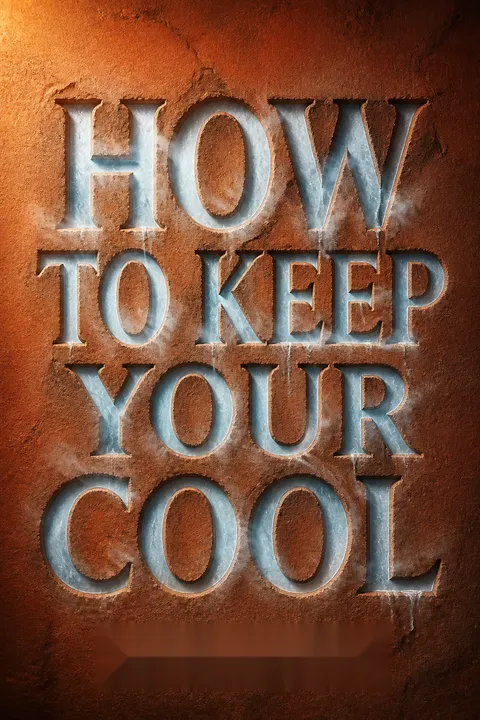
How to Keep Your Cool receives mostly positive reviews for its timeless wisdom on managing anger. Readers appreciate Seneca's practical advice and relevant examples, finding the book accessible and potentially life-changing. Some criticize the dated references and occasional repetitiveness. The book's short length is seen as both a strength and weakness. Many readers draw parallels to modern self-help literature and find value in applying Stoic principles to their lives. Overall, it's considered a worthwhile read for those seeking to control their anger and improve their emotional well-being.
People Also Read








Glossary
ira
anger as punitive desireThe Latin term Seneca uses for anger. In this essay, it is more than a passing feeling: it involves the desire to punish someone believed to have caused an injury. Because that belief can be mistaken, Seneca treats anger as a judgment that should be questioned before it governs action.
Reason
the rational governing facultyIn Seneca's Stoic framework, Reason is the human capacity for judgment and deliberate choice, associated with the rational order of the universe. It can guide action when kept distinct from passions, but Seneca argues that anger compromises its authority once the mind gives the passion control.
praemeditatio malorum
anticipating possible setbacksA Stoic practice, named in the editor's note, of imagining difficulties before they occur. Seneca advises readers to expect that frustrating events may arise, rather than assuming every plan will go smoothly. Preparation can reduce the shock of setbacks and make a person less likely to interpret them as intolerable injuries.
Stoicism
virtue through rational self-commandA philosophical tradition originating in Greece that emphasizes living according to reason and virtue. Seneca was shaped by Stoic teaching but also drew on other traditions and practical moral advice. In this work, Stoic ideas appear in his emphasis on self-command, careful judgment, and refusing to let passion determine action.
FAQ
1. What is "How to Keep Your Cool: An Ancient Guide to Anger Management" by Seneca about?
- Ancient wisdom on anger: The book is a modern translation and selection from Seneca’s essay "De Ira" ("On Anger"), offering Stoic advice on understanding, preventing, and managing anger.
- Philosophical and practical: It blends philosophical reflection with practical strategies for controlling anger, drawing on Seneca’s experiences as a Roman statesman and Stoic thinker.
- Universal relevance: Though written in the first century AD, Seneca’s insights are presented as applicable to all people, not just elite Romans, making the book relevant for modern readers struggling with anger.
- Focus on self-mastery: The central theme is that anger is a destructive force that undermines reason and virtue, and that self-control and rational reflection are essential for a good life.
2. Why should I read "How to Keep Your Cool" by Seneca?
- Timeless advice: Seneca’s observations on anger are as relevant today as they were in ancient Rome, addressing a universal human emotion that often leads to personal and societal harm.
- Practical techniques: The book offers actionable strategies for preventing and managing anger, including daily self-reflection, delaying reactions, and cultivating empathy.
- Philosophical depth: Readers gain insight into Stoic philosophy, which emphasizes reason, virtue, and emotional resilience.
- Historical perspective: The book provides a window into Roman society and the personal experiences of Seneca, who witnessed the dangers of unrestrained anger in politics and daily life.
3. What are the key takeaways from "How to Keep Your Cool" by Seneca?
- Anger is self-destructive: Seneca argues that anger harms the person who feels it more than its target, likening it to a form of temporary madness.
- Prevention is easier than cure: It’s better to prevent anger from arising than to try to control it once it has taken hold.
- Reason over passion: Maintaining the sovereignty of reason is essential; once anger takes over, rational control is lost.
- Universal fallibility: Recognizing that everyone makes mistakes fosters empathy and leniency, reducing the impulse to anger.
- Daily self-examination: Regular reflection on one’s actions and emotions is a powerful tool for self-improvement and anger management.
4. How does Seneca define anger in "How to Keep Your Cool"?
- Desire to punish: Seneca defines anger as the desire to punish a real or perceived wrong, distinguishing it from other emotions by its intensity and destructiveness.
- A form of madness: He calls anger a "brief madness," noting its inability to govern itself and its tendency to override reason and decorum.
- Visible and uncontrollable: Anger is unique among emotions in that it openly displays itself and quickly escalates beyond control.
- Rooted in misvaluation: Seneca sees anger as arising from placing too high a value on trivial matters, leading to disproportionate reactions.
5. What practical advice does Seneca give for preventing anger in "How to Keep Your Cool"?
- Delay and reflection: Seneca recommends delaying any reaction to perceived slights, allowing time for reason to reassert itself.
- Question your perceptions: He urges readers not to trust their immediate sense of having been wronged, as first impressions are often misleading.
- Avoid triggers: Seneca advises spending time with calm, easygoing people and steering clear of those who provoke anger.
- Manage expectations: By anticipating that setbacks and offenses will occur, one can reduce the shock and emotional response when they do.
6. How does Seneca suggest managing anger once it has arisen, according to "How to Keep Your Cool"?
- Conceal and control: He recommends hiding the outward signs of anger and consciously relaxing the body and voice to help calm the mind.
- Self-examination: Daily review of one’s actions and emotional responses helps identify triggers and patterns, making future control easier.
- Transform perspective: Seneca suggests reframing offenses as trivial or laughable, and considering the broader context to diminish their importance.
- Seek support: He encourages enlisting trusted friends to point out signs of anger and help hold oneself accountable.
7. What role does Stoic philosophy play in "How to Keep Your Cool" by Seneca?
- Central framework: Stoicism underpins Seneca’s approach, emphasizing the importance of reason, virtue, and emotional self-mastery.
- Practical ethics: While rooted in Stoic principles, Seneca’s advice is pragmatic, focusing on everyday situations and practical remedies.
- Universal reason: The Stoic belief in a divine Reason governing the universe is reflected in Seneca’s call to maintain rational control over passions.
- Self-improvement: The Stoic practice of daily introspection and self-correction is a key tool for managing anger.
8. How does Seneca address the idea that anger can be useful or motivating in "How to Keep Your Cool"?
- Rejects anger as a tool: Seneca argues that anger is not necessary for courage or effective action; duty and reason are sufficient motivators.
- Anger impairs judgment: He warns that anger clouds judgment and leads to rash, often counterproductive actions.
- False sense of greatness: Seneca dismisses the notion that anger is a sign of strength or greatness, calling it mere swelling rather than true virtue.
- Better alternatives: He advocates for calm, deliberate responses, which are more effective and honorable than those driven by anger.
9. What does Seneca say about child-rearing and the prevention of anger in "How to Keep Your Cool"?
- Early education is key: Seneca emphasizes the importance of raising children in a way that neither nurtures anger nor suppresses healthy impulses.
- Balanced upbringing: He advises a middle path—avoiding both excessive indulgence and harshness—to foster resilience and self-control.
- Role models matter: Children should be surrounded by calm and gentle caregivers, as they tend to imitate the behavior of those around them.
- Avoid flattery and luxury: Seneca warns that overindulgence and constant praise breed arrogance and a propensity for anger in adulthood.
10. How does Seneca use historical and personal examples in "How to Keep Your Cool" to illustrate his points?
- Roman political context: Seneca draws on his experiences in the Roman Senate and the reigns of emperors like Caligula and Nero to show the dangers of unchecked anger.
- Anecdotes of restraint: He recounts stories of figures like Socrates and Cato who responded to provocation with calmness and self-control.
- Examples of cruelty: Seneca details acts of extreme anger and cruelty by rulers to highlight the destructive consequences of unrestrained wrath.
- Positive models: He also shares stories of leaders who chose leniency and forgiveness, demonstrating the power of mercy over vengeance.
11. What are the most important concepts and methods for anger management in "How to Keep Your Cool" by Seneca?
- Delay and postpone: The greatest remedy for anger is delay—waiting before reacting allows emotions to subside and reason to prevail.
- Self-awareness: Knowing one’s own triggers and vulnerabilities is essential for prevention and control.
- Empathy and leniency: Recognizing the universal fallibility of humans encourages forgiveness and reduces the urge to retaliate.
- Daily self-review: Regular introspection helps track progress, reinforce good habits, and correct faults.
- Perspective on mortality: Contemplating the brevity of life puts minor offenses in perspective and discourages wasting time on anger.
12. What are the best quotes from "How to Keep Your Cool" by Seneca and what do they mean?
- "Your anger is a kind of madness, because you set a high price on worthless things." This highlights Seneca’s view that anger distorts judgment and leads us to overvalue trivial matters.
- "Delay is the greatest remedy for anger." Seneca emphasizes that time allows reason to return and prevents rash actions.
- "Let’s be kinder to one another; we’re just wicked people living among wicked people. Only one thing can give us peace, and that’s a pact of mutual leniency." This quote encapsulates Seneca’s call for empathy, forgiveness, and social harmony.
- "Nothing is great unless it’s also at peace." Seneca argues that true greatness is found in calmness and self-mastery, not in displays of anger or power.
- "Let’s cherish our humanity. Let’s not be a source of fear or danger to anyone." This final exhortation urges readers to prioritize compassion and peace over conflict and retribution.
About the Author
Other books by Seneca






Download PDF
Download EPUB
.epub digital book format is ideal for reading ebooks on phones, tablets, and e-readers.








