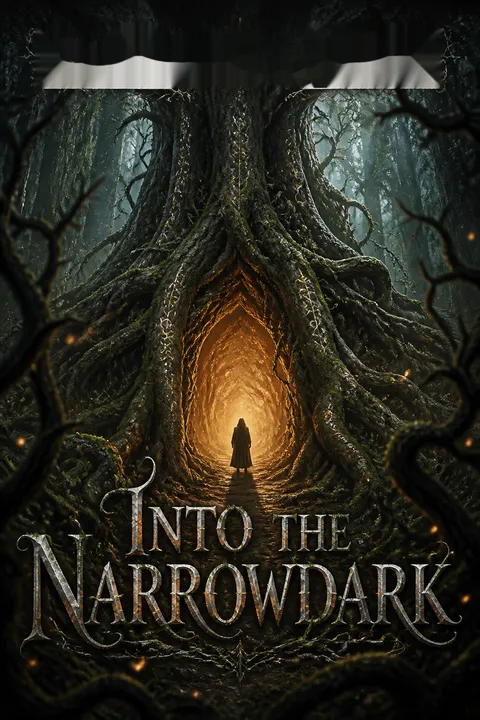


Plot Summary
Prologue
Tanahaya dreams of her lost childhood home closing around her like a prison. A voice warns her to protect a precious seed and beware the queen’s device. She wakes beneath the fallen roof of Da’ai Chikiza, injured and afraid that Prince Morgan and the others have died in the collapse.
As she crawls free, she realizes the dream’s urgent burden was not an object she carried. She is pregnant, and the child inside her is now part of what she must protect.
The dream turns Tanahaya’s private grief into a practical obligation. Her childhood orchards represent a world that cannot simply be restored, while the seed joins memory to an uncertain future. The warning about the queen’s device also establishes that intuition may carry knowledge before conscious reasoning can explain it. Tanahaya survives by acting on a responsibility she has not yet fully understood. Her pregnancy does not soften the danger around her; it makes every decision more consequential, since self-preservation and loyalty to others now include a life she cannot see.
A Norn Captures Morgan
Beneath the ruined Sithi city of Da’ai Chikiza, Prince Morgan is hiding from the Norn soldiers who have overwhelmed the Pure. Nezeru, a young Sacrifice who has broken with her own order, catches him at knife-point and forces him deeper into the tunnels. When silent white hounds and Norn fighters attack, Morgan helps her survive, and she grudgingly keeps him alive.
Neither trusts the other: he wants to return to his family, while she expects to die before surrendering to her former comrades. The collapsed city gives them no clear route out, and the search parties are closing in. Morgan must persuade Nezeru that survival is worth attempting before her training carries them both toward a death she has already accepted.
Their alliance begins as coercion, but danger quickly exposes the difference between obedience and judgment. Nezeru has been trained to treat death as proof of loyalty; Morgan treats survival as a responsibility to people waiting for him. His refusal to accept her fatalism is not yet wisdom, but it unsettles a system that has taught her not to question. The two young people also overturn the inherited image of their peoples: the mortal prince acts bravely, and the Norn soldier chooses not to kill him. Their immediate partnership is fragile, built from necessity rather than reconciliation.
Simon Loses His Queen
At the Hayholt, King Simon wakes each morning to remember that a burned corpse wearing Miriamele’s wedding ring has been identified as his wife. His grandson Morgan is missing, Naglimund has fallen to the Norns, and the Thrithings leader Unver is advancing into Erkynland. Count Eolair returns with news of King Hugh’s dealings with the Norns and warns that Hernystir may turn against the High Throne.
Simon can barely attend to the reports, so Eolair argues that he will do more good by returning west to organize resistance. Elsewhere, the real Miriamele survives a river monster’s attack, only to be chained in a riverside hut by Agga, who believes a dream has chosen her as his bride.
Simon’s grief is not merely private sorrow; it has become a failure of attention at the exact moment the kingdom needs judgment. Eolair’s proposal recognizes that loyalty sometimes means leaving a grieving friend to serve a larger need. Miriamele’s captivity provides a stark counterpoint: while Simon cannot act because loss has emptied him, she must act under physical restraint. The two are separated not only by distance but by radically different conditions of agency. The plot makes their marriage an emotional center without allowing either character’s pain to stop the political crisis.
The Northbound Call
While searching Aldheorte for Morgan, Qina and Little Snenneq meet Kuyu-kun, the Voice of the Dreaming Sea, who says the Tinukeda’ya were enslaved and exiled from their lost Garden. His visions point toward an approaching end, but the trolls continue their search rather than follow him. Binabik, recovering from a poisonous viper bite with Sisqi’s care, meets a Niskie family traveling north because of shared dreams.
They report seeing a vast Norn host moving south, including a wagon glowing as if fire burned inside it. Binabik decides he must carry the warning to the Hayholt despite his weakness. Later, Qina finds one of Morgan’s lost climbing irons near the occupied ruins, giving her and Snenneq their first solid trace of him.
The dreams create a pattern of movement that crosses boundaries between peoples and species. Kuyu-kun interprets it as an ending, while Qina and Snenneq insist on keeping their promise to Morgan. Binabik’s choice similarly puts friendship ahead of physical recovery, though Sisqi’s caution reminds him that loyalty does not erase bodily limits. The chapter also broadens the danger beyond a human war: creatures and families are being drawn north by a force no one can yet name. The climbing iron turns that vast mystery back into a personal search, giving Qina evidence that Morgan may still be alive.
Jesa Brings Miri Back
Jesa escapes the burning carriage with infant Serasina, the only survivor of Duchess Canthia’s family, and keeps the child alive by foraging in unfamiliar country. When Viscount Matreu finds her, he pretends to seek Canthia and the baby, but Jesa sees that he wants the heiress for political leverage.
She leads him into a marshy ghant nest, where the shell-backed creatures overwhelm him. Following a song from Agga’s hut, Jesa discovers the captive Queen Miriamele and learns that Canthia is dead. She helps Miriamele break her chain with a maul. Agga attacks, but the kallypook he had chained in the river seizes him and drags him under. Miriamele and Jesa flee together with Serasina.
Jesa’s care is repeatedly mistaken for passivity, yet it is her knowledge of plants, terrain, and danger that defeats Matreu. She cannot overpower him directly, so she redirects his confidence into the habitat of a more formidable predator. Miriamele’s rescue depends on the same kind of practical intelligence: the maul and chain matter more than royal status. Their escape forms an alliance across class and culture, with Jesa becoming more than a servant and Miriamele accepting help without disguising her vulnerability. Serasina gives both women a shared reason to keep moving.
Jiriki Chooses the Mortals
After Sir Aelin and his men reach a hidden Sithi refuge, Jiriki and Aditu reveal that Tanahaya found Morgan and that Utuk’ku seeks the Witchwood Crown beneath the Hayholt. They also learn Hugh has secretly let Norn forces cross Hernystir, possibly after communicating through the Master Witness called the Shard.
Jiriki asks the Sithi Protector Khendraja’aro for warriors to help the mortals, but Khendraja’aro argues that old human betrayals make such aid foolish. Their dispute becomes a formal Song of Challenge.
Jiriki invokes the dead First Grandmother’s warning against surrendering to inherited hatred. Khendraja’aro grants him only a limited force. Aelin is sent west to prevent Hugh from attacking the High Throne, guided through Norn-held country by Yeja’aro.
The Sithi debate is not a simple contest between compassion and prejudice. Khendraja’aro remembers genuine mortal violence and fears sacrificing a dwindling people; Jiriki argues that shared ancestry does not make either side morally uniform. The Song of Challenge turns political disagreement into public memory, showing how history can either bind a community to grievance or furnish it with another interpretation. Jiriki’s compromise is incomplete, but it converts argument into action. Aelin’s mission gives the same principle a mortal form: he must trust a guide he fears because refusing cooperation would make Hugh’s betrayal easier.
The Chancellor Steals Gold
Bishop Boez discovers that thousands of gold thrones have disappeared from the Hayholt’s treasury and finds a coded scrap suggesting the money went to a Thrithings intermediary. Tiamak helps decode the note, while Lord Pasevalles realizes that the investigation is approaching him. He has Boez poisoned, then tells Lord Captain Zakiel that Tiamak and his wife Thelía committed the murder and stole the money.
Tiamak recognizes the trap when Brother Etan reports the bishop’s death. He sends Etan toward Simon with a sealed letter and flees the castle with Thelía before Pasevalles can arrest them. His warnings reach a king who is already preparing to lead an army against Unver, but the letter never reaches Simon unopened.
Pasevalles exploits the court’s dependence on trust: the treasury records are difficult to read, and the king’s grief makes scrutiny weaker still. His framing of Tiamak works because prejudice has already marked the counselor as an outsider. Tiamak’s escape preserves the possibility of exposing the conspiracy, but it forces him to send evidence through a dangerous chain of intermediaries. The episode also contrasts two kinds of authority. Boez’s accounting is patient and verifiable; Pasevalles’s power depends on directing what others believe before the evidence can be examined.
Simon Meets Unver
Despite Tiamak’s warnings, Simon rides to relieve Winstowe, where Unver’s Thrithings army has trapped Erkynlandish defenders. Count Aglaf and Earl Rowson sally from the castle, and Simon’s cavalry joins the attack. In the fighting, Simon faces Unver directly. Their duel turns deadly when a woman identified as Vorzheva throws Unver the sword Naidel, which belonged to Prince Josua.
Simon recognizes the weapon and realizes Unver is Deornoth, Josua and Vorzheva’s lost son. Rather than kill his friend’s child, Simon drops his own sword and offers himself to the blade. He collapses before Unver strikes, suffering an apoplexy. Etan reaches the battlefield, confirms Simon is breathing, and urges the soldiers to rush him back to the Hayholt.
The duel makes recognition arrive at the worst possible moment. Simon’s discovery changes his enemy into family, but it cannot undo the blood already spilled or the battlefield’s momentum. His choice to disarm himself is an ethical refusal to let political necessity erase personal obligation. Yet his body makes the decision before anyone can interpret it: the king falls, and both armies must read a private collapse as public defeat. Naidel functions as evidence that cuts through the false identity imposed by years of exile, even as the king’s survival remains uncertain.
Unver Finds the Conspiracy
After Simon falls, Unver receives Etan’s letter, which implicates someone identified by coded initials in the stolen treasury gold. He recognizes Volfrag, his own shaman, as the recipient.
With Odobreg’s help, Unver searches Volfrag’s wagon and finds Erkynlandish coins, correspondence from Pasevalles, and poison. Volfrag admits he served as a go-between for the chancellor and the grasslanders. Unver has him executed, then appoints the older Burtan as shaman.
He refuses to exploit Simon’s apparent death by conquering Erkynland, instead ordering most of his people home and naming Odobreg temporary Shan. Unver stays behind to seek allies against the Norns. He also confronts Vorzheva, learning she wounded Hyara herself and had concealed the truth.
Unver’s leadership is defined by refusing the easy reward of victory. The letter gives him a chance to turn the king’s collapse into conquest, but the evidence of Pasevalles’s influence makes him see a larger game. His decision to punish Volfrag restores order without pretending that the clans are untouched by outside manipulation. The confrontation with Vorzheva is equally important: Unver separates biological kinship from earned trust, refusing to let her grievance dictate policy. His willingness to leave power temporarily with Odobreg suggests that building a nation requires restraint as much as force.
Hugh Claims Silverhome
Count Eolair returns to Nad Mullach expecting home, but finds King Hugh’s Silver Stags occupying the hall. They arrest him despite his protest and carry him to the mountain city of Mezutu’a, the Silverhome. There Hugh sits beside Lady Tylleth, dressed in Norn-style armor and white robes, while Dowager Queen Inahwen is held nearby.
Hugh claims the ancient city’s power will free Hernystir from Erkynland, and Tylleth defends their revived worship of the Morriga. Eolair calls their alliance with the Norns a betrayal, but Hugh orders him imprisoned and plans to execute him publicly. Meanwhile Aelin, warned by Isleen that the Stags have seized his family home, avoids capture and joins resistance to Hugh.
Hugh’s rebellion is dressed as liberation, but his dependence on the Norn Queen makes the promise self-defeating. Eolair sees that political independence purchased through submission to a stronger power is merely a change of master. The Silverhome intensifies this contradiction: a sacred Sithi city becomes a stage for mortal ambition, and the Shard that once enabled communication now binds Hugh to Utuk’ku’s influence. Eolair’s capture also shows how public loyalty can become a weapon against those who helped shape a ruler. Aelin’s flight turns private outrage into a choice about whether resistance can still be organized.
Builders Open Kushiba
High Magister Viyeki is sent north with Builders, mortal slaves, Sacrifice troops, and the resurrected Hakatri, whose spirit has been placed in Ruyan the Navigator’s armor after a living dragon is sacrificed. Viyeki doubts the renewed war, especially as Prince-Templar Pratiki quietly questions whether blind obedience can protect their people.
At Mount Kushiba, Viyeki learns his task: connect the mountain’s caves into a tunnel through which Norn soldiers can enter the Narrowdark behind Sithi defenses. The Sithi have been massacred to secure the caves, and the queen allows only two months for work Viyeki estimates will take four. He begins anyway, aware that failure could cost his life and that his doubts are becoming harder to bury.
Viyeki’s craft makes him unusually attentive to consequences. He understands stone as a history of pressure and fracture, so he cannot accept the military plan as a simple command to dig. His ethical doubts arise through professional knowledge: he can see the human cost, the structural danger, and the mismatch between the schedule and the task. Pratiki’s private questions offer him a language for loyalty that includes thought, but not safety. The dead Sithi at the cave entrance turn the campaign’s abstractions into bodies, while Hakatri’s resurrection demonstrates that the queen’s willingness to command has extended beyond the limits of life.
Lillia Finds the King
Simon survives his collapse, but Pasevalles secretly brings him back to the Hayholt and chains him in the dungeon where Josua was once imprisoned. He declares Simon dead, claims authority over the kingdom, and reveals that he stole royal funds with help from Lord Chamberlain Jeremias. Pasevalles also admits to killing Idela and hiring men who attacked Miriamele, then claims he murdered Josua years earlier.
Tiamak and Thelía evade arrest and hide beneath the castle. Above them, Lillia becomes trapped in the secret passages while fleeing a ragged creature. She climbs through rubble, reaches Simon’s cell, and frees him with its keys. Simon kills the guard Zhadu in the struggle, then escapes with his granddaughter.
The dungeon reverses the kingdom’s visible order: its king is treated as dead while the real source of disorder walks freely above him. Pasevalles’s disclosures expose not one isolated crime but a long method of exploiting other people’s shame, ambition, and trust. Lillia’s rescue is not a child’s accidental interruption; she has survived alone by observing, improvising, and continuing to move through fear. Her discovery reconnects Simon to the future he thought lost. The old cell also links his present captivity to the moment his public life began, making survival feel like a return to unfinished history.
Miri Returns to Meremund
Miriamele and Jesa travel north along the coast with Serasina, using Agga’s recovered coins to buy ordinary clothes, food, and a worn horse. In Goddinsborough, they see mourning banners and learn that the burned body wearing Miriamele’s ring has been declared the queen. The news also says Simon died after the battle at Winstowe.
Miriamele’s grief nearly stops her, but she decides she must reach Meremund before Pasevalles can secure the throne. Archbishop Orvyn recognizes her by her ring and gives her access to Earl Durward, though the earl is too ill to lead. His daughter Dorret and Baron Norvel help her gather a small force, while Jesa insists on remaining with Serasina and Miriamele.
Miriamele’s return brings no immediate comfort; it makes the cost of her survival visible in the false funeral and in Simon’s reported death. Her response is to convert grief into a plan, but the plan is deliberately limited. She knows Meremund cannot muster enough troops to besiege the Hayholt, so secrecy and speed matter more than numbers. Jesa’s insistence on staying with the baby refuses the assumption that noble birth automatically determines who should raise a child. Miriamele’s decision to bring both women with her recognizes care as a form of loyalty, not a subordinate duty.
Morgan Enters the Mist
After escaping Da’ai Chikiza through the overgrown Tower of the Reaching Hand, Morgan and Nezeru cross the river on a rope while Bukken swarm beneath them. They travel into Tanakirú, where the plants, water, and animals seem altered by the valley’s strange power. Nezeru initially treats Morgan’s account of a cathedral-sized ogre as panic, until its footfalls crush trees and trap her beneath a fallen trunk.
Morgan drags her free moments before the creature passes. Nezeru admits she was wrong and asks him to stay beside her rather than leave her alone. Their growing intimacy is interrupted by Norn and Sithi forces fighting over the valley, so they keep moving through a place neither of them understands.
The valley tests the difference between discipline and certainty. Nezeru’s training helps her survive pursuit, but it also encourages her to dismiss evidence that does not fit what she knows. Morgan’s warning proves true, yet his value lies less in being right than in acting quickly when she is trapped. Their closeness grows from shared risk rather than simple attraction. Tanakirú itself refuses to function as neutral wilderness: its unnatural ecology and competing armies suggest that the landscape is part of the conflict, though neither young traveler can yet explain how.
Jarnulf Escapes the Song
Jarnulf’s arrow, tipped with dragon’s blood, fails to kill Utuk’ku as her army marches south. The Norns capture him and return him to Naglimund, where the chained giant Goh Gam Gar is also held. Akhenabi interrogates Jarnulf by entering his thoughts. Jarnulf resists by touching dragon’s blood, whose agony disrupts the magician’s control, though it burns part of his finger.
Tzoja, now separated from Viyeki and serving as a healer, risks bringing water to the prisoner and the giant. When Akhenabi’s guards leave Jarnulf with Goh Gam Gar, the giant frees his hands. Jarnulf uses the blood to corrode his shackles and window bars, escapes the storeroom, and leaves the giant behind in chains.
Jarnulf’s faith gives his violence a moral frame, but the story complicates that certainty by showing his own tenderness toward Nezeru and his dependence on a giant he once might have called an enemy. Dragon’s blood becomes both weapon and wound: it interrupts Akhenabi’s mental domination, but it exacts a permanent physical price. Tzoja’s quiet act of care is the first step toward resistance, not because it defeats the Norns, but because it refuses their classification of prisoners as disposable. Jarnulf’s escape remains incomplete; he gains freedom while leaving the person who helped him behind.
Tanahaya Finds the Forgery
Tanahaya reaches High Anvi’janya and reunites with Aditu and Ayaminu, but news arrives that the Norns have taken the Hornet’s Nest and killed Protector Khendraja’aro. In the city’s archive, Tanahaya compares Himano’s parchment about the Witchwood Crown with genuine Nakkiga documents. The supposed ancient record bears the seal of a scribe who lived many Great Years later, proving the account was forged.
The discovery means Jiriki was sent toward the Hayholt by false evidence, while the true Norn objective lies elsewhere. Tanahaya admits her warning may have helped Utuk’ku weaken Sithi defenses in Tanakirú. Ayaminu agrees that the pattern points to a deeper plan, but the book withholds its full explanation.
Tanahaya’s expertise is not the accumulation of facts but the discipline to notice when a fact cannot belong where it appears. A tiny seal on a document overturns a military strategy and implicates the queen in a deception designed to manipulate her enemies’ choices. The discovery is painful because Tanahaya’s own trust carried the false message to Jiriki. Her scholarly caution therefore has political stakes: evidence can save lives, but an apparently authoritative record can redirect them toward danger. The revelation opens a larger mystery rather than resolving it, leaving the reader with the same incomplete map as Tanahaya.
The Hayholt Burns
Utuk’ku’s forces breach the Hayholt’s outer defenses with crystal-headed hammers and black fire, while Porto and the surviving Erkynguard struggle to evacuate defenders. Simon, freed by Lillia, reaches the burning gate and rallies soldiers against the attackers.
Jiriki arrives with a small Sithi company and fights through the Norn vanguard, but the odds are overwhelming. Then the red apparition atop the Norn wagon flares and disappears; the thousands outside the walls vanish with it, leaving only the dead and a wounded High Marshal.
Muyare reveals the immense host was an illusion sung by Ommu. The apparition burns to ash. Lillia collapses in Simon’s arms and speaks with a voice that warns Utuk’ku has fooled everyone and begun the final stage of her plan.
The siege’s apparent scale is itself a weapon: the false army overwhelms judgment before it overwhelms the walls. Its disappearance does not undo the deaths or fires, so the revelation offers no clean victory. Simon’s return to command is meaningful because he acts while believing the kingdom may be lost, not because he can control the outcome. Jiriki’s arrival restores an old alliance at the moment it seems futile. Lillia’s final warning shifts the ending from military resolution to interpretive crisis: the characters have survived an attack, but do not yet know what the attack was meant to conceal.
Hakatri Leaves the Camp
After the battle, Viyeki discovers that Hakatri has left his wagon and vanished into the mountains. He joins Pratiki and the Singers in a dangerous search through snow and exposed rock. Viyeki finds a freshly fallen piece of flowstone, follows the signs upward, and spots the revenant standing near a precipice above Tanakirú.
The Singers calm Hakatri with a song rather than force, and he turns back from the edge. As they guide him down, the crystal armor still glitters and the fires in its helmet still burn. Viyeki has helped prevent an immediate fall, but Hakatri’s purpose and the queen’s larger design remain uncertain.
The afterword’s quiet search reframes Hakatri from a weapon into a suffering person, even though he is not yet free of the forces that summoned him. Viyeki’s attention to a fallen stone gives him a role beyond obedience: his professional eye notices a trace others might miss. The Singers choose persuasion over restraint, suggesting that even their order recognizes the danger of treating a wounded consciousness as an instrument. Hakatri’s return is not a resolution but a postponement. He comes back from the precipice physically, while the moral and historical abyss around him remains open.
Analysis
Into the Narrowdark makes political danger feel intimate by repeatedly bringing it into rooms, bodies, and family bonds. Simon’s grief disables his judgment; Miriamele’s survival depends on refusing the role of helpless victim; Jesa’s care for Serasina becomes a form of resistance. The novel’s rulers and soldiers are not judged only by victory, but by what their power asks others to endure.
Its most consequential conflict is epistemic: who gets to define what is true? Pasevalles uses administrative records, forged evidence, and the language of grievance to manufacture consent. Tanahaya counters him through patient archival work, but even her careful scholarship becomes part of Utuk’ku’s misdirection. Meanwhile, the Sithi and Norns inherit histories that each side tells as proof of its own innocence. Jiriki’s challenge to that inherited certainty is morally persuasive, yet politically costly.
The book also sets different kinds of loyalty against each other. Nezeru has been taught that obedience is love of her people; Viyeki begins to see that obedience can destroy them. Unver wants recognition for the Thrithings without turning them into another conquering court. Simon’s duty demands action even when grief has hollowed him out. These characters do not simply choose between good and evil. They struggle to decide which obligations deserve their lives.
The ending refuses the comfort of a clean victory. The apparent Norn army disappears, but the Hayholt burns, the real dead remain, and Lillia speaks as if the queen’s true design has only begun. Even Hakatri’s return from the mountain’s edge is provisional. The novel closes on a lesson about interpretation: surviving an attack is not the same as understanding it. Its characters have escaped several immediate traps, but the forces shaping the war remain partly hidden, and their next choices will depend on learning to question the stories that power tells.
Review Summary
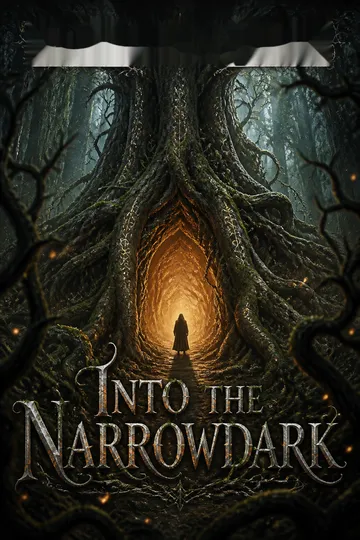
Into the Narrowdark is highly praised by fans of the Osten Ard series, with many calling it the best entry yet. Readers appreciate the complex worldbuilding, character development, and intricate plot. The book is described as dark, intense, and captivating, with high stakes for beloved characters. Some criticize the pacing and numerous perspectives, but most find it a compelling continuation of the saga. Fans eagerly anticipate the final installment, noting the cliffhanger ending and unresolved plotlines.
People Also Read






Characters
Simon
Grieving commoner kingHigh King of Osten Ard, husband of Miriamele, and grandfather of Morgan and Lillia. Simon began as a castle boy and carries the memory of having been powerless, yet decades of rule have made him responsible for choices that can send thousands to die. His love for Miriamele is his chief source of warmth and also the measure of his grief. He tends to trust loyalty and personal goodness, sometimes at the expense of suspicion. His central struggle is whether a ruler can remain humane without becoming careless, and whether he can continue to act when loss has made action feel meaningless.
Miriamele
Unyielding high queenQueen of Osten Ard, Simon’s wife, and mother of the late Prince John Josua. Miriamele grew up in a court that treated her as a political possession, and she learned early to resist being directed by powerful men. She is quick-minded, practical, and capable of enduring danger without surrendering her judgment. Her affection for Simon and her grandchildren is intense, but it does not erase her political instincts. She has little patience for comfortable assumptions, especially when they conceal a threat. Miriamele’s strength lies in turning fear into action, though the cost is that she often carries grief without allowing herself time to feel it.
Morgan
Lost royal heirSeventeen-year-old grandson of Simon and Miriamele, and heir to the High Throne. Morgan has been raised among privilege and courtly expectations, but his time alone in Aldheorte strips those protections away. He is impulsive, proud, and often more concerned with food or comfort than his companions would prefer, yet he adapts quickly when survival demands it. His directness unsettles Nezeru because it does not follow the emotional rules she has been taught. Morgan’s development centers on learning that birth gives him neither competence nor understanding; both must be earned through attention, courage, and reliance on others.
Nezeru
Questioning Norn soldierA young half-mortal Norn, daughter of the Builder Viyeki and the mortal Tzoja, trained in the Order of Sacrifice. Nezeru is disciplined, perceptive, and exceptionally capable in combat. She has built her identity around service to the queen and the idea that doubt is dangerous, but her encounters beyond Nakkiga expose the limits of that doctrine. She is not simply becoming kinder; she is learning to distinguish inherited rules from choices she can own. Morgan’s openness frustrates her, then gives her a different way to imagine companionship and a future beyond the order that shaped her.
Tanahaya
Scholar on a perilous errandA Sithi scholar from Shisae’ron, trained by Master Himano and trusted as an envoy to the mortal court. Tanahaya combines intellectual patience with a strong sense of duty. She tries to quiet fear long enough to examine evidence, yet her carefulness can become painful when she realizes that others may suffer because of what she has concluded. Her bond with Jiriki and friendship with Aditu give her a place among the Sithi, while her work often places her apart from them. She is driven by the belief that truth matters even when it arrives too late to prevent every harm.
Jiriki
Sithi advocate for allianceSon of Likimeya, brother of Aditu, and a Sithi leader who remains committed to friendship with mortals. Jiriki is a warrior and diplomat, but his strongest skill may be turning old stories into arguments for a different future. His ties to Simon and Miriamele are personal, not merely political, and they lead him to risk standing against his own people’s isolation. He knows his influence is limited and that every fighter he takes from one front weakens another. Jiriki’s idealism is therefore tempered by painful compromise, not protected from it.
Viyeki
Builder caught between ordersHigh Magister of the Norn Builders, father of Nezeru and partner to Tzoja. Viyeki is a practical thinker whose work requires him to understand how structures fail and how small weaknesses spread. That habit begins to turn on the society he serves, as he sees the cost of unquestioning obedience and the danger of the queen’s campaign. He is cautious rather than rebellious, weighing each thought against the risk to his family and order. His conflict is not between loyalty and treason, but between two forms of loyalty: obedience to a ruler and responsibility for the people affected by her commands.
Tzoja
Mortal healer in NakkigaA mortal woman held in Nakkiga, Tzoja is Viyeki’s partner and Nezeru’s mother. Her knowledge comes from practical healing, especially the remedies taught by the Astaline women. She has spent years surviving within a hierarchy that treats mortals as property, often by keeping her thoughts to herself. Yet she feels deeply for her daughter and for Vordis, her blind companion. Tzoja’s compassion is not sentimental: it becomes a conscious risk when she chooses to aid people whom the Norn authorities would prefer she ignore. Her gradual awakening to the machinery of oppression gives her a new, dangerous sense of responsibility.
Jesa
Wran nurse and protectorA young woman from the Wran who served Duchess Canthia and becomes Serasina’s sole protector. Jesa is observant, resourceful, and shaped by a childhood in which family stories taught survival through patience and ingenuity. Her unfamiliarity with the northern countryside makes every journey risky, but she adapts by reading tracks, plants, and people. She is deeply attached to Serasina and wary of losing the child to a more powerful household. Jesa’s courage rarely looks heroic to her; it consists of carrying a baby through hunger, choosing whom to trust, and acting before fear can immobilize her.
Unver
Ambitious grassland ShanThe newly acclaimed Shan of the Thrithings, Unver is a reserved strategist who wants his people treated as a nation rather than as raiders at the edges of settled kingdoms. He is disciplined, suspicious of easy victories, and more interested in changing the terms of conflict than in collecting plunder. His years among outsiders have given him a sharper view of how city-dwellers stereotype the clans, though he can be difficult to read even to his closest allies. Unver’s leadership tests the line between pride and justice: he seeks recognition, but must decide what kind of future his people can build without becoming tools of someone else’s ambition.
Pasevalles
King’s polished chancellorLord Chancellor of the High Throne, responsible for royal administration and close to Simon’s court. Pasevalles is controlled, intelligent, and skilled at reading what others want to believe. He presents himself as a dependable official, but his composure makes it difficult for those around him to know what he truly values. His history has left him with a severe distrust of noble language about honor and sacrifice. He sees himself as more clear-eyed than the people he manipulates, a conviction that makes him dangerous even before anyone understands his plans.
Lillia
Curious young princessYoung granddaughter of Simon and Miriamele, and Morgan’s sister. Lillia is inquisitive, stubborn, and dissatisfied with adult explanations that do not answer the questions she is actually asking. She turns games into ways of interpreting the frightening events around her, especially the deaths in her family and Morgan’s disappearance. Her curiosity leads her toward secrets, but it also gives her the persistence to keep moving when she is alone and afraid. Lillia’s childhood does not make her incapable; it gives her a different kind of attention, one adults may overlook until it becomes essential.
Eolair
Hernystiri statesman in exileCount of Nad Mullach and Hand of the High Throne, Eolair is an experienced negotiator and a trusted friend of Simon and Miriamele. He carries the memory of old loyalties and losses, particularly his love for Maegwin, without allowing them to erase his public responsibilities. Eolair is patient, perceptive, and increasingly conscious of age. When danger shifts toward Hernystir, he accepts that serving the High Throne may require returning to a country whose ruler has become hostile.
Aelin
Young Hernystiri knightA relative of Eolair and a knight of Hernystir, Aelin is brave, earnest, and still forming his understanding of leadership. He is caught between inherited ideas of noble command and the practical need to trust people whose customs differ from his own. His companions’ suspicion of the Sithi guide Yeja’aro forces him to manage conflict within his own small party. Aelin’s instinct is to act honorably, but experience is teaching him that honor sometimes requires listening, compromise, and restraint.
Aditu
Jiriki’s far-sighted sisterA Sithi woman, daughter of Likimeya and sister to Jiriki, Aditu is warm, perceptive, and more politically alert than her playful manner suggests. She maintains close ties with the mortals while remaining deeply involved in the survival of her own people. Her friendship with Tanahaya is intimate enough to make difficult truths easier to speak, and her relationship with Jiriki allows her to challenge him without diminishing his responsibility. Aditu’s pregnancy carries special significance among her people, but she refuses to let others mistake it for helplessness.
Binabik
Qanuc scholar and friendA Qanuc Scrollbearer, Singing Man, and longtime friend of Simon and Miriamele. Binabik is scholarly, tactful, and capable of turning an old saying into both a joke and a useful lesson. His loyalty is expansive: he cares for his own family while remaining ready to aid friends far from home. His recovery from a dangerous bite reminds those around him that courage does not cancel physical limits, though his eagerness to help often makes him impatient with those limits.
Jarnulf
Runaway slave turned hunterA mortal born in Norn captivity, Jarnulf has devoted himself to opposing Queen Utuk’ku and the system that enslaved his family. His faith gives his mission purpose, but his hatred can make the people around him seem like instruments in a holy war. He is resourceful, stealthy, and willing to suffer for his goal. Encounters with Nezeru complicate his certainty, revealing that he can feel concern for an enemy even when he refuses to name it as affection.
Tiamak
Scholar and royal counselorA scholar from the Wran and one of Simon’s closest counselors, Tiamak is methodical, humane, and willing to question a king when duty requires it. His marriage to Thelía is a source of companionship and shared work, especially in healing. Tiamak is aware that his background makes some nobles distrust him, yet he continues to serve the realm without pretending that prejudice has vanished. His gift is attention: he notices patterns others dismiss, whether in a coded account or in a friend’s changing state of mind.
Vorzheva
Unsettled grassland matriarchA woman of the Thrithings and mother of Unver, Vorzheva has spent much of her life resisting the control of men around her. She is proud, volatile, and unwilling to accept a role simply because it is expected of her. Her resentments are rooted in real losses, but they can distort her judgment of people who might have helped her. Vorzheva’s presence complicates the idea that family loyalty is automatically trustworthy; she wants recognition, yet struggles to distinguish protection from possession.
Hakatri
Suffering Gardenborn princeAn ancient Sithi prince, brother of Ineluki and father of Likimeya, Hakatri belongs to the generation shaped by the flight from the Garden. His story is marked by pain, family, and the consequences of choices made under unbearable suffering. To the Norns he is a figure of great political and symbolic value, while his own experience is far more intimate than their plans allow. He represents the danger of turning a wounded person into an emblem for someone else’s cause.
Plot Devices
Witchwood Crown
A contested sacred legacyThe Witchwood Crown refers both to a legendary circlet and to the surviving seeds of the trees brought from the Garden. Because witchwood sustains the long life of the Gardenborn, its disappearance threatens the balance of power among the Sithi and Norns. Utuk’ku appears to be seeking the seeds beneath the Hayholt, and a parchment found by Tanahaya seems to support that conclusion. The document’s false dating later exposes a deliberate deception, turning the crown from a straightforward treasure hunt into evidence that the queen is steering her enemies toward the wrong battlefield.
Witnesses and the Shard
Messages across impossible distancesWitnesses allow the Sithi to communicate over long distances and, at times, touch the Road of Dreams. Small Witnesses can be carried, while a Master Witness such as the Shard at Mezutu’a reaches farther and holds greater power. Their use makes the separated Sithi communities less isolated and gives Utuk’ku a way to influence Hugh. When the Witnesses fall silent, allies lose both intelligence and the ability to coordinate, leaving them to rely on riders and uncertain reports. The device therefore functions as communication technology, political leverage, and a vulnerability that can be exploited.
The Three Who Are One
A dangerous joined spellThe Three Who Are One links three powerful spirits: one who refuses death, one who has returned from death, and one who stands between life and death. Utuk’ku, Ommu, and Likimeya form this conjunction, granting the queen a force neither she nor the other two could wield alone. The spell also constrains the spirits it binds, making power inseparable from coercion. Its existence reframes the Norn campaign: the destruction and apparent invasion are not simply military tactics, but parts of a ritual whose full purpose remains concealed at the book’s end.
Dragon’s Blood
Pain that breaks enchantmentDragon’s blood is a volatile substance associated with Hakatri’s ancient injuries and the dragon sacrificed for Utuk’ku’s ritual. It burns flesh and nerves with extraordinary force. Jarnulf uses it on an arrow in an attempt to kill the queen, then uses a trace of it against Akhenabi’s attempt to enter his thoughts. The same pain that makes it a terrible weapon disrupts magical control, giving a captive a narrow chance to resist. The blood’s power is never clean or safely contained; every use exacts a physical cost.
Ommu’s False Host
An army made by songOmmu the Whisperer, a dead Singer brought back by Utuk’ku, creates the appearance of a vast Norn army around the Hayholt. The illusion magnifies the attackers’ numbers and makes the defenders believe resistance is futile, while a smaller real force carries out the actual assault. The deception is exposed only after the red apparition vanishes and the phantom host disappears with it, leaving the dead and the burning castle behind. The device makes perception itself a battlefield and leaves the survivors uncertain about which parts of the queen’s larger plan they have actually seen.
Osten Ard Saga Series


About the Author




Download PDF
Download EPUB
.epub digital book format is ideal for reading ebooks on phones, tablets, and e-readers.








