Key Takeaways
1. Coercive Control: A Hidden Pattern of Domination Beyond Physical Violence
Coercive control often feels like love.
Beyond bruises. Coercive control is a pervasive, often invisible form of abuse where one partner systematically dominates and intimidates another, extending far beyond physical violence. It's a special kind of torment because it occurs within intimate relationships, eroding a victim's autonomy and self-esteem over months or years, leaving them in constant fear even during calm periods. This pattern can include degrading, isolating, micromanaging, manipulating, stalking, threatening, and punishing.
Invisible chains. Unlike a single assault, coercive control is a continuous process that makes victims feel like hostages, often blaming themselves as they become disoriented and isolated. Outsiders frequently miss the signs because abusers can be charming and society often views men's control over women as normal or private. This societal blindness further imprisons the victim, making it hard to recognize the abuse or seek help.
A spectrum of control. Coercive control exists on a continuum, from subtle acts that might initially feel like flattering attention to extreme "coercive entrapment" where victims are utterly deprived of resources and a sense of self. The key indicators are whether the victim feels actual fear, is compelled to avoid certain actions to maintain peace, and experiences a systematic limitation of access to friends, family, work, money, and freedom of movement.
2. The Tactics of Coercive Control Systematically Strip Autonomy and Instill Fear
A controlling person feels threatened when his partner’s life does not revolve entirely around his own.
Systematic isolation. Controlling partners deliberately weaken their victims by cutting off access to vital resources like meaningful relationships and money, forcing their desires to be central. This can involve moving the victim far from support, limiting communication with family and friends, or insisting on accompanying them everywhere. Technology is often weaponized through constant texts, calls, or even "revenge porn" threats, further isolating the victim.
Micromanagement and threats. Abusers assert dominance by setting rigid rules and micromanaging daily life, from appearance and food to activities and sex. These demands, often framed as love or concern, carry an implicit "do this, or else" threat. Threats can be overt (physical harm, suicide, reputation ruin) or subtle (punching walls, driving dangerously, cleaning guns), creating a constant climate of fear.
Manipulation and degradation. Manipulation involves deceptive tactics like lying, gaslighting (making the victim doubt their sanity), and withholding affection or information. Degradation treats the victim as inferior, using insults, public humiliation, or sexual acts to establish ownership and damage self-respect. Professionals with authority (lawyers, doctors) can exploit their status to manipulate, making it harder for victims to seek help.
3. Societal Norms and Abuser's Internal Struggles Fuel Controlling Behavior
Society generally reinforces men for acting controlling and domineering.
Gendered conditioning. From a young age, societal norms often condition girls to be caretakers and boys to expect care, fostering an imbalance in relationships. Boys are frequently taught to compete and dominate, while girls learn to cooperate and sacrifice. This early conditioning primes couples for exploitation, with women often performing emotional labor and men expecting their needs to be met without question.
Cultural reinforcement. Popular culture, including music, movies, and pornography, frequently glorifies male violence and control over women, presenting it as normal or even desirable. Religious institutions can also be used to justify male dominance, with some men citing doctrine to demand obedience. Online communities further normalize and provide "how-to" guides for men to exert control, reinforcing harmful ideologies.
Abuser's hidden struggles. While not an excuse, some controlling men harbor deep insecurities, feeling powerless or frightened in other areas of their lives. They may control partners to regain a sense of power, or due to "anxious attachments" and fear of abandonment. Trauma histories, substance abuse, or mental illness can exacerbate these tendencies, making them suspicious, easily provoked, and prone to explosive behavior, though these issues do not fully explain or excuse their choice to abuse.
4. Victims Are Trapped by Love, Circumstance, and Fear, Not Personal Weakness
Coercive control often feels like love.
The illusion of love. Most controlling relationships begin with intense romance and devotion, making the abuser seem like the ideal partner. These initial "honeymoon" phases, interspersed with cruelty, are a deliberate tactic to keep the victim attached and hopeful for a return to the "good times." This creates a "traumatic bond," where the victim adopts the abuser's values and feels safe close to the source of danger.
Vulnerability and circumstance. Any woman can fall victim, but certain factors increase vulnerability, such as health problems, disabilities, financial insecurity, or major life transitions. Lack of resources like affordable housing, healthcare, or child support can make leaving seem impossible. Societal pressures, fear of gossip, or religious beliefs against divorce also trap women, making them feel like failures if they leave.
Fear of escalation. A significant barrier to leaving is the accurate fear that the abuser will become more violent or even lethal during separation. Women are most at risk of being killed by their partners when attempting to leave. Abusers often manipulate legal systems, threaten custody battles, or bankrupt their partners, ensuring they feel no escape is possible.
5. Victims Actively Resist and Seek Autonomy Even Under Oppressive Conditions
Most victims bravely manage their situations, and many try to leave or get the abuser to leave, again and again.
Survival strategies. Women in coercive relationships are not passive; they actively employ countless strategies to protect themselves and their children, striving to maintain peace and safety. This often involves submitting to demands, trying to please the abuser, and reasoning with him, even as the demands become more burdensome. These efforts, though appearing as compliance, are a form of resistance aimed at managing or ending the abuse.
Creating safety zones. Despite intense pressure, victims seek ways to maintain their autonomy and sense of self. They establish "safety zones"—physical places, valued relationships, hobbies, or subtle acts of defiance—where they can feel free. Examples include using disposable phones, hiding money, writing in journals, secretly using birth control, or pursuing education or creative outlets without the abuser's knowledge.
The human spirit's resilience. The desire for independent thought and action is a fundamental human need. Even in conditions akin to slavery, individuals strive to maintain a sense of self. Victims of coercive control, whether through internal monologues, memories, or dreams, find ways to affirm "This is who I am. This is ME," refusing to be entirely erased by their abuser's control.
6. Specific Populations Face Unique Vulnerabilities to Coercive Control
LGBT victims of coercive control may find themselves especially alone.
LGBT isolation. Lesbian, gay, bisexual, and transgender (LGBT) individuals face unique challenges, often experiencing heightened isolation due to family disownment or the need to keep their identity secret. Abusers can exploit this by threatening to "out" them, jeopardizing jobs and friendships. Many LGBT victims encounter discrimination or lack of understanding from support services, further complicating their escape.
Women controlling men. While less common, women can also exert coercive control over male partners, typically when they possess significant advantages like greater social status, wealth, or if the man has a physical or psychological disability. Men in such relationships may feel too embarrassed or ashamed to seek help, as their situation doesn't fit typical gender patterns of abuse.
Teenage vulnerabilities. Teenagers are particularly susceptible due to their inexperience in relationships, limited control over their lives, and romantic ideals. They may fear getting their abuser "in trouble" or worry about their reputation ("slut" shaming). Older partners, technology misuse (cyberstalking, revenge porn), and the pressures of teen pregnancy further complicate their ability to recognize and escape controlling relationships.
7. Assessing Your Relationship is the Crucial First Step to Reclaiming Freedom
People should not feel isolated or afraid in their intimate relationships.
Self-reflection is key. If you suspect you are in a controlling relationship, the first step is to honestly assess your situation. Tools like the "Controlling Relationship Assessment" help identify specific behaviors, from isolation and micromanagement to threats and physical harm. This process, though potentially painful, helps connect disparate experiences into a clear pattern of coercive control.
Recognizing red flags. Pay close attention to feelings of fear, isolation, and punishment. These are critical indicators that a relationship has crossed the line from ordinary issues to harmful coercive control. It's vital to acknowledge that not all questions on an assessment carry equal weight; a "yes" to threats of violence or constant jealousy signals a higher risk.
Lethality assessment. Certain patterns significantly increase the risk of death, such as threats with weapons, strangulation, violent jealousy, or forced sex. Responding "yes" to any of these questions necessitates immediate consultation with domestic violence advocates and police to ensure safety. Simultaneously, recognizing your own coping strategies and strengths is crucial for building resilience.
8. True Change in a Controlling Partner Demands Deep, Sustained Effort and Accountability
Only a deep determination to change will make him do the hard work that will be required of him.
Promises are not enough. A controlling partner may promise to change, but true, lasting transformation requires profound internal work, not just willpower. This process is difficult because abusers benefit from control and often believe their power keeps their partner from leaving. Genuine change is a long-term commitment, not a quick fix.
Signs of genuine change:
- Self-motivation: He changes for his own sake, not to keep the partner.
- Accountability: He stops blaming others and takes full responsibility for his actions.
- Professional help: He commits to a batterer intervention program (not just anger management) and other necessary treatments (substance abuse, mental health).
- Respect for autonomy: He accepts his partner's full humanity, opinions, limits, and right to leave.
- Behavioral shift: He consistently acts respectfully, kindly, and attentively, letting go of controlling habits and fear of abandonment.
Beware of false promises. Red flags that indicate a lack of true change include denying past abuse, demanding another chance, seeking sympathy, refusing treatment, or threatening drastic actions if the partner leaves. Even if physical violence stops, controlling attitudes and non-physical tactics may persist, indicating that the underlying mindset has not shifted.
9. Leaving a Controlling Relationship Requires Strategic Planning and Robust Support for Safety
A woman who believes it is safer to stay with her abuser than leave him may be assessing her situation accurately.
Prioritize safety. Deciding to end a controlling relationship is a monumental step, often fraught with fear and danger, as the risk of violence can escalate during separation. A detailed safety plan, developed with domestic violence advocates, is essential. This includes identifying safe places, securing important documents, and having a communication strategy for difficult conversations, ideally in public settings.
Build a support network. Breaking free requires a strong support system. Confide in trusted friends and family, letting them know the truth about the abuse and what specific help you need. Domestic violence agencies offer invaluable resources, including legal advice, support groups, and personalized safety planning. Therapists and medical providers who understand coercive control can also provide crucial emotional and physical support.
Protect finances and children. Financial independence is key; close joint accounts, open new ones in your name, and change passwords. If children are involved, prepare for their emotional reactions and potential custody battles. Domestic violence agencies can help navigate legal complexities, arrange supervised visitations, and ensure children's safety, recognizing that a controlling father can pose more risk than benefit.
10. Recovery is a Bumpy, Personal Journey Towards Self-Reclamation and New Beginnings
You do not have to live in a relationship where you feel restricted or degraded, or where you tread carefully all the time in fear of angering your partner.
Embrace the emotional jumble. Ending a controlling relationship brings a complex mix of liberation, grief, shame, and fear. It's a slow, bumpy process, often feeling like "two steps forward, one step back." Victims may struggle with nightmares, anxiety, and a lost sense of purpose, having focused solely on the abuser's needs for so long. It's crucial to acknowledge these feelings and seek professional help.
Reclaiming self and space. Recovery involves actively re-engaging in activities the abuser forbade, re-establishing lost relationships, and creating a supportive environment. This includes:
- Sorting through possessions to shed reminders of the past.
- Seeking counseling to process trauma and rebuild self-esteem.
- Expressing creativity and reclaiming physical vitality through activity.
- Being kind and patient with oneself, replacing the abuser's critical voice with self-compassion.
Forgiveness and new relationships. Forgiveness cannot be rushed or forced; it's a personal choice that may or may not come, and it doesn't obligate a return to the relationship. When considering new relationships, extreme caution is advised. Look for red flags like possessiveness, disrespect, or a lack of empathy. A new partner must respect boundaries and understand the need for space and time to heal.
Last updated:
Review Summary
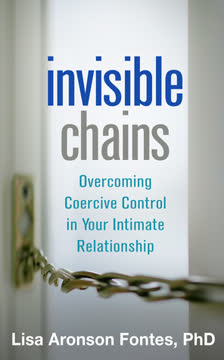
Invisible Chains receives strong praise from readers (4.17/5 stars) who find it invaluable for understanding coercive control in relationships. Reviewers particularly appreciate the book's accessible language, practical advice, and validation for those experiencing psychological abuse. Many highlight the teenage section as especially important. While some note it serves better as an introductory primer than an academic analysis, most recommend it for victims, therapists, healthcare providers, and anyone supporting someone in an abusive relationship. Readers consistently describe it as eye-opening and therapeutic.
Similar Books