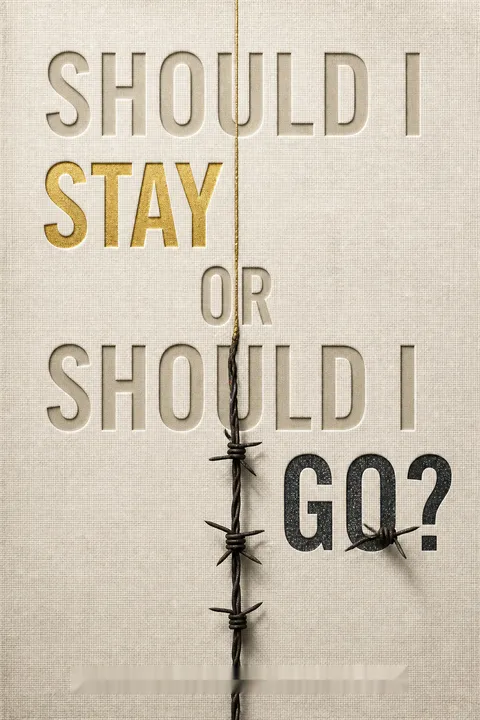


Key Takeaways
Treat repeated behavior and its impact as evidence, not a remote diagnosis.
Look for a pattern. The book describes narcissistic behavior through a cluster of recurring traits, including entitlement, grandiosity, low empathy, manipulation, blame-shifting, and a persistent need for admiration. One selfish moment, affair, or love of an orderly home does not establish a personality disorder. The author offers a 30-item checklist and suggests that 15 or more recurring traits may indicate a serious pattern. That threshold is a reflection tool, not a clinical diagnosis. Only a qualified professional who evaluates the person can diagnose them, and the book itself cautions readers against pretending otherwise.
Notice the relationship’s effects. A more practical question is whether you routinely feel dismissed, confused, anxious, or responsible for repairing behavior you did not cause. Rachel’s fiancé repeatedly lied, disregarded her concerns, and turned her questions into evidence that she was unreasonable. The pattern matters more than the label.
What's useful here is the shift from amateur diagnosis to observable conduct. A clinical label can organize experience, but it can also become a distraction: a person need not meet criteria for a disorder to behave abusively or make a relationship untenable. The checklist works best as a prompt to examine repetition, context, and consequences, not as a scorecard for declaring someone a narcissist. That distinction protects both accuracy and the reader's judgment.
Charm, status, and grand romance can conceal a one-sided relationship.
The courtship can dazzle. Rachel met John as a successful, witty physician who pursued her with stylish dates, travel, and an extravagant proposal. The appealing public picture made his early neglect, entitlement, and dishonesty easier to excuse. The book argues that charm, confidence, intelligence, appearance, and status can draw people close while revealing little about a partner’s capacity for empathy or mutual care.
Watch ordinary moments. A lavish trip is less revealing than how someone listens, handles criticism, treats service workers, or responds when plans do not favor them. In Rachel’s story, the glamorous engagement and wedding did not erase a trail of late arrivals, secrecy, mockery, and disregard. The important question is not whether the relationship looks impressive, but whether daily life feels respectful and reciprocal.
The contrast between public spectacle and private neglect is central to Rachel's story. People often treat visible success as evidence of character, although a polished image says little about how someone behaves when there is no audience or reward. Grand gestures can be genuine and generous, but they cannot substitute for reliability. A useful test is whether small acts of attention and respect persist after the performance of courtship loses its novelty.
Intermittent kindness can keep you invested longer than steady neglect.
Hope gets reinforced unpredictably. The author compares the relationship to a slot machine: long stretches of disappointment are interrupted by occasional rewards, such as a tender apology, a thoughtful trip, or a burst of attention. Because the good moments arrive unpredictably, a partner may keep waiting for the next one and discount the many letdowns between them. Rachel’s fiancé could be attentive and loving during a holiday, then return to secrecy and disregard at home.
Familiarity can feel like chemistry. The book also suggests that inconsistent treatment may echo early relationships in which affection had to be earned. That familiar struggle can feel intense or magnetic, even when it is painful. Recognizing the pattern helps separate excitement from evidence of a dependable bond. Ask what happens most of the time, not only what happens during the best moments.
The slot-machine comparison explains why contradictory evidence does not necessarily end attachment. Uncertainty can make the next reward feel more valuable, while a history of emotional ups and downs can become mistaken for depth. The book's familiarity explanation adds another layer: old patterns may feel recognizable before they feel safe. Still, intense attraction is not itself proof of dysfunction. The key is to assess whether closeness becomes more reliable with time or remains dependent on occasional emotional payoffs.
Stop trying to love someone into a different personality.
The rescue story is powerful. The book uses the tale of Beauty and the Beast to examine the hope that enough patience, devotion, or sacrifice will transform a harmful partner. In that story, love changes the beast into a prince. The author argues that real relationships do not reliably follow that script: a partner’s vulnerability, apology, or brief improvement does not prove that a lasting change has occurred.
Judge sustained behavior. The author takes a firm position that deeply entrenched narcissistic patterns rarely change, citing limited evidence for durable treatment outcomes. Some behavioral adjustments may happen, but they may not bring empathy, consistency, or intimacy. This is not a reason to treat a person as irredeemable, nor does it rule out change in every individual. It is a reason to stop making your wellbeing depend on a transformation for which there is little evidence.
The book's strongest intervention is to replace imagined potential with observed behavior. That can free a reader from self-blame: if repeated efforts do not produce reciprocal care, the failure may not be a communication problem to solve. The caution is that a categorical prediction about anyone's capacity to change goes beyond what a partner can know with certainty. A safer practical standard is to make decisions from the sustained behavior available now, rather than promises about a future self.
Track what the relationship is doing to your confidence and world.
The damage can accumulate quietly. The author calls this gradual shift mission creep: a relationship that becomes more consuming and distressing in small increments, until the person has adapted to conditions they once would have rejected. Common effects include second-guessing, excessive apologizing, anxiety, sadness, loss of pleasure, shame, and emotional exhaustion. Rachel moved from a confident professional to someone who repeatedly doubted her instincts and carefully managed the household to avoid conflict.
Notice your coping patterns. People may make excuses for a partner, withdraw from friends, avoid decisions, or numb distress with substances, spending, food, work, or constant activity. The book links repeated experiences of powerlessness to learned helplessness, the expectation that attempts to change a painful situation will not work. If distress is affecting daily life, professional mental-health support can help. These effects deserve attention whether or not the partner has a diagnosis.
This focus on the reader's condition is a valuable corrective to endless analysis of the other person's motives. Changes in sleep, confidence, social contact, and enjoyment provide concrete information about the cost of a relationship. The learned-helplessness analogy also explains why recognizing an exit does not automatically make it feel possible. At the same time, these symptoms can have many causes, so they should prompt care and reflection rather than serve as proof of a partner's diagnosis.
If you stay, accept the pattern without surrendering your whole life.
Staying is a real choice. People may remain because of children, money, culture, religion, health, or love. The author does not treat staying as foolish, but urges informed acceptance: recognize what the partner has repeatedly shown, rather than treating each promise as evidence that the relationship has fundamentally changed. She calls the recurring costs the price of admission. A partner may offer comfort or status while also remaining unreliable, controlling, or emotionally distant.
Build life beyond the relationship. If staying, protect relationships with friends and family, pursue meaningful activities, and seek support from a therapist or trusted community. These connections offer perspective and care that the partner may not provide. This advice is not suited to situations involving violence or immediate danger. In those cases, the book calls for a safety-focused response and outside assistance, not ordinary relationship-management strategies.
The book takes a pragmatic stance toward people who are not ready or able to leave. That can reduce shame and make room for incremental steps, especially when finances or children complicate a decision. The difficult tradeoff is that adapting to a partner's limits can gradually become self-censorship. A useful distinction is whether expectation-setting preserves agency and outside connection, or merely helps someone tolerate escalating harm. Safety concerns require a different plan altogether.
Choose carefully who receives your good news, grief, and private hopes.
Use the Three-Part Rule. This is the author's method for sorting information into good, bad, and indifferent news. If a partner often dismisses achievements or mocks aspirations, share those first with people who can celebrate them. If bad news must be shared, prepare for a practical conversation and seek emotional support elsewhere. For deeply personal crises, such as illness or bereavement, do not rely on a partner who has repeatedly shown emotional unavailability.
Keep neutral conversation neutral. Everyday subjects, such as weather or local changes, may allow conversation without exposing something precious to criticism. The point is not to manipulate the partner or to pretend that a one-sided relationship is ideal. It is to reduce repeated injuries while building a wider support system. The author emphasizes that this approach is a survival strategy, not a technique for making the partner become more attentive.
This framework gives a concrete way to protect vulnerable parts of life when communication repeatedly ends in ridicule or indifference. Its sharpest insight is that disclosure is not automatically intimacy; trust depends on how information is received. The limitation is equally important: long-term secrecy can deepen distance and loneliness. The rule is best understood as a boundary for managing exposure, not a substitute for mutual connection or a reason to abandon the pursuit of support elsewhere.
If leaving, prepare for logistics, pressure, and possible retaliation.
Plan before the break. The book warns that a breakup may provoke blame, rage, renewed charm, or drawn-out legal conflict. Practical preparation can include saving relevant messages and records, keeping trusted people informed, consulting a lawyer when needed, arranging therapy, and protecting finances, accounts, phone access, and location data. The appropriate steps depend on the relationship and local law, so professional legal advice matters in a divorce or financial dispute.
Protect immediate safety. Consider where to stay and how to leave quickly if circumstances deteriorate. Avoid turning social media into a public argument, since posts can intensify conflict or create problems in legal proceedings. If there is violence or an immediate threat, contact emergency services or a domestic-violence resource. Preparing is not an accusation that every partner will retaliate; it is a way to avoid being forced to make complex decisions in the middle of a crisis.
Leaving is presented as a process, not a single brave speech. That distinction matters because emotional resolve does not automatically solve housing, money, custody, or safety. Documentation and trusted support can also help counter the confusion that follows conflicting accounts. The guidance should be adapted carefully: legal rules vary, and an unsafe partner may react unpredictably. When danger is present, specialized safety planning is more appropriate than a generic breakup script.
Recover by rebuilding support and trust in your own judgment.
Relief and grief can coexist. After a breakup, people may feel relief, anger, sadness, fear, or regret, sometimes in quick succession. The book stresses that an apology or confession may never arrive, so waiting for the former partner to deliver justice can keep the relationship psychologically alive. Support, therapy, healthy routines, and renewed friendships can help restore confidence and a fuller emotional life.
One person can shape a group. The author describes Robert Sapolsky's long-running baboon research: after aggressive dominant males died, the troop became more cooperative and showed signs of lower stress. The study is not proof that human relationships work identically, but it illustrates how removing a persistently harmful influence can change a group's atmosphere. Recovery is not instant, and lingering self-doubt does not mean leaving was a mistake.
The baboon account widens the frame from individual blame to social conditions: a group can become healthier when its most aggressive members no longer set the tone. It is an evocative analogy, not a direct model for human couples, whose histories and obligations are more complex. The chapter's more durable point is that healing often depends on rebuilding ordinary sources of connection and care, rather than receiving a final explanation from someone who may never offer one.
Choose your next partner by consistency, empathy, and respect for boundaries.
Review the early evidence. People interviewed for the book often recalled warning signs within the first three months: anger over small frustrations, dishonesty, poor listening, jealousy, and disregard for their feelings. Those signs were frequently reinterpreted as passion, stress, or proof that the partner cared. A single instance is not a diagnosis, but a repeated pattern deserves attention before greater commitments make it harder to act.
Value the unflashy traits. The book urges readers to look beyond charisma, wealth, appearance, and impressive credentials toward kindness, respect, reliability, and the ability to listen. It also asks readers to examine familiar relationship scripts, including a habit of earning love by pleasing or rescuing someone. After a damaging relationship, compassion can remain a strength, provided it does not become permission to ignore one's own needs.
This is a practical revision of what counts as romantic evidence. Listening, respect for boundaries, and a partner's response to disappointment are observable under ordinary conditions, while status and charm are easy to display briefly. The emphasis on early warning signs is useful, but hindsight can make patterns look clearer than they were at the time. Rather than demanding perfect prediction, readers can practice taking discomfort seriously, checking it with trusted people, and looking for consistency across situations.
Analysis
The book is both a relationship survival guide and a narrative about recovering authority over one's own perceptions. Rachel's story gives the argument a human arc: an apparently enviable romance gradually reveals neglect, secrecy, and betrayal, while the people around her reinforce the polished public image. The central move is to stop asking how to make the partner change and instead ask what the pattern is costing, what support is available, and whether staying or leaving is more viable.
Its most useful contribution is not a diagnostic checklist but a vocabulary for recurring experiences: intermittent kindness, self-doubt, isolation, rescue fantasies, and the exhaustion of repeatedly trying to communicate with someone who does not respond. The distinction between understanding a partner's history and excusing their conduct is especially important. So is the book's refusal to shame readers who stay, paired with practical advice for those who leave.
The framework also has limits. The author's strong claim that narcissistic partners almost never change is presented with more certainty than the evidence described in the book can establish. Personality disorders are complex, assessment requires clinical expertise, and individual outcomes vary. A reader should not treat an informal checklist or a single troubling behavior as a diagnosis. At the same time, no diagnostic label is required to set boundaries or leave a relationship that is persistently harmful. The effects on the person experiencing the relationship are meaningful evidence in their own right.
The book's stay-or-go framing is strongest when treated as a decision under constraints, not a universal prescription. Children, finances, safety, culture, and love can make choices difficult. Its most durable advice is to base decisions on repeated behavior rather than promises, cultivate support beyond the partner, and protect safety where violence is present. That approach preserves compassion without confusing compassion with unlimited access or endless endurance.
Review Summary
"Should I Stay or Should I Go?" is highly praised for its insights on narcissism and abusive relationships. Readers find it eye-opening, empowering, and potentially life-saving. The book offers practical advice for identifying narcissistic traits, understanding their impact, and navigating relationships with narcissists. Many reviewers express gratitude for the author's clear explanations and empathetic approach. While primarily focused on romantic relationships, the book is considered valuable for understanding narcissism in various contexts. Readers appreciate its blend of scientific knowledge and relatable examples.
People Also Read


Glossary
Dark Triad
Three overlapping traitsA framework cited in the book that groups narcissism with Machiavellianism and psychopathy. Machiavellianism involves calculated manipulation and exploitation, while psychopathy includes callousness, disregard for rules, and little remorse. The traits are distinct but can overlap, so the book cautions that difficult relationships may involve more than narcissism alone.
co-narcissism
Adapting to narcissistic behaviorA term the book attributes to psychologist Alan Rappoport for the way someone adjusts to and supports another person's narcissistic patterns. The idea is that this adaptation can begin in childhood, when a child learns to anticipate a parent's needs and seek approval. In adult relationships, familiar habits of pleasing or accommodating may help keep a one-sided dynamic in place.
narcissistic supply
Outside validation and attentionThe book's term for the admiration, attention, status, practical help, or other resources a narcissistic person seeks from others to support a fragile sense of self. A partner may feel pressured to provide frequent praise, care, or accommodation. Because the need is described as difficult to satisfy, the partner's continuing efforts may not produce lasting security or reciprocity.
gaslighting
Undermining someone's sense of realityA pattern of denying, minimizing, or distorting another person's experience in ways that cause them to doubt their memory or judgment. The book describes tactics such as denying events, dismissing feelings as excessive, changing the subject, and contradicting the person's recollection. It presents gaslighting as emotional abuse that can increase confusion, isolation, and dependence on the person doing the denying.
learned helplessness
Expecting effort cannot change outcomesA psychological concept associated with Martin Seligman. Repeated exposure to distressing situations that seem uncontrollable can teach a person to stop trying to escape or change them, even when an option becomes available. The book uses this idea to explain how years of failed attempts to be heard may contribute to passivity and a sense of being trapped.
narcissistic injury
Threat to a fragile self-imageThe book's term for an experience that threatens a narcissistic person's grandiose but vulnerable sense of self, such as criticism or a partner's decision to leave. The author links this perceived threat to intense emotional reactions, including rage. The term describes a proposed psychological dynamic; it does not excuse harmful behavior or establish a diagnosis by itself.
Three-Part Rule
Sort news by emotional riskThe author's strategy for deciding how to share information with a partner who repeatedly responds with indifference or criticism. It sorts news into good, bad, and indifferent categories. The reader is encouraged to take achievements and vulnerable hopes to supportive people first, prepare carefully when practical problems must be shared, and use neutral topics when conversation feels safer.
Investment Model
Three factors in commitmentA relationship framework associated with Caryl Rusbult. It describes commitment through satisfaction with the relationship, the perceived quality of alternatives, and the investments that would be lost by leaving. Investments can include children, shared history, finances, and possessions. The book notes that hope and familiar relationship patterns can complicate this model, especially when satisfaction is low.
mission creep
Gradual expansion of distressA military term the book applies to relationships. It describes how small, unplanned changes can gradually turn a relationship into a more consuming and distressing situation than a person originally intended. Because the shift is slow, someone may adjust to increasing neglect or conflict without recognizing how much their emotional life and behavior have changed.
FAQ
What's Should I Stay or Should I Go? about?
- Focus on Narcissistic Relationships: The book by Ramani Durvasula explores the complexities of relationships with narcissistic individuals, providing insights into the emotional toll they take on partners.
- Survival Strategies: It serves as a survival manual for those entangled in such relationships, offering guidance on whether to stay or leave.
- Understanding Dynamics: The book delves into the dynamics of narcissism, including traits, behaviors, and the psychological impact on partners, helping readers recognize patterns and make informed decisions.
Why should I read Should I Stay or Should I Go??
- Understanding Narcissism: This book is essential for anyone who suspects they are in a relationship with a narcissist, as it provides clarity on the signs and behaviors to look for.
- Empowerment Through Knowledge: Reading this book equips you with knowledge about narcissistic behavior, which can empower you to recognize unhealthy patterns in your relationship.
- Practical Advice: Dr. Durvasula provides practical advice and coping strategies for managing the emotional fallout of being in a relationship with a narcissist.
What are the key takeaways of Should I Stay or Should I Go??
- Narcissists Do Not Change: One of the central tenets is that narcissists are unlikely to change, and understanding this can help individuals manage their expectations in the relationship.
- Manage Your Expectations: The book emphasizes the importance of managing expectations in a relationship with a narcissist, as hope can lead to prolonged suffering.
- Self-Care is Essential: It advocates for self-care and the importance of building a support network outside the relationship to maintain emotional health.
How can I identify if I’m in a relationship with a narcissist according to Should I Stay or Should I Go??
- Use the Narcissist Checklist: The book provides a comprehensive checklist of traits, such as lack of empathy, grandiosity, and entitlement, to help readers assess their partner's behavior.
- Observe Emotional Responses: Pay attention to how your partner reacts to your feelings and needs; a narcissist often shows little regard for others' emotions.
- Look for Manipulative Patterns: Narcissists frequently manipulate situations to their advantage, which can leave you feeling confused and doubting your own perceptions.
What are the common traits of narcissists discussed in Should I Stay or Should I Go??
- Lack of Empathy: Narcissists often struggle to understand or care about the feelings of others, leading to emotional neglect in relationships.
- Grandiosity and Entitlement: They tend to exaggerate their achievements and believe they deserve special treatment, which can manifest in demanding behavior.
- Manipulation and Control: Narcissists are skilled at manipulating situations and people to meet their needs, often at the expense of others' well-being.
What is the "rescue fantasy" mentioned in Should I Stay or Should I Go??
- Desire to Change the Partner: The rescue fantasy refers to the belief that love and support can change a narcissistic partner's behavior, which is often unrealistic.
- Cultural Influence: This fantasy is deeply embedded in cultural narratives, where love is often portrayed as redemptive, leading partners to cling to the hope of transformation.
- Cycle of Hope and Disappointment: This fantasy can trap individuals in a cycle of hope, leading to repeated disappointments when their partner fails to change.
How does Should I Stay or Should I Go? address the concept of co-dependency?
- Understanding Co-Dependency: The book explains co-dependency as a relationship dynamic where one partner enables the other's unhealthy behaviors, often seen in relationships with narcissists.
- Breaking the Cycle: It emphasizes the importance of recognizing these patterns and taking steps to break free from co-dependent behaviors for personal growth.
- Encouraging Self-Care: The author advocates for prioritizing self-care and establishing healthy boundaries to foster emotional independence.
What strategies does Should I Stay or Should I Go? suggest for dealing with a narcissistic partner?
- Set Clear Boundaries: Establishing and maintaining boundaries is crucial to protect your emotional well-being and prevent manipulation.
- Manage Expectations: Understand that narcissists are unlikely to change, which can help you adjust your expectations and reduce frustration.
- Seek Support: The book encourages seeking support from friends, family, or professionals to navigate the challenges of being in a relationship with a narcissist.
What is the "Three-Part Rule" in Should I Stay or Should I Go? and its significance?
- Communication Strategy: The Three-Part Rule involves categorizing communication into three types: good, bad, and indifferent, to manage expectations with a narcissistic partner.
- Avoiding Vulnerability: By not sharing good or bad news with the narcissist, partners can protect themselves from criticism and emotional harm.
- Fostering Healthy Connections: This rule encourages individuals to share their experiences with supportive friends and family instead, fostering healthier emotional connections.
How can I move forward after leaving a narcissistic relationship according to Should I Stay or Should I Go??
- Focus on Healing: The book emphasizes the importance of self-care and healing after leaving a narcissistic partner, allowing yourself time to recover.
- Rebuild Self-Esteem: Engage in activities that promote self-worth and confidence, helping you to regain a sense of identity outside the relationship.
- Learn from the Experience: Reflect on the relationship to understand the patterns and traits that led to your involvement, which can help you avoid similar situations in the future.
What are the best quotes from Should I Stay or Should I Go? and what do they mean?
- “You can only witness something so many times before you want to do something about it.” This quote emphasizes the importance of recognizing harmful patterns in relationships and taking action to address them.
- “Narcissists are not going to change.” This statement serves as a stark reminder that individuals in relationships with narcissists should not hold onto the hope of transformation, which can lead to prolonged suffering.
- “You are more than enough.” This affirmation serves as a reminder to partners that their worth is not defined by their relationship with a narcissist, encouraging self-love and validation.
What should I do if I decide to leave a narcissistic relationship according to Should I Stay or Should I Go??
- Prepare for Emotional Fallout: Be ready for a range of emotions, including relief, sadness, and anger, as you navigate the end of the relationship.
- Practical Steps: Take practical steps such as documenting interactions, seeking legal advice, and ensuring your safety and financial independence.
- Embrace Support: Lean on your support network and consider therapy to help process your feelings and experiences during this transition.
About the Author


Download PDF
Download EPUB
.epub digital book format is ideal for reading ebooks on phones, tablets, and e-readers.








