

Key Takeaways
Love yourself at the exact point where self-love feels impossible
Begin with the actual feeling. At twenty-nine, after two solitary weeks in a mountain cabin, Gay Hendricks realized that searching for change in theories had kept him from asking what he knew through experience. On a trail, he stopped resisting his fear, loneliness, anger, and sadness. Rather than trying to become a better version of himself first, he welcomed the state he was already in. He describes the shift as physically powerful, but says no dramatic experience is required. The practical move is smaller: if self-love feels out of reach, include that difficulty too. Love the part that feels unable to love.
Acceptance is a starting point. Hendricks argues that resisting reality adds struggle to whatever is already happening. Welcoming a feeling does not mean approving every action or giving up on change. It means beginning from what is true now, not from a demand to feel differently first.
What's distinctive is the refusal to make self-acceptance a prize for improvement. This resembles psychological flexibility, the capacity to notice difficult inner states without letting them dictate every response. That stance can reduce the secondary distress created by judging oneself for feeling afraid, angry, or stuck. It also avoids the brittle optimism of insisting that everything is fine. A useful boundary matters: acceptance is not endorsement. A person can welcome awareness of anger while choosing not to act aggressively, or acknowledge pain while changing the conditions causing it.
Feel the emotion in your body before explaining it away
Give feelings room to move. Hendricks describes emotions as experiences that arise in response to events: loss can bring grief, uncertainty can bring fear, and blocked wants can bring anger. He argues that people often intensify distress by tensing against a feeling, denying it, or debating whether they should have it. His alternative is to notice how the feeling registers physically and stay curious about it. In one therapy session, a client who felt frightened about decisions spent time allowing the fear instead of being talked out of it. She then found the decisions clearer and easier to identify.
Attention is not rumination. The exercise is to sense the feeling directly, not to replay its story endlessly. Hendricks reports that feelings he helped clients fully experience often shifted within minutes, though that timing is his clinical observation, not a guarantee.
This approach has a useful connection to affect labeling, the practice of naming an emotion rather than suppressing or acting it out. Research suggests that labeling can alter emotional responses, though that does not establish that every intense feeling will quickly resolve. The distinction between bodily attention and rumination is crucial: repeatedly analyzing a grievance can rehearse it, while noticing sensations may create a different relationship to it. For some people, especially those with trauma histories, sustained attention to bodily sensations can feel overwhelming. Gentle pacing, grounding, and professional support can be more appropriate than forcing emotional intensity.
Treat childhood conclusions as old protection, not present-day facts
A child makes a meaning. Hendricks recalls that his father died before he was born and his mother had to work. As a boy, he interpreted her absence and stress as evidence that people leave when they are needed. He withdrew into a private emotional refuge, which protected him from rejection but also made closeness difficult. He later connected that decision to a pattern of shallow relationships and pushing love away.
Revisit the rule, not the child. The book describes such conclusions as decisions made to make confusing events feel predictable. A child may turn a painful moment into a general rule about being unlovable or unsafe. As an adult, a person can examine whether that rule still fits. Recognizing its protective purpose makes it easier to loosen without treating the younger self as foolish.
The account offers a compassionate model of adaptation: a belief can make sense in the circumstances where it formed and become restrictive in a different context. This is compatible with attachment theory, which examines how early relationships shape expectations of closeness and safety. The model is most helpful when treated as a prompt for inquiry, not a complete explanation of adult difficulties. Not every painful pattern can be traced to one childhood decision, and insight alone may not dissolve trauma, ongoing danger, or material hardship. Respecting the original protective function can still make change less adversarial.
Question the inherited rule that self-love is selfish or sinful
Culture shapes self-judgment. Hendricks argues that people may avoid self-love not because they lack the ability, but because they have learned it is morally suspect. He discusses John Crosby's interpretation of Western religious history, including contrasting accounts of creation in Genesis. In Crosby's reading, one account presents human life more positively, while another emphasizes transgression and punishment. Hendricks suggests that institutions can benefit when people see themselves as fundamentally deficient and dependent on external redemption.
Notice the rule's source. This is a historical argument, not a neutral summary of all religious traditions. Its practical invitation is to ask whether self-condemnation reflects direct experience or an inherited moral script. Hendricks distinguishes genuine self-acceptance from conceit: the latter seeks proof of worth from others, while the former reduces the need to perform worthiness.
The distinction between self-respect and self-aggrandizement is valuable. In moral psychology, a stable sense of worth need not imply that a person is always right or beyond accountability. The book's historical genealogy, however, compresses a diverse religious history into a single account of institutional self-interest. Traditions contain conflicting teachings, and many religious communities have supported dignity, service, and compassion. Readers can use the argument to inspect shame without assuming that all humility is harmful or that every religious source of moral restraint is manipulative.
Use difficult feelings to discover what matters, not to condemn yourself
Emotions point toward concerns. Hendricks treats feelings as part of human creative energy, not defects to eliminate. Fear can signal a problem that needs attention; anger can point toward an unmet want or need; sadness can mark a loss. He also explores guilt, which he describes as a mixture of fear, anger, and thoughts about what one should or should not have done. Sometimes guilt brings up unfinished business, such as a harm that needs acknowledgment or an apology.
Separate feeling from repair. The book suggests noticing the pieces of guilt rather than treating the whole sensation as proof of badness. That can clarify whether the next step is to feel grief, communicate honestly, or make amends. Feeling an emotion is not the same as acting on it, and loving oneself does not erase responsibility for harm.
This framing makes emotion potentially informative without turning it into an unquestionable command. Contemporary emotion research similarly treats feelings as shaped by bodily states, interpretations, and context, rather than as simple verdicts about reality. Guilt can motivate repair, but it can also be excessive or misplaced; separating its components may help distinguish responsibility from shame. The book's claim that anger usually signals unmet needs is a useful starting hypothesis, not a universal rule. Anger can also reflect perceived injustice, fear, exhaustion, or learned patterns that deserve closer examination.
Welcome your body without making acceptance conditional on changing it
Worth is not a body shape. Hendricks writes about growing up fat, being unable to climb a tree with other children, and trying to change his body through a strict diet and pills. He lost seventy-five pounds in six months, but says the inner struggle continued because changing his appearance had not resolved his relationship with his body. He eventually found that accepting the body required first admitting how much he disliked it.
Separate feelings from choices. Hendricks also argues that sexual feelings are not inherently wrong, while their expression has consequences for everyone involved. He believes adults often confuse the existence of desire with the decision to act on it. The book's proposal is to welcome the feeling, then choose an expression that respects the people affected. Accepting a body does not require liking every feature or abandoning care for it.
The distinction between body acceptance and body change can loosen shame-driven cycles in which self-punishment becomes the price of improvement. It also helps separate bodily autonomy from appearance-based approval. The sexuality discussion is strongest when read alongside consent and responsibility: feelings deserve honest recognition, but another person's safety, boundaries, and age matter in deciding what actions are appropriate. Acceptance should not be confused with medical advice, and an individual's health needs may call for change. The point is that care need not depend on contempt.
Inspect your projections in conflict without taking blame for another person's choices
Closeness reveals defenses. Hendricks says intimate relationships can expose the fears and masks that are harder to see alone. He calls one obstacle the projection barrier: a person may reject a trait in themselves and then see it mainly in someone else. He describes a client whose wife had an affair. The client later recognized that he had long expected this kind of betrayal, a belief connected to witnessing an affair between his parents as a child.
Take responsibility precisely. Hendricks urges partners to examine their own role rather than compete for the victim position. In the example, the client's old expectation shaped his experience of the relationship; it did not cause his wife's decision. The useful questions concern what a person is feeling, contributing, or assuming. Taking responsibility for one's part is different from accepting blame for someone else's behavior.
Projection can help explain why people interpret a partner's actions through old fears, and self-inquiry can interrupt automatic blame. The approach becomes unsafe if equal responsibility is treated as a rule for every conflict. Abuse, coercion, and betrayal involve real differences in power and choice; asking an injured person to own the harm done to them can become victim-blaming. A more precise principle is to examine one's own interpretations and actions while keeping accountability for harmful behavior with the person who chose it.
Let forgiveness follow honest feeling instead of forcing it prematurely
Feel before forgiving. Hendricks describes trying to forgive his wife while feeling stuck and resentful. Instead of demanding goodwill from himself, he acknowledged the situation as it was. Anger emerged, followed by hurt. After allowing those feelings and considering them, he found that warmth toward his wife returned naturally over the next day or two.
Forgiveness is not a shortcut. In the book, forgiveness becomes possible when a person has faced their own experience rather than skipped over it to perform virtue. Hendricks also recommends honest communication when it can help resolve unfinished business. The aim is not to keep anger alive, but to understand what it contains before deciding what to do. Forgiving someone does not, by itself, settle questions of apology, trust, or future contact.
This account aligns with the idea that emotional suppression can preserve distress rather than resolve it. It also protects forgiveness from becoming a social demand placed on the injured person. In restorative approaches, repair may involve acknowledgment, changed behavior, and restitution, not only an internal shift in the person who was hurt. The book's spontaneous model can be freeing, but forgiveness is not obligatory, and it may not be safe or useful in every relationship. Emotional clarity can support a boundary just as readily as renewed closeness.
Explore spiritual unity as experience, not as inherited certainty
Start with direct experience. Hendricks recounts several moments of unusual bodily energy and expanded awareness. During one, he felt deep compassion and a sense that people, nature, and the world belonged to one whole. In another, he became open to experiencing what he called God, which he understood as an event rather than a concept. He did not present a particular church or doctrine as necessary to these experiences.
A glimpse is not a requirement. Hendricks sees repeated acts of welcoming disowned parts of oneself as a path toward a sense of unity. He suggests that this can soften an adversarial view of other people and the world. The experiences matter in the book as personal testimony, not as a test readers must pass or proof that every tradition describes the same reality.
The account takes subjective experience seriously without making institutional belief the only route to spiritual meaning. Across contemplative traditions, people report states of connection that can reshape how they relate to others. Such reports are psychologically significant, but their intensity does not settle metaphysical questions or establish that all religions share one doctrine. A durable contribution is the ethical possibility: feeling less separate may encourage compassion. That possibility still needs ordinary checks, since claims of unity can also be used to dismiss disagreement or erase another person's distinct needs.
Face death's uncertainty to become more present to life
Separate fact from belief. Hendricks begins with the observable fact that bodies stop functioning, then distinguishes it from competing beliefs about what follows. When he tries to contemplate death, his thoughts scatter toward errands, music, and memories. He interprets this distraction as a way to avoid fear. By returning attention to the fear rather than reaching immediately for an afterlife story, he describes finding a quiet sense of being.
Do not mistake comfort for proof. Hendricks wonders whether this quiet space explains why people imagine a continuing soul, but he does not claim to resolve what happens after death. For him, confronting uncertainty can make life more vivid: the fear of losing experience reveals how much experience matters. The invitation is to notice the fear and return to living, not to adopt a particular account of the afterlife.
This is an existential practice rather than an argument about what happens after death. Existential therapies often treat mortality awareness as a way to clarify values and attention, while recognizing that people differ in how much direct contemplation they can tolerate. The book's quiet inner state may be meaningful to the person experiencing it, but it cannot establish survival beyond bodily death. That distinction strengthens the exercise: uncertainty need not be solved before someone can choose what deserves their attention now.
Practice self-love as a small experiment, not an affirmation test
Observe what happens. Hendricks offers simple exercises for noticing reactions to self-love. One asks a person to repeat a kind sentence to themselves, pausing between repetitions to notice thoughts and bodily responses. Another asks them to complete a sentence about what makes self-love difficult, then rewrite it to include that very difficulty. A drawing exercise invites people to mark which parts of their bodies they welcome or reject.
Let resistance count as data. The point is not to produce a particular feeling or convince oneself that everything is wonderful. If a person notices disbelief, irritation, or numbness, that response becomes something to acknowledge rather than a reason to stop. Hendricks recommends staying with an exercise only while it feels useful and comfortable. The experiment succeeds when it reveals something, not when it delivers instant joy.
The experimental framing reduces performance pressure: a skeptical or uncomfortable response is information, not failure. This resembles behavioral experiments in therapy, where a person tests an assumption by observing what happens rather than relying solely on argument. The exercises are accessible and can make abstract self-acceptance concrete. They work best as invitations, not compulsory rituals. A partner-based exercise in particular requires consent, privacy, and the freedom to decline, since interpersonal exposure can feel vulnerable rather than supportive.
Analysis
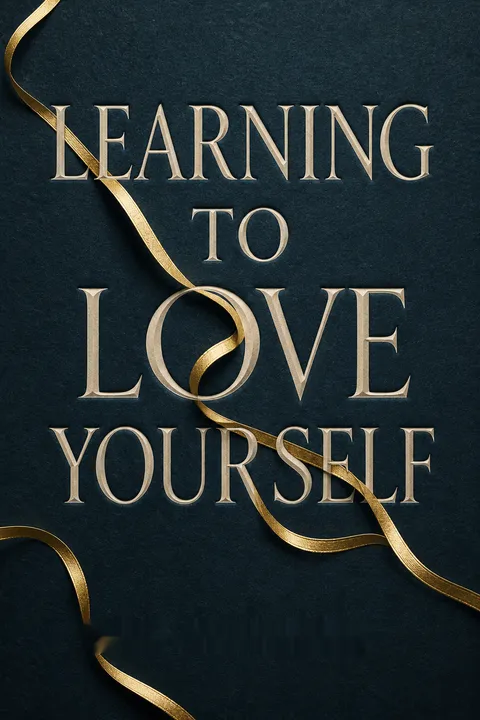
Learning to Love Yourself is part memoir, part therapeutic guide, and part spiritual reflection. Its organizing idea is unusually consistent: growth begins not by replacing an unwanted feeling with a preferred one, but by becoming willing to experience the feeling that is actually present. The mountain episode gives that claim a human origin. Hendricks is not presenting a polished theory from a distance; he describes a personal crisis in which his knowledge of psychology did not answer the question he cared about. That vulnerability explains both the book's emotional force and its preference for lived experience over abstract instruction.
The most practical contribution is a sequence readers can use without adopting the book's spiritual beliefs: notice the current state, identify how it registers in the body, stop adding self-condemnation, and ask what the feeling may be pointing toward. This resembles contemporary acceptance-based approaches, which distinguish making room for inner experience from obeying it. The distinction matters. A feeling can be welcomed without being treated as fact, moral truth, or permission to act.
The book is less persuasive when it generalizes from Hendricks's clinical observations into broad promises. His reports that intense feelings often pass within minutes may reassure some readers, but feelings vary, and trauma, depression, grief, and unsafe circumstances do not reliably resolve through attention alone. His account of early decisions is evocative, yet it can oversimplify the many influences on adult behavior. His claim that both partners should take full responsibility also needs firm limits: responsibility for one's own conduct is not equal responsibility for another person's abuse or betrayal.
The spiritual passages are best read as testimony about what the author experienced, not evidence that bodily energy or unity reveals a universal metaphysical truth. That reading preserves their importance without asking readers to share his conclusions. At its strongest, the book makes self-love less like a flattering opinion and more like a disciplined willingness to stop abandoning oneself. Its lasting question is concrete: what changes when a person can face an inner state without first demanding that it disappear?
Review Summary
Learning To Love Yourself receives mostly positive reviews, with readers praising its practical approach to self-love and mindfulness techniques. Many find the book life-changing, appreciating its focus on accepting all aspects of oneself, including negative emotions. Readers highlight the author's genuine enthusiasm and the book's simplicity as strengths. Some criticize it as repetitive or outdated, while others note its lack of consideration for clinical depression. Overall, reviewers appreciate the book's core message of self-acceptance and its potential for personal transformation.
People Also Read




Glossary
Willingness to experience
Openness to present realityHendricks's term for choosing to notice and feel what is actually happening rather than suppressing it, arguing with it, or hoping it away. This willingness is the transition from avoidance to direct experience. It does not require liking a feeling or acting on it; it means allowing it into awareness so a person can respond with greater clarity.
Non-experience
Thinking instead of directly feelingHendricks's label for mental substitutes that keep a person from directly encountering present experience. He includes hoping, wishing, deciding, reasoning, and relying on beliefs about how life should be. These activities may organize thought, but he argues that they cannot substitute for sensing and accepting what is happening now.
Projection barrier
Disowned traits seen in othersHendricks's term for a relational defense in which a person rejects an aspect of themselves and perceives it primarily in someone else. In his account, this can turn conflict into accusation and obscure a person's own feelings or contribution. Examining projection can reveal personal assumptions, but it does not make someone responsible for another person's harmful choices.
Experience of oneness
A felt sense of unityA state Hendricks describes as feeling less separate from other people, nature, and the wider world. He connects it to repeatedly welcoming parts of oneself that had been rejected. In the book, oneness is presented as a personal spiritual experience, not a permanent condition or proof that distinctions, disagreements, and ordinary difficulties disappear.
Love Meditation
A self-love noticing exerciseA short exercise in which a person sits quietly, repeats a sentence expressing care for themselves, and pauses to notice the thoughts and bodily sensations that arise. The goal is observation, not forcing a positive response. Disbelief, discomfort, or joy all count as useful results because they reveal how the person relates to self-acceptance.
FAQ
What's "Learning to Love Yourself" about?
- Self-Acceptance and Fulfillment: The book focuses on the journey to self-acceptance and how it leads to creative fulfillment. It emphasizes the importance of loving oneself to transform personal and professional life.
- Personal Experience: Gay Hendricks shares his personal experiences and insights, detailing how learning to love himself changed his life and relationships.
- Practical Guidance: The book provides practical steps and exercises to help readers learn to love themselves, addressing common blocks and challenges.
- Holistic Approach: It covers various aspects of self-love, including emotional, physical, and spiritual dimensions, offering a comprehensive guide to personal growth.
Why should I read "Learning to Love Yourself"?
- Transformative Insights: The book offers transformative insights into how self-love can change your life, relationships, and overall well-being.
- Practical Exercises: It includes practical exercises and meditations that can be easily incorporated into daily life to foster self-love.
- Personal Stories: Gay Hendricks shares relatable personal stories that illustrate the challenges and triumphs of learning to love oneself.
- Universal Relevance: The themes of self-acceptance and personal growth are universally relevant, making the book applicable to anyone seeking a deeper understanding of themselves.
What are the key takeaways of "Learning to Love Yourself"?
- Self-Love is Essential: Loving oneself is crucial for personal happiness and fulfilling relationships. It is the foundation for all other forms of love.
- Overcoming Resistance: The book emphasizes the importance of overcoming resistance to feelings and experiences as a path to self-love.
- Embrace All Feelings: Learning to love all feelings, even negative ones, is essential for personal growth and emotional health.
- Continuous Journey: Self-love is a continuous journey of remembering and forgetting, requiring ongoing effort and willingness to embrace oneself fully.
How does Gay Hendricks suggest overcoming blocks to self-love?
- Identify and Acknowledge Blocks: Recognize the decisions and beliefs that cause feelings of unlovability, often rooted in childhood experiences.
- Embrace Resistance: Understand that resistance to feelings and experiences is a major barrier to self-love and work on embracing them instead.
- Forgive and Release: Practice forgiveness for past mistakes and unfinished business to clear emotional clutter and make space for self-love.
- Willingness to Change: Cultivate a willingness to experience life as it is, which is the first step towards overcoming blocks and embracing self-love.
What are the best quotes from "Learning to Love Yourself" and what do they mean?
- "Love is the only thing I need to change." This quote emphasizes that love is the fundamental force for personal transformation and growth.
- "The essential transformation takes place at the moment you become willing to love." It highlights the power of willingness in initiating change and embracing self-love.
- "When we experience what we are experiencing, we line ourselves up with what actually is." This quote underscores the importance of accepting reality as it is, which is crucial for personal growth.
- "The very thing I get stuck on is always the very thing I need to learn to love." It suggests that challenges and obstacles are opportunities for learning and self-love.
How does "Learning to Love Yourself" address feelings and emotions?
- Feelings as Teachers: The book views feelings as important teachers that guide personal growth and self-awareness.
- Embrace All Emotions: It encourages embracing all emotions, including negative ones, as part of the journey to self-love.
- Resistance to Feelings: Hendricks discusses how resistance to feelings can lead to emotional stagnation and suggests ways to overcome it.
- Practical Exercises: The book provides exercises to help readers connect with and love their feelings, fostering emotional health.
What is the role of forgiveness in "Learning to Love Yourself"?
- Forgiveness as Healing: Forgiveness is portrayed as a healing process that cleanses and strengthens personal bonds.
- Self-Forgiveness: The book emphasizes the importance of forgiving oneself for past mistakes to move forward in self-love.
- Natural Process: Hendricks suggests that true forgiveness flows naturally when we achieve completeness with our feelings.
- Beyond Effort: Forgiveness is described as a spontaneous, effortless process that arises from dealing with one's own experiences lovingly.
How does Gay Hendricks describe the experience of oneness in the book?
- Oneness as a Bonus: The experience of oneness is described as a bonus for learning to love oneself, offering a profound sense of unity.
- Unexpected and Transformative: Oneness is an unexpected, transformative experience that changes one's perception of self and others.
- Integration of Parts: It involves integrating all disowned parts of oneself, leading to a sense of wholeness and connection with the universe.
- Beyond Duality: The experience transcends the duality of self and others, fostering a deep sense of interconnectedness.
How does "Learning to Love Yourself" approach the topic of body and sexuality?
- Cultural Conditioning: The book addresses the cultural conditioning that leads to negative perceptions of the body and sexuality.
- Embrace Physicality: It encourages embracing and loving one's body and sexuality as natural and essential parts of self-love.
- Overcoming Shame: Hendricks discusses overcoming shame and guilt associated with body and sexual feelings through self-acceptance.
- Holistic Love: Loving the body and sexuality is presented as part of a holistic approach to self-love and personal growth.
What practical exercises does "Learning to Love Yourself" offer?
- Love Meditations: The book includes meditations focused on repeating affirmations of self-love to foster a loving mindset.
- Writing Exercises: It suggests writing exercises to explore and transform unlovable aspects of oneself into lovable ones.
- Partner Activities: There are activities designed to be done with a partner, such as expressing self-love aloud, to deepen the experience.
- Creative Expression: Drawing and cataloging exercises help identify and embrace both lovable and unlovable parts of oneself.
How does "Learning to Love Yourself" address relationships and love?
- Projection in Relationships: The book discusses how projection can create barriers in relationships and suggests ways to overcome them.
- Mutual Responsibility: It emphasizes the importance of taking mutual responsibility in relationships for personal growth and harmony.
- Self-Love in Love: Learning to love oneself is presented as crucial for healthy, fulfilling relationships with others.
- Growth Opportunities: Relationships are seen as opportunities to learn and love unlovable parts of oneself, fostering deeper connections.
What is the significance of the "willingness to experience" in the book?
- Key to Transformation: Willingness to experience life as it is, without resistance, is key to personal transformation and self-love.
- Openness to Feelings: It involves being open to all feelings and experiences, allowing for growth and learning.
- Beyond Illusions: Willingness helps move beyond illusions and beliefs, aligning with reality and fostering authenticity.
- Foundation for Love: It serves as the foundation for loving oneself and others, enabling a more fulfilling and passionate life.
About the Author
Other books by Gay Hendricks





Download PDF
Download EPUB
.epub digital book format is ideal for reading ebooks on phones, tablets, and e-readers.








