

Key Takeaways
Treat abstinence as the doorway to a life that keeps expanding
Recovery is more than stopping. Narcotics Anonymous describes recovery as a three-part change: stop using, lose the desire to use, and learn a new way to live. The first part is urgent, but it is not the whole journey. As the book’s many members describe it, recovery reaches into relationships, work, health, identity, and the way a person understands the world. A life that once seemed impossible can become vivid and connected, though not free from hardship.
Change the fuel. Early recovery may begin with fear and desperation. Over time, members can find a different motive: curiosity about who they might become, and a desire to participate in life. Meetings, step work, and service keep recovery active. The aim is not to graduate from these practices, but to use them as a foundation for a fuller life.
The book’s central move is from crisis management to ongoing development. That distinction matters because abstinence can be mistaken for the finish line, when it is better understood as restored capacity: the person can now make choices, form bonds, and pursue goals. This resembles the difference between symptom reduction and broader flourishing in psychology. Yet growth should not become another performance standard. A meaningful recovery can include ordinary routines, grief, and imperfect progress, not only dramatic transformation.
Repeat the basics until recovery becomes how you choose
Principles become usable through practice. Honesty, willingness, and open-mindedness may initially feel like instructions imposed from outside. Repeatedly acting on them can make old patterns less appealing and principled choices more natural. The book stresses that clean time alone does not equal experience: years provide opportunities to learn, but growth still depends on taking responsibility and staying teachable.
Return with new eyes. Members revisit the Twelve Steps as life changes, rather than treating them as a one-time course. A step that once helped someone stop using may later reveal patterns in work, intimacy, or resentment. Learning can also arrive from an unexpected person. One member recognized that rejecting advice because of its source could mean missing an insight that mattered. Recovery is not a uniform schedule; its landmarks are shared, but people move through them differently.
This is a practice-based account of character change. It avoids the fantasy that insight alone alters behavior: repetition, feedback, and repair help values become reliable under pressure. The comparison with learning a skill is useful, since competence grows through imperfect attempts rather than perfect understanding. Still, repetition is not automatically progress. A ritual can become mechanical or even punitive. The book’s emphasis on openness and honest self-inventory supplies an important check: practice should increase contact with reality, not merely obedience to a routine.
When crisis returns, seek help instead of declaring recovery broken
Pain is not proof of failure. Breakups, bereavement, illness, career changes, and even welcome transitions can unsettle someone who is clean. The book describes members whose lives appeared stable while fear, grief, or old feelings surged internally. Recovery does not promise a painless life; its tools are meant to help people face life without returning to drugs.
Reach outward and act. Members are encouraged to share honestly with a sponsor or trusted people, find meetings where others have survived similar experiences, and use the steps to examine their own choices. Listening to another person’s recovery story can reveal that a difficult passage is survivable. The book also distinguishes emotional or spiritual struggle from mental illness and physical illness. Support from the fellowship can matter, but it is not a substitute for appropriate medical or mental-health care.
This section makes a valuable distinction between distress and relapse: suffering can be part of recovery rather than evidence that recovery has failed. That reduces the shame that often makes people withdraw. Its insistence on reaching out also fits the broader understanding that co-regulation, or calming through safe human connection, can help people tolerate intense emotion. The distinction between spiritual crisis and mental illness requires care, however. No one should have to diagnose that boundary alone, and spiritual explanations must not delay professional assessment when symptoms are severe or dangerous.
Use fellowship to see yourself clearly and make room for difference
Connection challenges self-obsession. At meetings, members encounter people who recognize their experience and reflect changes they may not notice in themselves. A sponsor or fellow member might identify a recurring mood or name a strength the person overlooks. The book treats empathy as central: members share the truth without using it to humiliate or control one another.
Belonging need not mean sameness. People arrive with different backgrounds, identities, beliefs, and needs. Some initially feel like the only person of their kind in a room. Staying, finding allies, and helping make meetings more welcoming can turn that isolation into a reason to contribute. Members also learn to distinguish solitude that restores them from withdrawal that cuts them off. The fellowship is not a demand to like everyone; it is a place to practice connection despite differences.
The fellowship functions as both support network and social mirror. In social psychology, identity is shaped partly by the groups through which people learn what is normal, possible, and valued. Here, identification can loosen the belief that one is uniquely damaged, while difference can widen the meaning of belonging. The book is strongest when it treats inclusion as something members build through practical attention to newcomers. Community is not automatically safe, though. Empathy works best alongside boundaries, accountability, and respect for individual needs.
Make spirituality a daily practice, not a test of belief
Keep the path personal. NA describes its program as spiritual rather than religious. Members may understand a Higher Power through a religion, through the fellowship, through nature, or in another way; some do not believe in God. The shared task is not to adopt one doctrine, but to explore principles that help a person live with honesty, humility, and care.
Look for practice in action. Prayer and meditation are options, not a prescribed formula. Members also experience spirituality through service, attentive listening, creative work, or simply pausing to notice what is happening. The book warns against confusing spiritual life with constant happiness or guaranteed outcomes. A difficult diagnosis, loss, or unanswered question does not mean that recovery has failed. Spiritual practice is a way of responding to reality, not a bargain for control over it.
The book’s pluralism is more than a courtesy. It protects a mutual-help community from turning one member’s explanation into everyone else’s requirement. Its practical test, whether belief changes how someone acts, also gives spirituality a public consequence without forcing agreement about metaphysics. There is a productive tension here: shared spiritual language can create solidarity, but it can also make nonreligious members feel peripheral if groups are careless. Respectful curiosity and room for dissent are therefore part of the practice, not distractions from it.
Care for your body as part of recovery, not a project of control
The body belongs in recovery. Addiction may leave physical harm, neglect, fear, or confusion about pleasure. The book treats the body as part of a person’s recovery, not as an enemy to discipline into submission. Members describe struggling with weight, food, exercise, sexuality, illness, disability, and the changes of aging. Attempts to punish or tightly control the body can reproduce the same obsessive pattern recovery is meant to address.
Choose care over neglect. Self-care may begin with a proper meal, a medical appointment, movement, or asking for help. One member described dental treatment as a way of addressing damage and rebuilding self-respect. The book encourages people to respond to health concerns rather than waiting for a miraculous solution. Some physical realities cannot be changed; acceptance does not prevent treatment, adaptation, or the pursuit of a life that remains meaningful.
This account usefully resists a split between spiritual recovery and physical life. Sleep, pain, movement, and medical care can influence mood and decision-making, so bodily neglect is not a neutral side issue. The idea of self-care as an amends also reframes care as responsibility rather than vanity. At the same time, bodily acceptance should not imply that people must feel grateful for illness or disability. A humane approach holds acceptance and advocacy together: respect the body as it is, while seeking care, access, and relief where possible.
Build intimacy by telling the truth and releasing control
Relationships reveal patterns. Recovery does not happen in isolation. Sponsorship can offer an early model of honesty and trust, while family, friendship, work, and romance expose habits that may be harder to see alone. Members learn to distinguish sexual intensity from emotional intimacy, and a partner from a substitute source of constant reassurance. The book notes that romantic relationships often begin before people feel ready, despite common advice to focus on recovery first.
Stay present to the person. Members are urged to examine what they want, what they are asking for, and what the relationship actually gives them. A fantasy of a perfect partner can make reality feel like an offense. Honesty, outside support, and attention to motives help people respond rather than react. Letting go of control does not mean accepting abuse or neglect. Sometimes a relationship needs boundaries or an ending, and it can be handled without creating extra harm.
The book treats intimacy as a skill built through repeated truth-telling, not as a reward for finding the right person. That framing counters the common hope that a partner will repair an unsettled inner life. It also recognizes that healthy connection requires autonomy: caring about a relationship does not mean managing another person’s choices. A useful nuance is that the advice to delay dating is not a universal timetable. Readiness depends less on a calendar than on whether someone can maintain support, boundaries, honesty, and a life beyond the relationship.
Make amends through changed conduct, not demanded forgiveness
Repair begins with responsibility. Amends are not just a conversation or apology. They include facing what happened, making appropriate direct repair, and changing behavior consistently. The book emphasizes that a person harmed by addiction may need time to trust, and may never choose to forgive or resume the relationship. The recovering person cannot set that timetable.
Restore balance, not control. Reconciliation can mean rebuilding a relationship, accepting it as it is, or making peace with its ending. One member described a long wait before a daughter offered forgiveness after an earlier amends; the delay showed why change cannot depend on receiving the response one hopes for. Amends also do not require enduring abuse. The work is to own one’s part, respect the other person’s freedom, and avoid taking responsibility for what belongs to someone else.
This account separates accountability from emotional entitlement. An apology can be offered, but forgiveness is not a debt the injured person owes in return. That distinction aligns with restorative approaches that prioritize repair and changed conduct while preserving the agency of those harmed. The section also avoids making reconciliation the sole measure of success, which matters when continued contact would be damaging. Its practical challenge is discernment: making amends should address harm without becoming a new attempt to secure access, absolution, or control.
Measure success by integrity, not the life that looks acceptable
Outer stability is not inner recovery. Work, education, money, housing, and social acceptance can become meaningful parts of a new life, but none proves that recovery is secure. Members may define a good life differently, and their definitions can change. The book describes someone whose career success and move to a new town disappeared, exposing how much self-worth had rested on external approval.
Build from values. The steps help members examine motives, accept responsibility, and choose goals that fit their beliefs. Education can restore confidence and teach patience; work can provide purpose and a place to practice cooperation; financial responsibility can replace entitlement with self-support. But people may need help, may be unable to work, or may choose a different path. The measure is whether they live with greater honesty and integrity, not whether their life resembles a conventional success story.
The book’s distinction between social acceptance and recovery guards against a familiar substitution: replacing drugs with status, busyness, or possessions while leaving the underlying self-worth problem untouched. Its focus on integrity offers a more durable standard because external circumstances change. Yet inward measures can also be misused to dismiss material hardship. Financial security, housing, and meaningful work are not superficial simply because they are external. A balanced reading treats practical stability as valuable, while refusing to make it the sole proof of a person’s worth or recovery.
Serve to stay connected, but never confuse usefulness with authority
Service keeps recovery relational. Helping a newcomer, setting up a meeting, calling a struggling member, or taking a group responsibility can connect gratitude to action. Members often find that helping someone else interrupts self-absorption and reminds them that recovery is alive. Service also teaches practical skills such as listening, sharing responsibility, and working through disagreement.
Keep service humble and sustainable. Committee roles are not the only form of service, and doing more is not always doing better. Taking on too many commitments can breed resentment; clinging to a position can turn care into control. Rotation and willingness to let others lead protect both the person and the group. The same principle applies to complacency: when meetings and step work fade from a person’s life, renewed contact with members, especially newcomers, can restore a sense of purpose and connection.
Service gives recovery a social feedback loop: contribution creates connection, and connection can renew motivation. It also offers a real setting to practice humility, cooperation, and repair, rather than discussing those values only in the abstract. The caution about authority is essential. Helping can become a route to status or control, especially when long experience is mistaken for immunity from need. Sustainable service includes limits, shared responsibility, and the ability to receive help. Otherwise, a practice intended to reduce isolation can quietly reproduce it.
Analysis
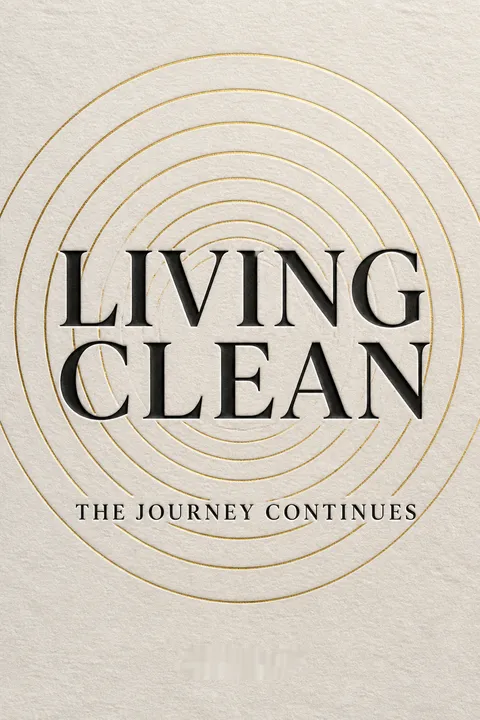
Living Clean is a collective account of recovery after the emergency of stopping drug use. Its organizing insight is that abstinence opens the door, while the ongoing work is learning to inhabit a body, relationships, responsibilities, and a community without returning to old forms of escape. The book’s narrative arc moves from desperation toward a more durable motivation: passion for participation in life. This is not presented as a straight ascent. Grief, illness, boredom, romantic conflict, changing beliefs, and success itself can all unsettle recovery.
The book is unusually strong when it treats principles as behaviors rather than slogans. Honesty becomes telling the truth before concealment grows; surrender becomes releasing control while still taking responsibility; service becomes a concrete act of attention. Its many member accounts make the principles feel revisable and lived, not like a rigid checklist. The same collective form also permits disagreement about religion, family, work, sexuality, and the pace of change. Shared recovery does not require identical lives.
Its deepest social claim is that connection is not merely comfort but a means of seeing oneself accurately. Sponsors, peers, and newcomers act as mirrors and companions through experiences that can otherwise feel isolating. Service turns that connection outward, while anonymity protects equality and reduces the temptation to turn recovery into personal prestige.
The framework has limits worth keeping in view. Spiritual language can be supportive for some and alienating for others, even when the book explicitly allows nonbelief. The fellowship can offer vital mutual aid, but it cannot replace medical, psychiatric, or other specialized care. Likewise, the emphasis on acceptance should not be confused with passive endurance of illness, discrimination, or abuse. Read with those distinctions, the book offers a persuasive model of recovery as lifelong practice: stay connected, tell the truth, take the next responsible action, and remain open to becoming someone not yet imagined.
Review Summary
Living Clean is highly praised by readers in recovery, with an average rating of 4.55/5. Reviewers describe it as life-changing, providing valuable insights for those in Narcotics Anonymous. Many appreciate its detailed exploration of recovery concepts beyond the basic text. Readers find it relatable, offering guidance for long-term recovery and personal growth. The book is credited with helping individuals feel less alone, understand their journey, and maintain sobriety. Several reviewers mention rereading it multiple times, finding new insights with each read. Overall, it's considered an essential companion for those in NA.
People Also Read









Glossary
Living clean
Recovery as a way of lifeIn Narcotics Anonymous, living clean means more than avoiding drugs. It describes applying recovery principles to daily choices, relationships, health, work, and service. The phrase emphasizes that recovery continues through changing circumstances and stages of life. Staying clean is its essential foundation, while learning to live differently is an ongoing process.
cleantime
Time without usingThe period a member has remained abstinent from drugs. Cleantime can mark important milestones in NA, but the book cautions against treating duration as proof of wisdom, emotional growth, or immunity from relapse. Time offers opportunities to learn; members still need connection, practice, and willingness to examine their lives.
Higher Power
A power beyond oneselfA source of help or guidance greater than an individual, understood according to personal belief. In NA, members may relate this idea to a religious God, the fellowship, nature, or another conception. The program does not require one shared theology, and members who do not believe in God are welcome to define spiritual principles in their own terms.
conscious contact
Ongoing spiritual connectionA continuing relationship with a Higher Power, developed through practices such as prayer, meditation, reflection, or attentive action. The phrase is associated with Step Eleven of NA’s Twelve Steps. Members understand and experience it differently; its practical purpose is to seek guidance and live with greater awareness, rather than to guarantee comfort or control.
pink cloud
Early recovery excitementA term some NA members use for the intense relief, hope, or exhilaration that can accompany early recovery. It is one possible experience, not a universal stage or a promise that life will stay easy. The book places it alongside other early experiences, including grief and emotional upheaval.
home group
A regular recovery meetingA particular NA group or meeting with which a member maintains an ongoing connection. Regular participation helps members become known to others, take responsibility, and contribute to the group. The book presents a home group as a practical anchor for belonging and service, while recognizing that members’ forms of participation vary.
group conscience
Shared group decision-makingA process through which an NA group seeks decisions that reflect its common purpose and the perspectives of its members. It is connected to the program’s belief that guidance can emerge through a group’s collective discussion. The process depends on respectful participation, adequate information, and a willingness to accept an outcome without requiring that every member get their preference.
the Twelve Steps
NA's recovery principlesA sequence of principles and practices used in Narcotics Anonymous to address addiction and support continuing recovery. The Steps include acknowledging powerlessness, seeking help, taking inventory, making amends, and maintaining spiritual awareness and service. The book treats them not as a course completed once, but as tools members revisit and apply to new areas of life.
FAQ
What's Living Clean: The Journey Continues about?
- Focus on Recovery: The book is a guide for individuals in recovery from addiction, emphasizing the ongoing journey of living clean. It explores the principles of Narcotics Anonymous (NA) and their application to various life aspects.
- Personal Growth and Spirituality: It highlights the importance of personal growth and spiritual awakening as essential components of recovery, sharing collective experiences, strength, and hope from NA members.
- Holistic Approach: The text addresses addiction and the interconnectedness of physical, emotional, and spiritual well-being, encouraging readers to embrace their journey and find joy in living clean.
Why should I read Living Clean: The Journey Continues?
- Comprehensive Resource: This book serves as a comprehensive resource for both newcomers and seasoned NA members, offering insights into the recovery process with practical advice and relatable stories.
- Encouragement and Hope: Readers will find encouragement and hope through shared experiences, emphasizing that recovery is a lifelong journey filled with growth and learning.
- Connection to Community: It fosters a sense of belonging and connection to the NA community, reminding readers they are not alone in their struggles.
What are the key takeaways of Living Clean: The Journey Continues?
- Ongoing Journey: Recovery is described as an ongoing journey rather than a destination, encouraging readers to embrace change and seek personal development.
- Spiritual Awakening: The text highlights the importance of spiritual awakening and connection to a Higher Power, providing guidance and strength in recovery.
- Importance of Relationships: Relationships play a crucial role in recovery, with the book discussing how to build and maintain healthy connections with others.
What are the best quotes from Living Clean: The Journey Continues and what do they mean?
- “We do recover to live full and rewarding lives.”: This quote emphasizes that the goal of recovery is not just sobriety but a fulfilling life, opening doors to new possibilities.
- “We are free to explore and discover what we are good at.”: It highlights the freedom that comes with recovery, encouraging individuals to pursue their passions and interests.
- “The most important thing about living clean is that we are alive to do it.”: This statement underscores the miracle of being alive and the opportunity to experience life without addiction.
How does Living Clean: The Journey Continues address spirituality?
- Spirituality as a Way of Life: The book presents spirituality as a practical aspect of recovery, encouraging readers to develop their own understanding of a Higher Power.
- Awakening to Spirituality: It discusses the process of awakening to one’s spirituality through the steps of NA, highlighting that this journey is unique for each individual.
- Conscious Contact: The concept of conscious contact with a Higher Power is explored, emphasizing the importance of regular spiritual practice, such as prayer and meditation.
What challenges does Living Clean: The Journey Continues identify in recovery?
- Emotional Crises: The book addresses emotional crises during recovery, including feelings of loneliness, fear, and despair, emphasizing the importance of reaching out for support.
- Physical Health: It discusses the challenges of maintaining physical health and the impact of addiction on the body, encouraging responsibility for health.
- Relationships: The challenges of building and maintaining healthy relationships are explored, highlighting the need for open communication and guidance on navigating complexities.
How does Living Clean: The Journey Continues suggest dealing with relationships?
- Building Connections: The book emphasizes the importance of building connections with others in recovery, as these relationships provide support and encouragement.
- Practicing Principles: It suggests that practicing NA principles in relationships can lead to healthier dynamics and deeper connections, including honesty and empathy.
- Service to Others: Being of service to others can strengthen relationships and foster a sense of community, providing purpose and fulfillment in recovery.
What role does self-acceptance play in Living Clean: The Journey Continues?
- Foundation of Recovery: Self-acceptance is presented as a foundational aspect of recovery, allowing individuals to embrace their true selves without judgment.
- Embracing Imperfections: Accepting one’s imperfections is crucial for personal growth and healing, encouraging readers to view their flaws as part of their journey.
- Empowerment: By fostering self-acceptance, individuals can empower themselves to make positive changes, leading to greater resilience and a more fulfilling life.
How does Living Clean: The Journey Continues address the concept of service?
- Service as a Path to Growth: The book highlights that service to others is vital for recovery, providing opportunities for personal growth and connection.
- Building Relationships: Engaging in service helps build relationships within the NA community, fostering a sense of belonging and support.
- Spiritual Practice: Service is framed as a spiritual practice that can deepen one’s connection to a Higher Power, bringing joy and fulfillment.
How does Living Clean: The Journey Continues define recovery?
- Ongoing Process: Recovery is portrayed as a continuous journey rather than a destination, emphasizing active engagement in recovery.
- Holistic Approach: The text encourages applying recovery principles in all life areas, promoting a holistic approach to well-being.
- Empowerment Through Connection: Recovery is framed as a collective effort, where individuals support one another in their journeys.
How does Living Clean: The Journey Continues suggest dealing with setbacks in recovery?
- Acceptance of Feelings: The book emphasizes accepting feelings during setbacks, rather than avoiding or suppressing them.
- Learning from Experience: Setbacks are framed as opportunities for learning and growth, encouraging reflection on experiences.
- Reaching Out for Support: It encourages seeking support from the NA community during difficult times, reinforcing the importance of connection.
What is the significance of spiritual awakening in Living Clean: The Journey Continues?
- Continuous Growth: Spiritual awakening is portrayed as an ongoing process leading to personal growth and transformation.
- Connection to a Higher Power: Developing a relationship with a Higher Power is highlighted as part of the spiritual awakening process.
- Empowerment Through Awareness: Spiritual awakening empowers individuals to recognize their strengths and capabilities, fostering a sense of purpose.
About the Author



Download PDF
Download EPUB
.epub digital book format is ideal for reading ebooks on phones, tablets, and e-readers.








