

Plot Summary
Pan Walks Free
After a failed exorcism, Rosie finds her demon mate Pan loose from his chains and arguing with her other mates. She still distrusts him for his lies and the harm he has caused, but their bond makes simply casting him out impossible. The greater danger arrives through Ben, one of Rosie's shifter mates: he develops a crushing headache and senses through his twin bond that Remi is in trouble.
Remi has been silent for nearly a day, an absence unlike him. Ben identifies the bar as the likeliest place to find his twin, and Rosie goes with him despite the risks. Their search begins with two threats already pressing together: Pan's uncertain loyalties and a sickness no shifter should suffer.
The opening makes intimacy a source of information and danger at once. Ben's twin bond gives him knowledge ordinary investigation cannot provide, while Rosie's mate bond keeps her tied to a demon she has strong reasons to reject. Neither connection is uncomplicated comfort. Each carries obligations that limit choice, yet each also enables action. The plot begins not with a new villain's announcement but with a familiar person going missing and a body behaving impossibly. That intimate disturbance gives the coming apocalypse a human scale before it expands into a supernatural one.
The Barroom Sickbed
At the apartment above the bar, Rosie and Ben find Remi feverish, confused, and struggling to breathe. Ben's shared sensations ease once he reaches his twin, but Remi's condition remains alarming. Rosie cools him under a shower, gives him fluids, and refuses to leave his side. Their doctor, Hatchet, arrives after treating other sick townspeople and cannot identify the disease.
He warns that Remi may not recover and advises them to prepare for the worst. His diagnosis changes the danger from a private crisis into a spreading outbreak. Rosie blames herself because she brought Pan into their lives, while Ben tries to steady her even as his own twin bond echoes Remi's suffering.
Remi's illness overturns the group's assumptions about supernatural resilience. The doctor can offer care but not certainty, so practical tenderness becomes their only available response: cooling water, fluids, and remaining present. Rosie's self-blame follows a familiar moral shortcut, treating proximity to danger as proof of responsibility. Ben's effort to reassure her is equally strained because his body registers a diluted version of his brother's pain. The scene makes love materially useful without making it omnipotent. They can ease suffering, but they cannot yet explain or stop it.
Salt Holds Two Brothers
Certain Pan cannot be trusted loose, Gavin secretly lays a salt boundary around the room and provokes the demon into its trap. When Gavin warns that Remi may die, Pan's form abruptly changes into Asher, the hacker whose body the demon has occupied. Asher remembers enough to discover that Pan is his half brother and that their souls are bound, but the salt still confines both of them.
Gavin refuses to risk Rosie by breaking the circle. Asher learns Remi is dying and wants to help, yet can only reach the laptop Gavin brings him. Their uneasy cooperation begins when Pan points Asher toward the hidden vampire archives, where information about Queens may explain why Pestilence has taken such an interest in Rosie.
Gavin's salt circle is both a safety measure and a blunt expression of distrust. It protects Rosie from Pan, but because Asher and Pan share a body, it also confines someone who wants to help. The revelation of their kinship complicates the group's simple division between captor and threat: Asher is not merely an innocent vessel, and Pan is not simply an intruder who can be removed without consequence. Their shared dependence creates a fragile alliance before either brother is ready to call it one. The laptop turns Asher's technical skill into a possible route out of physical helplessness.
A Queen in the Archives
Asher uses Gavin's computer to search vampire records and learns that Rosie is a Queen, a rare figure whose powers are hidden even from much of vampire society. Pan reacts uneasily to the discovery but withholds what he knows. Asher also recovers memories of Pestilence, the horsewoman who is his mother, and realizes she has manipulated his life through a curse and possession.
Rosie's concern shifts from whether she is personally in danger to whether her blood is central to the plague. She reaches her brother Noah, who confirms the seriousness of the threat and directs her to their Aunt Callie, a scientist who helped combat an earlier supernatural illness. Rosie decides to seek help rather than retreat from the danger.
The archive changes Rosie's significance from a person caught in a crisis to a person whose body may be part of its design. That shift risks reducing her to a resource, especially in a story where powerful families have already treated bloodlines as instruments. Her decision to contact Noah and Callie resists isolation: she recruits knowledge and kin rather than accepting a role others define for her. Asher's discoveries also undermine his personal history. His curse, his gaps in memory, and his connection to Pestilence reveal that his apparent independence has been shaped by forces he could not perceive.
A Bargain for Breath
Rosie approaches Pan in the salt circle and offers a deal: she will release him if he promises not to harm her mates or the town, and if Asher receives twice as much time in control as Pan. Pan accepts, and Rosie breaks the boundary, choosing a negotiated risk over keeping Asher imprisoned with him. Asher goes straight to Remi, whose fever and breathing have worsened.
Remembering that he once revived a dying cat through sheer desperation and love, Asher concentrates on his bond with Remi and presses his hands to the shifter's chest. Remi wakes healed. The success reveals that Asher can do more than hack and investigate, while Pan's help in guiding him begins to complicate their antagonism.
Rosie's bargain is a form of governance: she cannot erase Pan's bond or guarantee his character, so she sets enforceable limits and distributes control. The deal does not make trust effortless, but it replaces imprisonment with a structure the group can test. Asher's healing similarly turns care into action, though its mechanism remains mysterious. His memory of saving a cat suggests the power is tied to emotional attachment, not mastery or technical knowledge. Remi's recovery is therefore both a reprieve and a new problem: if Asher can heal, the group must decide how far that responsibility extends.
The Feast Binds Them
Once Remi is safe, Rosie's depleted Queen's powers demand a feast from her mates. Gavin directs the others as Rosie feeds and takes pleasure with Ben, Remi, Asher, and Pan. The encounter leaves her exhausted but changes the group: they can hear one another's thoughts, making their private reactions suddenly communal.
Asher's body briefly grows demonlike features, and he leaves a lasting mark on Rosie, while Pan finally has an intimate encounter with her in his own form. Their relationship remains tense, but his feelings are harder to dismiss after the feast. Ben carries Rosie upstairs and cares for her, and Pan has prepared a warm bath for her beforehand. The five are now more physically and mentally connected than before.
The feast makes the novel's chosen-family structure literal: the group shares blood, pleasure, and then thought. That intimacy increases solidarity, but it also erodes privacy, forcing each person to negotiate what closeness should permit. Gavin's direction shows how control can be care when it follows Rosie's needs, while Ben's aftercare supplies a gentler counterweight to the feast's intensity. Asher's new mark and temporary transformation signal that his identity is not settled. Pan's participation is especially disruptive: the bond that once felt like an imposed complication now carries emotional knowledge the others cannot simply ignore.
A Queen's Fatal Price
While Rosie recovers, Gavin studies the Council's records and builds a wall of evidence about Queens. He discovers that a previous Queen stopped Pestilence during the 1918 influenza pandemic by dying, and that Queens have appeared during catastrophic threats to vampirekind. Their power could also disrupt the Council's hierarchy, which explains why records of them have been suppressed.
Gavin tells Rosie the cost of her role, and she admits she does not want to die, even as she resolves to stop Pestilence. She asks Noah whether the horsewoman is using her blood to end the world; Asher can confirm the danger only through a constrained response because Pestilence has bound him against revealing her plan directly.
Gavin's research gives the Queen's power a political as well as sacrificial meaning. The Council fears Rosie not only because she could save vampires, but because she could make their inherited authority irrelevant. Yet the historical record offers a brutal template: a Queen saves others by dying. Rosie's fear is not cowardice; it is a clear recognition that the role may consume the person inhabiting it. Asher's inability to speak reveals how coercion can operate through silence, while Rosie's questions show her learning to read the limits of that silence rather than mistake it for consent.
Pestilence Calls Her Son
Pestilence summons Pan and orders him to kill Rosie. He tries to evade the command by claiming that Rosie's bargain prevents him from harming her, but Pestilence exposes the loophole: a vampire cannot bind a demon through a deal. Pan's restraint is his own choice. She discovers his mating mark and understands that he has become emotionally attached, then dismisses him as useless and decides to kill Rosie herself.
Pan returns shaken, aware that his mother has used him and that his loyalties are no longer simple. His refusal does not erase his past conduct, but it gives Rosie and the others a reason to consider that his allegiance might change before the coming confrontation.
The scene strips away Pan's preferred defense that demonic rules made his behavior inevitable. His restraint is not compelled by Rosie's contract; it is an act of choice, and therefore a more meaningful sign of change. Pestilence responds by treating attachment as a defect that disqualifies him from usefulness. Her language of utility mirrors the way she regards people as instruments. Pan's shaken return marks a fracture in the mother-son relationship, but not instant redemption. The story leaves his trustworthiness unresolved, which keeps the emotional stakes honest: love can alter allegiance without undoing harm.
The Mayor's Blood Charm
Rosie and Gavin visit Mayor Delta Dubois, whose amulets are meant to protect vampires from harm in town. Delta takes Rosie's blood to renew the charm and asks pointedly how Remi recovered, but Rosie gives no explanation that might put Asher at risk.
Delta's polished hospitality feels increasingly threatening, especially when she warns Rosie to avoid dark places. Meanwhile, the outbreak worsens. At the bar, shifters and other supernaturals cough, lose strength, and find their usual abilities failing; Dallas cannot even call on his lion.
Aunt Callie arrives, listens to Remi's account, and says a vaccine will be needed. She asks for blood samples from the sick, the recovered, and those who seem immune, beginning a scientific response to the plague.
The mayor's charm offers security in exchange for access to Rosie's blood, a small transaction that echoes the larger struggle over who controls her body. Rosie refuses to disclose Asher's healing ability, protecting him from becoming a resource others might demand. The outbreak meanwhile dismantles supernatural status: a sheriff who usually embodies strength cannot call on his lion, and illness makes the powerful vulnerable to ordinary bodily limits. Callie's scientific approach gives the group a route beyond individual miracles. Her request for multiple kinds of samples also treats recovery and immunity as evidence rather than mystery.
The Ground Gives Way
Callie is still gathering information when an earthquake tears through the bar and sends patrons into panic. The infected become aggressive, turning fear into fights. Rosie discovers she can stop the room by compelling everyone, then carefully releases the customers with a trigger that will end her control when they reach home.
As the group escapes, the familiar gargoyles Harry, Tom, and Dick shed their disguises and reveal themselves as three of Pestilence's sisters, the other horsewomen. The earth tremor and the plague are part of a larger attack, not separate disasters. Back at home, the group receives warning that the danger is still closing in, while their ordinary refuge proves increasingly fragile.
Rosie's first mass compulsion is a power born from immediate responsibility, not ambition. She stops a crowd from harming itself, then limits her influence by planting a release condition. That restraint matters: the Queen can command, but she still tries to preserve other people's agency. The gargoyles' revelation turns familiar comic fixtures into evidence that the enemy has been present in daily life all along. The earthquake likewise exposes how little control the group has over the setting itself. Their home and bar are not secure bases; the landscape and the people within it can both be turned against them.
Fire Sends Them Elsewhere
Lilith calls in a favor owed by Gavin and invites the group to her club, but before they can decide how to answer, attackers throw burning bottles through the windows of their home. Fire blocks the exits, and Pan shields Rosie from a falling beam, revealing a protective instinct he once would have mocked.
Gavin uses Lilith's card to open a portal, carrying all six of them to Iniquity before the house becomes a death trap. At the club, they wash, change, and find a brief refuge from the town's violence. Rosie chooses to explore the club and enter a public scene with Gavin, while her other mates watch and support her. The reprieve allows desire and trust to coexist with fear.
The fire makes the group's vulnerability undeniable: their refuge can be attacked faster than they can build a plan. Pan's instinctive act of shielding Rosie matters because it is costly and immediate, not a clever promise made afterward. Lilith's portal is a rescue, but it also activates an old debt, so safety arrives with obligations attached. At Iniquity, public erotic play becomes a chosen contrast to the violence outside. Rosie controls whether to participate, names her safeword, and receives care from her partners. The scene frames consent as a practice of agency even amid supernatural coercion.
A Demon Swears Loyalty
In one of Lilith's private rooms, Asher and Remi deepen their relationship, and Asher marks Remi as his mate. Pan then appears in a human form, a transformation that shocks him and gives the others a glimpse of his unguarded vulnerability. He admits that Pestilence used him and makes a blood vow of loyalty to Rosie, accepting the limits she and her mates require.
The angel Gabriel arrives before the group can settle, identifies Asher as a Nephilim born of a fallen angel and a demon, and explains that Asher's power is still developing. He gives Asher a flaming sword and transports the group back to Aurora Springs. The moon has vanished, and summer snow signals that the Apocalypse is advancing.
This turning point ties two forms of chosen kinship together. Asher and Remi make their bond visible through a mark, while Pan makes his allegiance binding through a blood vow. Neither act erases previous conflict; each gives the group a more reliable basis for the danger ahead. Pan's human appearance strips him of the theatrical body through which he usually asserts power, making vulnerability impossible to disguise. Gabriel's revelation gives Asher a lineage but not a complete identity. The absent moon and out-of-season snow turn cosmic change into something the characters can see and feel.
The Council Comes Calling
Back at The Tipsy Moose, the group finds the Vampire Council waiting. Its Chancellor accuses Gavin of killing his father and helping Rosie escape punishment for an attack on her brother. Gavin recognizes that his own family and the Council have turned private grievances into legal weapons.
The accusation becomes more dangerous when the Council threatens Rosie, whose Queen status threatens their authority. Remi urges the others to fight rather than submit, and Rosie raises a mental barrier to protect their minds.
The Council's arrival makes clear that even while Pestilence threatens the world, older institutions will use the crisis to preserve their power. The group must now defend itself on two fronts, against the Apocalypse and against its own political order.
The Council does not arrive as a neutral court. It arrives with a verdict shaped by aristocratic interests and a desire to contain Rosie. Gavin's past becomes a weapon precisely because the institution can define which histories count as crimes. Remi's instinct to fight and Rosie's mental defense show the group responding through different forms of agency: physical refusal and protection of interior space. The timing matters. The approaching Apocalypse does not suspend ordinary power struggles; it intensifies them, as the Council sees an opportunity to eliminate a figure who could change its hierarchy.
Rosie Stakes Her Claim
The Council's assault forces the mates into a desperate fight. Rosie improvises a stake from a broken table leg and drives it through an attacker, then uses sharpened fragments to help Pan and Asher bring down others. Ben mauls Gavin's mother, Felicity, after she moves against them; her arm conceals a vial of poison meant for Gavin. Gavin kills her before she can strike again.
With the false accusations exposed and the Council's advantage broken, the Chancellor withdraws the charges against Gavin and pardons Rosie, while warning her to remain loyal. Rosie refuses to accept his authority over her choices and threatens the Council if it ever endangers her mates again. The victory is immediate, but Pestilence arrives before they can regroup.
Rosie's improvised weapon turns the Council's assumption of her weakness against it. She does not win by displaying a fully mastered Queen's power; she wins by using what the room gives her. The hidden poison in Felicity's arm makes family history brutally concrete: Gavin's mother is both a personal threat and part of the system trying to control Rosie. The Chancellor's retreat is tactical, not moral. Rosie's final warning rejects the idea that a pardon grants the Council ownership of her future. She accepts no protection that requires surrendering self-determination.
The Mayor Unmasked
Mayor Delta appears at the bar, but Pan recognizes the horsewoman behind her. Pestilence has possessed Delta and infected Rosie earlier, using her blood to design a plague especially destructive to supernatural bodies. She also reveals that Asher once bargained to bring Rosie and her mates to her, though she hid the terms from his memory.
Asher cannot deny the deal, and Rosie sees that he was coerced by the promise of his body and the group's return. Pestilence abandons Delta's dying body and manifests in her own form as demons pour into the bar. Asher's memory returns, confirming that he must eventually deliver the group to her. The fight forces them toward the hellmouth at Devil's Lake.
Pestilence's disguise makes the town's authority itself feel contaminated: the person tasked with offering safety has been used to spread danger. Her confession about Asher's bargain tests the group's willingness to distinguish coercion from betrayal. Asher chose under pressure, but his silence left the others exposed; the harm is real even if his motives were protective. Rosie's response must hold both truths at once. The deal also demonstrates Pestilence's preferred method: she makes people instruments, then conceals the terms until resistance is hardest.
The Sisters Turn the Land
At Devil's Lake, the drained water exposes a glowing hellmouth. Pestilence rises with her horsewomen sisters, and the familiar gargoyles' true identities become part of the enemy's force. War animates trees against Ben, Famine drains Remi's strength, and Death sends reanimated animals swarming the others. Pestilence takes a monstrous winged form and sprays corrosive slime across the battlefield.
Asher uses Gabriel's sword to destroy the undead creatures, while Rosie turns one of her arrows into a weapon of holy fire. The sisters retreat, but Pestilence remains. Remi and Gavin collapse, and Ben is badly weakened. The first victory has bought seconds, not safety, leaving Rosie to decide how much of her power she can give away.
The sisters attack through distinct systems of vulnerability: War turns the environment hostile, Famine drains bodily force, and Death makes familiar animals grotesque. Their powers make the landscape an extension of the enemy rather than a neutral arena. Asher's sword supplies a defense, but it cannot solve the whole battle. Rosie and her mates win only temporary space, and the cost accumulates in their bodies. The decision now facing Rosie is not an abstract test of leadership. It is whether she will risk her own limited strength to give Ben the means to keep fighting.
The Queen's Last Arrow
Rosie transfers her remaining power to Ben, enlarging him into a supernatural wolf strong enough to wound Pestilence. He attacks despite knowing her plague may kill him. Rosie then sends an arrow of holy fire into the horsewoman, bringing her down but not ending the threat. Pan realizes his horns are the source of his demonic power and asks Asher to cut them off with the angelic sword.
The sacrifice weakens Pan, but gives him the chance to drive one horn into Pestilence's heart as Asher runs her through with the blade. The Apocalypse stops. The moon returns, and the sky begins to clear. Pan collapses from his wounds, while Rosie and her remaining mates also lie near death.
The climax succeeds through coordinated sacrifice rather than a single savior's force. Rosie lends power, Ben risks his life, Asher supplies the weapon, and Pan gives up the source of his identity. Each action answers a particular weakness established earlier. Pan's choice is especially charged: he does not merely change sides, he makes himself vulnerable in a way he cannot reverse. The returning moon signals victory, but it does not immediately restore the people who fought for it. The story refuses to treat defeating the Apocalypse as a clean escape from consequence.
A Home After Night
Asher uses the last of his healing power on Rosie, who wakes and helps the others return to consciousness. Gabriel then answers her plea for Pan, reviving him without his demonic powers and leaving him human. With Pestilence defeated, the plague loses its force and the town begins recovering.
Four months later, the group is rebuilding Aurora Springs: Ben is mayor, Remi runs the restored bar, Gavin funds local aid, Asher helps people in danger, and Rosie opens a candle and scent shop. Callie completes a vaccine in case Pestilence returns. The bonus epilogue shifts the threat outward: Death chooses a new set of players and sends them toward Blackwood, while Gabriel watches, unable to intervene.
The ending defines home as work shared after catastrophe, not a return to an untouched past. Each mate takes a role that reflects his established capacities, while Rosie builds a business that turns her formerly unreliable cooking instincts into creative craft. The vaccine extends Callie's research beyond the immediate emergency, converting survival into preparation. Pan's human life is a consequence of his sacrifice and a chance to remain with Rosie, not a restoration of his former power. The bonus epilogue deliberately unsettles closure: the group has won this round, but the larger game continues elsewhere.
Epilogue
Four months after the battle, the six mates are helping rebuild Aurora Springs. Ben reluctantly serves as mayor, Remi restores The Tipsy Moose, Gavin funds aid for families, Asher uses his skills to protect people, and Rosie opens a candle and fragrance shop. Callie finishes a vaccine to guard against another plague.
The bonus epilogue looks beyond their town: Death selects five new players, including the Beast, the Pirate, the God, the Villain, and the Writer, and sends them toward Blackwood. Gabriel witnesses the next round beginning, but Death's power prevents him from intervening.
The domestic aftermath makes recovery concrete. The characters repair businesses, assume civic duties, and create systems to protect people who were left vulnerable. Their new roles do not erase the damage of the plague; they give survival a public form. Rosie’s shop is especially apt because it turns a former source of embarrassment, her difficulty cooking, into a craft that sustains her independence. Callie’s vaccine adds collective preparedness to the group's personal bonds. The bonus epilogue then refuses a simple happily-ever-after: the first crisis is resolved, but the wider supernatural game continues under new rules and with new players.
Analysis
The novel builds its apocalypse from intimate disruptions. Remi's illness begins as a family emergency, and the widening plague makes private care a public problem. That scale change is central to the book's emotional structure: the mates do not stop loving one another when the world expands, but their love must become a method of coordination, treatment, and defense. Ben's twin bond locates Remi; Asher's attachment helps him heal; the feast creates a mental network; Rosie distributes her power to Ben. Affection repeatedly becomes practical labor.
The story also distinguishes obligation from consent. Rosie's bonds and bargains can constrain her, while her Queen's ability to compel others could reproduce the coercion she resists. Her efforts to set conditions, release the people she thralls, and insist on choosing her own response make power ethically complicated rather than automatically virtuous. Pan's development hinges on the same distinction. His demon nature does not excuse his choices, and his movement toward loyalty matters because it is chosen, costly, and never treated as a substitute for accountability.
Institutions and families both try to convert people into assets. The Council fears Rosie's power because it threatens inherited authority; Pestilence treats blood, bodies, and even her own son as tools. Against these systems, the polyamorous household is not merely romantic abundance. It is a deliberate redistribution of care and power, with each mate contributing different capacities and learning to rely on the others. The ending's rebuilding work extends that alternative beyond the bedroom: a bar, a mayor's office, charitable aid, scientific research, and a local business turn survival into civic responsibility. The final teaser complicates the triumph without undoing it. This Apocalypse has ended, but the characters have learned that security requires both attachment and preparation.
Review Summary
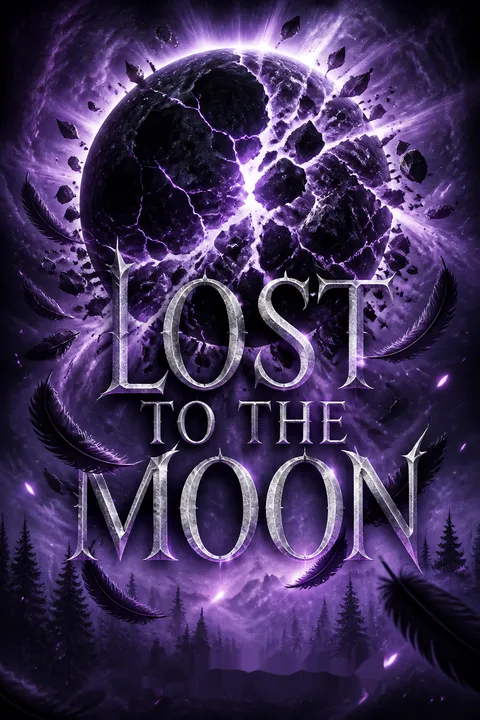
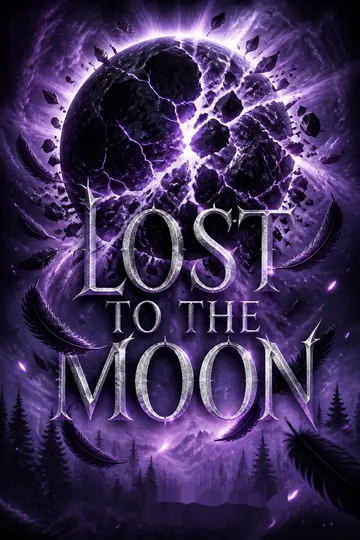
Lost to the Moon is praised as an excellent conclusion to The Mate Games: Pestilence series. Readers loved the character development, especially Pan's redemption arc, and the intense action leading to the apocalyptic showdown. The book's humor, witty banter, and spicy scenes were highlights. Many appreciated the full-cast audiobook narration, enhancing the experience. While some found the final battle slightly anticlimactic, overall, the book was well-received for its balance of romance, humor, and suspense, leaving fans excited for the next installment in the Mate Games universe.
People Also Read
Characters
Roslyn Blackthorne, called Rosie
Blood-bound heroineRosie is a British vampire whose fierce independence coexists with an intense need to protect the people she loves. Her relationships with Gavin, Ben, Remi, Asher, and Pan force her to negotiate care, desire, trust, and responsibility across very different temperaments. She is quick to blame herself when danger reaches her circle, but she is also capable of acting decisively under pressure. Her instinct is not to become a distant ruler; she seeks help, makes practical bargains, and tries to preserve other people's choices even when she has power over them. Her central conflict is between the wish for a quiet private life and the demands placed on her by her bloodline and supernatural identity.
Gavin Donoghue
Rosie's aristocratic husbandGavin is a vampire duke and Rosie's husband, controlled in manner and deeply invested in keeping danger measurable. Research, planning, and dominance help him manage an underlying fear of losing the people he loves. He often expresses care through preparation, protection, and attentive direction rather than easy confession. His relationship with Rosie's other mates begins in rivalry and suspicion, but he is capable of revising his judgments when their actions prove dependable. Gavin's precision can become possessive, yet it also gives the group structure when events overwhelm them. He is most unsettled by what he cannot control, especially the uncertain cost of Rosie's power.
Ben Mercer
Steady shifter protectorBen is a wolf shifter, Remi's identical twin, and one of Rosie's mates. His stutter becomes more pronounced when fear or grief overwhelms him, but it does not diminish his judgment or courage. The twin bond makes Remi's suffering feel physically close, and Ben often places himself between danger and the people he loves. He is a caregiver as much as a fighter, attentive to Rosie's needs and willing to create a safe, comforting space for her. Ben's self-doubt comes from the pressure of being responsible for others, not from a lack of ability. He is most himself when loyalty becomes action.
Remi Mercer
Irreverent twin shifterRemi is Ben's twin, a wolf shifter, and the irreverent heart of the group. He turns fear into jokes and uses flirtation to keep painful moments from becoming unbearable, but his humor does not mean he fails to understand what is at stake. He is devoted to Rosie and deeply attached to Ben and Asher, even when his affection comes wrapped in teasing. Remi's confidence can disguise vulnerability, especially when he fears being left behind or losing someone he loves. He brings levity into a family under immense pressure, while his willingness to be cared for reveals a softer side beneath the swagger.
Asher
Hacker with guarded heartAsher is a skilled hacker whose wit and technical confidence help him feel capable in a world that has often treated him as unwanted. He is closely bonded to Rosie and Remi, and his relationship with Remi grows from antagonistic chemistry into a meaningful connection of its own. Asher's humor often shields old wounds: he has spent much of his life without reliable family or a secure place to belong. He wants to be useful, but fears the parts of himself he cannot control. His intelligence is practical and inventive, while his growing capacity for care challenges his belief that he is merely a disposable outsider.
Pan
Demon mate and provocateurPan is a demon bound to Rosie by a mate bond and known for his vanity, appetite, theatrical confidence, and talent for provocation. He treats desire as a form of power and prefers to keep others reacting to him rather than studying his own motives. Beneath his swagger is a creature shaped by a demanding family and a long habit of treating people as pieces in a game. His connection to Asher complicates his independence, while Rosie challenges his assumption that emotion is weakness. He is not easy to trust, and he rarely makes himself easy to like, but his wit and forceful presence make him impossible for the group to ignore.
Pestilence
Apocalyptic horsewomanPestilence is a horsewoman whose power centers on disease, infection, and the manipulation of vulnerable bodies. She is patient enough to hide behind ordinary authority and calculating enough to turn a person's blood or history into a weapon. Her view of others is fundamentally instrumental: allies are useful while they advance her design, and family ties carry little weight when they become inconvenient. She presents catastrophe as an achievement rather than a moral crisis. Her conflict with Rosie is not simply a contest of strength; it is a struggle between treating people as resources and insisting that they retain agency.
Lilith
Succubus and dealmakerLilith is a powerful succubus who owns Iniquity and understands how pleasure, desire, and obligation can be exchanged. She can be playful and generous, but she is never detached from the terms of a bargain. Her relationship with Gavin and Rosie is shaped by debts and favors, and she offers refuge without pretending it comes free. Lilith's confidence comes from experience with supernatural politics and from knowing exactly how much leverage she holds. She also recognizes the value of chosen freedom, making her more complicated than a simple tempter.
Aunt Callie
Ghost scientistCallie is Rosie's deceased aunt, a scientist whose curiosity and bluntness survive her death. She treats a plague as a problem to investigate rather than a mystery to fear, asking for samples and explaining what research will require. Her practical mind gives Rosie a source of expertise beyond her mates' supernatural knowledge. Callie's humor is dry, but her willingness to travel and work through the crisis shows affection through effort. She believes that careful observation and method can create options where panic sees none.
Noah
Rosie's protective brotherNoah is Rosie's brother and a seasoned supernatural leader who has faced an apocalyptic threat before. He does not pretend to have an easy solution, but he helps Rosie identify the people and knowledge she needs, including Aunt Callie. His protective instincts are balanced by respect for Rosie's ability to make her own decisions. He offers perspective without minimizing the danger and reminds her that her selection for this role is not simply about her blood.
Sunday
Noah's experienced partnerSunday is Noah's wife and someone who has already survived a confrontation with one of the horsewomen. She greets Rosie with sympathy rather than blame, understanding how quickly an apocalyptic threat can engulf a family. Her experience gives her a calm, compassionate presence, while her concern for her infant daughter keeps the stakes personal. Sunday supports Rosie without assuming that the two women's crises will unfold identically.
Moira Belladonna
Unruly witch allyMoira is a witch with a sharp tongue, strong practical instincts, and a specialty in astral projection. She uses humor to cut through panic, though she knows when a situation has become too serious for jokes. Her skills offer a way to let Pan speak without freeing him physically. Moira's confidence is earned through experience rather than perfect mastery, and she is candid about the limits of what she can do.
Gabriel
Angel bearing a weaponGabriel is an angelic messenger who arrives with knowledge, warnings, and a weapon when the group is close to confronting the Apocalypse. He is not an all-knowing rescuer; he emphasizes that choice makes outcomes uncertain. His manner can be dry and impatient, but he does not leave Asher unarmed or pretend that the coming fight can be avoided. Gabriel represents a larger celestial order that can guide events without simply solving them.
Delta Dubois
Polished town mayorDelta is Aurora Springs' mayor, polished and socially adept, with responsibility for the town's public order and its supernatural residents. Her amulets are presented as a practical safeguard, and she takes a strong interest in Rosie's blood and the spread of illness. Delta understands how appearances shape authority and uses courtesy to manage difficult encounters. Her official role places her at the boundary between civic safety and the town's hidden supernatural politics.
Doctor Hatchet
Overworked local physicianDoctor Hatchet is the only physician within a wide radius. He treats Remi honestly, admits when he lacks answers, and warns the family rather than offering false reassurance. His limited resources make him a grounded witness to how quickly the outbreak is spreading.
Dallas
Lion shifter and sheriffDallas is a lion shifter and a former sheriff whose pride in his strength is tested when the plague weakens his ability to shift. He has treated Ben unfairly in the past, but his instinct to protect the town remains sincere. His willingness to volunteer for Callie's research reflects a civic duty that survives his loss of authority and power.
Darla
Bar worker and trusted friendDarla works at The Tipsy Moose and brings warmth and sociability to the bar. Her flirtation with the visiting pirates gives her a life beyond the main group, while her loyalty makes her an important part of the town's community.
Caspian
Flirtatious pirate captainCaspian is a visiting pirate who charms Darla and brings a lively, roguish presence to The Tipsy Moose. He is confident in social situations and comfortable in a town filled with unusual beings.
Harry, Tom, and Dick
Rowdy gargoyle regularsHarry, Tom, and Dick are loud, comic regulars at The Tipsy Moose. Their banter makes them part of the bar's familiar rhythm, and their loyalty to the town makes their presence more than a running joke.
Felicity Donoghue
Gavin's aristocratic motherFelicity is Gavin's mother and a member of the vampire aristocracy. She represents the family expectations and political pressures that shaped Gavin's early life. Her polished manners conceal a fierce investment in status and control.
The High Chancellor
Vampire Council authorityThe High Chancellor leads the Vampire Council and guards its political authority. He is old, powerful, and accustomed to turning institutional judgments into personal threats. His attention to Rosie reflects the Council's fear of powers it cannot govern.
War
Horsewoman of conflictWar is one of the horsewomen and an enemy whose power can turn the surrounding world into a weapon. She approaches conflict directly and treats destruction as a means of asserting control.
Death
Horsewoman of endingsDeath is one of the horsewomen, composed and observant in the midst of violence. Her power makes living creatures and the boundary between life and death vulnerable to her influence.
Famine
Horsewoman who drainsFamine is one of the horsewomen and attacks by taking strength from those who oppose her. She is controlled and predatory, making depletion itself a weapon.
Plot Devices
The Mate Bonds
Connects the chosen familyRosie's bonds with Gavin, Ben, Remi, Asher, and Pan carry sensation, emotional knowledge, and obligations between them. Ben's twin bond with Remi helps locate him when he is ill. After the Queen's feast, the mates gain a shared mental channel, allowing them to coordinate and comfort one another but also reducing privacy. The bonds make affection materially useful, yet they can intensify fear and jealousy. They do not guarantee trust; the characters still have to choose how to treat one another. The bonds turn a romantic ensemble into a working network whose members can act across distance and danger.
Demonic Bargains
Make choices bindingDeals are a supernatural form of contract, though their exact limits matter. Rosie bargains with Pan to secure his cooperation and share control of Asher's body. Asher separately makes a bargain with Pestilence under pressure, agreeing to bring his mates to her without retaining the terms in memory. These agreements transform personal desperation into plot consequences. Characters cannot treat a promise as harmless simply because they intend well; the wording and the power imbalance behind it determine what can happen later. Pan's explanation that Rosie's bargain does not truly bind a demon also forces the group to judge him by his choices rather than by magical compulsion.
The Queen's Feast
Restores and amplifies powerAs a vampire Queen, Rosie must feed from her mates in a collective feast that replenishes her strength. The ritual is erotic, but it also has supernatural consequences: it deepens the group's connection and allows their thoughts to reach one another. The feast establishes the mates as a shared source of support rather than separate providers. It also creates vulnerability, since Rosie can become depleted after using her power and the group must learn how to care for her. The device connects bodily intimacy to the novel's practical question of how the Queen can survive the forces gathering around her.
The Blood-Borne Plague
Turns healing into a weaponPestilence uses Rosie's unusual blood to create an illness that attacks supernatural bodies, spreading through Aurora Springs and weakening creatures who normally rely on rapid healing or transformation. The plague threatens Remi first, then affects the town's shifters and other residents. Callie's plan to study samples from the sick, recovered, and apparently immune offers a scientific response, while Asher's unexplained healing ability gives the group a personal means of rescue. The disease exploits a central contradiction: blood can preserve life and carry power, but it can also be turned into a delivery system for harm.
Gabriel's Flaming Sword
Makes grace a weaponGabriel gives Asher a sword that burns with holy fire, linking Asher's developing celestial power to a physical weapon the group can use. The sword can destroy demons and undead creatures that ordinary attacks cannot reliably stop, and Asher's grace can kindle its flames. Rosie also learns to channel that fire through an arrow, making the weapon's power usable at a distance. The sword is not a simple solution: its bearer must be close enough to fight, and the group must create openings for it to matter. Its appearance prepares the climax while making Asher's hidden inheritance immediately consequential.
The Mate Games: Pestilence Series
About the Author




Download PDF
Download EPUB
.epub digital book format is ideal for reading ebooks on phones, tablets, and e-readers.








