


Plot Summary
The Priest's First Flock
In 1922, Caleb Gallagher2 returns to his Irish island as its new priest, hoping to rebuild the church and the life influenza took from him. His family and most of the village are already dead from the plague. Then Aisling O'Connor19 enters the church, reveals herself as a vampire, and turns Caleb2 against his will.
When he wakes, she makes him drink from Maureen, the church secretary, and his new hunger overwhelms his horror. Aisling19 then uses his priestly standing to draw the remaining villagers into the church. Caleb2 feeds on them until the village is empty. He leaves with Aisling,19 convinced his faith has failed and that he is damned.
Caleb's origin binds religious vocation to coerced violence. Aisling does not merely change his body; she turns his trusted social role into a weapon, making the congregation's faith part of the trap. His later guilt is therefore more than remorse for killing. He believes the very qualities that once gave his life meaning were repurposed to serve evil. The scene establishes the novel's central question about responsibility: what can a person rightly be held accountable for when another has taken away the choice?
A Soul for the Seals
In 1997, Caleb2 waits outside an Alaskan church, preparing to help Aisling19 slaughter its congregation. An angel named Gabriel8 appears instead, explaining that Caleb's2 soul was stolen when he was turned and offering him a choice between death and a chance to regain it. The price is preventing the approaching Apocalypse by stopping the breaking of seven seals.
Caleb2 accepts before learning how difficult the task will be. Gabriel8 links him to the seals, branding his chest so he will feel each one break, then takes him to Ravenscroft University, where Caleb2 becomes Professor Gallagher.2 Years later, the first seal's pain signals that the crisis has begun, setting Caleb2 on a path toward Sunday1 and the child11 he has been assigned to stop.
Gabriel returns agency to Caleb, but the offer is not clean freedom. Caleb accepts a task shaped by his shame and longing for salvation before he understands its human cost. The seal brand makes cosmic danger intimate: history will announce itself through pain in his own body. His willingness to serve also lets him imagine that obedience can repair what coercion destroyed. The story complicates that hope by making his assigned duty collide with the attachments he forms, asking whether redemption means following orders or learning to choose responsibly.
Sunday Runs, Caleb Takes
At Ravenscroft, Sunday Fallon1 is bonded to four men: vampire professor Caleb,2 wolf shifter Kingston,3 vampire heir Noah Blackthorne,4 and berserker Alek.5 When they learn that Sunday's1 pregnancy may trigger the Apocalypse, Noah's father,7 Cashel,7 raises the possibility of killing the baby11 or turning Sunday1 to save her. Alek5 refuses to let others decide the child's11 fate, and Noah4 eventually leaves with him and Kingston.3
Sunday1 overhears the discussion, takes her bag, and escapes with witch Moira's6 help. Caleb2 believes she is in immediate danger and has already prepared a way to get her away from the group. He drugs Sunday,1 carries her onto a plane, and heads for his hidden Irish island, choosing her safety and his mission over her trust.
The inciting crisis is not simply a prophecy but a conflict over who may make decisions for Sunday and her unborn child. The men who love her treat protection as a reason to consider choices she never authorized; Caleb repeats the same pattern more radically by kidnapping her. Sunday responds by claiming the one power available to her, departure. Her flight is not fickleness but a defense against being turned into an object of strategy. The scene establishes the tension between protective intent and coercive action that the later relationships must confront.
The Society's Hidden Hand
With Sunday1 gone, Moira6 asks hacker Asher Henry12 to trace Caleb,2 while the men follow the few clues they can find. Cashel7 explains that he belongs to a secret Society charged with maintaining the balance between worlds, and that Caleb's2 bargain requires him to kill Sunday's child11 to stop the Apocalypse.
At a meeting in Iniquity, the men discover that powerful figures around Ravenscroft are Society members, including Sunday's grandfather14 and the university's headmistress. Gabriel8 confirms Caleb2 may still choose otherwise.
Before the group can make sense of the revelation, they find Professor Sinistra,15 the Seer, stabbed to death. The search has become a race against a network of old powers that knows far more about Sunday's1 fate than she does.
The Society's authority rests on secrecy and inherited access, not on the consent of those whose lives it governs. Sunday is discussed as a problem to solve, while Caleb's assignment turns intimacy into a possible instrument of sacrifice. The Seer's murder further destabilizes any claim that institutional knowledge can guarantee safety. Each revelation expands the conspiracy without making its members omniscient. The characters must decide whether to trust a system that has concealed the stakes from them, even as they depend on its clues to find Sunday.
Warg Island's Restless Dead
On the island, Sunday1 explores the village and meets Kelly,18 a young woman who seems to know Caleb,2 along with an old fisherman. Caleb2 insists the island has no living residents. He killed its people the night Aisling19 turned him, and the figures Sunday1 met are ghosts bound to the place of their deaths.
The revelation gives Sunday's1 prison a human history and forces Caleb2 to name what he has spent a century trying to outlive. Sunday1 leads him back to the abandoned church, where he finally recounts the massacre without hiding behind the claim that he is beyond forgiveness.
She listens and tells him his remorse distinguishes him from the monster he believes himself to be. Her compassion does not erase the dead, but it lets Caleb2 face them without turning away.
The island makes Caleb's past physically present. Its ghosts prevent him from treating the massacre as distant history, while Sunday's ability to see them gives her access to a truth he would rather keep sealed away. Her forgiveness is not a declaration that the deaths do not matter; it is a refusal to let guilt become Caleb's whole identity. The scene shifts their relationship from captor and captive toward witnesses to each other's damage. Compassion becomes meaningful because it follows disclosure rather than replacing it.
The World Begins Breaking
While Sunday1 remains hidden, the outside world begins showing signs of the catastrophe the Society fears. Moira's6 coven tries to break the concealment around Sunday,1 but a locust swarm attacks the ritual and the spell proves far beyond their power. News reports describe a lake transformed into blood and violent natural disasters.
Kingston's father,17 Ronin,17 and sister Phe die in a sudden plague, and Phe's final delirium links the deaths to Revelation. Later, fae warriors attack Blackthorne Manor, and a fire kills Noah's sister16 Rosie.16 The survivors learn that the Shadow Queen is hunting Sunday's child.11 When Moira6 and the coven cannot reach Sunday,1 the men turn to Lilith,9 whose demonic power may offer a way through the concealment.
The Apocalypse arrives as a sequence of bodily and domestic losses, not as an abstract spectacle. A familiar lake becomes blood, a family home becomes a battlefield, and a father's death is followed by his daughter's. These events strip the protagonists of the illusion that they can contain danger by keeping Sunday out of sight. Their grief also exposes the limits of prophecy: knowing that catastrophe is coming does not tell them whom it will take next. The resort to Lilith reflects both desperation and a growing willingness to bargain outside respectable institutions.
Blood Before the Sun
Caleb's2 refusal to feed leaves him too weak to reach shelter before sunrise. Sunday1 has locked him outside, hoping the sun will kill the vampire and free her to save their daughter.11 When she hears his pleas, she cannot let him burn; she opens the door and offers him her own blood.
As Caleb2 heals, he admits that Gabriel8 promised to restore his soul if he stopped the Apocalypse, and that he had believed killing the child11 was the only way. He now refuses to carry out that order. Sunday1 accepts that his love is real, and the two choose each other despite the danger. Caleb2 asks her to marry him, and she agrees, making a private promise before the approaching catastrophe can decide their future for them.
Sunday's attempt to kill Caleb mirrors his earlier attempt to control her, but her decision to save him breaks the cycle of treating death as the only available solution. Caleb's confession matters because he stops presenting the mission as destiny and acknowledges that he still has a choice. Their reconciliation does not make the danger disappear; it changes what each is willing to sacrifice. The proposal gives them a future to imagine, while its urgency makes clear how little control they have over whether they will reach it.
The Shroud in the Fire
During a violent storm, Caleb2 and Sunday1 make simple wedding rings from black yarn pulled from his treasured scarf. Sunday1 believes the scarf is only an heirloom, so when a terrifying vision warns her that a dangerous presence is coming for them, she throws it into the fire. Caleb2 returns with wood just as the fabric burns away.
He reveals that it was Death's Shroud, a magical relic that concealed Sunday1 and Caleb2 from every kind of search. With its protection gone, the power fails, the fire dwindles, and intruders break into the cottage. Caleb2 fights the attackers, but one fae warrior cuts Sunday's1 throat. She collapses, and Caleb2 forces her to drink his blood until she begins to heal.
The shroud's destruction turns a private misunderstanding into a public vulnerability. Sunday acts from fear and incomplete knowledge, while Caleb's secrecy has left her unable to distinguish an heirloom from their sole protection. The scene refuses to reduce the accident to blame: both characters have been making consequential choices with partial information. Their new marriage token and the protective relic occupy the same piece of fabric, so the moment that promises a shared future also exposes how precarious that future is.
Four Mates, One Reckoning
After bargaining with Lilith,9 Kingston,3 Noah,4 and Alek5 arrive on Warg Island, exhausted and weakened by the price of their passage. They find Sunday1 alive beside Caleb2 and react to his kidnapping with fury. Rather than fight them, Caleb2 lets Noah4 enter his memories, revealing his history with Sunday,1 his assignment, and the choice he has made about the baby.11
The men learn that Sunday's1 refusal to trust them began when she overheard them weighing her child's11 life. They admit they rejected Cashel's7 plan and apologize for failing to make that clear. Sunday1 accepts their remorse, and the five of them begin to repair their fractured bond. For the first time, Caleb2 agrees that their family must be larger than his claim on her.
The reunion tests whether love can survive the difference between private intention and public behavior. The men did reject the plan to kill the baby, but Sunday's decision was shaped by what she actually heard, not by what they later meant. Caleb's willingness to expose his memories makes accountability concrete, while the others must accept that reassurance after the fact cannot erase the original fear. Their repaired relationship begins not with instant trust but with a more honest account of how each of them failed her.
The Midwife's Sweet Poison
As Sunday's1 pregnancy advances, Caleb's2 hired midwife, Victoria, arrives early with food and drink. She seems considerate, but the cocoa she serves puts Kingston,3 Noah,4 and Alek5 into a deep sleep. Caleb2 is caught in a dream of the family life he longs to have, leaving Sunday1 alone with the visitor.
Victoria's face shifts into Sunday's mother,10 who reveals she has been posing as the Ravenscroft headmistress and arranging events around Sunday1 for years. She identifies herself as War,10 one of four Horsewomen, and explains that the pregnancy is part of a contest to bring about the Apocalypse. The other Horsewomen have trapped the men in tailored nightmares. War10 takes Sunday1 to the church, where labor begins under her control.
War's deception succeeds by borrowing the shape of care. The midwife's food, maternal manner, and offer of practical help exploit precisely the trust a vulnerable pregnant woman should be able to extend. The revelation that Sunday's mother engineered the relationships around her reframes apparent fate as manipulation, intensifying the question of whether affection can remain authentic after coercion. Meanwhile, the men's dreams offer each a private version of happiness, turning desire into a cage. The family is divided not by lack of love but by an enemy who knows how to impersonate it.
War Claims the Child
Caleb2 breaks free of his dream after Gabriel8 gives him the Sword of Michael, but he reaches the church too late to prevent War10 from forcing Sunday1 into labor. The other Horsewomen refuse to help their sister, leaving War10 to defend her plan alone. Caleb2 fights her, but she uses the sword to pin him in place and takes the newborn Eden.11
Once War10 leaves, Sunday1 is bleeding too heavily for ordinary healing. Caleb2 feeds her his blood, then gives her more than his body can spare. Sunday1 survives as his life drains away. He dies after asking her to tell Eden11 how deeply he loved her. His sacrifice saves his wife, but leaves their daughter11 in War's10 hands and the world on the edge of its final breach.
Caleb's last act reverses the logic of the bargain that shaped him. He once believed salvation required sacrificing a child; now he spends his own life to preserve the child's mother. His death is not a triumph over guilt so much as a final choice made without guarantee of reward. War's victory remains partial: she takes Eden, but Caleb's sacrifice gives Sunday the chance to act. The scene makes love powerful not because it prevents loss, but because it changes what a character is willing to give.
A Sword Against Hell
Gabriel8 frees Kingston,3 Noah,4 and Alek5 from the nightmares, and they rush to the beach, where War10 is opening a gateway. She summons towering sand creatures to hold them back. Kingston3 and Noah4 are injured, but Alek5 reaches the horsewoman10 as the portal forms. He appears to fall through it with Eden,11 giving War10 time to face Sunday.1
Sunday1 emerges from the church in armor and takes up the Sword of Michael. She drives the flaming blade through her mother's10 armor and kicks War10 into the gateway, which collapses behind her. The storm subsides. Then Alek5 returns from the shore with Eden,11 having fooled War10 into believing she had won. Sunday1 holds her daughter11 while her surviving mates gather around her.
The final contest depends on more than strength. War's certainty that she has won makes Alek's feint possible, and Sunday's grief becomes force once she stops accepting the role her mother wrote for her. The sword passed from Gabriel to Caleb and then to Sunday links their actions without making her a passive beneficiary of either man's sacrifice. Eden's return completes the rescue, but the cost remains visible in the people who died to make it possible. Victory restores choice to the family, not the lives the Apocalypse has already taken.
The Price of Freedom
After the battle, Sunday1 grieves Caleb2 at his family's graves. Gabriel8 visits and offers her one request. Believing her mother's10 claim that the men were made to love her by magic, Sunday1 asks him to remove the spell and their mating bonds. He does so, erasing their marks. In heaven, Caleb2 learns he can remain in a painless paradise or return to Earth as the vampire he was, with his soul restored and all its accompanying guilt.
He chooses to return to Sunday1 and their family. When he finds her in the graveyard, he tells her that his heart still beats for her and that the bond was not the source of his love. Sunday's1 attempt to grant him freedom has instead revealed that she is willing to lose him rather than own him.
Sunday's request is an ethical act sharpened by misinformation. She believes the only way to respect free will is to end the relationships her mother manipulated, even though doing so wounds her. Caleb's choice answers that sacrifice without making her responsible for his decision: he accepts pain because he wants a life with her, not because heaven has failed him. The returned heart becomes bodily evidence against the mother's claim. Their reunion asks whether love can be chosen again after its origins have been questioned.
Love After the Spell
Caleb2 brings Sunday1 back to the others, who are hurt that she tried to release them but remain determined to choose her freely. They reaffirm their love, and Caleb2 proposes that the five of them restore their bonds together rather than leave anyone outside the commitment. Sunday1 agrees, and they begin building a life around Eden,11 with Kingston3 declaring that the group is one family and pack.
Their reconciliation does not erase the deaths or the manipulation that brought them together; instead, they make new promises with that knowledge in view. Caleb2 takes his place as Eden's11 father, telling her the story of how he and Sunday1 found one another. Their future rests on repeated choice rather than the spell that once obscured it.
The resolution distinguishes a relationship's manipulated beginning from the choices that sustain it afterward. The characters do not pretend the mother's interference was harmless, nor do they treat it as proof that their love is false. By rebuilding the bond collectively, they answer the exclusion and unilateral decisions that repeatedly fractured the group. Caleb's storytelling to Eden turns memory into an inheritance: the child will receive an account of both his failures and his capacity to choose differently. Family becomes something enacted, not merely imposed by blood or magic.
Epilogue
Two months later, Sunday1 wears red at a ceremony joining her to all four mates, with Eden11 dressed to match. The Blackthorne family adds symbols for each man to the necklace she wears, and the group prepares to renew their mating marks and celebrate together.
In the bonus epilogue, hacker Asher Henry12 returns to his hidden Alaskan cabin to find Rosie Blackthorne,16 presumed dead in the manor fire, waiting for him. Rosie16 asks him to create a new identity so she can disappear from her family and her husband. Her arrival opens another danger just as Sunday's1 family begins its hard-won future.
The ceremony gives public form to a family the characters have had to choose repeatedly under pressure. Sunday does not need a conventional bridal image to make the commitment legible; the red dress and shared symbols turn the event into a deliberate expression of her own terms. The bonus epilogue then refuses complete closure. Rosie's return suggests that survival may require secrecy and reinvention, while Asher's isolated life is suddenly breached by someone who knows how to find him. The main story ends in belonging, but the wider world remains unstable and full of unfinished claims.
Analysis
Temptation makes agency its central problem by surrounding intimate relationships with forces that claim to know what is best: prophecy, family authority, religious duty, supernatural bonds, and the need to save the world. Caleb's2 kidnapping of Sunday1 and the Society's willingness to sacrifice her child11 share a structure despite their different motives. Both treat a person as the object of a plan. The novel does not excuse Caleb2 because he loves Sunday;1 instead, it requires him to disclose what he intends and relinquish the mission when he recognizes its cost. Sunday's1 resistance is therefore more than romantic defiance. She repeatedly insists that protection without consent can become another form of captivity. Her decisions are sometimes risky, but the story grants them moral weight because she is the one who must live with their consequences. The four mates' eventual commitment matters most when they stop assuming that devotion grants them authority over her.
The supernatural plot externalizes the same conflict. The Horsewomen manipulate dreams and identities, while Gabriel's8 celestial rules limit direct intervention. Neither prophecy nor divine power can make a meaningful choice on another person's behalf. The novel's answer to cosmic manipulation is not perfect knowledge but accountable action: confess the past, listen to the person at risk, and accept consequences without demanding forgiveness.
Caleb's2 guilt also complicates redemption. His past cannot be undone, and Sunday's1 compassion does not resurrect those he killed. Yet remorse becomes ethically useful only when it changes what he does next. His final sacrifice matters because it protects Sunday1 and Eden11 rather than purchasing his own absolution. By ending with the family choosing its bonds again, the book distinguishes love from compulsion. Fate may bring the characters together, but care becomes real through repeated, freely made choices.
Review Summary
Temptation, the final book in The Mate Games series, received overwhelmingly positive reviews. Readers praised the steamy romance, complex characters, and compelling plot. Many considered it the best book of the series, with particular praise for Caleb's character development. The full-cast audiobook narration was highly acclaimed. Some readers found the pacing uneven and certain plot elements rushed or underdeveloped. Overall, the series was deemed addictive, emotional, and satisfying, with most reviewers giving it 4-5 stars and considering it one of the best paranormal reverse harem romances they've read.
People Also Read




Characters
Sunday Fallon
The defiant centerSunday is a shifter and the emotional center of a relationship with four very different men. She values her independence and reacts sharply when others treat protection as permission to make choices for her. Humor helps her keep fear from taking over, but it does not make her oblivious to danger. Her instinct to protect her unborn daughter11 can turn impulsive, especially when she believes no one else will put the child first. Sunday wants love without surrendering ownership of herself, a tension that shapes both her tenderness and her defiance.
Caleb Gallagher
The penitent vampireCaleb is an Irish vampire, former priest, and professor at Ravenscroft. A century of guilt has taught him to mistake punishment for moral responsibility, while his disciplined manner conceals a deep hunger for belonging. He can be controlling when frightened, convincing himself that secrecy and force are forms of care. Sunday1 unsettles that logic because she demands both his honesty and his tenderness. His religious past remains central to how he understands sin, duty, and the possibility of redemption.
Kingston Farrell
The protective AlphaKingston is a wolf shifter and Alpha whose confidence often arrives as teasing, swagger, or blunt insistence. He is fiercely protective of Sunday1 and deeply attached to his family, but those loyalties can collide when danger demands impossible choices. Humor helps him deflect vulnerability, especially grief, and his instinct to take charge can make him miss what Sunday1 needs from him. Beneath the bravado is a man learning that leadership is not the same as deciding for everyone he loves.
Noah Blackthorne
The watchful vampire heirNoah, often called Thorne, is a vampire heir raised amid family power and expectation. He is controlled, observant, and more emotionally exposed than his formal composure suggests. His bond with Sunday1 draws him into a family structure that demands cooperation from men accustomed to guarding their own positions. He is attentive to the people around him, but can mistake restraint for sufficient reassurance. Noah's loyalty is tested by the difference between what he intends and what Sunday1 can actually see him do.
Alek
The berserker protectorAlek is a Novasgardian berserker whose immense strength is matched by a serious effort to control it. He approaches love with a steady, protective devotion and is often the first to object when a vulnerable person is treated as expendable. His humor and appetite soften an imposing presence, while his connection to his gods gives him a different frame for duty and fate than Caleb's2 Christianity. Alek's challenge is to use force in service of protection without letting rage dictate what protection means.
Moira Belladonna
The resourceful witchMoira is Sunday's1 close friend, a witch with sharp humor and a practical streak. She uses magic to help Sunday1 escape danger, though her concealment spell has consequences she did not foresee. Moira is loyal enough to challenge powerful men and frank enough to mock them while doing it. Her relationship with Ash13 reveals a more vulnerable side, especially when family expectations press against her desire to live openly.
Cashel Blackthorne
The secretive patriarchCashel is Noah's father4 and a powerful vampire whose responsibilities extend beyond his family. He carries knowledge about the Society and the threat to Sunday's child11, but his allegiance to larger obligations strains his role as a father. Cashel believes in protecting many people at once, a conviction that can make individual suffering seem like an acceptable cost. His relationship with Noah4 is shaped by love, authority, and their competing definitions of family duty.
Gabriel
The constrained messengerGabriel is an archangel who delivers divine assignments but cannot simply intervene wherever he wishes. His wit and impatience make him less solemn than Caleb2 expects, while his limits reveal the rules binding even powerful celestial beings. Gabriel offers choices and tools rather than guarantees. He is important because he sets Caleb's2 mission in motion and later helps the characters understand what their choices mean.
Lilith
The bargain-making demonLilith is an ancient demon who runs Iniquity as both a sanctuary and a place where desire can become leverage. She is playful, perceptive, and rarely offers help without naming a price. Her appetite for power makes her dangerous, but she is not governed by the same loyalties as the Society. The others must approach her carefully, weighing what they need against what she may claim in return.
Minerva
Sunday's absent motherMinerva is Sunday's mother1, a distant presence whose absence has shaped her daughter's1 sense of abandonment. She is strategic and impatient, able to move through other people's lives without being recognized. Her choices connect private family wounds to the larger supernatural conflict, making her difficult for Sunday1 to understand or trust.
Eden
The hoped-for daughterEden is Sunday's1 expected daughter, conceived through the bonds among Sunday1 and her four mates. The adults around her disagree about what her existence means, but Sunday1 experiences her first as a child to protect, not a prophecy to interpret. Eden concentrates the family's fears and hopes, forcing each parent to consider whether love can resist a future others claim is already decided.
Asher Henry
The hidden hackerAsher is a human hacker who specializes in helping people disappear. Moira6 calls on him because his technical skills can find traces magic cannot. He is cautious, irritable, and fiercely protective of his anonymity, habits shaped by the dangerous supernatural world he has entered. His competence makes him useful, though his own hidden life suggests that finding people and remaining unfound are closely related skills.
Ash
Moira's steadfast partnerAsh is Moira's6 girlfriend and a witch who stands beside her through family conflict and danger. She offers steadiness without demanding that Moira6 resolve every uncertainty at once. Their relationship gives the story a quieter model of commitment, one built through direct care and acceptance rather than prophecy.
Niall Fallon
The powerful grandfatherNiall is Sunday's grandfather1 and a member of the world of supernatural power surrounding Ravenscroft. His influence helps shape the decisions made about Sunday's1 future, though his affection for her is difficult to separate from his political calculations. He represents the older generation's willingness to treat family as part of a larger strategy.
Professor Sinistra
The unsettling SeerProfessor Sinistra is Ravenscroft's Seer, a watchful figure whose visions provide warnings without a complete map of what is coming. Her knowledge is valuable but limited, and her manner makes others uneasy. She embodies the difference between seeing danger and being able to control it.
Rosie Blackthorne
Noah's fearless sisterRosie is Noah's sister4, a quick and capable archer who is willing to defend her family when danger reaches their home. She is affectionate without being timid and refuses to treat herself as a bystander. Her loyalty makes her an important part of the Blackthorne family.
Ronin Farrell
Kingston's Alpha fatherRonin is Kingston's father3 and the Alpha who leads the Farrell pack before his son. He values the safety of the whole pack, a duty that can clash with Kingston's3 devotion to Sunday1 and their child11. Their disagreement exposes the pressure carried by inherited leadership.
Kelly
The island girlKelly is a young figure Sunday1 encounters on Warg Island. She speaks with the familiarity of someone who knows Caleb's2 history, though her quiet manner and sudden disappearances make her difficult to place. Her presence draws Sunday1 further into the island's past.
Aisling O'Connor
The vampire who turned CalebAisling is a vampire whose predatory charm masks a desire for control. She turns Caleb2 and teaches him to use violence as a means of survival and obedience. Her influence leaves a long shadow over his understanding of intimacy, appetite, and the possibility of acting freely.
Plot Devices
The Seven Seals
A bodily alarm systemGabriel8 links Caleb2 to seven seals associated with the approaching Apocalypse. Each broken seal produces a painful mark on Caleb's2 body, alerting him that the crisis is advancing without revealing how to stop it. The device converts a cosmic process into an intimate physical warning. It also binds Caleb's2 supernatural assignment to his personal choices, since he cannot ignore the cost simply because he lacks the full explanation.
The Death's Shroud
A cloak against pursuitA worn linen relic, hidden among Caleb's2 belongings, conceals him and Sunday1 from magical and ordinary searches. Its rough, unimpressive appearance disguises its importance. When Sunday1 burns it without knowing what it is, the protection vanishes and their enemies can find the island. The shroud makes secrecy tangible, while its destruction shows how concealment can protect someone and still deny them the information needed to make their own choices.
Mating Marks
Bonds made visibleThe marks shared by Sunday1 and her mates register their supernatural bonds and allow emotional or bodily connection across distance. The relationships feel fated, but the revelation that Sunday's mother10 used magic to manipulate events makes the marks' meaning uncertain. Their removal and later restoration test whether attachment can survive the removal of its supernatural proof. The device ties romance to the book's argument about consent: a bond can be powerful, but its existence does not excuse choices made without permission.
The Horsewomen's Game
An apocalypse by designWar10 and the other Horsewomen treat the end of the world as a contest, arranging circumstances and choosing people whose relationships can help bring it about. Their methods include disguise, planted beliefs, dreams, and supernatural attacks. The game explains why prophecy, romance, and disaster seem to converge around Sunday1, while its rules give the Horsewomen limits they can still exploit. It also establishes the larger conflict as a struggle over agency: the players believe they control the board, but the people they target can refuse their assigned parts.
The Sword of Michael
A weapon against the portalGabriel8 lends Caleb2 a holy sword when Caleb2 escapes the dream that keeps him from Sunday1. The weapon is powerful enough to threaten War10, though it does not guarantee victory. It passes into the final struggle as Sunday1 takes up the blade against the Horsewoman10 and the gateway she has opened. The sword gives physical form to divine aid, but the decisive act still belongs to Sunday1, who must choose when and how to use it.
The Mate Games: War Series Series
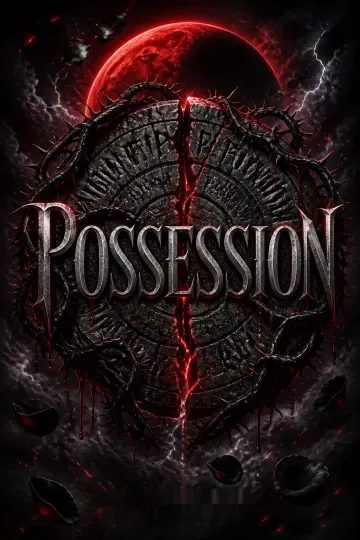
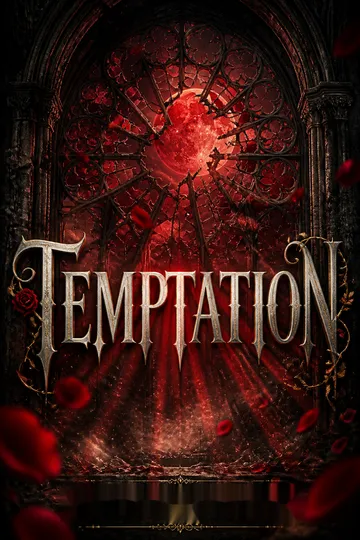
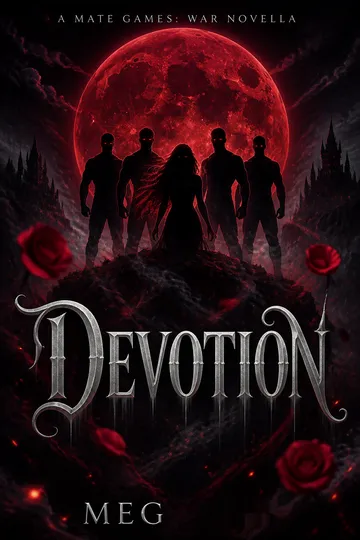
About the Author




Download PDF
Download EPUB
.epub digital book format is ideal for reading ebooks on phones, tablets, and e-readers.








