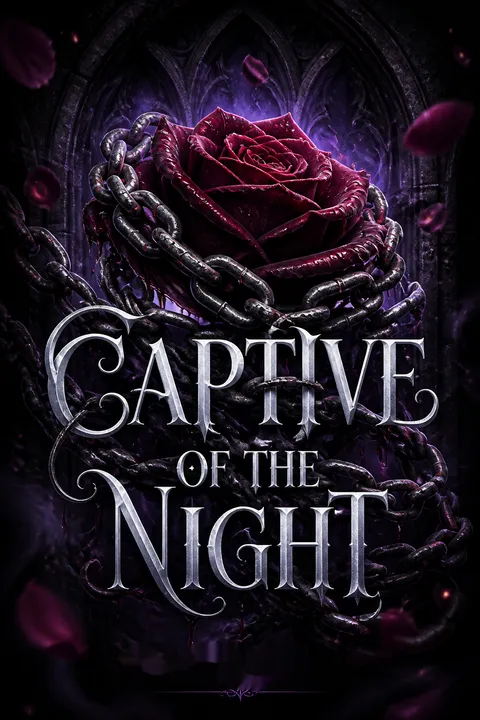


Plot Summary
Blood Wakes the Dead
After Aisling kills Rosie, her mates gather to arrange a burial. Asher asks to see her alone, but the presence inside him is Pan, a demon trying to recover his power and complete a task for his mother. He drinks Rosie’s blood, using the final drops to activate a magical ring.
The blood revives her, but she awakens with fangs and attacks him. Believing him to be her mate, she bites and claims him. The bond forms through Asher’s body while his own consciousness is still trapped underneath Pan’s. Rosie has returned from death, but her return binds her to the demon who has been pursuing her.
The resurrection is both rescue and violation. Pan acts from self-interest, yet Rosie’s return creates a bond he cannot fully control, turning his attempt to use her into a new form of attachment. The scene also establishes the novel’s central problem of identity: Rosie recognizes the body before her as a mate, while the person inside that body is divided. Her survival therefore offers no clean restoration. It gives the group a second chance at love, but under conditions none of them understand.
A Fledgling in Chains
Remi reaches the bedroom first and finds Rosie feeding on Asher, then attacking him when he tries to intervene. Gavin uses his vampire authority to calm and restrain her before Ben, horrified by her fangs, can stake her. He takes Rosie to a secluded cabin, where chains keep her from reaching the others while he supplies the blood her new body demands.
The feeding nearly drains Gavin, but as Rosie regains speech, he continues caring for her and recognizes that losing her would destroy him. Rosie wakes with broken memories of Aisling’s attack and is appalled to learn she has become a vampire. She also learns that her instincts could endanger every mate she still loves.
Gavin’s restraint is protection, but it also exposes the uneven power that has long shaped their marriage. He must control Rosie’s body before she can safely control herself, while she has to trust that his limits are care rather than punishment. His exhaustion makes that care tangible: he gives blood until his own strength fails. Rosie’s first clear response is concern for him, not simply fear of what she has become. That reversal begins moving their relationship from a role-based arrangement toward mutual responsibility.
Asher's Buried Childhood
Pan expects his mother to restore his demonic body once he has taken Rosie’s blood, but she refuses. Because Rosie is now immortal, she wants Pan to remain beside her as a spy, still wearing Asher. Pan resents the human body and the feelings it produces, yet his attachment to Rosie has already begun to complicate his mission.
Meanwhile, Asher is forced through memories of foster homes and an orphanage, where Father Tate discovered his strange abilities and manipulated his trust. Asher remembers healing a sick cat and unleashing a burst of force when frightened. The memories suggest that his childhood was shaped by powers he could not understand, and that his mind has been deliberately kept from them.
Asher’s memories recast his isolation as more than personal misfortune. Adults repeatedly interpret his unusual behavior as evidence that he is dangerous, then exploit his need for protection. Pan’s captivity of Asher repeats that pattern in supernatural form: one consciousness controls the body while another is denied agency. The mother’s refusal also changes Pan’s predicament. He wanted Rosie, but now he must inhabit the frailty and emotional permeability he despises. The novel links power to vulnerability by making both characters contend with limits imposed by others.
The Pack Splinters
While Rosie remains isolated, Pan lets Asher’s mates believe the hacker has rejected them. He tells Remi that Rosie is gone and that their relationship meant nothing, then turns cold whenever Remi tries to reach him. Remi finally leaves Asher’s cabin with Ben, devastated and convinced he has been discarded.
Ben’s grief takes a harder shape: he insists that his mate died when Rosie’s heart stopped and refuses to accept the vampire who returned. At the bar, the sheriff reports another body with a torn throat, and Ben fears the killer may be connected to Rosie. Pan enjoys the suspicion, knowing that public fear of vampires will help conceal the wider sickness spreading through the area.
The twins respond to trauma in opposite but mutually reinforcing ways. Remi reaches for connection even when it hurts; Ben treats distance as a duty, protecting his brother by refusing the source of his fear. Pan exploits both instincts, using rejection to isolate Asher and vampire hatred to sever Rosie from Ben. Yet the bond among the four does not disappear simply because the characters deny it. Their separation is maintained by interpretation: each reads danger, grief, or silence as proof that love has failed.
Blood Seals Two Bonds
Once Rosie can speak and resist her hunger more reliably, she insists Gavin take blood from her instead of sacrificing himself alone. Their exchange leads to a deliberate mating mark, joining them more completely than before. Gavin tells her he loves her, and she returns the declaration.
Rosie then tests the bonds she still senses with her other mates, discovering that Ben’s connection carries grief and rejection while Remi’s carries longing. Despite the danger, Remi comes to the cabin when Gavin collapses from blood loss. Rosie feeds from him, stops herself before she can harm him, and gives him her blood to complete their bond. The reunion steadies her, but Asher’s absence and Ben’s refusal remain painful gaps.
These exchanges make blood more than a supernatural resource. It becomes a chosen act of reciprocity: Rosie no longer receives care as a passive patient but decides what her mate is allowed to give and take. Her control is incomplete, yet the ability to stop with Remi marks real progress. The bonds also make emotional avoidance impossible. Rosie can feel the others’ grief, but feeling it does not mean she can repair it for them. Love gives her access to their pain, not authority over their choices.
The Barroom Body
As animal deaths and unexplained illnesses spread, Pan keeps suspicion focused on vampires and on the people trying to investigate. A Scottish man he has held captive is brought into The Tipsy Moose, where he collapses and rapidly succumbs to a grotesque illness.
Ben warns everyone not to touch him, but Pan watches with satisfaction as the scene turns the bar into a spectacle. The sheriff suspects a serial killer and imposes restrictions; the mayor counters with an email declaring the deaths accidents caused by a mountain lion.
She dismisses the sheriff and appoints Scarlett Bell in his place. Asher’s childhood memories continue surfacing, including the priest’s discovery of his unusual abilities, but the danger around him remains hidden from the town.
The false explanation is effective because it offers relief rather than truth. The mayor gives residents permission to keep working and drinking, while the sheriff’s caution would require them to change their routines. Pan benefits from that preference for normality: a public health threat can spread while officials argue over whether it exists. The bar, a communal refuge, becomes the stage for manufactured evidence. At the same time, Asher’s memories deepen the book’s concern with how institutions classify people as threats, even when the threat is being engineered around them.
A Mayor's Dangerous Welcome
Remi brings Rosie and Gavin to Mayor Delta Dubois, who agrees to let the vampires live and work in Aurora Springs only if they wear enchanted crystal pendants. The spell prevents them from killing anyone and allows them to feed only when blood is freely offered.
Rosie accepts because the restriction could reassure Ben and restore her place in town. Gavin’s research reveals another complication: she is a rare vampire Queen whose instincts demand the presence and blood of her several mates. Without those bonds, he warns, she will deteriorate.
Ben remains unwilling to accept her, but after realizing she still needs him, he leaves chilled blood outside Gavin’s cabin and permits her return to the bar. His small act does not erase his fear, but it gives Rosie a reason to hope.
The pendants turn public trust into a bargain enforced through magic. Rosie accepts a constraint on her own power because she understands that reassurance matters as much as good intentions in a frightened community. The Queen revelation raises the stakes from private romance to bodily survival: her dependence on multiple mates is not merely desire but an instinct her body cannot ignore. Ben’s blood is significant because it is offered without reconciliation or forgiveness. He cannot yet meet Rosie face to face, but he chooses not to let his fear become neglect.
Asher's Face, Pan's Voice
Pan continues wearing Asher’s appearance and feeds Remi a calculated rejection, even as Remi struggles to believe their relationship is over. Later, Pan uses Asher’s body to approach Rosie and presents their encounter as a role-play she has agreed to, concealing that Asher is trapped inside and unable to intervene. Asher hears Pan’s thoughts and realizes the demon wants Rosie’s blood for a larger plan.
He manages to interrupt the encounter briefly, but Pan forces him back into memories of childhood. Remi eventually finds Asher drunk and briefly encounters the real man, who admits through his actions that he misses him. When Pan resurfaces, Remi knocks him unconscious, giving Asher another short chance to speak and ask for help.
Pan’s deception works because it borrows the trust Rosie and Remi have already invested in Asher. The violation is not only physical; it corrupts shared histories and makes genuine intimacy difficult to recognize. Asher’s brief returns matter because they show that his resistance depends on connection, not sheer force. Remi can reach him when he listens for the person beneath the performance. But each return is temporary, leaving love in the position of a signal that must repeatedly break through interference.
The Hellmouth Calls
As unfamiliar supernatural visitors crowd The Tipsy Moose, Asher investigates the sudden influx and discovers that a hellmouth beneath Aurora Springs has opened. The new arrivals include Caspian, a pirate carrying the inherited curse of Captain Hook, and creatures drawn from distant supernatural worlds.
Their presence overwhelms local businesses and heightens the sense that the town is becoming a gathering point for something larger. Asher urges the residents to take the danger seriously, but the gathering’s joking, drinking atmosphere makes the warning difficult to absorb.
Rosie recognizes that her family’s connection to the supernatural has never insulated her from disaster. The opening of the hellmouth gives the animal sickness and suspicious deaths a wider context: the town is at the edge of an approaching catastrophe.
The hellmouth transforms Aurora Springs from a secluded community into a crossroads. Its danger is not simply that monsters arrive, but that their arrival looks like a festival until the consequences become impossible to ignore. The inhabitants’ jokes and appetite for business are not mere denial; they are ways of preserving ordinary life when the evidence is still ambiguous. Asher’s technical discovery gives the crisis a name, but naming it does not solve it. Knowledge arrives before collective readiness.
Ben Runs Her Down
An incubus corners Rosie in the alley behind the bar and uses his influence to overwhelm her senses, feeding on the distress he finds in her. Ben feels her fear through their mate bond, leaps from the upstairs window, and attacks with the strength of his wolf. He hurls a keg and then a dumpster at the incubus, freeing Rosie.
Instead of returning to their old distance, Ben tells her to run and pursues her through the woods. Their chase becomes a deliberate claiming: he takes her as his mate again, apologizes for refusing her, and asks her to mark him. Rosie bites him and gives him her blood, completing their bond. Ben’s acceptance comes through action before words, and the wolf no longer treats her as the enemy.
Ben’s return is not a sudden change of belief. The rescue lets his protective instincts act before his fear can turn them into avoidance. The chase then transforms that instinct into chosen intimacy: he asks for the mark he once could not bear to imagine. His apology matters because he names his own failure rather than demanding that Rosie soothe him first. Their bond does not erase his history with vampires; it gives him a way to distinguish the person he loves from the violence he fears.
A Gift Turns Poison
After a demon attacks Darla in an alley, Rosie finds her bleeding from a deep wound and reacts as a friend before thinking of the danger. She gives Darla her own blood, which helps the bartender recover but leaves Rosie sick because Darla has been contaminated by a pestilence demon. Ben and Remi find Rosie collapsing and carry both women to Gavin.
He revives Rosie with his blood and recognizes that the illness is supernatural, not an ordinary infection. When Darla identifies Asher as her attacker, Rosie concludes that Pan has been using Asher’s body. Her attempt to help someone has exposed the demon’s presence and cost her dearly. Gavin, the twins, and Darla now have to face the possibility that the plague is deliberate.
Rosie’s instinct to save Darla reveals how thoroughly her moral identity survives transformation. She does not calculate whether the wounded woman is safe to help; she sees a friend in danger and acts. That generosity becomes the opening through which the disease reaches her. The scene refuses to present compassion as consequence-free, but neither does it frame her choice as foolish. The harm clarifies the scale of the threat and gives the group evidence they had previously lacked: someone is carrying infection into the community on purpose.
The Priest's Failed Rite
Rosie contacts Lilith for help, and the demon directs her to Caleb Gallagher, a vampire and former priest who agrees to attempt an exorcism. During the rite, Pan resists the holy objects and taunts Caleb with knowledge of his losses. Meanwhile, Asher finds himself outside his body and confronts the woman he recognizes as his mother.
She reveals that Pan is his demon brother, that she arranged Asher’s birth as part of her plan, and that Father Tate suppressed Asher’s memories and healing gift. She offers him power and a place at her side if he helps bring about the Apocalypse. Asher agrees in hopes of regaining his body. Caleb’s rite fails because Asher is not simply a human host; he is bound to Pan by a shared demonic nature.
The failed exorcism complicates the familiar distinction between innocent host and invading demon. Asher’s mother has shaped his life from before birth, while Father Tate’s earlier intervention hid his abilities rather than freeing him from the forces around him. His agreement with his mother is not straightforward loyalty; it is an attempt by a captive to reclaim agency with the options he can see. Caleb’s failure marks the limit of ritual authority. The problem cannot be solved by identifying evil and expelling it when the two souls are entangled.
The Mayor's Hidden Plague
After the exorcism, Pan breaks free in his true demonic form and threatens to kill Rosie’s mates before claiming her. Gavin and the twins restrain him, while Caleb explains that Asher is also demonic and cannot simply be separated from Pan. The revelation that Rosie is a rare Queen makes her more than a captive prize: her emerging power may be the only force capable of changing the crisis.
The group has no cure for Asher’s condition, only a resolve to keep searching for a miracle. The final chapter shifts to Mayor Delta Dubois, who is secretly Pestilence. She has contaminated the town’s water supply and watches the sickness begin to spread. The story ends with Asher still trapped and the Apocalypse underway.
The ending withholds victory at the point when the group finally understands the shape of its problem. Asher cannot be rescued by a simple act of force, Rosie’s power has not yet become a solution, and Pestilence has already moved beyond isolated attacks into shared infrastructure. The water supply turns private corruption into collective vulnerability: everyone in town may now be exposed without knowing it. The mayor’s public role makes the danger especially intimate, since the institution meant to protect the community is carrying the threat into its homes.
Analysis
Captive of the Night treats intimacy as a form of risk management. Rosie’s transformation makes affection materially dangerous: the people she wants to hold close are also the people she could injure or drain. Restraints, consent, feeding, and supernatural marks therefore carry more than erotic meaning. They are practical negotiations about who has power, who can stop an encounter, and whether care can be trusted when one body is stronger than another. The repeated exchange of blood turns dependence into something that must be spoken, offered, and regulated rather than simply endured.
The novel also places trauma inside mistaken acts of protection. Ben rejects Rosie because his history has taught him that vampires threaten his family; Asher withdraws from Remi because he expects attachment to become a weapon; Rosie tries to protect her mates by keeping her hunger from them. Each strategy is understandable, yet each deepens the isolation it was meant to prevent. Their bonds do not erase the past. They create opportunities to respond differently, particularly when Ben chooses to save Rosie before he has resolved his fear.
The possession plot sharpens the same question of agency at a literal level. Pan controls Asher’s appearance and voice, so affection can be imitated and intimacy falsified. Asher’s memories reveal that his vulnerability began long before the demon entered his body, shaped by adults who concealed his abilities and manipulated his trust. The failed exorcism then resists a simple moral solution: Asher is not merely an innocent container that can be emptied, and Pan is not an external force with no claim on the body they share.
Finally, the town’s response to disease mirrors the characters’ private denials. Officials prefer an accidental explanation, businesses keep running, and the source of the plague reaches the water before the community can organize. The unfinished ending makes the danger structural rather than episodic. Aurora Springs cannot be saved by one heroic confrontation; its residents must learn to recognize interdependence before the systems they rely on become the carrier of their undoing.
Review Summary
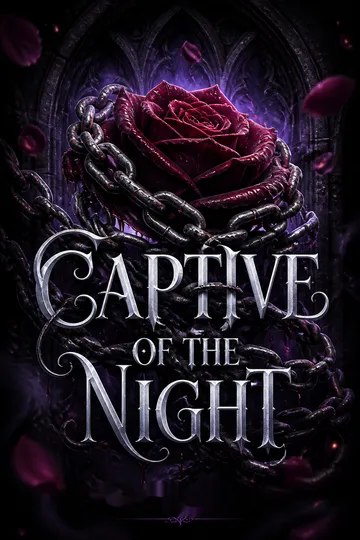
Captive of the Night receives mostly positive reviews, with readers praising the engaging plot, steamy romance, and character development. Many enjoy the continuation of the series and the exploration of relationships between Rosie and her mates. The book is noted for its emotional depth, humor, and unexpected twists. Some readers find certain characters frustrating or dislike specific plot elements. The audiobook narration is highly praised for bringing the characters to life. While a few readers felt the book wasn't as strong as previous installments, most are eagerly anticipating the next book in the series.
People Also Read

Characters
Rosie Blackthorne
The vampire QueenRosie is a supernatural hybrid raised among powerful relatives who often treated her as the fragile exception in the family. She wants belonging without surrendering her right to choose, and she is drawn to relationships that make room for both tenderness and control. Her compassion is practical: she notices when Gavin is weakening, risks feeding from Remi, and later tries to save Darla. At the same time, her instincts can become dangerous when hunger and possessiveness overwhelm her judgment. Rosie’s central tension is between being protected and being trusted. She is learning that accepting care does not require her to become passive, and that strength includes recognizing when others are at risk.
Pan
The demon suitorPan is an ancient demon with a sharp appetite for attention, sex, power, and theatrical cruelty. He uses mockery to keep others off balance and treats vulnerability as something to exploit, even when his own feelings begin to contradict his contempt for attachment. Rosie draws out a possessive devotion he would rather explain away as magic than admit as love. Pan’s charm is not a sign of safety; it is one of his tools. He enjoys being the most powerful presence in a room, yet his need to control every encounter reveals how badly he resists dependence and the possibility that someone might choose to leave.
Asher Henry
The guarded hackerAsher is a brilliant, socially guarded hacker who has spent much of his life preparing for abandonment. Foster care taught him to rely on improvisation and self-sufficiency, while his humor lets him deflect questions he does not want to answer. He is drawn to Rosie and Remi but struggles to believe that either relationship can survive the parts of himself he keeps hidden. His interest in technology, birds, and security reflects a mind that seeks patterns and precautions in an unstable world. Asher’s vulnerability is easy to mistake for indifference, especially when he withdraws instead of asking for reassurance.
Gavin Donoghue
The commanding vampire dukeGavin is Rosie’s vampire husband, a duke whose polished authority conceals a fierce capacity for devotion. He prefers clear rules and controlled power, especially in their intimate relationship, but his care becomes visible when he risks his strength to guide her through a dangerous transition. Gavin is proud, possessive, and accustomed to being obeyed; he is also more emotionally exposed than he first allows himself to be. Rosie’s vulnerability forces him to distinguish dominance from control for its own sake. He wants to keep her safe, but his deeper challenge is learning to share responsibility for her with the other mates she needs.
Remi Mercer
The devoted wolf twinRemi is a shifter, bartender, and twin to Ben. He meets pain with irreverence, flirtation, and motion, using humor to keep difficult feelings from becoming unbearable. His instinct is to reach for the people he loves, even when they push him away, which makes him both generous and vulnerable to rejection. Remi is protective without being solemn and often turns fear into an opportunity to tease someone. His loyalty to Rosie is immediate, but his love for Asher makes him confront the difference between being chosen and merely hoping to be chosen. He is at his strongest when he refuses to let either grief or pride make the decision for someone else.
Ben Mercer
The protective Alpha twinBen is Remi’s twin and the more guarded of the two, an Alpha whose sense of duty is shaped by the loss of his parents to a vampire. He stammers under pressure and can retreat into rigid judgments when fear overwhelms him. His protectiveness is genuine, but it sometimes becomes a reason to deny his own needs and make choices for others. Ben is especially devoted to Remi, whom he considers his responsibility as much as his brother. Rosie challenges his belief that a person’s nature predicts their actions. His struggle is not to forget the past, but to stop treating every new bond as a repetition of it.
Lilith
The demon's dangerous allyLilith is a powerful demon who has a prior connection to Rosie and knows how to move through supernatural bargains without appearing to take responsibility for their consequences. She offers guidance selectively, often letting others believe they have more freedom than they do. Her humor and self-possession make her difficult to intimidate, while her willingness to intervene is balanced by a strong instinct for self-preservation. Lilith understands that information can be as consequential as force, and she rarely gives either away without calculation.
Caleb Gallagher
The priestly vampireCaleb is a vampire with a past in the priesthood and a scholarly command of supernatural history. He combines ritual discipline with a blunt, practical manner, and he does not promise success merely to comfort the people asking for help. His knowledge makes him valuable when ordinary explanations fail, but his experience also leaves him aware that a correct rite can still have consequences no one intended. Caleb’s faith is not presented as easy certainty. He continues to act despite grief, doubt, and the limits of what he can control.
Noah Blackthorne
Rosie's protective brotherNoah is Rosie’s older brother, a protective figure who remains alert to the dangers surrounding her even when he cannot be physically present. He is wary of Gavin and concerned about what Rosie’s transition may demand from her and her mates. Beneath that caution is deep affection, expressed through practical advice and an insistence that she remain connected to her family. Noah has experience with supernatural bonds and offers Rosie a perspective she cannot easily get from people caught inside the immediate crisis.
Darla
The bar's sharp-eyed bartenderDarla works at The Tipsy Moose and is one of the few people who can puncture the Mercer brothers’ moods without losing their respect. She reads emotional shifts quickly and offers Ben candid advice when he is too ashamed to explain himself. Her humor is direct, but it is not careless; she understands that people’s loyalties can be tested by fear and grief. Darla is a practical presence in the bar’s social life, someone who notices when a person is missing and when a customer’s story does not add up.
Delta Dubois
The theatrical town mayorDelta Dubois is the mayor of Aurora Springs, a theatrical public figure who uses charm, ceremony, and political confidence to keep the town functioning. Her manner can make danger seem less urgent than business, which is useful to her when residents are frightened or divided. She is not merely a figurehead: her decisions shape who is allowed to live in town and how supernatural visitors are managed. Delta understands that public trust is a resource, and she knows how to frame events so that the community will accept her version.
Pestilence
The horsewoman of diseasePestilence is an ancient horsewoman whose power works through contamination, slow deterioration, and the exploitation of ordinary systems. She is patient rather than impulsive, preferring to let danger spread unnoticed before revealing its scale. Her confidence comes from seeing people as pieces in a long game, yet she underestimates the unpredictable loyalties created by love and chosen family. The character represents a threat that cannot be met by strength alone, because the damage is already moving through the structures people depend on.
Aisling
The vampire who attacked RosieAisling is the vampire whose attack sets the immediate crisis in motion. Her violence is the source of the loss that Ben and Remi have spent years fearing, and her actions leave the group struggling to distinguish one vampire from another. Even when she is absent, the consequences of what she did shape the way the twins respond to Rosie’s transformation.
Scarlett Bell
The pixie sheriffScarlett is a pixie who takes on the sheriff’s role after the town’s political leadership removes her predecessor. She knows the old stories behind supernatural curses and sees the gathering of strange visitors as a real warning rather than a tourist opportunity. Her dry humor helps her manage chaos, but her willingness to name danger gives her a steadier perspective than the more theatrical officials around her.
Caspian
The cursed pirate captainCaspian is a charismatic pirate who carries the inherited mantle of Captain Hook. He treats danger as an invitation to flirt, provoke, and test the people around him. His presence shows that the town’s supernatural arrivals include figures shaped by old stories and recurring curses. Caspian is a distraction as much as a threat, charming enough to unsettle Remi and Rosie while drawing attention to the strange new world gathering around the hellmouth.
Father Tate
The priest from Asher's pastFather Tate encountered Asher while he was a child in foster care and presented himself as a kind, trusted adult. His attention becomes tied to Asher’s earliest memories of unusual abilities and to the secrets surrounding the boy’s past.
Tom, Dick, and Harry
The bar's gargoyle regularsThe three gargoyles are loud, loyal regulars at The Tipsy Moose. Their jokes and drinking rituals give the bar a communal rhythm, while their presence shows how many kinds of supernatural beings already share the town.
Plot Devices
The mate bonds
Connect love to survivalThe bonds link Rosie to her mates emotionally and physically, allowing them to sense one another’s distress and, in some cases, communicate mentally. Rosie’s vampire transition intensifies her need for their presence and blood. Marks made through feeding and mutual exchange can strengthen or complete those connections. The bonds drive the romantic relationships, but they also create practical danger: Rosie must learn to feed without harming the people she is most compelled to protect. They make emotional separation measurable, not merely painful.
Rosie's vampire transition
Make intimacy dangerousRosie’s rare transition after death awakens blood hunger, heightened senses, strength, and a new level of dependence on her mates. As a fledgling, she can confuse hunger with sexual desire and may seriously injure someone before regaining control. Gavin’s restraints and repeated blood offerings help her through the worst of it. The transition also alters what the group understands about her nature, eventually revealing that her needs exceed those of an ordinary vampire.
Asher's shared body
Turn identity into conflictPan inhabits Asher’s body while Asher’s consciousness remains trapped inside, able to surface only under particular conditions. This lets Pan manipulate Rosie and the Mercers while hiding the real danger from them. Asher’s memories become both prison and evidence: they reveal the history of his buried abilities and the people who shaped his childhood. The device makes every encounter with Asher uncertain, since appearance and voice no longer guarantee that the person present is Asher.
The hellmouth and plague
Turn a town into a targetThe hellmouth beneath Aurora Springs draws supernatural beings from beyond the region, transforming a familiar community into a crowded crossroads. Alongside the arrivals, sickness spreads through animals and people, while suspicious deaths are dismissed as accidents or blamed on vampires. The opening connects the private struggles of Rosie’s group to a wider crisis, and the final revelation shows that the infection has reached the town’s water supply. The threat is both supernatural and logistical: it can spread faster than the residents can agree on what is happening.
The witch-made pendants
Make safety conditionalMayor Delta’s enchanted crystals allow Rosie and Gavin to remain in Aurora Springs, but they restrict feeding and prevent the vampires from killing. The pendants serve as a public guarantee to a community wary of vampire violence, while requiring periodic renewal by the mayor. Rosie accepts them to regain access to her home and mates. Their magic embodies the book’s recurring conflict between trust and control: the town asks the vampires to prove they are safe by accepting limits on their power.
The Mate Games: Pestilence Series
About the Author



Download PDF
Download EPUB
.epub digital book format is ideal for reading ebooks on phones, tablets, and e-readers.








