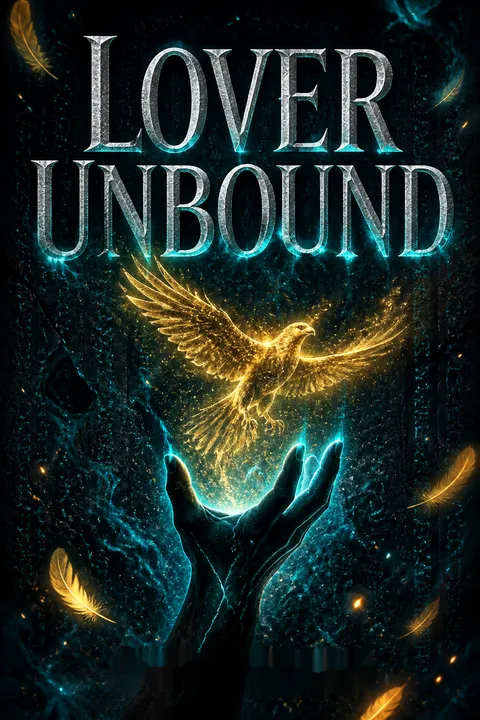


Plot Summary
Prologue
At thirteen, Jane Whitcomb lives in a polished Connecticut home where her parents prize order and her younger sister Hannah is the one bright exception. On Jane’s birthday, their mother cancels the sleepover Jane has begged for, and Hannah brings her food and a homemade card instead.
At midnight, the sisters use a Ouija board. It spells out Vishous as Jane’s future husband and predicts that Hannah will receive no Christmas presents. Hannah dies suddenly before morning, and Jane is left with the board’s impossible answers, her sister’s promise, and a grief she cannot bring herself to show.
The opening gives Jane’s adult medical precision an intimate source: she has lived with the fact that bodies can fail without warning, while the people around her may respond to loss by retreating into control. Her parents preserve the house’s surfaces and erase Hannah’s room, but Jane keeps the handmade card because it carries a bond no tidy household can replace. The Ouija board introduces fate not as comfort but as an unsettling fact that arrives before understanding. Its predictions make Jane’s later attraction to Vishous feel less like arbitrary coincidence than the return of a question planted in childhood.
The Primale's Summons
Vishous watches his closest friend, Butch, settle into married life with Marissa and tries to smother his own love for Butch in cigarettes, combat, and carefully controlled sexual encounters. Then the Scribe Virgin visits him with a command: he must become the Primale, mate with the Chosen, and father future warriors.
She reveals that she gave birth to him after bargaining with his brutal father, the Bloodletter, who raised Vishous in a violent warrior camp. Vishous accepts only if he can remain with the Brotherhood and keep fighting. His mother agrees, but their meeting leaves him furious at a destiny arranged by people who never asked what he wanted.
Vishous’s resistance is not simply fear of domesticity or fatherhood. His childhood taught him that intimacy gives others leverage, while his mother’s revelation confirms that even his origin was negotiated as a political asset. The Primale role repeats that pattern on a species-wide scale: his body is treated as reproductive infrastructure. His condition that he remain with the Brotherhood is therefore more than a practical compromise. It preserves the one identity he chose for himself, that of a fighter who protects rather than a son or breeding instrument controlled by others.
The Surgeon and the Six-Chambered Heart
After killing a lesser who has murdered a civilian vampire, Vishous is shot in the chest and brought to St. Francis Medical Center. Dr. Jane Whitcomb operates, discovers his six-chambered heart, and repairs it despite an alarming reaction that leaves a nurse unconscious after contact with his gloved hand.
Vishous wakes before he is fully healed and becomes violently possessive when Jane’s chief, Manuel Manello, shows interest in her. Rather than leave Jane exposed to the vampire world, Vishous orders his brothers to take her with him. They remove him from the hospital, erase records and memories, and carry Jane to the Brotherhood’s guarded compound.
Jane’s first contact with the hidden vampire world comes through her most practiced form of agency: she diagnoses, cuts, and repairs a body others cannot explain. Vishous’s rescue of her from the hospital is also a coercion, however benevolent he believes it to be. That contradiction establishes the central ethical friction of their romance. His instinct to protect is shaped by a lifetime in which danger was immediate and secrecy necessary; Jane’s professional identity depends on informed choice. Her expertise makes her useful to him, but it also prevents her from being merely a frightened observer.
A Captive's Evidence
Held in Vishous’s bedroom, Jane inventories the locked windows, the medical supplies, and the man who has abducted her. She watches Marissa offer her wrist to Vishous so he can feed, while Butch stands nearby, physically weakened by the evil he absorbs from lessers. The scene confirms that the fangs and strange heart belong to a real species, not a fevered dream.
Jane treats Vishous’s wounds and sees them close with impossible speed. When he explains that he can alter memories, she understands that even her recollections are under his control. She remains angry and frightened, but her medical curiosity keeps her asking questions instead of surrendering to panic.
The room functions as both clinic and prison. Jane can observe, assess, and intervene, but she cannot consent to the circumstances that make her knowledge possible. Her attention to details is a survival strategy as much as a scientific habit: evidence gives her a foothold when the rules of her world have collapsed. Vishous’s ability to erase memories makes that imbalance sharper, because his power reaches beyond her body into her account of herself. The scene’s intimacy is deliberately unsettled. Care is present, but care alone cannot make captivity ethical.
Scars Beneath the Glove
As Jane tends Vishous, he reveals the injuries his father inflicted to mark him as dangerous and prevent him from reproducing. She learns that the glowing hand is not a simple weapon but a lethal power that has isolated him since childhood. In return, Jane describes her sister Hannah’s death and the funeral where she could not cry.
Their exchanged histories loosen the guarded roles of patient and captor. Jane later operates on Phury, Vishous’s twin brother, after a lesser batters his face; her skill restores his vision. Vishous watches her command the room and begins to recognize that his attraction is not merely hunger or possession.
The exchange of histories creates a form of intimacy that neither character can produce through conventional reassurance. Jane does not romanticize Vishous’s abuse, and he does not reduce her grief to a lesson about resilience. Her account of Hannah explains why medicine became both vocation and answer to helplessness, while his scars reveal how fear became discipline and distance. The surgery on Phury extends Jane’s agency beyond Vishous’s private needs. She is not simply the woman who saves him; she is a capable practitioner whose value is visible to the entire Brotherhood.
John's First Kill
John Matthew, a mute trainee raised without knowledge of his vampire father, enters transition while facing hostility from Lash, a newly changed aristocrat. At ZeroSum, security chief Xhex catches John carrying Blay’s unauthorized gun and returns it after recognizing his royal protection papers. Later, two lessers attack John, Blay, and Qhuinn in a parking lot.
John initially runs for help, then turns back and shoots both attackers, using roofing spikes to finish one. The effort triggers his transition. Afterward, his new body cannot erase the memory of a childhood sexual assault, and he recoils from Layla’s attempt to help him. Zsadist protects his confidence and assures him the assault was not his fault.
John’s first battle separates physical courage from the shame he has mistaken for weakness. He runs because he understands that staying may endanger his friends, then returns because loyalty outweighs self-preservation. The transition gives him the body he has wanted, but it does not convert trauma into strength or make intimacy safe. Zsadist’s response matters because he offers protection without demanding disclosure or prescribing a recovery timetable. John’s arc insists that becoming a warrior does not require becoming invulnerable. His agency begins with choosing how to survive, not with denying what happened.
Love Before Erasure
Jane and Vishous move from wary care into sexual intimacy, and Vishous discovers that tenderness with her feels unlike the hard, controlled encounters he has used to keep himself detached. Yet his Primale obligation seems to leave no future for them. He takes Jane to his penthouse, exposes the sexual vulnerability he has never shared with anyone, and lets her decide how to touch him.
Afterward he drives her home and tells her he will remove her memories to protect her from the Brotherhood’s enemies. He does so, though he cannot make himself leave her entirely. While she sleeps, he returns and reaches her through a dream, then departs with the belief that their love cannot survive in waking life.
Vishous’s surrender in the penthouse reverses the usual structure of his sexual control. He offers Jane the power to act upon him, not as performance but as trust, and her careful response makes vulnerability feel survivable. The memory erasure then restores the older pattern: he decides what Jane can bear and acts without her consent. His secrecy is protective in intention, but it also lets him avoid the risk of being rejected by someone who knows the whole truth. The chapter’s emotional cost lies in that contradiction. Love has made him more capable of intimacy, but not yet more willing to share power.
The Chosen on Display
The Scribe Virgin presents Cormia, a Chosen who has never met a male, as Vishous’s first mate. Before the formal mating can proceed, he notices her terror beneath the ceremonial robes and refuses to treat her as a body assigned to him. He frees her from the restraints and takes her away from the amphitheater, asking her name and giving her space to breathe.
Cormia admits that she fears failing the Chosen more than she understands the Primale’s demands. Vishous leaves her with Amalya and returns to the human world, where he finds Jane with Manello and realizes that his absence has not made his attachment disappear.
The ceremony turns abstract reproductive policy into a visible scene of bodily coercion. Cormia’s restraint exposes the violence concealed by the Chosen’s language of honor, while Vishous’s refusal marks a real break with the role imposed on him. Yet he does not magically undo the system; he can only interrupt its immediate demand and treat Cormia as a person. Her fear echoes his own history of being used, allowing him to recognize in her what he had once been unable to defend in himself.
Jane Remembers Vishous
Back at home, Jane suffers headaches, unexplained grief, and flashes of a man she cannot identify. Manello interprets her symptoms as illness and tries to care for her, but Jane senses that something is missing from her life. Vishous returns to her street and watches from outside, unable to accept that the memory erasure has severed their bond.
When Jane sees him, the memories flood back. She embraces him and confirms that she still loves him. Vishous then asks the Scribe Virgin to release him from the Primale role. Rather than let him abandon the race, Phury volunteers to take his place so Vishous can choose Jane.
Jane’s memory loss demonstrates that identity is not stored only as a narrative one can consciously retrieve. Her body registers absence as grief, and her habits preserve traces of a relationship her mind has been forced to forget. The return of memory is not a supernatural shortcut around choice; it restores the information she needs to make one. Phury’s offer complicates the romantic resolution by showing that V’s freedom is purchased through another man’s sacrifice. The story treats love as relational, not private: one person’s choice can redistribute duty across an entire family.
Phury Takes the Vow
Phury accepts the Primale role despite his unresolved love for Bella, his twin’s pregnant mate. He has been celibate for years, relying on red smoke and other drugs to blunt his longing and exhaustion. At the ceremony, he sees the Chosen bound and gagged for the mating ritual. Instead of proceeding, he frees her and learns her name is Cormia.
He brings her to the Brotherhood’s mansion, where she meets Bella and understands why Phury had intervened: his heart belongs elsewhere. Phury does not demand sex or pretend their arrangement is simple. He offers Cormia a room, time, and protection from the Directrix’s punishment.
Phury’s sacrifice is not a clean act of noble self-denial. His offer grows from devotion to his brother, but also from a belief that his own desires matter less than everyone else’s. His addiction and celibacy have made self-erasure feel virtuous, even when they are slowly damaging him. Cormia’s rescue prevents him from reproducing the coercion he has just inherited as Primale. In protecting her choice, he begins to confront the difference between accepting responsibility and disappearing inside it.
A Room Beyond Whiteness
Cormia is overwhelmed by the mansion’s color, height, noise, and moving air, all of which contrast with the controlled whiteness of the Chosen’s sanctuary. Phury gives her a separate room, but she later asks to share his bed because the storm and unfamiliar sounds frighten her.
During the night, Phury responds in his sleep and reaches orgasm before either of them can understand what is happening. Horrified that he has overwhelmed her, he withdraws and insists she sleep elsewhere. Cormia accepts the distance, but she also sees his longing for Bella and recognizes that the Primale’s duties are entangled with private grief, not simply desire.
The change of setting makes Cormia’s transition from institutional obedience to individual perception sensory rather than theoretical. The mansion’s abundance is not immediately liberating; without contrast or familiarity, it becomes another force that overwhelms her. Her request to share a bed is a modest assertion of need, though Phury interprets the encounter through shame and fear of harming her. Their awkwardness keeps the relationship from becoming a simple rescue romance. Both are learning how to recognize desire and vulnerability without assuming that either grants entitlement.
The Directrix's Bullet
Jane decides to leave hospital surgery and move into the Brotherhood’s compound as its private doctor, hoping to build a clinic and study vampire biology. A lesser attacks near her home, and the shot passes through Jane’s chest before Vishous can shield her. She dies in his arms.
He carries her to the Brotherhood’s Tomb and tries to revive her with a lesser’s heart, his blood, and the destructive power of his hand. To offer a price, he cuts into his uninjured hand, but the Scribe Virgin stops him and turns Jane’s body to ash. In the space between life and death, Jane must release Vishous or remain lost in the fog.
Jane’s death strikes at the future they had only just begun to design. Her decision to join the Brotherhood was not an abandonment of her vocation but an attempt to remake it around care and discovery. The ambush makes the cost of that choice brutally concrete. Vishous’s resurrection attempt repeats his lifelong urge to answer helplessness with force, but this time he is willing to mutilate himself rather than accept an unchosen loss. Jane’s separate struggle in the fog is equally active: letting go means recognizing the limits of control, not ceasing to love.
A Life in Ashes
Vishous’s attempt to revive Jane fails, and the Scribe Virgin reduces her body to ash. Jane chooses to release her attachment in the afterlife, which allows her to leave the fog rather than vanish into it. The Scribe Virgin then brings her back as a ghost, able to touch Vishous through his cursed hand.
He has lost the ordinary hand he sacrificed, but Jane can remain beside him in a new, incorporeal form. Vishous does not hide the strangeness of their future or pretend she has returned unchanged. He holds her, and she confirms that she has chosen this life with him despite its altered terms.
The resolution refuses a return to the prior status quo. Jane’s survival comes with a permanent transformation, and the relationship must adapt rather than erase the cost of death. The Scribe Virgin’s intervention also complicates divine power: she can give Jane back, but cannot restore the life they expected or make the choice painless. Vishous loses the hand that had allowed ordinary touch, while gaining a way to feel Jane’s presence. Their bond becomes literal through the curse, but its meaning depends on mutual recognition, not possession.
The Diary and the Gun
After Jane returns as a ghost, Phury examines the locked Treasury on the Other Side and finds a revolver with spherical bullets like the one removed from Vishous. He realizes that the Directrix used the weapon to preserve her authority and prevent a Primale from taking power. He tells her he will deal with her, while the Scribe Virgin appoints Amalya to replace her.
At the Brotherhood’s dinner, John struggles with resentment that other warriors have regained lost loved ones while he still misses Tohr and Wellsie. Zsadist gives him Darius’s diary, letting John meet his dead father through his own handwriting. The gift gives John a new connection without diminishing his grief.
The locked Treasury links institutional control to material evidence: the Directrix’s authority is not merely ideological, because she has literally kept a weapon and used it to defend her position. Phury’s discovery gives the hidden attack a political motive, while Amalya’s appointment offers a different model of leadership rooted in care. John’s diary scene supplies a quieter counterpoint. He cannot recover his parents or erase loss, but he can inherit a record that makes his father more than an absence. Knowledge becomes a form of kinship.
The Bird Returns
One week later, Jane begins work at Safe Place and plans the Brotherhood’s clinic with Vishous. She remains a ghost, but can eat, dress, and touch him when she concentrates, and their daily life becomes a practical negotiation rather than a miracle they simply celebrate.
Vishous visits the Scribe Virgin’s empty courtyard and understands that she gave up her beloved birds when she restored Jane. He brings her a bright parakeet and promises himself he will fill the bare tree with more. The gift does not undo the Scribe Virgin’s renunciation or Vishous’s past anger. It creates a small channel of care between mother and son, where no apology can yet do the work.
The ending brings the novel’s large supernatural bargains down to ordinary acts of maintenance. Jane plans a clinic, Vishous accepts the practical limits of living with a ghost, and their relationship finds a shared purpose rather than a sealed romantic bubble. The parakeet matters because Vishous responds to his mother not with absolution but with attention to what she has lost. Their connection remains damaged, yet a gift makes room for future contact. The story’s final movement is therefore not perfect reconciliation; it is the possibility of care after harm.
Epilogue
A week after Jane’s return, she begins working at Safe Place and helps plan a clinic for the Brotherhood. Her ghostly body sometimes becomes insubstantial without warning, even startling Rhage when he walks through her, but Vishous treats the complication as part of their shared life.
He later carries a parakeet to the Scribe Virgin’s courtyard, where her once-crowded tree stands empty. The bird settles among the white blossoms. Vishous intends to bring more, offering his mother a kindness without pretending their painful history has disappeared.
The epilogue makes domestic adjustment the final proof of commitment. Jane’s return does not end at reunion; she takes up work, plans care for the Brotherhood, and learns the physical rules of her new existence. Vishous’s gift to the Scribe Virgin extends that care beyond his romance. The bird cannot compensate for his childhood or make his mother a safe parent retroactively. It can, however, answer a present loneliness. The ending is hopeful because it permits repair without confusing repair with erasure.
Analysis
Lover Unbound places bodily autonomy at the center of a supernatural war. The vampires’ survival depends on reproduction, feeding, combat, and secrecy, so bodies are continually treated as instruments of collective need. Vishous is the clearest example: his mother and father each claim authority over his future, his hand makes touch dangerous, and his role as Primale would convert sex into public duty. Jane’s medical work gives her a different relation to bodies. She intervenes with skill, but her ethic depends on consent and attention to the person beneath the injury. Their romance works when Vishous learns to meet her as a partner rather than a possession, and falters when he erases her memories in the name of safety.
The book also distinguishes sacrifice from self-erasure. Phury volunteers to take Vishous’s place because he loves his brother, yet his history of celibacy, addiction, and devotion to Bella shows the cost of making personal desire permanently secondary. Cormia faces a parallel danger: the Chosen’s collective identity offers belonging but suppresses individual preference. Their cautious connection begins not with a triumphant mating but with refusal, space, and the possibility of choosing later. John’s transition adds another version of the same question. A stronger body does not undo sexual trauma; trust, boundaries, and self-determined recovery matter more than physical transformation.
Fate repeatedly appears as an intimate pressure rather than an abstract law: the Ouija board, Vishous’s visions, the Primale mandate, and Jane’s return all suggest that lives can be shaped by forces no character controls. Yet the novel does not make choice meaningless. Characters cannot choose every outcome, but they can decide whether to repeat coercion, whether to protect without possessing, and whether to remain connected after irreversible loss. Jane’s ghostly return is not a restoration of normal life. It is a new form of intimacy that requires practical adaptation and shared purpose. The ending’s most convincing hope comes not from undoing damage, but from finding ways to care within the damage that remains.
Review Summary
Lover Unbound receives mostly positive reviews, with readers praising the character development of Vishous and Jane. Many consider it one of the best in the Black Dagger Brotherhood series, highlighting the emotional depth and complex relationships. The book explores Vishous's traumatic past and his unexpected connection with Jane. Some readers express dissatisfaction with the unconventional ending, feeling it doesn't provide a satisfactory resolution for the couple. Despite this, most fans appreciate the overall story and its contribution to the series' expansive world-building.
People Also Read


Characters
Vishous
The guarded warriorA brilliant, battle-hardened member of the Black Dagger Brotherhood, Vishous is known for his strategic mind, his visions, and a hand whose power makes ordinary touch dangerous. His father’s cruelty taught him to distrust dependence and to keep emotion under strict control, while his intense sexual life gives him a way to manage vulnerability without surrendering it. Loyalty to his brothers is the clearest value he has chosen for himself. Beneath his cynical exterior is a sharp capacity for care, though his instinct to protect can become controlling when fear takes over.
Jane Whitcomb
The fearless surgeonJane is a gifted trauma surgeon who trusts evidence, decisive action, and the human worth of every patient. Her younger sister’s sudden death helped shape both her medical calling and her distrust of emotional display. She is ambitious, independent, and difficult to intimidate, yet her intelligence does not keep her from longing for intimacy or from being affected by grief. Jane meets danger with questions and practical skill, and her professional identity is central to how she understands her place in the world.
Phury
The self-denying twinVishous’s twin and a member of the Brotherhood, Phury is courteous, disciplined, and unusually attentive to other people’s needs. He carries guilt over what happened to his brother and has built his identity around sacrifice, including a long refusal of romantic and sexual life. His devotion to Bella exposes the pain beneath his gentlemanly control, while his dependence on red smoke shows how little his apparent composure costs him. Phury is generous, but he often mistakes self-neglect for virtue.
Cormia
The searching ChosenA Chosen raised in an isolated, highly regulated sanctuary, Cormia is thoughtful, observant, and drawn to books, color, and individual experience. She has been taught to understand herself as part of a collective whose needs outrank her own. Her uncertainty is not passivity: she notices the fear and power shaping her world and gradually learns to name what she wants. Cormia’s encounters with Phury place her between inherited duty and the possibility of a life chosen for herself.
John Matthew
The mute traineeJohn is a young vampire trainee who communicates through sign language and longs to become strong enough to defend the people he loves. He is quiet but not meek, and his close friendship with Blay and Qhuinn gives him a small, dependable world within the training program. John’s history of sexual violence complicates his hopes for adulthood and intimacy. His courage emerges most clearly when his friends are threatened, though he continues to struggle with shame, anger, and the fear of being left behind.
Butch O’Neal
The human turned BrotherA former human police officer, Butch is now a member of the Brotherhood and Vishous’s closest friend. His South Boston directness and humor make him a grounding presence among warriors who often conceal what they feel. Butch’s unusual ability to absorb the evil inside lessers makes him valuable in battle and vulnerable afterward. His devotion to Marissa is steady, but he remains deeply loyal to Vishous, with whom he shares a closeness neither man can reduce to a simple label.
The Scribe Virgin
The race's powerful creatorThe mystical creator and keeper of the vampires’ history, the Scribe Virgin advises the king and controls privileges within her domain. She is accustomed to making decisions for the survival of the race, and her immense power can make her seem remote from the individuals affected by those decisions. Her relationship with Vishous carries the consequences of a choice she made centuries earlier. She values order and duty, but her attachment to her birds reveals a private capacity for tenderness.
Zsadist
The scarred mentorA formidable Brother and Phury’s twin, Zsadist is shaped by years of captivity and abuse. He speaks little and can appear frightening, but he understands how trauma distorts a person’s sense of safety. He mentors the trainees, especially John, with a blunt protectiveness that respects boundaries rather than demanding confession. His fierce devotion to Bella and their unborn child gives his life a tenderness that contrasts with his reputation as a ruthless fighter.
Bella
Zsadist's devoted mateBella is Zsadist’s shellan and Phury’s unreturned love. Warm, socially capable, and emotionally perceptive, she helps run Safe Place and is willing to challenge Phury’s long self-denial. Her pregnancy brings both hope and fear because vampire births are dangerous. Bella’s generosity is not naïveté; she can recognize when another person is suffering and offer care without pretending she can solve everything.
Wrath
The embattled kingWrath is the blind king of the vampires and the leader the Brotherhood serves. He carries the burden of ruling while the race faces an expanding war, and he must balance old laws against the urgent need to protect his people. His authority is formidable, but his trust in the Brothers allows them room to act. He is married to Beth and has a particular concern for the young trainees preparing to fight.
Qhuinn
The defiant traineeQhuinn is a bold, physically capable trainee born into an aristocratic family that treats his mismatched eyes as a defect. His swagger masks the injury of being rejected by his parents and judged by the society he comes from. He is quick to act, sexually confident, and intensely loyal to John and Blay. Qhuinn’s friendship gives him a chosen family, even as his pride makes it difficult for him to accept help.
Blaylock
The steadfast friendBlaylock, usually called Blay, is a thoughtful trainee and one of John’s closest friends. He is considerate without making a show of it, often noticing when John feels excluded and quietly adapting to include him. Blay’s loyalty can place him in danger, and his developing adult life leaves him unsure how to balance desire with responsibility. He is a stabilizing counterweight to Qhuinn’s bravado.
Manuel Manello
Jane's ambitious colleagueManello, called Manny, is the powerful chief of surgery at St. Francis and Jane’s professional mentor. He is competitive, blunt, and accustomed to taking charge, but his confidence does not hide how deeply he values Jane. Their long working partnership carries unspoken affection and mutual respect. Manello represents the human career and life Jane has built through discipline, even as his feelings make their friendship more complicated.
Layla
The Chosen's gentle guideLayla is one of the Chosen, trained in their traditions and in the care of young vampires. She approaches others with patience and a sincere desire to help, though the rigid expectations of her order leave little room for failure. Her gentleness matters to John when he is struggling with his transition, and her own sense of worth is closely tied to being able to serve.
The Directrix
The Chosen's stern rulerThe Directrix governs the Chosen’s sanctuary through strict ritual, hierarchy, and discipline. She believes the survival of the order depends on obedience and tends to treat individual distress as a threat to collective stability. Her authority is reinforced by years of control over the Chosen’s routines and access to their sacred spaces. She is a forceful institutional presence whose concern for order leaves little room for consent or dissent.
Rehvenge
The dangerous allyRehvenge is Bella’s brother, a powerful club owner and drug dealer with a feared reputation. He is also a symphath, a member of a nearly extinct group known for manipulating emotions. His relationship with the Brotherhood is an uneasy alliance built on family ties and practical interests. Rehvenge is guarded, calculating, and careful about who gains access to his business or his trust.
Xhex
The club's hard-edged guardXhex runs security at ZeroSum and has little patience for armed trainees or careless behavior. Strong, shrewd, and difficult to intimidate, she handles John firmly when she finds him carrying a gun. Her presence signals that the club is a carefully controlled space, not simply a human nightclub. Xhex is respected because she can enforce boundaries without mistaking intimidation for authority.
Rhage
The brawling charmerA charismatic Brother with movie-star looks, Rhage combines a playful manner with enormous fighting power. He is fiercely devoted to his mate, Mary, and to the other Brothers. His humor lightens tense rooms, but his appetite for combat and his protective instincts can turn him dangerous in an instant.
Marissa
Butch's aristocratic mateMarissa is a beautiful vampire aristocrat and Butch’s shellan. She has moved beyond the sheltered role expected of her and works with Safe Place, helping women and children in need. Her calm warmth supports Butch, while her practical kindness also reaches Vishous, who struggles with his feelings for their relationship.
Hannah
Jane's beloved sisterHannah is Jane’s younger sister, a red-haired, imaginative child who brings warmth into a household governed by rigid standards. She makes Jane a birthday card and offers comfort when their mother cancels Jane’s party. Hannah’s affection gives Jane a model of uncomplicated loyalty that remains important to her long after childhood.
Tohrment
John's lost mentorTohrment is a respected Brother, John’s adoptive father figure, and Zsadist’s fellow mentor to the trainees. His bond with John gives the young vampire a sense of family and direction. Tohr’s absence weighs heavily on the Brotherhood, particularly on John, who connects him with the stability he had only briefly known.
The Bloodletter
Vishous's brutal fatherThe Bloodletter is a powerful warrior who runs a training camp through calculated cruelty. He sees young males as tools to be hardened and controls them with hunger, violence, and public humiliation. His relationship with Vishous is defined by punishment and manipulation, leaving his son wary of emotional dependence and determined not to resemble him.
Plot Devices
The Ouija board
A childhood prophecyAt Jane’s thirteenth birthday, the board spells Vishous’s name in answer to a question about whom she will marry. It also predicts that Hannah will receive no Christmas presents, a second answer that seems absurd until Hannah dies before the holiday. The device frames the novel’s conflict between prediction and choice. Its unsettling accuracy suggests that some events may be foreseen, but it does not explain whether foreknowledge determines a life or merely marks a possibility.
The Primale role
A reproductive mandateThe Scribe Virgin assigns a Brotherhood warrior to mate with the Chosen and produce future members of the race. The position turns private bodies and desires into public resources, creating the central conflict for Vishous and, later, Phury and Cormia. Its ritual structure also exposes the difference between formal consent and meaningful choice. The role is essential to the vampire world’s survival, but the novel questions the cost of treating duty as an answer to every human need.
Vishous's hand and visions
Power with a priceVishous’s glowing hand can release lethal energy, and his visions let him glimpse events and deaths before they happen. Both abilities isolate him: he cannot touch others safely, and foreknowledge offers no control over when or why a fate arrives. The hand becomes central to his work as a fighter and to his private fear of being monstrous. His visions also guide him toward Jane, but they do not remove his responsibility for the choices he makes about her.
The lessers' hearts
A forbidden returnWhen the Brotherhood kills a lesser, the enemy’s heart is preserved in a ceramic jar within the Tomb. The hearts record the war and embody the Omega’s corrupting influence. Vishous uses one in an attempt to revive Jane, combining its dark substance with his own blood and electrical power. This device transforms a familiar trophy of victory into a dangerous instrument of grief. Its use marks the point where Vishous risks violating the order he has spent his life defending.
Memory alteration
Protection by erasureVishous can enter a human mind and remove recent memories, a power the Brotherhood uses to keep its existence secret. He erases Jane’s knowledge of the vampires and their time together because he believes that ignorance will keep her safe. The act protects the race but violates Jane’s autonomy and fails to extinguish her emotional attachment. Her grief and headaches reveal that a person’s sense of connection can persist even when the conscious story has been removed.
FAQ
Synopsis & Basic Details
What is Lover Unbound about?
- Fated Love Amidst Duty: Lover Unbound centers on Vishous, a powerful, scarred vampire warrior of the Black Dagger Brotherhood, burdened by a brutal past and a prophetic, cursed hand. His life takes an unexpected turn when he's fated to become the Primale, responsible for breeding with the Chosen to save his species.
- Human Entanglement: Dr. Jane Whitcomb, a brilliant human trauma surgeon, is unwillingly drawn into the vampire world after saving Vishous's life. Her scientific mind clashes with the supernatural reality, leading to her abduction and a complex, dangerous bond with Vishous.
- Sacrifice and Redemption: The narrative explores themes of destiny versus free will, as Vishous struggles with his imposed role and his burgeoning love for Jane. It culminates in a series of profound sacrifices and a reimagined future for both characters, challenging the boundaries of life, death, and love.
Why should I read Lover Unbound?
- Deep Emotional Complexity: Dive into Vishous's profound internal struggles, exploring themes of trauma, self-loathing, and the unexpected healing power of love. His journey from a detached sadist to a deeply bonded male is incredibly compelling.
- Unique World Expansion: The novel significantly expands the Black Dagger Brotherhood universe, introducing the intricate society of the Chosen and the mystical Scribe Virgin, offering a deeper understanding of vampire lore and politics.
- Unforgettable Romance: Experience a fiercely passionate and unconventional love story between a tortured vampire warrior and a strong-willed human surgeon. Their connection transcends species and circumstance, making for a truly unique and emotionally resonant romance.
What is the background of Lover Unbound?
- Ongoing Vampire War: The story is set against the backdrop of the Black Dagger Brotherhood's relentless war against the Lessening Society, soulless human-turned-killers bent on eradicating vampires. This conflict drives much of the Brotherhood's loyalty and sacrifices.
- Mystical Vampire Hierarchy: The vampire world is governed by ancient traditions, including the powerful, ethereal Scribe Virgin who oversees the Chosen, a class of aristocratic females bred for spiritual and reproductive purposes. This hierarchy dictates much of Vishous's initial destiny.
- Caldwell's Urban Underbelly: The narrative is grounded in the gritty, urban landscape of Caldwell, New York, where the Brotherhood operates from their hidden compound, blending modern-day settings with ancient supernatural conflicts.
What are the most memorable quotes in Lover Unbound?
- "Mine.": This single word, often unspoken but deeply felt by Vishous when referring to Jane (Chapter 8, 11, 23), encapsulates his fierce possessiveness and the primal, fated nature of their bond, signifying a profound shift in his detached existence.
- "I am one. Death is my enemy.": Jane's declaration (Chapter 22) highlights her unwavering dedication as a surgeon and her inherent warrior spirit, aligning her with Vishous's own fight against death and solidifying their shared purpose.
- "I'm going to love you so good and so long you're gonna be convinced no earthly thing could have brought us together.": Vishous's powerful vow to Jane (Chapter 42) expresses his deep, eternal love and his determination to transcend their species differences, promising a love so profound it feels divine.
What writing style, narrative choices, and literary techniques does J.R. Ward use?
- Multi-Perspective Narrative: Ward employs a dynamic, multi-POV style, shifting between Vishous, Jane, and various supporting characters (e.g., Phury, John Matthew, Butch). This allows for deep psychological insight into each character's internal world and complex motivations, enriching the reader's understanding of the overarching plot.
- Gritty Realism & Emotional Intensity: The prose is characterized by its raw, visceral descriptions of violence, sex, and emotional turmoil, often using stark, unvarnished language. This creates a sense of urgency and authenticity, immersing readers in the characters' intense experiences and the brutal realities of their world.
- Foreshadowing & Symbolism: Ward masterfully weaves subtle foreshadowing throughout the narrative, such as Vishous's recurring nightmare of being shot (Chapter 3) or Jane's Ouija board prediction (Prologue), building suspense and reinforcing themes of destiny. Symbolism, like the Scribe Virgin's birds representing her solace (Chapter 40), adds layers of deeper meaning.
Hidden Details & Subtle Connections
What are some minor details that add significant meaning?
- Jane's Ouija Board Prediction: In the prologue, a young Jane's Ouija board spells "VISHOUS" as her future husband, a seemingly random detail that subtly foreshadows her fated, inescapable connection to Vishous, long before she even knows vampires exist. This highlights the theme of destiny overriding human choice.
- V's Constant Smoking: Vishous's chain-smoking (Chapter 1, 2) is more than a habit; it's a physical manifestation of his internal turmoil and a coping mechanism for his overwhelming psychic abilities, which he uses to "drown out the thoughts of others." This detail underscores his deep-seated anxiety and struggle for control.
- Phury's Drawing of Bella: Phury's secret drawing of Bella (Chapter 14), always with her eyes looking elsewhere, reveals the depth of his unrequited love and self-sacrificing nature. This artistic expression is a poignant symbol of his hidden desires and the emotional burden he carries for his twin.
What are some subtle foreshadowing and callbacks?
- V's Recurring Nightmare: Vishous's nightmare of being shot in the chest (Chapter 3, 27) directly foreshadows his near-fatal injury, emphasizing the inescapable nature of his prophetic visions and the vulnerability beneath his formidable exterior. This callback reinforces the idea that his destiny is both seen and felt.
- Jane's Car Accident Vision: Jane's past vision of a car accident (Chapter 39), which she initially dismisses as a psychological phenomenon, subtly foreshadows her own death and the staged car crash V uses to explain her disappearance, blurring the lines between human logic and supernatural foresight. This detail highlights the theme of fate's relentless grip.
- Manello's "Brother" Vision: After V scrubs Manello's memory, the human doctor has a fleeting, inexplicable vision of the word "Brother" (Chapter 42). This subtle detail hints at a deeper, perhaps future, connection between Manello and the Brotherhood, suggesting that the human and vampire worlds are more intertwined than initially perceived.
What are some unexpected character connections?
- John Matthew's Link to Darius: John Matthew's discovery of his left-handed fighting prowess, mirroring his biological father Darius (Chapter 47), is a profound and unexpected genetic connection. This detail not only solidifies his lineage but also provides him with a sense of identity and purpose, linking him to the Brotherhood's legacy.
- Butch's Past with Xhex: The brief mention of Butch having "had" Xhex (Chapter 3) before Marissa reveals an unexpected past encounter between two strong, independent characters. This connection highlights Butch's former life in the human underworld and Xhex's role as a formidable figure in Caldwell's supernatural scene.
- The Scribe Virgin's Sacrifice of Her Birds: The Scribe Virgin's deep affection for her rainbow-colored songbirds (Chapter 34, 40, 53), which she ultimately sacrifices to bring Jane back, reveals a hidden maternal vulnerability. This unexpected connection to nature underscores her complex character and the profound cost of her intervention in Vishous's life.
Who are the most significant supporting characters?
- Dr. Manuel Manello: Jane's chief of surgery, Manello (Chapter 7, 33, 35, 43, 54), serves as a crucial anchor to Jane's human life and a foil for Vishous. His unrequited feelings for Jane and his eventual memory wipe highlight the stark contrast between the human and vampire worlds, while his "Brother" vision hints at a future, deeper entanglement.
- Xhex: As the head of security for ZeroSum and a half-symphath (Chapter 20, 37), Xhex introduces a new layer of the supernatural underworld. Her fierce independence, combat skills, and past connection to Butch make her a significant, enigmatic figure who challenges traditional gender roles and foreshadows her own complex story.
- Layla: A Chosen female (Chapter 11, 20, 23, 25) who initially attempts to mate with John Matthew, Layla's experience of rejection and her subsequent emotional turmoil highlight the pressures and expectations placed upon the Chosen. Her vulnerability and eventual role in Phury's story underscore the emotional cost of duty within their society.
Psychological, Emotional, & Relational Analysis
What are some unspoken motivations of the characters?
- V's Craving for Normalcy: Beneath Vishous's detached, sadistic exterior lies an unspoken yearning for normalcy and kindness, which Jane uniquely provides. His desire for her is not just sexual but a deep-seated need for emotional connection and healing from his brutal past, as evidenced by his comfort in her presence (Chapter 13, 22).
- Phury's Guilt-Driven Sacrifice: Phury's decision to become the Primale (Chapter 38) is largely motivated by a profound, unspoken guilt over his twin Zsadist's past suffering and his unrequited love for Bella. This act of self-sacrifice is his way of seeking redemption and ensuring his brother's happiness, even at the cost of his own.
- Jane's Control Through Logic: Jane's intense scientific curiosity and her drive to understand the unknown (Chapter 13, 18) are unspoken coping mechanisms for her own past trauma, particularly the sudden death of her sister, Hannah (Chapter 20). By dissecting and categorizing, she attempts to exert control over a world that has proven unpredictable and painful.
What psychological complexities do the characters exhibit?
- Vishous's PTSD and Self-Loathing: Vishous exhibits classic signs of PTSD from his childhood abuse, manifesting as extreme self-loathing, a need for control in sexual encounters (Chapter 2, 19), and a belief that he is "cursed" (Chapter 22). His glowing hand, a source of power, is also a constant reminder of his trauma and perceived monstrosity.
- John Matthew's Trauma Response: John Matthew's muteness, his fear of intimacy, and his initial struggles with his transition (Chapter 4, 19, 23) are direct psychological responses to his past sexual abuse. His journey is one of overcoming deep-seated trauma to embrace his identity as a warrior and a male.
- Cormia's Conditioned Obedience: Cormia's initial terror and resignation to her role as Primale's mate (Chapter 4, 32) highlight the psychological conditioning of the Chosen. Her internal conflict between duty and personal fear, and her eventual quiet defiance, reveal the profound impact of societal expectations on individual agency.
What are the major emotional turning points?
- V's Decision to Kidnap Jane: Vishous's impulsive command to "She. Comes. With. Me." (Chapter 8) after his vision of Jane, marks a pivotal emotional turning point. It overrides his centuries of detachment and self-preservation, driven by an undeniable, primal connection to her, signifying the beginning of his emotional awakening.
- Jane's Acceptance of V's Vulnerability: The scene where Jane bathes Vishous and he reveals his castration scars (Chapter 16), and later when he allows her to bind him (Chapter 29), represents a major emotional shift. Her compassion and acceptance of his deepest vulnerabilities forge an unbreakable bond, moving beyond scientific curiosity to profound emotional intimacy.
- Phury's Sacrifice for V: Phury's offer to take Vishous's place as the Primale (Chapter 38) is a monumental emotional turning point, driven by his deep love for his brother and his unrequited feelings for Bella. This selfless act allows Vishous to pursue his love with Jane, highlighting the ultimate expression of brotherhood and sacrifice.
How do relationship dynamics evolve?
- V and Butch's Evolving Brotherhood: Their relationship transforms from one where V harbors unrequited sexual attraction (Chapter 1) to a deep, platonic brotherhood built on unwavering loyalty and mutual understanding (Chapter 17, 35). Butch's acceptance of V's past feelings and his support for V's love for Jane solidify their bond, demonstrating the strength of chosen family.
- Jane and Manello's Unfulfilled Potential: The dynamic between Jane and Dr. Manello evolves from a strong professional partnership to a brief, unconsummated romantic interest (Chapter 7, 35). Manello's confession of love and Jane's subsequent realization that it "felt wrong" (Chapter 38) highlight her subconscious connection to Vishous, even before her memories return, showing the power of a fated bond.
- Phury and Bella's Unspoken Love: Phury's relationship with Bella is characterized by his profound, unspoken love and protective instincts, despite her being his twin's mate (Chapter 1, 16, 40). This dynamic influences his decision to become Primale, sacrificing his own desires for her and Zsadist's happiness, showcasing a complex interplay of love, duty, and self-denial.
Interpretation & Debate
Which parts of the story remain ambiguous or open-ended?
- The Scribe Virgin's True Motivations: While she sacrifices her birds to bring Jane back (Chapter 53), the Scribe Virgin's full motivations remain ambiguous. Her renunciation of Vishous as her son (Chapter 40) and her seemingly calculated interventions raise questions about whether her actions are purely maternal or part of a larger, inscrutable plan for the species.
- The Nature of Jane's Resurrection: Jane's return as a "ghost" or "transparent apparition" (Chapter 52) leaves the exact nature of her new existence open-ended. The Scribe Virgin's "certain manner" of bringing her back, and the fact that V's glowing hand is the only way she can achieve full corporeality, suggests a unique, perhaps experimental, form of undeath that is still being understood.
- Manello's Future Entanglement: The "Brother" vision Vishous has of Manello (Chapter 42) and Manello's lingering feelings for Jane (Chapter 54) create an open-ended thread. It's debatable whether this foreshadows a future role for Manello within the BDB world, perhaps as a human ally or even a transformed individual, or if it's simply a lingering psychic echo.
What are some debatable, controversial scenes or moments in Lover Unbound?
- Vishous's Kidnapping of Jane: The abduction of Jane (Chapter 8) is a highly controversial moment, raising ethical questions about consent, free will, and the justification of means by ends. While Vishous acts on a vision to protect her, his actions are undeniably coercive, sparking debate among readers about the morality of his choices.
- Phury's Encounter with the Prostitute: Phury's attempt to "move on" from his celibacy by engaging a prostitute (Chapter 30) is a debatable scene. It's portrayed as a desperate, unsatisfying act driven by self-loathing and a desire to escape his unrequited love, prompting discussion on the nature of intimacy, self-worth, and the effectiveness of such coping mechanisms.
- Vishous's BDSM Practices: Vishous's dominant sexual preferences and his "penthouse" (Chapter 2, 19, 29) are controversial elements. While presented as consensual with his subs, his BDSM is deeply intertwined with his past trauma and need for control, sparking discussions about whether these practices are a healthy expression of sexuality or a manifestation of his psychological scars.
Lover Unbound Ending Explained: How It Ends & What It Means
- Jane's Tragic Death and Miraculous Resurrection: Jane is fatally shot by a lesser (Chapter 47), devastating Vishous. In a desperate, forbidden act, Vishous attempts to resurrect her in the sacred Tomb, offering his "good hand" as a sacrifice. The Scribe Virgin intervenes, stopping the ritual but bringing Jane back in a unique, spectral form (Chapter 48, 52). This ending highlights the profound power of love to defy death and the Scribe Virgin's complex, redemptive maternal love.
- Vishous and Jane's Fated Union and New Life: Vishous is released from his Primale duty by Phury's sacrifice, allowing him to fully commit to Jane. Jane, now a semi-corporeal being, chooses to leave her human life and become the Brotherhood's private surgeon, integrating into their world (Chapter 41, 54, Epilogue). Their bond is solidified,
Black Dagger Brotherhood Series


About the Author

Download PDF
Download EPUB
.epub digital book format is ideal for reading ebooks on phones, tablets, and e-readers.








