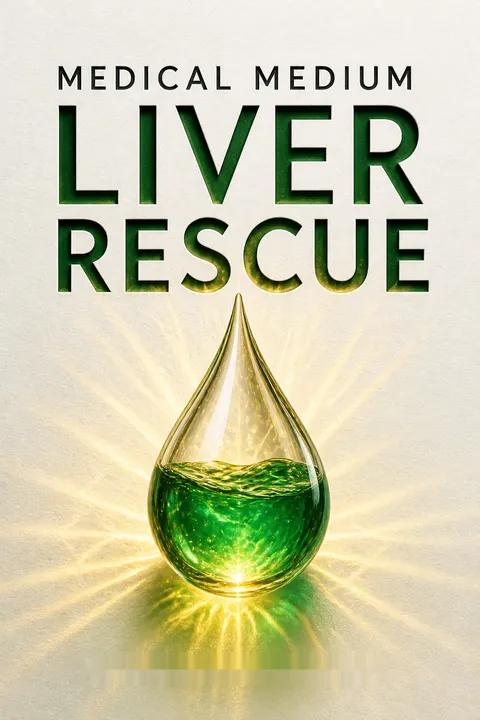


Key Takeaways
Treat the liver as the book's hidden hub, not a proven cure-all
The unseen workhorse. The book opens with a whale-watching trip: passengers know whales exist, but seeing one surface makes its presence vivid. William uses the liver in the same way, portraying it as a hidden organ whose work is easy to overlook. Its established roles include producing bile, storing glucose, processing nutrients, and handling many substances carried in blood. The book builds on those roles to claim that the liver influences thousands of functions and explains a wide range of illness. Those broader claims are the author's model, not established medical findings.
A useful shift in attention. The practical invitation is to notice how daily choices affect health and to treat the liver as part of a larger system, not an isolated organ. The whale story supplies the book's emotional entry point: value can be present even when it is out of sight.
The whale analogy works because it addresses an attention problem: people tend to notice organs when they hurt or can be monitored directly. A systems perspective also helps readers understand that organs interact rather than operating as separate parts. That framing can encourage sensible habits, such as avoiding excessive alcohol and discussing medication effects with a clinician. The caution is that a compelling metaphor does not establish that the liver causes every symptom attributed to it. A helpful image should invite curiosity, not replace diagnosis or evidence.
Trade some fat-heavy meals for fruit and plants, without adopting food fear
The dietary argument. William argues that high-fat diets overwork the liver, reduce its access to glucose, and burden the pancreas. He distinguishes whole-food sugars from refined sweeteners, encouraging fruit, potatoes, squash, vegetables, and leafy greens while suggesting that people reduce fat-heavy foods. He calls natural carbohydrates that support the liver critical clean carbohydrates, or CCC. The book also recommends regular snacks rather than long gaps without food, especially for people who experience hunger or energy dips.
The useful core. Readers can take away a less dogmatic question: what foods are being crowded out by a restrictive diet? The book's strong claims about fat blocking glucose and causing diabetes are not settled science, however, and its food rules should not be treated as universal medical guidance.
The strongest practical insight is the warning against turning one nutrient into a villain. Whole fruit and vegetables can contribute fiber and nutrients, while diets that eliminate broad food groups can be difficult to sustain. That is a more durable lesson than replacing one rigid food ideology with another. The book's proposed mechanism, that dietary fat broadly prevents glucose from reaching organs, goes beyond accepted physiology. People managing diabetes or other conditions should make dietary changes with qualified care, rather than infer that fruit or fat alone explains their results.
Treat symptoms as prompts for care, not proof of a liver diagnosis
A broad symptom map. The book links sluggish liver, its term for an allegedly overloaded or underperforming liver, to fatigue, brain fog, weight gain, high blood pressure, blood sugar changes, acne, rashes, digestive complaints, and mood struggles. It also describes liver-enzyme blood tests as incomplete signals that may not identify the cause of a problem. Its central message is that symptoms deserve attention rather than blame, and that a normal test should not automatically end a conversation about persistent concerns.
Do not self-diagnose. The book's lists may help readers articulate symptoms, but they cannot establish that the liver caused them. These complaints have many possible explanations. Persistent, severe, or changing symptoms warrant evaluation by a licensed clinician, who can interpret tests alongside medical history and examination.
The anti-shame message is valuable: symptoms are not evidence of laziness or personal failure, and unexplained problems deserve thoughtful follow-up. The distinction between a clue and a diagnosis is equally important. A symptom list can help someone prepare for an appointment, but a long list that assigns many unrelated conditions to one organ risks narrowing the search too soon. Laboratory tests have limitations, yet limitations do not make them meaningless. A sound approach combines symptoms, examination, testing, and follow-up instead of choosing either blind faith or blanket distrust.
Keep the book's viral explanations in the hypothesis column
The proposed culprit. William repeatedly presents Epstein-Barr virus, other herpes-family viruses, and Streptococcus as hidden causes of conditions ranging from autoimmune disease and hepatitis to acne, SIBO, and brain fog. He describes the liver as a place where pathogens and their waste accumulate, then attributes symptoms to that buildup. In this account, eczema and psoriasis arise from toxins transformed by viruses, while SIBO is framed primarily as strep overgrowth. These are the book's explanations, not diagnoses readers can confirm from symptoms alone.
Separate association from cause. The chapter-wide narrative asks readers to look beneath a label and seek an underlying mechanism. That instinct can be useful, but the specific mechanisms and sweeping causal claims require evidence that the book does not provide.
The search for mechanisms is a legitimate scientific impulse, and infections can be relevant to particular illnesses. But a known association between a pathogen and a disease does not establish that the pathogen explains every case, or that a liver reservoir is the cause. Autoimmune conditions have distinct diagnostic criteria and complex causes; they are not interchangeable labels for a single hidden infection. Readers should not stop prescribed treatment, pursue unverified pathogen protocols, or reinterpret an established diagnosis on the basis of this account.
Reduce avoidable exposures, but do not fear ordinary life
The troublemaker idea. The book groups possible burdens under the name liver troublemakers: substances and exposures that, it claims, the liver stores or struggles to process. Its examples range from alcohol, medications, and pesticides to plastics, fragrances, and heavy metals. William describes three liver depths, with deeper storage supposedly taking longer to clear. His practical advice is to reduce what can reasonably be avoided, rather than obsess over every exposure or withdraw from daily life.
Keep caution proportional. Avoiding smoke, using products as directed, and discussing medication side effects are sensible general precautions. The book's detailed storage map and cleansing timelines are not established medical facts. It also explicitly cautions against stopping necessary medications without support.
Environmental health is a real concern, and exposure reduction is most useful when it targets well-characterized hazards rather than turning every product into a threat. The book's catalogue can make ordinary life feel saturated with danger, especially when it assigns hidden effects to routine exposures without supplying verifiable evidence. A proportionate approach prioritizes known risks, practical protections, and public-health improvements. It avoids both extremes: assuming every exposure is harmless and believing that a specific cleanse can remove an alleged inventory of stored toxins.
Approach the nine-day cleanse as an unproven protocol, not a cure
A staged routine. The Liver Rescue 3:6:9 is a named nine-day plan arranged in three successive three-day phases. The opening phase reduces dietary fat and adds apples; the middle phase emphasizes fruit, vegetables, celery juice, asparagus, and Brussels sprouts; the final phase shifts toward liquids and lighter foods. A separate Liver Rescue Morning asks participants to hydrate and avoid dietary fat until lunchtime. The author presents these steps as a gradual way to prepare the liver and encourage it to release stored material.
Safety before allegiance. The book discourages oil-based flushes and extreme purges, but its own cleanse has not been established as a treatment for liver disease or chronic symptoms. A restrictive or juice-heavy plan may be unsuitable for some people. Anyone considering it, especially with a medical condition, pregnancy, or medication use, should consult a clinician first.
The plan's gradual structure is more thoughtful than a dramatic purge that promises instant results. Its emphasis on preparation, adequate food, and avoiding oil-based gallbladder flushes reflects a useful concern for safety. Yet a named schedule and confident physiological story do not demonstrate that toxins are being removed or disease reversed. Juice-heavy days can also create practical risks for people with blood sugar disorders or other medical needs. The right test is not how compelling the ritual feels, but whether benefits and harms have been reliably evaluated.
Treat supplement lists as claims to review, not prescriptions
A large toolkit. The book offers extensive, condition-specific lists of herbs, vitamins, and supplements, including lemon balm, milk thistle, zinc, vitamin C, and B12. It recommends choosing selected items, starting cautiously for sensitivities, and consulting a practitioner about dosing. It also suggests taking supplements with fruit or another natural sugar source, based on its claim that sugar helps nutrients reach organs. The lists are presented as optional additions to food-based routines, not as the only route to improvement.
Check before combining. Long lists can obscure interactions, duplicate ingredients, and differences in product quality. The book's proposed liver effects and dosages are not a substitute for evidence-based prescribing. A clinician or pharmacist can review supplements against a person's diagnoses and medications.
The emphasis on individual variation and caution with sensitive users is preferable to treating every supplement as universally benign. Still, a detailed dosage list can look authoritative even when its claims have not been validated. Supplements can interact with prescription drugs, vary in composition, and complicate care, particularly for serious liver conditions. The most responsible reading is as a menu of hypotheses to discuss, not a regimen to copy. In health writing, precision of dosage should not be mistaken for strength of evidence.
Use self-compassion to resist shame, not to replace medical care
The emotional through-line. The book repeatedly portrays the liver as a loyal protector that bears burdens quietly until symptoms appear. That image supports one of its most humane messages: illness is not a moral failure, and people deserve compassion rather than blame. In its closing chapters, William distinguishes self-compassion from confidence or self-esteem, presenting compassion as a steadier response during illness, loss, and uncertainty. He likens hard periods to storms that change rather than define a person's identity.
Keep the metaphor in perspective. The emotional language gives the book a narrative arc from invisible labor to recognition and care. Its descriptions of the liver as having feelings or memories are metaphors and spiritual claims, not established biological findings.
Compassion can reduce the shame that often surrounds chronic symptoms and help people seek support without interpreting illness as a character flaw. The book's parental liver metaphor makes that principle memorable. Its emotional claims should remain distinct from its physiological claims: an organ can be essential without literally feeling neglected or carrying memories in the way a person does. Self-compassion is strongest when it supports clear decisions, honest conversations, and appropriate care, rather than being used to explain away symptoms or promise healing.
Question medical certainty and spiritual certainty by the same standard
The book's authority story. William argues that medical science has neglected chronic illness and that funding, institutional habits, and food trends can distort inquiry. He presents information received from Spirit as a more reliable source, urging readers to remain open to ideas that challenge conventional explanations. This skepticism toward entrenched assumptions is part of the book's narrative, not just a supporting point: it frames the author as a guide through a confusing health landscape.
Apply skepticism evenly. The book offers many detailed claims without studies or testable evidence in the material provided. Readers can value its call to ask questions while asking the same questions of spiritual revelation, testimonials, and commercial wellness advice.
Institutional incentives and scientific blind spots are fair subjects for scrutiny; science is a method of correction, not a guarantee that every conclusion is right. But skepticism loses its force when it is applied only to conventional medicine and exempted from the favored alternative. A claim becomes more credible through transparent methods, independent replication, and willingness to revise, not through confidence or celebrity endorsement. This symmetry preserves the book's call for curiosity while protecting readers from replacing one unquestioned authority with another.
Analysis
Medical Medium Liver Rescue is a sprawling health and wellness book that combines an organ-centered theory, symptom reference guide, dietary program, supplement catalogue, and spiritual memoir. Its organizing move is powerful: it takes an organ usually noticed only in the context of alcohol, hepatitis, or cirrhosis and makes it the protagonist of everyday health. The opening whale-watching story turns an invisible process into a felt discovery, while the image of a tireless peacekeeper supplies emotional continuity across chapters on fatigue, skin conditions, blood sugar, digestion, mood, and cancer.
The book is difficult to summarize because its central thesis is repeated through many conditions, and because its advice is intertwined with a large collection of specific biological claims. Some recognizable physiology anchors the account: the liver participates in nutrient processing, bile production, blood glucose regulation, and medication metabolism. The author then extends that foundation into claims about undiscovered cells, chemical systems, viral causes, detox pathways, and the liver's emotional memory. The text does not provide evidence sufficient to establish those extensions. The distinction matters: an accurate adaptation must describe what William argues without presenting his explanations as medical consensus.
The book's skepticism toward institutional science is also rhetorically effective but uneven. It asks readers to question funding, trends, and conventional diagnoses, while presenting spiritual information as uniquely trustworthy and many detailed mechanisms without testable support. The reader is invited to reject authority and accept another authority. A more rigorous version of its curiosity would apply the same evidentiary standard to both.
Its most transferable contributions are therefore not the proposed diagnoses or detox mechanisms, but the habits of attention it encourages: avoid shame, notice patterns, ask clinicians clear questions, and be wary of drastic protocols. The dietary routines and supplement regimens should not be mistaken for proven treatment. Persistent symptoms, diabetes, suspected liver disease, and medication decisions call for qualified medical care. Compassion and careful evidence are compatible; neither requires surrendering the other.
Review Summary
Medical Medium Liver Rescue received mixed reviews. Many readers found the information valuable and life-changing, praising the author's insights into liver health and its connection to various ailments. They appreciated the practical advice, recipes, and protocols provided. However, some criticized the repetitive writing style, lack of scientific references, and the author's claims of receiving information from a spirit guide. Despite skepticism, many readers reported positive results from implementing the book's recommendations, particularly the celery juice and liver cleanse protocols.
People Also Read







Glossary
Sluggish liver
Author's overload modelWilliam's term for a liver he believes has become burdened by toxins, pathogens, fats, or other accumulated material and is therefore less able to perform its functions. He uses it to connect the liver with many symptoms and conditions. It is not a standard medical diagnosis, and symptoms attributed to it require ordinary clinical evaluation.
Dirty Blood Syndrome
Author's blood-toxin theoryWilliam's proposed condition in which chronic dehydration and a supposedly compromised liver allow toxins and other waste to enter the bloodstream. He uses this idea to explain symptoms such as dark under-eye circles, Raynaud's symptoms, gout, and fatigue. The syndrome is not a recognized medical diagnosis, and the book's proposed mechanism is not established clinical guidance.
Liver Rescue 3:6:9
Nine-day dietary cleanseA nine-day eating plan in Liver Rescue, divided into three consecutive three-day phases. The plan progressively changes meals, reduces dietary fat, emphasizes fruits and vegetables, and ends with a more liquid-focused day. William presents the sequence as a way to support liver cleansing. It has not been established as a treatment for liver disease or other medical conditions.
Liver Rescue Morning
Morning hydration routineWilliam's daily mini-cleanse: hydrate on waking and avoid foods he classifies as containing radical fats until lunchtime. The book presents this as a way to let the liver continue its morning detoxification rather than switch to fat digestion. The proposed detox window and its health effects are the author's claims, not proven medical instructions.
Critical clean carbohydrates
Whole-food glucose sourcesWilliam's phrase for natural sugars and carbohydrates from foods such as fruit, potatoes, squash, and sweet potatoes. He argues that these foods provide glucose needed by the liver and that dietary fat can interfere with its use. This is the book's specialized nutrition vocabulary; readers should not treat its broad claims about fat, glucose, or disease as settled medical fact.
Perime cells
Proposed liver storage cellsA cell type William says the liver produces when its storage capacity becomes crowded. In his account, groups of these cells expand, block, or reshape areas of liver tissue to contain potentially harmful substances. The term and the described function are not part of established medical terminology or accepted liver anatomy.
hepa-tracking
Proposed liver alarm systemWilliam's name for an alleged emergency process in which the liver reuses adrenaline and other compounds to strengthen its cells and direct waste handling when toxins threaten to escape. The book presents it as a protective mechanism not yet known to medical science. It is a speculative author-defined concept, not a validated clinical process.
Elevated biotics
Proposed fresh-food microorganismsWilliam's term for microorganisms he says occur on fresh produce, particularly sprouts and lightly washed garden foods, and support vitamin B12 production in the ileum. He describes them as distinct from microorganisms in fermented foods or supplements. This specialized concept and its claimed role are not established medical guidance.
FAQ
What's Medical Medium Liver Rescue about?
- Focus on Liver Health: Medical Medium Liver Rescue by Anthony William highlights the liver's essential role in detoxification, immunity, and energy regulation.
- Connection to Chronic Illness: The book links various chronic conditions, such as diabetes and eczema, to liver health, suggesting that many health issues stem from a sluggish liver.
- Cleansing and Healing: It provides insights into cleansing and healing the liver through diet, lifestyle changes, and specific foods that support liver function.
Why should I read Medical Medium Liver Rescue?
- Unique Perspective: Anthony William offers insights that challenge conventional medical wisdom, based on information from a spiritual source.
- Natural Healing Methods: The book presents natural, accessible healing methods that can be easily integrated into daily life, appealing to those seeking alternatives to conventional medicine.
- Comprehensive Understanding: It provides a holistic view of health, helping readers understand the connection between liver health and various symptoms or conditions.
What are the key takeaways of Medical Medium Liver Rescue?
- Liver's Vital Functions: The liver performs over 2,000 functions, including detoxification and immune support, crucial for overall well-being.
- Impact of Diet: A low-fat, high-quality carbohydrate diet is essential for maintaining liver health, with an emphasis on fruits, vegetables, and specific herbs.
- Addressing Symptoms: Common symptoms like fatigue and skin issues are linked to liver dysfunction, encouraging readers to view these as signals requiring attention.
What is the Liver Rescue 3:6:9 method?
- Detox Protocol: The Liver Rescue 3:6:9 is a nine-day detoxification protocol designed to cleanse and restore liver function.
- Phased Approach: It is divided into three phases: cleansing, healing, and nourishing, each with specific dietary guidelines.
- Support for Liver Health: This method aims to reset liver health, improve energy levels, and alleviate symptoms associated with liver dysfunction.
How does the liver affect conditions like diabetes and high blood pressure according to Medical Medium Liver Rescue?
- Connection to Blood Sugar: The liver regulates blood sugar by storing and releasing glucose; a compromised liver can lead to insulin resistance and diabetes.
- Impact on Blood Pressure: A sluggish liver can cause thick blood, increasing heart effort and resulting in elevated blood pressure.
- Holistic Approach: Addressing liver health can potentially improve blood sugar and pressure levels, highlighting bodily interconnectedness.
What dietary changes does Medical Medium Liver Rescue recommend?
- Low-Fat Diet: Emphasizes reducing unhealthy fats and focusing on healthy carbohydrates to lessen liver burden.
- Incorporating Healing Foods: Recommends fruits, leafy greens, and specific herbs for their liver-supporting properties.
- Regular Eating Schedule: Suggests eating every 1.5 to 2 hours to maintain stable blood sugar and support liver function.
What are liver troublemakers according to Medical Medium Liver Rescue?
- Toxins and Chemicals: Identifies heavy metals, pesticides, and plastics as significant contributors to liver dysfunction.
- Viral Infections: Highlights viruses like Epstein-Barr as common culprits residing in the liver and causing damage.
- Poor Diet: A high-fat, low-nutrient diet can overwhelm the liver, leading to fatty liver and other complications.
How does stress impact liver health in Medical Medium Liver Rescue?
- Adrenaline Production: Stress triggers adrenaline production, which the liver must absorb, leading to dysfunction if chronic.
- Impact on Liver Function: High stress hormones impair detoxification and nutrient processing, causing sluggishness.
- Holistic Management: Managing stress through relaxation, exercise, and nutrition supports liver health and function.
What is the relationship between the liver and emotional health in Medical Medium Liver Rescue?
- Emotional Connection: The liver is tied to emotional well-being, with stress and trauma affecting mood disorders.
- Adrenaline and Stress: Excess adrenaline from stress can overwhelm the liver, leading to emotional instability.
- Healing Through Understanding: Recognizing the liver's role in emotional health can guide supportive steps for improvement.
How does Medical Medium Liver Rescue address autoimmune diseases?
- Viral Connection: Links many autoimmune diseases to viral infections, particularly Epstein-Barr virus residing in the liver.
- Liver's Role: Emphasizes a healthy liver as crucial for managing autoimmune conditions and alleviating symptoms.
- Holistic Healing: Encourages focusing on liver health and overall wellness for a holistic approach to healing autoimmune diseases.
What are some healing foods recommended in Medical Medium Liver Rescue?
- Apples and Berries: Apples cleanse the liver and provide hydration, while berries offer antioxidants protecting liver cells.
- Leafy Greens and Cruciferous Vegetables: Foods like spinach and kale support liver detoxification with high nutrient content.
- Coconut and Citrus Fruits: Coconut has antiviral properties, and citrus fruits stimulate bile production for digestion and detoxification.
What are the best quotes from Medical Medium Liver Rescue and what do they mean?
- “Your liver is your best friend.”: Emphasizes the liver's protective role, suggesting nurturing it is crucial for wellness.
- “A healthy liver is the ultimate de-stressor.”: Highlights the liver's ability to manage stress and toxins, implying care can alleviate stress.
- “All storms pass.”: Encourages resilience and hope, reminding readers that health struggles are temporary and healing is possible.
About the Author
Other books by Anthony William

Download PDF
Download EPUB
.epub digital book format is ideal for reading ebooks on phones, tablets, and e-readers.








